
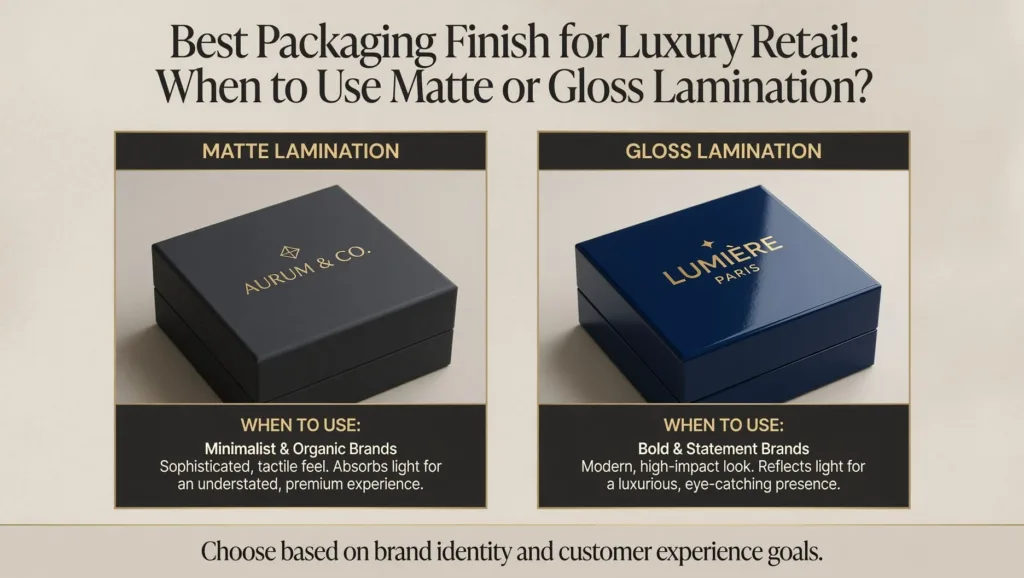
Your product itself is excellent, but the packaging lacks sophistication; when placed on the shelf, it lacks distinctiveness and novelty—it has no unique character or defining features, and thus fails to catch the customer’s eye. This may not be a problem with the product itself, but rather a flaw in the packaging. Perhaps it is the materials? Or perhaps the craftsmanship?
Lamination is a thin film applied to paper that provides protection and enhances its look. Gloss lamination is shiny and makes colors pop, while matte lamination is non-reflective and sophisticated. The right choice depends on your brand identity and the message you want to send.

I still remember consulting a new skincare brand. They brought two prototype boxes for their flagship essence, one with glossy lamination and the other with matte lamination.
The products inside are identical, yet they give totally different impressions side by side. The glossy box looks vibrant and eye-catching, while the matte one exudes premium, refined and trustworthy vibes.
Surface finishing makes a huge difference. It is far more than just a technical detail, but also the subtle brand message conveyed to customers.
What Exactly Is Lamination? Why Is It Crucial for Premium Packaging?
Our meticulously crafted, exquisite paper bags often show signs of wear and creasing after just a single use. This not only disappoints customers but also damages your brand image due to a lack of durability. Furthermore, without lamination, issues such as color fading can occur; consequently, lamination serves as an indispensable material and step in the production of paper bags and boxes. (Naturally, kraft paper materials are an exception and do not require lamination.)
Lamination refers to the process of bonding a thin, transparent plastic film onto the surface of paper or cardstock. It serves a dual purpose: it provides robust protection—effectively guarding against moisture, abrasion, and tearing—while simultaneously and significantly enhancing the visual appeal and tactile quality of the packaging.
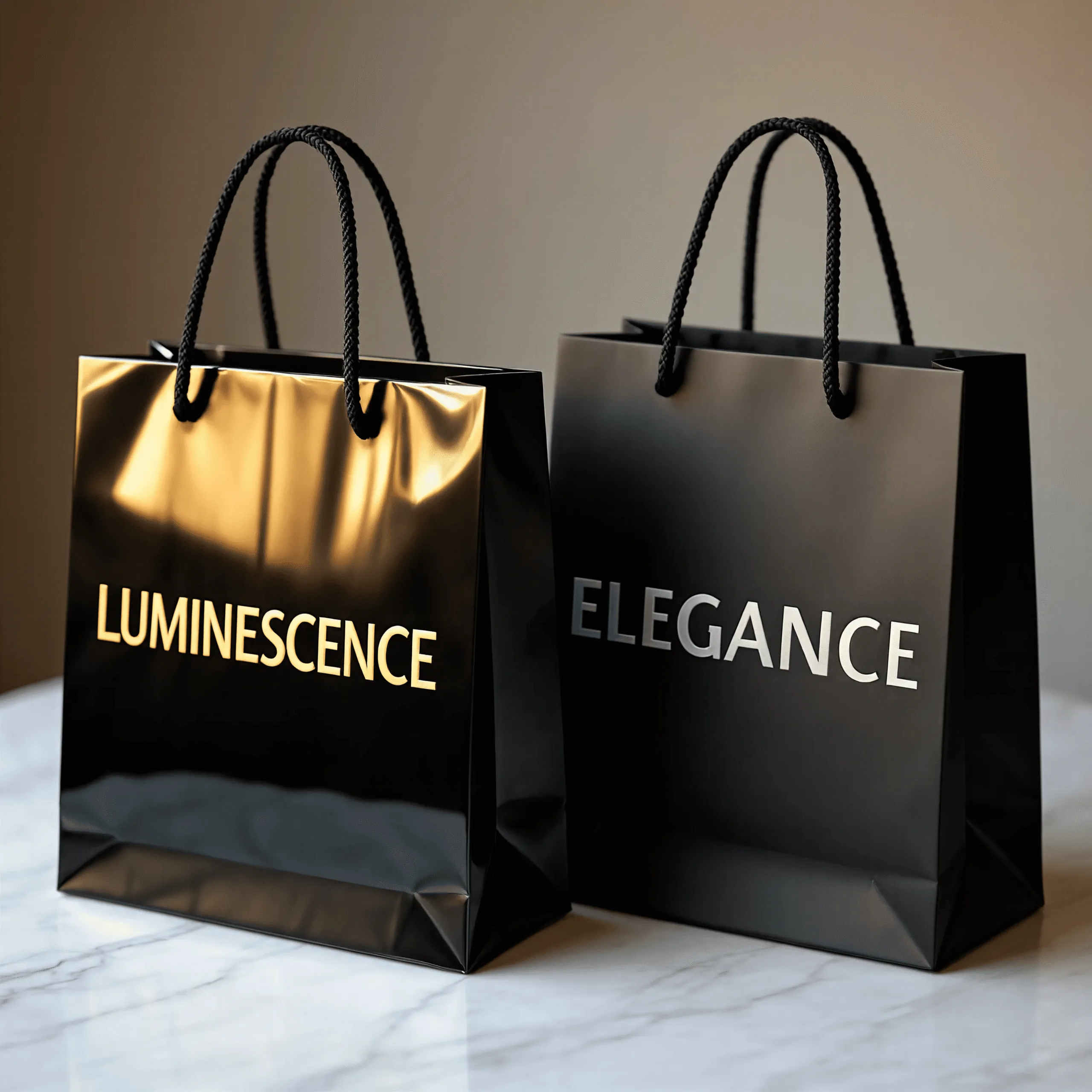
In the realm of paper packaging, plain printed paper often proves to be quite fragile—it is highly susceptible to tearing and moisture damage, and quickly begins to show signs of wear and tear. For high-end brands, such performance is clearly unacceptable. Consequently, the lamination process has emerged as our preferred solution, capable of instantly elevating the perceived quality and enhancing the durability of paper products. The process itself is straightforward: by applying heat and pressure, a roll of thin film—typically a plastic film known as BOPP—is firmly bonded to the surface of the printed paper. This creates a permanent and robust protective layer that not only prevents the printed ink from fading or abrading but also safeguards both the paper substrate and the exquisite design printed upon it, thereby fundamentally transforming and elevating the performance and tactile quality of the paper material.
The benefits are immediate and twofold:
- Protection: This is the practical advantage. Lamination acts as a barrier, making your packaging resistant to smudges, fingerprints, stains, and scuffs. It adds a degree of water resistance, protecting the package from minor spills or damp conditions. This durability ensures that your custom paper bags or paper boxes look pristine from our factory to your customer’s hands, and even beyond for reuse. According to a study on consumer packaging, durability is a key driver of perceived quality (Packaging World report).
- Aesthetics: This is where the magic happens for branding. Lamination doesn’t just protect; it enhances. It can make colors appear richer, create a unique tactile sensation, and provide a consistent, high-quality finish across your entire packaging line.
For any brand investing in custom packaging, lamination is not just an option; it’s a fundamental component of quality.
When Should Your Brand Choose High-Impact Gloss Lamination?
Your product needs to jump off the shelf and instantly catch a shopper’s eye. You’re competing in a busy environment and can’t afford to look dull or understated.
Choose gloss lamination when you want your packaging to shout. Its shiny, reflective surface makes colors appear more vibrant and saturated, providing a high-impact, energetic look. It’s excellent for drawing attention and conveying a sense of slick, modern quality.
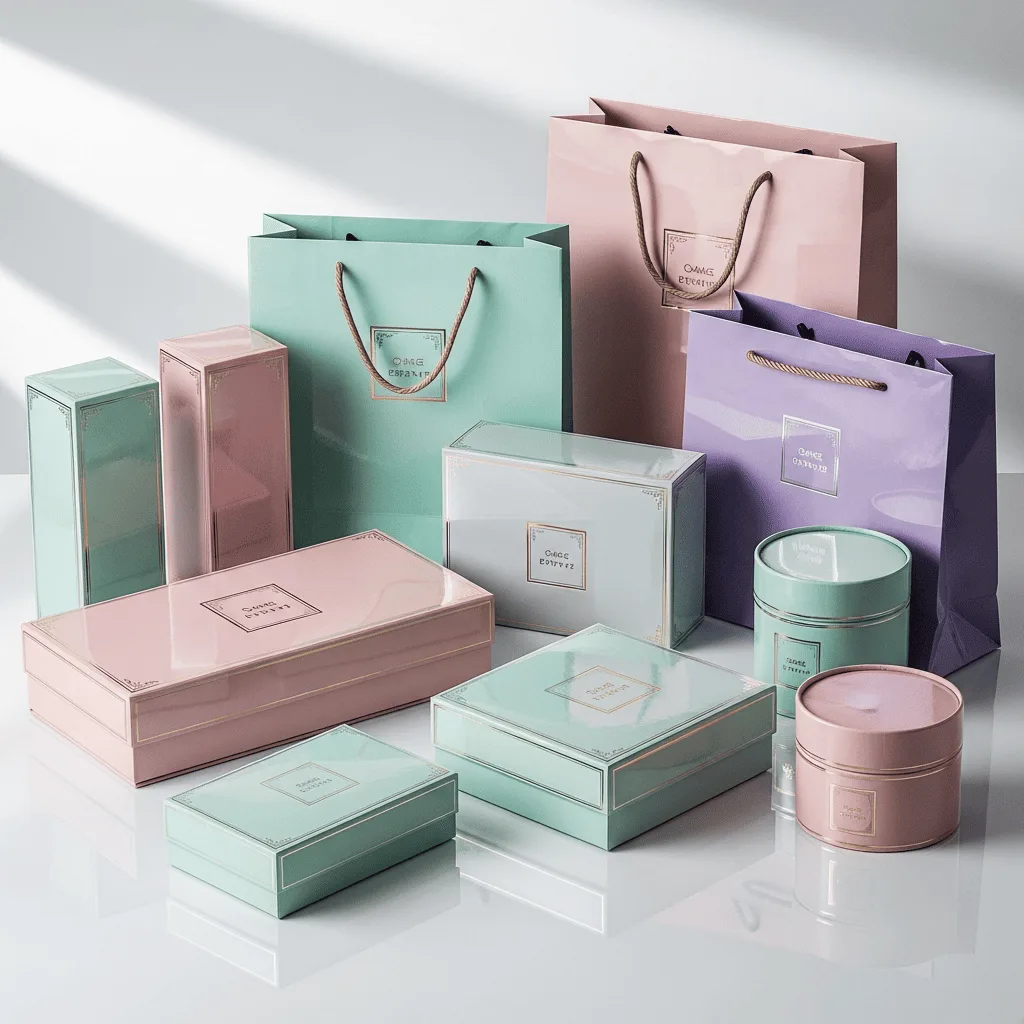
Think of gloss lamination as the extrovert of packaging finishes. It’s bold, it’s loud, and it loves the spotlight. At my company, Omet Pack, we often recommend gloss for brands that want to project energy and excitement. The smooth, slick surface reflects a lot of light, which in turn makes the underlying print colors look deeper, richer, and more vivid. Photos and complex graphics look particularly sharp under a gloss finish.
Advantages of Gloss Lamination:
- Vibrant Colors: It significantly enhances the ink below, making colors appear more saturated and alive.
- Perceived Quality: The shiny finish can create a perception of being modern, new, and technologically advanced.
- Easy to Clean: The non-porous surface easily wipes clean of dust and fingerprints, which is a great benefit in a retail environment.
- High Durability: The slick surface offers excellent protection against moisture and scuffing.
Disadvantages of Gloss Lamination:
- Fingerprint Magnet: While easy to clean, the high shine readily shows fingerprints and smudges.
- Glare: Under direct retail lighting, the reflectiveness can sometimes cause a glare, making text hard to read from certain angles.
- Can Look "Common": Because it’s so widely used for mass-market goods, it can sometimes lack the exclusive, subtle feel of a high-luxury item.
Which Industries and Products Fit Best?
I’ve found gloss lamination to be a perfect match for industries like electronics, where a slick, modern feel is desired. It’s also great for toys, cosmetics aimed at a younger demographic, and certain types of food packaging where you want images of the food to look as appetizing and vibrant as possible. A client of ours who produces gourmet chocolate bars uses gloss lamination on their gift boxes to make the images of fruit and nuts on the packaging look incredibly rich and delicious.
Is Understated Matte Lamination the Secret to a Sophisticated Brand Image?
Your brand is built on elegance, subtlety, and craftsmanship. You want your packaging to feel expensive and luxurious to the touch, not shouty or plasticky.
Yes, matte lamination is the go-to choice for a sophisticated, high-end feel. Its non-reflective, velvety surface absorbs light, providing a soft, muted look. It feels smooth and luxurious in the hand, signaling quality and understated confidence.
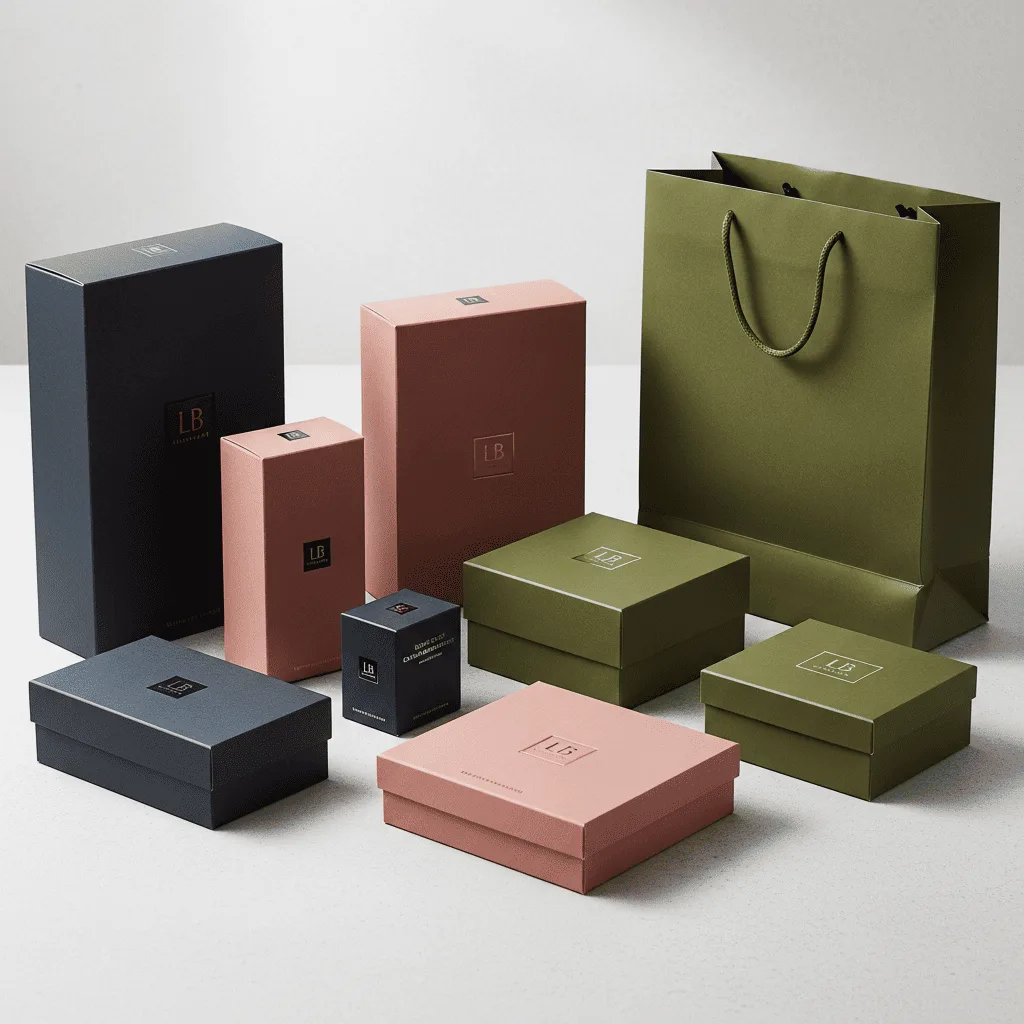
If gloss is the extrovert, matte lamination is the strong, silent type. It doesn’t need to yell for attention. Instead, it creates a sense of calm, elegance, and premium quality. The finish is smooth and almost soft to the touch, providing a superior tactile experience that customers associate with luxury. In our factory, when we run a job with matte lamination, the whole team knows it’s for a brand that prioritizes feel and subtle aesthetics. It’s a finish that invites you to pick it up and hold it.
Advantages of Matte Lamination:
- Elegant Appearance: It provides a modern, sophisticated look that is very popular with luxury brands.
- Reduced Glare: The non-reflective surface makes text easy to read under any lighting conditions.
- Hides Fingerprints: Compared to gloss, it is much more resistant to showing smudges and fingerprints.
- Luxurious Tactile Feel: The smooth, velvety texture feels premium in the hand.
Disadvantages of Matte Lamination:
- Muted Colors: It can make colors appear slightly less vibrant and can "soften" the contrast of images. Dark colors, especially black, can look a bit grayed or dusty.
- Shows Scratches: While durable, deep scratches can be more visible on a matte surface than on a busy gloss one. (A variation called "soft-touch" matte offers more scratch resistance).
Which Industries and Products Fit Best?
Matte lamination is the darling of high-end industries. We use it extensively for luxury cosmetic packaging, jewelry packaging, high-fashion apparel brands, and boutique gift items like candles and diffusers. One of my favorite projects was for a high-end jeweler. We created a rigid gift box with a deep black matte lamination. The finish felt so luxurious, and it made the small, hot-stamped silver logo pop with incredible elegance. It proved that sometimes, the most luxurious statement is the quietest one.
How Do You Make the Final Choice Between Matte and Gloss?
You understand the pros and cons, but you’re still stuck. Making the wrong choice feels like it could misrepresent your brand and waste your packaging investment.
Make the decision by holding the finish against your core brand values. Gloss is energetic and eye-catching; matte is sophisticated and understated. Consider your product, target audience, and retail environment to determine which story you want your packaging to tell.
Choosing between matte and gloss is a strategic decision, not just an aesthetic one. There is no single "best" option—only the best option for your brand. As a supplier, my job is to ask the right questions to guide clients to their perfect finish. Often, I’ll send samples so they can see and feel the difference for themselves, which is a key part of our design consultation service. To help you make a more informed choice, I’ve created a simple comparison table that summarizes the key attributes of each finish.
| Feature | Gloss Lamination | Matte Lamination |
|---|---|---|
| Visual Appearance | Shiny, high-contrast, reflective | Smooth, low-sheen, non-reflective |
| Color Impact | Makes colors appear vibrant, deep, and saturated | Can slightly soften or mute colors |
| Tactile Feel | Slick and smooth | Velvety, soft, and smooth |
| Best For Brands That Are… | Energetic, modern, youthful, bold | Sophisticated, elegant, minimalist, natural |
| Ideal Products | Electronics, toys, vibrant food products, promotional items | High-end cosmetics, jewelry, luxury apparel, premium gifts |
| Primary Advantage | Grabs attention with vibrant colors and shine | Creates a feeling of luxury and sophistication |
| Main Drawback | Shows fingerprints and glare easily | Can mute dark colors and show scratches |
Ultimately, ask yourself this: When a customer holds your package for the first time, what do you want them to feel? If you want them to feel excitement and energy, choose gloss. If you want them to feel a sense of calm, quality, and refinement, choose matte.
Conclusion
The choice between matte and gloss lamination is a crucial final step in your packaging design. It’s a decision that defines your brand’s voice on the shelf. Gloss shouts with vibrant energy, while matte whispers with sophisticated elegance. Choose wisely to ensure your packaging tells the right story.
Ready to find the perfect finish for your brand? Contact our team at Omet Pack for expert advice and samples.
For more insights into creating standout packaging, explore our resources on materials and finishes and the hot stamping process.
FAQ
1. Is there a significant cost difference between matte and gloss lamination?
Generally, the cost for standard matte and gloss lamination is very similar. The price difference is usually negligible and should not be the primary factor in your decision. Specialty finishes, like anti-scratch or soft-touch matte, may have a slightly higher cost.
2. What is "soft-touch" lamination?
Soft-touch is a premium type of matte lamination that has an even more velvety, almost rubber-like feel. It’s incredibly soft to the touch and offers enhanced durability and scratch resistance compared to standard matte. It’s a popular choice for ultra-luxury products.
3. Can I use both finishes on one package?
Yes, and this is a very popular high-end technique! The most common method is to use a matte lamination over the entire package and then apply a spot gloss UV coating to specific elements, like your logo or a photograph. This creates a stunning contrast in both texture and shine.