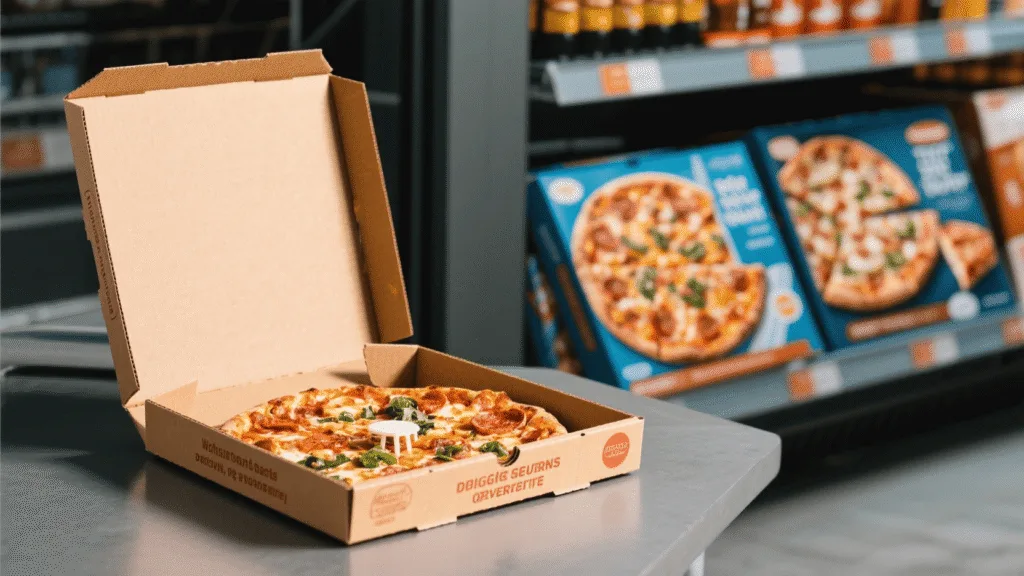
You see pizza boxes everywhere and likely assume one size fits all. This thinking is a trap, causing brands to miss huge growth opportunities by treating every market segment the same.
The most significant growth for pizza paper boxes is in the delivery-only (ghost kitchen) and premium frozen pizza segments. These markets demand innovative, brand-focused packaging that transforms the box from a simple container into a crucial marketing and experience tool.
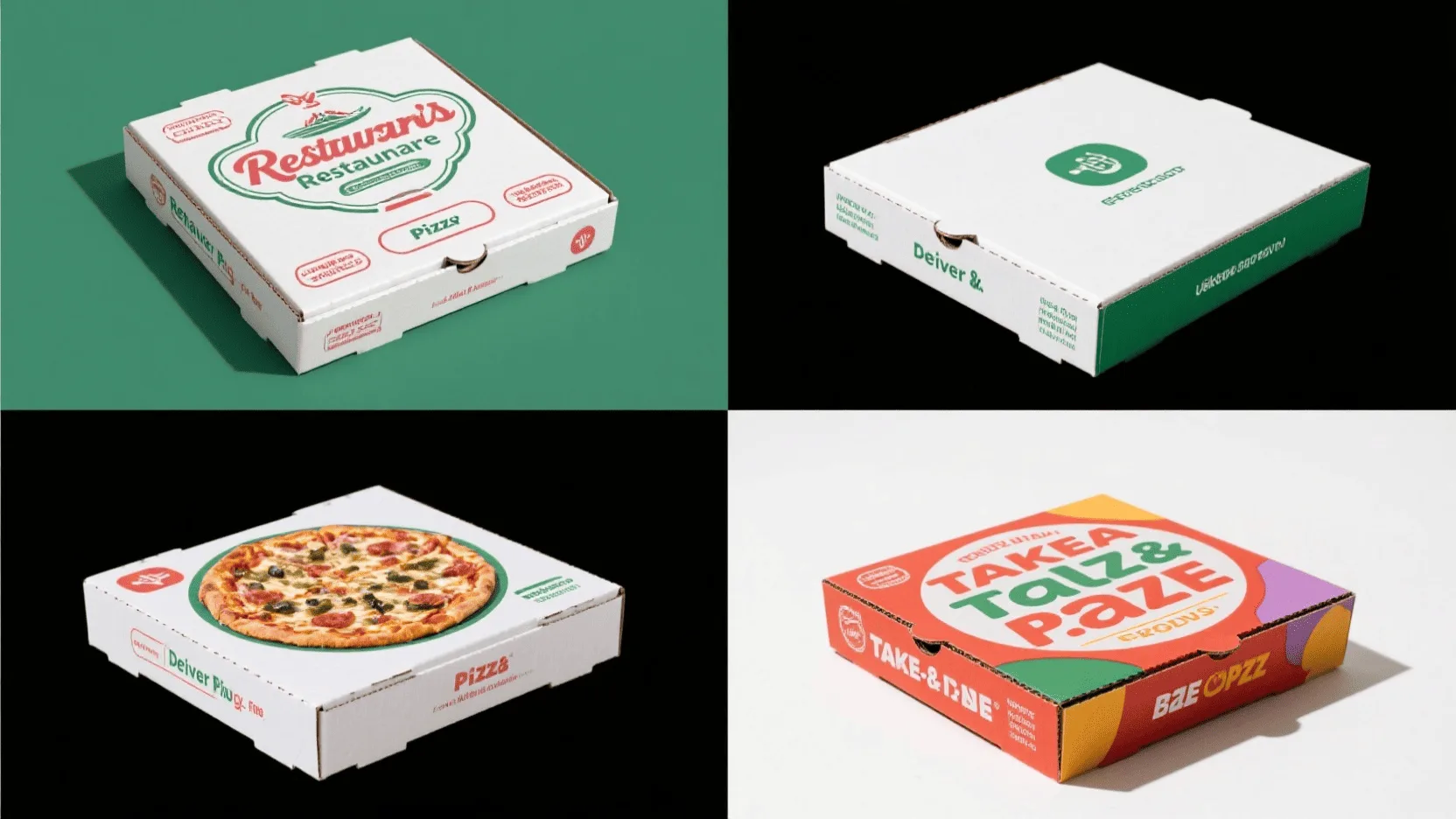
I remember a conversation with a client who was launching a line of gourmet frozen pizzas. He initially asked for a "standard pizza box, just smaller and colder." I had to stop him. We spent an hour talking about the customer’s journey. A hot pizza arrives with excitement. A frozen pizza sits on a shelf, silently competing with dozens of others. Its box isn’t a delivery vehicle; it’s a salesperson. That conversation shifted his entire budget. We moved from thinking about cost per unit to thinking about customer acquisition cost. His packaging became a key part of his launch strategy, not an afterthought.
Are Traditional Sit-Down Restaurants Still a Key Market for Pizza Boxes?
You see the same brown boxes stacked in every local pizzeria and assume the market is saturated. You figure there’s no room left for innovation, so you stick with the cheapest option.
Yes, traditional restaurants are a foundational market, but the growth has shifted. The opportunity now lies in upgrading standard boxes to multi-purpose packaging that enhances the takeaway experience and serves as a powerful local marketing tool.
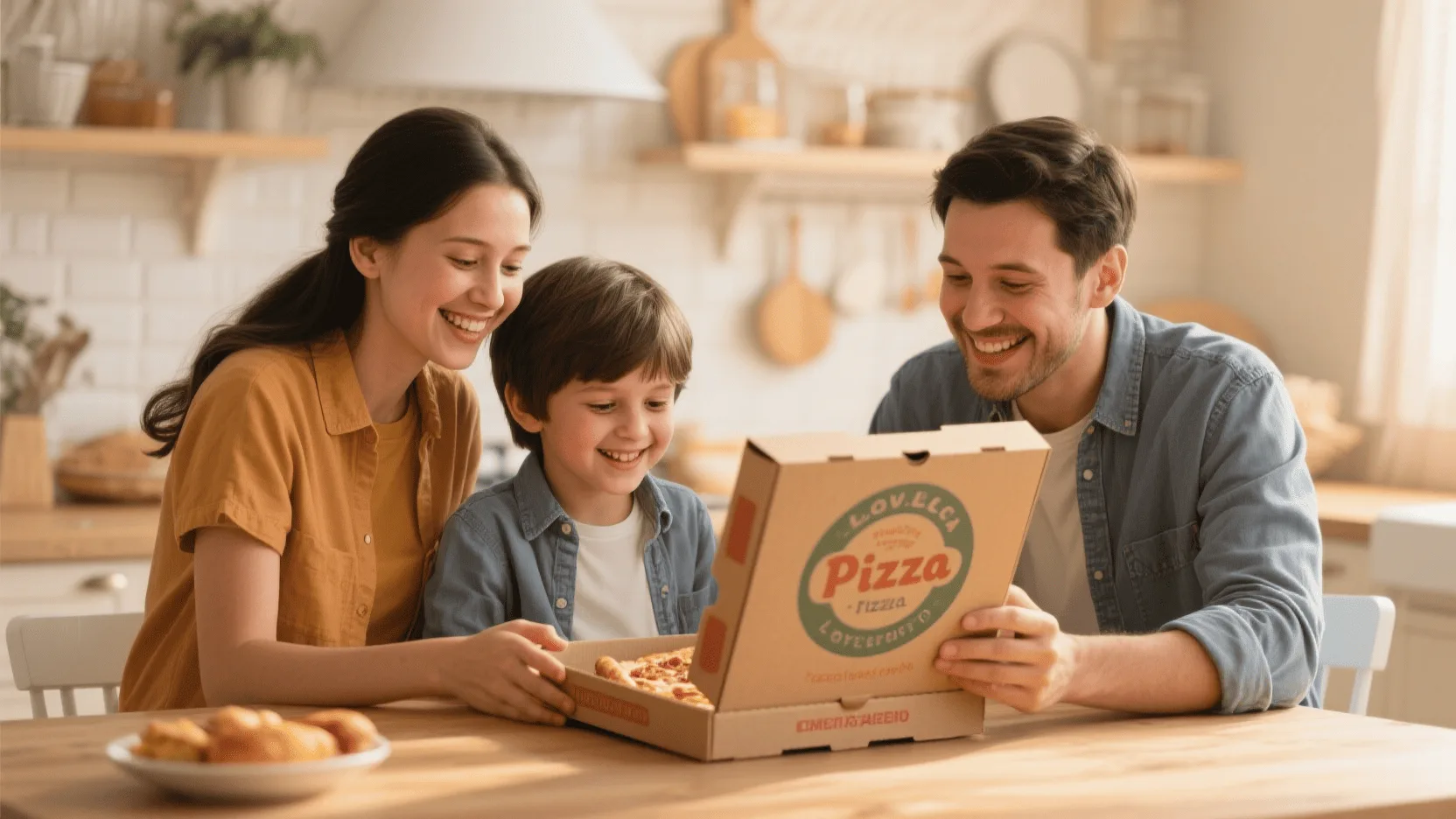
The local pizzeria or family restaurant will always be the heart of the pizza industry. This market is stable, but its needs are evolving. For years, the box was purely functional. Today, with increased competition and the rise of takeout culture, it has to do more. I’ve seen some of my most successful local clients turn their packaging into a community newspaper. They print schedules for local sports teams, promote community events, or include a coupon for the ice cream shop next door. It’s a brilliant, low-cost way to build goodwill. The growth here isn’t necessarily in volume, but in value. By upgrading to a better-designed box, restaurants can strengthen their brand, encourage repeat business, and create a better customer experience. A well-designed box feels premium and justifies the price of the pizza inside. It’s about turning a cost into an investment in local marketing and customer retention, using the packaging as a direct line to the community.
Turning Boxes into Local Billboards
For a traditional restaurant, the pizza box is often the only piece of marketing that enters a customer’s home. Instead of a plain box, it can become a dynamic tool. For example, a restaurant can print a QR code1 that links to a video of their chef making the dough, telling a story that builds a personal connection. Or they can use custom tags & stickers on the box to highlight a "Pizza of the Month2," creating urgency and encouraging customers to try something new. This isn’t just about branding; it’s about starting a conversation and making the customer feel like part of the restaurant’s family.
Why Are Delivery-Only Kitchens the New Frontier for Pizza Box Innovation?
Your ghost kitchen makes amazing pizza, but you have no storefront. A generic delivery box makes your brand totally forgettable, just another option in a long list on a food delivery app.
Delivery-only kitchens offer explosive growth because their packaging is their brand identity. They require structurally superior, tamper-evident boxes with unmissable branding to build trust and create a memorable experience in a purely digital marketplace.
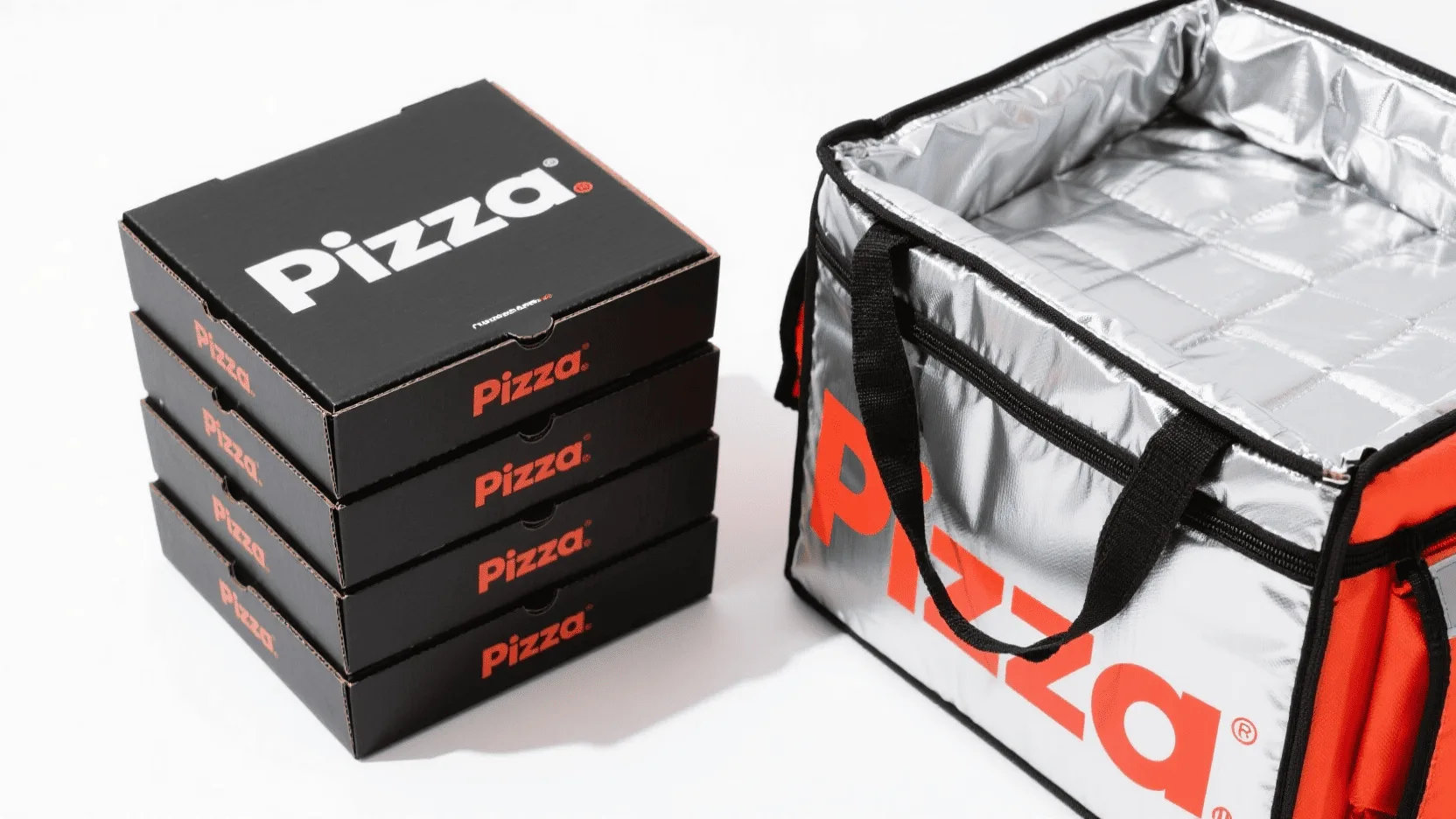
Ghost kitchens, or delivery-only restaurants, have a unique challenge and a massive opportunity. With no dining room, no host, and no signage, the shipping packaging is the first and only physical interaction a customer has with the brand. This makes the pizza box mission-critical. I’ve worked with several delivery-only startups, and our first conversation is never about the logo; it’s about the structure. How do we keep the pizza hot for a 40-minute delivery window? How do we prevent the crust from getting soggy? This has led to innovations like better ventilation systems, insulated cardboard, and grease-wicking liners. Furthermore, in a world of third-party delivery, trust is paramount. Tamper-evident seals and locking box designs are no longer a luxury; they are a necessity that tells the customer their food is safe. Once the structure is perfect, we focus on making the box a brand ambassador. Bold graphics, a compelling story, and a clear call to action (like a QR code for a discount on a direct order) are essential for standing out and building a loyal following from scratch.
Packaging Needs Across Pizza Market Segments
| Segment | Primary Packaging Goal | Key Features | Material Focus |
|---|---|---|---|
| Traditional Restaurant | Local Marketing & Takeout | Good graphics, coupon space, community info | Recycled Kraft or Clay-Coated Board |
| Delivery-Only (Ghost Kitchen) | Brand Identity & Food Integrity1 | Structural strength, tamper-evidence, bold branding | Double-Walled Corrugated, Insulated Liners |
| Premium Frozen Pizza | Shelf Appeal & Brand Story2 | High-end printing, unique finishes, vibrant photos | Solid Bleached Sulfate (SBS) Board |
| Retail / Take-and-Bake | Freshness & Information | Product window, clear instructions, moisture resistance | Coated Board, often with plastic film |
How is the Premium Frozen Pizza Segment Redefining Box Packaging?
You walk down the freezer aisle and see a wall of uninspired frozen pizza boxes. You assume this is a low-margin, high-volume game where packaging is just a basic commodity.
The premium frozen pizza segment is a major growth driver because its packaging must act as a silent salesperson on a crowded retail shelf. It requires high-end graphics, special finishes, and powerful storytelling to justify a premium price point and capture shopper attention in seconds.
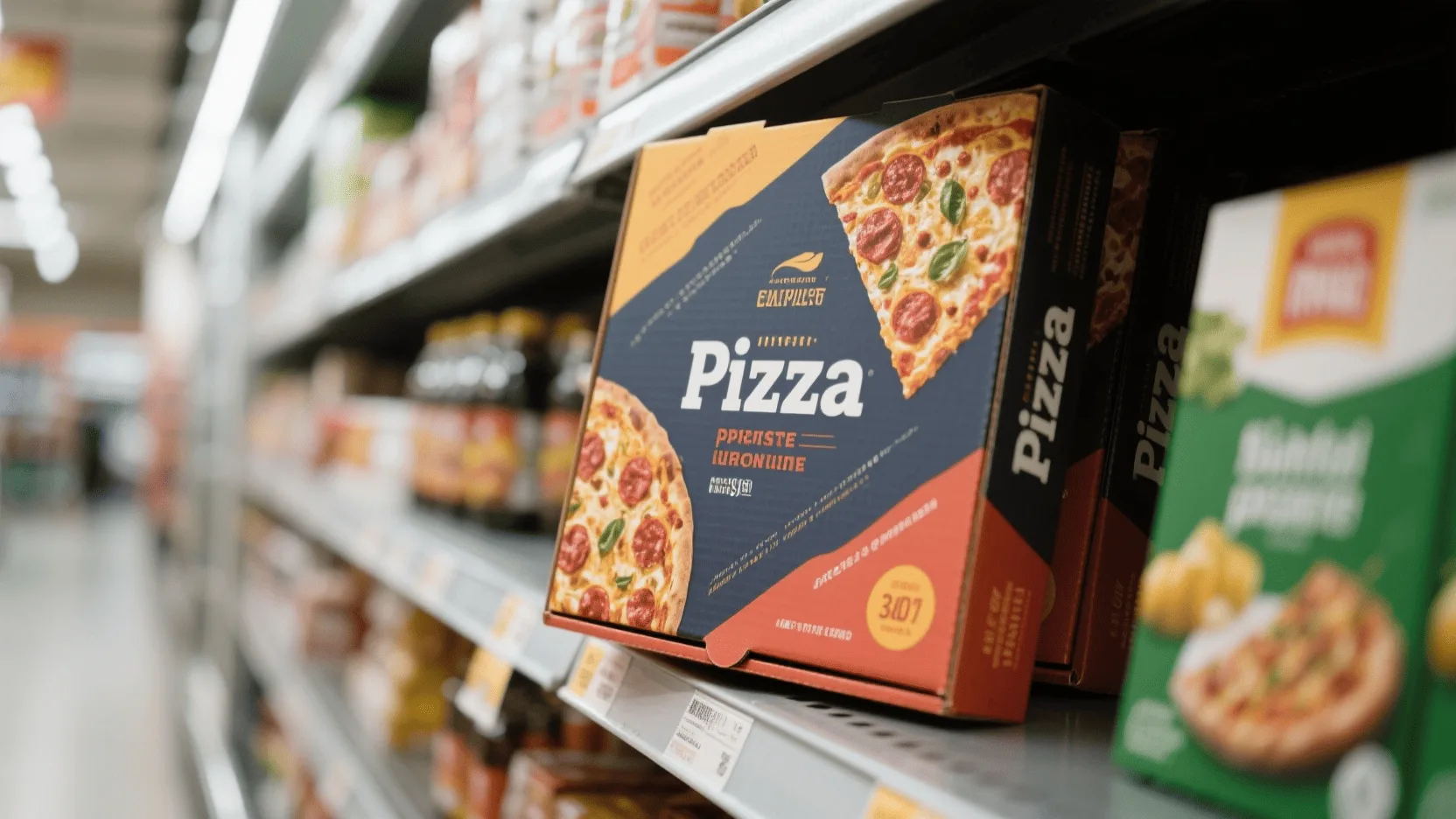
The frozen pizza aisle is not what it used to be. The rise of gourmet, artisanal, and plant-based frozen pizzas has created a new top shelf where consumers are willing to pay more for quality. But to command that premium price, the packaging must look the part. This is where my experience with cosmetic packaging and gift boxes becomes surprisingly relevant. The principles are the same: the package must create desire. For frozen pizza, we use high-quality Solid Bleached Sulfate (SBS) paperboard that allows for stunning, high-resolution offset printing. We can add matte or gloss lamination for a tactile feel, use spot UV to make ingredients look extra fresh, or apply hot stamping for a touch of luxury. The box tells a story of quality before the customer even tastes the product. According to a report by Mordor Intelligence, the global frozen pizza market is projected to grow significantly, and a large part of that growth is in this premium tier. Brands that invest in retail-optimized, visually striking food packaging will be the ones to capture this lucrative market.
The Shelf Appeal Factor
The job of a frozen pizza box1 is to stop a shopper’s scrolling eye. It has about three seconds to communicate its core message: "I’m delicious, high-quality, and worth the price." This is achieved through a hierarchy of design. First, mouth-watering food photography2 is essential. Second, clear branding and benefit call-outs (e.g., "Stone-Fired Crust," "Organic Vegetables") help the customer make a quick decision. Finally, the overall design and material quality create a subconscious perception of value. It’s a completely different discipline than designing a box for a hot pizza.
Conclusion
While all segments offer opportunities, the biggest growth for pizza paper boxes lies with delivery-only kitchens and premium frozen brands. These markets demand innovation, branding, and a superior customer experience, turning the box into a strategic asset. Understanding these nuances is the key to capturing market share.
Ready to find the perfect packaging for your pizza segment? Contact us today to discuss a custom solution.
For more insights on packaging trends, explore our guide on how consumer behaviors are shaping the industry.
FAQ
1. Which pizza segment has the highest demand for sustainable packaging?
All segments are seeing increased demand, but it’s most pronounced in the delivery-only and premium frozen segments. These customers are often younger and more environmentally conscious, and they expect brands to align with their values. Using FSC-certified materials is a powerful message in these markets.
2. What is the main structural difference between a frozen pizza box and a delivery box?
A delivery box is engineered for heat retention and ventilation to manage steam, using corrugated cardboard. A frozen pizza box, typically made of paperboard, is designed for freezer durability, structural rigidity to prevent crushing on shelves, and to serve as a high-quality print surface for retail marketing.
3. Can a small, independent pizzeria afford custom-printed boxes?
Absolutely. With modern printing technology, minimum order quantities are more flexible than ever. While there’s an upfront design cost, the investment can pay for itself through increased customer loyalty and local brand recognition. It’s one of the most effective marketing tools a small pizzeria has.