Your brand is judged on every detail, but your plastic packaging sends a mixed message. It feels cheap, creates waste, and alienates the growing number of eco-conscious customers.
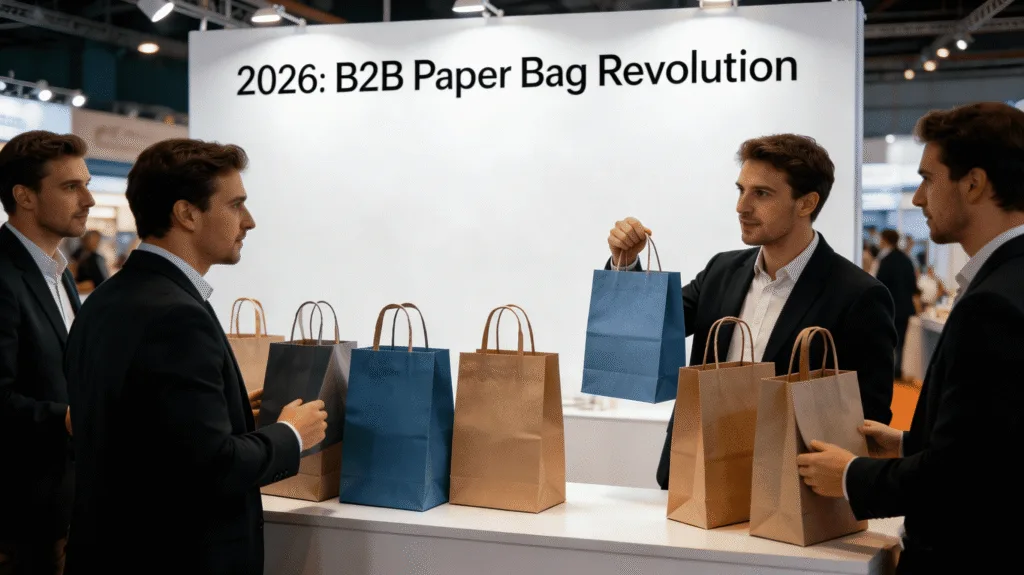
Paper bags will dominate B2B packaging by 2026 because they perfectly align with three major forces: tightening government regulations against plastics, rising consumer demand for sustainability, and new innovations that make them both cost-effective and premium.
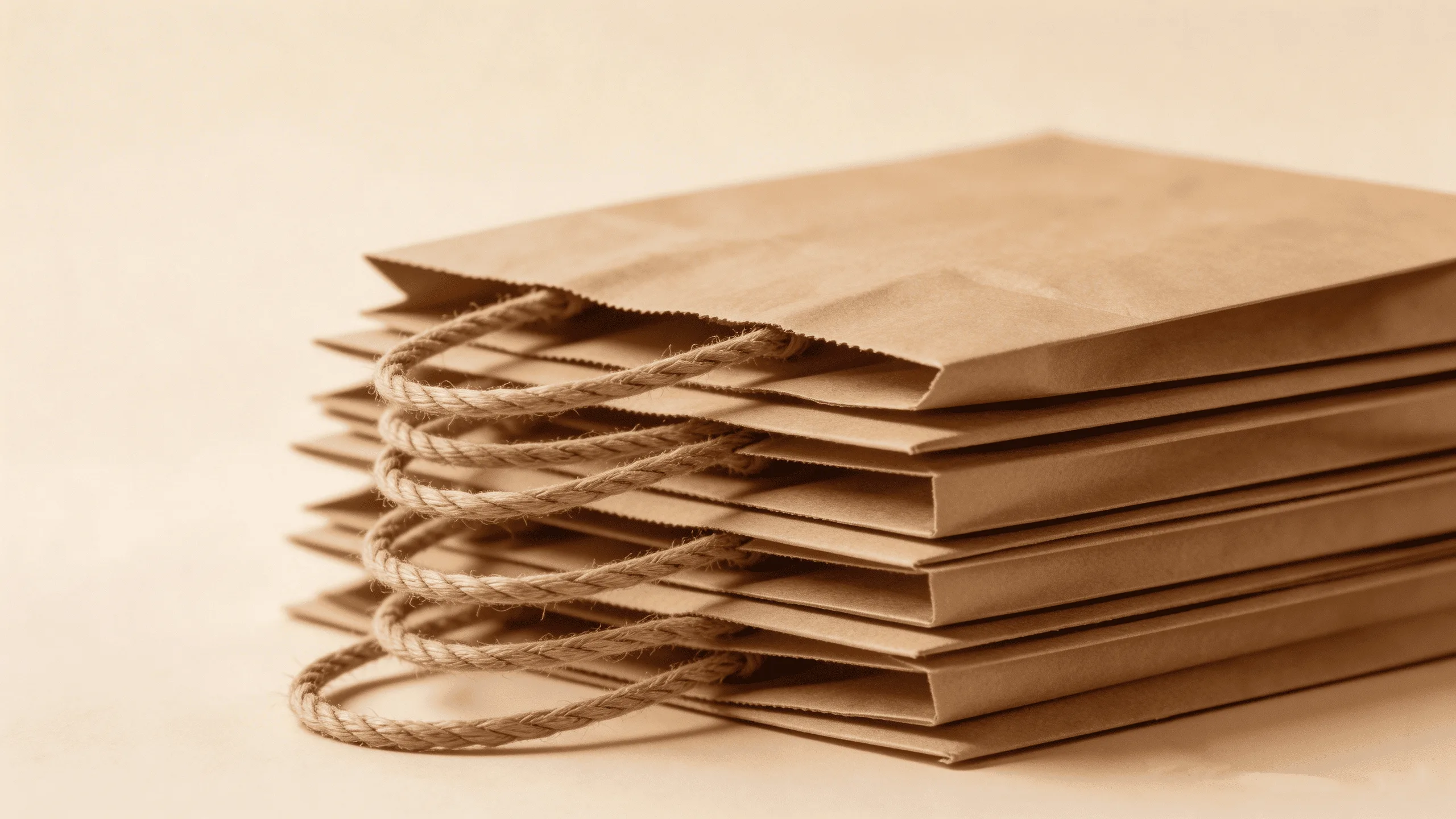
I’ve been in the packaging industry for over a decade, and I’ve never seen a shift this definitive. For years, the conversation was about balancing cost and quality. Now, a third, non-negotiable factor is leading every discussion: sustainability. Brands aren’t just asking for greener options; they’re building their entire packaging strategy around them. This isn’t a fleeting trend. It’s a fundamental change in how the world does business, and the humble paper bag is right at the center of it.
Why Are Consumers and Governments Pushing Brands Away from Plastic?
You see headlines about plastic bans, but it’s hard to connect them to your business strategy. You wonder if this "green wave" is a real market force or just noise.
Consumers are actively choosing sustainable brands, and governments are enforcing it. This combined pressure makes switching from plastic a matter of market survival, not just corporate responsibility.
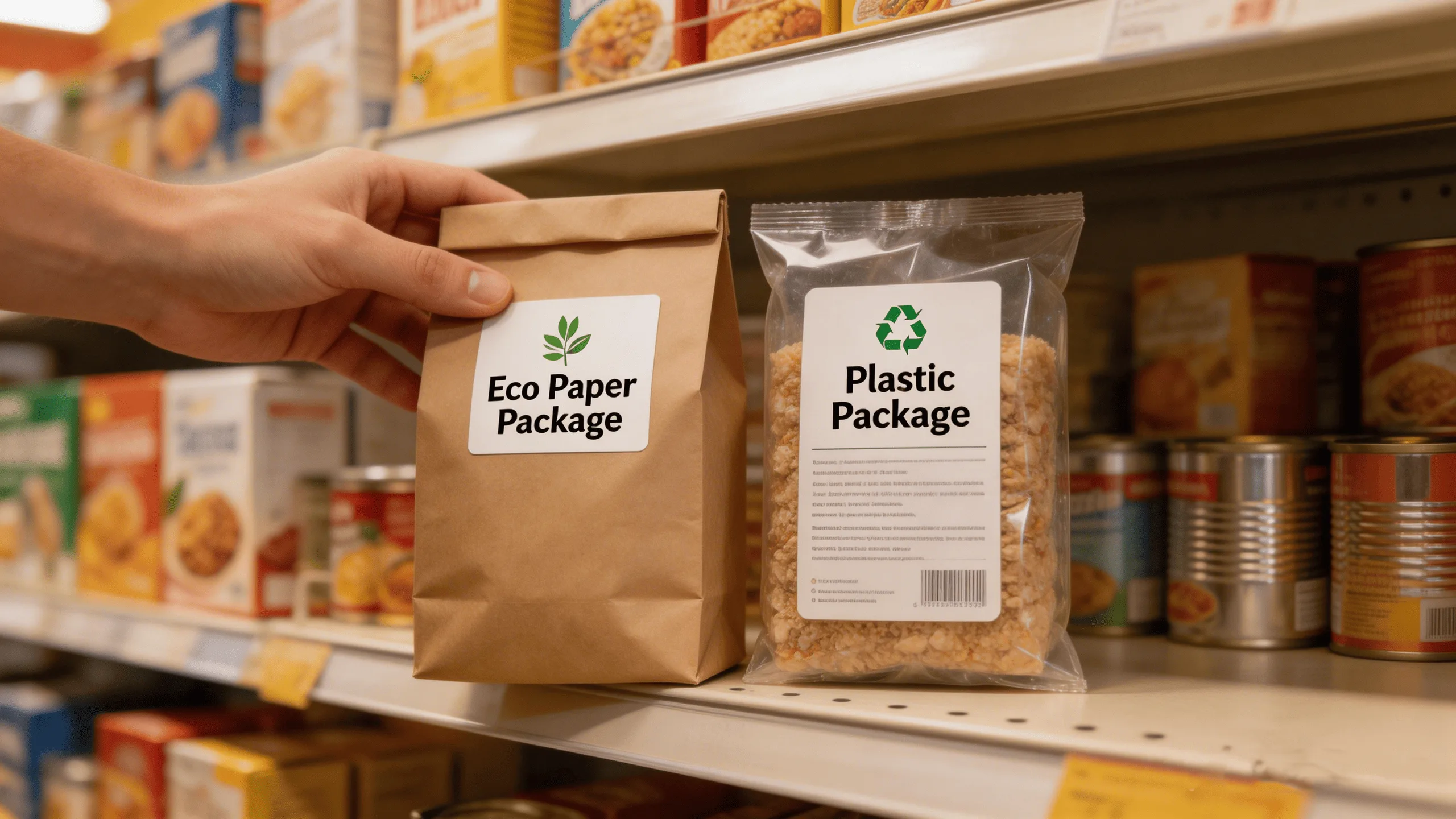
The push away from plastic is coming from two powerful directions at once: from the top down and the bottom up. On the consumer side, the data is undeniable. A 2023 McKinsey report found that a majority of consumers are highly concerned about the environmental impact of packaging. They aren’t just concerned—they’re acting on it. From the bottom up, customers are voting with their wallets for brands that share their values. This directly impacts your B2B clients, who need to cater to these end-users. At the same time, governments are implementing strict top-down regulations. The European Union’s Single-Use Plastics Directive is a prime example, but similar laws are appearing globally. I recently worked with a large cosmetics brand that sold products worldwide. Their legal team realized that by 2025, their existing plastic packaging would be illegal in several of their key European markets. They came to us with an urgent need to transition their entire product line to paper boxes and bags. This wasn’t about optics; it was about market access.
The Clear Advantage of Paper
When you break it down, the reasons for the shift become very clear. Paper outperforms plastic on the metrics that matter most to today’s consumers and regulators.
| Feature | Plastic Bag | Paper Bag |
|---|---|---|
| Source Material | Fossil fuels (finite) | Wood (renewable) |
| Consumer Perception | Negative, associated with pollution | Positive, natural, sustainable |
| Recyclability | Low (often <10%), complex process | High (around 85% in the US/EU) |
| Biodegradability | 500+ years, creates microplastics | Weeks to months |
| Regulatory Outlook | Increasing bans and restrictions | Encouraged as an alternative |
How Can Switching to Paper Bags Actually Benefit Your Bottom Line?
You’re worried that switching to sustainable packaging means higher costs and lower margins. The perception is that "going green" always costs more green.
A custom paper bag is a marketing investment, not a cost. It enhances your brand’s perceived value, acts as a mobile advertisement, and builds customer loyalty that pays for itself many times over.
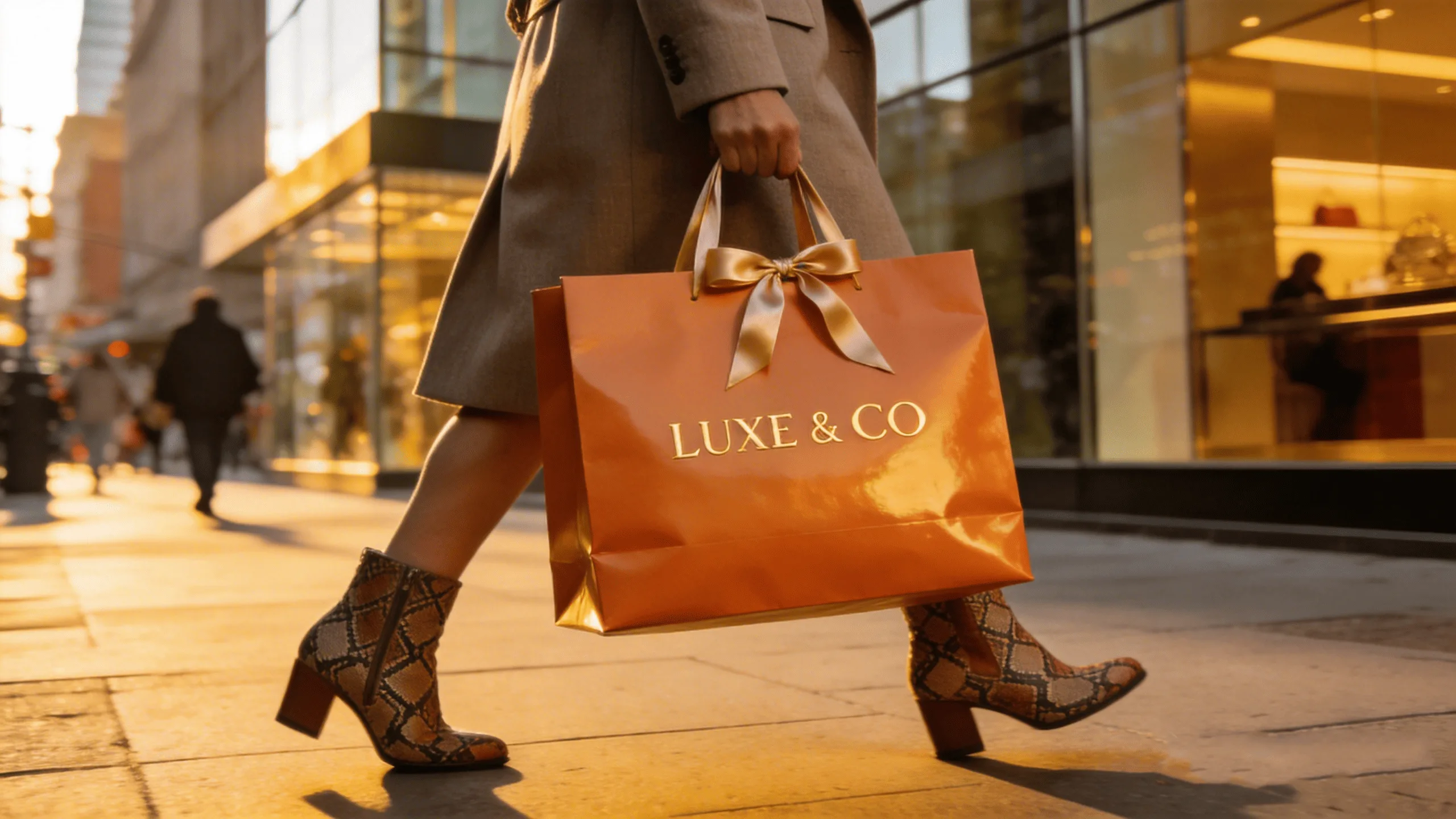
One of the biggest misconceptions I have to correct for new clients is the idea that paper bags are just an expense. We need to reframe that thinking. A cheap, unbranded plastic bag has one function: to carry an item from the store to the home. A well-designed, sturdy custom paper bag does that and so much more. It becomes a part of the product experience itself. Think of it as your most effective marketing tool. When a customer leaves a store with a beautiful paper bag, they become a walking billboard. A few years ago, a small boutique client was hesitant to switch from generic plastic to custom-printed paper bags due to the upfront cost. After much discussion, they took the leap. Six months later, the owner called me, excited. He said customers were now posting photos of their purchases with the bag, and he was seeing his branded bags all over the local downtown area. The bag had become a status symbol that advertised his store more effectively than any paid ad campaign could.
A New Way to Calculate Value
Thinking beyond the per-unit cost reveals the true return on investment from high-quality paper packaging. It’s an investment in your brand’s long-term health.
| Metric | Plastic Bag | Custom Paper Bag |
|---|---|---|
| Unit Cost | Low | Medium |
| Brand Impression | Neutral to Negative | Positive, Premium |
| Marketing Value | None | High (Mobile Advertisement) |
| Customer Reuse | Low (often discarded) | High (storage, regifting) |
| Perceived Product Value | Decreases or Neutral | Increases |
What Modern Innovations Make Paper Bags Stronger and More Versatile Than Ever?
You remember paper bags from the grocery store that ripped as soon as they got damp. You’re concerned that paper simply isn’t strong or durable enough for your products.
Today’s paper bags are engineered for performance. Innovations in paper treatment, handle technology, and construction mean they can be stronger, more water-resistant, and more versatile than you ever imagined.
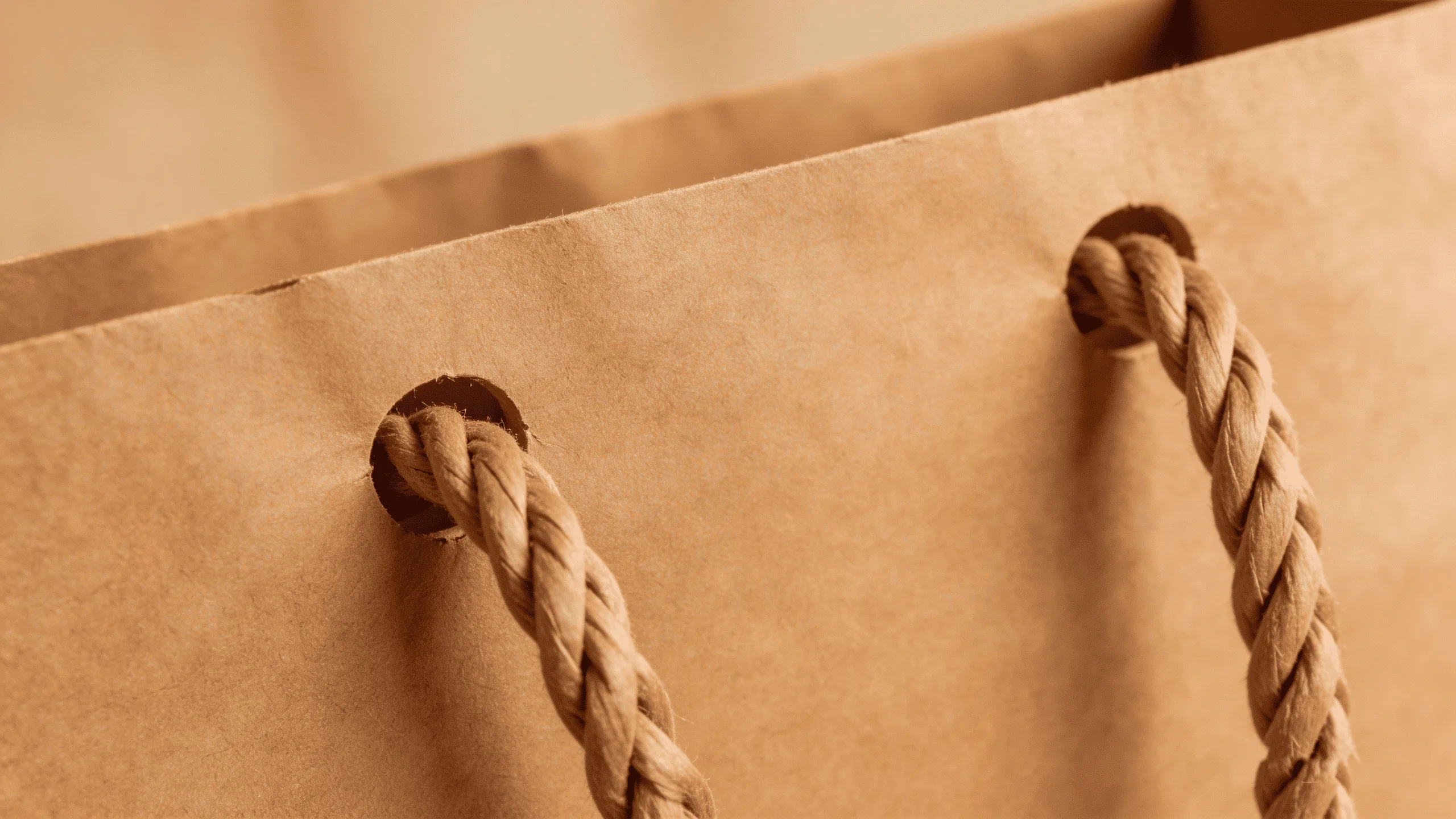
The paper bag of today bears little resemblance to its flimsy predecessors. The technology behind paper and bag manufacturing has advanced dramatically. In my own Yiwu Omet Packaging factory, I see this evolution every day. We can now produce bags that can comfortably carry significant weight without tearing. The secret lies in a combination of factors. First is the paper itself. We use high-GSM (grams per square meter) kraft paper, which provides incredible tear resistance. Second is the handle construction. We have automated machines that create and attach reinforced handles—like twisted paper or flat tape—that are bonded securely to the bag’s interior with an extra patch of paper. This distributes the weight and eliminates the most common point of failure. We can also add coatings, like a thin matte or gloss lamination, which not only adds a premium feel but also provides a significant degree of water resistance, protecting the bag from light rain or moisture. These aren’t just bags; they are feats of paper engineering.
Choosing the Right Paper Bag for the Job
The versatility of modern paper bags means there is a perfect option for nearly any application, from carrying groceries to presenting a luxury gift.
| Bag Type | Key Features | Best For |
|---|---|---|
| Kraft Paper Bag | Strong, natural look, cost-effective | Retail, groceries, takeout food |
| Art Paper Bag | Smooth finish, excellent for printing | Luxury retail, gift bags, events |
| Coated/Laminated Bag | Water-resistant, very durable, premium feel | High-end fashion, cosmetics, technology |
| Glassine Bag | Grease-resistant, translucent | Food products, small gifts, tags & stickers |
Conclusion
By 2026, choosing paper bags won’t be a niche decision; it will be the standard for smart, forward-thinking businesses. They are the clear answer to regulatory, consumer, and branding demands, offering a solution that is both responsible and profitable.
Ready to make the switch? Contact us to explore our comprehensive custom paper bag solutions.
Discover how our gift bags can create an unforgettable unboxing experience for your customers.
FAQ
1. Are paper bags really better for the environment than plastic bags?
Yes, in most key aspects. Paper bags come from a renewable resource (trees from sustainably managed forests), are more widely and successfully recycled, and biodegrade much faster without creating microplastics. The Forest Stewardship Council (FSC) certification ensures the paper comes from responsible sources.
2. Can paper bags handle heavy items?
Absolutely. Modern paper bags, especially those made from high-GSM kraft paper with reinforced handles, are designed to carry significant weight. We regularly produce bags for clients that can hold wine bottles, heavy books, and boxed goods without issue.
3. What’s the difference between a kraft paper bag and an art paper bag?
Kraft paper is known for its high strength and natural, brown appearance (though it can be bleached white). Art paper has a smoother, coated surface that is ideal for high-quality, full-color printing, making it perfect for luxury brands that want a more polished look.
4. Are custom-printed paper bags expensive?
While the per-unit cost may be higher than for a generic plastic bag, they should be viewed as a marketing expense. When you factor in the branding, customer loyalty, and premium perception they create, custom paper bags offer an excellent return on investment.