
Materials, Printing & Finishes Guide
Choose the Right Combination for Your Brand
Last updated: April 2025 · 12 min read
Selecting the right paper, printing method, and finishing technique directly affects your packaging's perceived value, durability, cost, and sustainability.
This guide empowers you with clear comparison tables, visual examples, trade-off frameworks, and ready-to-use specification tools — so you can confidently match materials and finishes to your product, brand positioning, budget, and environmental goals.
What You'll Master in This Guide
Get ready to become a packaging materials expert with these key insights
Smart Paper Selection
Choose paper types based on your product, brand positioning, and sustainability goals
Printing Mastery
When to use CMYK vs Pantone vs specialty printing for optimal results
Finishing Effects
How techniques affect look, feel, durability, and recyclability
Trade-off Analysis
Clear comparisons between cost, visual impact, and environmental performance
Practical Tools
Ready-to-use spec builder and common mistakes to avoid
Expert Insights
Industry secrets and pro tips from packaging specialists
Jump to Any Section
Click any topic to dive straight into what interests you most
Quick Material & Finish Selection Framework
Before comparing materials, answer these 5 strategic questions. Your answers will narrow down the right paper type, print method, and finish combination significantly.
Perceived Value Target
Luxury / premium / everyday / eco-friendly? This determines paper weight, texture, and finish tier.
Print Quality Importance
Photographic images and gradients? → CMYK offset. Exact brand colors? → Pantone. Specialty effects? → UV or screen.
Durability Requirements
Heavy retail use needs scuff-resistant finishes. Single-use gift bags have lighter needs.
Sustainability Priority
FSC-certified paper, minimal coatings, and paper-based handles maximize recyclability.
Budget & Lead Time
Each additional finish adds cost and time. Prioritize 2–3 effects for the best ROI.
Pro Tip: Share your answers to these 5 questions with our team and we'll recommend an optimized material-finish combination within 24 hours. Get expert advice →
📄 Complete Paper Types Guide
Understanding paper characteristics is crucial for successful packaging. Each material offers unique properties that affect appearance, durability, cost, and sustainability. Use this comprehensive guide to make informed decisions.
Coated Papers Comparison
Premium printing surfaces - Single vs Double side coated
C1S Art Paper - one glossy side, one natural
C1S Paper (Single-Side Coated)
C2S Art Paper - premium coating both sides
C2S Paper (Double-Side Coated)
Kraft Papers Comparison
Natural strength materials - Brown vs White kraft options
Brown Kraft - natural rustic appearance
Natural Brown Kraft
White Kraft - clean professional look
White & Colored Kraft
Specialty Papers Comparison
Eye-catching effects - Holographic vs Glitter finishes
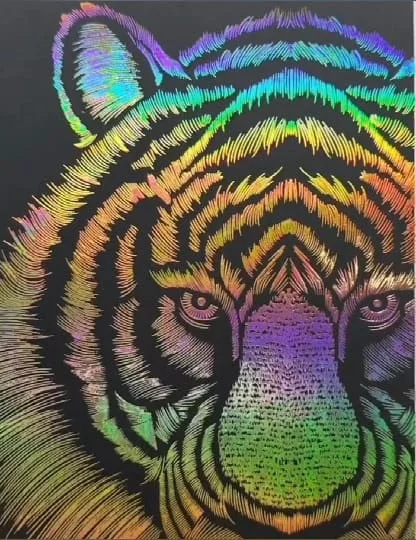
Holographic - rainbow light effects
Holographic Paper
Glitter Paper - embedded sparkles
Glitter Paper
Textured Papers Comparison
Premium tactile experiences - Embossed patterns vs Pearl effects
Embossed Texture - raised patterns
Embossed Texture Papers
Pearlescent - subtle shimmer effect
Pearlescent Papers
Structural Papers for Box Construction
Heavy-duty materials for rigid boxes and protective packaging
Greyboard structure
Greyboard
Weight: 1200-1800gsm
Use: Rigid box structure
Properties: High stiffness, recyclable
Applications: Gift boxes, luxury packaging
Corrugated layers
Corrugated Board
Types: Single, double, triple wall
Use: Shipping boxes, mailers
Properties: Lightweight, protective
Applications: E-commerce, shipping
Thin copy paper
Copy Paper
Weight: 17-28gsm
Use: Product wrapping, tissue
Properties: Thin, translucent, protective
Applications: Product protection, wrapping
🎯 Quick Paper Selection Guide
| Your Priority | Recommended Paper | Weight Range | Key Benefits | Considerations |
|---|---|---|---|---|
| Maximum Print Quality | C2S Art Paper | 300-400gsm | Outstanding image reproduction | Higher cost, longer drying time |
| Eco-Friendly Brand | FSC Kraft | 200-300gsm | 100% recyclable, natural appeal | Limited color vibrancy |
| Budget Conscious | C1S Art Paper | 250gsm | Good quality at reasonable cost | One-sided coating only |
| Luxury Experience | Pearlescent | 300gsm | Elegant shimmer, premium feel | Higher cost, special handling |
| Eye-Catching Display | Holographic | 250gsm | Maximum visual impact | Limited print options, not recyclable |
Need Help Choosing the Right Paper?
Our paper specialists can recommend the optimal material based on your specific product, budget, and brand requirements. We'll provide samples and technical specifications to ensure perfect results.
🎨 Printing Techniques Mastery Guide
Understanding printing methods is crucial for successful packaging. Each technique has unique strengths, limitations, and cost implications that directly impact your final product quality and budget.
📊 Quick Decision Matrix
Complete Comparison Overview
| Printing Method | Ideal Applications | Color Accuracy | Cost Efficiency | Special Capabilities | Environmental Impact | Lead Time |
|---|---|---|---|---|---|---|
| CMYK Offset | Photography, gradients, catalogs, high-volume runs | Good (±5%) | Excellent | Process colors only, halftones | Low Impact | 5-7 days |
| Pantone Spot | Brand consistency, logos, limited color designs | Excellent (±1%) | Good (1-3 colors) | Exact colors, metallics, fluorescents | Low Impact | 7-10 days |
| UV Printing | Premium packaging, spot effects, texture highlights | Excellent | Higher Cost | Raised texture, high gloss, clear coating | Moderate | 10-14 days |
| Screen Printing | Bold designs, dark substrates, specialty inks | Good (solid colors) | Medium (setup intensive) | Thick ink deposits, special effects | Low Impact | 7-12 days |
In-Depth Technique Analysis
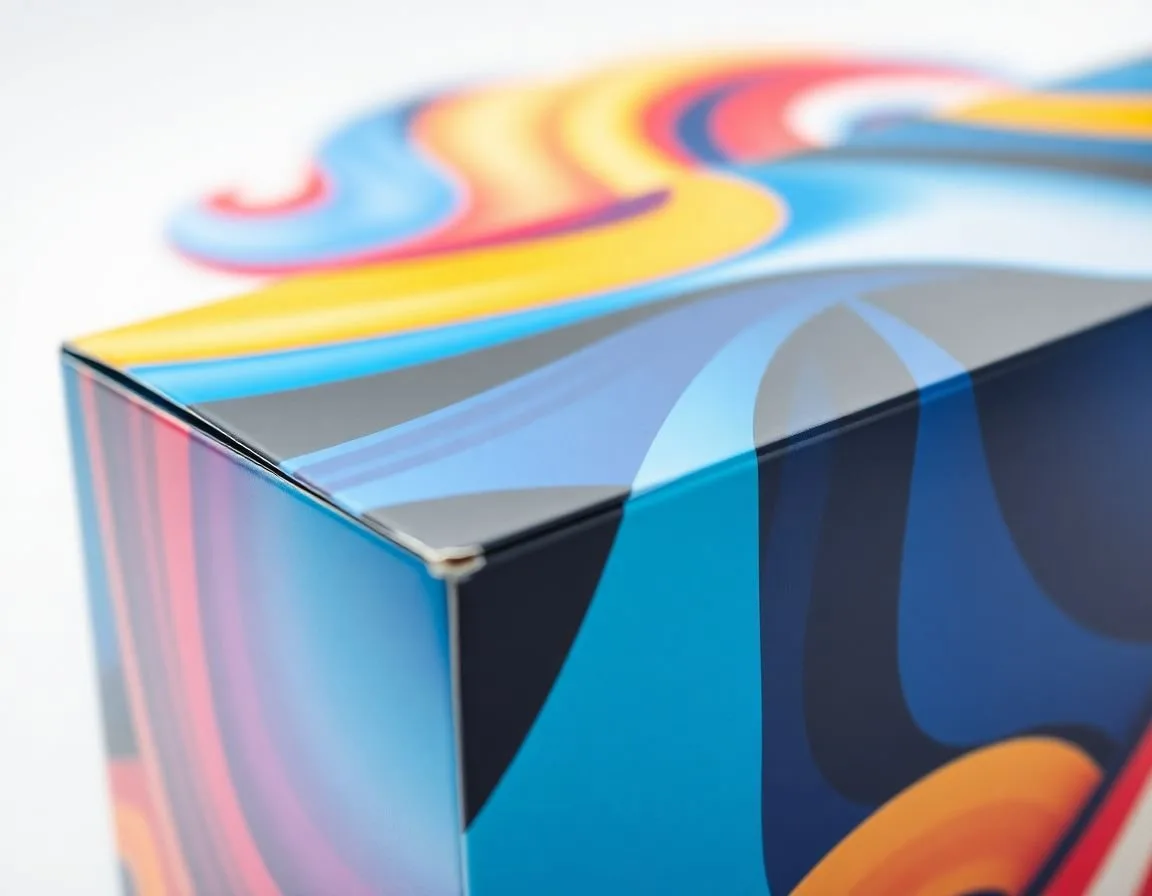
CMYK Offset Printing
The industry standard for full-color reproduction. Uses four process colors (Cyan, Magenta, Yellow, Black) mixed in tiny dots to create the illusion of continuous color.
✅ Strengths
- • Cost-effective for full-color designs
- • Excellent for photographic production
- • Fast turnaround on standard runs
- • Environmentally friendly inks available
⚠️ Limitations
- • Color variation between print runs
- • Cannot match all Pantone colors precisely
- • Limited metallic and fluorescent options
💡 Pro Application Tips
Perfect for product catalogs, retail packaging with photos, and high-volume runs where slight color variation is acceptable. Always request ICC color profiles for best results.
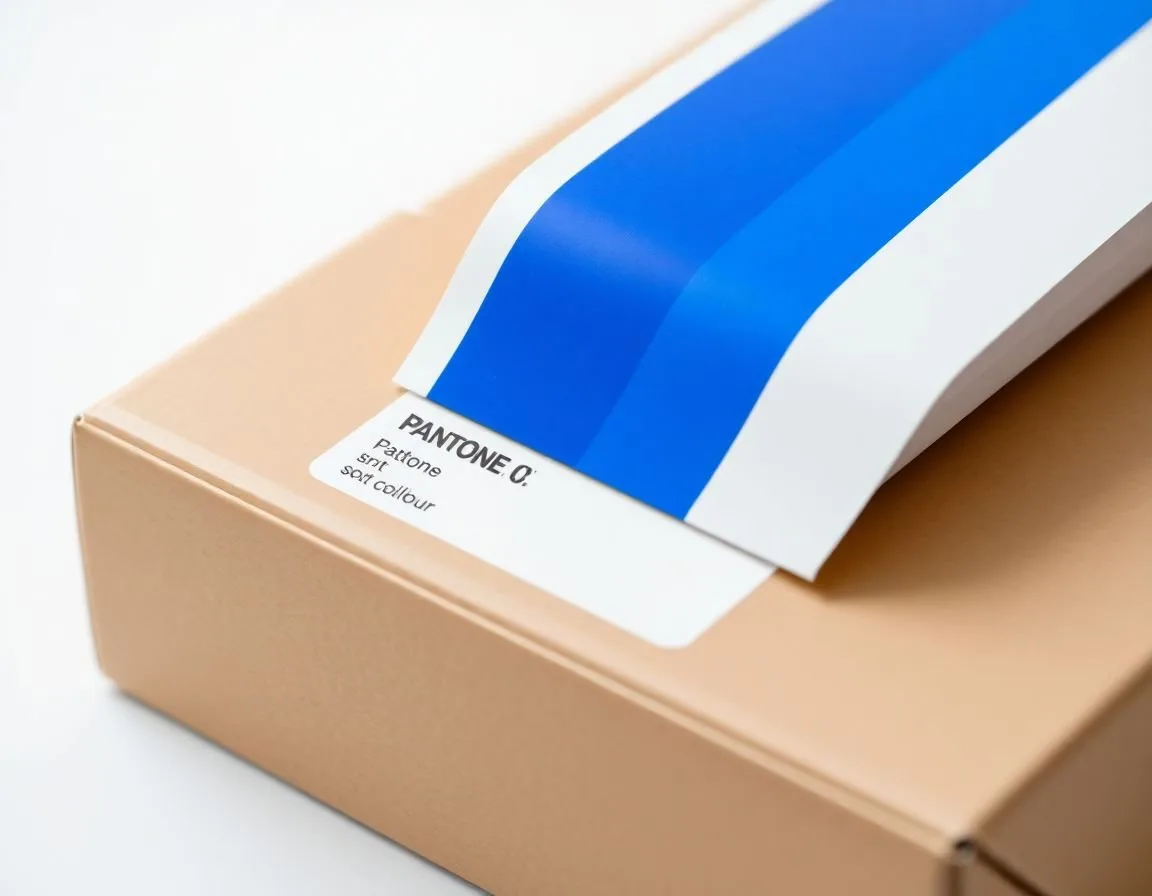
Pantone Spot Color
Pre-mixed ink system that ensures exact color matching. Each color is printed as a solid ink rather than dots, providing consistent results across materials and production runs.
✅ Strengths
- • Exact brand color consistency (±1%)
- • Access to special colors (metallics, neons)
- • Better coverage on colored papers
- • Professional brand standard
⚠️ Cost Considerations
- • Each color adds setup cost
- • Less economical for 4+ colors
- • Longer lead times for color matching
💡 Strategic Usage
Essential for logos, corporate colors, and luxury brands. Consider combining with CMYK: use Pantone for brand colors and CMYK for photographs in the same design.
UV Printing
Advanced printing technology using ultraviolet light to instantly cure inks and coatings. Creates vibrant colors and enables special textural effects impossible with conventional printing.
✅ Premium Capabilities
- • Raised textural effects (spot UV)
- • Exceptional color vibrancy and saturation
- • Instant curing = no drying time
- • Works on various substrates
⚠️ Investment Requirements
- • Higher cost per unit
- • Specialized equipment needed
- • Longer setup times
💡 Luxury Applications
Perfect for premium packaging where tactile experience matters. Spot UV on logos creates subtle luxury feel. Consider selective application to control costs.
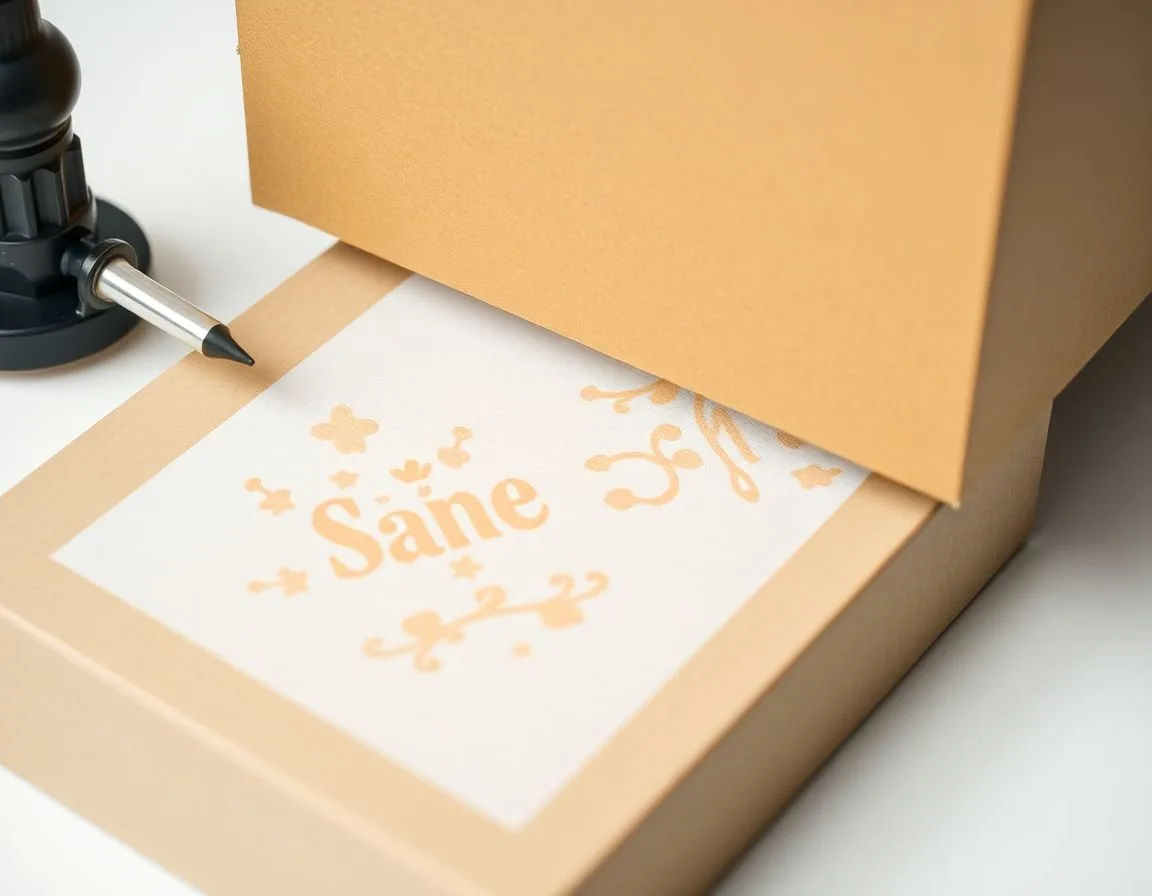
Screen Printing
Traditional technique pushing ink through a mesh screen. Creates thick, opaque ink deposits that provide excellent coverage and unique textural possibilities.
✅ Unique Advantages
- • Thick ink deposits for bold effects
- • Excellent opacity on dark materials
- • Specialty inks (glow, metallic, puff)
- • Durable, long-lasting prints
⚠️ Design Constraints
- • Limited to simple, bold designs
- • No fine details or gradients
- • Setup cost per color
💡 Creative Applications
Ideal for bold logos, textural effects, and specialty finishes. Consider for small areas where you want dramatic impact rather than full coverage.
Critical Printing Decisions That Impact Your Results
📏 Color Tolerance Requirements
CMYK can vary ±3-5% between print runs. If exact brand color matching is critical (Coca-Cola red, Tiffany blue), specify Pantone spot colors with tight tolerance requirements.
💰 Budget vs. Quality Trade-offs
Each printing method has a "sweet spot" for quantity and complexity. Screen printing excels for 1-3 colors, CMYK for 4+ colors, UV for premium effects only where justified.
⏱️ Lead Time Planning
Specialty printing (UV, custom Pantone matching) requires additional setup time. Plan 7-14 days extra for non-standard requirements.
🎯 Substrate Compatibility
Not all printing methods work equally well on all papers. Kraft paper absorbs ink differently than coated stock, affecting color vibrancy and drying times.
Expert Tip: Always request printed samples on your chosen paper stock before approving full production. See our Artwork Preparation Guide for technical specifications.
Practical Application Guide: When to Choose Each Method
📸 Full-Color Product Photography
Recommended: CMYK Offset Printing
Cost-effective for multi-color images, gradients, and complex designs. Ideal for product catalogs and retail packaging featuring photography.
🎯 Brand Logo Consistency
Recommended: Pantone Spot Color
Ensures identical brand colors across all production batches, materials, and printing facilities. Essential for corporate identity.
✨ Premium Tactile Experience
Recommended: UV Printing + Spot UV
Creates raised, glossy areas for dimensional effects. Perfect for highlighting logos, patterns, or creating luxury unboxing experiences.
📈 Printing Method ROI Analysis
Finishing & Effects: The Surface That Sells
Finishing techniques are where ordinary packaging becomes extraordinary. They control how customers perceive luxury, how the package resists handling damage, and how it impacts recyclability. Understanding these trade-offs is essential to balancing brand impact with practical performance.
Choose water-based varnish + emboss/deboss. Skip plastic films and heavy foil coverage.
Combine matte lamination + spot UV + foil stamping for premium contrast.
Use anti-scratch matte film or soft-touch lamination for retail bags handled multiple times.
💡 The 80/20 Rule: 80% of packaging visual impact comes from getting your base finish right (matte vs. gloss vs. soft-touch). Special effects like foil and spot UV should accent, not dominate. Restraint communicates confidence.
Complete Finishing Options Comparison
Every major finishing technique with cost, durability, and recyclability impact analysis
| Technique | Visual & Tactile Effect | Durability | Cost Impact | Lead Time | Recyclability | Best Applications | Specification Notes |
|---|---|---|---|---|---|---|---|
| 🛢️ Coating & Varnish | |||||||
| Water-based Varnish (Aqueous) | Subtle sheen, light surface protection; matte/satin/gloss options | Medium | +5-10% | +0-1 day | ♻️ Excellent | Eco-positioning, high-volume retail, food contact packaging | Specify: matte/satin/gloss level; full coverage or spot area; drying time ~24hrs |
| Oil-based Varnish | Higher gloss and protection than water-based | High | +8-12% | +1-2 days | ⚠️ Moderate | Food packaging requiring grease resistance, vibrant retail bags | Better scuff resistance; longer drying time than water-based |
| UV Varnish (Overall) | Instant-cure high gloss, superior protection | Very High | +10-15% | +0 day | ⚠️ Moderate | High-speed production, vibrant retail, immediate handling needed | Instant cure = no drying time; higher equipment cost; less eco than water-based |
| 🎞️ Lamination Films | |||||||
| Matte Lamination (BOPP) | Soft sophisticated look; reduces fingerprints and glare | High | +15-20% | +1-2 days | ⚠️ Film layer | Luxury cosmetics, fashion retail, photo-heavy packaging | Film: 12-25μm; can show scuffs on dark colors; specify anti-scratch version if high handling |
| Gloss Lamination (BOPP) | Vivid color saturation, mirror-like shine | High | +12-18% | +1-2 days | ⚠️ Film layer | Promotional packaging, vibrant graphics, children's products | Shows fingerprints easily; scratches more visible; avoid for elegant/minimalist designs |
| Anti-Scratch Matte Film | Matte appearance with superior abrasion resistance | Very High | +25-35% | +2-3 days | ⚠️ Film layer | High-end retail, dark designs, e-commerce shipping bags | Worth premium for black/navy designs; +30-50% tear resistance vs uncoated |
| Soft-Touch Film (Velvet) | Velvet/peach-skin tactile experience, ultra-premium feel | High | +35-50% | +2-3 days | ⚠️ Lower | Ultra-premium cosmetics, luxury electronics, jewelry boxes | Tactile is selling point; ideal for unboxing; can show fingerprints; handle with cotton gloves |
| ✨ Foil Stamping | |||||||
| Hot Foil Stamping | Brilliant metallic shine (gold/silver/rose gold/holographic/colored) | Medium | +20-60% | +3-5 days | ⚠️ Mixed | Premium logos, luxury accents, gift packaging, wine/spirits | Heat 80-120°C + pressure; avoid lines <0.5pt; can crack on tight folds; die cost $50-200 |
| Cold Foil Stamping | Similar metallic look without heat; better fine detail | Medium | +18-45% | +2-4 days | ⚠️ Mixed | Heat-sensitive substrates, large coverage, gradient effects | Adhesive-based; can print over foil; better for fine lines & gradients than hot foil |
| 🔲 Dimensional & Tactile Effects | |||||||
| Embossing (Raised) | Raised 3D texture; can be blind (no ink) or registered with print | Medium | +15-30% | +3-5 days | ♻️ Excellent | Subtle luxury, brand marks, certificates, wedding invitations | Requires 220gsm+ paper; depth 0.3-2mm; die cost $80-300; combine with foil for registered effect |
| Debossing (Recessed) | Recessed 3D texture; more subtle and modern than embossing | Medium | +15-30% | +3-5 days | ♻️ Excellent | Modern minimalist branding, leather-effect, business cards | Works beautifully on uncoated stock; subtle elegance; ideal for letterpress-style aesthetic |
| Flocking (Velvet Fiber) | Velvet-like microfiber texture (0.5-1mm); luxurious tactile | Medium | +40-80% | +5-7 days | ⚠️ Lower | Jewelry boxes, watch packaging, premium gift box interiors | Asia specialty; 200gsm+ paper; fibers can shed; requires protective packaging in transit |
| Foaming / Puff Print | Heat-activated raised ink; soft tactile sponge-like feel | Medium | +20-35% | +2-4 days | ⚠️ Mixed | Children's products, novelty packaging, festive themes | Best for bold shapes ≥5mm; not for fine type; screen-printed foam ink; raise height ~1-2mm |
| 💎 UV Coating & Effects | |||||||
| Spot UV (Smooth Gloss) | Selective high-gloss coating; creates dimensional contrast | High | +18-30% | +2-3 days | ⚠️ Mixed | Logo emphasis, pattern highlights, luxury brochures | UV resin 20-80μm; precise registration required; works best over matte base for contrast |
| Textured Spot UV (Reverse/Raised UV) | Tactile UV patterns: sandpaper, leather, crystal, linen, crocodile | High | +30-50% | +4-6 days | ⚠️ Mixed | Innovative luxury packaging, premium spirits, perfumes | Also called Reverse UV; specify texture pattern from sample library; avoid fine type <8pt |
| 🌈 Special Visual & Sparkle Effects | |||||||
| Glitter Application | Loose sparkling particles on adhesive; maximum sparkle | Low-Med | +35-60% | +3-5 days | ⚠️ Poor | Holiday packaging, celebrations, kids' products, limited editions | Screen-printed adhesive + glitter particles; prone to shedding; specify particle size/density |
| Crystal / Silk Screen UV | Glitter particles sealed under transparent UV; durable sparkle | High | +40-70% | +4-6 days | ⚠️ Poor | Luxury packaging needing durable sparkle, cosmetics, premium gifts | UV coating seals glitter = no shedding; less sparkle than loose glitter; more sophisticated look |
| Holographic Film | Rainbow prismatic effect; maximum visual impact | High | +50-80% | +3-5 days | ⚠️ Poor | Limited editions, music/entertainment merch, youth brands | Metalized film; not recyclable in most regions; bold graphics work best; verify market regulations |
| ✂️ Precision Cutting & Application | |||||||
| Laser Cutting | Intricate patterns, windows, decorative shapes; precision cuts | Medium | +40-100% | +5-8 days | ♻️ Good | Wedding invitations, luxury reveals, decorative packaging | Time-based pricing; paper ≤350gsm; potential burn marks (minimize with settings); no die cost |
| Die Cutting (Custom Shape) | Custom shapes, windows, hang holes; clean edges | High | +10-25% | +3-5 days | ♻️ Excellent | Custom bag shapes, window boxes, hang tags, POS displays | Die cost $100-500 depending on complexity; clean edges; faster than laser for production runs |
| Tip-On / Inlay | Separately printed element glued onto base; multi-material combo | High | +30-60% | +5-7 days | ⚠️ Mixed | Wine/spirits labels, luxury book covers, premium photo albums | Manual assembly; allows different materials/finishes on same piece; creates premium layered look |
| 🎪 Additional Specialty Techniques | |||||||
| Silk Screen (Specialty Inks) | Thick opaque inks; metallic, fluorescent, glow-in-dark options | High | +20-40% | +3-5 days | ♻️ Good | Bold logos on dark papers, metallic effects, novelty products | Excellent coverage on dark/kraft papers; thick ink deposit; screen cost $30-100 per color |
| PVC / PET Window | Transparent window for product visibility | High | +15-25% | +2-3 days | ⚠️ Poor | Food packaging, toy boxes, cosmetics, retail display packaging | PET more eco than PVC; consider biodegradable PLA film for sustainability; reduces recyclability |
| Perforation / Tear Strip | Easy-open feature; perforated lines for tearing | Medium | +5-10% | +0-1 day | ♻️ Excellent | Shipping mailers, e-commerce packaging, food bags | Improves user experience; specify perforation pattern; no die cost for standard patterns |
📊 Understanding Cost & Lead Time Impact
Cost Impact Explained:
- +5-15% = Low cost addition
- +15-35% = Medium cost addition
- +35-80% = High cost addition
- Percentages based on base printing cost; actual varies by coverage area and quantity
Lead Time Explained:
- +0-2 days = Minimal delay
- +2-5 days = Moderate delay
- +5-8 days = Significant delay
- Added to standard production time; first-time die/sample creation may add extra time
♻️ Recyclability Guide
Visual Reference: How Each Finish Performs
Understanding how finishes behave under different lighting and handling conditions helps predict real-world performance.
🎞️ Lamination Films
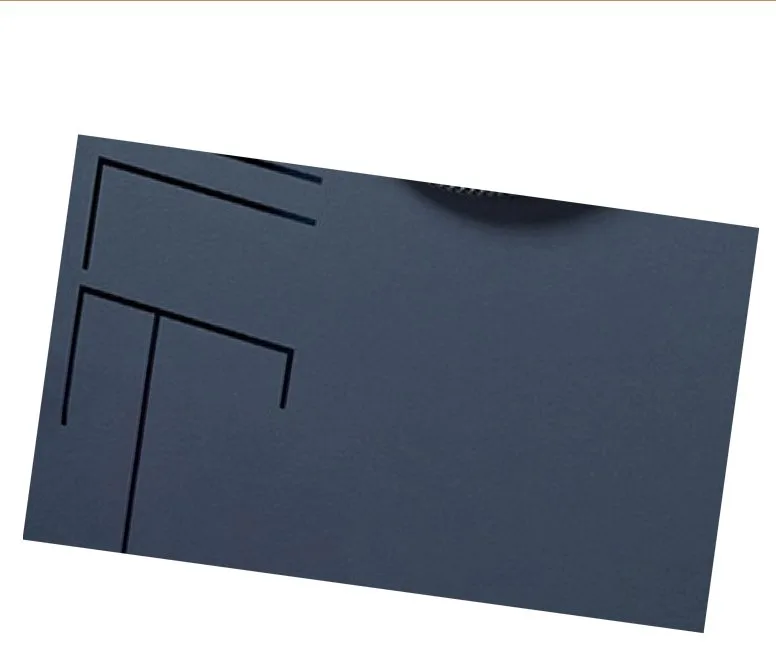
Matte Film
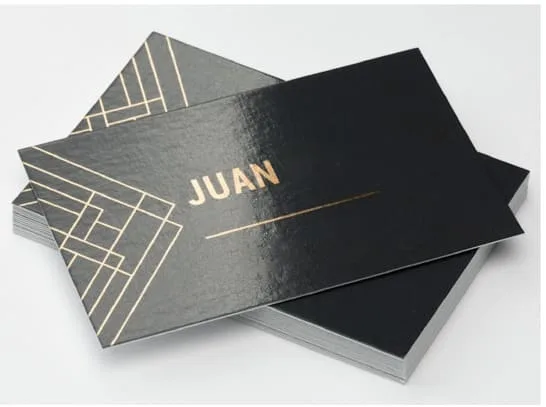
Gloss Film
Film Types & Properties
- ▸ Matte / Gloss / Anti-Scratch / Soft-Touch: 12–25μm thickness
- ▸ Protection boost: +30–50% tear resistance, water/scuff protection
- ▸ Application: Heat or adhesive bonding onto printed surface
✨ Foil Stamping (Hot & Cold)
Hot Foil
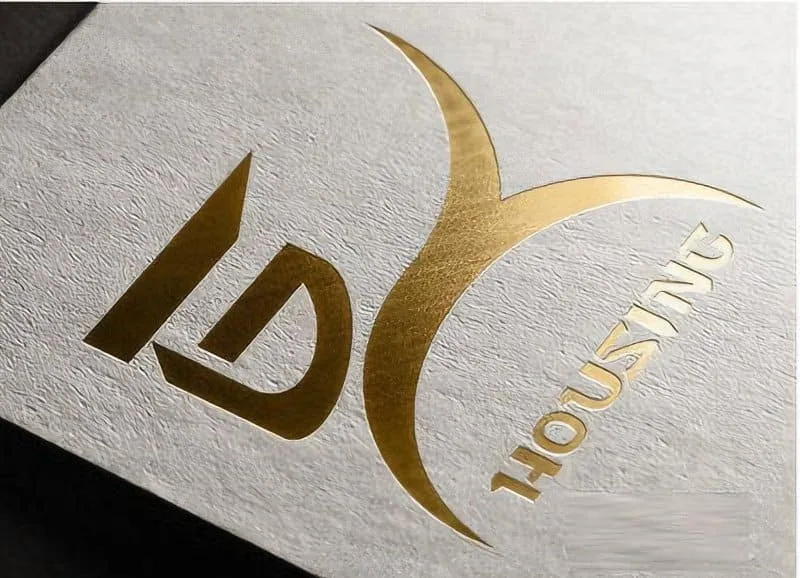
Cold Foil
Process Comparison
- ▸ Hot Stamping: Heat (80–120°C) + pressure with custom dies
- ▸ Cold Stamping: Adhesive-based, ideal for heat-sensitive materials
- ▸ Foil layer: 2–5μm metallic film (gold/silver/holographic/colored)
🔲 Embossing & Debossing
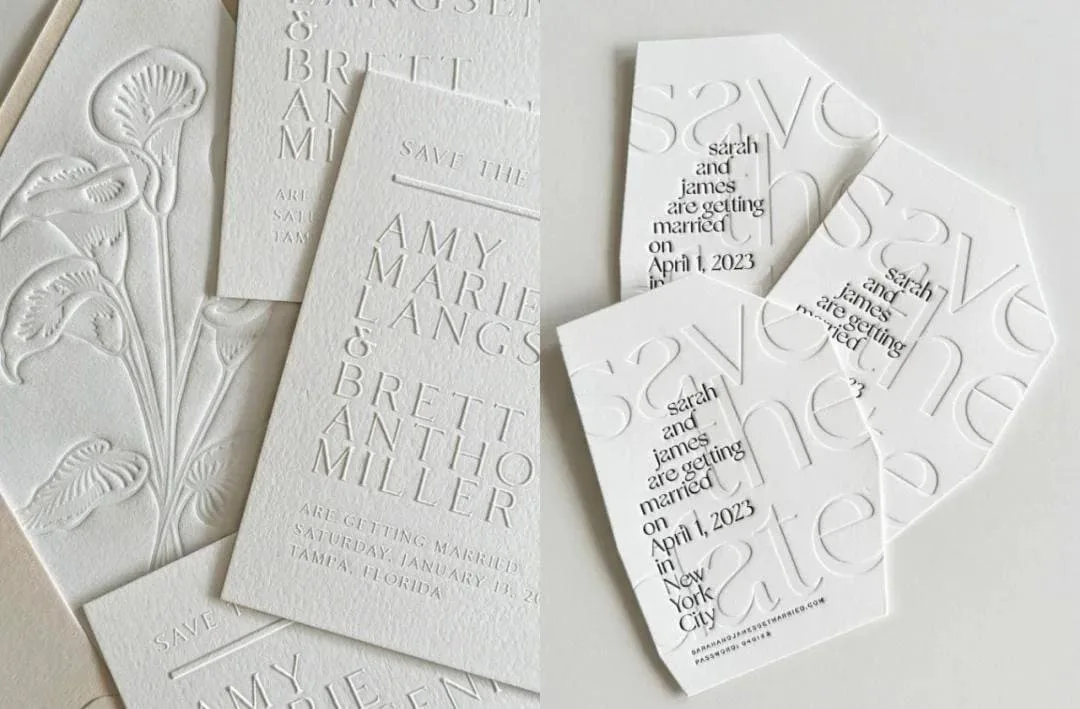
Embossing (Raised)
Debossing (Recessed)
Debossing
Dimensional Techniques
- ▸ Process: Matched dies create 0.3–2mm depth via pressure
- ▸ Embossing: Raised texture for dramatic effect; debossing: recessed for subtlety
- ▸ Paper requirement: 220gsm+ for clean results; blind emboss (no ink) for pure tactile
💎 Spot UV & Textured Spot UV (Reverse UV)
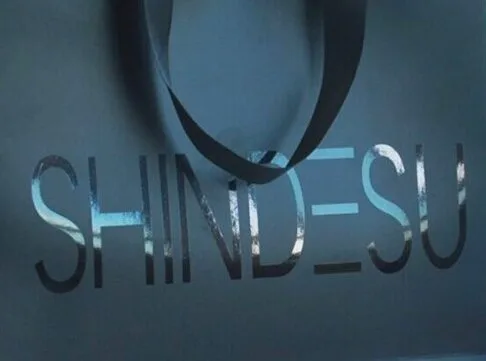
Spot UV (Smooth Gloss)

Textured UV (Reverse)
UV Coating Variants
- ▸ Spot UV: UV-cured resin (20–80μm) creates high-gloss selective coating
- ▸ Textured/Reverse UV: Adds tactile patterns (sandpaper, leather, crystal, linen effects)
- ▸ Registration: Requires precise alignment with printed design layer
🎀 Flocking & Foaming
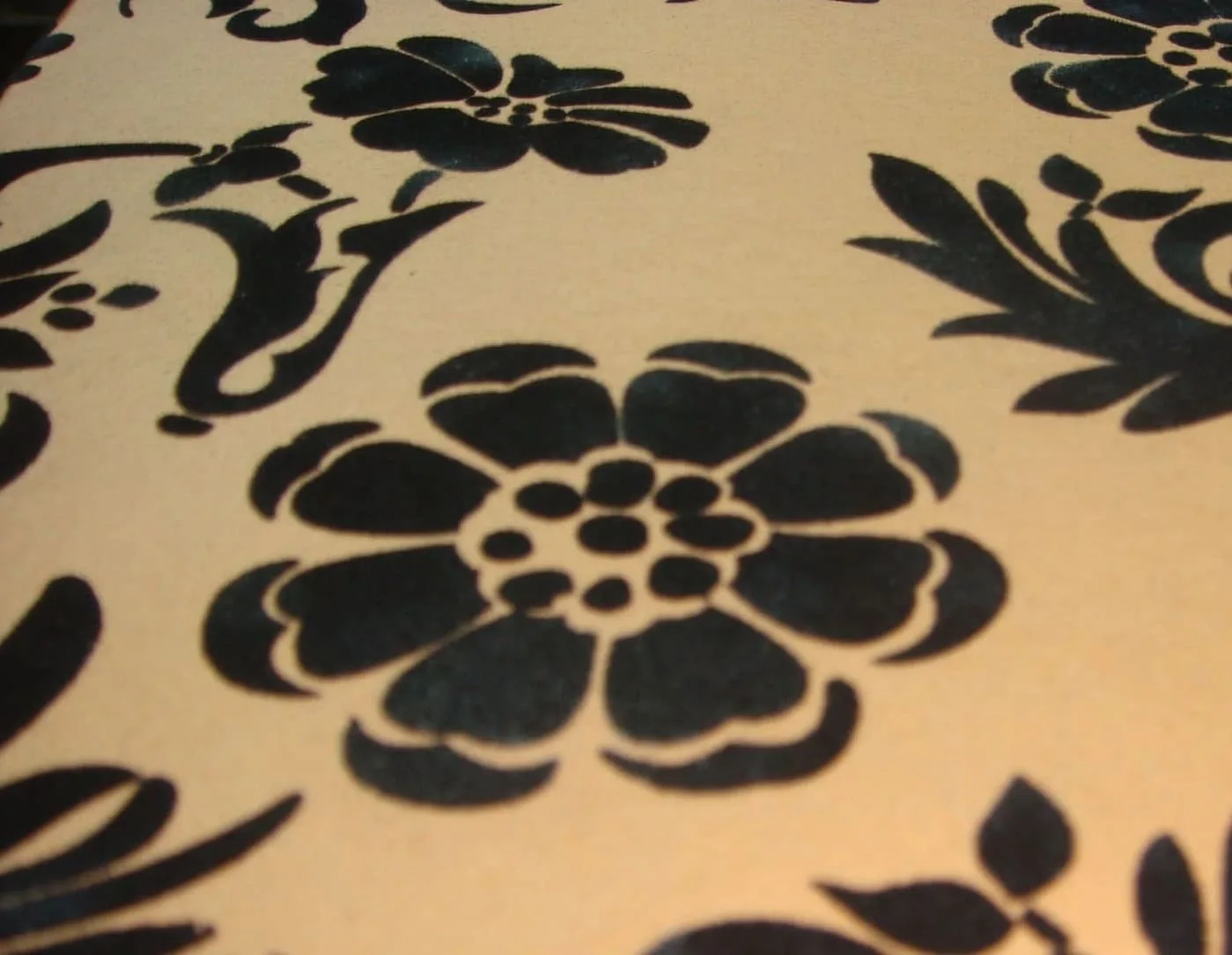
Flocking (Velvet)
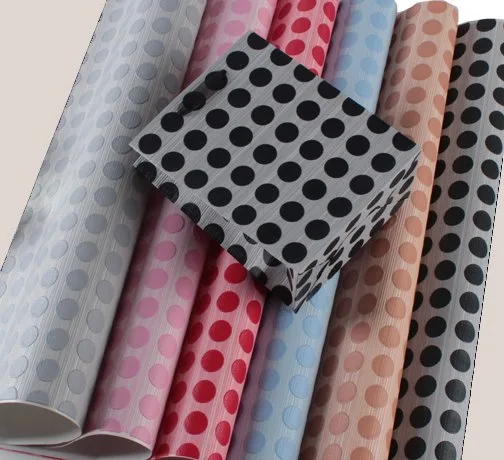
Foaming (Puff Print)
Tactile Surface Treatments
- ▸ Flocking: Micro-fibers (0.5–1mm) create velvet/suede feel; adhesive application
- ▸ Foaming: Heat-activated ink expands to create soft raised effect (puff print)
- ▸ Paper needs: 200gsm+ for flocking stability; foaming works on lighter stock
✨ Glitter & Crystal (Silk Screen)
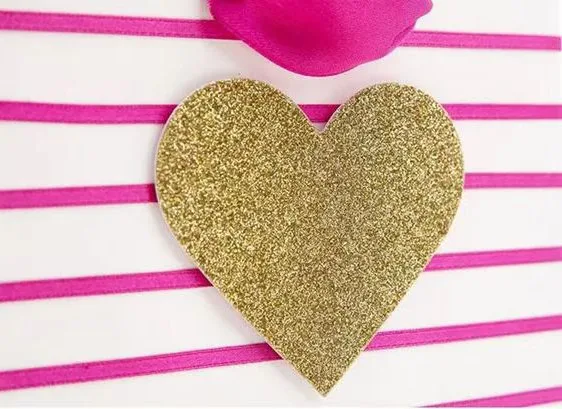
Glitter (Loose Particles)
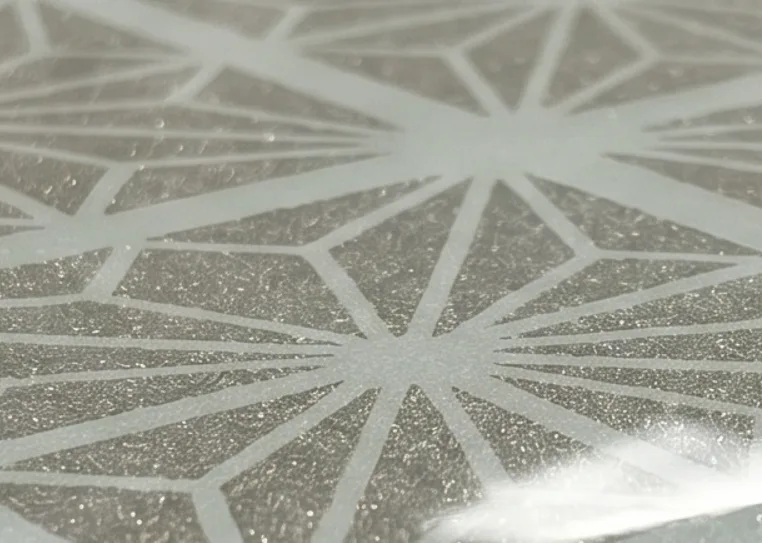
Crystal (UV Sealed)
Sparkle Effects Comparison
- ▸ Glitter: Particles attached to adhesive base; maximum sparkle but prone to shedding
- ▸ Crystal (Silk Screen): Glitter sealed under transparent UV coating; less sparkle but durable
- ▸ Application: Screen printed; specify particle size and density
✂️ Laser Cutting & Tip-On Application
L Laser Cutting
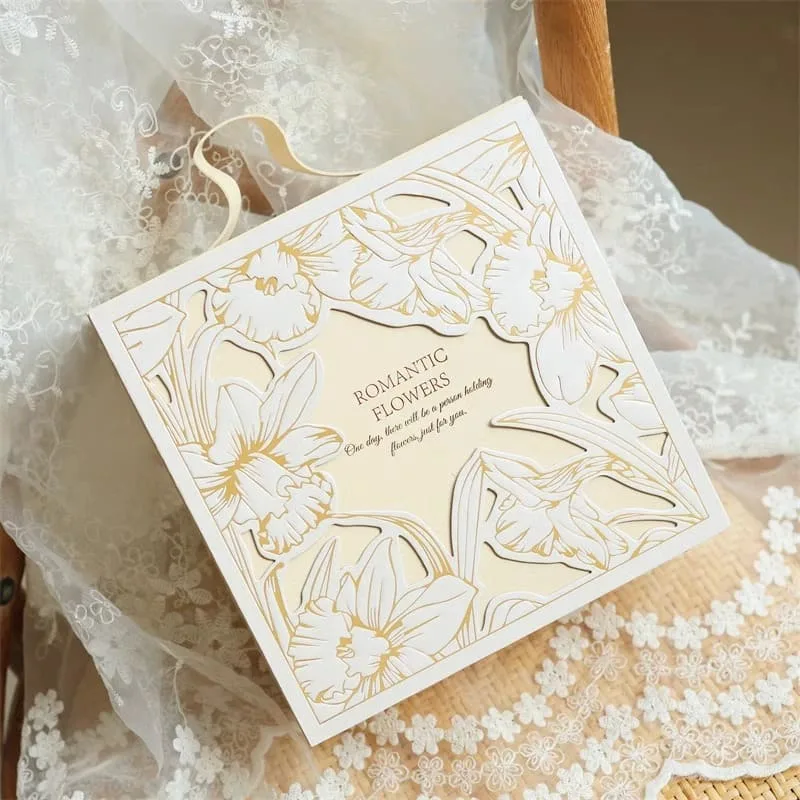
Precision-cut intricate patterns and shapes impossible with die-cutting. Creates dramatic decorative effects, elegant windows, and reveals.
- Use cases: Wedding invitations, luxury reveal packaging, decorative dividers
- Limitations: Up to 350gsm; potential burn marks on edges (can be minimized)
- Cost factor: Time-based pricing — complex patterns increase cost
T Tip-On (Inlay)
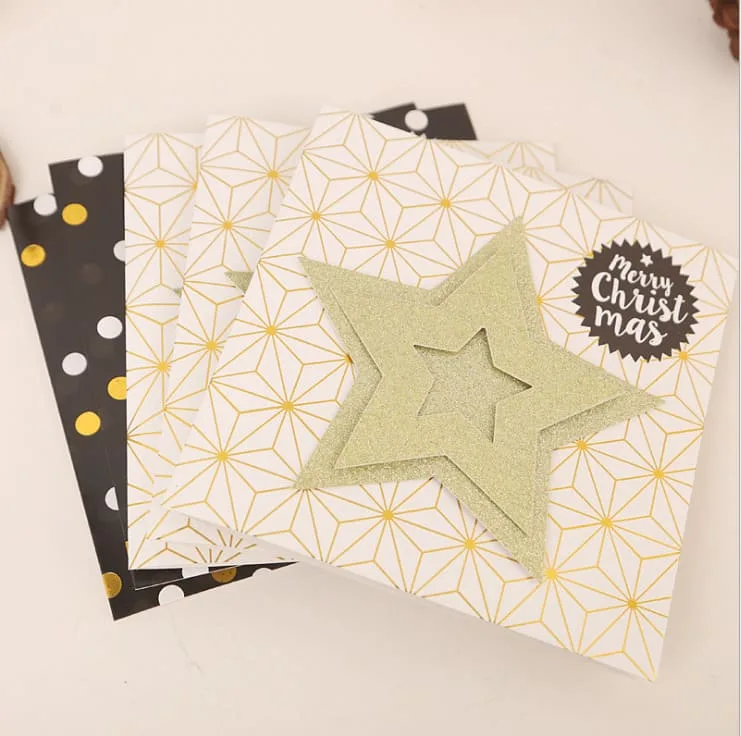
Separately printed element precisely glued onto base packaging. Allows mixing different papers, finishes, or printing techniques on a single piece.
- Use cases: Wine labels, luxury book covers, photo album highlights
- Advantage: Combine specialty paper labels with cost-effective base stock
- Cost factor: Adds assembly step but enables selective premium treatment
💡 Strategic Combination: Pair laser-cut windows with tip-on inlays for boutique-level packaging that creates dramatic reveals without expensive overall printing. Popular in premium wine/spirits and luxury cosmetics.
Multi-Technique Combinations: The Premium Recipes
The most striking packaging rarely uses one finish alone. Master these proven combinations to create distinctive results.
Luxury Classic
Matte Lamination + Gold Hot Foil + Embossing
The proven formula for high-end fashion, jewelry, and cosmetics. Matte base provides sophisticated foundation, foil adds metallic accent, embossing creates tactile dimension.
Modern Minimalist
Soft-Touch Film + Spot UV Logo
Velvet-like surface with selective gloss creates striking contrast. Perfect for tech accessories, modern cosmetics, and contemporary luxury where understated meets impactful.
Eco-Premium
Water-Based Varnish + Blind Emboss
Sophisticated without sacrificing recyclability. Subtle varnish protects, deep embossing creates premium feel. Ideal for sustainable luxury and conscious brands.
Heritage Spirits
Textured Paper + Tip-On Label + Foil
The wine and spirits standard. Textured base communicates craft heritage, tip-on label allows premium paper for the focal point, foil details add prestige.
Festive Impact
Glitter + Holographic Foil + Gloss Lamination
Maximum visual impact for limited editions, holiday packaging, and youth-oriented products. Acknowledge the trade-off: higher cost and lower recyclability.
Boutique Reveal
Laser Cut + Anti-Scratch Matte + Cold Foil
Creates dramatic unboxing moments. Laser-cut windows reveal product, durable matte film handles transit, cold foil adds elegance without heat damage.
Handle & Accessory Options: Complete Your Packaging
The right handles and accessories transform functional packaging into complete brand experiences. Beyond aesthetics, they determine carrying comfort, structural integrity, and unboxing delight. This guide helps you match each element to your product weight, usage scenario, and brand positioning.
Choose Satin/Grosgrain Ribbon for premium feel; max load 2-3kg
Use PP Rope or Cotton Rope for strength; supports 5-8kg
Pick Twisted Paper Rope or Cotton Ribbon for full recyclability
🛍️ Paper Bag Handle Options
Handle selection affects carrying comfort, weight capacity, brand perception, and cost. Match to product weight and brand positioning.
| Handle Type | Material & Structure | Weight Capacity | Luxury Level | Cost | Sustainability | Best For |
|---|---|---|---|---|---|---|
| Satin Ribbon | Smooth polyester ribbon (10-25mm width) | 2-3kg | Very High | Premium | ⚠️ Synthetic | Fashion, jewelry, luxury gifts, cosmetics |
| Grosgrain Ribbon | Ribbed texture polyester (15-25mm width) | 3-4kg | Very High | Premium | ⚠️ Synthetic | Luxury retail, designer brands, premium gifts |
| Cotton Rope (Round) | Natural cotton twisted rope (4-6mm diameter) | 5-7kg | Medium | Moderate | ♻️ Excellent | Eco-luxury, natural brands, sustainable retail |
| Cotton Ribbon (Flat) | Flat woven cotton tape (15-30mm width) | 4-6kg | Medium-High | Moderate | ♻️ Excellent | Organic products, eco-fashion, artisan goods |
| Twisted Paper Rope | Kraft paper twisted into rope (3-5mm diameter) | 2-4kg | Medium | Economic | ♻️ Excellent | Eco-brands, bakeries, natural food, gifts |
| Organza Ribbon | Sheer transparent fabric (15-25mm width) | 1-2kg | Very High | Premium | ⚠️ Synthetic | Wedding favors, lingerie, delicate gifts, perfumes |
| Die-Cut Handle | Cut-out hole in bag material itself (reinforced) | 1-2kg | Low-Medium | Low | ♻️ Excellent | Lightweight retail, promotional events, takeaway |
| Braided Cord (3-strand) | Three-strand braided cotton/synthetic (5-8mm) | 5-8kg | Medium-High | Moderate | Mixed | Durable retail, boutique shopping, wine/spirits |
| PP Rope (Polypropylene) | Plastic twisted rope (4-8mm diameter) | 8-12kg | Low-Medium | Low | ⚠️ Poor | Heavy apparel, shoes, general retail, trade shows |
| Specialty Cords | Leather, jute, hemp, metallic chain, custom | Varies | Very High | Premium+ | Varies | Luxury limited editions, artisan products, bespoke |
Visual Handle Gallery
Satin ribbon handle
Satin Ribbon
Smooth, elegant
Grosgrain ribbon
Grosgrain Ribbon
Ribbed texture
Flat cotton ribbon
Cotton Ribbon
Flat woven
Cotton rope (round)
Cotton Rope
Natural, strong
Twisted paper rope
Paper Rope
100% recyclable
PP plastic rope
PP Rope
Heavy-duty
Sheer organza
Organza
Delicate, sheer
3-strand braided
Braided Cord
Durable braid
Die-cut hole
Die-Cut
Integrated hole
Leather/metallic
Specialty
Custom premium
📦 Paper Box Inner Support Options
Interior trays protect products during transit, enhance presentation, and communicate quality. Choose based on product fragility, weight, and unboxing experience requirements.
| Tray Type | Material & Structure | Protection Level | Visual Appeal | Cost | Sustainability | Best Applications |
|---|---|---|---|---|---|---|
| Blister Tray (PVC/PET) | Thermoformed plastic with product cavities | Very High | Excellent | Medium-High | ⚠️ Poor | Electronics, cosmetics, small appliances, medical devices |
| PET Tray (Clear/Frosted) | Rigid transparent plastic (0.3-0.8mm thick) | High | Very High | Medium | ⚠️ Moderate | Luxury cosmetics, jewelry display, premium tech accessories |
| EVA Foam Tray | Closed-cell foam (soft, custom-cut cavities) | Excellent | Good | Medium | ⚠️ Poor | Fragile items, watches, jewelry, electronics |
| Sponge Tray | Soft polyurethane foam (high cushioning) | Excellent | Good | Medium | ⚠️ Poor | Delicate glassware, high-end ceramics, luxury gifts |
| EPE Tray (Pearl Cotton) | Expanded polyethylene foam (lightweight, shock-absorbing) | High | Medium | Low-Medium | ⚠️ Moderate | E-commerce shipping, electronics, home goods |
| Paper Tray (Pulp Molded) | Molded recycled paper fibers (eco-friendly) | Medium | Good | Medium | ♻️ Excellent | Sustainable brands, eggs, electronics, cosmetics (eco lines) |
Inner Tray Visual Gallery
Blister tray
Blister Tray
High ProtectionClear PET tray
PET Tray
Luxury DisplayEVA foam insert
EVA Foam
CushioningSoft sponge
Sponge
Ultra SoftEPE pearl cotton
EPE Tray
Shock ProofMolded pulp
Paper Tray
♻️ Eco✨ Paper Box Accessories & Closures
Small details create big impressions. These accessories enhance functionality, security, and the overall unboxing experience.
| Accessory | Function | Luxury Impact | Cost Impact | Best Applications | Specification Tips |
|---|---|---|---|---|---|
| Magnetic Closure | Invisible secure closure; premium unboxing feel | Very High | +$0.30-0.80/pc | Luxury gift boxes, cosmetics, jewelry, premium tech | Specify magnet strength (5,000-8,000 Gauss); hidden vs visible placement |
| Ribbon Tie / Bow | Elegant closure; instant gift appeal | High | +$0.10-0.40/pc | Gift packaging, fashion, jewelry, wedding favors | Choose satin / grosgrain / organza; pre-tied or loose; width 10-40mm |
| PVC / PET Window | Product visibility without opening box | Medium | +$0.15-0.35/pc | Food, toys, cosmetics, retail display packaging | PET more eco than PVC; consider anti-fog coating for food; size & shape |
| Paper Sleeve / Belly Band | Decorative seal; secondary branding space | Medium | +$0.05-0.20/pc | Premium boxes, sets, limited editions, seasonal packaging | Can be removed for recycling; full or partial wrap; foil/emboss options |
| Carry Handle (Box) | Portability for larger/heavier boxes | Medium | +$0.15-0.50/pc | Gift sets, food hampers, multi-pack retail, moving boxes | Die-cut integrated or rope/ribbon attached; load test required |
| Lock / Clasp | Security closure for valuable items | High | +$0.40-1.20/pc | Luxury watches, jewelry, collectibles, certificates | Metal vs plastic; decorative vs functional; key vs combination |
Accessory Visual Reference
Magnetic closure
Magnet
PremiumRibbon bow
Ribbon
Gift AppealClear window
PVC Window
VisibilityPaper sleeve band
Paper Sleeve
♻️ EcoCarry handle
Handle
PortableMetal clasp lock
Lock/Clasp
Security🎯 Smart Selection Decision Framework
1 Paper Bag Handles
- ▸ Product weight < 2kg: Satin/Organza Ribbon, Die-cut, Paper Rope
- ▸ Weight 2-5kg: Cotton Ribbon/Rope, Grosgrain, Braided Cord
- ▸ Weight > 5kg: PP Rope, Cotton Rope (thick), Braided Cord
- ▸ Eco priority: Paper Rope, Cotton (natural), Die-cut
- ▸ Luxury positioning: Satin/Grosgrain Ribbon, Specialty cords
2 Box Inserts & Accessories
- ▸ Fragile products: EVA/Sponge Tray + EPE outer protection
- ▸ Visual presentation: Clear PET Tray or Blister + Window
- ▸ Eco-conscious: Paper Tray (molded pulp) + Paper Sleeve
- ▸ Luxury unboxing: Magnetic Closure + Ribbon + Tissue
- ▸ Security: Lock/Clasp for valuables (watches, jewelry)
💡 Expert Specification Tips
- ▸ Always load-test handles with actual product weight + 50% safety margin
- ▸ Specify ribbon attachment method: knotted, eyelets, or glued reinforcement
- ▸ Magnet strength matters: 5,000 Gauss for light boxes, 8,000+ for heavy lids
- ▸ PET windows are more eco than PVC and equally clear
- ▸ Paper trays require higher MOQ due to custom mold costs
- ▸ Combine accessories wisely: too many elements can feel cluttered
🎯 How to Match Materials & Finishes to Your Needs
Here are proven combinations for common industry scenarios:
🌟 Luxury Fashion / Cosmetics
Recommended Combination:
- • Material: C1S Art Paper or Pearlescent Paper (300-350gsm)
- • Printing: Pantone Spot Color + CMYK
- • Finishing: Hot Foil Stamping + Matte or Soft-Touch Lamination
- • Handle: Satin or Grosgrain Ribbon
- • Accessories: Magnetic closure, branded tissue paper
Why: Creates premium tactile and visual experience that justifies luxury pricing.
🌱 Eco-Friendly Retail
Recommended Combination:
- • Material: FSC Kraft Paper (200-250gsm)
- • Printing: Water-based ink, minimal spot color
- • Finishing: Minimal or embossing only
- • Handle: Twisted Paper Rope or Cotton Rope
- • Accessories: Paper-based inserts, avoid plastic
Why: Maximizes sustainability credentials and recyclability while maintaining professional appearance.
🍰 Food & Bakery
Recommended Combination:
- • Material: PE-laminated Kraft or Grease-resistant Paper
- • Printing: Food-safe ink, CMYK or simple spot color
- • Finishing: Gloss or matte lamination for oil resistance
- • Handle: PP rope or twisted paper (for weight)
- • Accessories: Grease-resistant liner, window for visibility
Why: Meets food safety requirements while protecting against oil and moisture.
🎁 Gift & Promotional
Recommended Combination:
- • Material: Glitter, Holographic, or C1S with full-color printing
- • Printing: CMYK + Spot UV for highlights
- • Finishing: Gloss lamination, optional foil accents
- • Handle: Satin ribbon or PP rope in matching color
- • Accessories: Pre-tied bow, gift tag included
Why: Maximizes visual impact and perceived value for gift-giving occasions.
Not Sure Which Combination is Right? Our packaging consultants can review your product, brand positioning, and budget to recommend the optimal material and finishing combination. Get expert recommendation →
♻️ Sustainability & Recyclability Considerations
Making sustainable packaging choices requires understanding how materials and finishes affect recyclability:
✅ Most Recyclable Options
⚠️ Finishes That Reduce Recyclability
Heavy Plastic Lamination
Thick BOPP lamination makes paper difficult to recycle as it cannot be easily separated.
Metallic Foil (Heavy Coverage)
Large areas of foil stamping can interfere with paper recycling processes.
Glitter & Foaming Effects
Plastic-based glitter and foam layers significantly reduce recyclability.
🌍 Our Sustainability Commitments
Deep Dive: For comprehensive guidance on sustainable packaging choices, certifications, and compliance requirements, see our Full Sustainability & Compliance Guide →
📋 Spec Builder (Copy & Paste for RFQ)
Use this template to clearly communicate your requirements when requesting quotes:
Complete Packaging Specification Template
=====================================
     PACKAGING SPECIFICATION RFQ
=====================================

--- PROJECT DETAILS ---
• Product Name: [Product/Brand Name]
• Packaging Type: [Paper Bag/Box/Wrapping Paper/etc.]
• Quantity Required: [Number of units]
• Target Delivery Date: [MM/DD/YYYY]

--- STRUCTURAL SPECIFICATIONS ---
• Dimensions: [L × W × H in mm or inches]
• Style/Format: [Tote bag/Rigid box/Pillow box/etc.]
• Paper Type: [Art Paper/Kraft/Pearlescent/etc.]
• Paper Weight: [250gsm/300gsm/350gsm/etc.]
• Board Thickness: [if applicable - e.g., 1.5mm greyboard]

--- PRINTING SPECIFICATIONS ---
• Printing Method: [CMYK/Pantone/UV/Screen Printing]
• Color Specification: [Pantone numbers if applicable]
• Coverage: [Full coverage/Logo only/Specific areas]
• Number of Colors: [1/2/4/etc.]
• Print Location: [Outside/Inside/Both]

--- FINISHING & EFFECTS ---
• Lamination: [None/Gloss/Matte/Soft-Touch]
• Special Finishes (check all that apply):
  □ Hot Foil Stamping: [Color] on [Location]
  □ Embossing/Debossing: [Location]
  □ Spot UV: [Location]
  □ Metallic Ink: [Color/Location]
  □ Other: [Specify]

--- HANDLES & ACCESSORIES (for bags) ---
• Handle Type: [Ribbon/PP Rope/Paper Rope/Die-cut]
• Handle Color: [Color/Pantone code]
• Attachment Method: [Knotted/Eyelets/Glued]

--- INSERTS & ACCESSORIES (for boxes) ---
□ EVA Foam Insert - For: [Product description]
□ Paper Tray/Divider
□ Magnetic Closure
□ Ribbon/Bow: [Type] in [Color]
□ Window: [Material] - Size: [Dimensions]
□ Other: [Specify]

--- COMPLIANCE & SUSTAINABILITY ---
□ FSC Certification Required
□ Food-Safe Materials Required
□ Recyclability Priority: [High/Medium/Flexible]
□ Other Certifications: [Specify]

--- ARTWORK STATUS ---
□ Artwork ready (will provide AI/PDF with dielines)
□ Need design assistance
□ Need dieline template only

--- ADDITIONAL NOTES ---
[Any special requirements, concerns, or questions]

--- BUDGET & TIMELINE ---
• Target Unit Price: [Price range]
• Production Timeline: [Number of weeks]
• Sampling Requirements: [Yes/No - quantity]
• Shipping to: [Location]

Contact Information:
• Company: [Company Name]
• Contact Person: [Name]
• Email: [Email Address]
• Phone: [Phone Number]
Pro Tip: The more details you provide upfront, the more accurate and fast your quote will be. Don't worry if you're not sure about some specs—we can help you determine the best options based on your product and goals. Submit your requirements →
Related Resources for Preparing Your RFQ
📐 Artwork & Dieline Requirements
File formats, bleed settings, color specifications, and dieline templates
🔍 Sourcing & Supplier Selection
How to evaluate quotes, ask the right questions, and choose the right partner
⏱️ MOQ, Lead Time & Sampling
Understanding minimum orders, production timelines, and sample processes
❌ Common Mistakes to Avoid
Learn from these frequently encountered issues to save time, money, and frustration:
Choosing Paper Too Thin for Intended Load
Using 200gsm paper for heavy products leads to handle tear-out and structural failure.
Using Heavy Lamination on Eco-Focused Packaging
Brand messaging emphasizes sustainability, but thick plastic lamination contradicts this.
Not Specifying Foil/Emboss Coverage Area Clearly
Leads to unexpected costs or visual results that don't match expectations.
Ignoring Scuff Resistance on Matte Finishes
Matte finishes show scuffs and fingerprints more than gloss, especially on dark colors.
Selecting Pantone Without Proper Proofing
Colors look different on screen vs. printed on actual paper material.
Skipping Physical Samples Before Bulk Production
What looks good in mock-ups may not meet expectations in reality.
❓ Frequently Asked Questions
For luxury: C1S Art Paper or Pearlescent Paper (300-350gsm) provide the smooth, premium surface needed for high-quality printing and finishing. These accept foil stamping and embossing beautifully.
For eco-friendly: FSC-certified Kraft Paper (natural or white) communicates sustainability authentically. It's 100% recyclable, biodegradable, and has lower environmental impact. Recycled content options are also available.
Hybrid option: FSC-certified C1S Art Paper offers premium look with sustainability credentials.
Matte Lamination: Provides a non-glossy, elegant finish that reduces glare and fingerprints. More cost-effective and widely used. Good scuff resistance.
Soft-Touch (Velvet) Lamination: Creates a luxurious, velvety tactile experience—almost like touching suede or peach skin. Significantly more expensive but creates memorable premium feel. More prone to showing fingerprints and scuffs.
When to choose: Soft-touch for ultra-premium cosmetics and luxury goods where tactile experience is crucial. Matte for elegant everyday premium packaging.
Use CMYK when: You have full-color photography, gradients, or complex multi-color designs. More cost-effective for colorful packaging.
Use Pantone when: Exact brand color consistency is critical (think Coca-Cola red, Tiffany blue). Pantone uses premixed ink that looks identical every time, across batches and materials.
Hybrid approach: Many brands use CMYK for photos/backgrounds + Pantone spot color for logo to balance cost with brand consistency.
Cost increases vary by finish complexity and coverage area. Typical ranges:
- • Matte/Gloss Lamination: +10-20% vs. no lamination
- • Soft-Touch Lamination: +25-40%
- • Spot UV: +15-30% (depends on coverage area)
- • Hot Foil Stamping: +20-50% (depends on colors and coverage)
- • Embossing/Debossing: +15-35% (requires custom die)
Volume matters: Larger quantities spread setup costs, reducing per-unit premiums. See our Cost & Pricing Guide for detailed breakdowns.
Ready to Choose the Right Materials & Finishes for Your Packaging?
Tell us your product type, target look & feel, budget range, and sustainability priorities. Our team will recommend the optimal combination and provide a competitive quote with clear explanations of trade-offs.