
Quick Answer – What to Specify for an Accurate Quote
To receive a fast and accurate quotation, please provide the following information:
💡 Unsure about any specification? Simply send us your product photos and expected quantity — we will recommend the best options and dieline.
Paper Bag Styles & Shapes Selection Matrix
Choose the perfect bag style based on your product type and brand positioning
| Style | Best For | Look & Feel | Strength | Typical GSM | Cost Impact | Notes |
|---|---|---|---|---|---|---|
| Vertical | Clothing, wine, gifts, bottles | Elegant & tall | Medium-High | 190-250 | Medium | Most popular for retail |
| Horizontal | Books, boxed items, wide products | Practical | Medium | 180-230 | Low-Medium | Easier flat shipping |
| Square | Gifts, cosmetics, jewelry | Modern & balanced | Medium | 190-250 | Medium | Clean premium appearance |
| Wide Bottom (Gusset) | Groceries, bulky items, multiple products | Spacious & stable | High | 210-250 | Medium-High | High capacity |
Visual Guide to Bag Shapes
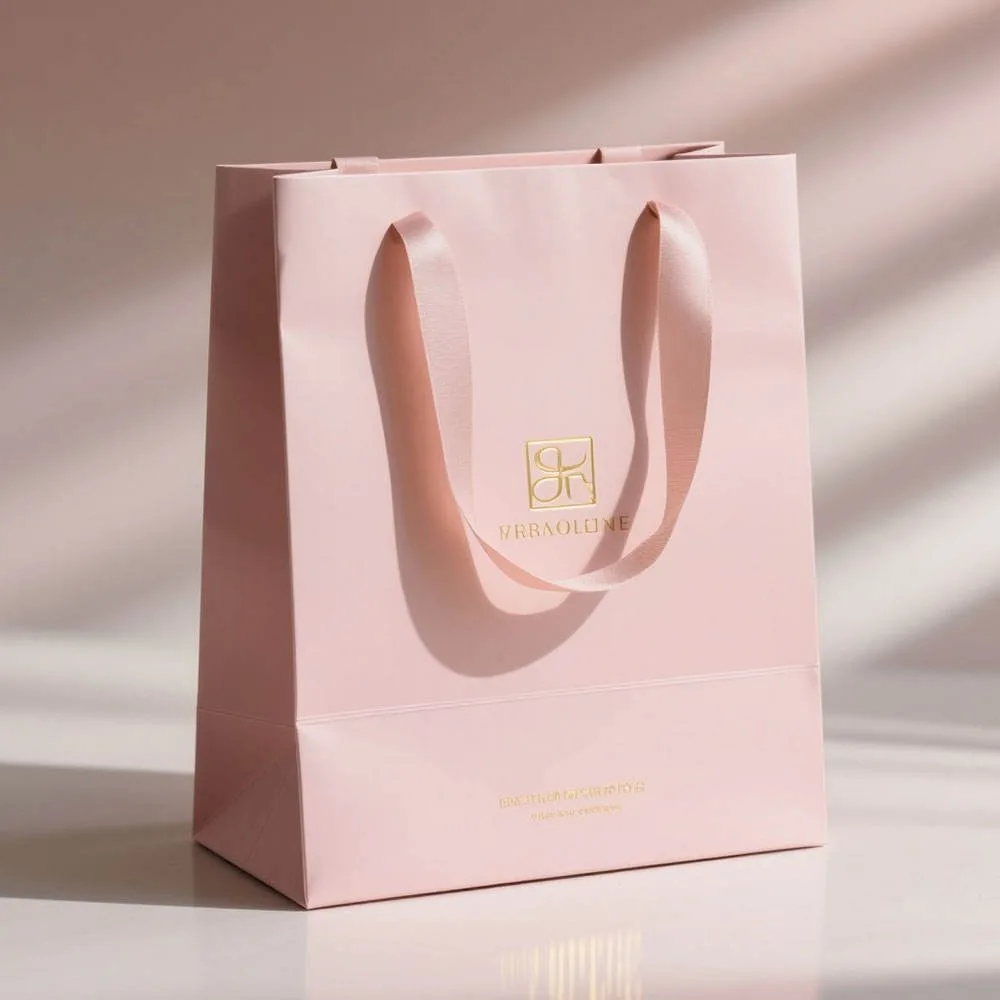
Vertical Bag
- Height-to-width ratio typically 1.5:1 or greater
- Provides elegant vertical presentation
- Ideal for taller products
- Reinforced handles for weight distribution
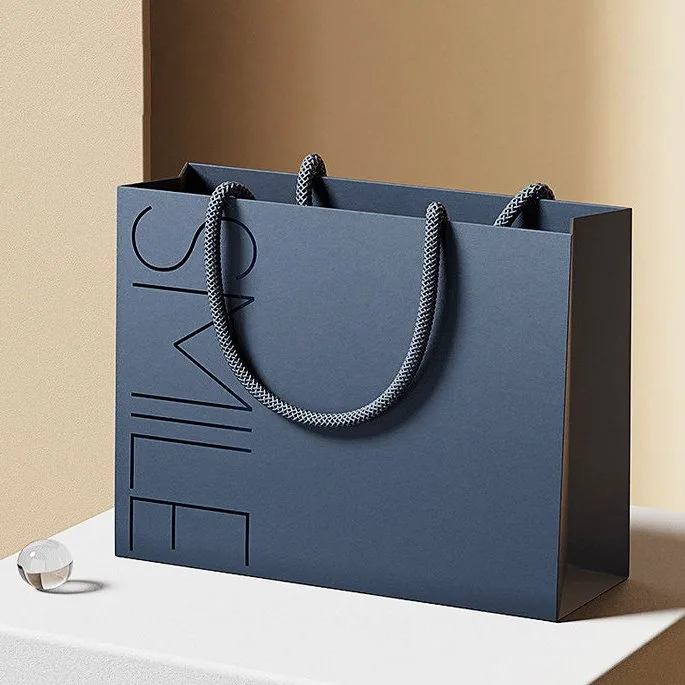
Horizontal Bag
- Width-to-height ratio typically 1.3:1 or greater
- Maximizes display area for branding
- Easier to pack flat for shipping
- Distributes weight across wider base
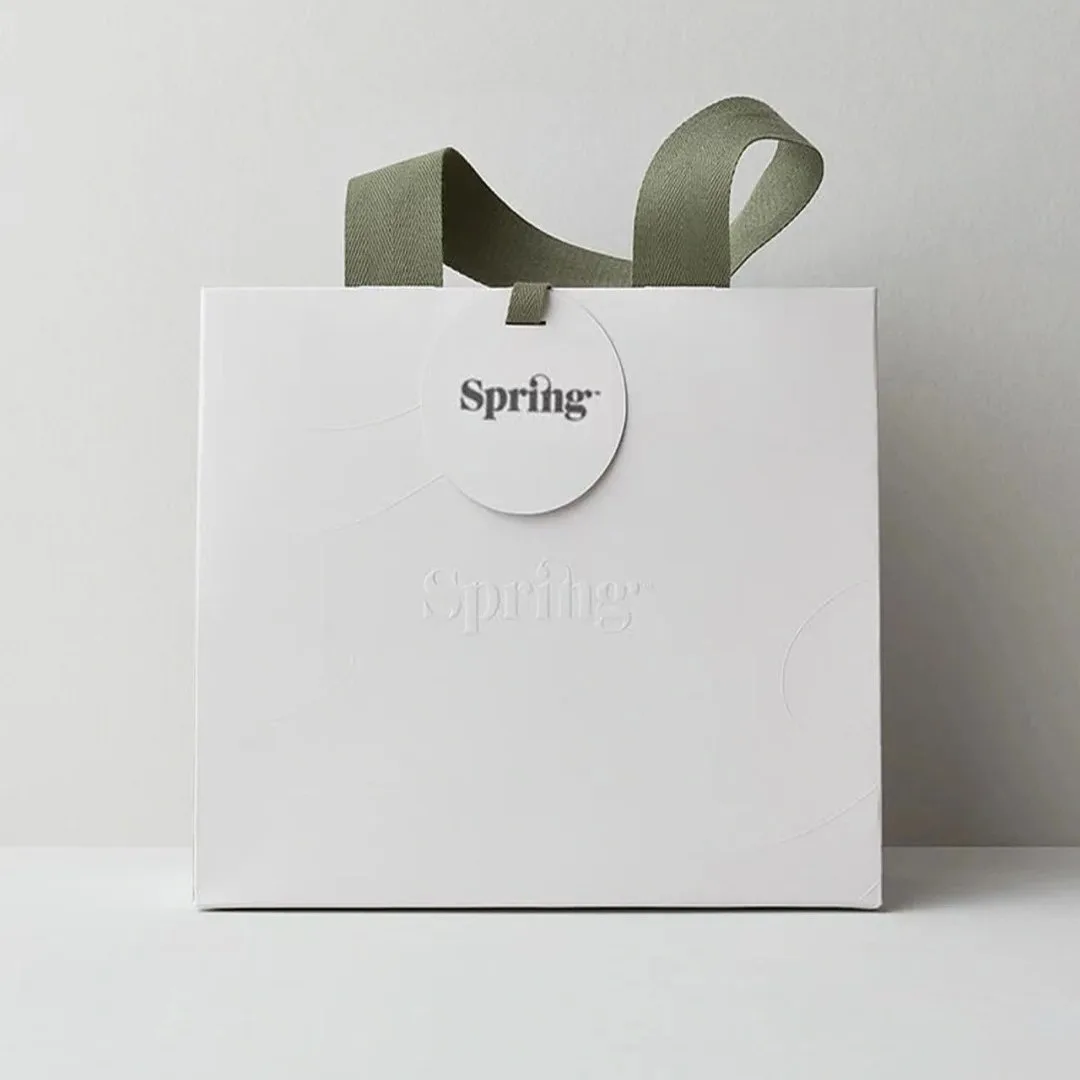
Square Bag
- Height and width within 10% of each other
- Balanced aesthetic for premium presentation
- Efficient use of material
- Versatile for varied product shapes
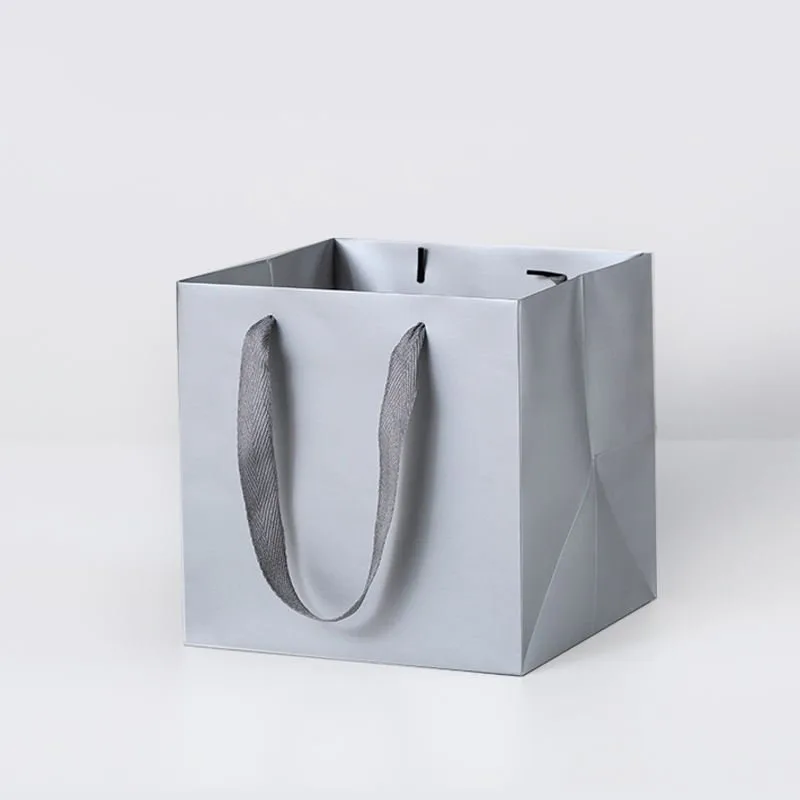
Wide Bottom (Gusset)
- Gusset provides 30-60% increased capacity
- Self-standing design with reinforced base
- Ideal for multiple or bulkier items
- Requires more complex die-cutting
Pro Tip: Choosing the Right Shape
Match your bag shape to your product dimensions for optimal fit and presentation. For luxury products, add 20-30% extra space beyond product dimensions to create a premium unboxing experience with tissue paper. Consider how the bag will be carried and displayed when selecting the ideal shape.
Paper Bag Size Guide & Selection Tips
Standard size references and expert tips for optimal bag selection
📐 Standard Size Reference
| Size Category | Dimensions (cm) | Ideal For | Common Applications |
|---|---|---|---|
| Small | 11 × 14 × 6 | Jewelry, cosmetics, small gifts | Jewelry stores, beauty shops |
| Medium | 18 × 23 × 10 | Small clothing, books, accessories | Boutiques, bookstores |
| Large | 26 × 32 × 12 | Clothing, shoes, multiple items | Fashion retailers, department stores |
| Extra Large | 31 × 42 × 12 | Larger clothing, boxed products | Gift shops, apparel stores |
| 2 Extra Large | 36 × 45 × 15 | Coats, bedding, multiple garments | Luxury boutiques, home goods |
| Giant | 50 × 72 × 18 | Bulky items, large collections | Premium retailers, seasonal promotions |
| Wine Bag | 12 × 39 × 9 | Wine & spirits bottles | Liquor stores, beverage gifting |
| Custom Size | Made to order | Unique products | Any brand with special requirements |
💡 Size Selection Tips
Allow a small amount of extra space for easy product insertion and removal
Consider whether customers may add more items to the bag
For clothing, measure folded size rather than hanging size
Avoid oversized bags for small products (makes items look insignificant)
Custom sizes are available to create a distinctive brand experience
Paper Packaging Materials Guide
Technical specifications, print compatibility, and environmental impact of common packaging materials
| Material Type | Properties | Typical GSM Range | Print Compatibility | Environmental Profile | Cost Efficiency |
|---|---|---|---|---|---|
| Coated Papers (C1S) | Smooth, premium white surface on one side; uncoated reverse | 190-250 GSM | Excellent for high-resolution images, metallic inks, spot UV | ♻️ Recyclable with coating separation | Medium-High |
| Coated Papers (C2S) | Smooth on both sides; available in gloss, silk, or matte finishes | 128-250 GSM | Superior for double-sided printing, vivid colors, fine details | ♻️ Recyclable with coating separation | Medium-High |
| Kraft Paper (Brown) | Natural, unbleached with visible fiber texture; high strength | 120-250 GSM | Good for single-color prints, stamping, embossing | ♻️ Highly recyclable & biodegradable | Low |
| Kraft Paper (White) | Bleached variant with natural fiber texture; good strength | 120-250 GSM | Better color reproduction than brown kraft; good opacity | ♻️ Recyclable & biodegradable | Low-Medium |
| Specialty (Holographic) | Rainbow reflective surface with multi-dimensional light effects | 150-200 GSM | Requires specialized inks; often paired with spot printing | ⚠️ Limited recyclability | High |
| Specialty (Glitter) | Embedded glitter particles; dazzling metallic effect | 160-250 GSM | Limited ink absorption; best with minimal printing | ⚠️ Not recyclable in standard streams | High |
| Textured Papers | Embossed patterns; linen, laid, or custom textures | 150-250 GSM | Good for letterpress, foil stamping; may affect fine details | ♻️ Generally recyclable | Medium-High |
Visual Comparison Guide: Paper Types & Properties
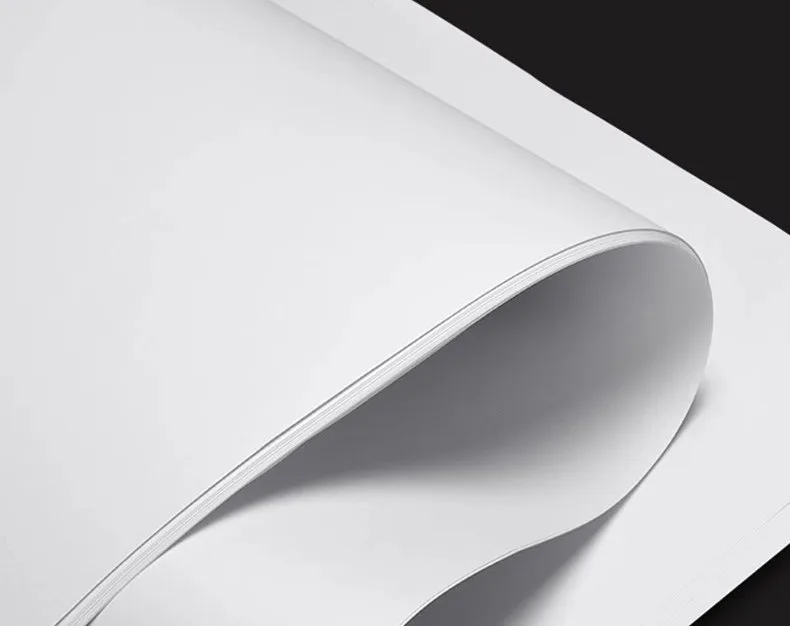
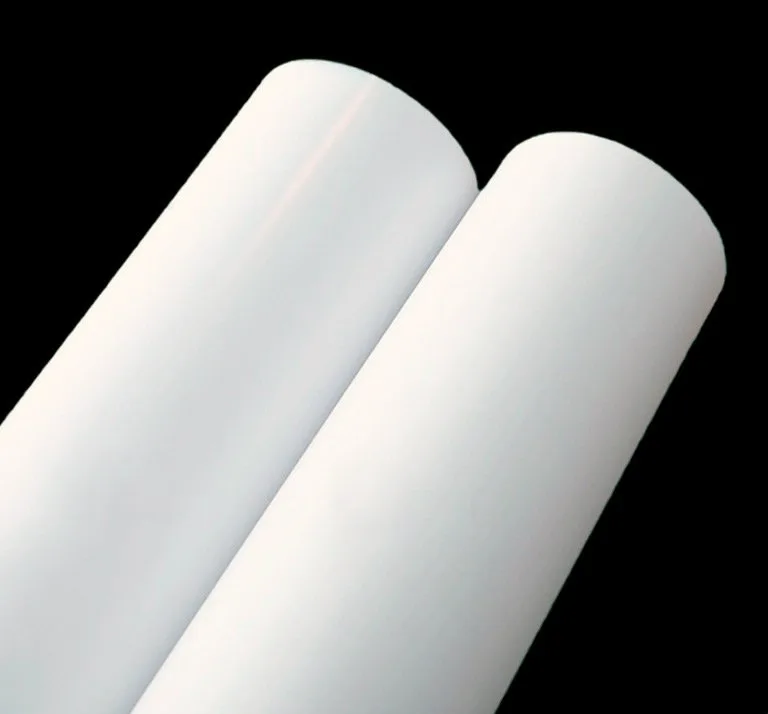
Coated Papers (C1S & C2S)
C1S (Single-Side Coated)
C2S (Double-Side Coated)
Composition: Wood pulp with clay/calcium carbonate coating for smooth finish
Surface Properties: C1S has one glossy side and one uncoated side; C2S is coated on both sides
Print Considerations: High ink holdout, minimal dot gain, excellent for high-resolution images
Best Applications: Luxury retail, cosmetics, high-end products requiring vibrant visuals
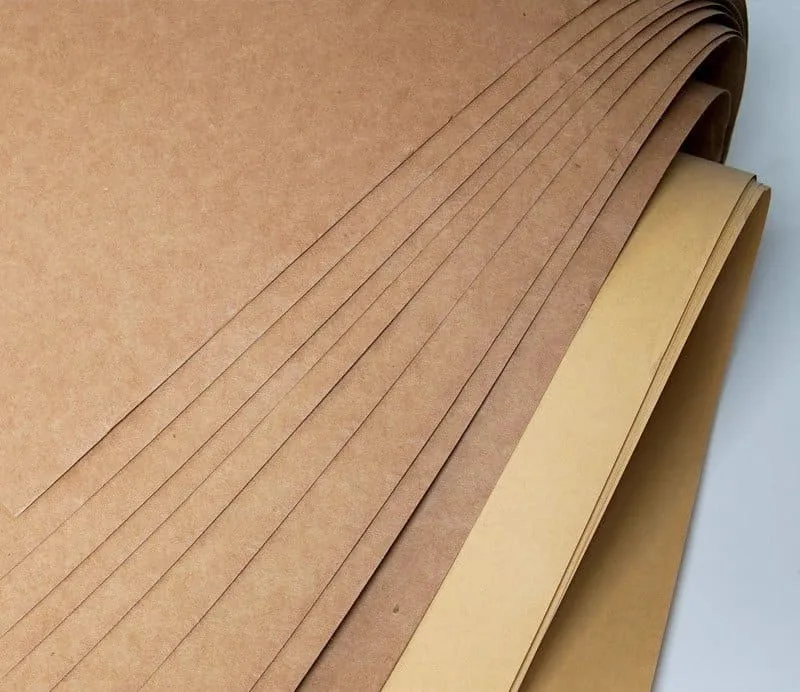
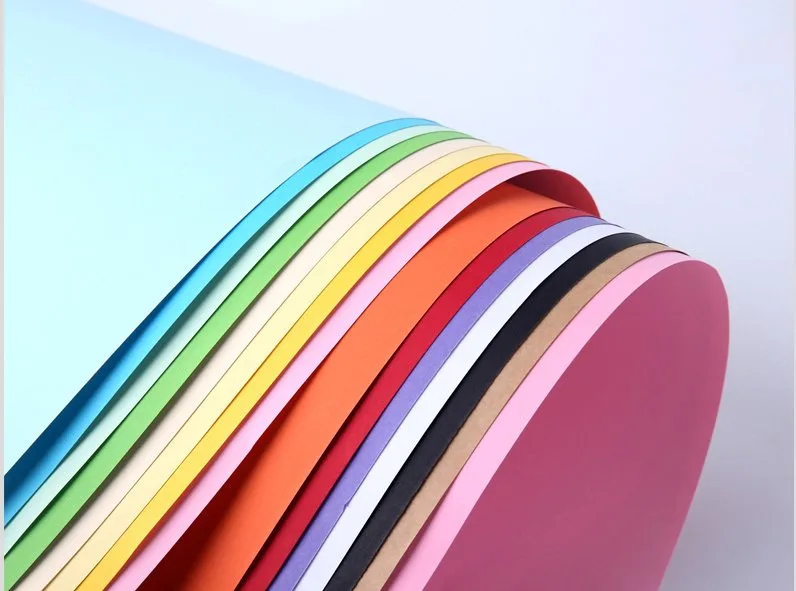
Kraft Papers (Natural & White)
Natural Brown Kraft
White & Colored Kraft
Composition: Produced through chemical pulping process (Kraft process) for superior strength
Surface Properties: Natural fiber appearance, high tear resistance, good fold endurance
Print Considerations: Higher ink absorption, best with darker colors on brown kraft
Best Applications: Eco-friendly brands, organic products, rustic or natural positioning
Specialty Papers (Holographic & Glitter)
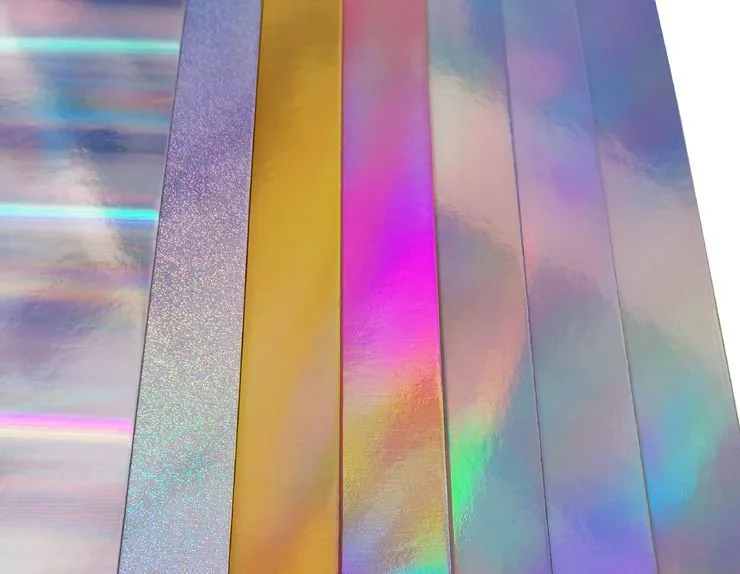
Holographic Paper
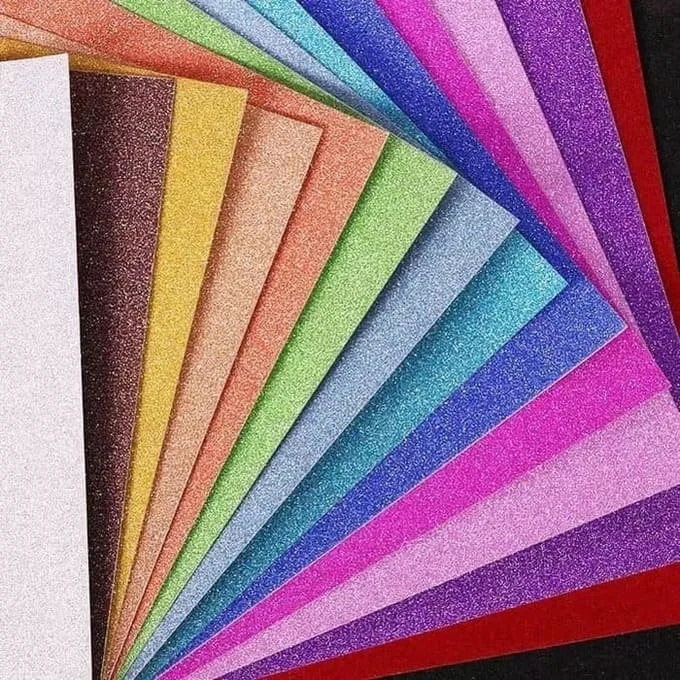
Glitter Paper
Composition: Base paper with applied metalized film (holographic) or embedded glitter particles
Surface Properties: Reflective, dimensional appearance; holographic creates rainbow effects
Print Considerations: Limited ink adhesion; often best combined with spot printing or foil stamping
Best Applications: Seasonal promotions, cosmetics, youth products, limited editions
Textured Papers (Embossed & Special Finishes)
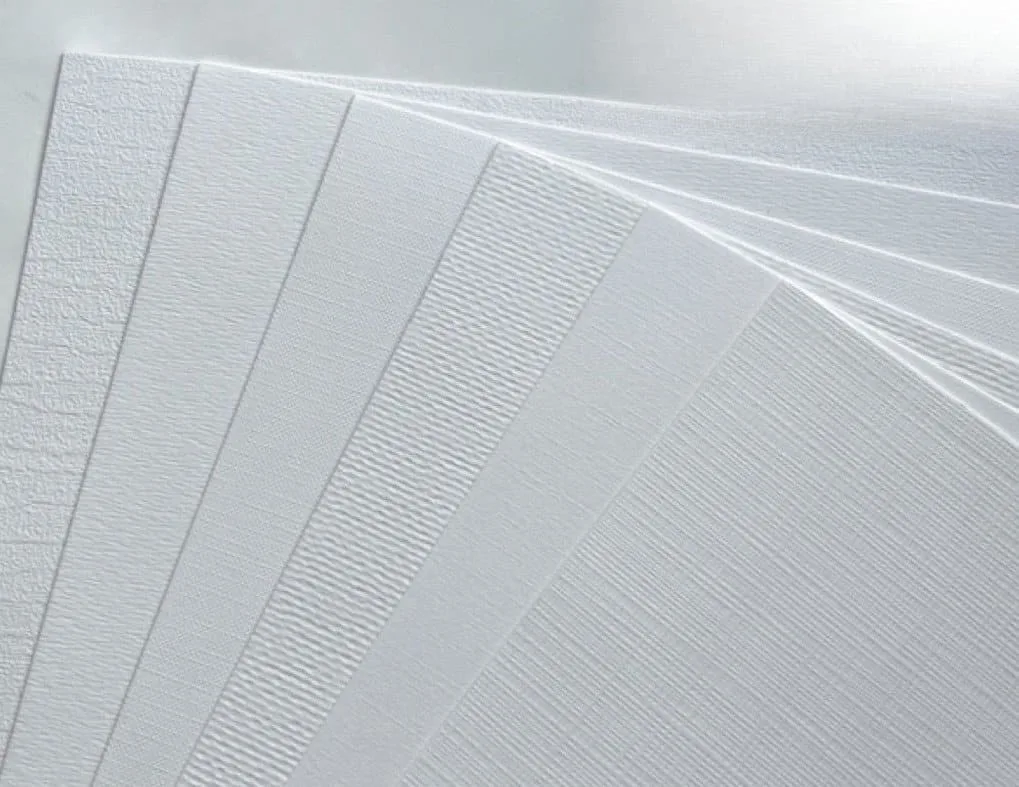
Embossed Texture
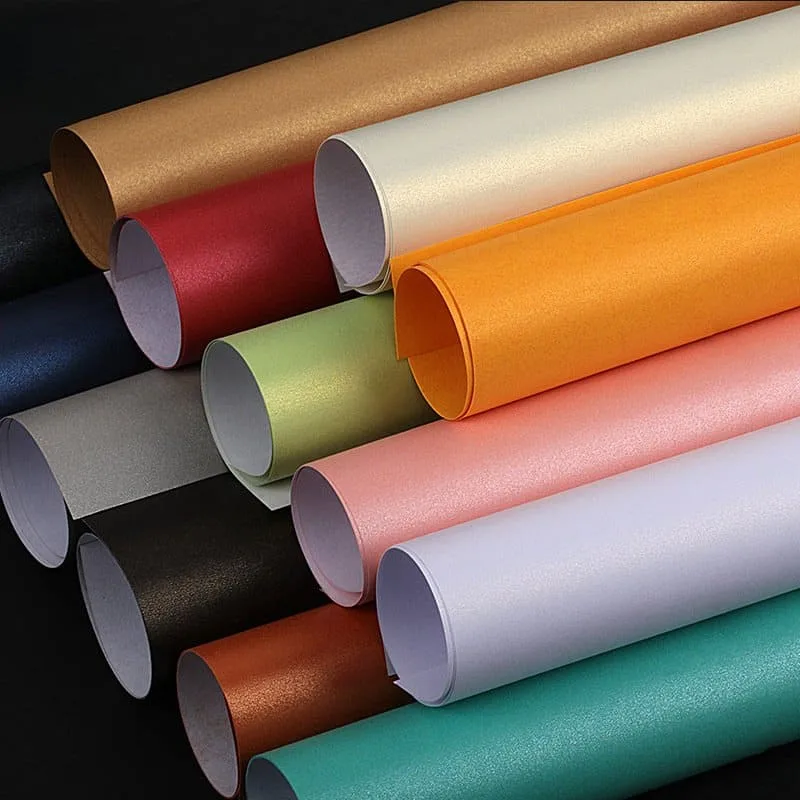
Pearlescent Finish
Composition: Base paper with mechanical embossing or specialty coatings for tactile effects
Surface Properties: Raised patterns or distinctive feel; linen, laid, or custom textures
Print Considerations: Texture can affect ink coverage; may require heavier ink deposit
Best Applications: Luxury packaging, premium branding, tactile brand experiences
Technical Considerations When Selecting Paper
GSM Explained
GSM (Grams per Square Meter) measures paper weight. For retail bags, 190-250 GSM provides optimal durability. Lower GSM reduces cost but compromises strength; higher GSM increases durability but affects foldability.
Print Compatibility
Coated papers support fine details and vibrant colors but may require longer drying times. Uncoated papers like kraft absorb ink quickly but may produce less sharp images. Match paper to printing technique for optimal results.
Environmental Impact
Consider full lifecycle: FSC certification ensures responsible sourcing; coatings and additives affect recyclability; unbleached kraft has lowest environmental impact; specialty papers typically have higher carbon footprint.
Technical Deep Dive: Access our complete materials guide with printing compatibility charts and sustainability metrics
Full Materials GuideHandle Options Technical Guide
Technical specifications, weight capacity, and sustainability metrics for informed selection
Handle + knot + patch + paper GSM all affect performance.
Ribbon texture + finish upgrades perceived value quickly.
All-paper (paper rope / die-cut) is easiest for paper recycling.
| Handle Type | Material / Construction | Comfort | Strength (Typical) | Brand Positioning | Recycling Friendliness | Production Notes (What to specify) |
|---|---|---|---|---|---|---|
| Satin Ribbon | Smooth ribbon loop | Soft in hand | Medium | Luxury / Gift | Mixed-material | Ribbon width, color, knot style, and inner patch (recommended for heavier items). |
| Grosgrain Ribbon | Ribbed ribbon loop | Firm, premium grip | High | Luxury Retail | Mixed-material | Texture shows “quality”; specify ribbon width + matching edge finishing. |
| PP Rope | Synthetic rope (often with plastic tips) | Comfortable + strong | Very High | Functional / Heavy-duty | Lower (plastic) | Specify diameter + end caps; consider “paper patch + eyelet” for load safety. |
| Twisted Paper Rope | All-paper twisted handle | Good (can feel firmer) | Medium | Eco / Everyday retail | ♻️ High (all-paper) | Specify rope color + thickness; add inner patch for larger bags to reduce tear-out risk. |
| Die-cut Handle | Handle hole cut into paper | Less comfortable (edge pressure) | Light | Minimal / Budget | ♻️ High (mono paper) | Recommend reinforcement patch/film OR folded handle area; define hole shape + position. |
Handle Visual Reference
Compare texture, attachment style, and “carry comfort” at a glance (educational, not sales).
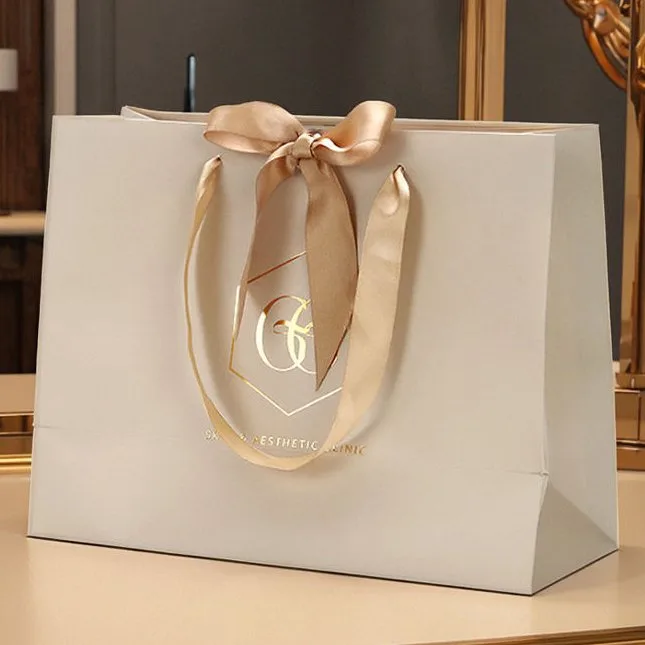
- • Smooth shine (premium look)
- • Softer carry feel
- • Needs patch for heavier loads
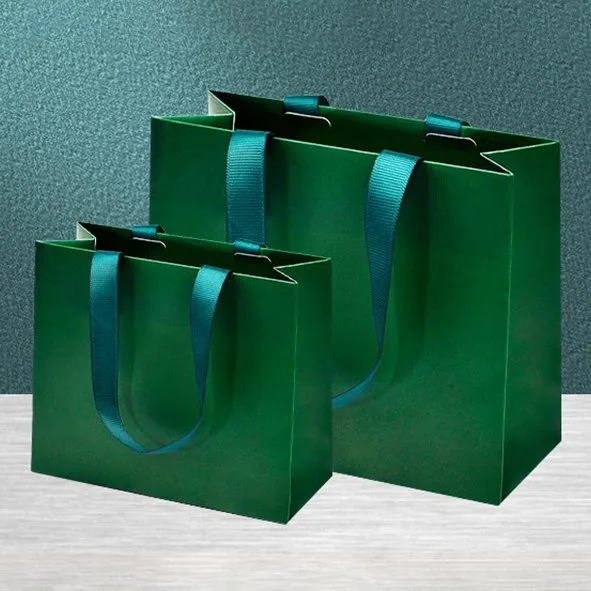
- • Ribbed texture reads “quality”
- • Stronger than satin typically
- • Great for luxury retail
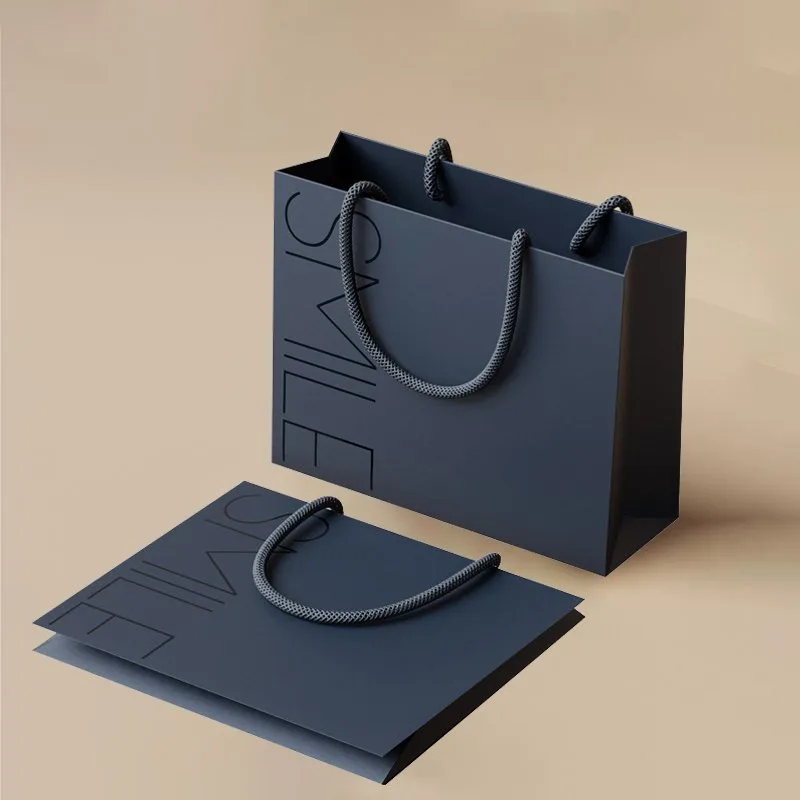
- • Highest load capacity
- • Comfortable thickness
- • Mixed-material (plastic)
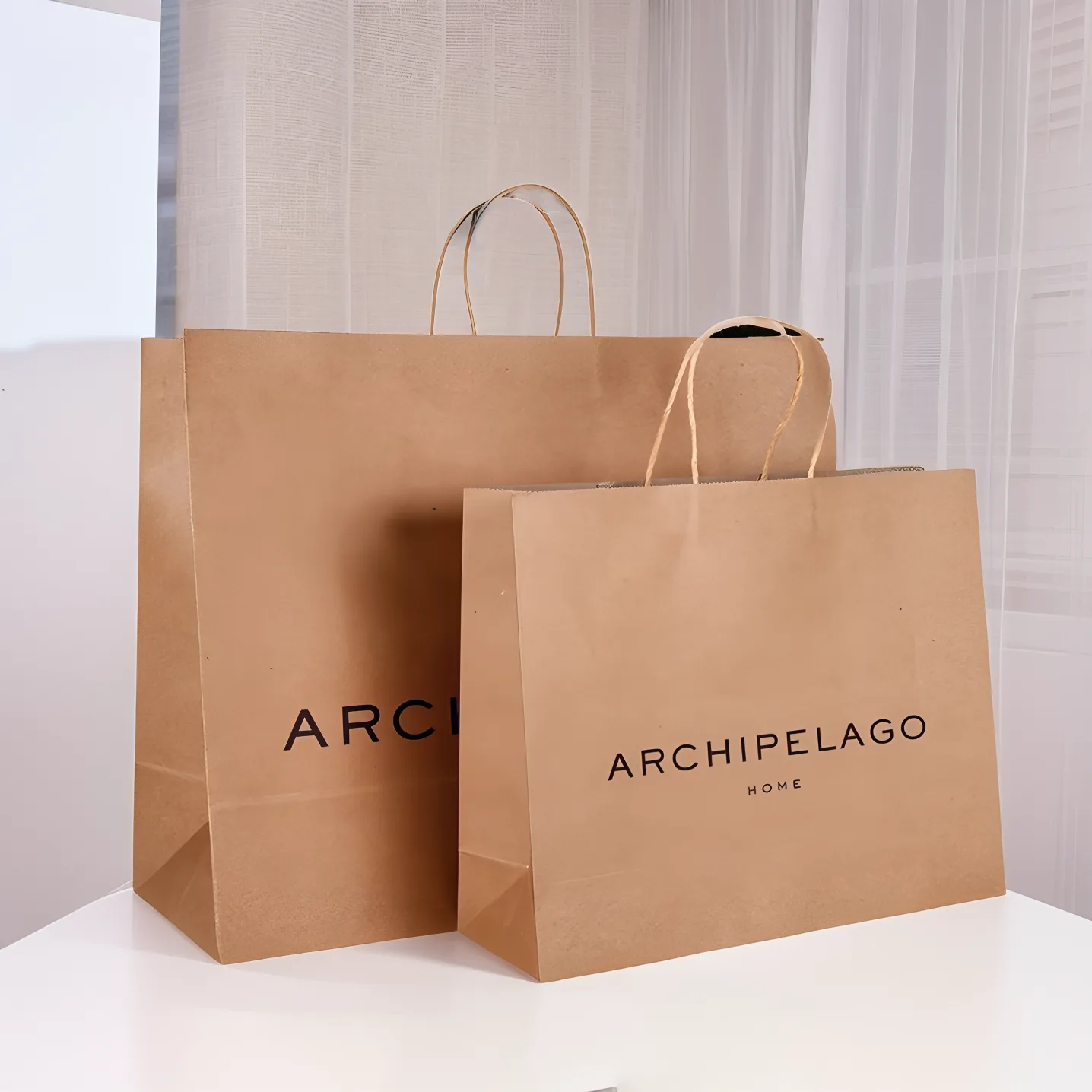
- • All-paper (recycling friendly)
- • Best for eco positioning
- • Add patch for larger sizes
- • Mono-material paper option
- • Best for light items
- • Reinforce to avoid tearing
Quick rule: If your priority is luxury → ribbon. If it’s heavy load → PP rope. If it’s recyclability → twisted paper rope / die-cut (all-paper).
🤔 Not sure which handle is best? Send us your product weight + bag size + target market (EU/US) — we’ll recommend the safest structure (including reinforcement patch).
Printing & Finishing Trade-offs (Visual + Practical)
Learn how each finish changes appearance, rub resistance, cost, and recycling outcomes—especially for US & EU compliance expectations.
A) Printing Methods (How ink is applied)
Choose based on artwork type (photos vs. solids), brand color accuracy, and production complexity.
🎨 CMYK Printing
Standard process color using cyan, magenta, yellow, and black inks for full-color reproduction.
Best For:
- Full-color photographs
- Gradients & color transitions
- Complex multi-colored designs
🎯 Pantone (PMS)
Pre-mixed inks for exact color matching, ensuring consistent brand colors reproduction.
Best For:
- Brand-specific colors
- 1-3 solid colors
- Metallic/fluorescent inks
✨ UV Printing
Uses UV light to cure ink instantly. Produces vibrant colors and allows raised printing effects.
Best For:
- High-end packaging
- Raised or special effects
- Scratch resistance
🖌️ Screen Printing
Mesh screens transfer ink onto paper, creating bold opaque colors and textured effects.
Best For:
- Bold, opaque colors
- Metallic/specialty inks
- Textured ink effects
B) Finishing Principles (How surface changes)
Finishes affect scuffing, fingerprint marks, perceived luxury, and recycling pathways.
Prefer water-based varnish + emboss/deboss. Use foil/lamination minimally.
Use coated paper + lamination (matte/gloss/soft-touch) for stronger color & protection.
Add protection: matte lamination or varnish to reduce scuffs and ink rub.
| Option | What it changes | Durability / Protection | Cost Impact | Recycling Impact (typical) | Best Use Cases | Buyer Notes (what to specify) |
|---|---|---|---|---|---|---|
| Water-based Varnish (Aqueous) | Light protection + subtle sheen (overall) | Medium | Low | ♻️ Better choice | High-volume retail, eco-positioning, cost-sensitive programs | Specify: matte/satin/gloss level; overall vs. spot area. |
| Matte Lamination | Soft premium look + reduces fingerprints | High | Medium | ⚠️ Film layer | Luxury retail, cosmetics, photo-heavy designs | Great for scuff resistance; confirm anti-scratch matte if needed. |
| Gloss Lamination | Makes colors look more saturated & shiny | High | Medium | ⚠️ Film layer | Vibrant branding, promotions, graphics-heavy bags | May show scratches; check if gloss is too reflective for your brand. |
| Hot Foil Stamping | Metallic shine (gold/silver/colored foils) | Medium | Medium–High | Mixed | Logos, small premium accents, gift packaging | Best for bold shapes; avoid ultra-thin lines; specify foil color + area size. |
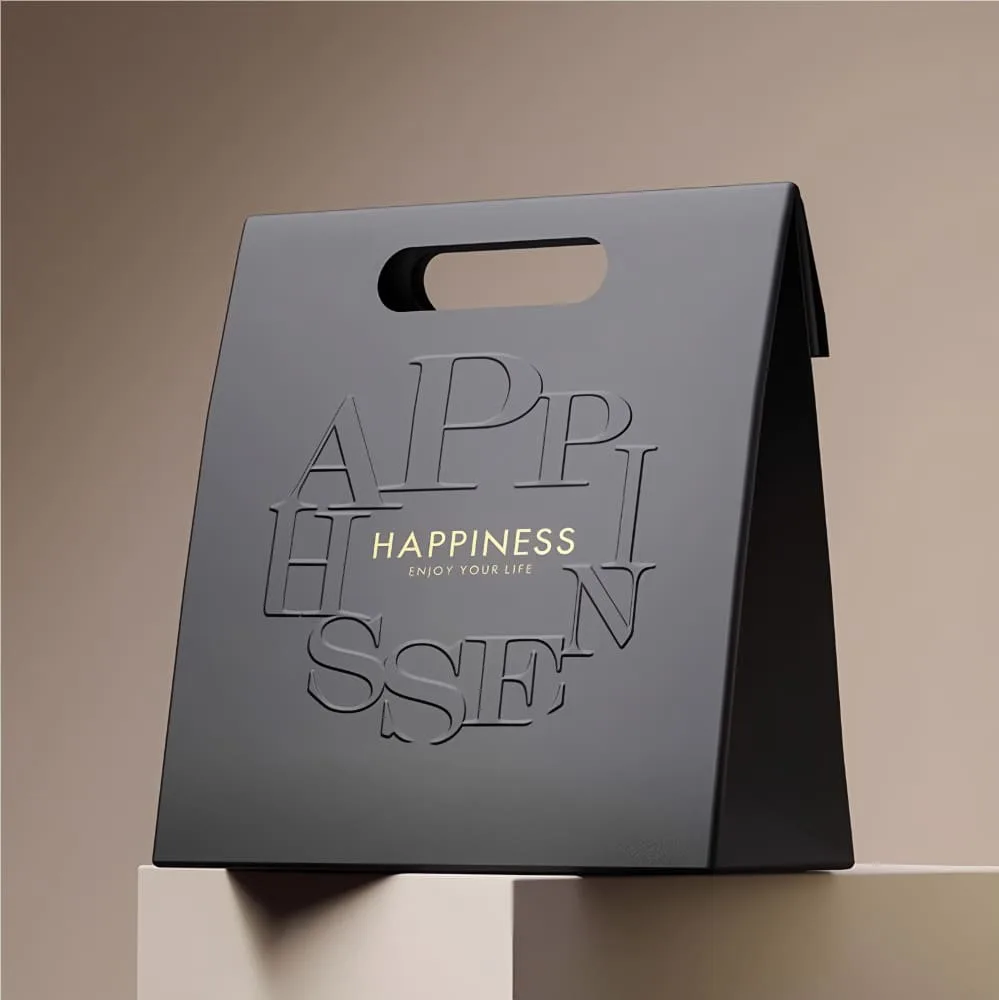
| Emboss / Deboss | 3D tactile depth without adding ink coverage | Medium | Medium | ♻️ Usually good | Minimalist luxury, texture papers, brand marks | Specify: emboss height, alignment tolerance, combine with foil if needed. |
| Spot UV | Selective gloss highlight (contrast on matte) | Medium | Medium | Mixed | Premium emphasis on logo/patterns | Works best with simple shapes; ensure registration accuracy on small text. |
| Glitter / Holographic Film | Maximum “wow” effect & reflectivity | High | High | ⚠️ Lower | Limited editions, holiday campaigns, promotions | Effect-first: keep typography bold; verify recyclability requirements by market. |
C) Visual Reference: What You’ll Actually See
Use these examples to predict reflectivity, texture, and how the finish behaves under store lighting and handling.
Premium Metallic Finishes
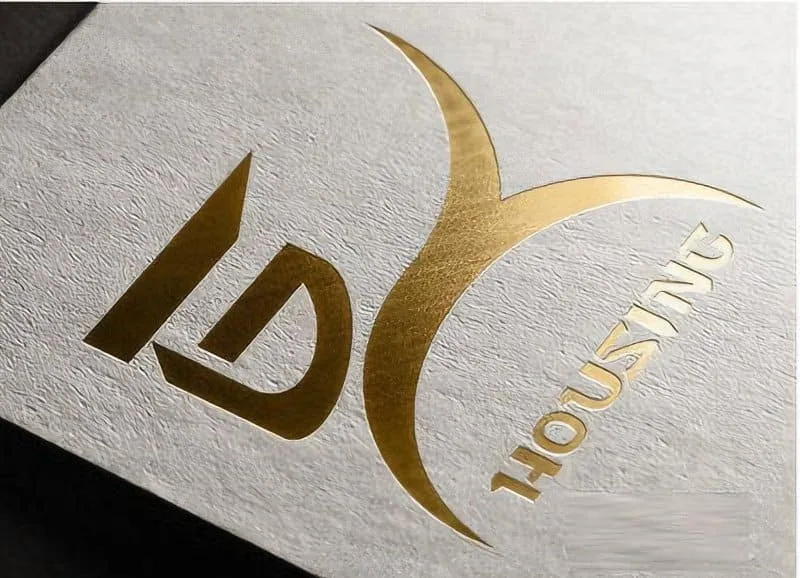
Hot Stamping
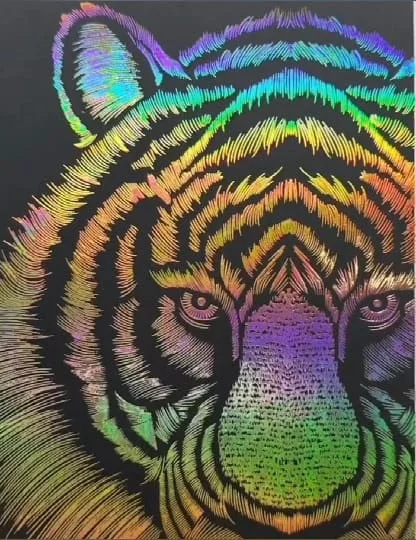
Cold Stamping
Technical Properties
- • Process: Hot stamping (80-120°C) uses heat+pressure; cold stamping uses adhesive without heat
- • Material: Metal foil layer (2-5μm) with release coating and adhesive backing
- • Regional Factors: More cost-effective in Asia (30-40% less than EU/US)
Textural Enhancements
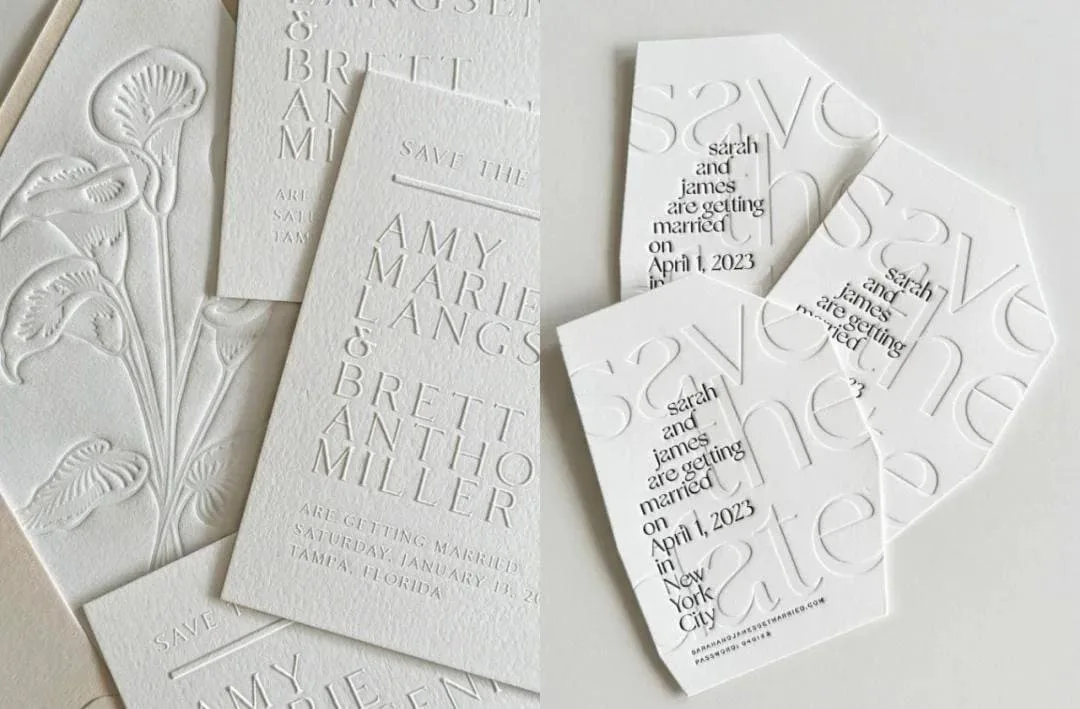
Embossing/Debossing
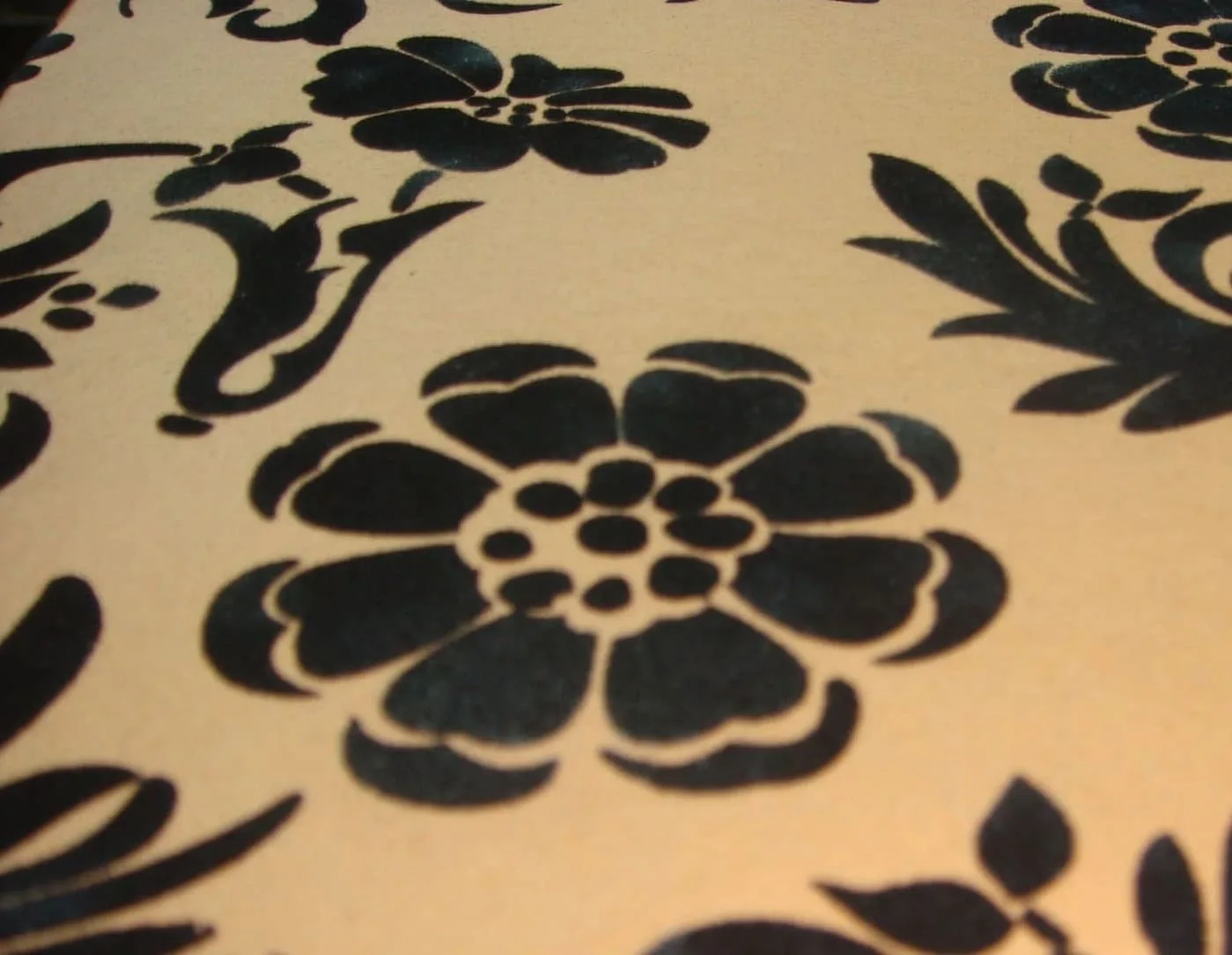
Flocking
Technical Properties
- • Process: Embossing uses matched dies (0.3-2mm depth); flocking applies microfibers (0.5-1mm)
- • Material Impact: Requires 220gsm+ paper for embossing; 200gsm+ for flocking
- • Regional Factors: Embossing global; flocking expertise concentrated in China
Protective Coatings
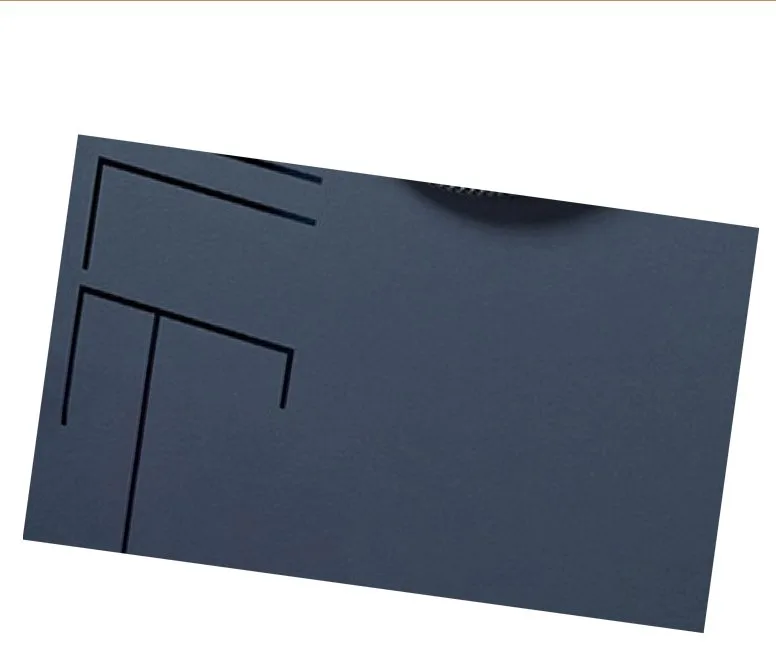
Matte Lamination
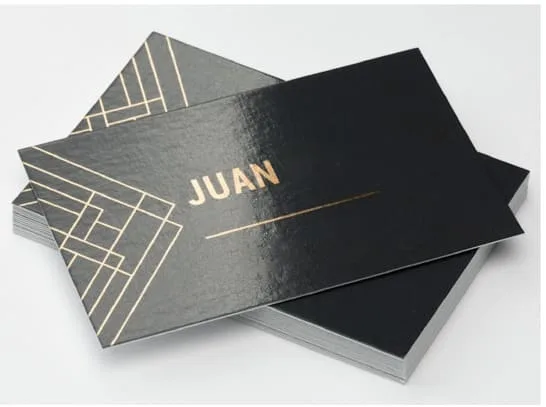
Glossy Lamination
Technical Properties
- • Process: Film application (12-25μm thickness) via heat/pressure or adhesive
- • Performance: Adds 30-50% tear resistance; water/scratch protection
- • Regional Factors: Standard globally; biodegradable options more common in EU
Special Visual Effects
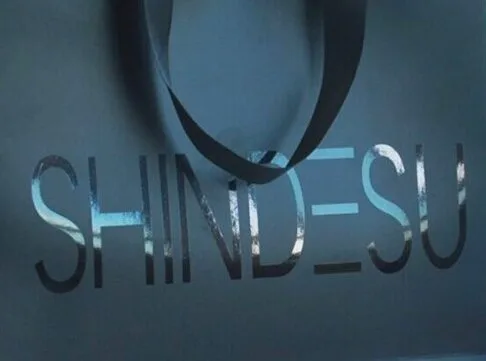
Spot UV
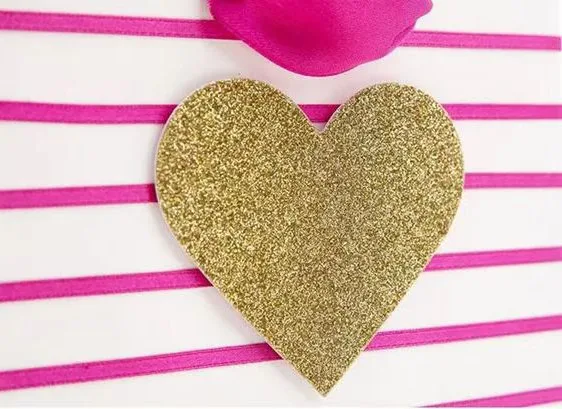
Glitter Effects
Technical Properties
- • Process: Spot UV uses UV-cured resin (20-80μm); glitter embeds particles in coating
- • Application: UV requires precise registration; glitter uses screen printing technique
- • Regional Factors: UV global; premium glitter techniques concentrated in East Asia
Practical decision rules (fast)
- Want premium without hurting recycling too much? Try emboss/deboss + water-based varnish.
- Need maximum durability for heavy handling? Choose matte lamination (consider anti-scratch).
- Need “wow” for a campaign? Use foil or spot UV in controlled areas (avoid tiny details).
Want the full breakdown (with more finishes + artwork tips)?
Includes recommended file setup for foil/UV layers and common print pitfalls.
Full Materials & Finishes Guide →RFQ Specification Checklist
Copy & paste ready — ensure nothing is missed in your quote request
💡 Pro Tip: Unsure about specifications? Send product photos and target quantity — we will propose structure and provide a dieline.
| Item | What to Specify | Example / Notes |
|---|---|---|
| Bag Style | Vertical / Horizontal / Square / Gusset | Vertical Tote |
| Size (W × Gusset × H) | Exact cm + tolerance | 26 × 12 × 32 cm |
| Paper Type & GSM | Kraft / C1S / Specialty | 250gsm Kraft |
| Printing | CMYK / Pantone | 4C + Pantone 872 C |
| Finish | Matte / Gloss / Foil / Spot UV | Matte lamination + gold foil |
| Handle Type | Satin / Rope / Die-cut | Satin ribbon |
| Quantity | Per design / Total | 2,000 pcs |
| Target Market | US / EU / UK | EU (PPWR compliance) |
| Incoterm & Destination | FOB / CIF / DDP | CIF New York |
MOQ, Lead Time & Cost Snapshot
Transparent pricing and timeline expectations from a direct manufacturer
1,000 pcs
Typical MOQ
per design (smaller quantities possible for standard sizes)
7-10 days
Sampling Time
Physical samples for approval
15-25 days
Mass Production
After artwork approval
📊 Key Cost Factors
Material & GSM: Higher quality paper = higher cost
Printing Complexity: More colors & finishes = higher cost
Handle Type: Premium handles (satin/grosgrain) cost more
Quantity: Economies of scale reduce unit price
Size: Larger bags use more material
Special Features: Reinforcements, windows, etc.
Sustainability & Compliance Snapshot
Eco-friendly options and regulatory compliance for responsible packaging
FSC Certified
Full chain-of-custody documentation available
Recyclable Options
Paper-based materials with high recyclability
PPWR Compliant
Meeting EU packaging regulations
⚠️ Recyclability Considerations
✓ Kraft & uncoated paper: Highly recyclable and biodegradable
✓ Matte lamination: Better recyclability than gloss
✓ Foiled/holographic bags: More difficult to recycle — recommend for special occasions only
✓ Paper handles: Fully recyclable with the bag
Critical Pitfalls to Avoid
Technical missteps that cause project delays, cost overruns, and quality issues
Inadequate Material Strength
High ImpactUnderpowered paper weight (GSM) for product weight leads to tearing, handle separation, and brand damage.
Technical Fix: Use 210gsm+ for items >500g; request vertical load testing; consider bottom reinforcement for weights >1kg.
Handle-to-Weight Mismatch
High ImpactRibbon handles failing under load, rope handles detaching at stress points, or incorrect handle sizing.
Technical Fix: For ribbon handles, minimum 15mm width per kg; for rope handles, 5mm diameter + double knot technique; add 20-25mm reinforcement patches.
Dimensional Miscalculations
Medium ImpactIncorrect internal dimensions causing product fit issues, excessive material waste, or poor user experience.
Technical Fix: Add 1-1.5cm margin beyond product dimensions; test with actual products; account for gusseted bottom expansion (typically 2-3cm).
Artwork Technical Errors
Medium ImpactLow resolution images (< 300dpi), missing bleed (3mm minimum), incorrect color spaces, or font outline issues.
Technical Fix: Use manufacturer templates; convert all colors to CMYK; maintain 3-5mm bleed; use vector formats for logos; request physical color proofs.
Timeline Compression
Medium ImpactRush production causing quality issues, skipped quality checks, and increased costs (rush fees 25-50% higher).
Technical Fix: Build 20-25 days lead time into planning; account for pre-CNY production surge (Nov-Jan); consider air freight for urgent orders.
Prioritizing Cost Over Quality
High ImpactSelecting lowest-cost options resulting in inconsistent color, poor durability, and negative brand perception.
Technical Fix: Focus on 5-7 critical technical specs rather than lowest price; request manufacturer certifications; evaluate samples from multiple suppliers.
Quality Assurance Checklist
Download our technical QC checklist with 18 critical inspection points and acceptable tolerance ranges
See Our Custom Paper Bag Portfolio
You now have the knowledge to make informed decisions. Explore our actual production examples to see how these specifications come to life for global brands.
Ready to See Real Examples?
Browse hundreds of custom paper bags we've produced for fashion brands, retailers, cosmetics companies, and more.
🏭 Explore Actual Production ExamplesFrequently Asked Questions About Custom Paper Bags
Q: What size format should I use for paper bags?
A: The standard format is Width × Gusset × Height (cm). We recommend allowing a small extra space for easy product insertion.
Q: What GSM should I choose for heavier items?
A: For clothing and heavier products, we generally recommend 200–300gsm depending on handle type and reinforcement.
Q: Which handle type is best for load capacity and comfort?
A: PP rope or grosgrain ribbon handles offer higher strength, while satin ribbon provides better luxury feel and comfort.
Q: What information is required for an accurate quote?
A: Bag style, size, paper type & GSM, printing, finish, handle type, quantity, and target market.
Q: Can you match specific Pantone colors?
A: Yes, we can accurately match Pantone colors with proper proofing controls.
Q: Are laminated paper bags recyclable?
A: Laminated bags are more difficult to recycle. We recommend matte lamination or paper-based alternatives for better recyclability.
Q: What are typical MOQs and lead times?
A: MOQ usually starts at 1,000 pcs per design. Production lead time is typically 15–25 days after artwork approval.
Q: Do you provide FSC-certified paper bags?
A: Yes. We offer FSC Mix, FSC Recycled, and FSC 100% certified materials with full documentation.
Q: Can I get samples before placing a bulk order?
A: Absolutely! We provide physical samples (7-10 days) so you can test quality and fit before committing to mass production.
Q: What if I'm not sure about specifications?
A: Simply send us your product photos and expected quantity — we will recommend the best structure, materials, handles, and provide a custom dieline.
Q: Do you offer design services?
A: Yes! We provide free design consultation and can create custom artwork based on your brand guidelines.
Q: What shipping options do you offer?
A: We offer FOB, CIF, and DDP Incoterms with global shipping to the US, EU, UK, and beyond. Full logistics support included.
Ready to Create Your Custom Paper Bags?
Send us your product details, target quantity, and any reference images. Our team will recommend the best structure, materials, and handles, and send a competitive quote within 24–48 hours.