Struggling to plan your packaging strategy for the coming year? You’re not alone. Brands feel pressured by market changes, sustainability demands, changing consumer expectations, and new technology, making it hard to make the right choice for their paper bags.
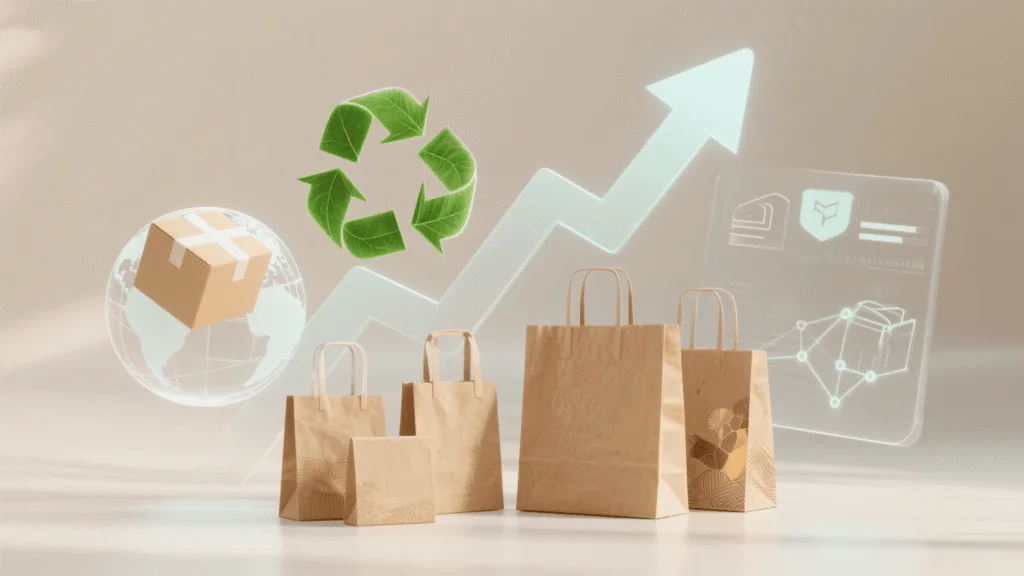
By 2026, the paper bag market will be defined by four key areas: sustained market growth driven by consumer and regulatory pressure against plastics, rising demand for premium and customized designs, non-negotiable sustainability credentials such as FSC certification, and major innovations in design to meet the unique needs of e-commerce and modern logistics.
After more than a decade in this industry, I’ve seen trends come and go. But the shifts we’re seeing now are fundamental. Every day, clients from various sectors—cosmetics, food, retail, and e-commerce—ask me the same questions about what’s next. They want to know where to invest, what to avoid, and how to future-proof their brand. This article is my answer, breaking down the top questions I hear into clear, straightforward explanations based on what I see happening on my factory floor and in the global market.
What’s really driving the paper bag market’s growth towards 2026?
You see more paper bags everywhere, but you’re not sure if it’s a passing trend or a real market shift. Investing in the wrong packaging can be a costly mistake, but ignoring a major growth wave is just as risky.
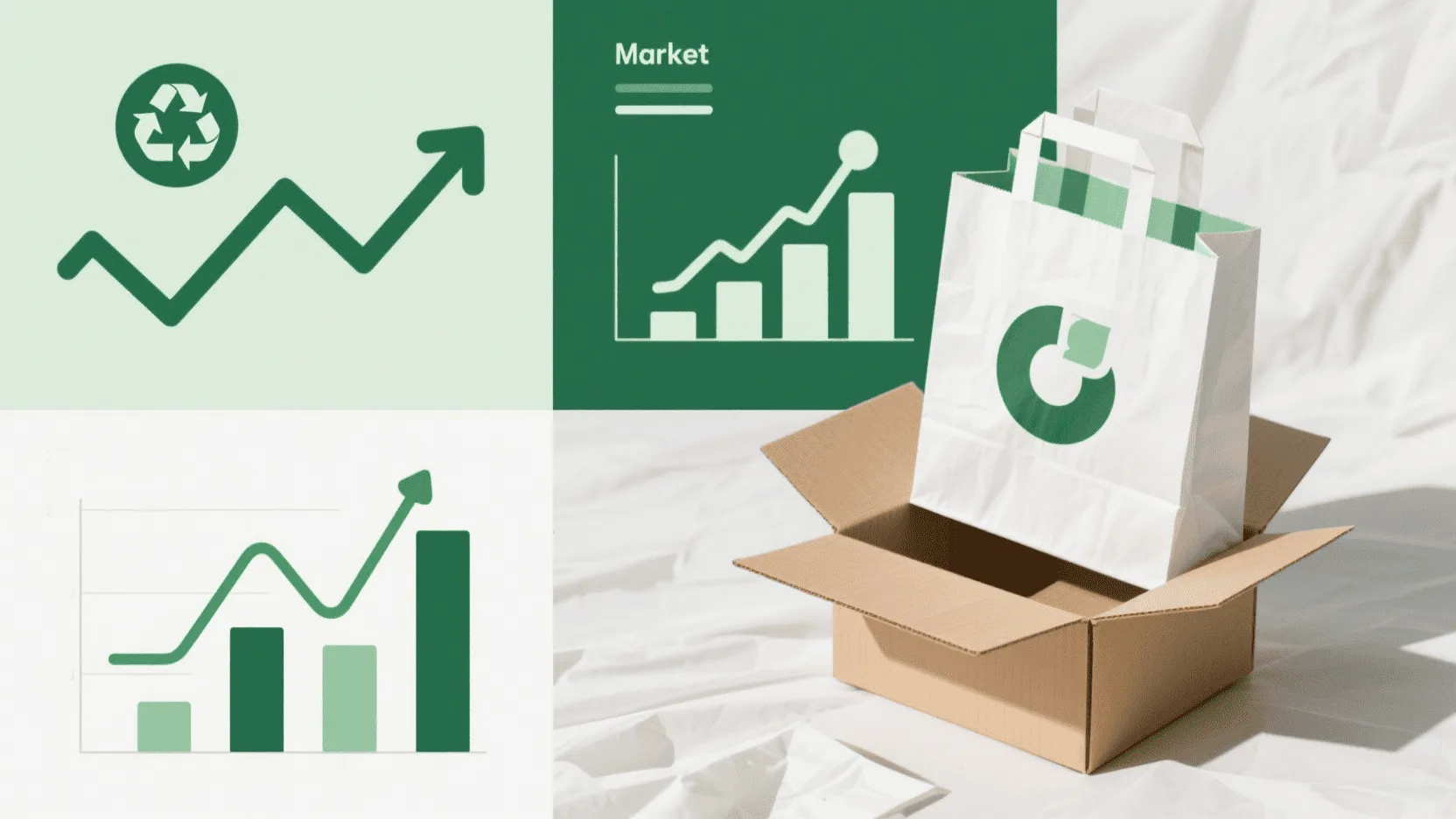
The global paper bag market’s growth is not accidental. It’s fueled by a powerful combination of consumer demand for plastic alternatives, new government regulations, and the explosive growth of sectors like food delivery and direct-to-consumer e-commerce that rely on paper packaging. The global paper bag market is projected to grow at a CAGR of around 4.3% from 2023 to 2030, signaling sustained rather than temporary demand.
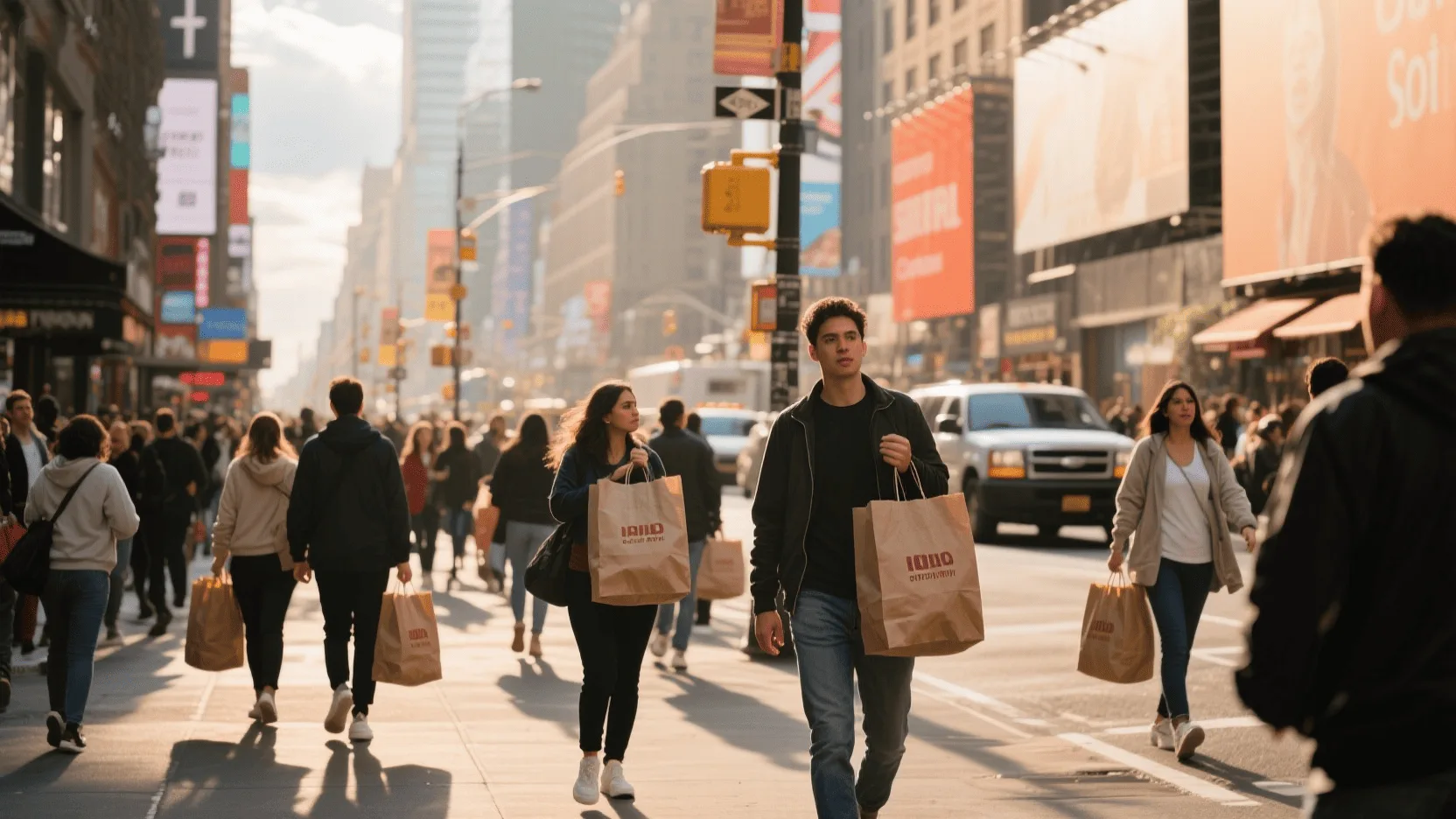
I can see this growth reflected directly in the orders we receive at Omet Packaging. Five years ago, a typical order was for a standard retail shopping bag. Today, we’re producing highly specialized bags for a much wider range of uses. For example, a restaurant chain recently partnered with us to develop a grease-resistant, sturdy food packaging bag with a wide, flat bottom specifically for their delivery orders. This wasn’t a common request before, but now it’s a significant part of our business.
The market is therefore growing not only in volume but also in complexity. Paper bags are being engineered to solve new problems, from food delivery and retail branding to e-commerce shipping and premium unboxing experiences.
The Forces Reshaping the Market
The momentum behind paper bags is supported by several strong pillars. It’s a top-down and bottom-up movement, where government policy, consumer choice, and industry growth are pushing in the same direction.
-
The Regulatory Push: Governments worldwide are taking a firm stance against plastic pollution. Single-use plastic bag bans or taxes are no longer isolated incidents; they are becoming increasingly common. In 2022, 175 nations endorsed a UN resolution addressing plastic pollution, while many markets have already introduced restrictions or levies on single-use plastic bags. This legislative action forces retailers and businesses to find compliant alternatives, and paper bags1 remain one of the most direct and widely accepted replacements.
-
The Consumer Pull: Today’s consumers are more informed and environmentally conscious than ever. Research cited by Trivium Packaging indicates that a large majority of consumers are willing to pay more for sustainable packaging. Sustainability is increasingly tied to brand perception, particularly when it is supported by credible certifications and transparent material choices.
-
E-commerce: The global e-commerce market is expected to reach approximately $8.1 trillion by 2026. This growth is creating demand for durable, right-sized shipping packaging such as multi-layer paper mailers, gusseted bags, and self-sealing shipping solutions.
-
Food & Beverage: The expansion of food delivery is creating demand for safe, functional, and brandable takeaway packaging. The global online food delivery market is projected to reach more than $1.6 trillion by 2028, encouraging the development of grease-resistant, sturdy, and specialized paper bags.
-
Premium Retail: High-end brands are increasingly using custom gift bags as part of the product experience. Thicker papers, textured finishes, hot stamping, embossing, premium handles, and minimalist designs can turn an ordinary shopping bag into a brand asset.
| Market Driver | Description | Impact on Brands |
|---|---|---|
| Consumer Demand | Shoppers increasingly prefer sustainable, attractive, and reusable packaging. | Brands need high-quality bags that combine sustainability and design. |
| Government Regulation | Bans, taxes, and circular-economy policies are reducing dependence on single-use plastics. | Brands must choose compliant materials and prepare for stricter requirements. |
| E-commerce Growth | Online shopping requires packaging that is lightweight, durable, and efficient to ship. | Brands need specialized paper mailers and shipping bags. |
| Food Delivery Boom | More delivery orders require functional and food-safe packaging. | Brands need grease-resistant, strong, and stable paper bags. |
| Premium Branding | Consumers increasingly see packaging as part of the product experience. | Brands can use custom design and premium finishes to increase perceived value. |
What are consumers really looking for in paper bag packaging in 2026?
Your customers want packaging that looks good, feels good, and does good. They are tired of generic, flimsy bags that tear easily. They are seeking an experience that reflects their values and the quality of the product inside.
Consumers in 2026 expect paper bags to be more than containers. They want sturdy, reusable bags made from verifiably sustainable sources, featuring distinctive textures, minimalist designs, strong branding, and practical features that enhance the shopping or unboxing experience.
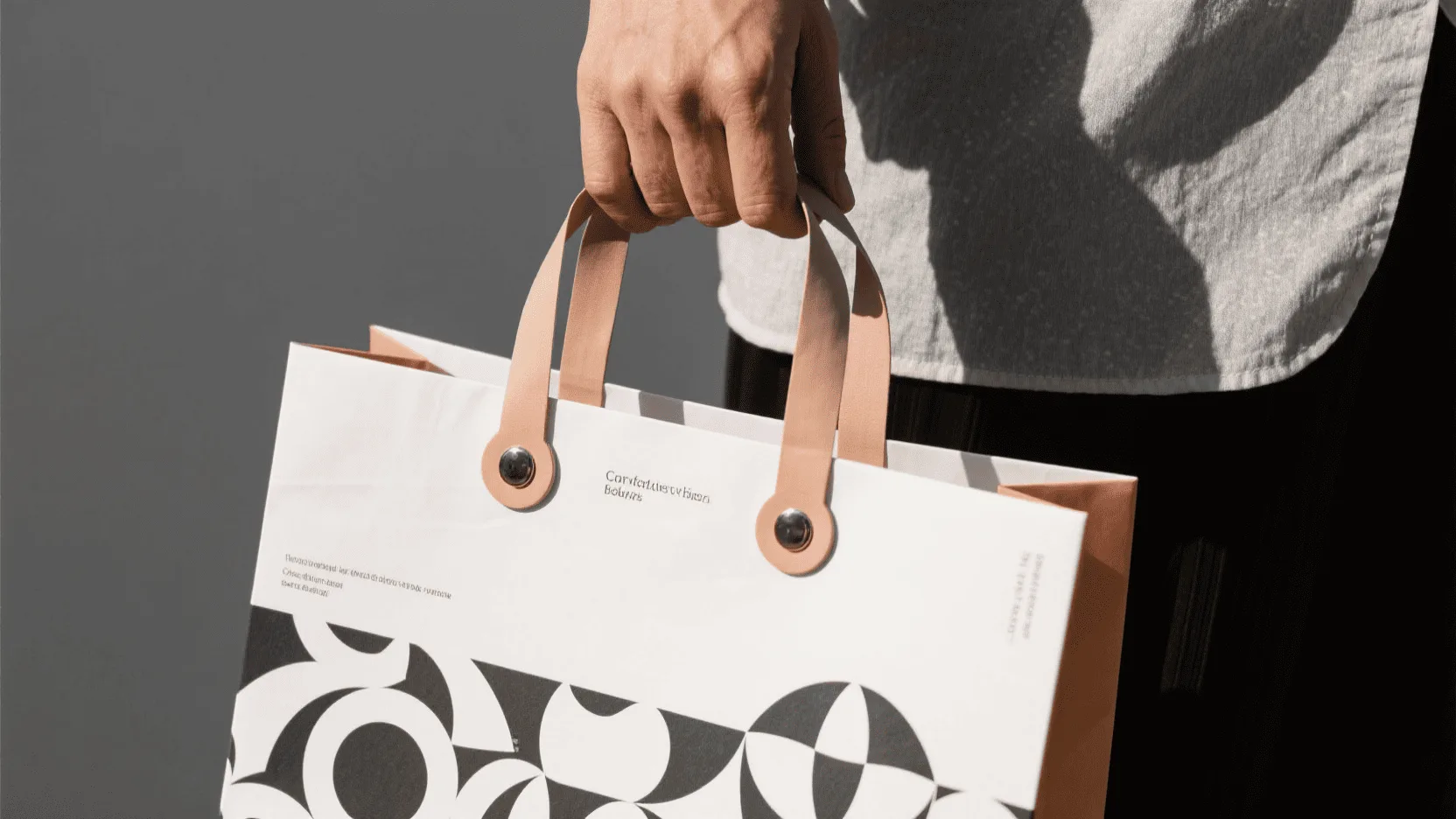
From my position running Omet Packaging, I see the orders that come through our factory floor, and the shift is undeniable. It’s not just about printing a logo anymore. We’re getting requests for thicker paper stocks, different handle materials such as cotton or twill, textured papers, hot stamping, embossing, and other finishes that were once reserved for luxury gift boxes.
This tells me that brands are seeing paper bags as a key marketing tool, not just a necessary expense. A well-designed bag can increase perceived product value, encourage social media sharing, and remain visible long after the original purchase.
From Disposable to Desirable: The New Consumer Checklist
The modern consumer is savvy. They can spot vague sustainability claims and are heavily influenced by the unboxing experiences they see online. Their expectations have created a new standard for what a simple paper bag should deliver. It’s a blend of ethics, aesthetics, and practicality.
-
Verifiable Sustainability: It’s no longer enough to simply say a bag is "recyclable." Customers increasingly want proof. Using paper from forests certified by the Forest Stewardship Council (FSC) provides a recognizable signal of responsible sourcing.
-
Premium Design: Paper quality, texture, printing, handle design, and finishing all influence how consumers perceive the brand. A thick textured paper with a clean logo can communicate quality more effectively than an overloaded design. Hot stamping, embossing, debossing, and carefully selected handles can add a premium feel without compromising the overall design.
-
The Unboxing Experience: For e-commerce brands, the package is often the first physical interaction after an online purchase. A well-designed paper mailer or shipping bag can turn an ordinary delivery into a memorable brand experience and encourage customers to share it online.
-
Durability and Reusability: The single-use mindset is fading. Consumers appreciate bags that are strong enough to use again for shopping, storage, or gifting. Reinforced handles and sturdy bases extend the useful life of the bag while keeping the brand visible.
-
Functionality: Attractive packaging still has to work. A bag that tears, has uncomfortable handles, or cannot carry the intended product can damage the brand experience. The best designs balance appearance, strength, dimensions, and carrying comfort.
| Feature | Priority in 2020 | Priority in 2026 | Why It Matters |
|---|---|---|---|
| Recyclability | High | Essential | Consumers increasingly expect packaging to have a clear end-of-life pathway. |
| Cost | Very High | High, but flexible | Buyers may accept a premium for sustainable and higher-quality packaging. |
| Material Source | Low | Very High | Responsible sourcing and certifications increasingly influence trust. |
| Reusability | Medium | Very High | Durable bags provide more value and extend brand exposure. |
| Aesthetics | High | Crucial | Packaging is increasingly part of the product and unboxing experience. |
| Customization | Medium | High | Distinctive branding helps products stand out online and offline. |
| Functionality | High | Crucial | Strength, handles, dimensions, and usability directly affect customer satisfaction. |
Is ‘sustainable’ just a buzzword, or are there real standards for paper bags in 2026?
Every company claims its packaging is "eco-friendly." This greenwashing makes it hard to know who to trust, and you risk damaging your brand’s reputation if your sustainability claims are found to be misleading.
In 2026, true sustainability is proven, not just claimed. Brands need to look beyond a simple "recyclable" label and evaluate responsible sourcing, manufacturing impact, material composition, inks, adhesives, coatings, and end-of-life recyclability. Certifications such as FSC can provide verifiable evidence of responsible paper sourcing.
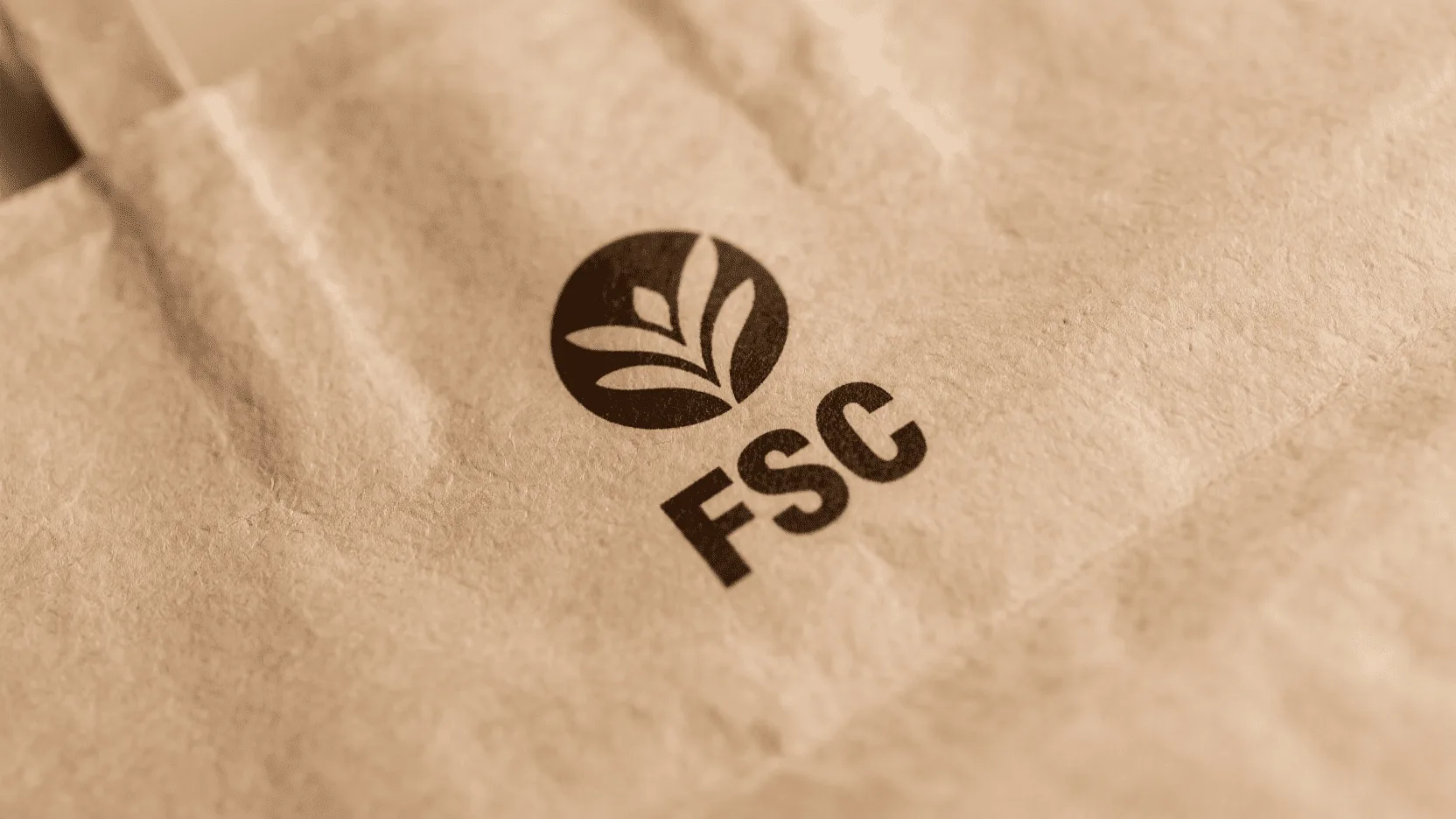
I had a client in the jewelry business who was passionate about ethical sourcing for their gems but hadn’t applied the same rigor to their packaging. They were using a beautiful but heavily laminated jewelry packaging bag. We had a long conversation about how that laminate could complicate recycling and contradict their brand’s sustainability message.
We transitioned them to an uncoated, FSC-certified paper stock with an embossed logo instead of a plastic coating. The feedback from their customers was overwhelmingly positive. They appreciated the consistency in the brand’s sustainable mission. This is the new standard: your packaging’s story should match your product’s story.
Moving Beyond Vague Claims to Verifiable Actions
A high recycling rate is useful, but it does not tell the complete environmental story. A genuinely responsible packaging strategy considers the entire lifecycle—from sourcing and manufacturing to consumer use and recycling.
-
The Gold Standard: FSC Certification: The Forest Stewardship Council (FSC) is an independent organization that promotes responsible forest management. FSC-certified paper provides traceability and assurance that the material comes from responsibly managed sources. Our factory is proud to be FSC-certified, allowing us to provide this assurance to clients seeking verifiable sourcing credentials.
-
The Manufacturing Footprint: How a bag is manufactured matters as much as what it is made from. Water-based inks, efficient machinery, waste reduction, and responsible production practices can all contribute to a lower-impact packaging solution. Certifications such as BSCI can also help buyers evaluate ethical manufacturing practices.
-
The Hidden Details: Inks, Glues, and Finishes: A bag’s recyclability can be affected by its inks, adhesives, coatings, and decorative elements. Brands are increasingly considering water-based inks and recyclable aqueous coatings instead of finishes that complicate recycling.
-
Designing for the End-of-Life: Monomaterial construction makes recycling simpler. An all-paper bag with paper handles is generally easier to process than one combining paper with plastic handles, metal eyelets, or other difficult-to-separate components. Embossing and debossing can provide texture without relying on additional non-paper materials.
-
Transparent Communication: Brands can use clear recycling instructions, certification marks where appropriate, and even QR codes linking to sourcing or sustainability information. This gives consumers more evidence rather than relying on vague environmental language.
How do paper bag recycling statistics really impact brand choices?
High recycling rates for paper sound great on a marketing flyer. But savvy brands are realizing that these numbers can be misleading if the full environmental picture isn’t considered.
Paper’s established recycling infrastructure is a major advantage, but brands in 2026 need to look beyond the recycling bin. Responsible sourcing, manufacturing emissions, material composition, and the recyclability of inks, adhesives, coatings, and handles all influence the actual environmental profile of a paper bag.
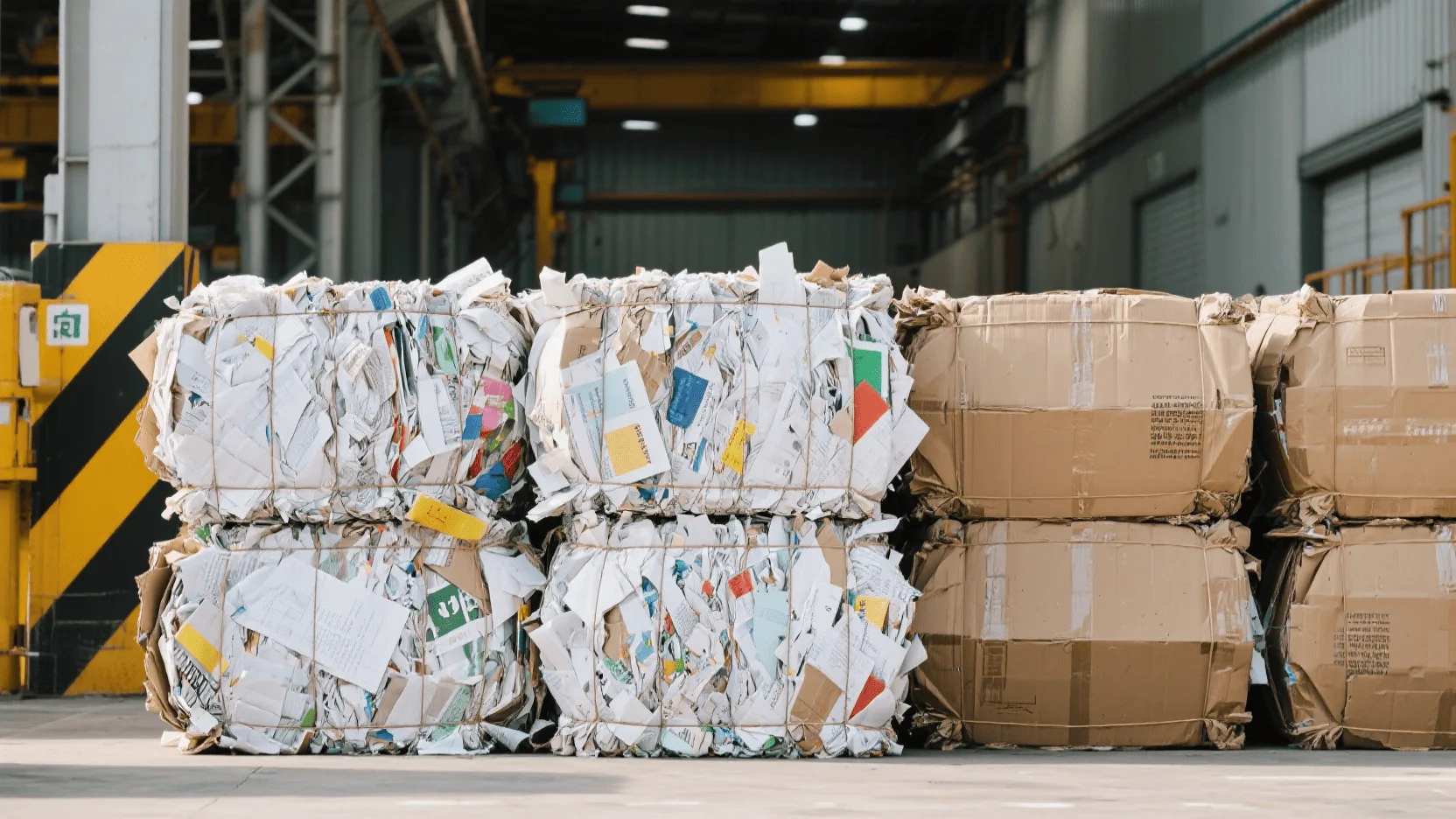
I often have conversations with procurement managers who are focused solely on the "recycled content" percentage of their paper bags. A few years ago, that was the main metric for sustainability. But I always encourage them to ask deeper questions.
Where did the fiber come from? How much energy was used during manufacturing? Are the inks and adhesives compatible with the intended recycling stream? Can consumers easily identify how the bag should be disposed of?
This 360-degree approach is becoming increasingly important. A recycled-content claim alone does not automatically make a packaging solution sustainable, just as virgin paper is not automatically unsustainable. Responsible sourcing, efficient manufacturing, appropriate material selection, and end-of-life design all need to be considered together.
What upcoming regulatory changes will affect paper bag usage by 2026?
Thinking that regulations only target plastic is a dangerous assumption. The global push for a circular economy is expanding toward packaging waste, recycling, producer responsibility, and environmental claims.
By 2026, brands should expect increasing attention on Extended Producer Responsibility (EPR), recycled content, standardized recycling labels, and restrictions on misleading environmental claims. Packaging that is difficult to recycle or contains unnecessary mixed materials may become more costly or complicated to manage.

I spend a good part of my week reading updates on international trade and environmental law because it directly impacts my clients. A few months ago, I was on a call with a European cosmetics brand. They were about to place a large order for cosmetic packaging, but they were unaware of new requirements around sorting information and environmental claims. We had to adjust their artwork and material choices to improve compliance.
These aren’t distant, abstract laws. They can directly affect whether packaging can be sold in a particular market. Working with a packaging supplier experienced in international exports is therefore an important part of risk management.
-
Extended Producer Responsibility (EPR): EPR schemes make producers financially responsible for some aspects of packaging waste management. This creates a financial incentive to design packaging that is easier to collect and recycle. A simple all-paper bag can therefore become more attractive than a complex multi-material construction.
-
Recycled Content Requirements: More jurisdictions are exploring or implementing minimum recycled-content requirements for packaging. This makes traceable material sourcing increasingly important and may increase demand for recycled paper stocks.
-
Standardized Labeling: Regulations are moving toward clearer, evidence-based disposal information. Brands selling internationally need to understand the recycling infrastructure and labeling requirements of their target markets.
-
Plastic Reduction Policies: Restrictions on single-use plastics are encouraging innovation in paper handles, coatings, windows, and other bag components.
-
Truthful Environmental Claims: Brands should avoid vague statements such as "100% eco-friendly" unless they can substantiate them. Specific, verifiable claims are becoming much safer and more credible.
| Regulatory Trend | Description | Impact on Paper Bags |
|---|---|---|
| EPR Schemes | Brands may be financially responsible for packaging’s end-of-life. | Encourages simpler, recyclable, monomaterial designs. |
| Recycled Content Requirements | Minimum recycled material may be required in some markets. | Increases demand for verified recycled paper sources. |
| Plastic Reduction Laws | Restrictions on single-use plastics continue to expand. | Drives innovation in paper handles, coatings, and other components. |
| Standardized Labeling | Recycling and disposal information is becoming more standardized. | Artwork must account for local labeling requirements. |
| Environmental Claims Rules | Regulators are paying closer attention to unsupported green claims. | Brands need evidence-based sustainability communication. |
How are paper bags evolving to meet the demands of e-commerce?
You know that a standard retail shopping bag won’t survive the journey through a modern logistics network. Using the wrong bag for shipping leads to damaged products, higher return rates, inefficient fulfillment, and unhappy customers.
Paper bags for e-commerce are being redesigned as engineered shipping solutions. The key innovations include multi-layer high-strength kraft paper, gusseted construction, self-sealing adhesive strips, integrated tear-strips, right-sized formats, and designs that balance protection, fulfillment efficiency, branding, and sustainability.
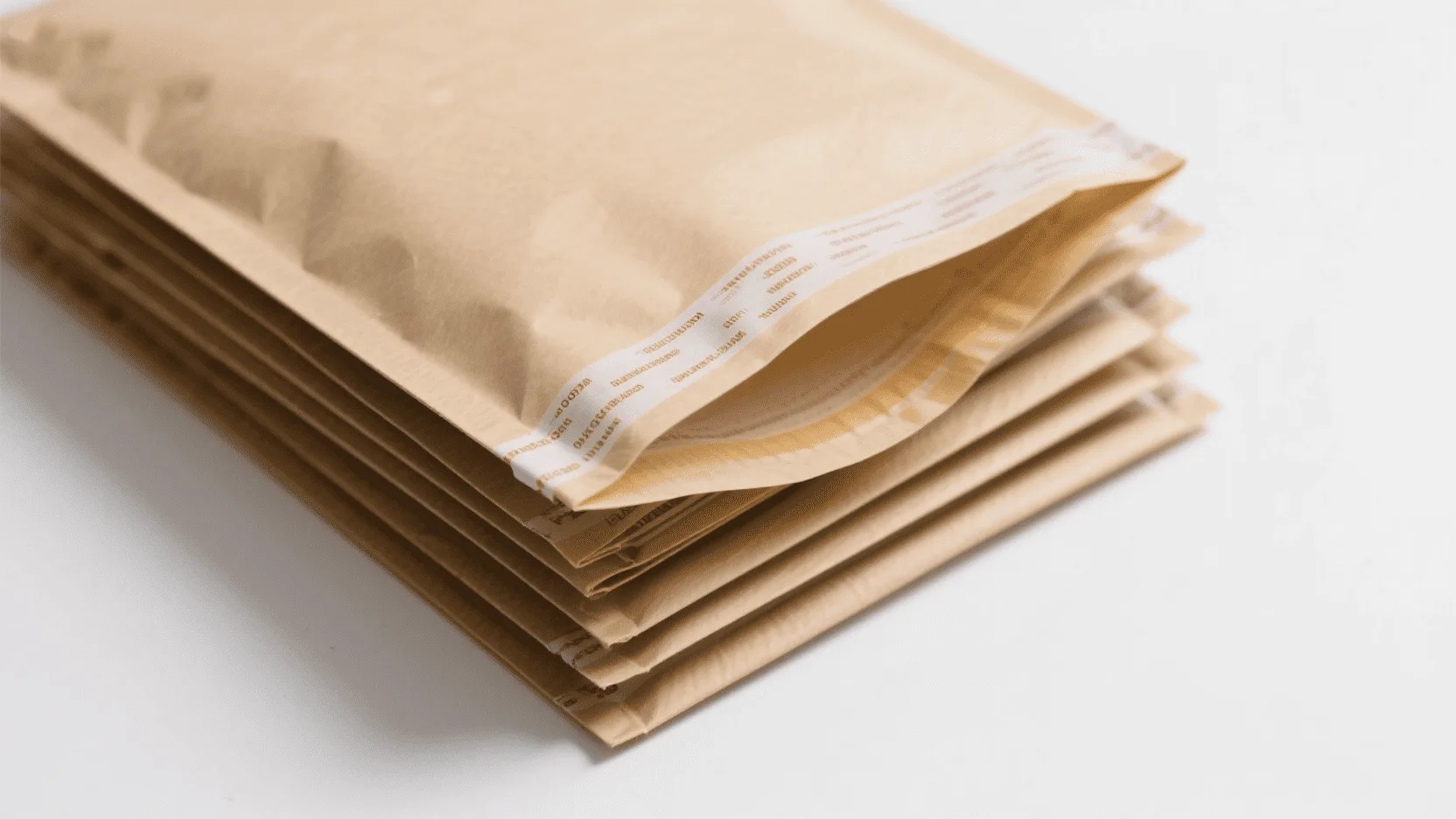
At our facility, one of the fastest-growing areas is e-commerce mailers. A major apparel brand came to us because they were getting complaints about their poly mailers. Customers saw them as wasteful, and the brand felt they didn’t reflect their commitment to natural materials.
We worked with them to develop a custom-printed paper mailer made from two layers of tough kraft paper. It included a primary sealing strip for shipping and a second one for easy returns. The result addressed both the sustainability concern and the customer experience.
Engineering the Modern Paper Mailer
The e-commerce paper bag is less of a traditional shopping bag and more of a flexible, protective shipping solution. It has to survive fulfillment centers, automated sorting facilities, trucks, delivery networks, and varying weather conditions.
-
Strength and Durability: High-strength kraft paper is the foundation of many e-commerce mailers. Two-ply or multi-ply construction improves puncture and tear resistance, making the package more suitable for demanding logistics environments. For selected products, padded or honeycomb paper interiors can provide additional protection.
-
Gusseted Construction: Gussets allow a flat mailer to expand to accommodate products with greater volume, such as sweaters, jackets, or shoeboxes. This creates a better balance between protection and material efficiency.
-
Self-Sealing Closures: Peel-and-seal adhesive strips allow fulfillment teams to close packages quickly without tape guns. They also create a secure, consistent closure.
-
Easy-Open Features: Perforated tear-strips make packages easier for customers to open without scissors or knives. A second adhesive strip can also allow the same mailer to be reused for returns.
-
Right-Sized Design: Unlike oversized boxes filled with void material, a properly designed mailer can closely match the product dimensions. This reduces unnecessary material and package volume.
| Feature | Standard Retail Bag | Modern E-commerce Mailer |
|---|---|---|
| Material | Single-layer, lighter paper stock | Multi-layer, high-strength kraft paper |
| Closure | Open top with handles | Integrated self-sealing adhesive strip(s) |
| Construction | Designed for short-distance carrying | Engineered for shipping and handling |
| Durability | Basic | High tear and puncture resistance |
| Customer Experience | Basic functionality | Tear-strip, premium printing, and easy opening |
| Primary Use | In-person retail | Direct-to-consumer shipping |
Why is the unboxing experience so critical in e-commerce?
You’ve spent a fortune on digital marketing to get a customer to click "buy." But when the product arrives in a boring box or a cheap plastic mailer, the emotional connection can disappear.
In e-commerce, the package is the first physical point of contact after an online purchase. Custom paper mailers can turn that moment into a brand experience through premium tactile qualities, distinctive printing, personalized messages, and a visible commitment to sustainability.
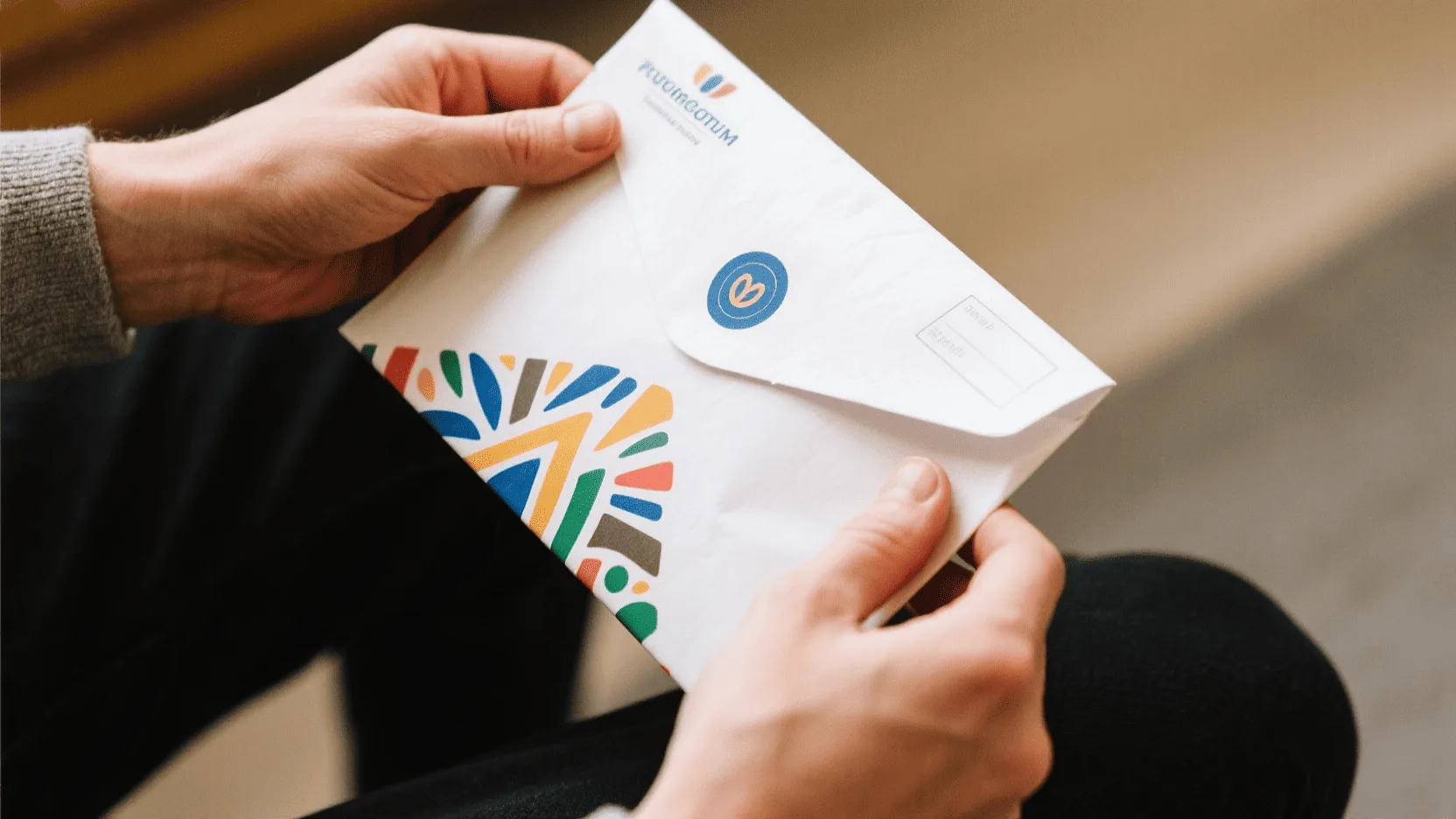
For a high-end cosmetics packaging brand that sells exclusively online, we replaced a standard bubble mailer with a custom paper mailer made from thick, soft-touch black paper and finished with an elegant rose gold foil logo.
The packaging became part of the product experience. Customers started sharing unboxing videos, turning the package itself into a piece of brand content.
The Package as the New Storefront
For a digital brand, the package landing on the doorstep can serve as the storefront, salesperson, and brand ambassador all at once.
-
The First Tangible Interaction: After days of anticipation, the customer finally holds the brand in their hands. Paper weight, texture, printing quality, and construction immediately communicate something about the product inside.
-
A Canvas for Storytelling: A custom-printed paper bag can communicate a logo, brand message, thank-you note, illustration, QR code, or social media prompt. These details can make customers feel that they are receiving a carefully designed experience rather than simply a shipment.
-
A Social Media Opportunity: Unique packaging can encourage user-generated content. A distinctive pattern, clever message, premium finish, or hashtag can give customers a reason to photograph and share their purchase.
-
A Sustainability Signal: Choosing a well-designed paper solution instead of unnecessary plastic can communicate a commitment to responsible packaging—especially when that claim is supported by credible material and certification information.
Beyond aesthetics, how do paper bags improve logistics and operational efficiency?
You’re focused on product and marketing, but rising shipping and fulfillment costs are eating into your profits. You see bulky boxes taking up valuable warehouse space and your team spending too much time packing each order.
Engineered paper mailers can improve logistics through lower package weight, reduced dimensional volume, flat storage, right-sized construction, and integrated peel-and-seal closures that simplify fulfillment.
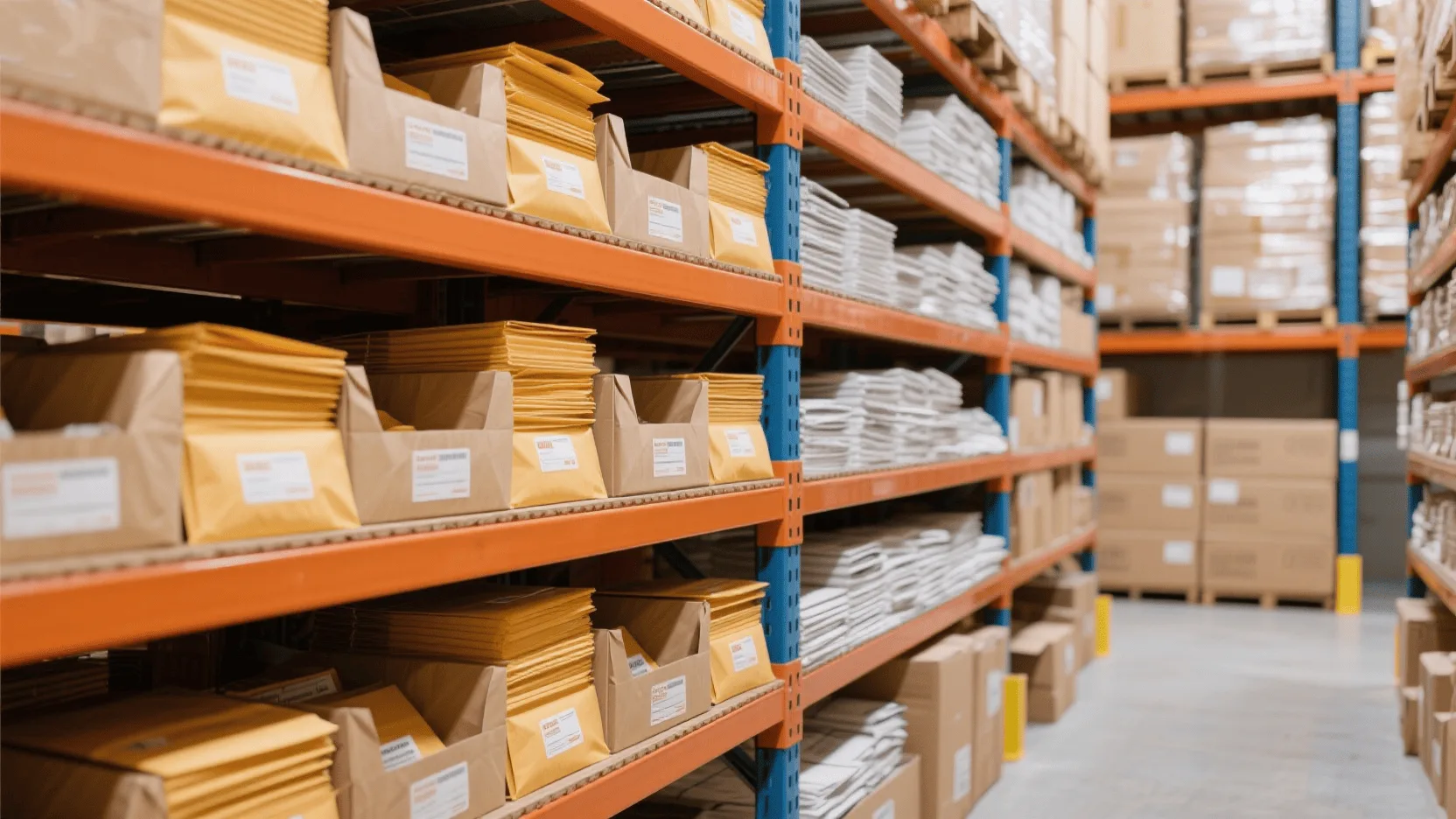
I often walk through fulfillment centers to understand my clients’ challenges. The most common issues I see are wasted space and wasted motion.
One client, a seller of children’s apparel, had shelves overflowing with different sizes of corrugated boxes. Their packing stations were cluttered with tape guns and void-fill material. We replaced much of their box inventory with gusseted paper mailers in a smaller number of optimized sizes.
The result was a simpler packaging system, less storage space devoted to packaging materials, and a faster packing workflow.
The Strategic Advantages in Your Operations
-
Reducing Shipping Costs: Carriers may calculate shipping costs using actual or dimensional weight. Lightweight, form-fitting mailers can reduce both actual package weight and unnecessary volume compared with oversized boxes.
-
Maximizing Warehouse Space: Paper mailers can be stored flat, allowing businesses to keep a large quantity of packaging in a relatively small area.
-
Streamlining Fulfillment: With a mailer, the process can be as simple as opening, inserting the product, and sealing. Integrated adhesive strips eliminate the need for separate tape in many workflows.
-
Reducing Material Waste: Right-sized mailers can reduce the need for void fill and excessive secondary packaging.
| Logistical Factor | Corrugated Box | Gusseted Paper Mailer |
|---|---|---|
| Shipping Cost | Often higher due to weight and volume | Potentially lower due to lighter, compact construction |
| Warehouse Storage | Higher space requirement | Very low space requirement when stored flat |
| Packing Speed | Slower due to assembly and tape | Faster with integrated peel-and-seal closure |
| Material Waste | May require void fill | Right-sized designs can reduce unnecessary material |
| Product Fit | Often oversized for small products | Can be engineered to fit the product closely |
How important is customization for paper bag trends in 2026?
A plain paper bag can carry a product, but it does little to communicate why customers should remember your brand.
Customization is becoming a central part of paper bag design because packaging now influences perceived value, brand recognition, social sharing, and customer loyalty. The most effective custom bags combine strong materials, clear branding, comfortable handles, and carefully selected finishing techniques rather than simply adding more decoration.

The moment a customer receives a sturdy, well-designed bag, their perception of the product can change. A flimsy, unbranded bag can feel cheap and disposable, while a carefully designed bag can make the purchase feel more premium.
This is particularly important in cosmetics, fashion, jewelry, gourmet food, and other categories where presentation is part of the value proposition.
The Design Elements Consumers Notice Most
-
Paper Quality: Thick or textured paper can communicate strength and quality. Natural kraft can create a rustic, environmentally conscious appearance, while smooth coated paper can create a more refined and contemporary look.
-
Brand Representation: The logo should be clear and recognizable. A clean, well-positioned design is often more effective than a crowded layout. Embossing and debossing can add dimension without overwhelming the design.
-
Handle Quality: Handles need to be comfortable and strong enough for the intended load. Cotton, twill, rope, twisted paper, and flat paper handles each create a different visual and tactile experience.
-
Finishing: Hot stamping, embossing, debossing, textured paper, and carefully selected coatings can add differentiation. The key is choosing finishes that support the brand rather than adding unnecessary complexity.
-
Functionality: A beautiful bag that breaks or is uncomfortable to carry ultimately damages the customer experience. Design should always balance aesthetics with practical performance.
What role does food and beverage packaging play in the future of paper bags?
Food delivery is creating a new category of paper bags that must combine safety, strength, functionality, and branding.
The growth of food delivery is driving innovation in grease-resistant coatings, wide-bottom SOS structures, stronger paper stocks, and specialized designs that keep food containers stable during transport.
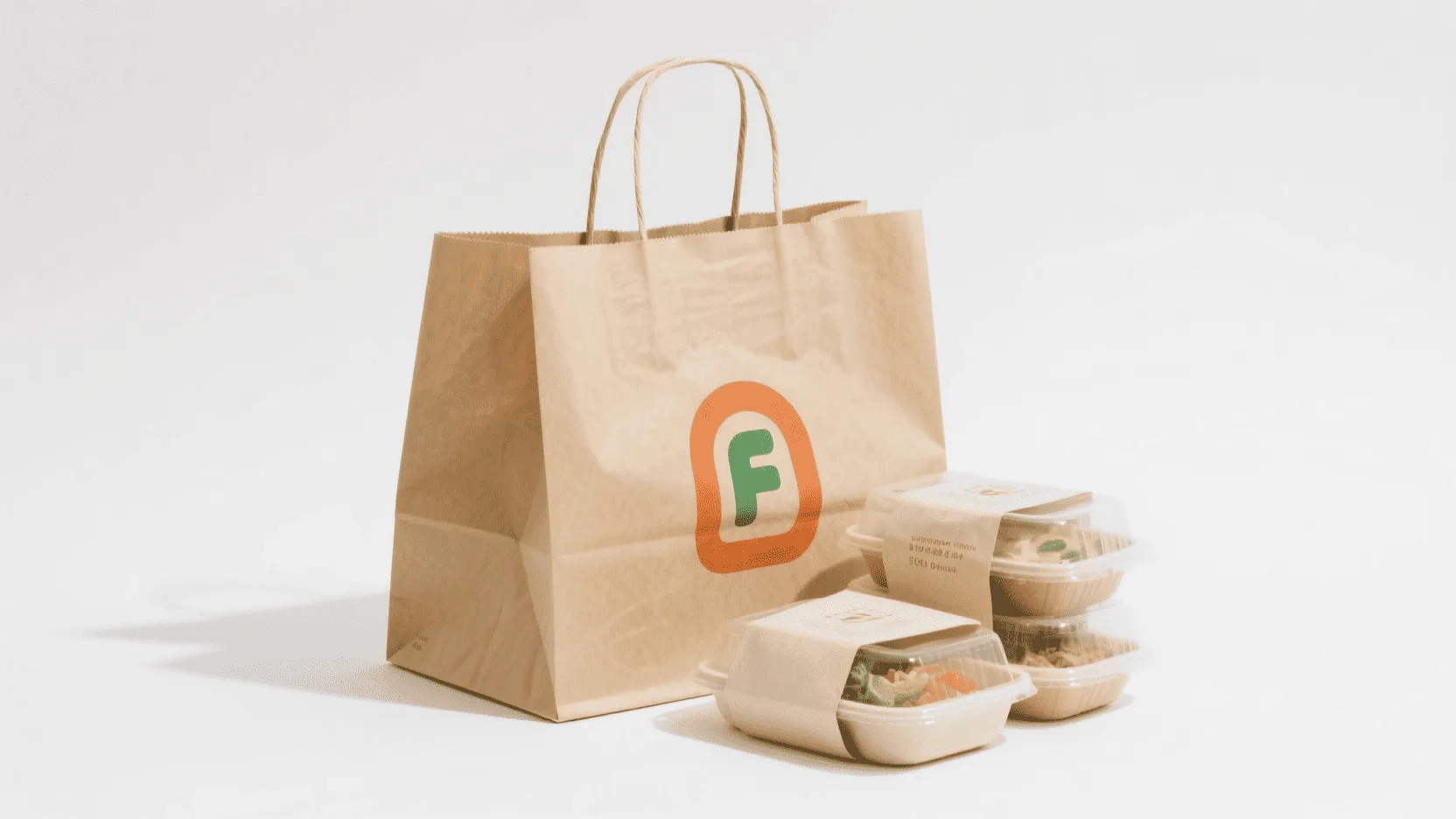
The demands of this sector are pushing paper bag technology forward. It’s no longer simply about putting food into a brown bag. Restaurants need bags that can carry multiple containers without tearing, resist grease, remain stable during transport, and provide enough surface area for branding.
These requirements are also influencing other packaging sectors by encouraging manufacturers to develop stronger, more versatile, and more specialized paper structures.
What role does kraft paper play in the future of paper bag packaging?
You’ve decided to switch to paper, but now you have another concern: is the paper itself strong enough, sustainable enough, and scalable enough to support long-term demand?
Kraft paper remains one of the most important materials in the paper bag market because it combines strength, versatility, cost efficiency, and a natural appearance. Its importance is particularly clear in grocery, food service, e-commerce, and shipping applications where durability matters.

Brown kraft paper remains a workhorse material. Its long fibers provide good strength, while its natural appearance has also become a powerful visual signal for brands that want to communicate simplicity and environmental awareness.
However, the sustainability of a kraft paper bag still depends on the source of the fiber, manufacturing process, printing, finishing, and end-of-life design. Choosing FSC-certified material where appropriate can help brands build a more credible sourcing story.
What does the global market mean for brands planning their packaging strategy?
You may be focused on your local market, but paper bag trends are increasingly global. Understanding where production, consumption, and innovation are concentrated can help brands make better long-term sourcing decisions.
The Asia-Pacific region represents a major share of the global paper bag market, supported by its large manufacturing base, expanding retail sector, growing e-commerce economy, and increasing demand for sustainable packaging.
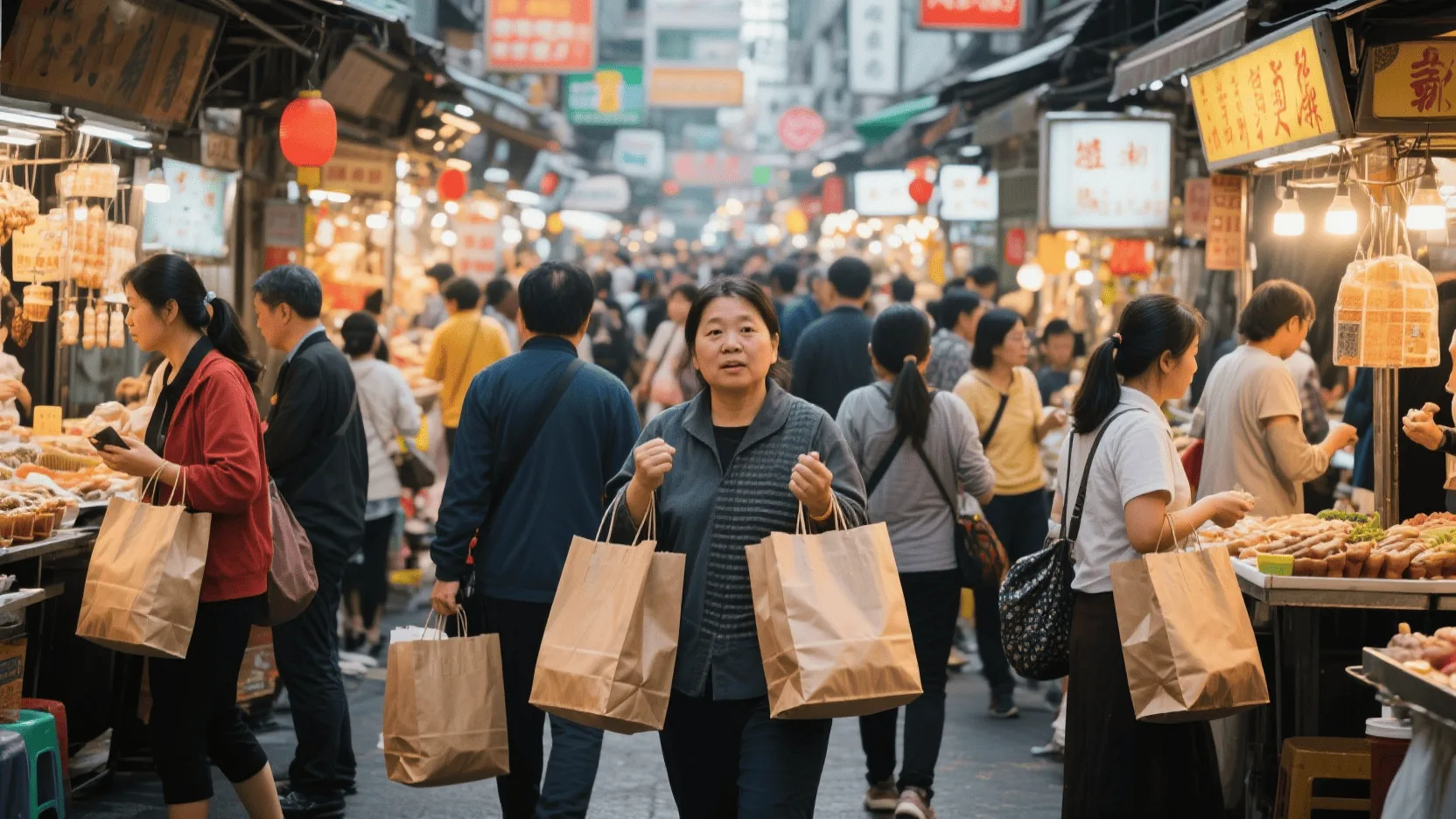
As a manufacturer based in China, I have a front-row seat to this development. The region combines large-scale production capacity with rapidly changing consumer expectations and growing demand for customized packaging.
For international brands, this means the choice of packaging supplier is increasingly strategic. Production capability, quality control, sustainability certifications, customization options, and export experience can all affect the reliability of the final packaging solution.
Conclusion
The paper bag of 2026 is more than just a container. It is a statement of your brand’s values, a marketing tool, a response to consumer expectations, a solution to logistical challenges, and an increasingly important part of global packaging compliance.
The strongest trends are clear: the market continues to grow, consumers expect sustainable and premium packaging, regulations are pushing brands toward more responsible materials and end-of-life solutions, and e-commerce is transforming paper bags into engineered shipping products.
The winning strategy is not simply to replace plastic with paper. It is to choose the right paper, design for the complete lifecycle, build the right functionality, and use packaging as part of the overall customer experience.
Is your packaging ready for the future? Contact Omet Packaging today to create a solution that elevates your brand and meets the demands of tomorrow.
Check out our blog for more expert insights on custom packaging.
FAQ
Q1: What is the biggest paper bag trend for 2026?
A1: The biggest trend is the convergence of sustainability, premium design, and functionality. Brands are moving away from generic bags toward customized solutions that use responsibly sourced materials, provide a better customer experience, and meet increasingly demanding recycling and regulatory requirements. In e-commerce, this also means engineered paper mailers designed specifically for shipping.
Q2: Are consumers really willing to pay more for sustainable packaging?
A2: Research consistently shows strong consumer interest in sustainable packaging, with some studies reporting that around 70% or more of consumers are willing to pay a premium in certain circumstances. However, sustainability alone is not enough. Consumers increasingly expect packaging to combine responsible materials with quality, functionality, and attractive design.
Q3: What makes a paper bag truly sustainable?
A3: Sustainability depends on the entire lifecycle. Look for responsibly sourced paper such as FSC-certified stock, recyclable construction, appropriate inks and adhesives, minimal use of difficult-to-separate materials, efficient manufacturing, and clear end-of-life guidance. A bag should not be considered sustainable simply because it is made from paper.
Q4: Can paper mailers replace boxes for e-commerce?
A4: For many non-fragile products such as clothing, books, accessories, and some soft goods, yes. Multi-layer kraft paper, gussets, strong closures, and tear-strips allow paper mailers to handle the demands of many shipping environments. Fragile or rigid products may still require boxes or additional protective structures.
Q5: What design elements matter most when customizing a paper bag?
A5: Start with paper quality, structural strength, logo clarity, handle comfort, and the correct dimensions. Once those fundamentals are right, finishing techniques such as hot stamping, embossing, debossing, and special textures can add differentiation. A simple, high-quality design is often more effective than excessive decoration.
Q6: How can custom paper bags improve ROI?
A6: Custom bags can contribute to ROI in several ways. They function as mobile advertising, increase perceived product value, support premium positioning, encourage social media sharing, and remain visible when customers reuse them. For e-commerce, engineered paper mailers can also reduce package volume, simplify fulfillment, and save warehouse space.
Q7: How should brands prepare for future packaging regulations?
A7: Start by reviewing the markets where you sell and identifying requirements related to EPR, recycled content, recycling labels, environmental claims, and material restrictions. Work with packaging suppliers who understand international export requirements and can provide documentation for materials and certifications.
Q8: What is the difference between recycled paper and FSC-certified paper?
A8: Recycled paper is made partly or entirely from recovered fiber, while FSC certification verifies responsible forest management and sourcing. They address different aspects of sustainability, and a paper bag can potentially combine recycled content with FSC-certified material depending on the specification and certification requirements.
Q9: How much do custom paper bags cost compared with plain bags?
A9: The difference depends on order quantity, paper type, dimensions, printing, handles, and finishing. Custom bags generally cost more than generic stock bags, but larger production quantities can significantly reduce the unit cost. The right comparison should consider the packaging’s branding, durability, and operational value rather than unit price alone.
-
Explore the advantages of paper bags, including sustainability and consumer preference, to understand their growing market appeal. ↩