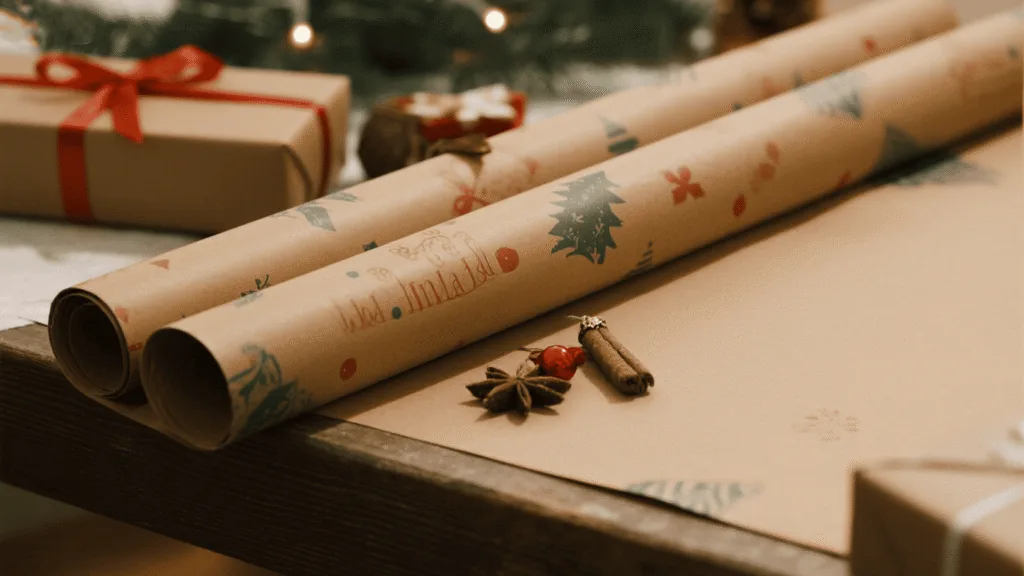
You want to switch to sustainable Christmas wrapping paper, but you’re worried the costs will hurt your bottom line. With budgets already tight for the holiday season, you can’t afford a decision that compromises profitability, especially when ordering at scale.
Switching to 100% recycled kraft wrapping paper at scale involves a comprehensive cost analysis. While raw material costs can be slightly higher than virgin paper, these are often balanced by savings from efficient printing, reduced waste, enhanced brand value, and pre-compliance with future environmental regulations.
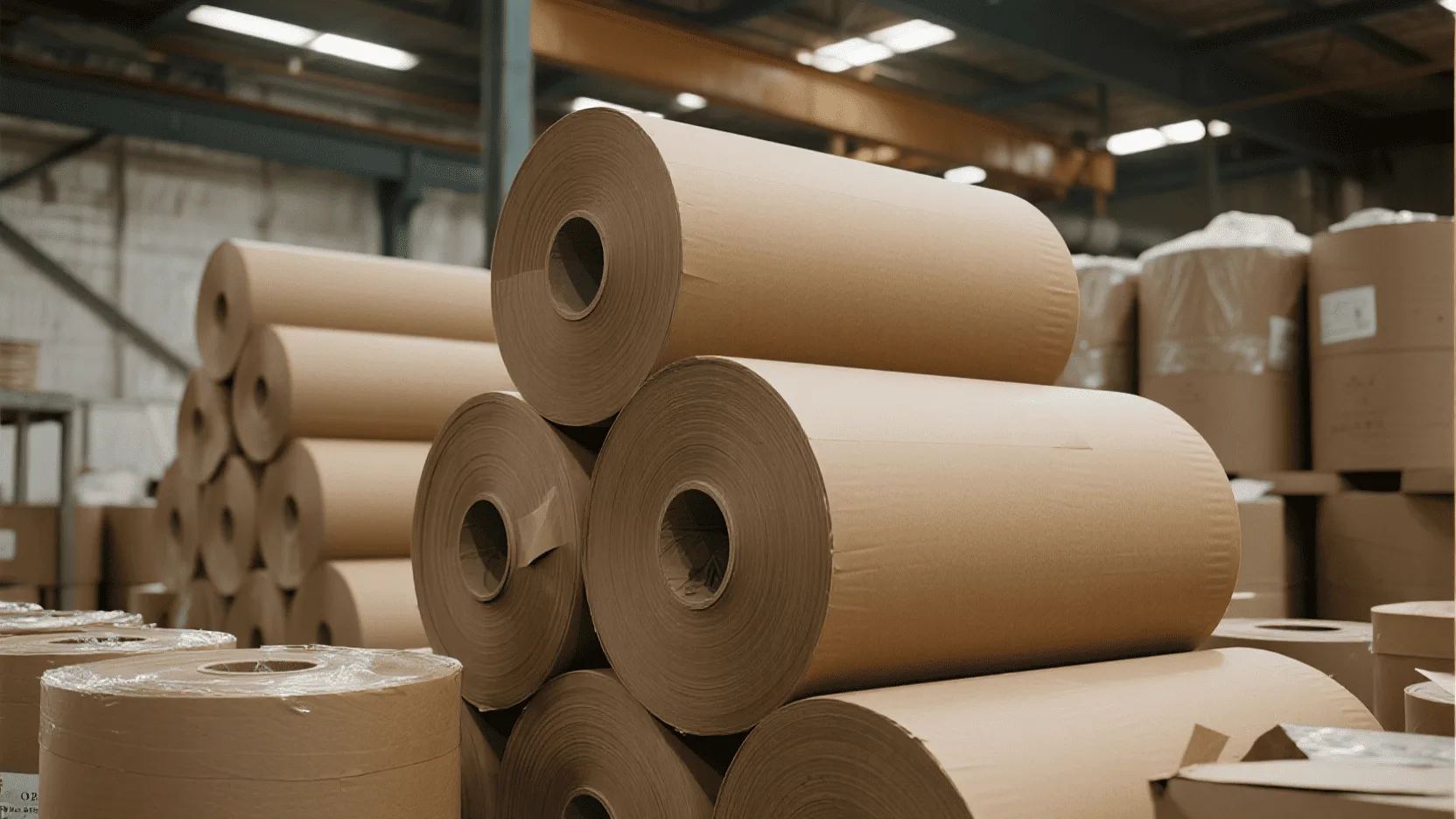
I remember walking the factory floor with a procurement manager from a large e-commerce brand. He pointed to a pallet of our standard virgin kraft paper and then to a pallet of 100% recycled stock. "I want to make the switch," he said, "but my director saw the per-unit price on the recycled paper is 8% higher. I can’t get it approved." He was looking at only one number on a spreadsheet. I asked him to think beyond the invoice. We talked about his brand’s marketing spend on sustainability campaigns and the rising number of customer complaints about excessive packaging. We calculated the potential ROI from a positive PR story about the switch and the long-term risk of new packaging taxes. By the end of our conversation, he wasn’t looking at an 8% cost increase anymore; he was looking at a strategic investment.
How Do Raw Material Costs for Recycled Kraft Paper Compare to Virgin Paper?
You see the initial quote, and the recycled paper option looks more expensive. This sticker shock can be enough to halt a sustainability initiative before it even gets off the ground.
Recycled kraft paper can have a slightly higher or more volatile raw material cost due to the complex processes of collecting, sorting, and de-inking post-consumer waste. However, as global demand and processing efficiencies grow, this price gap is steadily narrowing.
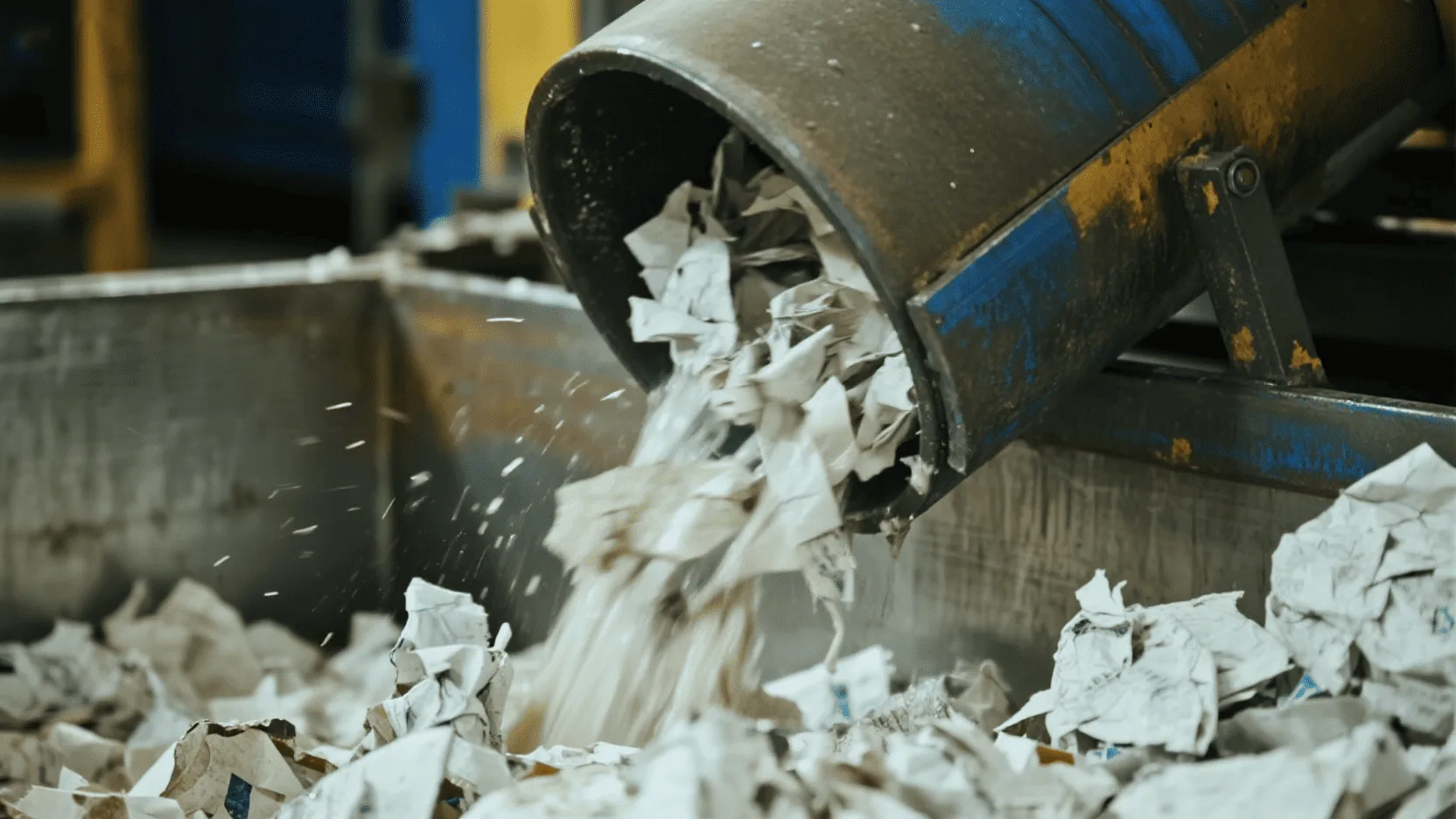
It’s a logical question: why would used paper cost more than new paper made from trees? The answer lies in the journey the paper takes. Virgin paper production is a linear, industrial process: log trees, transport timber, pulp it, and make paper. The costs are relatively predictable. Recycled paper, on the other hand, starts with a much more complex supply chain. It involves collecting waste from millions of homes and businesses, sorting it to remove contaminants (like plastics and food), and then running it through a specialized de-inking and re-pulping process. This is more labor- and energy-intensive. However, the costs for virgin paper are also rising due to stricter forestry regulations and volatile timber markets. As a factory owner who buys both, I can tell you the prices fluctuate. We often advise clients looking to purchase custom wrapping paper at scale to lock in prices with longer-term contracts to hedge against this market volatility. This strategy often makes the cost difference between virgin and recycled paper negligible over the course of a year.
Factors Influencing Paper Material Costs
| Factor | Virgin Kraft Paper1 | 100% Recycled Kraft Paper2 |
|---|---|---|
| Raw Material Source | Timber from forests | Post-consumer waste paper |
| Primary Cost Driver | Logging, timber prices, transportation | Collection, sorting, de-inking processes |
| Price Stability | Subject to timber market volatility | Subject to waste supply and quality |
| Environmental Impact | Higher (deforestation, water use) | Lower (reduces landfill, saves trees) |
| Consumer Perception | Neutral / increasingly negative | Highly positive |
Will Custom Printing Increase the Cost of Recycled Wrapping Paper Significantly?
You need your brand’s logo on the wrapping paper, but you’re afraid custom printing will add huge costs. You picture expensive specialty inks and complicated setups that will wipe out any budget you had allocated.
Custom printing adds a marginal cost, but it does not have to be significant. By opting for minimalist one or two-color designs and using eco-friendly water-based inks, custom-printed recycled paper becomes highly cost-effective, especially for large-scale production runs.
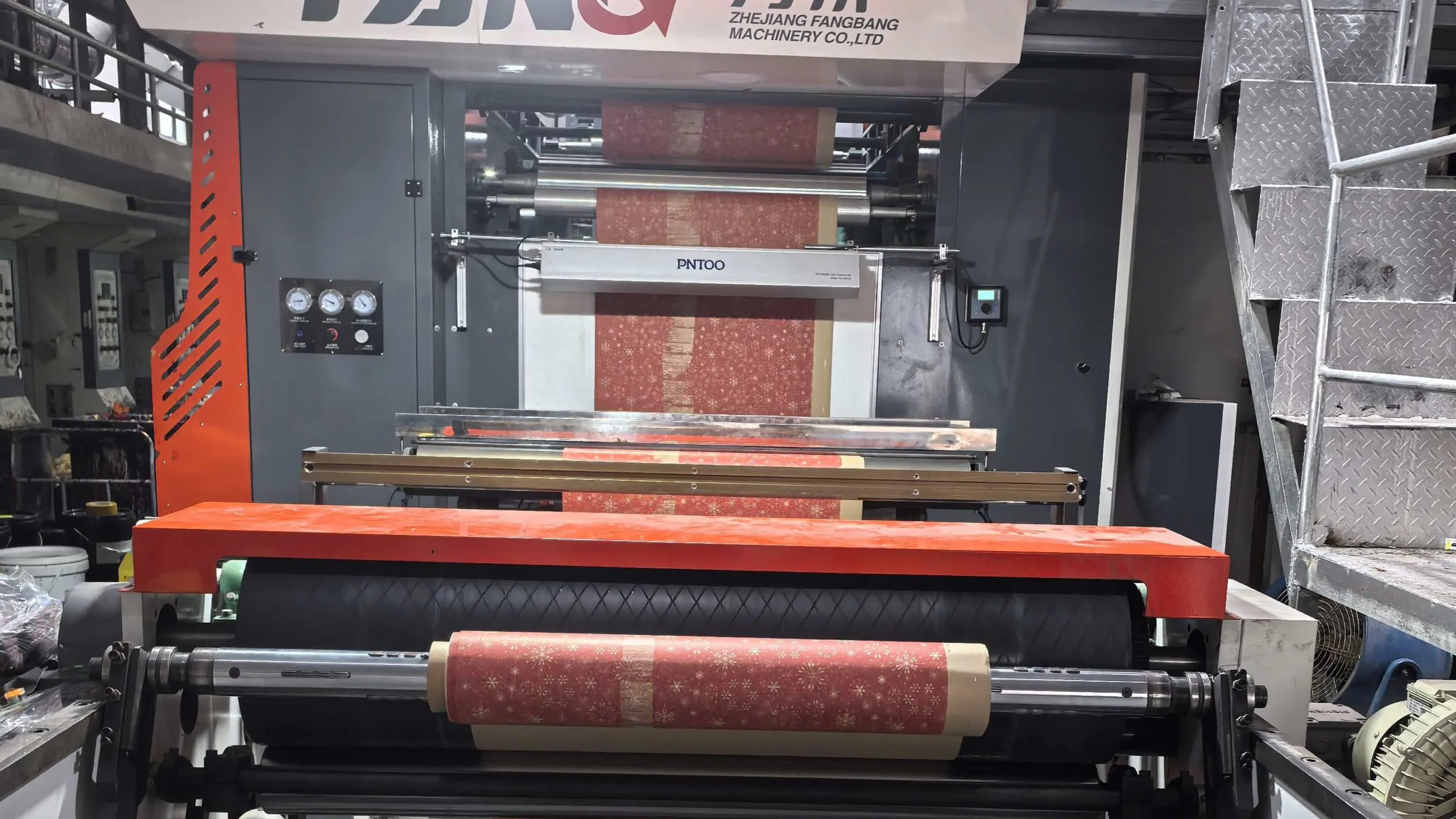
Many of our clients are surprised when we break down the costs of custom printing. The most significant expense in any print job is the initial setup—creating the printing plates and calibrating the machinery. This is a one-time cost. After that, the main drivers are ink consumption and machine time. This is where design choices make a huge difference. A full-color, photorealistic design requires four different color plates (CMYK) and uses a large volume of ink. In contrast, a simple, repeating one-color pattern of your logo uses only one plate and minimal ink. At Omet Packaging, we specialize in helping clients achieve a premium look with these minimalist designs. Using a crisp white or black soy-based ink on brown recycled paper for your gift wrapping paper creates a chic, modern aesthetic that looks far more expensive than it is. The cost difference between a standard petroleum-based ink and a sustainable soy- or water-based ink is very small on a large run, making the eco-friendly choice an easy one. The real savings come from smart, simple design, not from compromising on ink quality.
Are There Hidden Savings or Efficiencies When Switching at Scale?
You’re focused on the supplier’s invoice and the per-roll price. This narrow focus means you might be missing the bigger picture and ignoring savings that appear in other parts of your business.
Yes, there are major hidden savings and efficiencies. These benefits include a stronger brand reputation that drives customer loyalty, operational improvements in handling and shipping, and proactive compliance with future environmental laws, which saves money on potential fines or redesigns.
The true cost of packaging extends far beyond the material price. It’s an integral part of your product, marketing, and operations. First, there’s the marketing value. A 2023 McKinsey report found that products with ESG-related claims (like "eco-friendly packaging") showed higher consumer loyalty and sales growth (McKinsey & Company). When customers see you’ve invested in 100% recycled paper, you’re not just wrapping a product; you’re reinforcing your brand story. This goodwill translates directly into repeat business and positive word-of-mouth. Second, there are operational benefits. High-quality recycled kraft paper is strong and durable. It protects products effectively during shipping, potentially reducing the rate of damaged goods and the cost of replacements. For companies that handle large volumes, standardizing on durable, easy-to-handle rolls can also streamline the packing process in your fulfillment centers. Finally, there’s the massive long-term saving of regulatory compliance. Governments worldwide are introducing Extended Producer Responsibility (EPR) laws that tax companies for non-recyclable packaging. By switching to 100% recycled and recyclable paper now, you are future-proofing your business against these inevitable fees. As packaging consultants, this is the strategic, long-term value we help our clients at Omet Packaging understand.
Conclusion
Switching to 100% recycled kraft Christmas wrapping paper is not an expense—it is a strategic business decision. The initial material cost is only one piece of the puzzle, often balanced by operational efficiencies, powerful marketing benefits, and crucial long-term financial savings.
Ready to explore how a switch to sustainable wrapping paper can benefit your bottom line? Contact my team today for a personalized cost-benefit analysis.
FAQ
Is 100% recycled kraft paper as strong and durable as virgin kraft paper?
Yes. Modern recycling and manufacturing processes create high-quality recycled kraft paper that is strong, durable, and perfectly suited for both gift wrapping and shipping applications, offering excellent tear resistance and product protection.
What is the typical minimum order quantity (MOQ) for custom-printed recycled paper?
MOQs vary depending on the supplier and printing complexity. However, the cost per unit becomes significantly more efficient with larger orders. At Omet Packaging, we work with businesses of all sizes to find a production scale that balances budget with branding needs.
Does using recycled paper mean I’m limited to a brown, rustic look?
Not at all. While natural brown is popular, recycled paper can also be sourced in white. Furthermore, creative design using high-contrast, eco-friendly inks can produce a wide range of aesthetics, from minimalist and modern to elegant and festive.