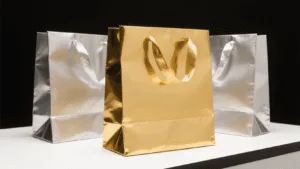
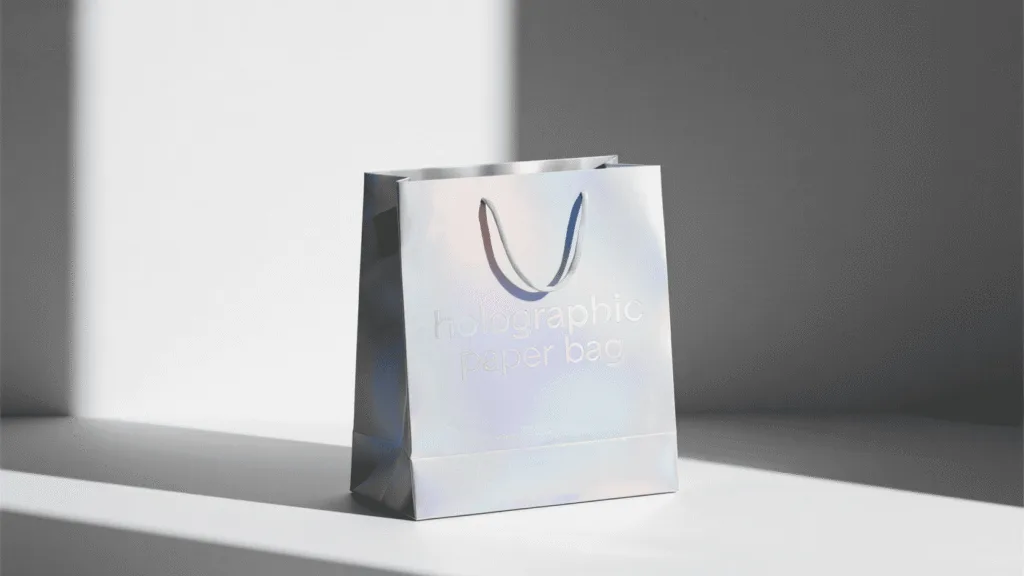
You see the mesmerizing shimmer of holographic bags and instantly want one for your brand. But a voice of doubt creeps in—will this trend make my brand look cheap, or will it clash with our established identity?
The key considerations are ensuring the holographic effect aligns with your core brand identity, choosing a design that balances boldness with sophistication, and leveraging the bag to create a memorable, shareable unboxing experience that enhances perceived product value.
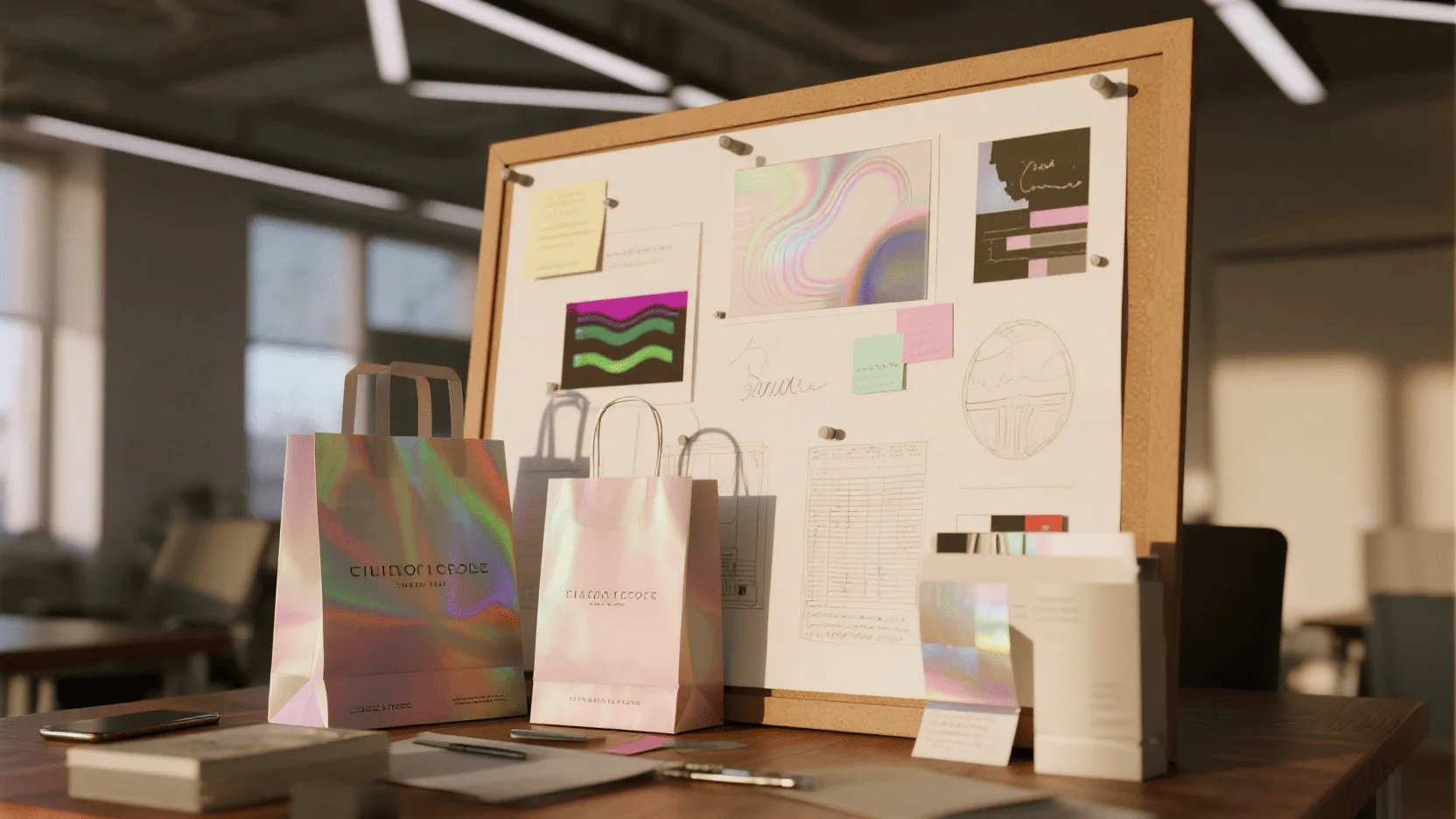
I’ll never forget a meeting with a high-end organic skincare brand a few years ago. They were convinced they needed a fully holographic bag to stand out in a crowded market. On paper, it sounded exciting. But when we laid the dazzling, rainbow-like material next to their earthy, minimalist product jars, it was a total mismatch. The bag screamed "tech startup," while the product whispered "natural serenity." We pivoted, suggesting instead a recycled kraft paper bag with their logo elegantly stamped in a subtle silver holographic foil. The final product was a success because it didn’t just follow a trend; it used the holographic effect as a strategic tool to whisper, not shout, its premium quality.
Does a Holographic Finish Align With Your Core Brand Identity?
You feel the pressure to adopt trendy packaging to capture attention. But you’re worried that jumping on the holographic bandwagon will alienate your loyal customers and dilute the brand image you’ve worked so hard to build.
A holographic finish must serve as an amplifier for your existing brand personality. It’s a powerful fit for innovative, futuristic, or playful brands but can feel inauthentic for brands built on natural, heritage, or minimalist aesthetics.
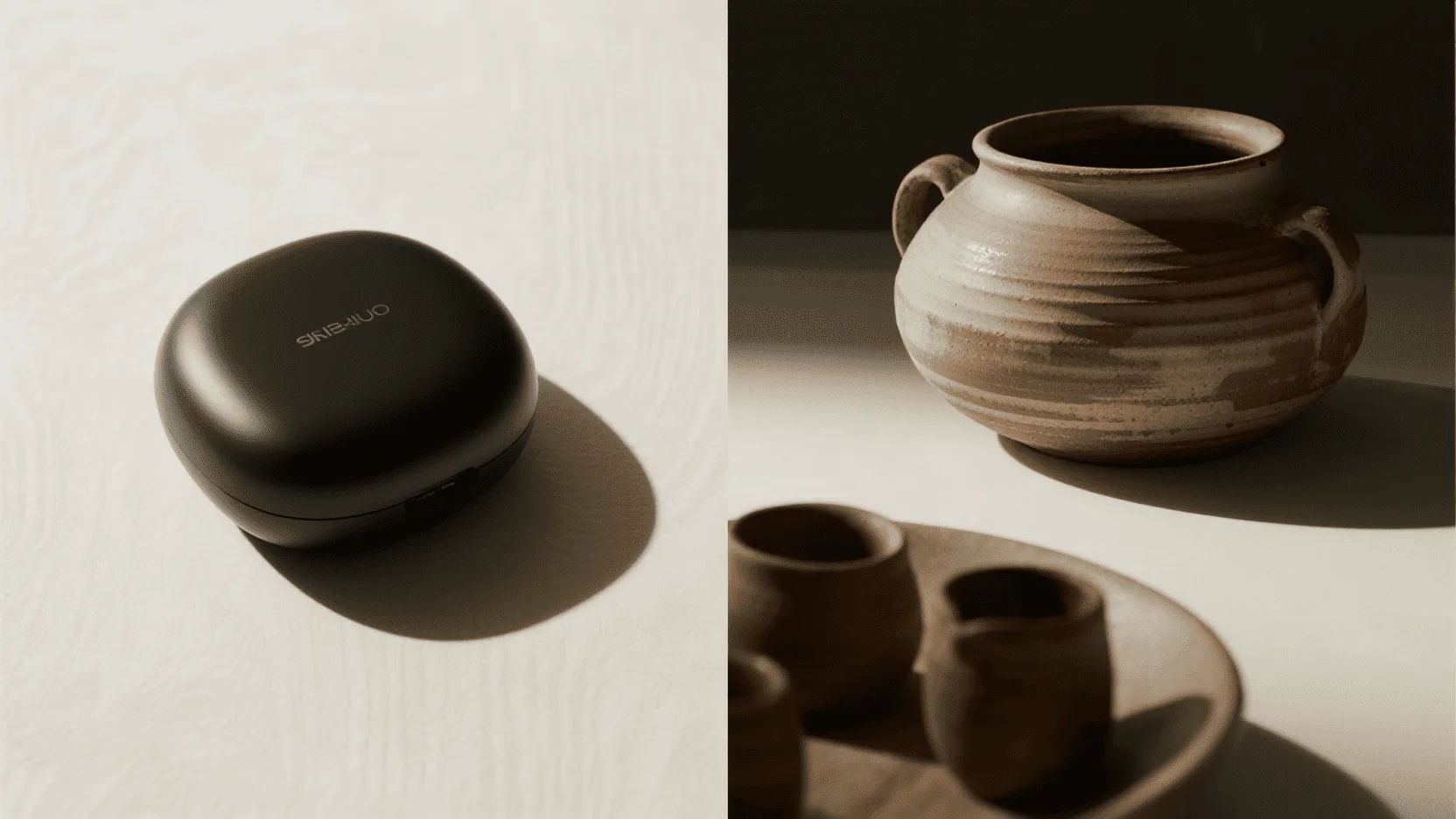
Before a single design is sketched, the first question must be: "Who are we?" A holographic bag is a statement piece, and that statement needs to be consistent with your brand’s voice. If your brand is at the forefront of technology or a leader in vibrant, expressive cosmetic packaging, a holographic bag can perfectly communicate that innovative spirit. It visually represents cutting-edge quality and excitement. However, if your brand identity is rooted in organic materials, handcrafted quality, or a long-standing tradition—think rustic food packaging or heritage leather goods—a holographic finish can create a jarring disconnect. It might attract initial eyeballs but ultimately feel inauthentic to your core message. The goal isn’t just to be seen; it’s to be seen for who you are. Data shows that packaging design is a primary driver of brand perception, influencing whether a product is seen as "premium," "healthy," or "fun" (Ipsos). Using a holographic finish correctly means aligning its futuristic or magical connotations with your brand’s DNA.
Assessing Brand Archetype1 Compatibility
Think about your brand’s personality. Is it The Magician, creating transformative experiences? Or The Creator, focused on innovation? These archetypes are a natural fit. The Sage or The Caregiver, however, might find it clashes with their values of wisdom and authenticity.
Your Target Audience’s Expectations
Consider your ideal customer. Are they trend-driven Gen Z shoppers who live on TikTok and Instagram? Or are they older consumers who value tradition and subtlety? The packaging must speak their language.
| Brand Archetype | Holographic Suitability | Strategic Use Case |
|---|---|---|
| The Innovator/Creator | High | Perfect for tech, electronics, or design-forward brands to signal innovation. |
| The Magician | High | Ideal for cosmetics, wellness, and beauty brands promising transformation. |
| The Jester/Entertainer | High | Excellent for candy, toys, or event swag to create a sense of fun and excitement. |
| The Ruler/Sovereign | Medium | Can be used as a foil accent for a limited-edition luxury product to denote exclusivity. |
| The Sage/Caregiver | Low | Generally a poor fit; clashes with aesthetics of authenticity, nature, and wisdom. |
How Can You Balance Minimalism and Maximalism in Your Design?
You’re torn between wanting a bold, eye-catching holographic bag and fearing it will look chaotic and unprofessional. A busy design could easily overwhelm your logo and crucial product information, making your brand look amateurish.
The key is to commit to one path: either use the holographic effect as a targeted, minimalist accent on a simple bag, or make the entire bag holographic and keep all other design elements radically simple.
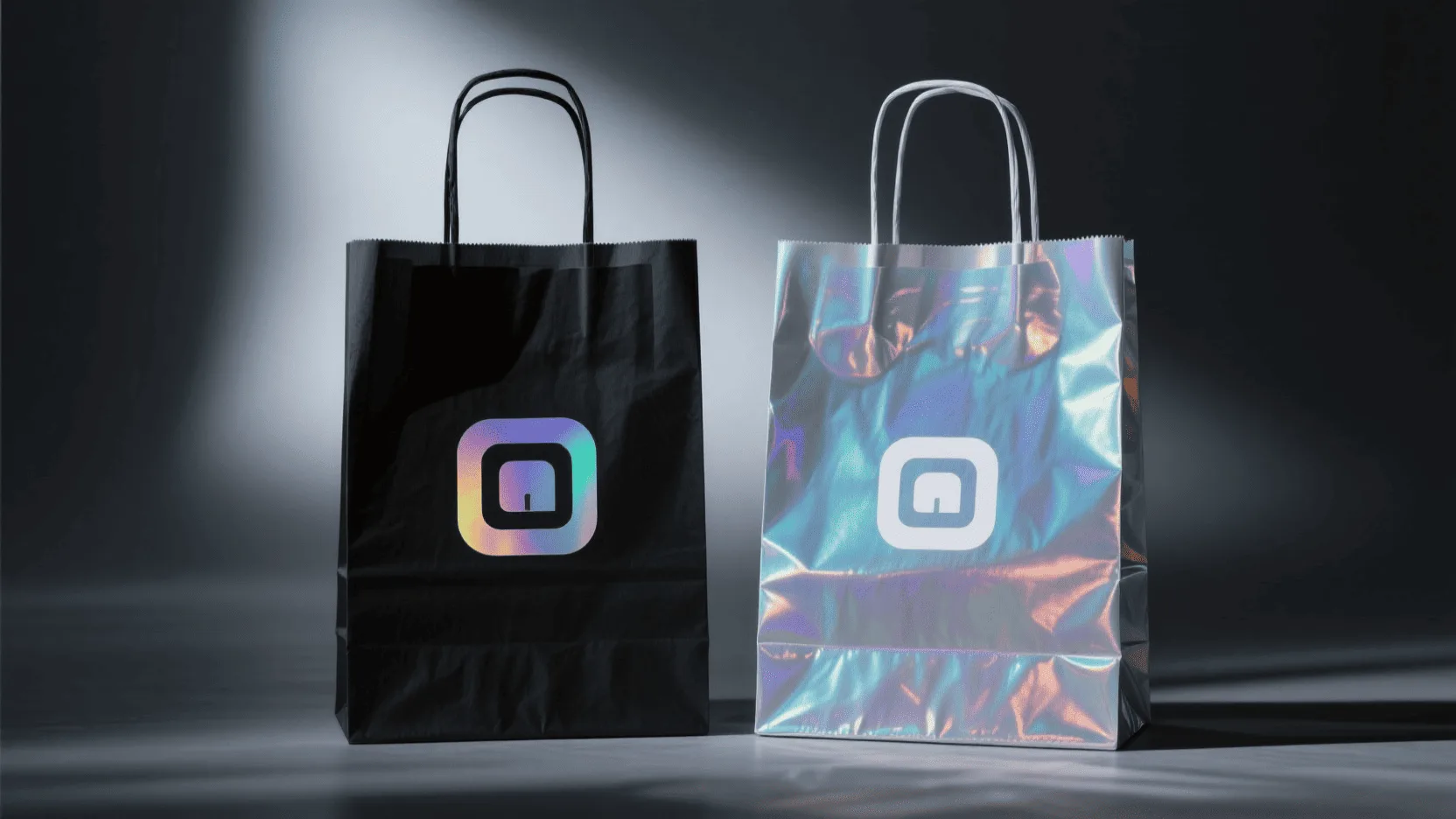
In holographic design, the principle of "less is more" is your best friend. I’ve seen many businesses, especially emerging e-commerce brands, make the classic mistake of putting a complex, multi-colored logo onto an already busy holographic pattern. The result is a visual battle where nothing wins. The most successful designs choose a clear hero. One effective approach is minimalism, where you use holographic foil stamping. Here, a matte or solid-colored paper bag serves as a quiet canvas, and your logo, brand name, or a subtle pattern is stamped in holographic foil. This creates a sophisticated, premium feel, perfect for jewelry packaging or high-end gifts. The alternative is a maximalist approach. This involves using a fully holographic paper for the entire bag. To make this work, you must strip back everything else. Use a simple, one-color logo (white or black is often best) and clean, sans-serif typography. The bag itself becomes the main design element. This strategy is fantastic for product launches, special events, or brands that want to make an immediate, high-energy impact.
The Minimalist Accent Approach
This method uses holographic foil1 as a precise design element.
- Best For: Luxury brands, corporate gifting, brands wanting a subtle touch of modernity.
- How to Execute: Use a high-quality paper bag2 (e.g., matte black, white, or a deep brand color) and apply the holographic foil to the logo and perhaps a thin border or tagline.
The Maximalist Full-Coverage Approach
This method uses the holographic material as the canvas itself.
- Best For: Trend-focused brands, product launches, subscription boxes, brands targeting a younger demographic.
- How to Execute: The entire surface of the bag is holographic. Keep branding and text minimal and in a solid, high-contrast color to ensure readability and impact.
How Does a Holographic Bag Impact the Customer’s Unboxing Experience?
You invest heavily in creating a fantastic product. But if it’s delivered in a boring, forgettable bag, that initial moment of excitement is lost, and the perceived value of your product diminishes before it’s even opened.
A holographic bag transforms the simple act of receiving a product into a memorable, multisensory event. This "Instagrammable moment" elevates perceived value, encourages user-generated content, and builds a powerful emotional connection with your brand.
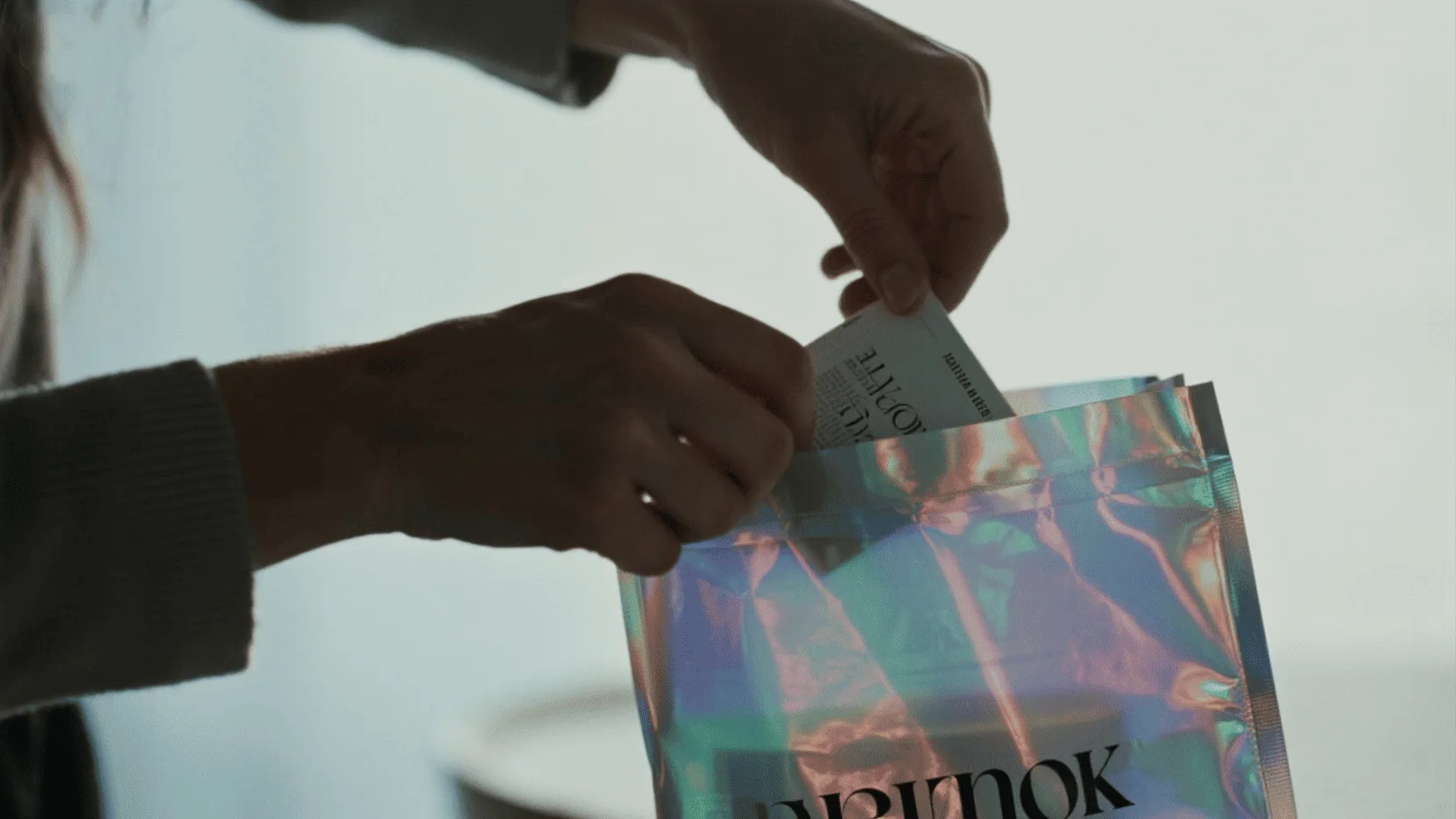
In today’s digital world, the unboxing experience is a critical marketing touchpoint. It’s the first physical interaction a customer has with your brand, and a holographic bag turns it into a shareable spectacle. The way the light catches the shifting colors creates a moment of delight and surprise that people are eager to capture and post on social media. According to a 2021 report, the aesthetic of the packaging directly impacts a customer’s willingness to share it online, essentially providing you with free marketing. This user-generated content is incredibly valuable for building brand awareness and social proof. Beyond the visual appeal, the experience is tactile. The smooth, cool surface of a well-made holographic bag, paired with quality handles and perhaps some coordinated wrapping paper and tags & stickers inside, creates a cohesive and luxurious feeling. It builds anticipation for the product within, framing it as something special and worth the price. This strategy effectively turns a simple container into a powerful tool for storytelling and brand reinforcement.
Building the Multisensory Experience
A great unboxing experience engages multiple senses to create a lasting memory.
| Sensory Element1 | Impact on Customer | Brand Benefit |
|---|---|---|
| Visual (Dynamic Color) | Creates excitement, surprise, and a "wow" moment. Looks premium and futuristic. | Encourages social sharing (UGC), high perceived value, modern brand image. |
| Tactile (Smooth Finish) | Feels cool, sleek, and high-quality. Signals a premium product inside. | Reinforces quality perception, builds trust, provides a satisfying physical interaction. |
| Anticipation (The Reveal) | The bag acts as a "treasure chest," building excitement for what’s inside. | Increases emotional connection to the product and brand loyalty. |
Conclusion
Introducing holographic paper bags is a strategic decision, not just a design choice. By ensuring alignment with your brand identity, applying thoughtful design principles, and focusing on the unboxing experience, you can turn a simple bag into a powerful brand-building asset.
Ready to explore how a strategically designed holographic bag can elevate your brand? Get in touch with us for a design consultation.
See how we’ve helped other brands shine in our paper bags gallery.
FAQ
1. Is holographic packaging just a fleeting trend?
While it gained popularity as a trend, holographic packaging has secured its place as a strategic option for specific industries like cosmetics, tech, and luxury goods. Rather than a fleeting fad, it has become a staple for brands wanting to communicate innovation, magic, or premium exclusivity.
2. I’m on a tight budget. What’s the most cost-effective way to use a holographic effect?
The most budget-friendly method is holographic foil stamping. Instead of making the entire bag from holographic paper, you can use a standard paper bag and have your logo or a small design element stamped with holographic foil. This gives you the eye-catching effect at a fraction of the cost.
3. Will my complex, multi-colored logo work on a holographic bag?
It’s generally not recommended. Complex, colorful logos tend to get lost and look messy against a busy holographic background. The most effective designs use simple, bold, one-color logos (often in black or white) that provide high contrast and allow the holographic material to be the star.