Your products boast exquisite aesthetics and exceptional quality—but does their packaging convey this just as effectively? In the fiercely competitive market of 2026, a lackluster box can render even the most premium product housed within it appear mediocre, making it all too easy for consumers to overlook.
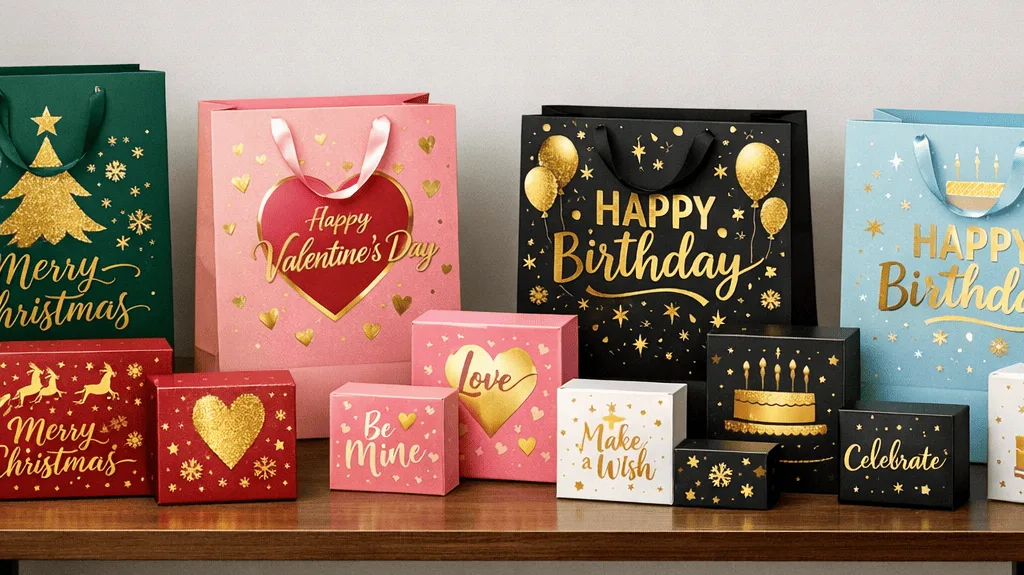
Hot stamping is a process that utilizes a heated die to apply gold, silver, or colored metallic foil onto a product’s surface under high temperature and pressure. Once applied, the surface takes on a shimmering luster and features a subtle tactile indentation, creating an appearance that is both exquisite and rich in texture. This technique instantly infuses products—such as cosmetic packaging, jewelry boxes, and gift bags—with a touch of premium quality and perceived value, helping your brand stand out prominently on the retail shelf.
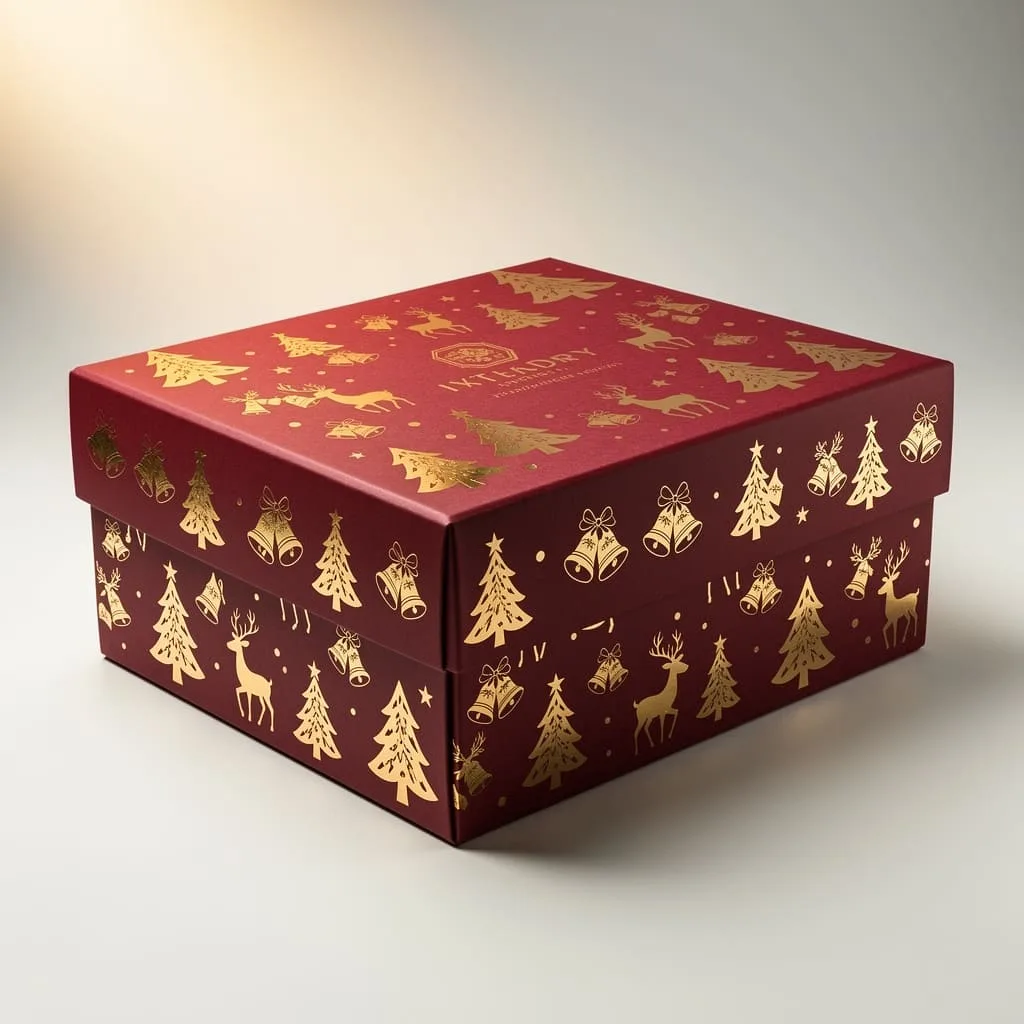
I recall wandering the aisles of a major European trade show a few years ago. Amidst the thousands of exhibits on display, what repeatedly caught my eye was not merely the products themselves, but rather the packaging that housed them. Almost without exception, the exhibits that compelled me to pause and take a closer look shared a common feature: a shimmering touch of metallic gold, silver, or rose gold. This detail—rendered through the hot stamping process and offering a blend of tactile appeal and reflective brilliance—invariably succeeds in arresting the viewer’s gaze. It allows customers to perceive a sense of premium quality the very moment they lay eyes on a box or bag, creating an instant, dazzling visual impact. It is a seemingly minor detail that nonetheless exerts a profound influence on consumer perception—and one that I have helped countless brands leverage to elevate their brand image and market presence.
How Does the Hot Stamping Process Actually Work?
You’ve decided you want that eye-catching metallic finish, but the term "hot stamping" sounds technical and maybe a bit intimidating. You worry that not knowing the process could lead to costly mistakes.
It’s a straightforward process combining three key elements: a custom metal die, a roll of foil, and a machine that applies controlled heat and pressure. The heated die presses the foil onto the paper, transferring the metallic layer permanently onto your packaging. It’s a craft of precision.
Let’s break it down further. As a manufacturer, we control three critical variables to get a perfect result every time. Think of it as a simple recipe with three main ingredients:
1. The Die: Your Custom Stamp
The die is a metal plate engraved with your logo or design. When heated, it acts like a stamp. The quality of the die directly impacts the sharpness and detail of your final foil design.1 There are a few types, and we choose them based on the job’s complexity and volume. For example, on a recent project for a boutique candle brand, we used a brass die because they needed very fine lines for their logo and planned to reorder the same paper boxes for several seasons. The durability of brass made it the most cost-effective choice in the long run.
| Die Material | Best For | Lifespan | Detail Level | Cost |
|---|---|---|---|---|
| Magnesium | Short runs, simple designs | Short ( ~10,000 impressions) | Good | Low |
| Brass | Medium to long runs, fine details | Long ( ~300,000 impressions) | Excellent | Medium |
| Steel | Very long runs, embossing | Very Long (1,000,000+ impressions) | Very Good | High |
2. The Foil: Your Choice of Finish
The "foil" isn’t just a simple piece of metal. It’s a multi-layered material on a polyester carrier1. When heat and pressure are applied, the release layer gives way, and the color layer (the part you see) and an adhesive sizing layer bond to the paper. Foils come in an incredible variety, from classic metallic gold and silver to matte colors, holographic patterns, and even clear gloss foils2 for a subtle, spot UV-like effect. The right choice depends entirely on your brand’s aesthetic.
3. The Machine: Heat, Pressure, and Dwell Time
This is where the magic happens. The hot stamping machine brings everything together.
- Heat: The die is heated to a precise temperature (usually 100-160°C). Too cool, and the foil won’t transfer. Too hot, and the design can look messy or "burnt."
- Pressure: The heated die is pressed firmly against the foil and paper. The amount of pressure determines the depth and clarity of the impression.
- Dwell Time: This is how long the die stays in contact with the paper. It’s a split-second decision that can make or break the quality of the stamp.
Getting these three elements perfect is a skill. It requires experienced operators who understand how different papers and foils react, which is a core part of our quality control process. Therefore, prior to every hot stamping run, we utilize scrap paper or surplus stock from the main production batch to fine-tune the machine’s pressure and alignment, thereby ensuring that no issues arise during the actual mass production.
What Are the Real Advantages and Disadvantages of Hot Stamping?
You love the high-end look of foil, but you’re a business owner. You need to know if the visual appeal is worth the investment and what potential problems you might face.
The primary advantage is an unmatched premium look and feel that can increase your product’s perceived value. However, it involves higher setup costs than standard printing and has some design limitations. It’s about weighing the brand impact against the budget.

Making a decision about a finishing process requires a clear-eyed look at both the good and the bad. Over my years in this business, I’ve seen hot stamping transform brands, but I’ve also guided clients away from it when it wasn’t the right fit. Here is my balanced view.
The Advantages of Hot Foil Stamping
- Unmistakable Luxury: Nothing says "premium" like the true metallic shine of foil. It has a brightness and reflectivity that metallic inks simply cannot replicate.
- Tactile Experience: Hot stamping creates a slight debossed effect, adding a physical texture that invites customers to touch and interact with your packaging. It makes the unboxing experience more memorable.
- Durability: The foil is bonded to the paper with heat and pressure, making it very durable and resistant to scuffing compared to some printed inks.
- Versatility: It works beautifully on a huge range of products, from paper bags and gift boxes to small tags and stickers and greeting cards.
- High Perceived Value: This is the key business benefit. A touch of foil can elevate a simple package, allowing the product to command a higher price point and strengthen its position as a luxury item.
Disadvantages and Limitations
- High Initial Costs:1 The primary cost lies in creating the metal stamping dies. This constitutes a one-time setup fee; consequently, for extremely small batches or one-off orders, the hot stamping process is relatively less cost-effective. Furthermore, full-coverage or large-area hot stamping is typically more expensive than stamping a small area or a simple logo. For more background information, please refer to our guide on Costs, Pricing, and ROI.
- Inability to Render Color Gradients: The hot stamping process creates a solid layer of metallic foil through embossing. As a result, unlike traditional printing methods, it cannot reproduce photographic-quality images or render smooth color gradients.2
- Challenges with Large Solid Areas: Stamping large solid areas flawlessly—specifically avoiding defects such as tiny air bubbles—requires not only exceptional operator skill but also the use of appropriate equipment. While achieving this is certainly feasible, it demands meticulous planning. Large-area hot stamping carries a slight risk of surface scratching; this typically occurs during subsequent manual processing stages due to friction between individual sheets of paper. However, during production, we exercise the utmost care—being careful, careful, and even more careful—to minimize this risk.
- Potential Process Defects: If process controls are not strictly maintained, issues such as "feathering" (blurred edges) or "flaking" (foil detachment) may occur.3 For this reason, selecting an experienced B2B packaging supplier is of paramount importance.
- Sustainability Concerns: Although the industry has made significant strides in sustainability—and research from organizations such as the Foil & Specialty Effects Association (FSEA) confirms that hot-stamped paper is recyclable4—some consumers may still perceive it as a less environmentally friendly process. Therefore, we always recommend opting for FSC-certified paper to reinforce your brand’s sustainability philosophy and story.
For My Packaging, Is Hot Stamping Superior to Printing?
You have a design draft in hand that features a gold-colored logo. Your designer asks whether you would prefer to use metallic ink for printing or opt for the hot stamping process. To make this decision, you need to understand the differences between these two options in terms of visual appearance, cost, and production workflow. If your goal is to elevate your packaging to a more premium and sophisticated level, hot stamping is the technique you should choose.
Hot stamping achieves an exceptional level of luster—along with a subtle tactile dimension—by adhering a layer of genuine metallic foil to the surface. In contrast, printing with metallic ink involves coloring the material using inks that contain metallic particles; this method yields a comparatively weaker reflective effect, and the surface remains flat and smooth to the touch. In short, hot stamping is a premium surface finishing technique, whereas printing with metallic ink is merely a specific printing effect.
This is one of the most common questions I get from clients. "Can’t we just print it in gold?" The answer is yes, you can, but the result is completely different. It’s not a matter of one being "better," but of them being suited for different goals and budgets. I often explain it to clients by having them hold two samples in their hands; the difference becomes instantly clear. Hot stamping feels like a piece of jewelry added to the box, while metallic ink looks like gold-colored paint.
Here’s a table to help you decide which is right for your project:
| Feature | Hot Stamping | Printing (Metallic Ink) |
|---|---|---|
| Appearance | Bright, highly reflective, true metallic luster. Slight debossed texture. | Duller shimmer, less reflective. Flat surface. |
| Best For | Logos, key text, borders, high-impact luxury branding. | Larger background areas, complex patterns, or when a subtle metallic effect is desired. |
| Cost | Higher setup cost (die), lower per-piece cost on large runs. | Lower setup cost, price scales more linearly with quantity and coverage. |
| Process | A separate mechanical finishing step after printing. | Part of the main printing process (e.g., offset or flexo). |
| Limitations | No gradients or fine tonal variations. | Limited shine, can look dull on uncoated paper. |
| When to Choose | When you want the most premium, eye-catching, and luxurious finish possible. | When you are on a tighter budget or need a more subtle metallic effect. |
For brands selling high-value items like watches, fine jewelry, or premium cosmetics, the authenticity and impact of hot stamping are almost always worth the investment. For a fast-moving consumer good, metallic ink might be the more practical choice.
What Do I Need to Know Before Designing for Hot Stamping?
You’re ready to move forward. But you’ve heard horror stories of designs being rejected or final products looking messy, leading to delays and wasted money.
Success with hot stamping starts with the design file. You must use vector graphics, avoid extremely fine lines or tiny text, and keep foil coverage in mind. Communicating clearly with your supplier is crucial to avoid common pitfalls.

A successful hot stamping project is a partnership between the brand’s designer and the packaging manufacturer. At my company, Omet Pack, we review every design file before a die is ever made. Here is the checklist we use internally, which I’m happy to share with you. Following these rules from the start will save you time, money, and headaches.
Essential Rules for Artwork & Design
- Vector Files are Non-Negotiable: Your design for stamping (the logo, text, etc.) must be in a vector format (like .ai or .eps). This ensures the lines are perfectly sharp when the die is created. A pixelated image (like a JPEG) will result in a blurry, low-quality die. For more on this, see our artwork prep guide.
- Mind the Gaps (and the Lines): Hot stamping has physical limitations. Lines that are too thin (generally less than 0.25pt) may not transfer cleanly. Conversely, the space between foiled elements also needs to be sufficient, or the foil can "bridge" the gap, turning your design into a blob.
- Avoid Tiny Text: Small, detailed serif fonts can be very difficult to stamp cleanly. The small counters (the holes in letters like ‘e’ or ‘a’) can fill in. It’s better to use a clean, sans-serif font for any text under 8pt.
- Paper Choice Matters: Hot stamping works best on smooth, coated papers. Rough, uncoated, or highly textured papers can be problematic because the foil can’t make even contact, leading to a spotty or "pinholed" result. We once worked with a client on a rigid gift box with a beautiful, textured paper. The initial stamping tests were poor. We solved it by doing a "deboss pass" first—pressing the design into the paper without foil—to create a smooth surface, and then stamping into that debossed area. It was an extra step, but the final result was stunning.
- Plan Your Finishes: If your packaging also has lamination (like a matte or soft-touch finish), the hot stamping is almost always applied on top of the lamination. Stamping directly on raw paper and then laminating over it will kill the foil’s shine.
By keeping these technical points in mind during the creative process, you set your project up for a smooth and successful production run.
Conclusion
Hot stamping is more than just a finishing technique; it’s a statement. It tells your customer that you care about detail, quality, and the complete brand experience. While it requires careful planning and a slightly higher initial investment, the return in perceived value and shelf appeal is often undeniable for premium brands.
Ready to explore how hot stamping can elevate your packaging? Contact us at Omet Pack. Our team can guide you through the process, from design review to final production.
Explore our resources to learn more about packaging materials and finishes and effective sourcing and supplier selection.
FAQ
1. Is hot stamping expensive?
It has a higher setup cost than standard printing because a custom metal die must be created. However, for larger production runs (typically over 1,000 units), the per-piece cost becomes very reasonable. The investment is best viewed in terms of the brand lift and increased perceived value it provides.
2. Is hot-stamped packaging recyclable?
Yes. Modern foils are incredibly thin, and studies by organizations like the Foil & Specialty Effects Association have shown that foil-stamped paper and board can be recycled without issue through standard processes. The amount of foil is too small to cause problems in the pulping process.
3. What is the minimum order quantity (MOQ) for hot stamping?
While technically possible for a single item, it’s not cost-effective. Due to the die cost and machine setup time, most suppliers, including Omet Pack, recommend a minimum run of 500-1,000 pieces to make the process financially viable for our clients.
-
"[PDF] Comparison of Rapid Fabrication Methods for Sheet Metal Forming …", https://web.mit.edu/~mpcl/www/Papers/29.Walczyk.99.pdf. Sources on hot stamping and foil stamping can support that die creation and setup are significant upfront costs, and that the process is less economical for very small runs; they may also note that larger coverage increases material and production cost. Evidence role: general_support; source type: education. Supports: The primary cost lies in creating the metal stamping dies. This constitutes a one-time setup fee; consequently, for extremely small batches or one-off orders, the hot stamping process is relatively less cost-effective. Furthermore, full-coverage or large-area hot stamping is typically more expensive than stamping a small area or a simple logo.. Scope note: This is contextual support for typical cost structure, not a direct quote of the article’s pricing comparison. ↩ ↩ ↩
-
"[PDF] Two-Scale Thermomechanical Simulation of Hot Stamping", https://www.ksp.kit.edu/books/1347/files/7a3cd788-ed02-47a1-bbe2-62cdedff48fb.pdf. References on hot stamping or foil stamping can support that the process transfers solid foil areas and is not suited to continuous-tone photographic reproduction or smooth tonal gradients, unlike conventional printing. Evidence role: definition; source type: education. Supports: The hot stamping process creates a solid layer of metallic foil through embossing. As a result, unlike traditional printing methods, it cannot reproduce photographic-quality images or render smooth color gradients.. Scope note: This support is based on the process characteristics of foil transfer, not on a quantified image-quality test. ↩ ↩
-
"[PDF] Gold Foil, Strip, and Wire in the Iron Age of Southern Africa", https://www.getty.edu/conservation/publications_resources/pdf_publications/pdf/ancientmetals3.pdf. Technical references on hot foil stamping quality control can support that inadequate temperature, pressure, registration, or substrate conditions may cause edge blur, poor adhesion, or foil flaking; this evidence describes common process defects rather than proving their frequency in any one plant. Evidence role: mechanism; source type: education. Supports: If process controls are not strictly maintained, issues such as "feathering" (blurred edges) or "flaking" (foil detachment) may occur.. Scope note: The source would explain possible defects and causes, but not verify the article’s specific terminology or occurrence rate in this production environment. ↩
-
"Accepted Recycling – City of Minneapolis", https://www.minneapolismn.gov/resident-services/garbage-recycling-cleanup/recycling/accepted-recycling/. Institutional or scholarly sources on paper recycling and decorative finishing can support that paper bearing metallic foil decorations may still be recyclable in many municipal paper streams, although recyclability depends on local collection and mill acceptance criteria. Evidence role: general_support; source type: institution. Supports: research from organizations such as the Foil & Specialty Effects Association (FSEA) confirms that hot-stamped paper is recyclable. Scope note: This is conditional support; it does not establish universal recyclability for all hot-stamped papers or all recycling systems. ↩