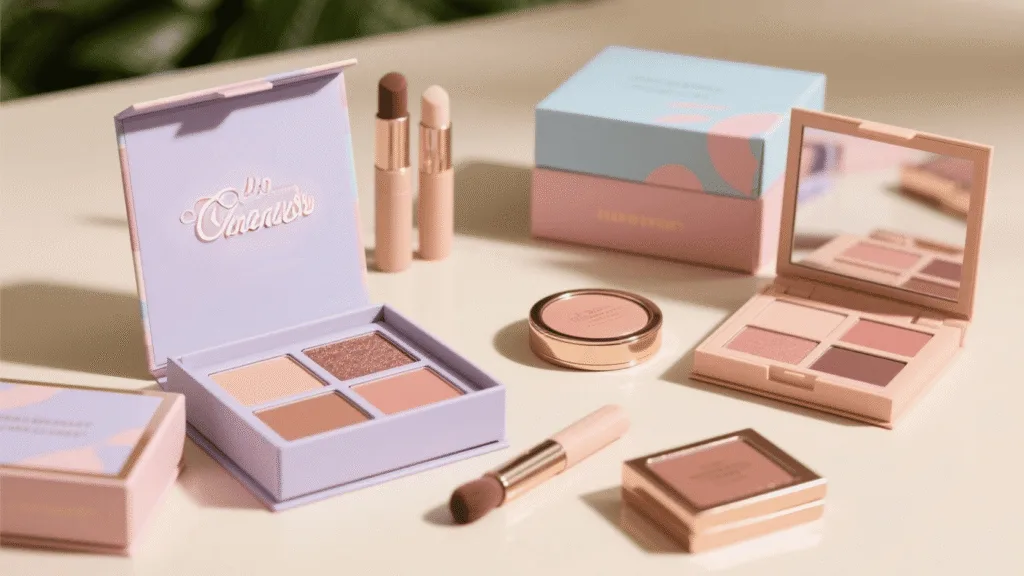
Your beauty product is amazing, but it arrives in a generic, forgettable box. This disconnect cheapens your brand, fails to create a memorable customer experience, and gets lost among competitors who are winning online with stunning packaging.
By 2026, the customized makeup box market will be defined by four key trends: verifiable sustainability as a luxury signal, designs engineered for social media unboxing, functional structures that protect and impress, and packaging that clearly communicates ingredient transparency to build consumer trust. A strong brand identity, including a well-placed logo, ties all four trends together and turns packaging into a powerful tool for customer loyalty.
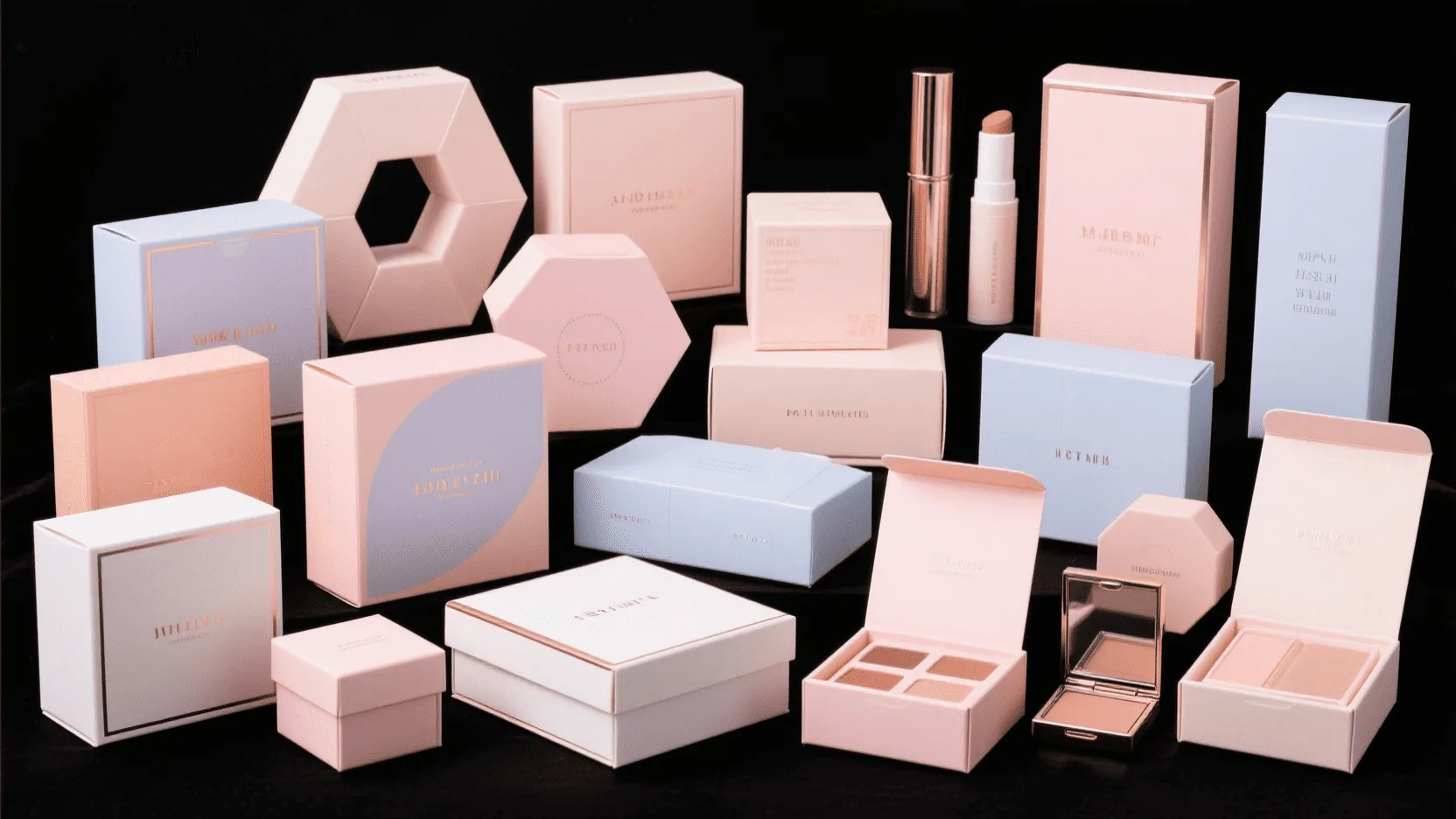
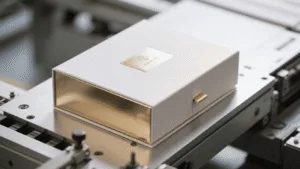
I remember a few years ago, a small indie makeup brand came to us. They had a fantastic line of vegan lipsticks but were shipping them in plain, stock boxes. Their sales were flat. They felt their packaging wasn’t telling the right story. We worked with them to create a custom, rigid box made from recycled paper with a clever drawer-style opening and their logo prominently integrated into the design. The moment they launched the new packaging, everything changed. Customers started filming the unboxing experience, and their social media mentions exploded.
That experience highlighted an important lesson: in the digital age, the box is not just a container. It is often the first physical interaction customers have with your brand. A recognizable logo, consistent visual identity, thoughtful materials, and a memorable opening experience can work together to turn an ordinary delivery into a brand experience that customers remember and want to share.
Why is "sustainable material" the new luxury in cosmetic packaging?
You think "eco-friendly" packaging looks cheap and flimsy. You worry that switching from sleek plastic will make your high-end cosmetics look less premium, potentially turning off customers who expect a luxurious feel.
Sustainability is the new luxury because today’s informed consumers increasingly equate eco-conscious materials with brand integrity and premium quality. Using FSC-certified paper, recycled content, and responsible printing methods signals that a brand is modern, responsible, and transparent—values now considered part of a premium brand experience. When these materials are combined with a strong logo and cohesive visual identity, the packaging communicates both quality and responsibility.
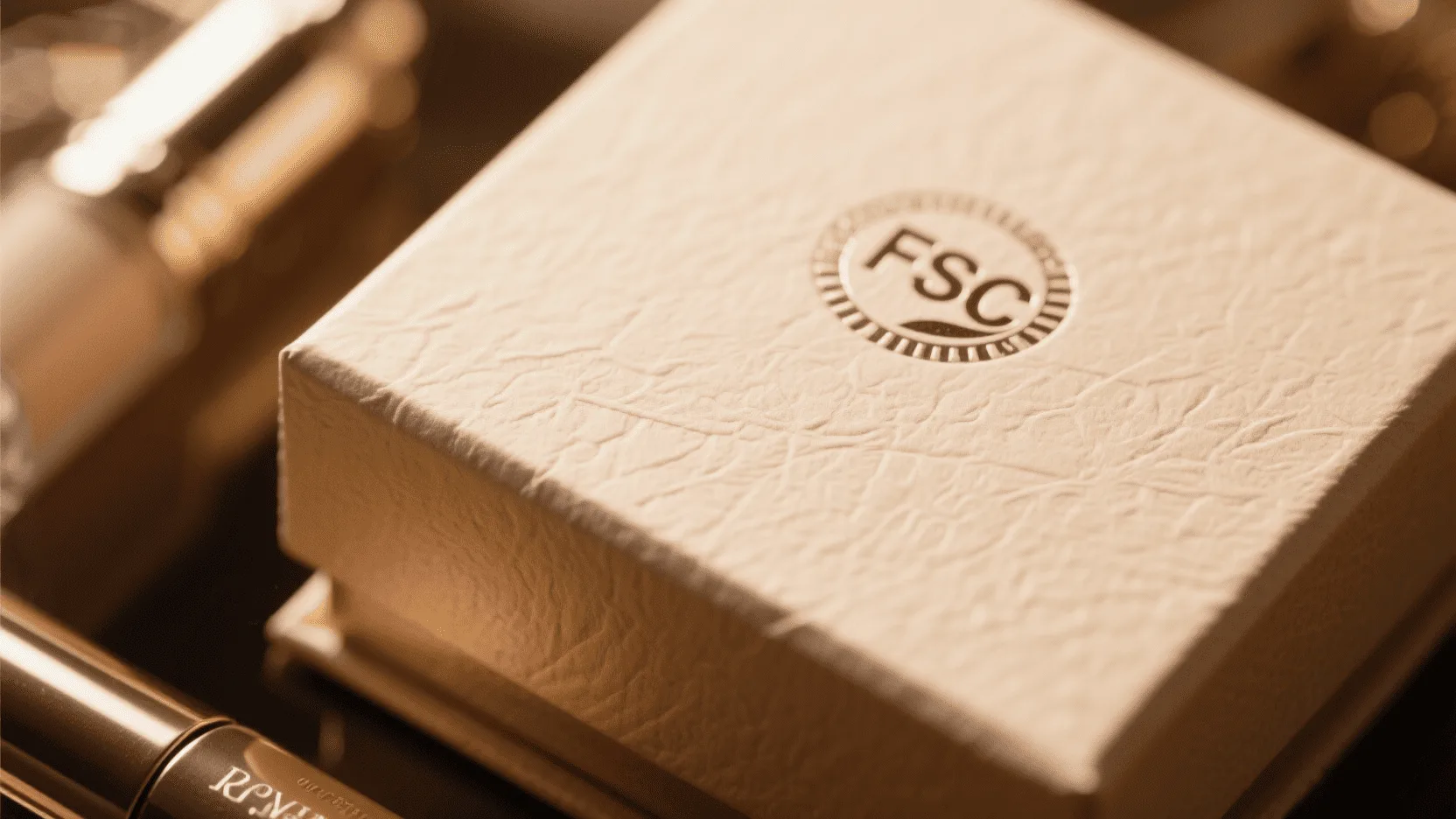
Just last month, a client who creates high-end facial serums was adamant about using a box with a high-gloss plastic laminate because they thought it looked expensive. I showed them two options: their laminated box and a new one we created from thick, uncoated, FSC-certified paperboard with their logo embossed on it. The tactile feel of the uncoated paper was substantial and sophisticated. It felt honest.
I explained that their target audience, who spends a lot on clean beauty, is actively looking for brands that avoid unnecessary plastic. They made the switch. Their new cosmetic packaging not only looks more elegant but also tells a story of responsibility that perfectly matches their "clean" product.
The Shift in Consumer Perception
The definition of luxury has changed. It’s no longer just about shiny surfaces and excess. According to a 2023 report by the Boston Consulting Group, nearly 80% of luxury consumers say a company’s environmental actions influence their purchasing decisions BCG Report. This has a direct impact on packaging.
-
FSC Certification1: The Forest Stewardship Council (FSC) label is a powerful signal. It tells a customer that the paper came from a responsibly managed forest. It’s a verifiable mark of integrity. For a premium product, this third-party validation builds immense trust and adds to the perceived value.
-
Recycled and Post-Consumer Waste (PCW) Materials2: Using paperboard with high PCW content shows a commitment to the circular economy. Modern recycled papers can be just as strong and beautiful as virgin paper. They often have a unique, subtle texture that feels authentic and high-quality, perfectly aligning with the values of natural and organic beauty brands.
-
Eliminating Plastic: The ultimate luxury move is designing packaging that is completely plastic-free. This means replacing plastic window patches with compostable PLA film (or eliminating them entirely) and swapping foam inserts for custom-molded paper pulp trays. These choices show a level of thoughtfulness and commitment that resonates deeply with high-end consumers.
-
Brand Identity: Sustainable materials become more powerful when paired with consistent branding. A clearly placed logo, carefully selected typography, and a cohesive color palette help customers associate your environmental choices with a recognizable brand rather than seeing them as isolated packaging features.
Your product is fantastic, but you get almost no user-generated content online. Customers use your product, but they don’t share the experience, leaving a huge marketing opportunity on the table because your packaging is simply not exciting.
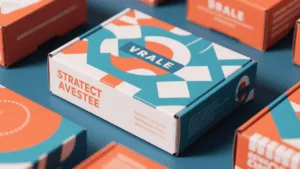
Social media unboxing culture directly impacts box design by demanding a multi-sensory, theatrical experience. A box is no longer just a container; it’s a shareable performance that must be visually stunning, interactive, and full of satisfying "reveal" moments that look great on platforms like TikTok and Instagram. A recognizable logo and consistent brand identity make those shared moments even more valuable by connecting every piece of user-generated content back to your brand.
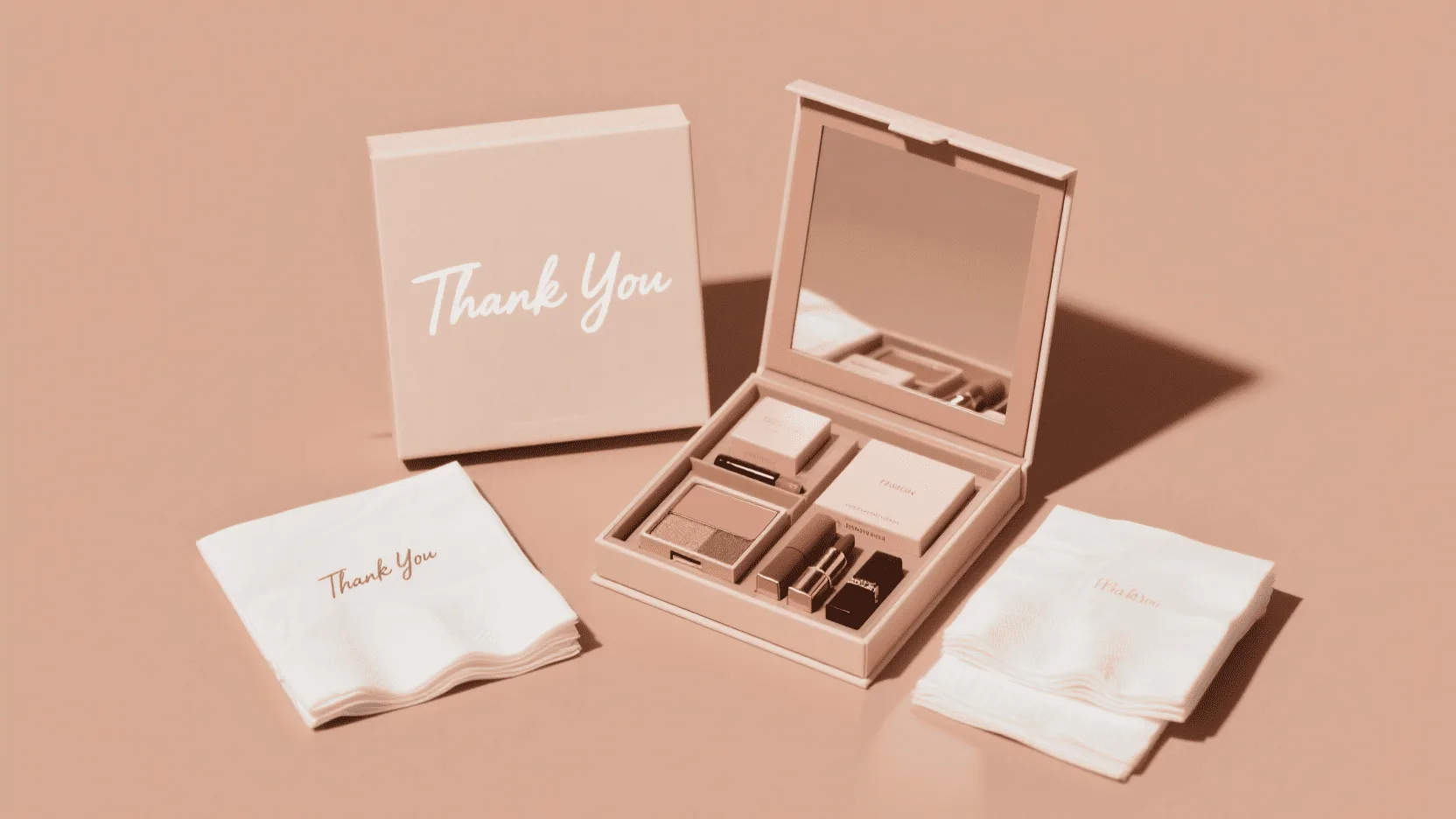
We had a B2B client creating subscription boxes. Their initial design was a simple mailer box. Everything was just loose inside. I asked them, "What happens when someone opens this on camera?" The answer was: a mess.
We redesigned it completely. We added custom-printed wrapping paper, a perfectly fitting paper insert to hold each item, a clear logo on the box, and a small greeting card tucked into a sleeve on the lid. The new box guided the user through a journey. The cost difference was minimal, but the impact was enormous. They saw a significant increase in social media tags because the unboxing was now an event worth sharing.
To win at the unboxing game, you need to think like a movie director, planning each scene of the reveal. It’s about building anticipation and providing a payoff.
-
The Outer Layer: This is your opening shot. The shipping mailer or outer box should already be branded. A clear logo immediately establishes ownership and helps customers recognize the brand before the box is even opened.
-
The First Reveal: Inside the mailer, the product box itself should be a hero. This is where you use your best finishes—soft-touch coatings, foil stamping, or embossing—to create a tactile experience that invites the user to touch and explore.
-
Internal Elements: The magic is often inside. Instead of an empty void, use components that create layers.
- Branded Wrapping Paper1: A simple but effective way to add another layer of reveal.
- Custom Inserts2: These not only protect the product but also present it beautifully, like a jewel in a case.
- Hidden Messages: Printing a message on the inside of the lid or on the bottom of the box is a delightful surprise that shows attention to detail.
- Consistent Branding: Keep your logo, colors, typography, and messaging consistent across the exterior and interior. This repetition strengthens brand recognition and helps turn a memorable unboxing into long-term brand familiarity.
- Thank-You Cards: A short thank-you note or greeting card can make the experience feel more personal and reinforce the brand story after the main reveal.
| Standard Box | Unboxing-Optimized Box | |
|---|---|---|
| Exterior | Plain mailer or generic box | Custom-printed mailer or box with a clear brand identity |
| Interior | Product with bubble wrap or packing peanuts | Branded wrapping paper, custom inserts, thank-you card |
| Structure | Single compartment | Multi-layered reveals, hidden messages |
| Branding | Little or no brand recognition | Logo and visual identity reinforced throughout |
| User Action | Rip open and discard | Film, photograph, and share |
What structural innovations are making makeup boxes more functional and secure?
You’re dealing with customer complaints and costly returns because your products are getting damaged during shipping. Fragile eyeshadow palettes are cracking and glass serum bottles are breaking, destroying your profit margins and your brand’s reputation.
Structural innovations like custom-molded paper pulp inserts, rigid box construction with magnetic closures, and clever drawer mechanisms are making makeup boxes more functional. These designs provide superior protection for fragile items, reduce transit damage, and add a premium, satisfying feel for the user. When form and function work together, the packaging becomes part of the product experience rather than an afterthought.
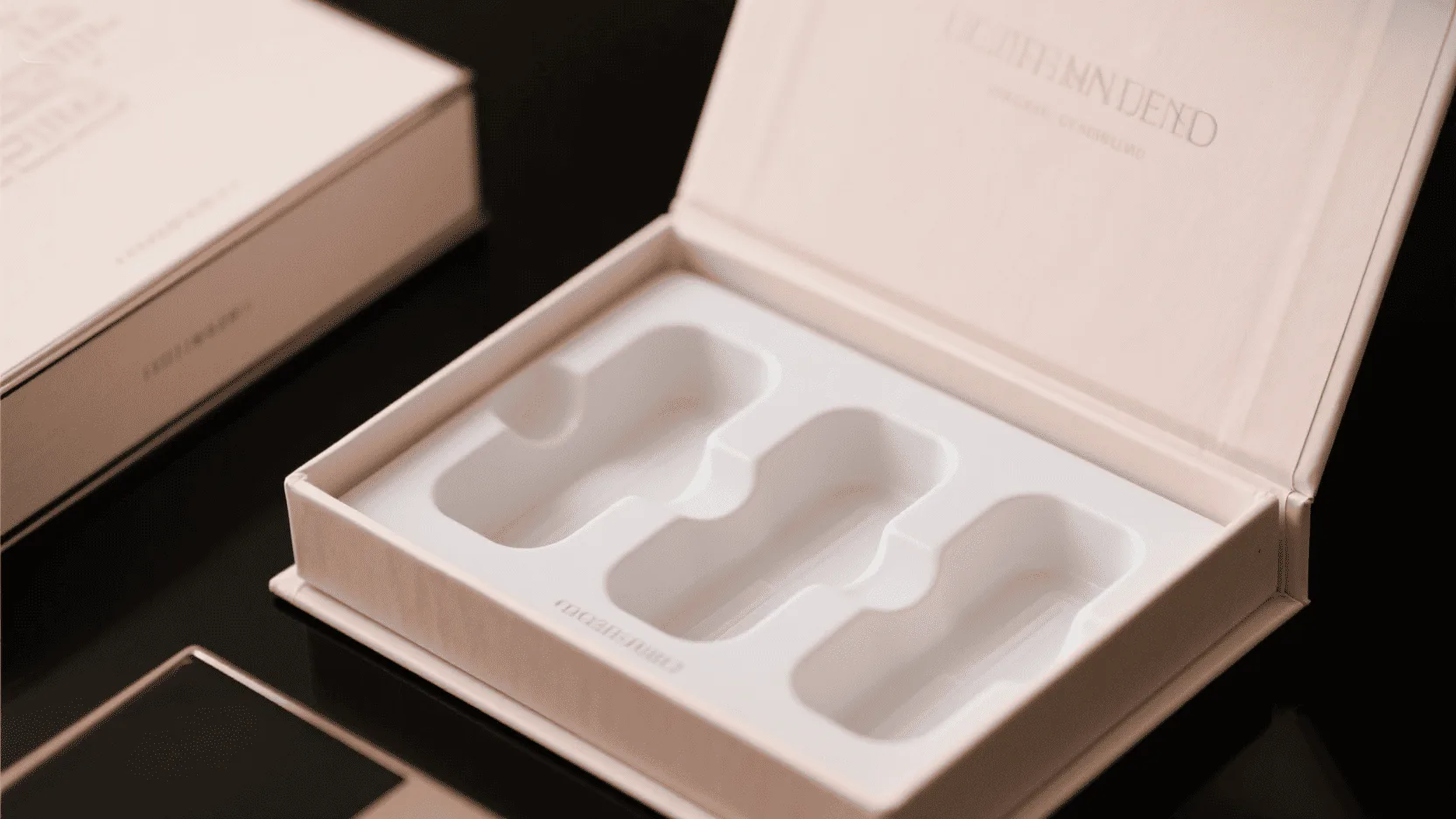
A client selling glass-bottled facial oils was having a nightmare with breakage. Their old box used a standard foam insert, but it wasn’t enough. The bottles would still shatter if the package was dropped. We moved them to a rigid "setup" box, which is much stronger than a folding carton. More importantly, we designed a custom insert made from molded paper pulp. It was shaped to the exact contours of their bottle, holding it suspended in the center of the box.
Their breakage rate dropped to virtually zero. Plus, the all-paper solution reinforced their sustainable brand image, turning a logistical problem into a marketing win. The box was no longer simply protecting the product; its structure also contributed to the premium experience and demonstrated that the brand had considered every detail.
Beyond the Simple Fold
The structure of a paper box is just as important as the printing on it. For cosmetics, which are often fragile and high-value, investing in a better structure is essential.
-
Rigid Boxes (Set-up Boxes)1: These are the gold standard for luxury cosmetics. They are made from thick, non-collapsible paperboard and offer maximum protection. Think of the boxes for iPhones or high-end perfumes. They feel substantial and are often kept and reused by the customer.
-
Magnetic Closures: Embedding small, hidden magnets into the lid and base of a box creates a deeply satisfying and secure closure. This small detail elevates the entire experience, making the box feel more like a permanent keepsake than disposable packaging. It eliminates the need for external seals and adds a touch of interactive magic.
-
Molded Paper Pulp Inserts2: This is the ultimate eco-friendly alternative to plastic trays or foam. Made from recycled paper and water, these inserts can be molded into any shape. They provide incredible cushioning and present the product in a professional, organized way. They are a clear statement of a brand’s commitment to sustainability from the inside out.
-
Custom-Fit Structures: Inserts, dividers, and compartments should be designed around the exact dimensions of the product. This reduces movement during transit while creating a precise, premium presentation when the customer opens the box.
-
Reusable Design: A durable rigid box or thoughtfully engineered structure can encourage customers to reuse the packaging for storage. This extends the life of the packaging and keeps the brand visible in the customer’s environment long after the original purchase.
How can B2B brands use packaging to communicate ingredient transparency?
Your brand is committed to "clean beauty" with safe, high-quality ingredients. The problem is your current packaging doesn’t tell that story, leaving customers unable to distinguish your thoughtful product from mass-market competitors.
B2B brands can use packaging to communicate ingredient transparency by incorporating clear iconography for certifications (e.g., vegan, cruelty-free), using QR codes that link directly to sourcing information, and adopting minimalist design aesthetics that visually reflect the purity of the product inside. A consistent logo and visual identity can reinforce these messages, helping customers connect product claims with a recognizable and trustworthy brand.
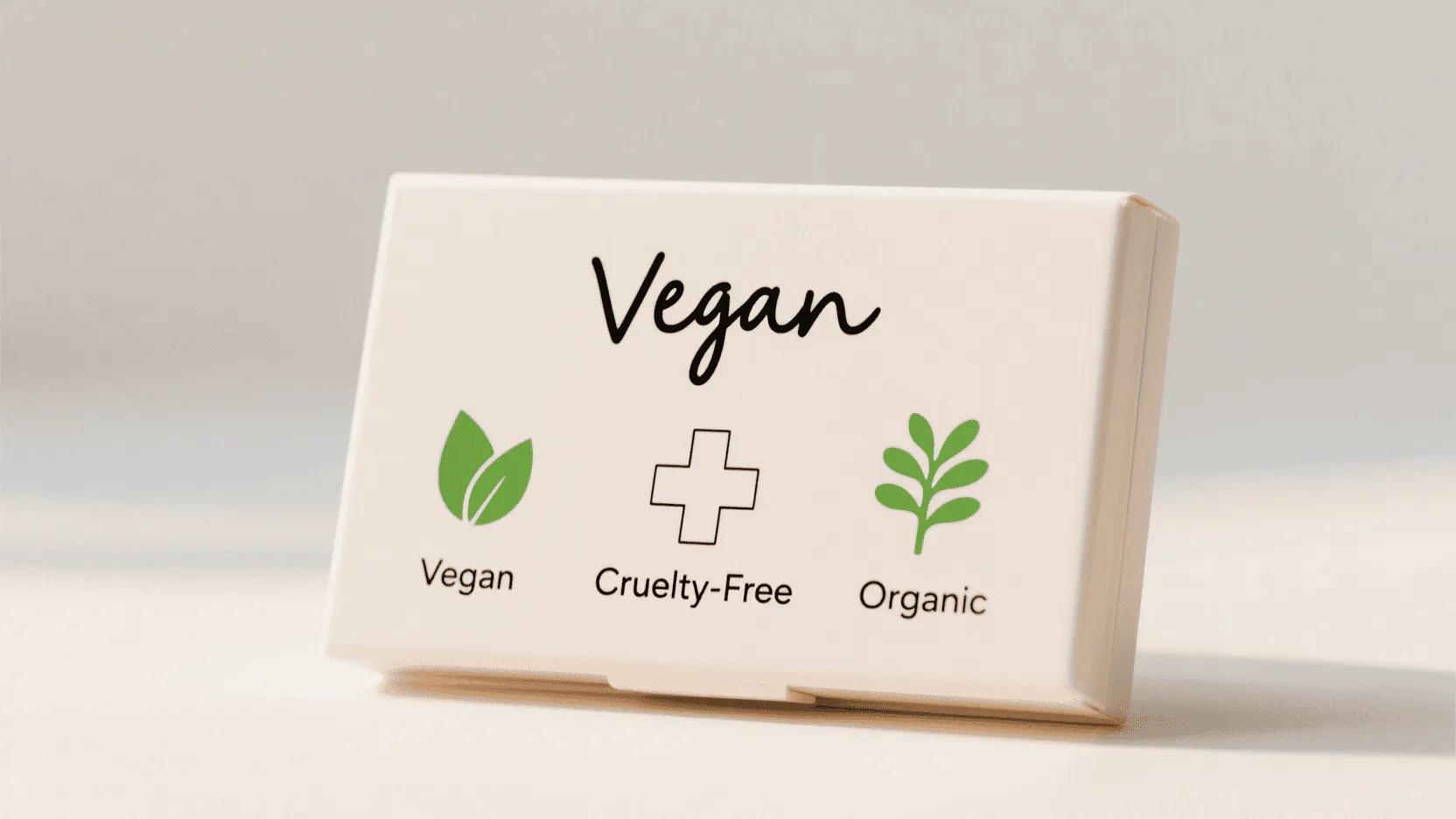
I worked with a skincare formulator who supplied their products to various spa brands. Their core value was their "free-from" list—no parabens, no sulfates, etc. But this message wasn’t reaching the end consumer. We redesigned their B2B packaging to include a simple, elegant checklist on the side panel under the title "Our Promise." It clearly listed what the product was "free from."
This allowed the spa brands to easily educate their customers, and it built a layer of trust that trickled all the way down. The packaging became a silent educator, empowering the end user with clear, concise information while giving the brand a consistent visual identity that customers could recognize.
Your Box as a Certificate of Trust
In an era of ingredient-savvy consumers, the box is your first opportunity to prove your product’s claims. The "clean beauty" market is expected to reach nearly $15.3 billion by 2028 NielsenIQ, and transparency is the price of entry.
-
The Power of Icons: The human brain processes images far faster than text. Using widely recognized icons for "cruelty-free" (the leaping bunny), "vegan," or "certified organic" is the quickest way to communicate your core values. Place them prominently but tastefully on your packaging.
-
QR Codes: The Digital Bridge1: A small, unobtrusive QR code can be a gateway to a wealth of information. Link it to a page on your website that details your key ingredients, explains your sourcing philosophy, or even introduces the farmers who grow your botanicals. This turns a static box into an interactive tool for deep brand storytelling.
-
Minimalism as a Metaphor: A cluttered design can subconsciously signal a product filled with complex, artificial ingredients. A clean, minimalist design with lots of white space, simple typography, and a focus on the essential information creates a feeling of purity and honesty. The design of the box becomes a visual metaphor for the clean formula inside.
-
Consistent Brand Identity: Ingredient claims are more powerful when they are presented within a recognizable visual system. A consistent logo, color palette, typography, and tone of voice helps customers quickly associate transparency claims with your brand rather than viewing them as isolated marketing messages.
-
Cohesive Brand Messaging: Your packaging can also communicate a short tagline, mission statement, or brand promise. Whether your positioning is science-backed, minimalist, natural, or luxury-focused, the visual language of the box should reinforce the same story. This consistency helps customers understand what the brand stands for and builds familiarity over repeated purchases.
How can B2B brands measure the ROI of investing in custom makeup boxes?
Investing in custom packaging seems like an added expense. You’re a business owner, and you need to justify every cost. How can you be sure it’s actually paying off?
B2B brands can measure the ROI of custom makeup boxes by tracking repeat purchase rates, customer lifetime value (CLV), user-generated content, customer feedback, brand engagement, and product damage rates. These metrics show whether packaging is improving customer loyalty, generating organic marketing, strengthening brand recognition, and reducing operational costs.
Custom packaging should not be treated as a purely creative expense. When designed correctly, it can influence several areas of the business at once. A recognizable branded box can strengthen recall, a stronger unboxing experience can encourage more social sharing, sustainable materials can reinforce brand values, and better structural protection can reduce complaints and replacement costs.
The key is to establish a baseline before changing the packaging. Compare customer behavior and operational data before and after the launch so you can see whether the new packaging is contributing to measurable improvements.
| Metric | How to Track It | Why It Proves ROI |
|---|---|---|
| Repeat Purchase Rate | Analyze sales data for returning customers before and after implementing new packaging. | A direct indicator of customer satisfaction and loyalty. A rising rate suggests the new experience is contributing to retention. |
| Customer Lifetime Value (CLV) | Use your CRM or sales software to calculate the total revenue a customer generates over time. | Higher CLV means customers are staying with you longer and spending more, indicating stronger loyalty. |
| User-Generated Content (UGC) | Monitor social media platforms for mentions, tags, and hashtags related to your brand and packaging. | Each post creates organic exposure and social proof. |
| Product Damage Rates | Track returns and complaints related to items damaged during transit. | Better-designed packaging can reduce damage, replacement costs, and customer dissatisfaction. |
| Customer Feedback | Send post-purchase surveys or monitor reviews that specifically mention packaging. | Qualitative feedback reveals which packaging elements customers value most and helps guide future improvements. |
| Brand Recognition | Monitor branded search activity, direct traffic, customer recall, and mentions of your brand after packaging changes. | Stronger recognition indicates that consistent visual branding is helping customers remember and identify your brand. |
Conclusion
The coming boom in customized makeup boxes is not just about making things look pretty. It’s a strategic shift. For B2B brands, success in 2026 will depend on leveraging your packaging to tell a powerful story of sustainability, create shareable moments, provide functional protection, build consumer trust, and strengthen brand recognition.
A custom box with a clear logo is only the starting point. When that logo is supported by sustainable materials, thoughtful structures, memorable unboxing details, transparent product information, and cohesive brand messaging, the packaging becomes a complete brand experience—one that can generate organic marketing, reduce product damage, reinforce perceived quality, and encourage long-term customer loyalty.
The strongest packaging does more than identify your brand. It creates a consistent experience at every touchpoint, from the moment the customer sees the box to the moment they open it, use the product, and decide whether to order again.
Ready to create packaging that elevates your beauty brand? Explore our custom cosmetic packaging solutions and let’s design the future together.
For more insights on packaging that performs, check out our company blog.
FAQ
Q1: What is a realistic minimum order quantity (MOQ) for fully custom makeup boxes?
A1: MOQs can vary based on complexity, but for fully custom-printed and structured boxes, a typical starting point is around 1,000 to 2,000 units. This allows for efficient use of printing presses and die-cutting tools, making the per-unit cost effective for small and growing brands.
Q2: How much does a sustainable material like FSC-certified paper add to the cost?
A2: The cost increase for choosing certified sustainable materials is often smaller than brands expect, usually ranging from 5% to 15% compared to standard, non-certified paper. When you consider the marketing value, brand differentiation, and consumer loyalty it can support, the investment can offer strong long-term value.
Q3: What is the typical lead time for a custom cosmetic packaging project, from design to delivery?
A3: A standard project timeline is about 4 to 6 weeks. This includes 1-2 weeks for design finalization and prototyping, 2-3 weeks for mass production (printing, cutting, assembly), and 1 week for quality control and shipping preparation. International shipping time is additional.