luxury paper boxes
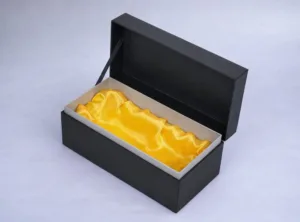
lid & base boxes
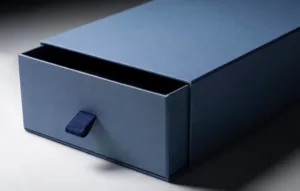
drawer rigid boxes
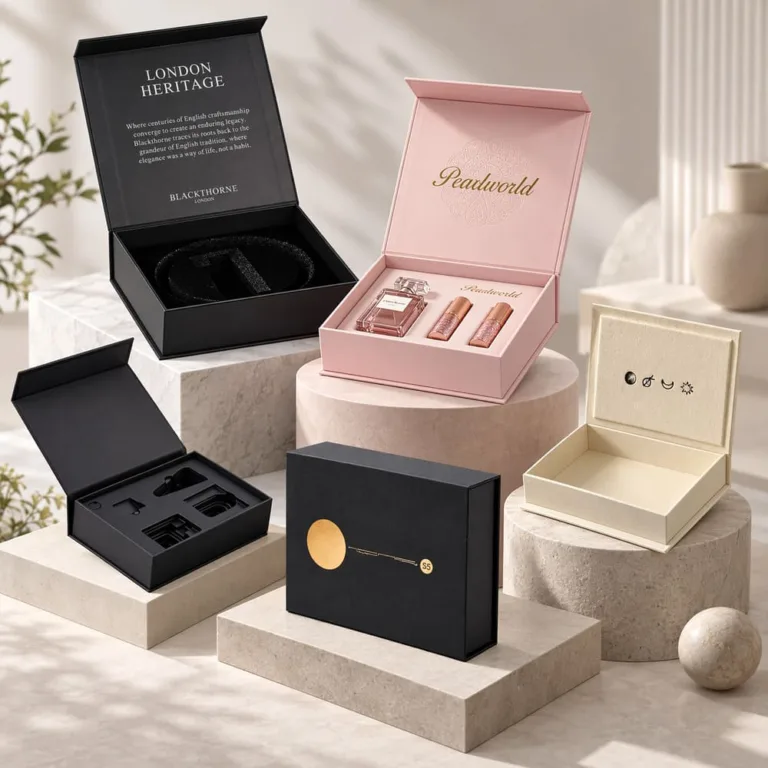
book style rigid boxes
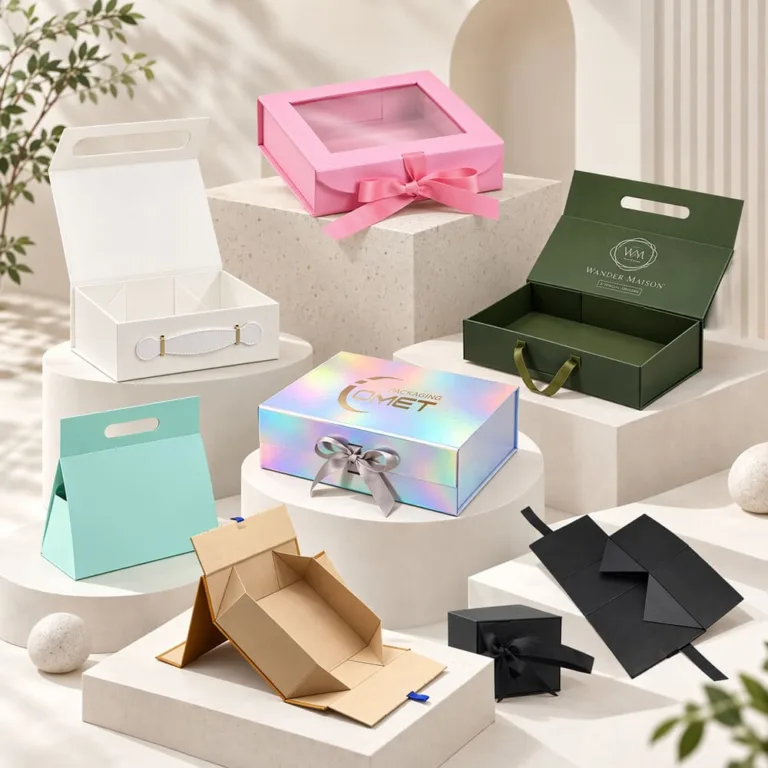
collapsible rigid boxes
shoulder neck rigid boxes
paper tube boxes
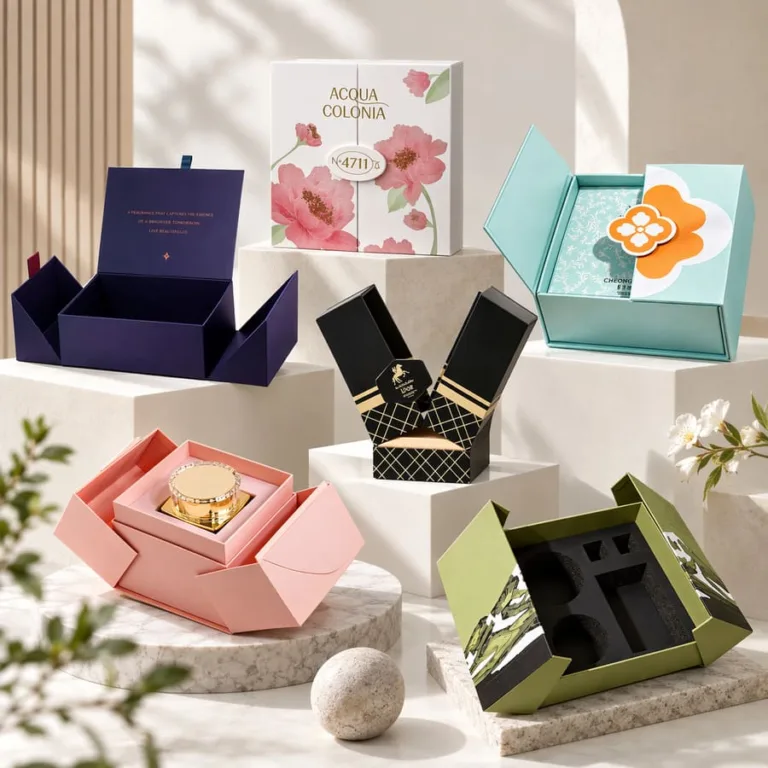
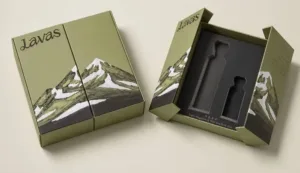
double door rigid boxes
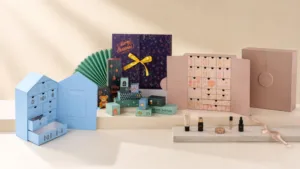
advent calendar rigid boxes
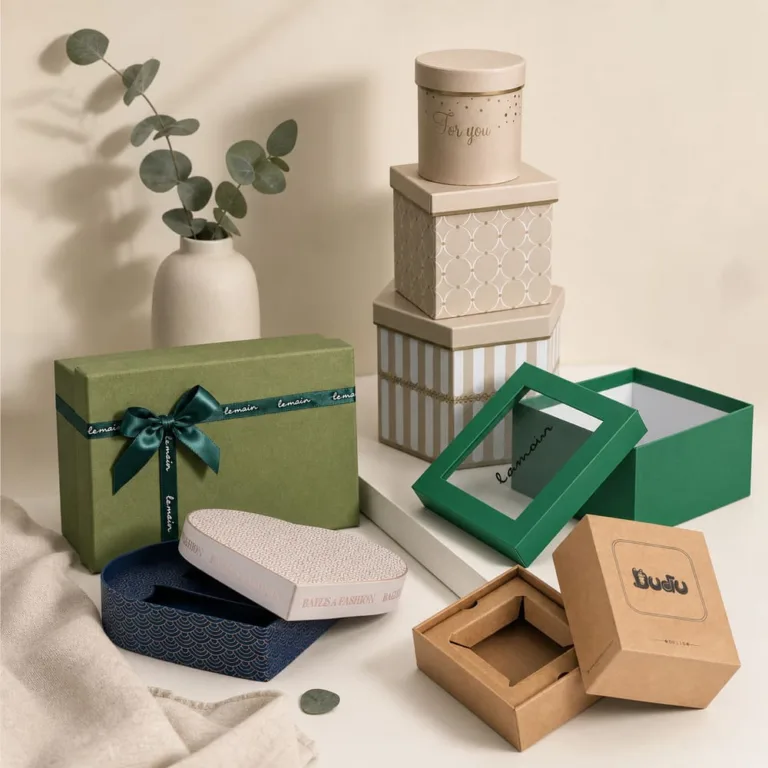
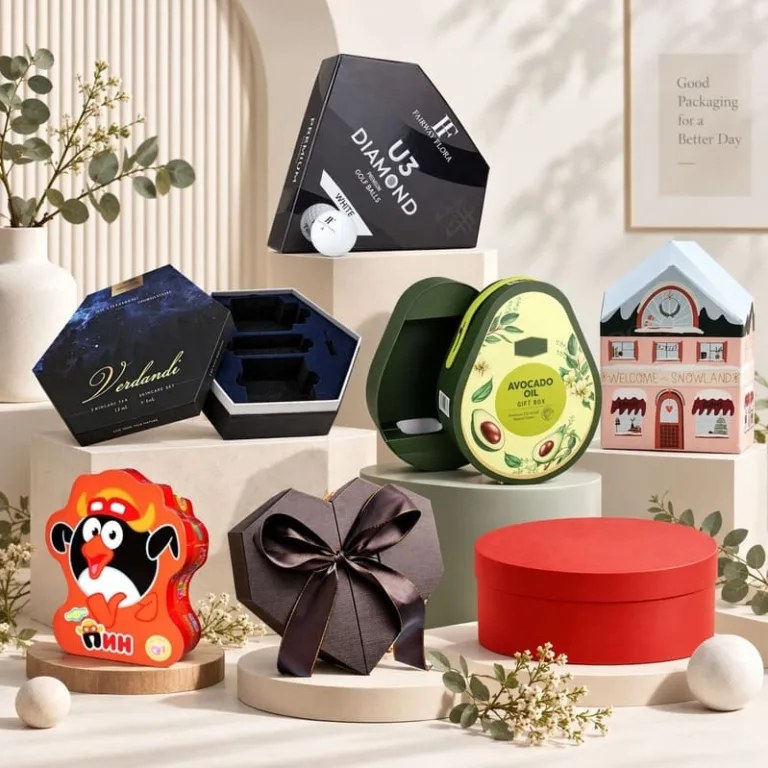
custom shape paper boxes
Custom Rigid Boxes Manufacturer for Premium Brands Thumbnail 1
Custom Rigid Boxes Manufacturer for Premium Brands Thumbnail 2
Custom Rigid Boxes Manufacturer for Premium Brands Thumbnail 3
Custom Rigid Boxes Manufacturer for Premium Brands Thumbnail 4
Custom Rigid Boxes Manufacturer for Premium Brands Thumbnail 5
Custom Rigid Boxes Manufacturer for Premium Brands Thumbnail 6
Custom Rigid Boxes Manufacturer for Premium Brands Thumbnail 7
Custom Rigid Boxes Manufacturer for Premium Brands Thumbnail 8
Custom Rigid Boxes Manufacturer for Premium Brands Thumbnail 9
Custom Rigid Boxes Manufacturer for Premium Brands Thumbnail 10
Paper Boxes

Custom Rigid Boxes Manufacturer for Premium Brands

When standard folding cartons fail to convey your product's quality, a structural upgrade is required. Omet Pack is a specialized manufacturer of custom rigid boxes, also known as set-up boxes, that provide superior protection and a tangible sense of luxury. But a flawless finish requires more than strong materials; it demands precision engineering. We prevent common appearance failuresโ€”like corner whitening or wrap wrinklesโ€”by agreeing on critical tolerance targets and seam plans during sampling, ensuring the unboxing experience we design together is the one you receive in production.

  • Reduce brand risk by standardizing โ€œfit and finishโ€ (alignment, wrap seams, corner quality) so reorders look like the original approved sample.
  • Protect product margin with a structure that matches real useโ€”opening cycles, retail display, and shipping handlingโ€”rather than over-designing or under-engineering.
  • Factory-direct execution for OEM programs: documented specs, defined QC checkpoints, and stable hand-assembly capacity for rigid box styles that cannot be fully automated.
Browse Paper Boxes
BSCI Certified
FSC Certified
Fast Sample
Global Shipping
Definition

What Is This Product?

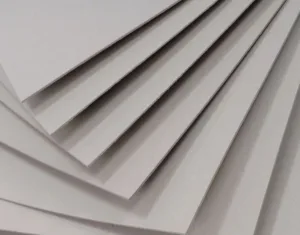
Rigid Boxes are a category of premium, non-collapsible packaging constructed from thick chipboard (greyboard) and wrapped with printed or specialty paper. They are known for high stiffness, structural integrity, and enabling precise presentation with premium finishes. These boxes are used for luxury goods like cosmetics, electronics, and jewelry, where robust protection and a memorable unboxing experience are integral to the product's value.

Manufacturing Advantage

A rigid box is often the first โ€œproduct touchpointโ€ customers judgeโ€”before they see whatโ€™s inside. We focus on building a rigid-box spec that is visually consistent, structurally reliable, and repeatable for long-term sourcing.

Rigid Box Materials & Build Specifications

Standard specifications & options

Specification Details
Core structure material Greyboard/chipboard (commonly selected by thickness based on box size and rigidity target)
Common board thickness range ~1.0โ€“3.0 mm (confirmed per design and strength requirement)
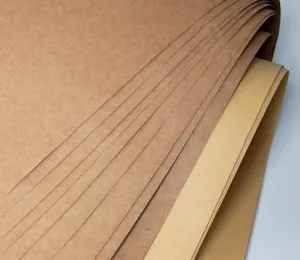
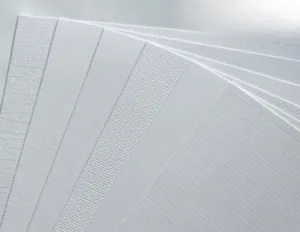
Wrap paper options Art paper, coated/uncoated paper, textured/specialty paper; paper selection affects scuff and crease behavior
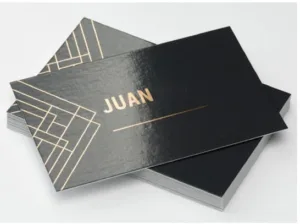
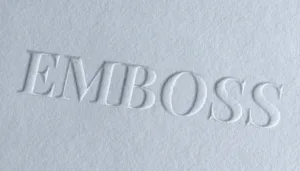
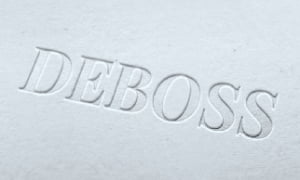
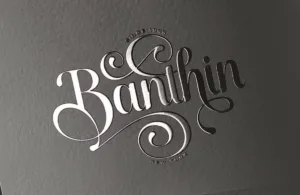
Finishing compatibility Foil stamping, emboss/deboss, UV/spot UV, lamination/varnish (chosen based on abrasion and look)
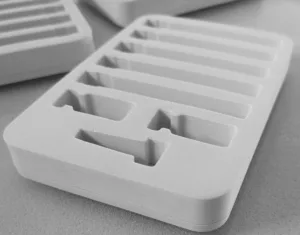
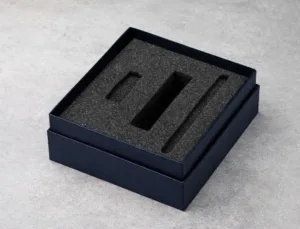
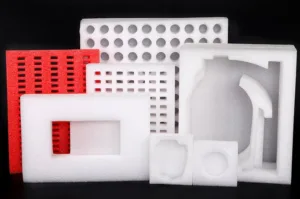
Insert options EVA foam, paperboard insert, molded pulp, satin/velvet lining (selected to control product movement)
Closure components Magnets, ribbons, elastic bands, paper locks; component availability confirmed per design
All specifications can be customized to meet your specific requirements.

Overview

Product Overview

Why rigid boxes are chosen (and when theyโ€™re not)

Rigid boxes are typically specified when packaging must carry perceived value and protect the product at the same timeโ€”think cosmetics sets, jewelry, premium electronics, and corporate gifting. Compared with folding cartons, a rigid box delivers higher stiffness and a more controlled unboxing, which can support higher retail positioning and reduce damage risk for delicate items. The trade-off is that rigid boxes require more assembly steps and tighter workmanship control, so supplier capability matters more than paper weight alone.

Risk control: where most rigid box projects succeed or fail

Most buyer complaints trace back to a few predictable points: corner quality, wrap wrinkles, lid/base alignment, and insert fit. These are not โ€œluckโ€ issuesโ€”theyโ€™re spec and process issues. In our Yiwu facility, rigid box production is managed with defined hand-assembly checkpoints (wrap tension, seam positioning, magnet placement, fit verification) and project-based sampling so you can confirm what matters for your SKU: closure feel, reveal lines, and scuff tolerance under handling.

A useful decision rule is to choose structure based on how the box is used, not only how it looks: frequent opening may favor magnetic or drawer styles; high freight pressure may justify collapsible structures; retail display may favor double doors or shoulder/neck.

Rigid Luxury Boxes โ€” Decision Factors Table Decision factor Recommended choice
Highest perceived value on shelf Magnetic closure or shoulder/neck More alignment/QC points than lid & base
Simple, reliable premium packaging Lid & base set-up box Less โ€œfeatureโ€ experience than book-style
Freight cube reduction Collapsible rigid box Fold lines/locking points must be validated
Staged reveal + inserts Drawer box Fit tolerance affects drawer feel
Merchandising / PR kit impact Double door box More complex assembly and hinge control
Distinctive silhouette Round/tube or custom-shaped Base strength and wrap control are critical

Next, scroll to the variation options to shortlist the right structure, then use the customization section to lock paper, finishing, and insert specs for sampling.

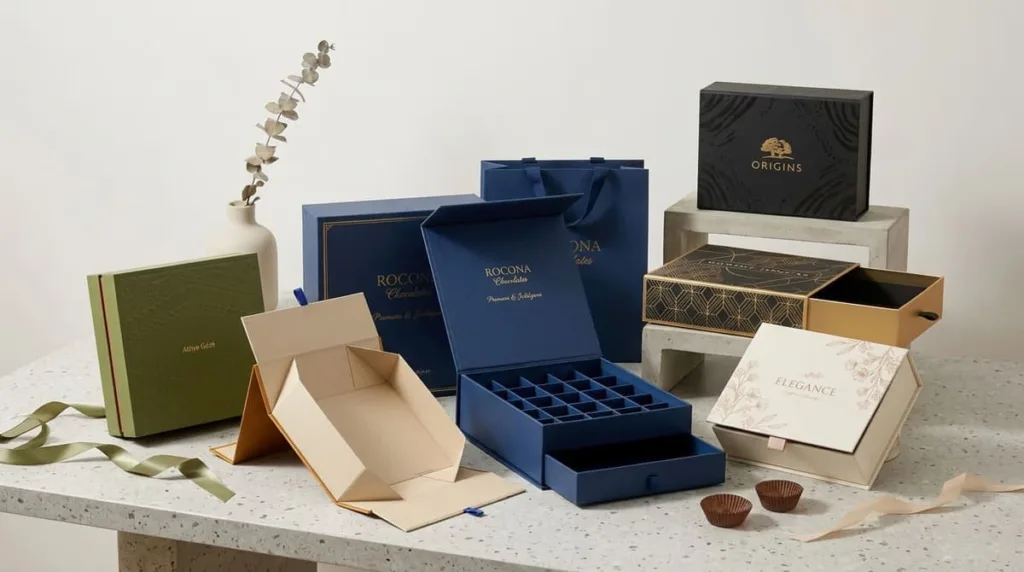
Need a faster quote? Send size + quantity + ship to country.

Available Options

Product Variations

Explore the different styles and configurations available for this product.

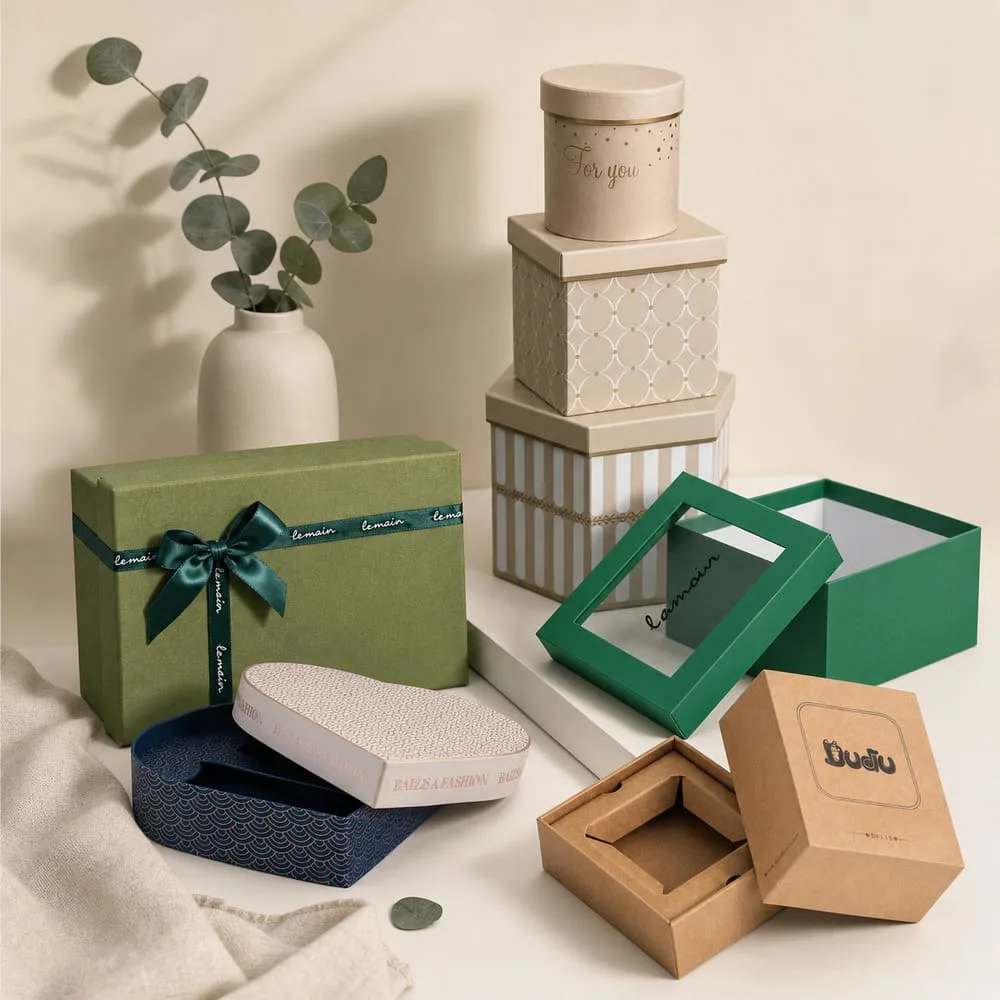
lid & base boxes

Lid & Base Rigid Boxes (Classic Set-Up Boxes)

Best for brands that need a timeless premium unboxing with straightforward assembly and strong shelf presenceโ€”common for gifts, apparel accessories, and boutique retail. Ideal when you want a reliable structure that photographs well without complex mechanisms.
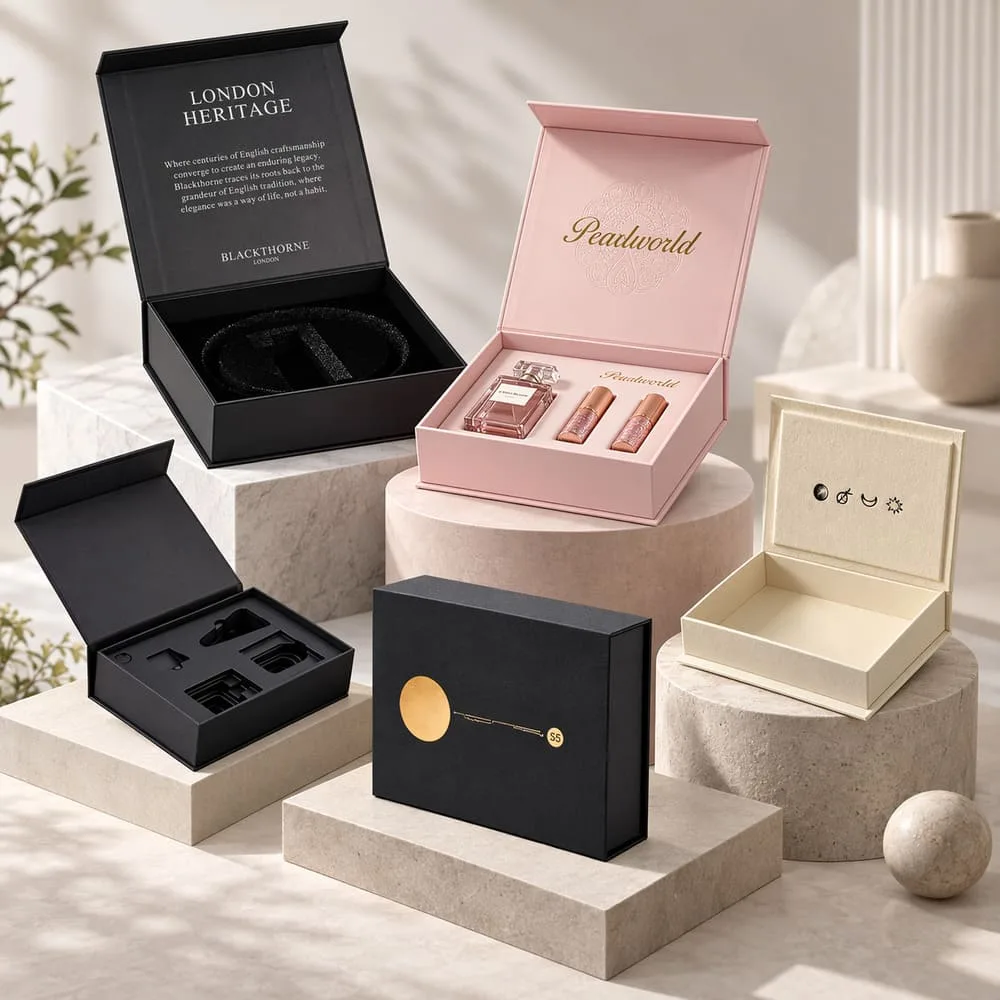
book style rigid boxes

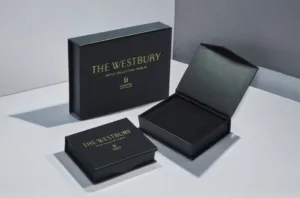
Book Style Rigid Boxes Rigid (Flip-top)

Best for cosmetics, electronics, and corporate gifting where a controlled โ€œopen/closeโ€ experience reinforces product value. Chosen when you want a secure closure and room for inserts, with closure feel tuned during sampling.
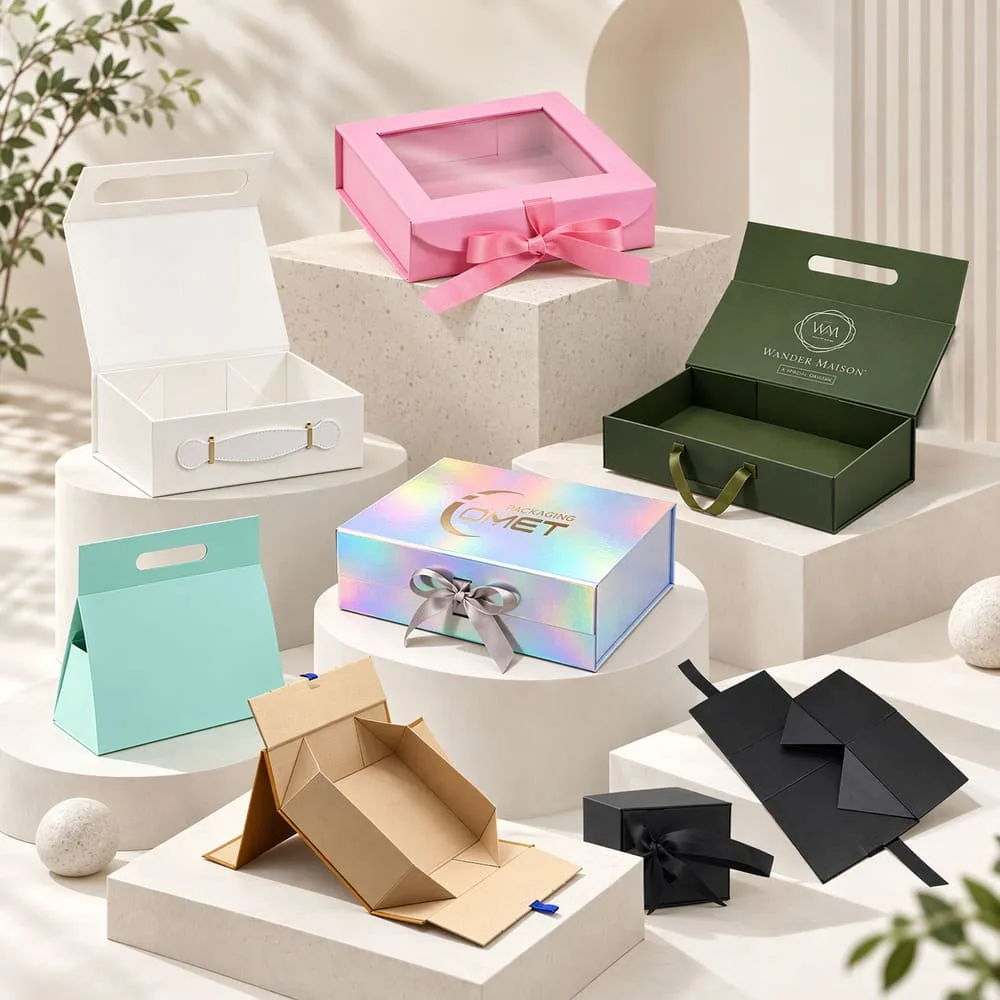
collapsible rigid boxes

Collapsible Rigid Boxes (Foldable Luxury Boxes)

Best for programs optimizing freight volume or storage space while keeping a rigid-box presentation at the customer end. Suitable when your packing line can fold/assemble and you want a premium look with improved logistics efficiency.
drawer rigid boxes

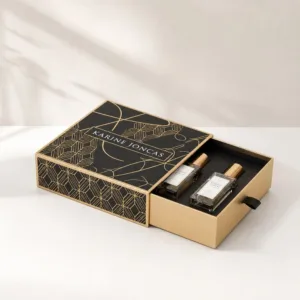
Drawer Rigid Boxes (Slide-Out Boxes)

Best for jewelry, watches, and small premium items where staged reveal and organized inserts are key. Designed for controlled friction and alignmentโ€”useful when you want a more โ€œgift-likeโ€ experience than a standard lid/base.
double door rigid boxes

Double Door Rigid Boxes (Gatefold / Double-Open)

Best for PR kits, limited editions, and high-visual merchandising where the opening moment is part of the campaign. Chosen when you need a wide display area and structured storytelling with compartments or layered inserts.
shoulder neck rigid boxes

Shoulder Neck Rigid Boxes (Neck/Shoulder Boxes)

Best for high-end cosmetics and fragrance-style presentation where a visible shoulder creates a precise, engineered look. Often selected when you want a controlled โ€œstopโ€ point for the lid and a premium reveal line.
paper tube boxes

Tube Paper Boxes (Cylindrical Gift Boxes)

Best for candles, specialty food, tea, and boutique gifts where a round silhouette differentiates on shelf. Useful when you want strong visual identity and a 360ยฐ branding surface, with base construction tuned to product weight.
advent calendar rigid boxes

Advent Calendar Rigid Boxes (Compartment Gift Boxes)

Best for creating major holiday campaigns and high-value limited editions for cosmetics, gourmet foods, or toys. Watch out for the long lead times required for design, structural proofing, and complex assembly; planning should begin 6-9 months in advance. Plan your next holiday blockbuster.
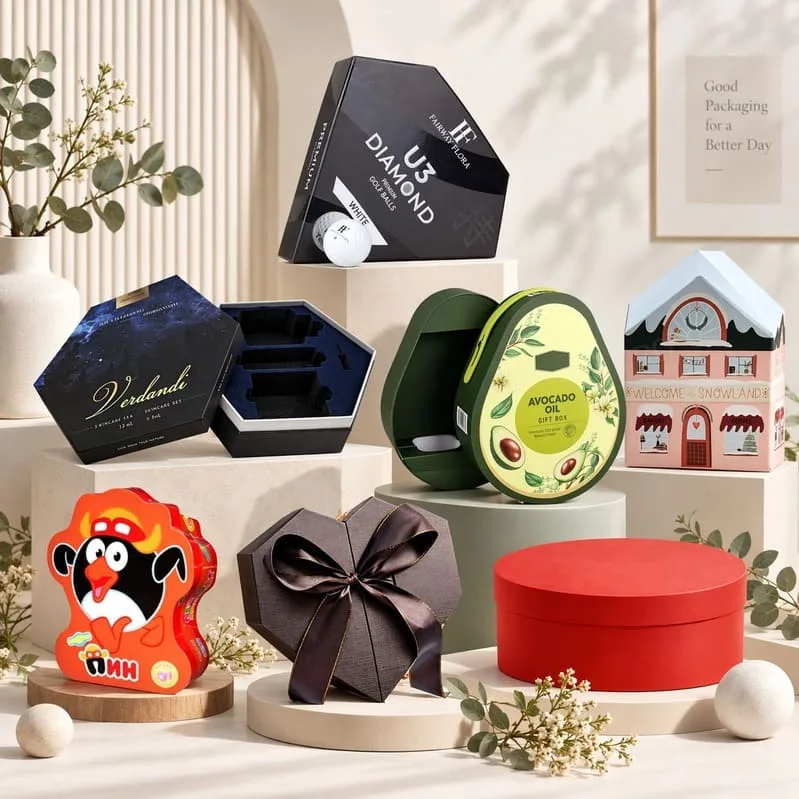
custom shape paper boxes

Custom-Shaped Rigid Boxes ( Specialty Structures)

Best for design-led brands aiming to create a signature packaging shapeโ€”think angled lids, hexagonal forms, or multi-level compartmentsโ€”that becomes an unforgettable brand asset. Watch out for the significant investment in engineering, custom tooling (dielines), and a multi-stage sampling process required to perfect the structure and ensure stability. Bring your structural vision to life.

Expert Production Note

"While greyboard thickness (1.5mm to 3mm) is critical for creating a sense of weight and luxury, the correct first step is to decide the box structure (e.g., lid & base, magnetic, drawer). This decision then informs the engineering of board thickness and closure mechanisms, all balanced against your product's weight and intended use. This structured approach prevents over-engineering and ensures we solve potential issues like corner wear or wrap wrinkles during the sampling phase, not during production."

Customization Options

Explore all available customization options for your paper boxes

Factory Direct ยท BSCI & FSC Certified

Why 500+ Brands Choose OMETPACK

From raw materials to global delivery โ€” we own every step for consistent quality at factory prices.

10 Auto Lines

5 bag + 5 box lines

Free Design

In-house art team

Global Export

FOB/CIF/DDP ready

Low-barrier Sampling

Test before order

7-Step Production Process

Confirm

Sample

Print

Finish

Form

QC

Ship

Typical lead time: 3-7 days sample + 10-25 days mass production

3-Stage Quality Control

AQL 2.5 inspection standard

Material Check

  • Paper weight verification
  • Color accuracy test

In-Process

  • Die-cut tolerance check
  • Gluing strength test

Final Inspection

  • Load bearing test
  • Visual defect check
FAQ

Frequently Asked Questions

Everything you need to know before you order.

Product Questions

Start from box footprint and expected handlingโ€”larger spans and heavier products generally need thicker board or structural compensation. The limitation is that thickness alone wonโ€™t fix warping if the wrap tension and glue moisture arenโ€™t controlled, so we normally confirm rigidity and flatness with a production-matched sample.
Corner whitening is usually driven by paper fiber stress during wrapping and tight radii on folds. We reduce it by selecting a wrap paper that tolerates folding, adjusting corner radius/relief, and controlling wrap tension; feasibility depends on the chosen specialty paper and can be evaluated during sample making.
The best seam placement is the one that stays hidden in your typical viewing angleโ€”often the back panel or undersideโ€”while avoiding high-friction edges. The constraint is that some structures (drawer boxes, double-door) limit seam choices, so we propose a seam plan with photos during sampling for approval.
Magnet grade/size and placement tolerance drive the closure feel, but board stiffness and lid geometry matter just as much. If magnets are too strong or misaligned, lids can shift or scuff, so we typically validate closure feel with a sample and define alignment checkpoints for production.
Collapsible rigid boxes are best when freight cube reduction is a priority and your packing process can accommodate folding/assembly. The trade-off is more engineering points (hinges, corner locks) and potential wear lines after repeated folding, so we recommend confirming folding cycles and visual tolerance before committing.
Drawer feel depends on sizing tolerance, wrap thickness, and any lining material that changes internal dimensions. We control it by setting a fit target (smooth pull vs tighter premium feel) and adjusting the drawer clearance during sampling; humidity and paper thickness variation can affect feel, so we plan for realistic tolerance.
The main risks are door misalignment, uneven gaps, and hinge fatigue if doors are opened frequently. We usually mitigate this by reinforcing hinge areas, controlling scoring/creasing quality, and validating opening cycles on a sample to ensure doors stay symmetrical.
Neck exposure is a tolerance-controlled feature: board thickness, wrap thickness, and assembly alignment all contribute. We typically recommend defining an acceptable reveal range and checking it during in-process inspection; very small reveals may not be stable across large runs.
They can be, but strength depends on wall thickness, paper wrap, and how the base is constructed (plug fit, glued base, or double-layer). For heavier items, we often propose a reinforced base design and confirm performance with a loaded sample rather than relying on appearance alone.
The safest insert is the one that matches the productโ€™s contact points and finish sensitivityโ€”foam can hold tightly, while molded pulp and paperboard can be cleaner for sustainability narratives. The constraint is that too-tight cavities can cause abrasion, so we recommend confirming cavity fit using real product or an accurate dummy during sampling.
General Questions

MOQ typically starts from 500 pcs and varies by structure, size, and finishing coverage.
Sampling time depends on the sample type (dummy / printed / pre-production) and structure complexity.
Inner size (Lร—Wร—H), product weight, box type/structure, printing/finishes, insert needs, quantity per SKU, ship-to country, and Incoterms.
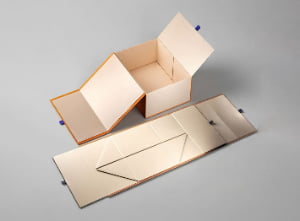
Yesโ€”folding cartons, corrugated mailers, and collapsible rigid boxes can ship flat to optimize CBM.
Yes. Insert type is chosen based on protection level, brand positioning, and budget.
Yes. Pantone matching can be supportedโ€”please share brand guidelines or target codes.
Common premium finishes include matte/soft-touch lamination, foil stamping, emboss/deboss, and spot UV.
Yes. We can provide dielines/mocks and check artwork for bleed, lines, and finishing registration.
We apply QC checkpoints for appearance, structure accuracy, insert fit, and finishing consistency, with photo/video confirmation before shipping.

Yes. Structure selection (flat-pack vs assembled) and export carton packing strategy are key to CBM and landed cost.
Still have questions?

Get a Free Custom Quote

Need Custom Paper Boxes
for Your Brand?

Tell us your size, quantity, material, printing requirements and destination country. Our packaging team will prepare a custom quote and production suggestion within 24 hours.

  • No minimum on samples
  • Custom size, print & finish
  • Factory-direct pricing
  • BSCI & FSC certified production
Response within 24h Global B2B export OEM / ODM supported

Request a Custom Quote

๐Ÿ”’ Your information is confidential and never shared with third parties.