folding cartons
tuck end boxes (ste & rte)
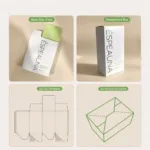
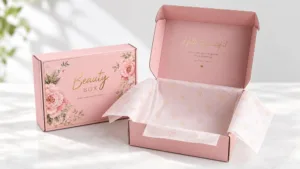
snap lock bottom box
auto lock bottom boxes
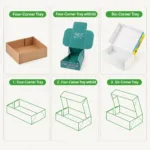
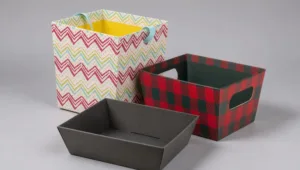
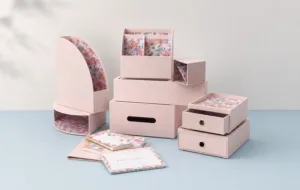
corner tray folding cartons
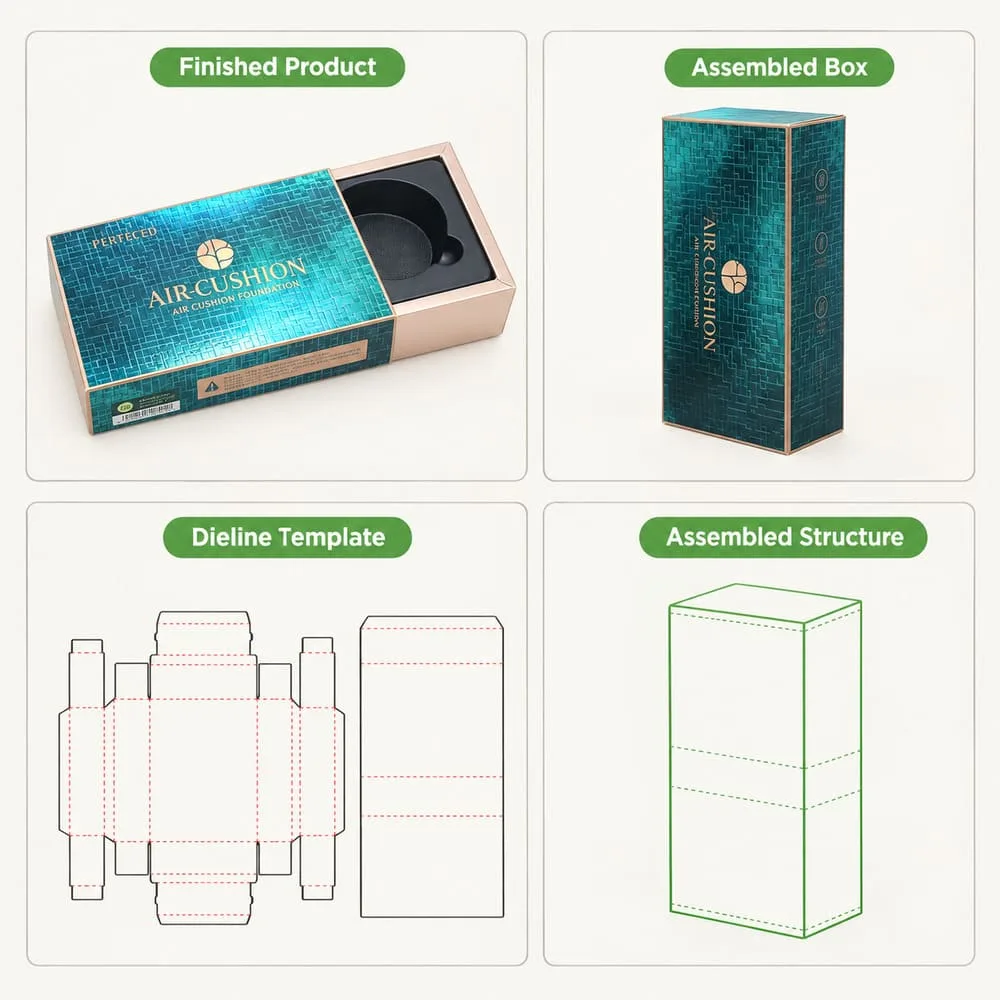
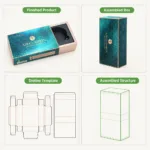
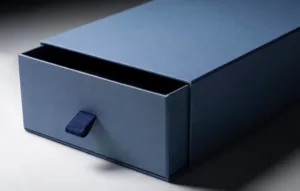
tray and sleeve boxes (sleeve & inner tray )
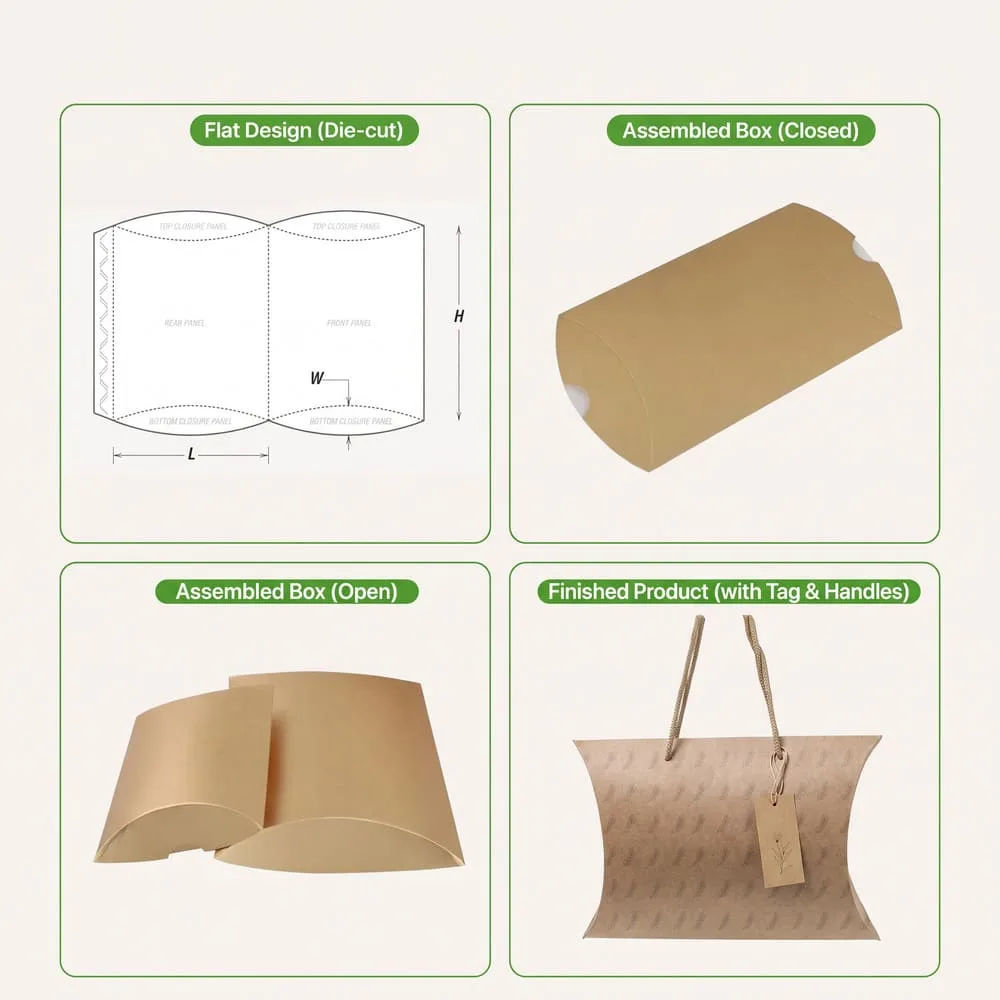
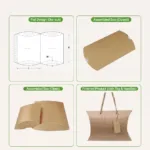
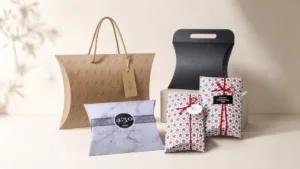
pillow boxes
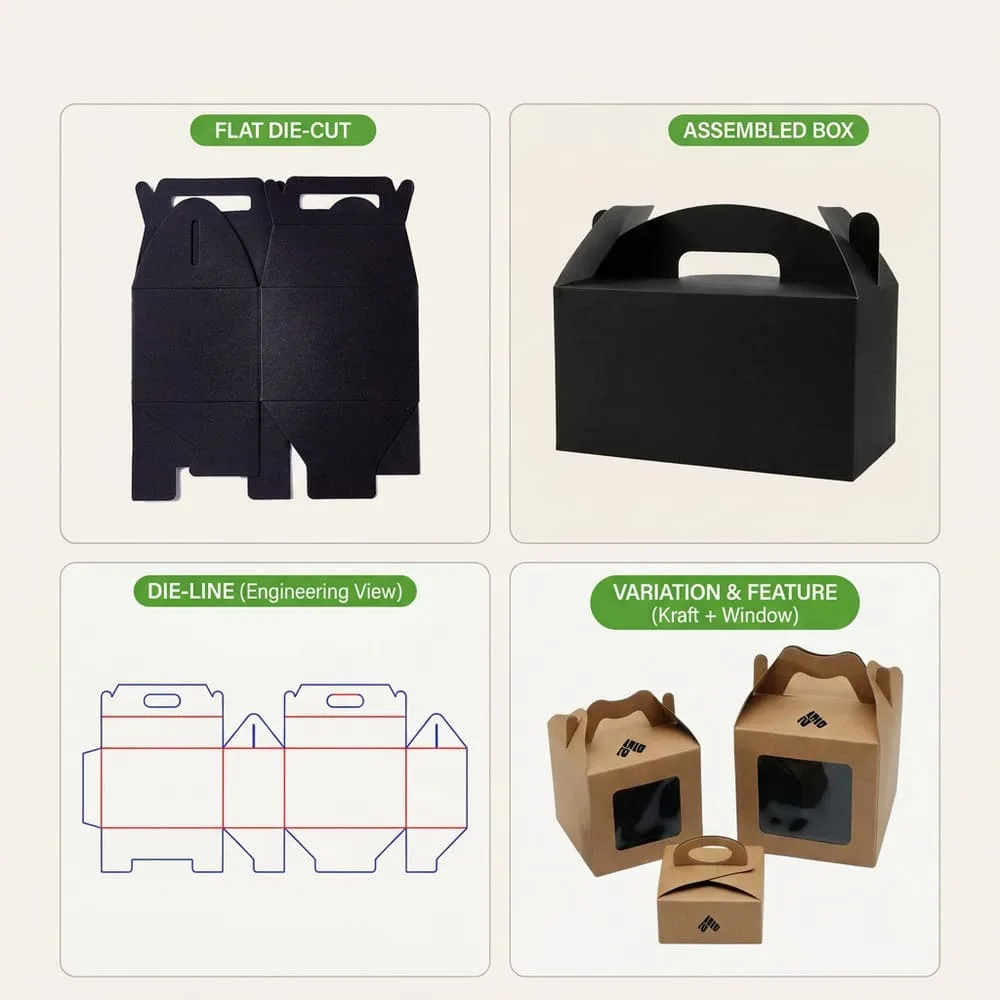
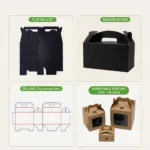
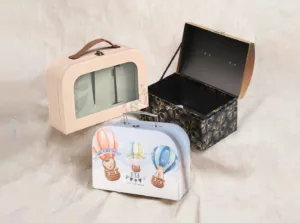
gable boxes with handles
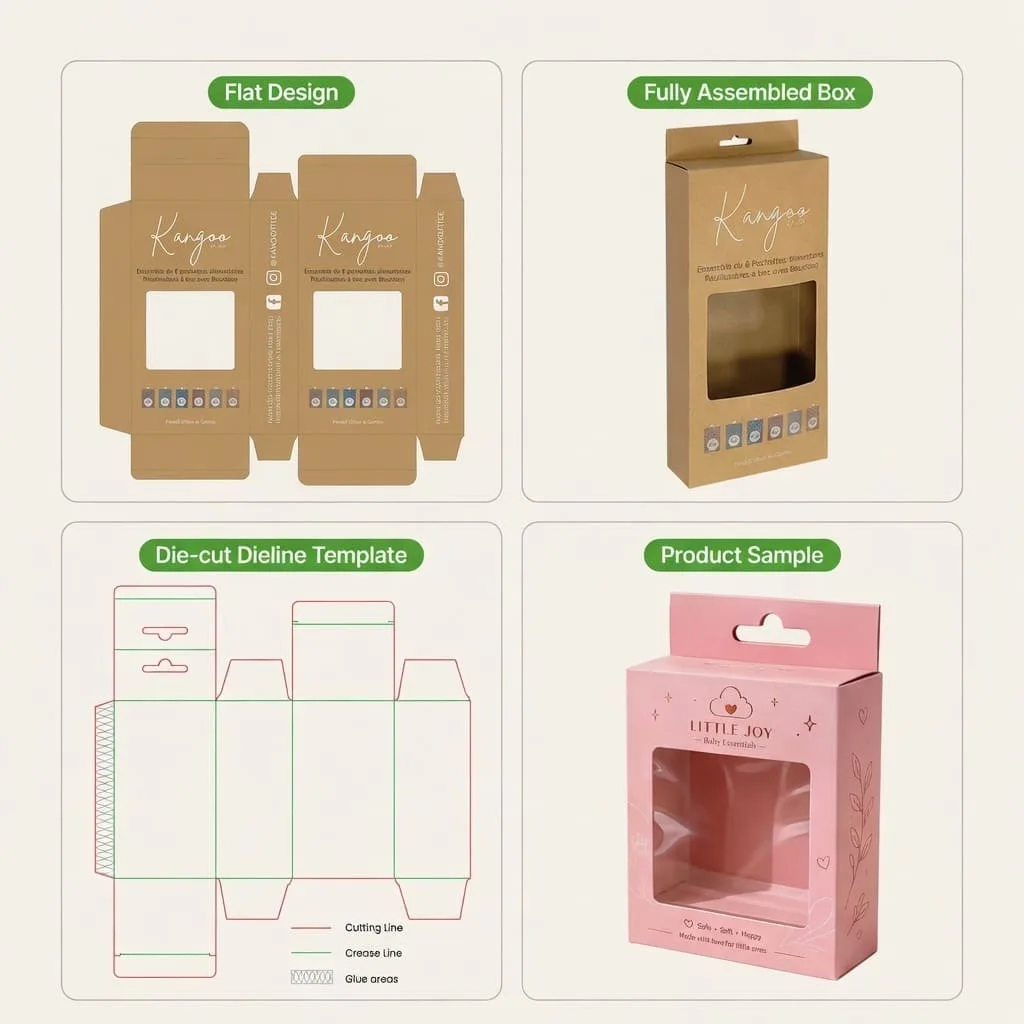
hanger tab folding cartons
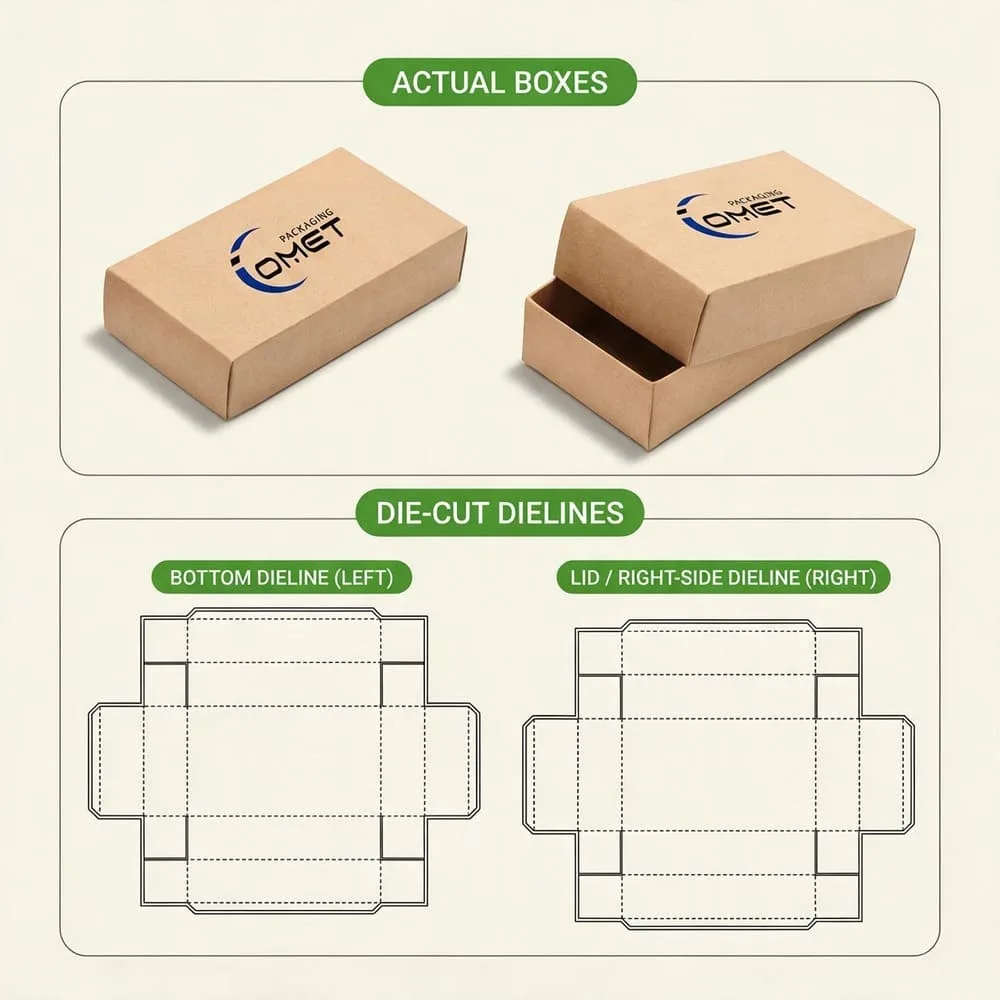
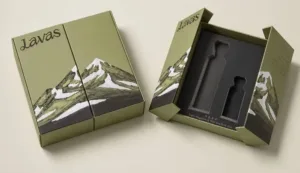
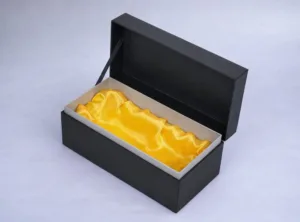
two piece folding cartons
Custom Folding Cartons Manufacturer for Retail & Product Packaging Thumbnail 1
Custom Folding Cartons Manufacturer for Retail & Product Packaging Thumbnail 2
Custom Folding Cartons Manufacturer for Retail & Product Packaging Thumbnail 3
Custom Folding Cartons Manufacturer for Retail & Product Packaging Thumbnail 4
Custom Folding Cartons Manufacturer for Retail & Product Packaging Thumbnail 5
Custom Folding Cartons Manufacturer for Retail & Product Packaging Thumbnail 6
Custom Folding Cartons Manufacturer for Retail & Product Packaging Thumbnail 7
Custom Folding Cartons Manufacturer for Retail & Product Packaging Thumbnail 8
Custom Folding Cartons Manufacturer for Retail & Product Packaging Thumbnail 9
Custom Folding Cartons Manufacturer for Retail & Product Packaging Thumbnail 10
Paper Boxes

Custom Folding Cartons Manufacturer for Retail & Product Packaging

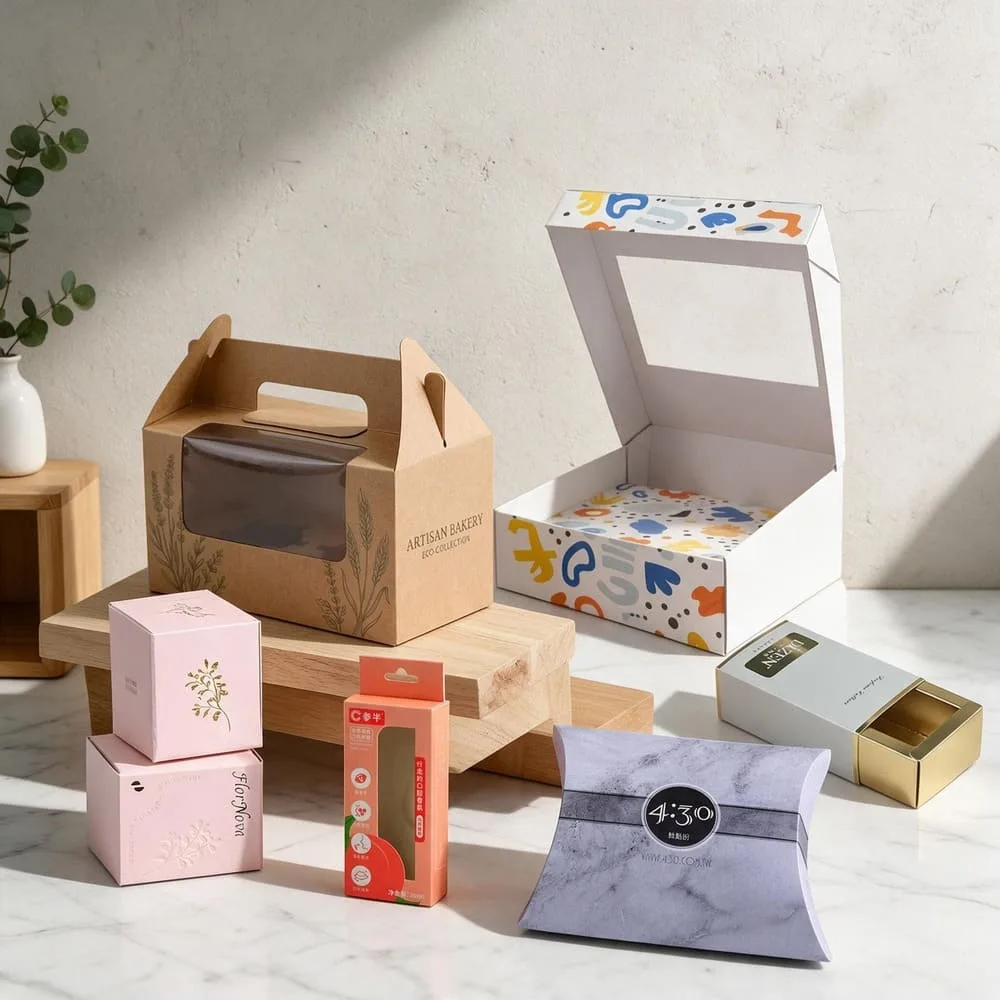
Struggling to find retail packaging that stays cost-effective at volume but still looks premium on shelf? Folding cartons solve this when theyโ€™re engineered correctlyโ€”yet many projects fail when the structure canโ€™t protect the product in handling, or when print/finishing scuffs, cracks, or drifts from approved color. Omet Pack is a direct manufacturer of custom folding cartons, also known as paperboard cartons and folding paper boxes, produced with factory-controlled printing, precision die-cutting, and folder-gluer assembly. Shipped flat to reduce freight and storage cost, our cartons are designed for quick packing-line setup and consistent brandingโ€”without forcing you into heavier rigid packaging.

  • Lower packaging risk by matching carton structure to real handling: stacking, shipping vibration, and how often consumers open/close the box.
  • Keep branding consistent with print + finishing combinations selected for rub resistance and fold performance, not just appearance on a flat proof.
  • Benefit from factory-direct execution: integrated die-cut + folder-gluer workflows reduce handoffs and help maintain repeatability across reorders.
Browse Paper Boxes
BSCI Certified
FSC Certified
Fast Sample
Global Shipping
Definition

What Is This Product?

Folding cartons are lightweight paperboard packaging boxes that ship flat and are creased, die-cut, and glued to form a three-dimensional carton. They are typically made from SBS, CUK, or recycled paperboard and are characterized by high printability, efficient storage and shipping, and wide structural/finishing options. Folding cartons are commonly used for cosmetics, pharmaceuticals, food dry goods, electronics accessories, and gift products.

Manufacturing Advantage

Folding cartons are where brand storytelling meets operational reality: the right design looks premium on shelf and still runs smoothly in packing. We help you engineer that balance before you commit to volume production.

Folding Carton Materials & Production Specs

Standard specifications & options

Specification Details
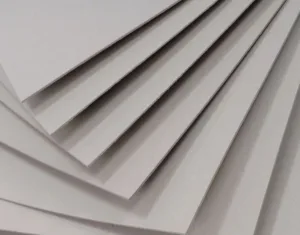
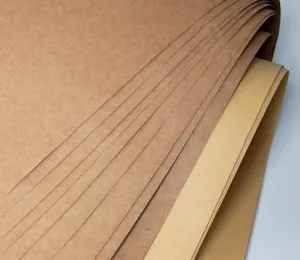
Common paperboard grades SBS (white/clean print), CUK (kraft-core strength), CRB/CCNB (recycled options), subject to availability per region
Typical paperboard caliper ~250โ€“500 gsm (caliper selected per box size, product weight, and rigidity target)
Coatings & protection Aqueous coating, varnish, matte/gloss lamination; chosen based on scuff risk and desired look
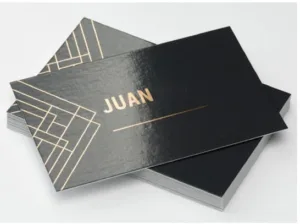
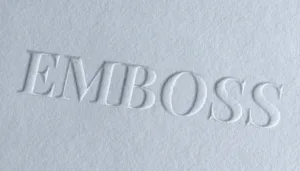
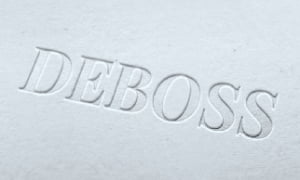
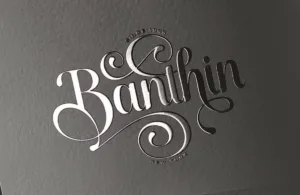
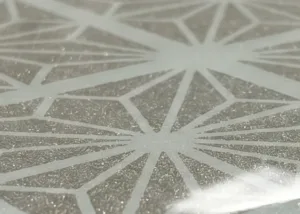
Finishing processes Foil stamping, emboss/deboss, spot UV; feasibility depends on artwork and board selection
Die-cut & crease engineering Crease rules and scoring set per board thickness; grain direction defined to reduce cracking/warp
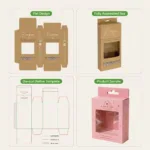
Window patch options PET/PLA film patching available; haze/clarity and glue edge can be reviewed on samples
Packing format Flat-packed bundles/cartons; packing count and orientation set to reduce edge damage
All specifications can be customized to meet your specific requirements.

Overview

Product Overview

Folding Cartons as a Scalable Retail Packaging System

When you need retail-ready branding and efficient logistics simultaneously, folding cartons are the definitive choice. They deliver a premium look without the weight and freight cost of rigid boxes, shipping flat to maximize storage and minimize expense. Compared to rigid boxes, folding cartons win on unit economics and warehouse efficiency. Compared to corrugated mailers, they win on brand communication and shelf presentation. They are the smart engine of retail packaging.

Where Projects Succeed: Performance is Engineered, Not Assumed

Most sourcing failures in folding cartons are predictable: cracked folds on dark designs, scuffed finishes from packing, weak bottoms for heavier items, or poor-quality window patches. These are not inevitable flaws; they are symptoms of a disconnected process. At Omet Pack, we solve these issues by engineering the structure, board grade, and finish as a single, integrated system. Our critical controlsโ€”from pre-press dieline discipline to folder-gluer consistencyโ€”ensure your cartons assemble perfectly and run smoothly on your packing lines.

A practical decision rule is: choose folding cartons when you need high-impact branding at scale and can protect your product with a paperboard and insert design. Move to rigid packaging only when the extreme weight and stiffness are core to the unboxing experience.

Folding Cartons: Key Decision Factors

The style of your carton is a strategic choice that balances branding, assembly speed, and cost. This framework helps you make the right one.

Decision Factor Recommended Choice Trade-off
Fastest Packing for Heavier Items Auto-lock / Crash-lock Bottom Higher unit cost due to complex gluing points
Cleanest Front-Panel Branding Straight Tuck End (STE) Less material-efficient than RTE
Best All-Rounder for General Retail Reverse Tuck End (RTE) Tuck flap may interrupt front-panel design
Product Visibility is Required Window Patch Carton Film edge quality and glue must be controlled
Premium Reveal without Rigid Weight Sleeve & Tray Requires precise fit control to avoid rattle
Retail Peg-Hook Display Hanger Tab Carton Reduces available branding real estate

Understanding these trade-offs is the first step. Now, review the detailed carton style variations below, then use the customization section to finalize the board grade, finishes, and inserts needed for a production-accurate quote.

Need a faster quote? Send size + quantity + ship to country.

Available Options

Product Variations

Explore the different styles and configurations available for this product.

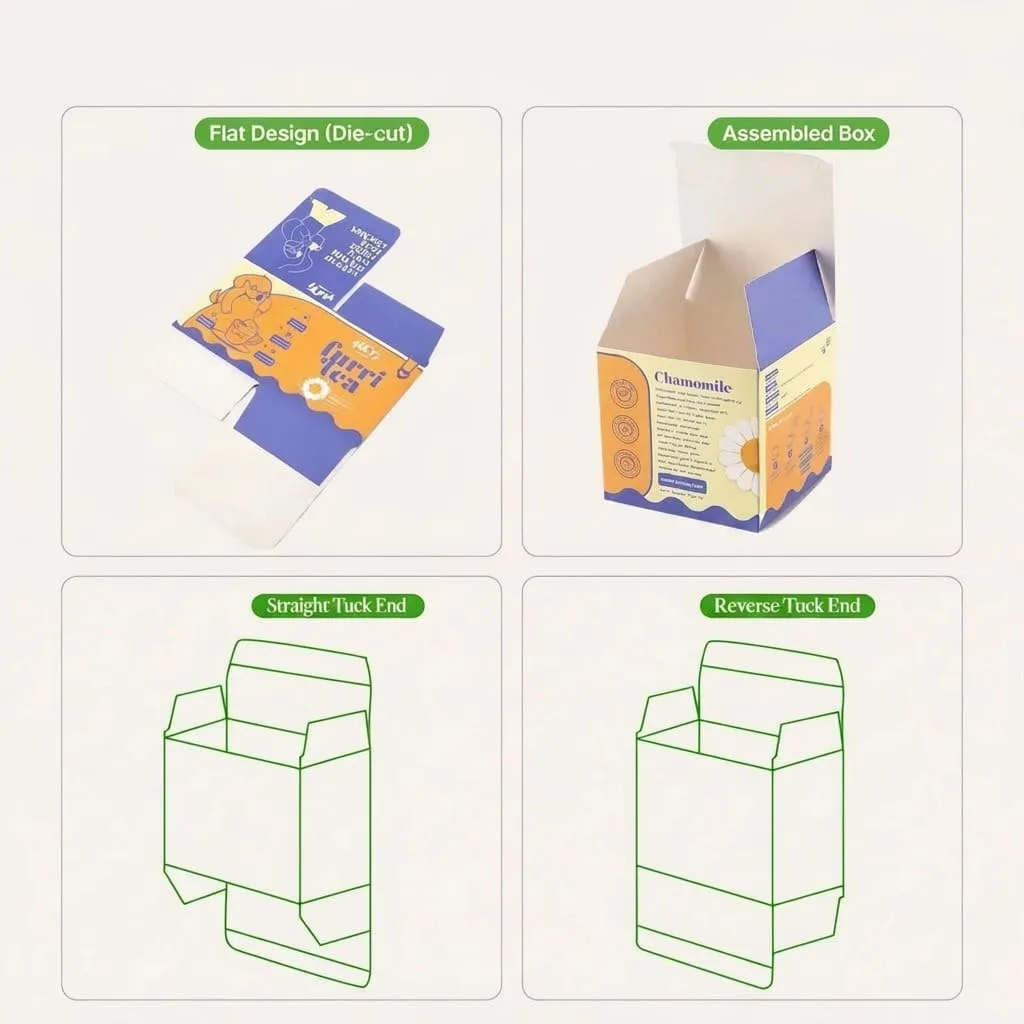
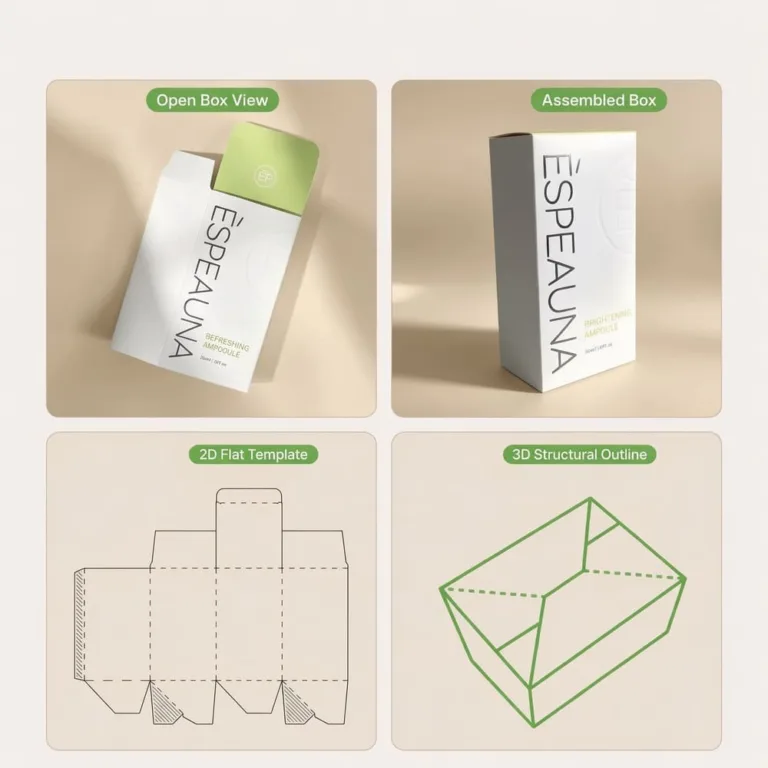
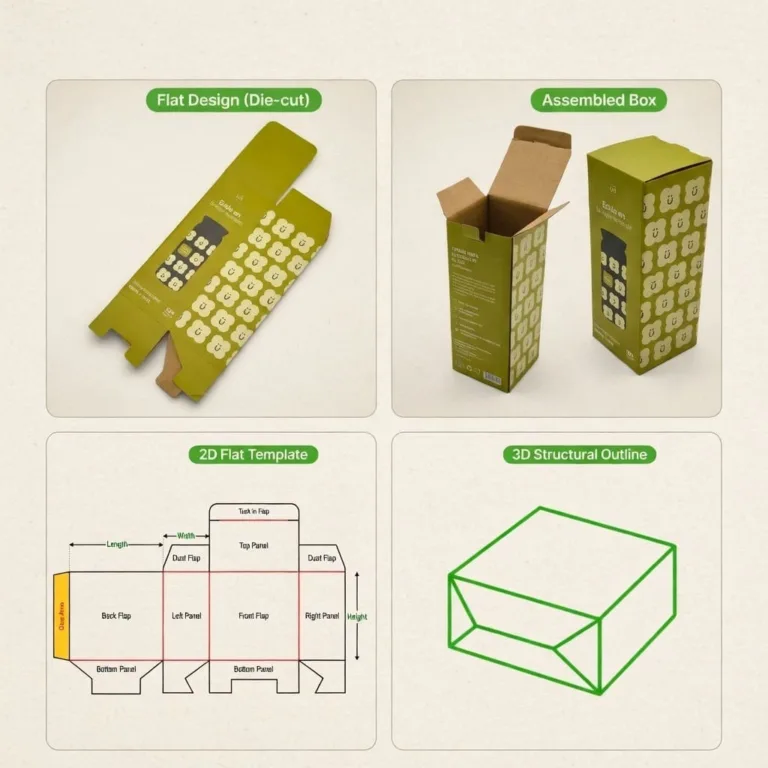
tuck end boxes (ste & rte)

Tuck-end boxes (STE & RTE)

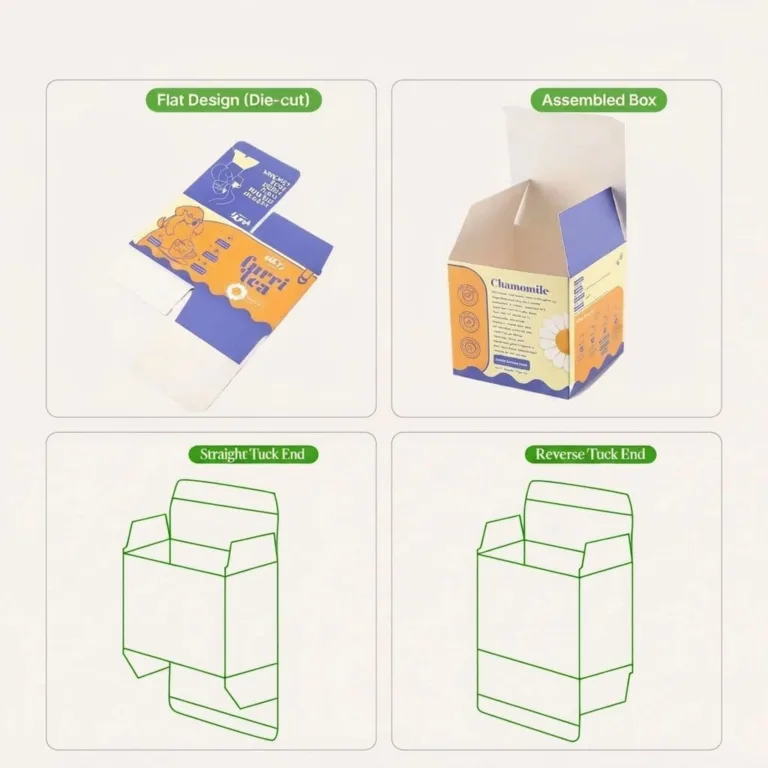
Divided mainly into Straight Tuck End (STE) and Reverse Tuck End (RTE) styles. Best for lightweight products like cosmetics, software, or pharmaceuticals, offering a clean look and efficient production. Watch out for the bottom tuck, which is not suitable for heavy items that could force it open. Design your classic product box.
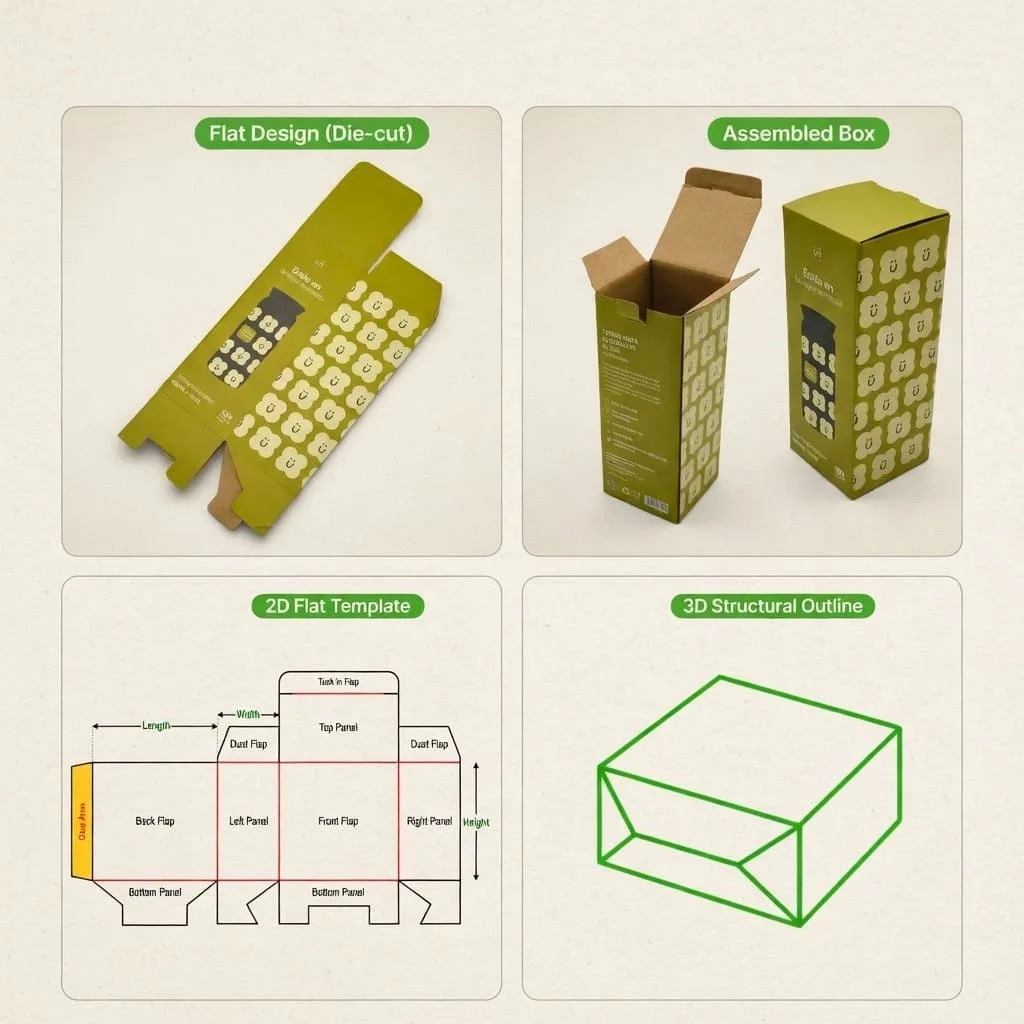
auto lock bottom boxes

Auto-Lock Bottom Boxes (TTAB)

Best for speeding up manual assembly lines for heavier items like glass jars or electronics. The pre-glued base pops into place instantly. Watch out as the complex bottom structure has a slightly higher unit cost than a tuck-end. Get a quote on fast-assembly boxes.
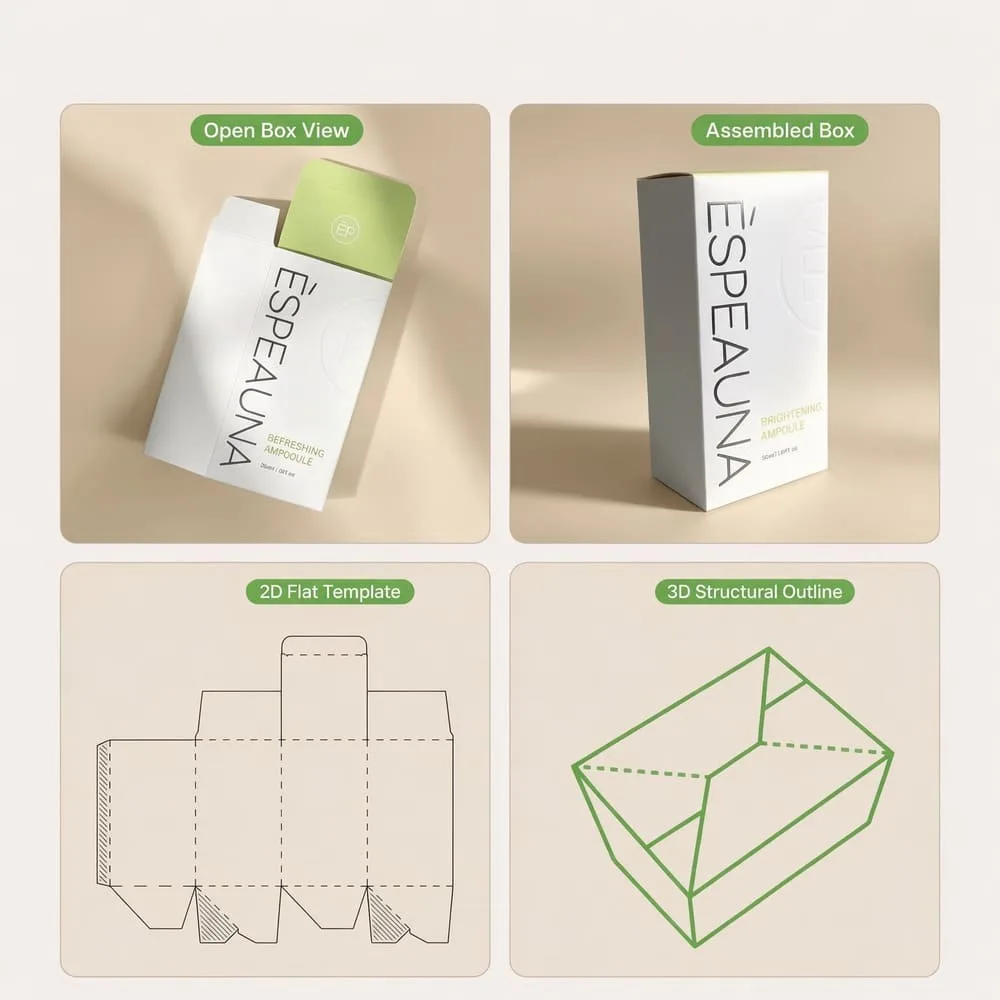
snap lock bottom box

Snap-Lock Bottom Boxes (1-2-3 Lock)

Best for supporting heavy, dense products where bottom security is non-negotiable, providing maximum structural integrity. Watch out for the manual assembly time; it's secure but slow, making it less ideal for very high-volume lines. Engineer your heavy-duty carton.
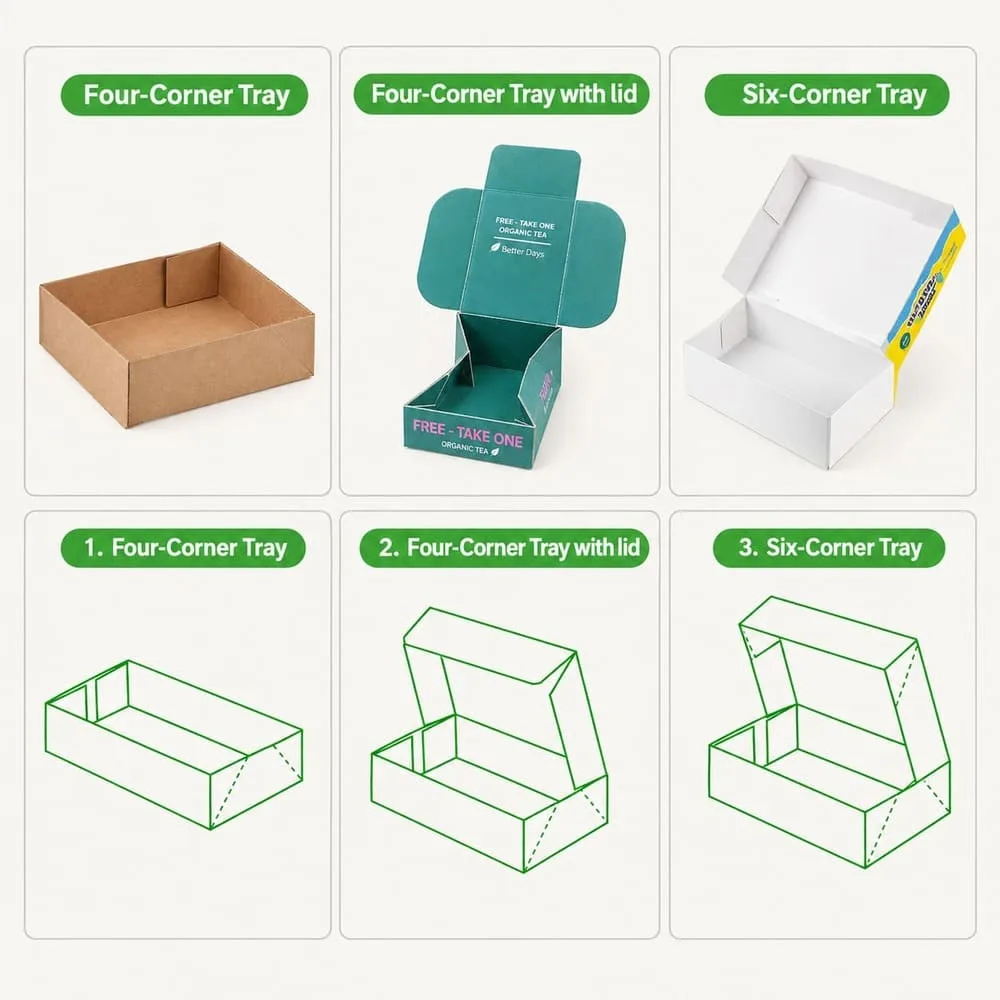
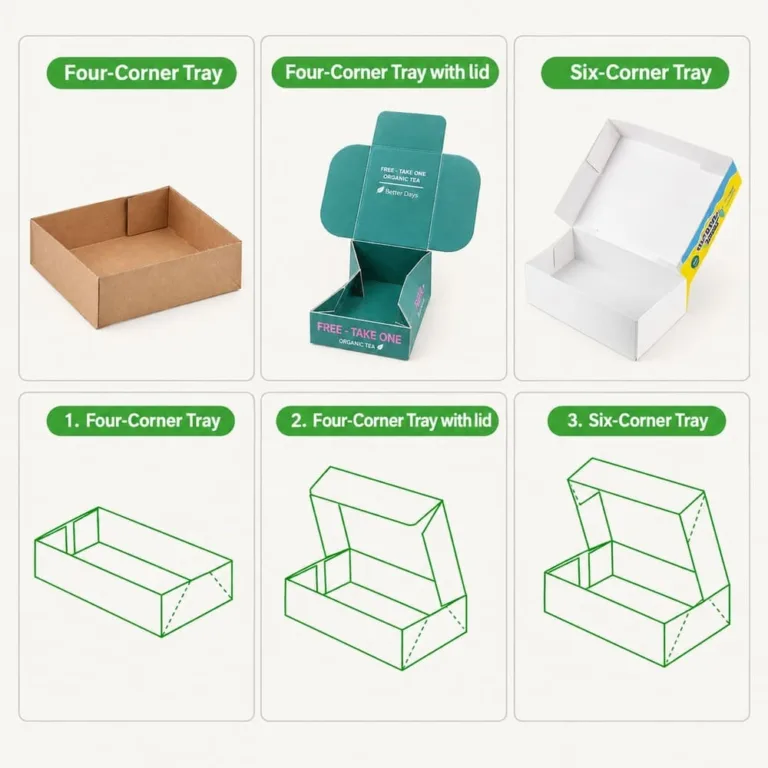
corner tray folding cartons

Corner Tray Folding Cartons (4-Corner / 6-Corner Trays)

Best for products that need a clean presentation tray for sets, multipacks, or retail-ready displaysโ€”4-corner trays suit lighter loads and cost control, while 6-corner trays add reinforcement for heavier items or higher stacking stress. Watch out: tray squareness and corner integrity depend on board stiffness and precise scoring/gluing, so we recommend validating the folded sample with real pack-out weight and handling before scaling. CTA: Share your tray size and loaded weight; weโ€™ll advise whether 4-corner or 6-corner is the safer build.
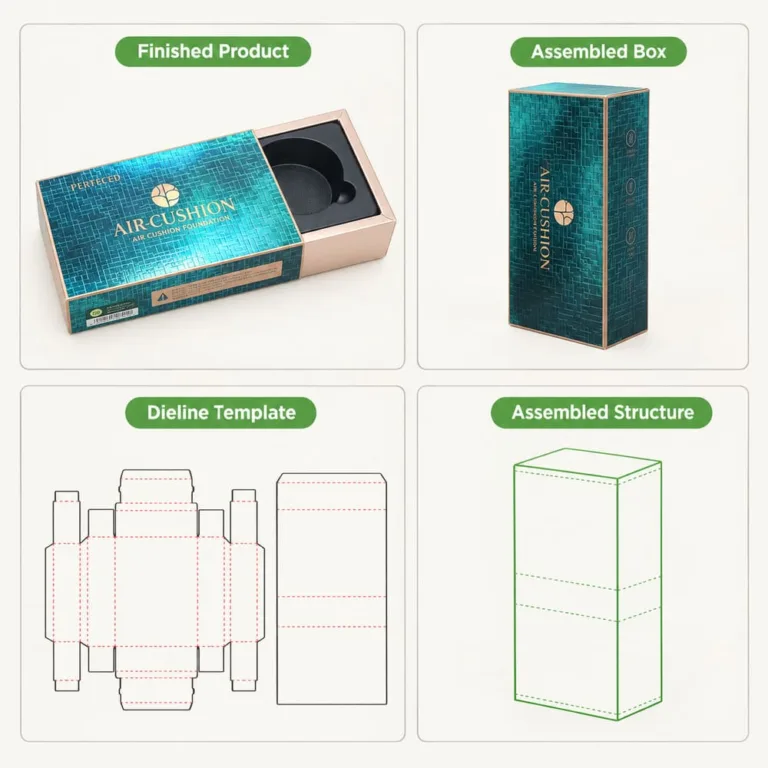
tray and sleeve boxes (sleeve & inner tray )

Tray and Sleeve Boxes (Sleeve & Inner Tray)

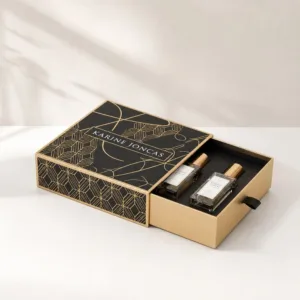
Best for premium presentation without rigid-box weightโ€”ideal for electronics accessories, cosmetic sets, confectionery, and kitted products where the sleeve delivers branding impact and the tray controls product positioning. Watch out: the perceived quality depends on sleeve-to-tray fit (too tight scuffs, too loose rattles), and heavy finishes near slide areas may show wear, so clearances and surface protection should be validated on a folded, packed sample. CTA: Send your product dimensions + unboxing preference (tight vs smooth slide) and weโ€™ll recommend tray depth, sleeve clearance, and board grade.
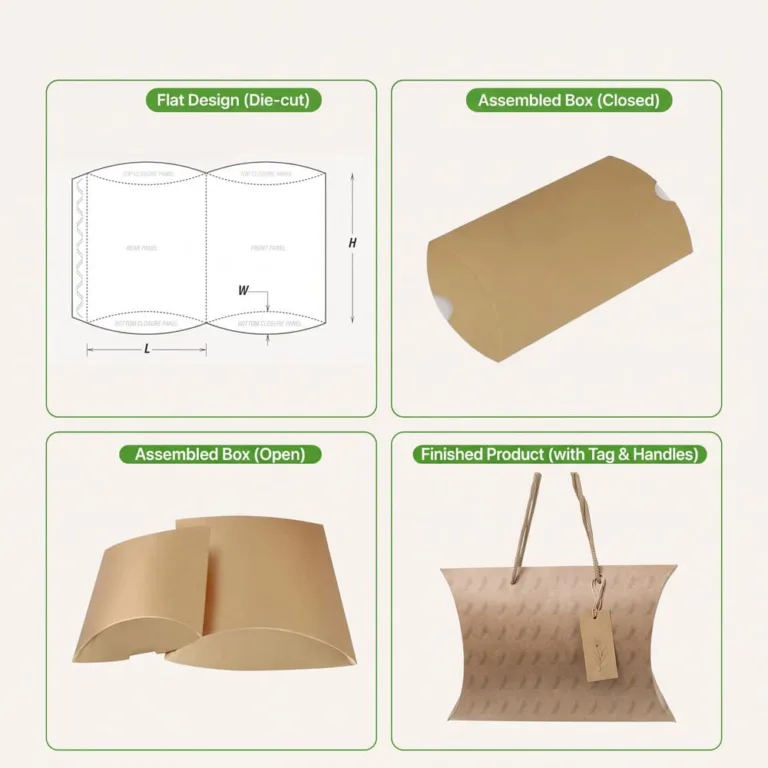
pillow boxes

Pillow Boxes (Curved Folding Cartons)

Best for lightweight gifting and fast assemblyโ€”commonly used for jewelry, accessories, small cosmetics, and promotional inserts where a soft, curved silhouette adds visual appeal with minimal material. Watch out: pillow boxes have limited load strength and can deform under stacking or shipping pressure, so theyโ€™re better for in-box use or retail counter distribution rather than heavy transit. CTA: Share your product weight and distribution method; weโ€™ll confirm if a pillow box is suitable and recommend board grade and finishing to reduce crushing and scuffing.
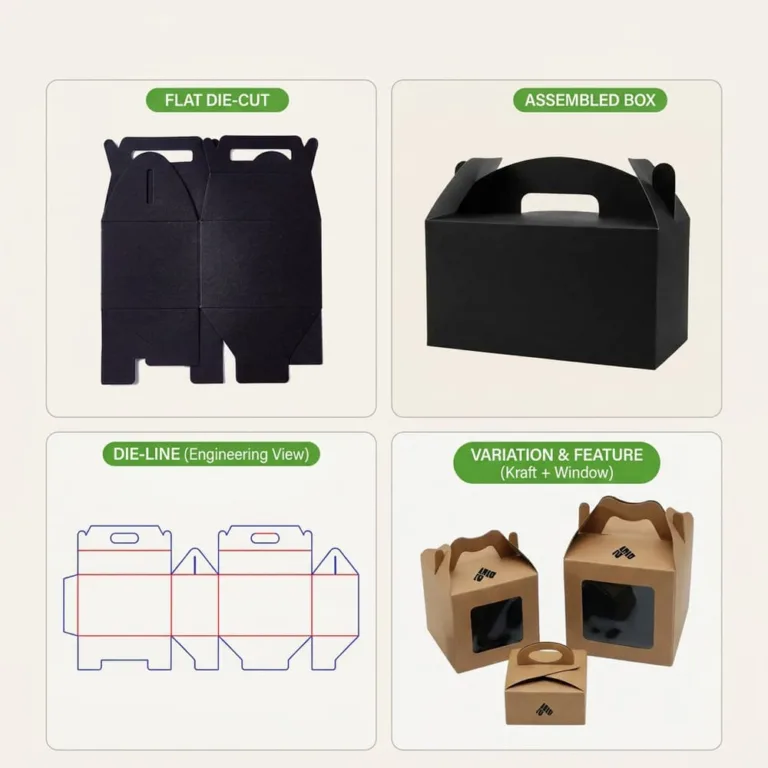
gable boxes with handles

Gable Boxes with Handles

Best for creating a gift-like presentation or convenient carry-out solution for food items, samples, or kids' meal kits. Watch out for the handle's weight capacity; it must be matched to the product's weight. Create your custom carry box.
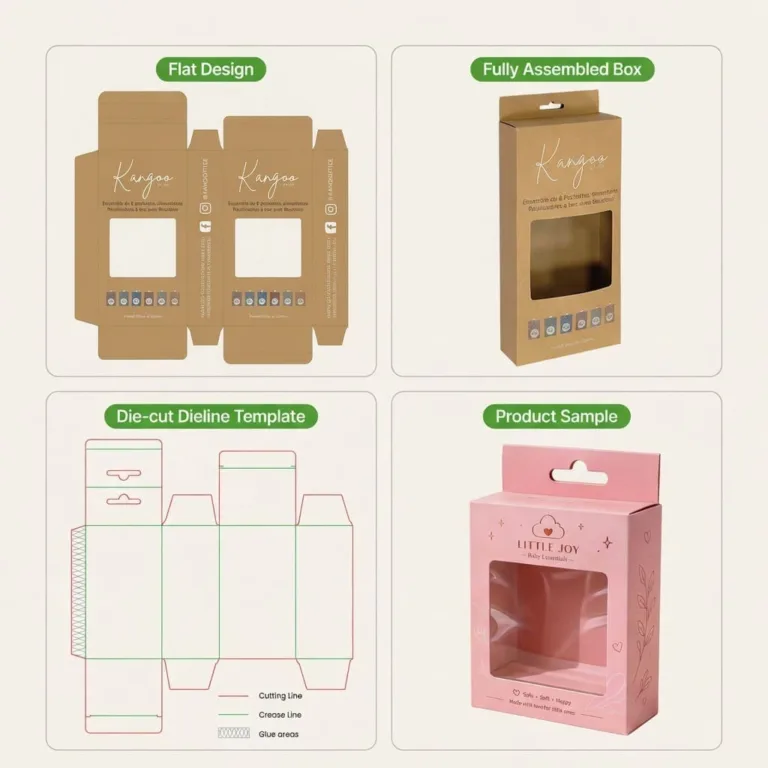
hanger tab folding cartons

Hanger Tab Folding Cartons (Peg Hook Cartons)

Designed for accessories and small electronics in retail environments; optimized for peg display stability while maintaining printable branding area.
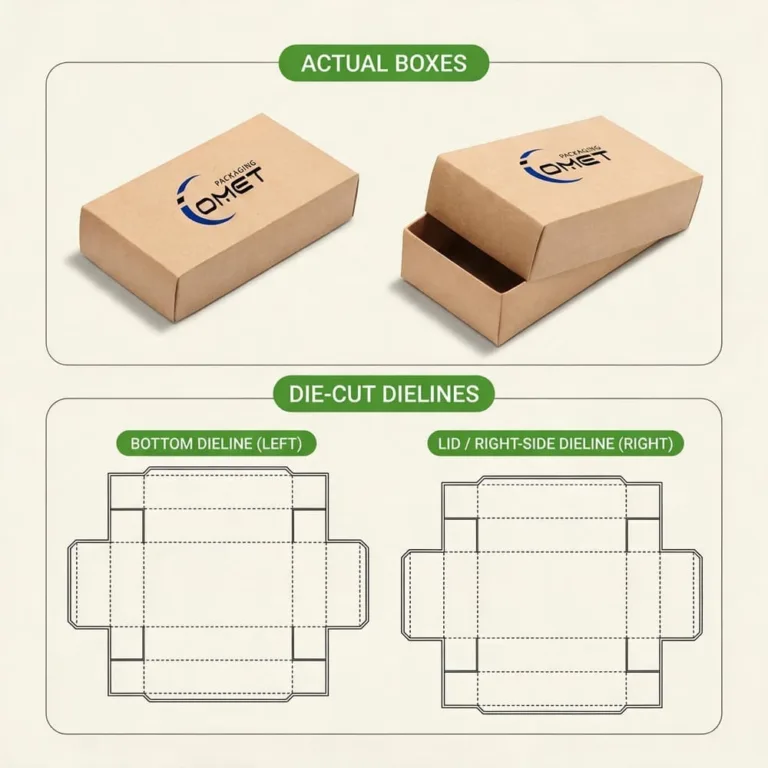
two piece folding cartons

Two-Piece Folding Cartons

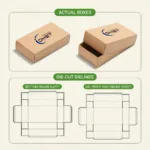
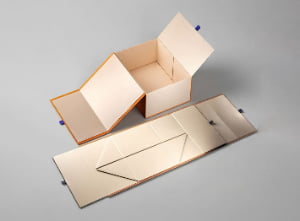
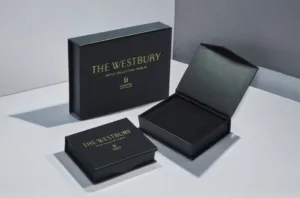
Best for a budget-friendly "lift-off lid" experience for gift sets, apparel, or board games, emulating a rigid box feel at a lower cost. Watch out for the lower structural strength compared to a true rigid box. Get a quote for two-piece cartons.

Expert Production Note

"Choose the carton style and paperboard grade together. While the material (like SBS for cosmetics or CUK for strength) is a critical cost lever, the box structure determines where stress concentrates. For designs with dark inks, tight creases, or window openings, we prevent failures like scuffing or cracking by engineering the grain direction and crease rules during the design phase. We strongly recommend a physical folded sample, which can be confirmed per project, to validate these choices before mass production."

Customization Options

Explore all available customization options for your paper boxes

Factory Direct ยท BSCI & FSC Certified

Why 500+ Brands Choose OMETPACK

From raw materials to global delivery โ€” we own every step for consistent quality at factory prices.

10 Auto Lines

5 bag + 5 box lines

Free Design

In-house art team

Global Export

FOB/CIF/DDP ready

Low-barrier Sampling

Test before order

7-Step Production Process

Confirm

Sample

Print

Finish

Form

QC

Ship

Typical lead time: 3-7 days sample + 10-25 days mass production

3-Stage Quality Control

AQL 2.5 inspection standard

Material Check

  • Paper weight verification
  • Color accuracy test

In-Process

  • Die-cut tolerance check
  • Gluing strength test

Final Inspection

  • Load bearing test
  • Visual defect check
FAQ

Frequently Asked Questions

Everything you need to know before you order.

Product Questions

Choose the grade based on your priorities: SBS for the cleanest print and premium look, CUK for better tear resistance and a kraft-core narrative, and recycled boards for cost and sustainability positioning. The constraint is that recycled boards can show more color variation and may be less forgiving for high-end finishes, so we recommend confirming with a printed and folded sample on the chosen board lot.
Cracking usually comes from a combination of tight crease design, paper grain direction, and brittle surface layers (heavy ink/lamination). We reduce it by aligning grain direction with key folds, adjusting crease rules, and, when needed, modifying ink coverage near fold lines; the best approach can be validated with a production-matched folding test.
Use STE when you want a clean, uninterrupted front panel for branding (both tucks in the same direction). Use RTE when you want manufacturing efficiency and common industry compatibility, especially for smaller cartons; the trade-off is panel presentation and how the tuck interacts with display orientation.
Warping is often driven by uneven moisture or tension between coated and uncoated sides, plus grain direction. We typically manage it through board selection, balanced coating/lamination choices, and proper drying/curing controls; for sensitive designs, we suggest reviewing a finished sample after it has rested to confirm stability.
Auto-lock/crash-lock bottoms are usually the first choice when you need strength and fast assembly, while 1-2-3 (snap lock) bottoms can work when manual assembly is acceptable. The limitation is that bottom strength also depends on glue pattern and board stiffness, so we recommend confirming load performance with a filled sample.
The main risks are visible glue marks, film wrinkling, and poor adhesion near corners or tight radii. We advise selecting an appropriate film thickness and defining the window shape with realistic corner radii, then approving a sample that shows the glue edge quality under your retail lighting.
Print contrast and dot gain control are the keys: coated boards usually hold detail better, while uncoated boards can spread ink and reduce edge sharpness. We recommend setting minimum code size, keeping a clean quiet zone, and confirming scan performance on a printed sample rather than relying only on digital proofs.
Foil and emboss alignment depends on die setup and paper stretch; small shifts can occur across a run. We normally set an acceptable tolerance during sampling and advise keeping critical fine details away from the most sensitive edges or folds so minor variation wonโ€™t be visually obvious.
Tuck performance improves with correct tuck length, crease placement, and small chamfers/reliefs that reduce stress at corners. If the carton will be opened frequently (e.g., subscription or refill products), we often recommend strengthening the tuck area and avoiding overly tight fits that cause repeated abrasion.
Fit is controlled by dieline accuracy, board thickness, and where the glue seam landsโ€”small changes can shift internal volume. We recommend confirming fit using the real product (or an accurate dummy) and checking the assembled carton after packing, because product tolerances and insert compression can affect final appearance.

General Questions

MOQ typically starts from 500 pcs and varies by structure, size, and finishing coverage.
Sampling time depends on the sample type (dummy / printed / pre-production) and structure complexity.
Inner size (Lร—Wร—H), product weight, box type/structure, printing/finishes, insert needs, quantity per SKU, ship-to country, and Incoterms.
Yesโ€”folding cartons, corrugated mailers, and collapsible rigid boxes can ship flat to optimize CBM.
Yes. Insert type is chosen based on protection level, brand positioning, and budget.
Yes. Pantone matching can be supportedโ€”please share brand guidelines or target codes.
Common premium finishes include matte/soft-touch lamination, foil stamping, emboss/deboss, and spot UV.
Yes. We can provide dielines/mocks and check artwork for bleed, lines, and finishing registration.
We apply QC checkpoints for appearance, structure accuracy, insert fit, and finishing consistency, with photo/video confirmation before shipping.
Yes. Structure selection (flat-pack vs assembled) and export carton packing strategy are key to CBM and landed cost.

Still have questions?

Get a Free Custom Quote

Need Custom Paper Boxes
for Your Brand?

Tell us your size, quantity, material, printing requirements and destination country. Our packaging team will prepare a custom quote and production suggestion within 24 hours.

  • No minimum on samples
  • Custom size, print & finish
  • Factory-direct pricing
  • BSCI & FSC certified production
Response within 24h Global B2B export OEM / ODM supported

Request a Custom Quote

๐Ÿ”’ Your information is confidential and never shared with third parties.