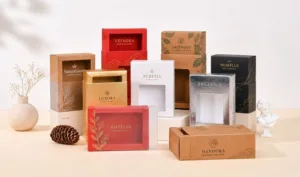
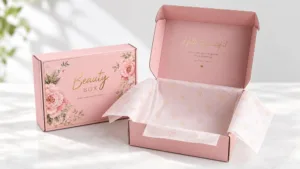
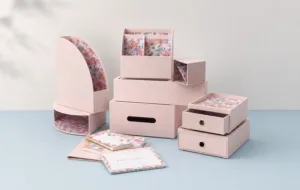
paper gift boxes
Paper Boxes

Custom Gift Paper Boxes for All Occasions

If youโ€™re sourcing gift boxes for holiday campaigns or corporate programs, the challenge is achieving consistency at scaleโ€”color accuracy, clean edges, and packaging that survives handling. Omet Pack is a direct manufacturer of custom paper gift boxes, also known as cardboard gift boxes, specializing in repeatable QC from our Yiwu production workflow. We help you craft the perfect presentation that delights the recipient, stays on-brand, and holds up from factory to final handover.

  • Plan seasonal programs with confidence: standardized specs and QC checkpoints help reorders match the approved sample across peak gifting periods.
  • Protect the โ€œgift momentโ€ in real handling: structure, finishes, and inserts are selected to reduce scuffs, cracking, and product movement rather than relying on appearance alone.
  • Consolidate sourcing for multiple occasions: one factory partner to coordinate structures, printing, finishes, and kitting requirements across SKUs and campaigns.
Browse Paper Boxes
BSCI Certified
FSC Certified
Fast Sample
Global Shipping
Definition

What Is This Product?

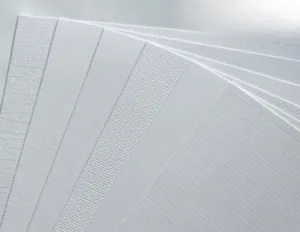
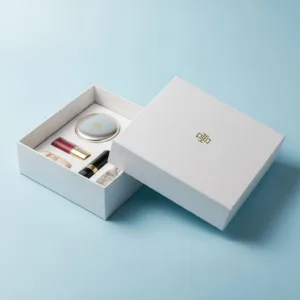
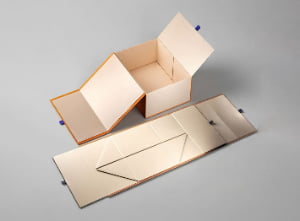
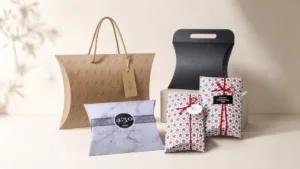
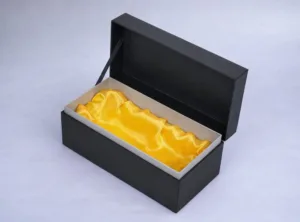
Gift paper boxes are paper-based packaging boxes designed for presenting gifts, made from paperboard or rigid greyboard and finished with printed or specialty papers. They are characterized by customizable structures, premium finishing compatibility, and optional inserts for presentation and protection. They are commonly used for seasonal gifting, retail gift sets, corporate gifting, and event giveaways.

Manufacturing Advantage

A gift box is often the first thing a recipient touchesโ€”and what gets photographed and shared. We focus on making that first impression manufacturable, consistent, and repeatable across seasons.

Common Gift Paper Box Specifications

Standard specifications & options

Specification Details
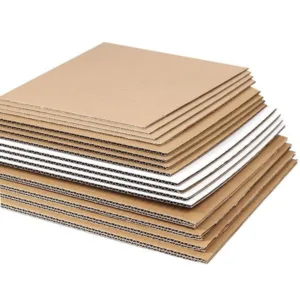
Box build categories Folding paperboard gift boxes; rigid greyboard gift boxes; Corrugated gift boxes (selected by use case)
Typical paperboard range (folding) ~250โ€“500 gsm commonly used (confirmed per size/structure)
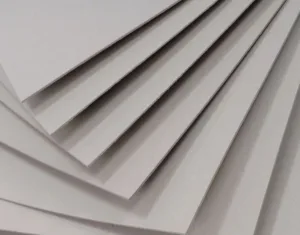
Typical greyboard thickness (rigid) ~1.5โ€“3.0 mm commonly used (confirmed by sample)
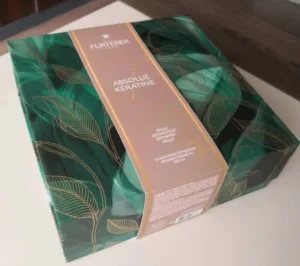
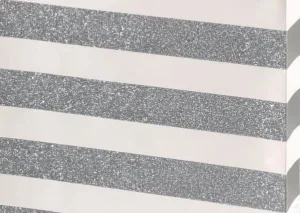
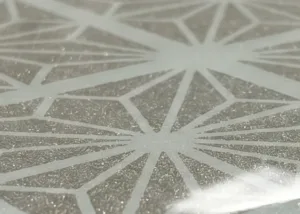
Wrap / cover materials Printed art paper, textured paper, specialty/metallic papers (selected by visual + fold behavior)
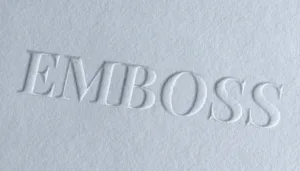
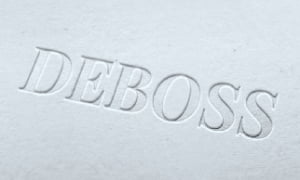
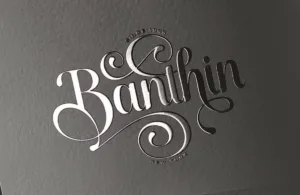
Surface protection Foil stamping, emboss/deboss, spot UV (feasibility depends on artwork + substrate)
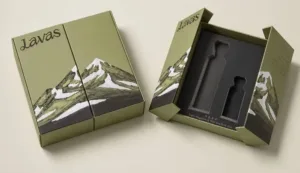
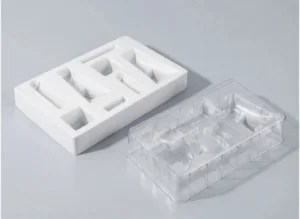
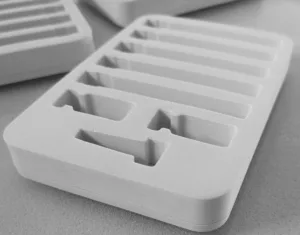
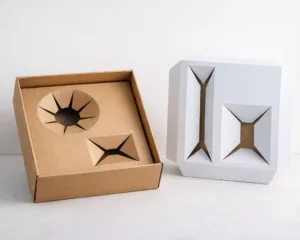
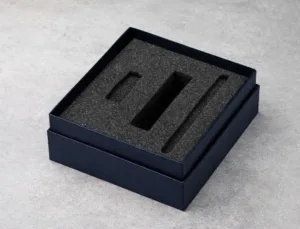
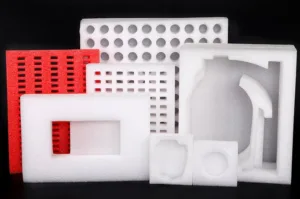
Inserts & presentation aids Paperboard partitions, EVA/foam, molded pulp, ribbon pulls (based on pack-out)
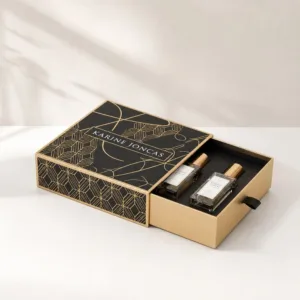
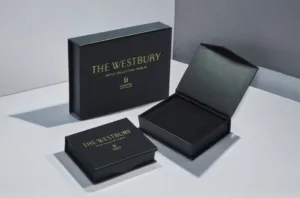
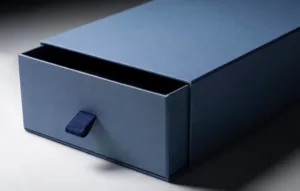
Closure families Lid & base, magnetic flap, drawer/sleeve, tabs, ribbon/elastic (selected by experience + tolerance)
Quality checkpoints Color/registration, squareness, lid fit, seam placement, scuff check, packed-fit verification
All specifications can be customized to meet your specific requirements.

Overview

Product Overview

Gift paper boxes are bought on a calendar

Gift packaging is planned around occasionsโ€”holiday peaks, recurring celebrations, and year-round retail giftingโ€”so the real sourcing challenge is repeatability. The same artwork and structure that look great on a first sample must still look clean after packing friction, stacking, and handling across multiple reorders. Thatโ€™s where a gift-focused manufacturer adds value: not only making a box look good, but making it stable to produce.

Compared with standard folding cartons, gift boxes typically require tighter control of visual details (edges, seams, lid fit) because they are judged at close distance and often reused or photographed. Compared with rigid luxury boxes, many gifting programs still need practical scalabilityโ€”flat shipping, faster assembly, and predictable unit economicsโ€”especially for events and seasonal promotions. A useful decision rule is to start with your distribution path (handed as a gift, sold in-store, or shipped) and choose the structure and surface protection to match real handling.

How we reduce common gifting failures

Most defects trace to a few controllable points: scuffing from carton friction, cracking at folds on specialty papers, inconsistent lid fit from tolerance stack-up, and product movement when inserts arenโ€™t engineered. In our Yiwu workflow, we treat sampling as specification work: seam placement, crease rules, fit targets, and pack-out validation are agreed early and then checked per project during production.

Gift Paper Boxes โ€” Decision Guide Decision factor Recommended choice
Highest perceived value / keepsake feel Rigid-style gift box build More assembly steps; tighter tolerance control
High-volume seasonal campaigns Folding paperboard gift boxes Less stiffness; needs scuff planning
Shipped gifting (DTC) Stronger structure + insert restraint Added material/finishing may increase cost
Mixed products in one box Divider/insert-led pack-out Inserts reduce usable volume
Specialty papers / heavy finishes Adjust crease rules + protective surface Must be confirmed on finished folded sample
Multi-SKU programs Standardized substrates + proof discipline More up-front coordination

Next, explore the occasion-based variations below, then move into customization options to lock structure, materials, finishes, and inserts for a production-accurate sample.

Need a faster quote? Send size + quantity + ship to country.

Available Options

Product Variations

Explore the different styles and configurations available for this product.

Everyday Gift Boxes

Best for year-round retail where stable pricing and reliable finishes support continuous replenishment. Watch out: these boxes get handled often, so scuff resistance and closure durability matter as much as appearance. Share your core sizes for a standardized, long-term build.
Birthday Gift Boxes

Best for all-age gifting where bright graphics and a sturdy closure support ongoing retail sales. Watch out: if boxes are frequently handled in-store, scuff resistance becomes a performance requirement, not just a finish choice. Provide your product size; weโ€™ll recommend the right protection.

Christmas Gift Boxes

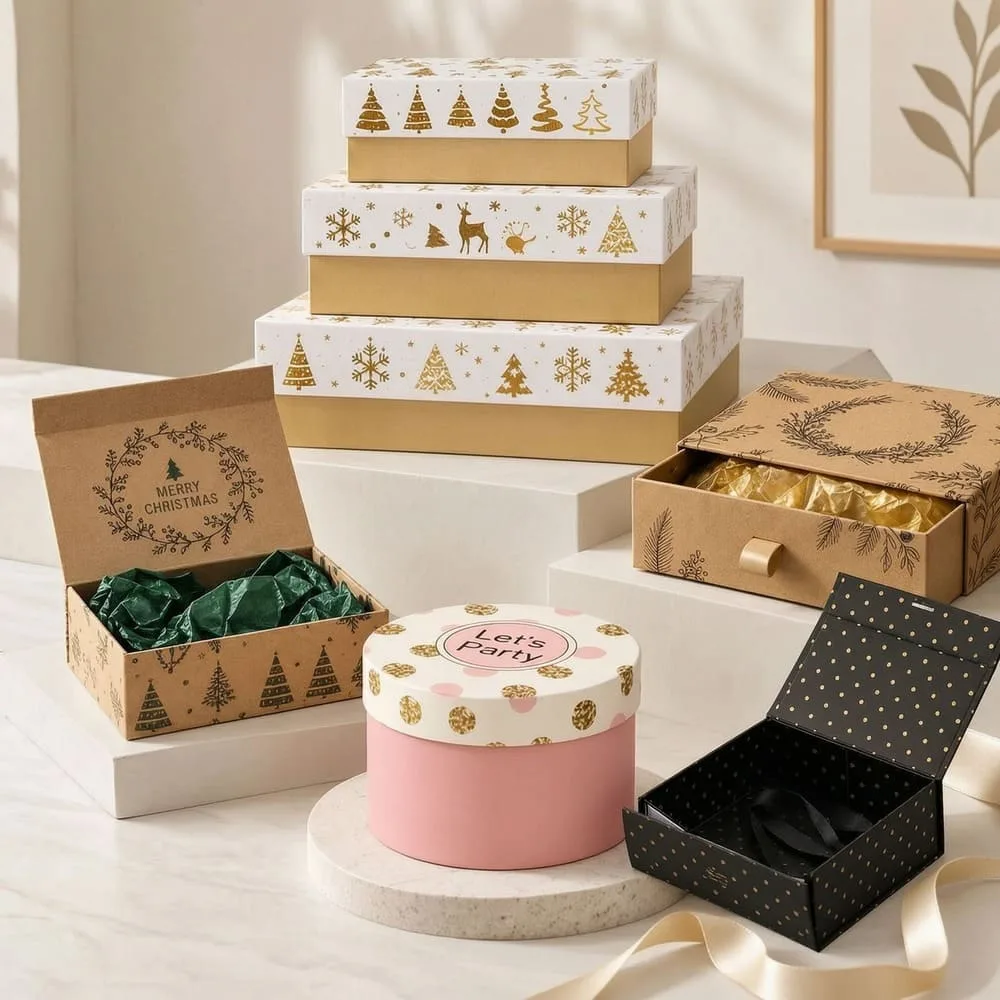
Best for year-end gifting where shelf impact and premium finishes (foil, specialty papers) drive conversion in a short season. Watch out: heavy ink coverage can show scuffs unless crease rules and surface protection are properly engineered. Share your theme; weโ€™ll recommend a manufacturable finish stack.

Valentine's Day Gift Boxes

Best for romantic gifting where color accuracy (reds/pinks), tactile papers, and ribbon details shape perceived value. Watch out: high-sheen surfaces can highlight pressure marks from packing, so cartonization and protection matter. Send your target Pantone; weโ€™ll propose paper options that stay clean.

Easter Gift Boxes

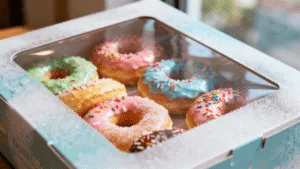
Best for spring campaigns where playful graphics and window options can increase perceived value. Watch out: window patching requires clean glue edges and stable board to avoid a "cheap" look at retail distance. Tell us your product format; weโ€™ll recommend a stable window approach.

Mother's & Father's Day Boxes

Best for appreciation gifting where the box must feel "thoughtful" and high-quality, often using clean typography with premium accents. Watch out: when running multiple SKUs, substrate shifts can change perceived color, so proofs should be approved on the final paper. Share your SKU list for a consistent family look.

Wedding & Favor Boxes

Best for weddings and parties where favor presentation must be consistent and easy to set up on-site. Watch out: very small boxes amplify tolerance issues (tight lids, misalignment), so dieline precision and assembly method matter. Share the gift size; weโ€™ll recommend a style that assembles efficiently.

Graduation & Milestone Gift Boxes

Best for milestone moments where the packaging should feel commemorative and photo-ready. Watch out: premium effects like foil need enough clear space in the design to avoid crowding and mis-registration. Send a reference look; weโ€™ll advise finishing placement that scales cleanly.

Kids & Baby Shower Gift Boxes

Best for playful gifting where safe materials, bright prints, and practical structures support parents. Watch out: light-colored designs show handling marks easily, so the surface coating choice and clean packing are critical. Share your theme; weโ€™ll propose a structure that stays neat.

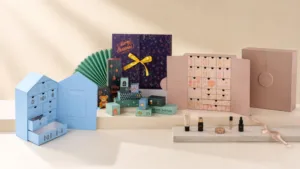
Advent Calendar Boxes

Best for high-impact seasonal programs where the unboxing experience is the product. Watch out: more compartments means tighter tolerances and more assembly checkpoints, so sampling must confirm alignment and opening feel. Tell us the day count and item sizes for a workable build plan.

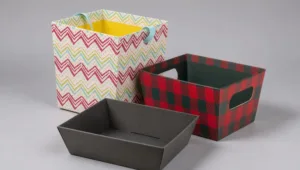
Gift Hamper & Basket-Style Boxes

Best for curated gift bundles where product visibility and organization are key. Watch out: mixed products increase movement risk, so dividers and base strength must be engineered for the total packed weight. Share your contents; weโ€™ll propose an insert to reduce shifting.

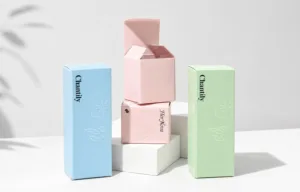
Nesting & Stacking Box Sets

Best for creating a premium "set of gifts" presentation. Watch out: set uniformity depends on controlled "reveals" and consistent corner builds across sizesโ€”approve the full set together, not just one size. Send the size ladder; weโ€™ll recommend tolerances for a consistent look.

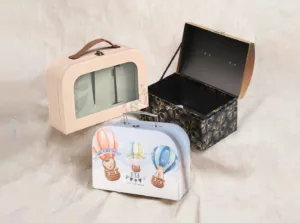
Suitcase & Novelty Shape Boxes

Best for creative gifting where the structure itself is the experience. Watch out: novelty geometry increases wrapping difficulty and stress points, so reinforcement and a clear seam plan are essential. Share a sketch; weโ€™ll evaluate feasibility and propose a production-ready structure.

Corporate & Event Gift Boxes

Best for B2B gifting where branding discipline and pack-out efficiency are critical. Watch out: multi-SKU programs require strict color and material control to avoid a "mixed batch" look. Send your program requirements for a standardized spec for repeatable reorders.

Expert Production Note

"Treat a gift box as a "system": choose the gifting scenario first (in-store, shipped, or event handout), then engineer the structure, surface protection, and insert strategy. Most failuresโ€”scuffed panels, loose lids, or collapsed cornersโ€”can be reduced when tolerance targets and a packed sample are approved before mass production and checked per project."

Customization Options

Explore all available customization options for your paper boxes

Factory Direct ยท BSCI & FSC Certified

Why 500+ Brands Choose OMETPACK

From raw materials to global delivery โ€” we own every step for consistent quality at factory prices.

10 Auto Lines

5 bag + 5 box lines

Free Design

In-house art team

Global Export

FOB/CIF/DDP ready

Low-barrier Sampling

Test before order

7-Step Production Process

Confirm

Sample

Print

Finish

Form

QC

Ship

Typical lead time: 3-7 days sample + 10-25 days mass production

3-Stage Quality Control

AQL 2.5 inspection standard

Material Check

  • Paper weight verification
  • Color accuracy test

In-Process

  • Die-cut tolerance check
  • Gluing strength test

Final Inspection

  • Load bearing test
  • Visual defect check
FAQ

Frequently Asked Questions

Everything you need to know before you order.

Product Questions

Choose rigid-style boxes when โ€œkeepsake feelโ€ and shape retention are part of the perceived value; choose folding boxes when storage efficiency and unit economics drive the program. The key is to validate the same pack-out (product + insert + tissue) in a folded sample, because handling and friction points differ by structure.
Most scuff complaints come from carton-to-carton friction during packing and transit, not from the paper itself. We usually address this by selecting appropriate surface protection (varnish/lamination) and setting a packing method that reduces rubbing; performance can be confirmed with a simple handling/rub check on production-matched samples.
Fold cracking is typically driven by paper grain direction, crease rule setup, and brittle surface layers (heavy ink, metallic films, some laminations). We recommend engineering the crease and grain early and confirming with a fully finished folded sample, because a flat proof cannot predict crack behavior.
Lid feel is a tolerance stack-up of board thickness, wrap thickness, and assembly alignment, not a single dimension. We set a lid-fit target during sampling and then check key dimensions and alignment in production; extremely tight fits can increase edge scuffing, so we balance fit with usability.
Use partitions or a tray insert to separate contact points and control movement, especially for glass or uneven-shaped items. The trade-off is reduced usable volume, so we recommend confirming a real pack-out (or accurate dummies) to avoid compression or pressure marks.
The risks are alignment and opening performance: door clearances, scoring depth, and assembly sequence become sensitive as compartments increase. We recommend validating door alignment and opening cycles with a packed sample using real product weights to confirm the experience before scaling.
Consistency depends on controlling โ€œreveal lines,โ€ corner build, and seam placement across the entire size ladder. The limitation is that wrap tension behaves differently on different sizes, so we recommend approving the complete set together and defining an acceptable reveal range per size.
Novelty shapes concentrate stress at corners, handle points, and tight curves. We typically mitigate this by reinforcing stress zones and planning seam placement away from high-visibility areas; feasibility is best confirmed with a prototype and a loaded carry/handling check.
Treat the program as a controlled system: consistent substrates, consistent print method, and physical proofing on the actual paper/finish. Because paper shade and surface sheen change perceived color, we recommend setting an approved reference and defining acceptable tolerance per project.
You typically need higher scuff resistance, stronger edge protection, and tighter internal restraint (insert/tissue strategy) to prevent movement and corner damage. The trade-off is added material or finishing steps, so we usually confirm performance with a packed sample and a basic drop/stack simulation as needed.

General Questions

MOQ typically starts from 500 pcs and varies by structure, size, and finishing coverage.
Sampling time depends on the sample type (dummy / printed / pre-production) and structure complexity.
Inner size (Lร—Wร—H), product weight, box type/structure, printing/finishes, insert needs, quantity per SKU, ship-to country, and Incoterms.
Yesโ€”folding cartons, corrugated mailers, and collapsible rigid boxes can ship flat to optimize CBM.
Yes. Insert type is chosen based on protection level, brand positioning, and budget.
Yes. Pantone matching can be supportedโ€”please share brand guidelines or target codes.
Common premium finishes include matte/soft-touch lamination, foil stamping, emboss/deboss, and spot UV.
Yes. We can provide dielines/mocks and check artwork for bleed, lines, and finishing registration.
We apply QC checkpoints for appearance, structure accuracy, insert fit, and finishing consistency, with photo/video confirmation before shipping.
Yes. Structure selection (flat-pack vs assembled) and export carton packing strategy are key to CBM and landed cost.

Still have questions?

Get a Free Custom Quote

Need Custom Paper Boxes
for Your Brand?

Tell us your size, quantity, material, printing requirements and destination country. Our packaging team will prepare a custom quote and production suggestion within 24 hours.

  • No minimum on samples
  • Custom size, print & finish
  • Factory-direct pricing
  • BSCI & FSC certified production
Response within 24h Global B2B export OEM / ODM supported

Request a Custom Quote

๐Ÿ”’ Your information is confidential and never shared with third parties.