
Tear-Strip Corrugated Mailer Boxes
Designed for easy-open unboxing and a cleaner customer experience, commonly used in subscription programs and influencer/PR mailers where the opening moment matters.
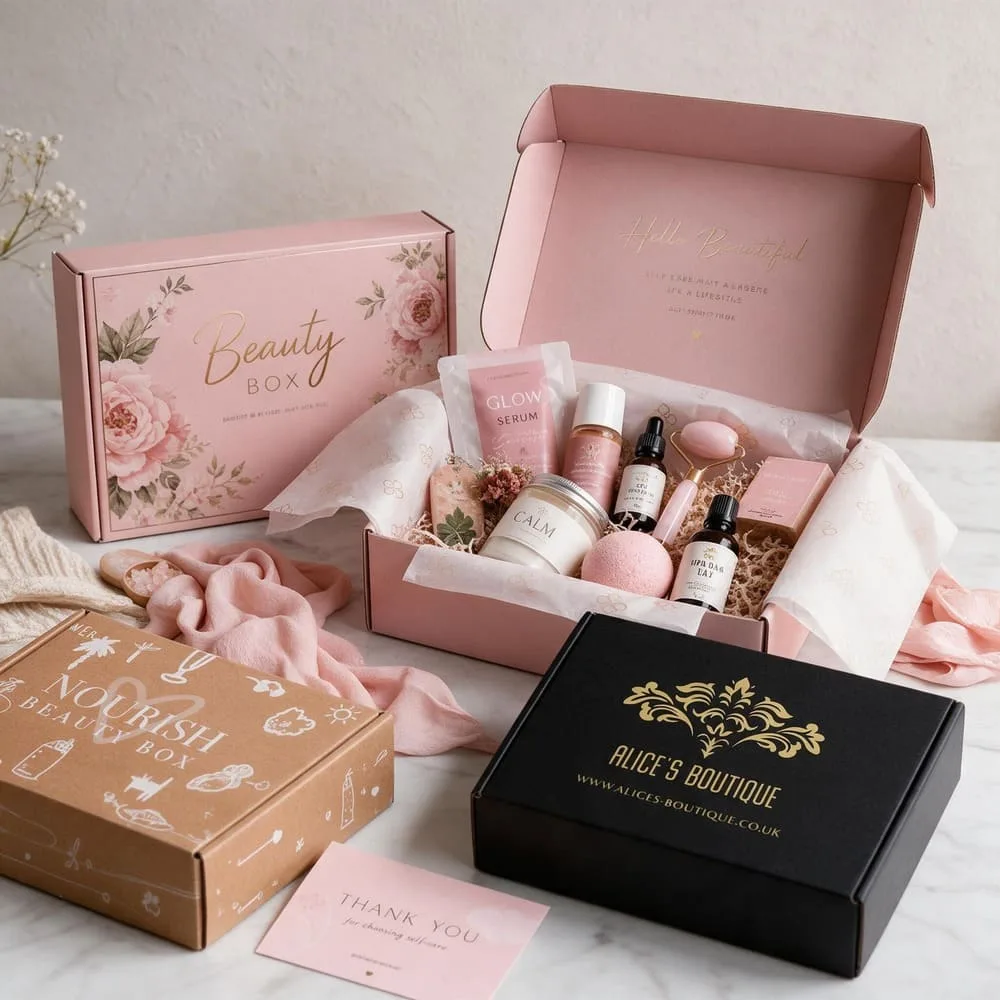
If you’re shipping DTC orders or subscription kits, the risk isn’t just transit damage—it’s unboxing inconsistency, wasted packing time, and boxes that don’t close reliably without extra tape. Omet Pack is a direct manufacturer of custom corrugated mailer boxes, also known as mailer boxes and corrugated mailers, engineered for fast self-lock assembly, brand-ready printing, and repeatable performance across reorders from our Yiwu production workflow.
Corrugated Mailer Boxes are a class of self-locking shipping containers engineered from corrugated paperboard for direct-to-consumer transit. Characterized by their roll-end tuck-front (RETF) design with interlocking dust flaps, they are typically made from E-flute or B-flute board. Their primary function is to provide significant crush resistance and a secure, tape-free closure, protecting items without needing a separate outer shipping box.
Standard specifications & options
| Specification | Details |
|---|---|
| Common flute options | E-flute (finer profile 1.5mm ) and B-flute (stronger profile 3mm) commonly used; selection confirmed per protection need. |
| Board types | Kraft brown, white-lined kraft, or premium white surfaces depending on print and appearance targets. |
| Typical structure family | Roll-end tuck-front (RETF) / tab-lock mailers and related self-lock dielines. |
| Closure mechanisms | Interlocking tabs, wings, and dust flaps; some styles add tuck-top or friction locks. |
| Print coverage positions | Outside print, inside print, or both (method selected based on artwork and board). |
| Die-cut accuracy focus | Tab fit, fold lines, and squareness; critical for tape-free closure reliability. |
| Insert compatibility | Paperboard inserts, corrugated partitions, or molded pulp options to reduce product movement (per pack-out). |
| Surface protection options | Varnish or lamination available on selected boards (trade-offs depend on recyclability goals and scuff risk). |
| Packing format | Flat-packed bundles; bundle count and palletization defined to reduce corner crush. |
| Sustainability | Made from recycled content (up to 90%), fully recyclable. |
Overview
Corrugated mailer boxes sit between two common alternatives: poly mailers (low cost, low protection) and two-box shipping (a branded inner box plus a plain outer shipper). When you need stronger protection than a bag can offer—without doubling materials and packing labor—a well-designed mailer box can be the most efficient compromise. For DTC, subscription, and apparel shipments, it also turns the shipping container into a repeatable brand touchpoint at the doorstep.
What separates a reliable mailer from a “generic box” is closure engineering and fit control. Locking tabs, roll-end panels, and dust flaps must stay square after packing and resist popping open under vibration and stacking. That performance depends on choosing the right flute (often E or B), sizing the box to reduce void space without bulging, and validating the closure on a packed sample.
A practical decision rule is to start with your main risk: impact, stacking, tamper/opening experience, or packing speed. Tear-strip designs improve customer opening but require careful perforation design; self-lock mailers reduce tape usage but demand tighter die-cut tolerances; apparel shippers focus on dimensional efficiency and corner stability. Our Yiwu workflow combines die-cut discipline, converting consistency, and project-based sampling so the box closes the same way on every reorder.
| Corrugated Mailer Boxes — Decision Guide | Decision factor | Recommended choice |
|---|---|---|
| Fast packing with minimal tape | Self-lock / tab-lock mailer | Closure tolerances must be controlled |
| Premium unboxing / easy open | Tear-strip mailer | Perforation must balance tear vs strength |
| Heavier or fragile items | B-flute or reinforced mailer + insert | Higher thickness may affect DIM weight |
| Print-first brand presentation | White-lined board + optimized print method | White liners can show scuffs if unprotected |
| Apparel / soft goods efficiency | Apparel shipper sizing + stable corners | Less cushioning than thicker builds |
| Replace outer shipper (where feasible) | Roll-end style + insert restraint | Suitability depends on product fragility |
Next, review the style variations below, then move into customization options to finalize flute, print coverage (outside/inside), and insert strategy for your pack-out.
Need a faster quote? Send size + quantity + ship to country.
Explore the different styles and configurations available for this product.
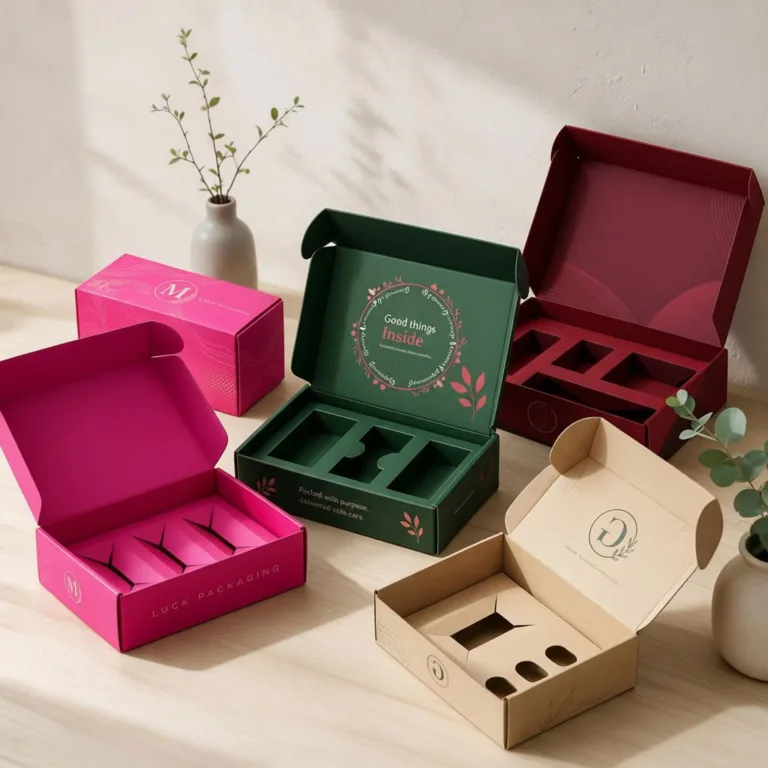
Explore all available customization options for your paper boxes
High-density board used for rigid boxes (setup boxes). Thickness is selected based on box footprint and rigidity target. Wrap paper choice and wrapping tension control final edge quality.
Paperboard for retail folding cartons (tuck-end boxes). Designed for die-cutting, creasing, and flat shipping—ideal for high-volume retail programs with clean printing and barcode needs.
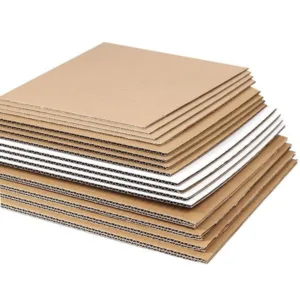
Corrugated structure for mailer boxes and shipping cartons. Flute selection balances crush resistance and print appearance.

Smooth wrap paper for crisp CMYK prints and high-saturation color. Commonly used as the outer wrap for rigid boxes or as a surface layer for premium folding cartons.
Recommended For: Luxury branding, full-color artwork, premium retail presentation
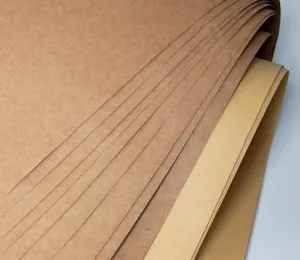
Natural kraft surface for eco positioning. Often used for folding cartons, sleeves, or as a wrap paper for rustic premium rigid boxes.
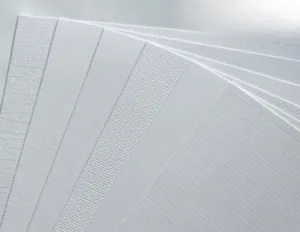
Linen/felt/laid-style textures and specialty stocks used to elevate tactile experience. Best paired with controlled finishing (foil, emboss) for premium effect.
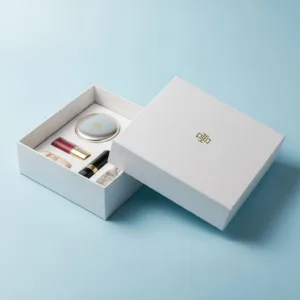
Classic setup box for premium presentation and reliable assembly. Best when you want clean structure and strong shelf presence without complex mechanisms.
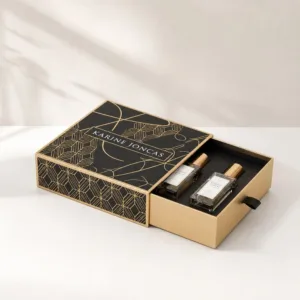
Modern sleeve-and-tray design featuring a smooth sliding mechanism with a ribbon pull or thumb notch. Best for protecting small valuables like jewelry and electronics in a sleek, interactive, and modern format.
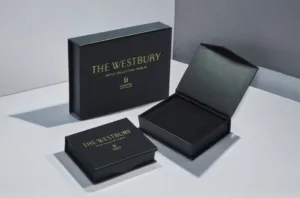
Premium hinged structure with hidden magnets for a satisfying high-end "click" closure. Ideal for luxury gift sets, PR kits, and reusable brand storage that adds lasting perceived value.
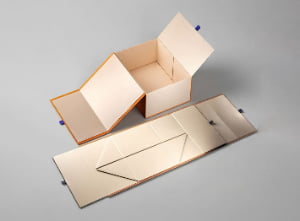
Engineered hinges and magnetic flaps provide rigid box quality with flat-shipping efficiency. The best solution for high-volume luxury orders where saving warehouse space and international freight cost is a priority.
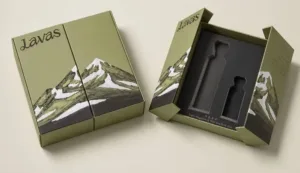
Theatrical rigid structure where two center panels open outward to unveil the product inside. Ideal for PR boxes, luxury launches, and brand storytelling moments that demand a dramatic unboxing experience.
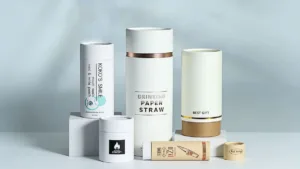
Rolled paperboard structure offering superior vertical crush resistance and a unique circular silhouette. Perfect for wine bottles, fragrances, or any premium product that benefits from a distinct, round shelf presence.
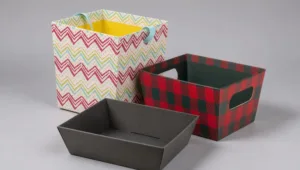
Open-top gift carrier with integrated handles, designed to mimic the aesthetic of a traditional hamper. A popular choice for seasonal gourmet food assortments, flower arrangements, and promotional hampers.
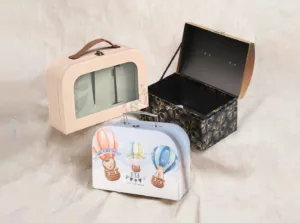
Playful, handle-top structure with strong "carry-out" appeal and a secure latch-style closure. Ideal for children's product sets, event giveaways, and seasonal gift kits that benefit from a "ready-to-carry" format.
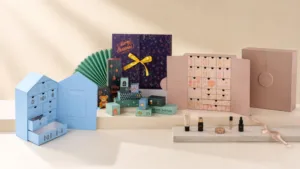
Complex multi-compartment structure featuring perforated windows for interactive daily reveals. Specifically designed for holiday promotions and seasonal beauty sets that require intricate engineering and high visual impact.
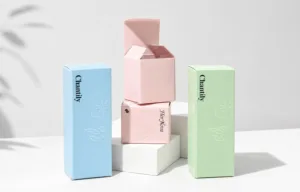
Lightweight, cost-effective paperboard carrier that ships completely flat and is optimized for high-speed filling. Best for high-volume retail runs in the cosmetics, food, and pharmaceutical sectors.
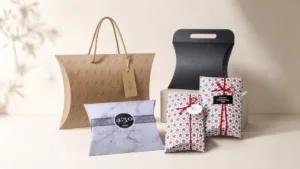
Elegant, geometric shape that ships 100% flat and pops into a curved, eye-catching silhouette in seconds. Best for lightweight items like scarves, jewelry, accessories, and cost-effective event favors.
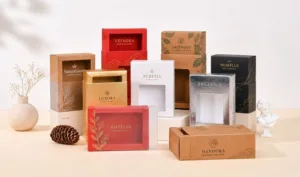
Clean, minimalist design featuring a sturdy inner tray and a fully printed decorative slide-on sleeve. Best for electronics and artisanal food kits where quick product access and a layered aesthetic are required.
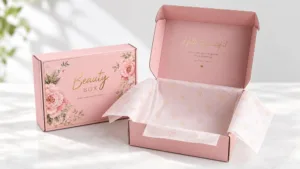
High-strength E-flute or B-flute structure with a self-locking design for maximum transit protection. The industry standard for DTC e-commerce and subscription brands seeking crush resistance without the need for external tape.
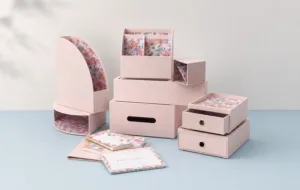
Durable multi-compartment rigid structure designed for long-term utility beyond the initial purchase. Best for extending brand exposure by turning high-quality packaging into a functional office or home accessory.
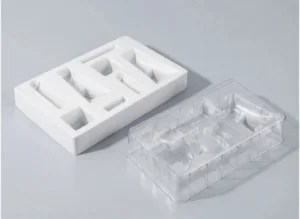
Thermoformed tray with product cavities. Strong positioning and visibility—commonly used for cosmetics and electronics.
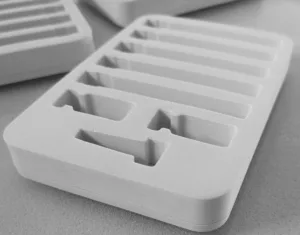
Thermoformed tray with product cavities. Strong positioning and visibility—commonly used for cosmetics and electronics.
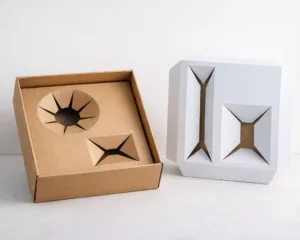
100% recyclable insert made from corrugated or cardstock. Best for brands with strict sustainability goals.
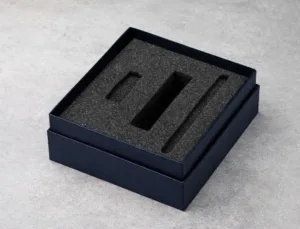
Soft cushioning for delicate items. Common in jewelry and small accessory packaging.
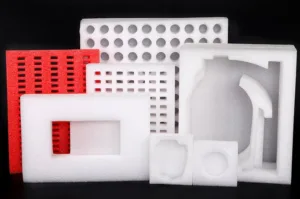
EPE Foam (Shipping Protection)
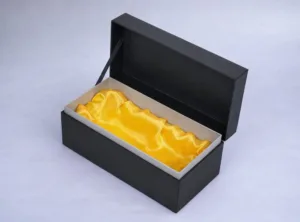
Fabric lining for ultra-premium unboxing. Best for high-end jewelry, fragrance, VIP gifting.
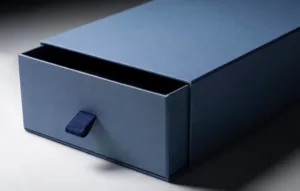
Functional opening aid and premium presentation. Ribbon length/color can be customized to match brand aesthetics.

Clear window for product visibility while maintaining protection. Common for food, toys, and display packaging.
Extra branding layer or closure aid without adhesives. Ideal for seasonal promos and multi-SKU compliance labels.
Our most widely used printing method for sheet-fed products such as paper bags, boxes and cards. Offset printing transfers ink from plates to a rubber blanket and then onto the paper, producing sharp, consistent and high-quality results. It supports both CMYK full-color images and precise Pantone spot color matching, making it ideal for detailed designs, gradients and medium to large production runs.
UV printing uses ultraviolet light to instantly cure the ink as it is applied. This produces vivid, saturated colors with excellent adhesion and durability, and allows printing on a wide range of coated and non-absorbent materials. The instant curing also reduces smudging and delivers crisp, clean results for demanding designs.
Screen printing pushes ink through a fine mesh stencil onto the surface, one color at a time. It is the best choice for solid Pantone spot colors, bold logos and strong, opaque results. Screen printing is especially effective for simple designs, single-color branding and special effects on both paper and specialty materials.
Gravure printing uses engraved metal cylinders to hold and transfer ink, making it ideal for roll-form wrapping paper and continuous patterns. It delivers rich, consistent color and excellent detail across large production volumes, making it the preferred method for high-quantity roll wrapping paper printing.
Digital printing prints directly from a digital file without printing plates, making it perfect for small runs, samples and quick turnaround. It offers full-color printing without visible halftone dots, accurate color and the flexibility to handle variable designs, making it our go-to option for low-quantity sampling and short production runs.
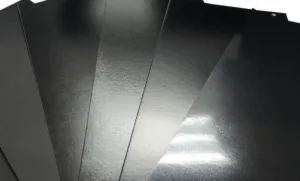
A protective coating applied over the printed surface to enhance durability and provide either a matte or gloss finish at a cost-effective price.
A smooth matte film that reduces glare and resists fingerprints, giving packaging an elegant, understated look. Available in standard matte, scratch-resistant and soft-touch (velvet) options for different tactile experiences.
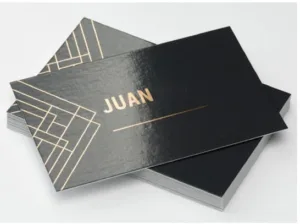
A shiny film that enhances color vibrancy and adds surface protection, making designs bright and eye-catching.
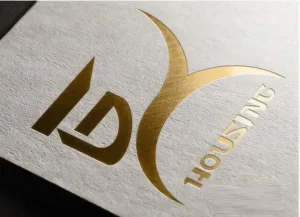
Metallic or colored foil applied with heat and pressure to create a premium gold, silver or custom-color accent that instantly elevates your branding.
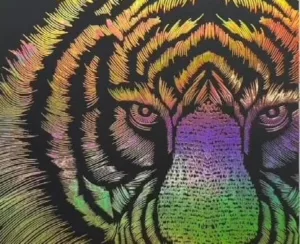
Foil applied through a cold adhesive process, allowing fine detail and smooth gradient metallic effects across larger areas.
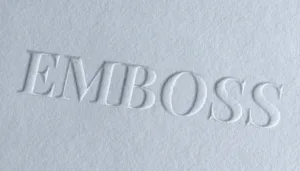
A technique that presses the design upward to create raised, three-dimensional elements, adding depth and a tactile, premium impression to logos and patterns.
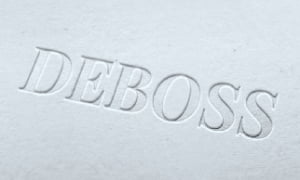
A technique that presses the design inward to create recessed, indented elements for a subtle, sophisticated and elegant effect.
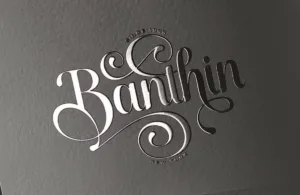
A glossy UV coating applied to selected areas to highlight logos, patterns or text, creating a striking contrast against a matte background.
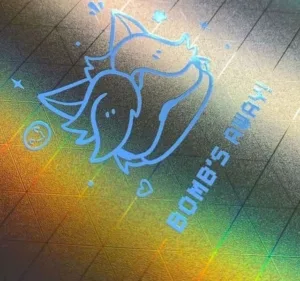
Reverse UV
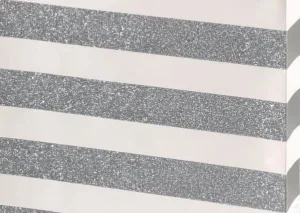
Sparkling glitter applied over an adhesive layer for the most brilliant, eye-catching shimmer, ideal for festive and decorative packaging.
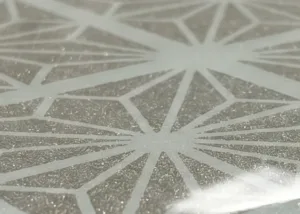
A durable sparkle effect where glitter particles are mixed into the ink before printing, so the finish resists shedding and offers a long-lasting, hard-wearing shine.
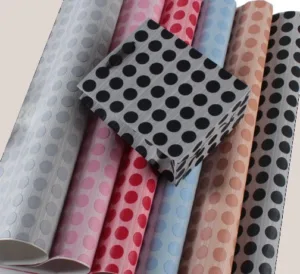
A raised foam effect that creates a soft, three-dimensional tactile surface, making logos and designs stand out with extra depth.
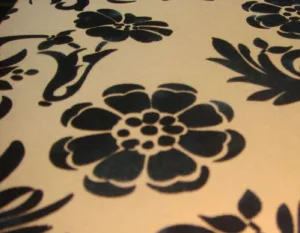
A soft velvet-like coating of fine fibers that adds a luxurious texture and premium tactile feel to the packaging surface.
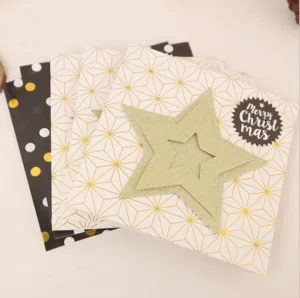
A dimensional decorative element attached to the surface, creating a striking, high-end three-dimensional visual effect.
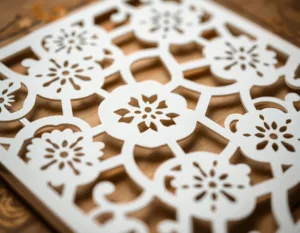
Precision laser cutting that creates intricate patterns, cutouts and delicate detailing for elegant, fully customized designs.
| Size Category | Dimensions (cm) | Ideal For | Applications |
|---|---|---|---|
| Small Boxes (5-15 cm) | Ring box: 5×5×4cm; Jewelry box: 8×8×3cm; Watch box: 15×12×8cm; Small gift: 10×10×10cm; | High-value small products, luxury positioning | jewelry, accessories, and premium small items |
| Medium Boxes (15-30 cm) | Cosmetic box: 20×15×8cm; Phone box: 18×12×6cm; Shoe box: 30×20×12cm; Gift box: 25×25×15cm; | Mass retail, consumer products, daily use items | cosmetics, electronics, and retail |
| Large Boxes (30-50 cm) | Clothing box: 40×30×15cm; Laptop box: 45×35×8cm; Gift set: 50×35×20cm; Shipping box: 40×40×30cm; | E-commerce, fashion, bundled products | clothing, electronics, and bulk packaging |
| Custom Sizes (Specialty dimensions) | Wine bottle: 35×10×10cm; Poster tube:60×8×8cm; Long items: 100×15×10cm; Flat pack: 40×30×2cm; | Unique products, specialty markets, branding impact | unique product requirements |
Always confirm INNER size (L×W×H) first. Inner size should fit the product + insert + tolerance.
Typical tolerance buffer is 5–10 mm per side, depending on structure and insert type.
Rigid boxes are built from board + wrap, so outer size increases with wall thickness and wrap layers.
If you’re not sure, send product photos + product dimensions + weight, and we’ll recommend inner size, board thickness, and insert approach.
From raw materials to global delivery — we own every step for consistent quality at factory prices.
5 bag + 5 box lines
In-house art team
FOB/CIF/DDP ready
Test before order
Confirm
Sample
Finish
Form
QC
Ship
Typical lead time: 3-7 days sample + 10-25 days mass production
AQL 2.5 inspection standard
Material Check
In-Process
Final Inspection
Everything you need to know before you order.
Still have questions?
Get a Free Custom Quote
Tell us your size, quantity, material, printing requirements and destination country. Our packaging team will prepare a custom quote and production suggestion within 24 hours.