Your B2B relationships feel transactional and distant. You’re struggling to stand out, and your generic outreach efforts are being completely ignored by busy clients.
Growth in B2B birthday cards is driven by digital commerce trends like CRM-integrated automation and sustainable sourcing, plus customization trends like variable data printing (VDP) and AI-powered design tools. These technologies make personalized, tangible marketing scalable and highly effective.
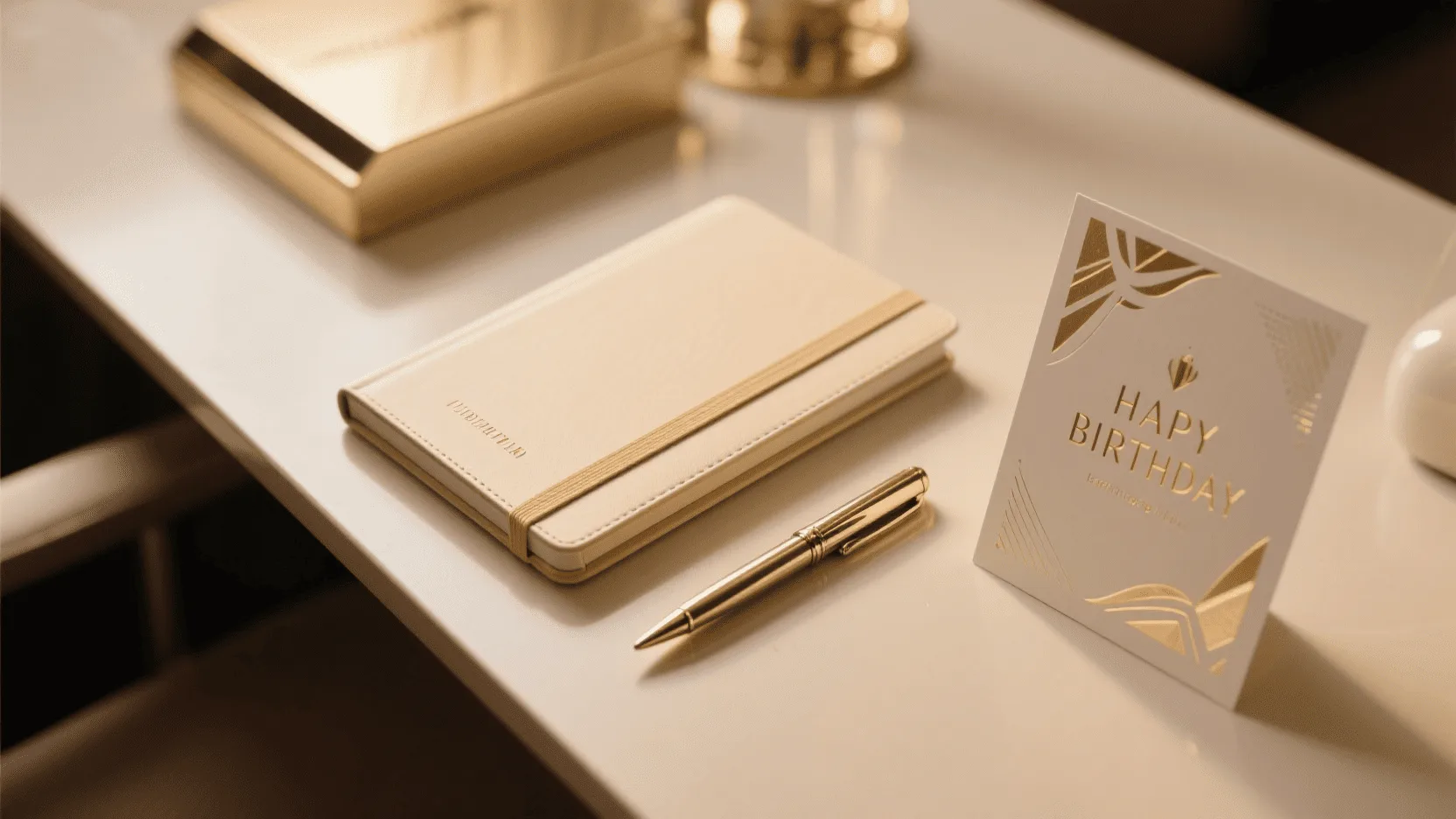
When I first started in the packaging industry over a decade ago, managing a corporate "birthday program" was a manual nightmare. We had a shared spreadsheet to track client birthdays. Every month, someone had to remember to check it, go buy a stack of generic cards, handwrite them, and get them in the mail. We inevitably missed people, and the process was too clumsy to scale beyond our top few clients. Today, that entire workflow has been transformed by technology. The very tools that created digital fatigue are now being used to make personal, physical gestures like sending a birthday card easier and more powerful than ever before.
How is Automation Making B2B Card Programs Scalable?
You know you should be sending cards, but tracking hundreds of client birthdays is a logistical headache. Your team is already overworked and important dates inevitably fall through the cracks.
Automation platforms now integrate with your CRM to make corporate card programs effortless. They automatically trigger print and mail orders based on client data, ensuring timely, personalized outreach without any manual work.
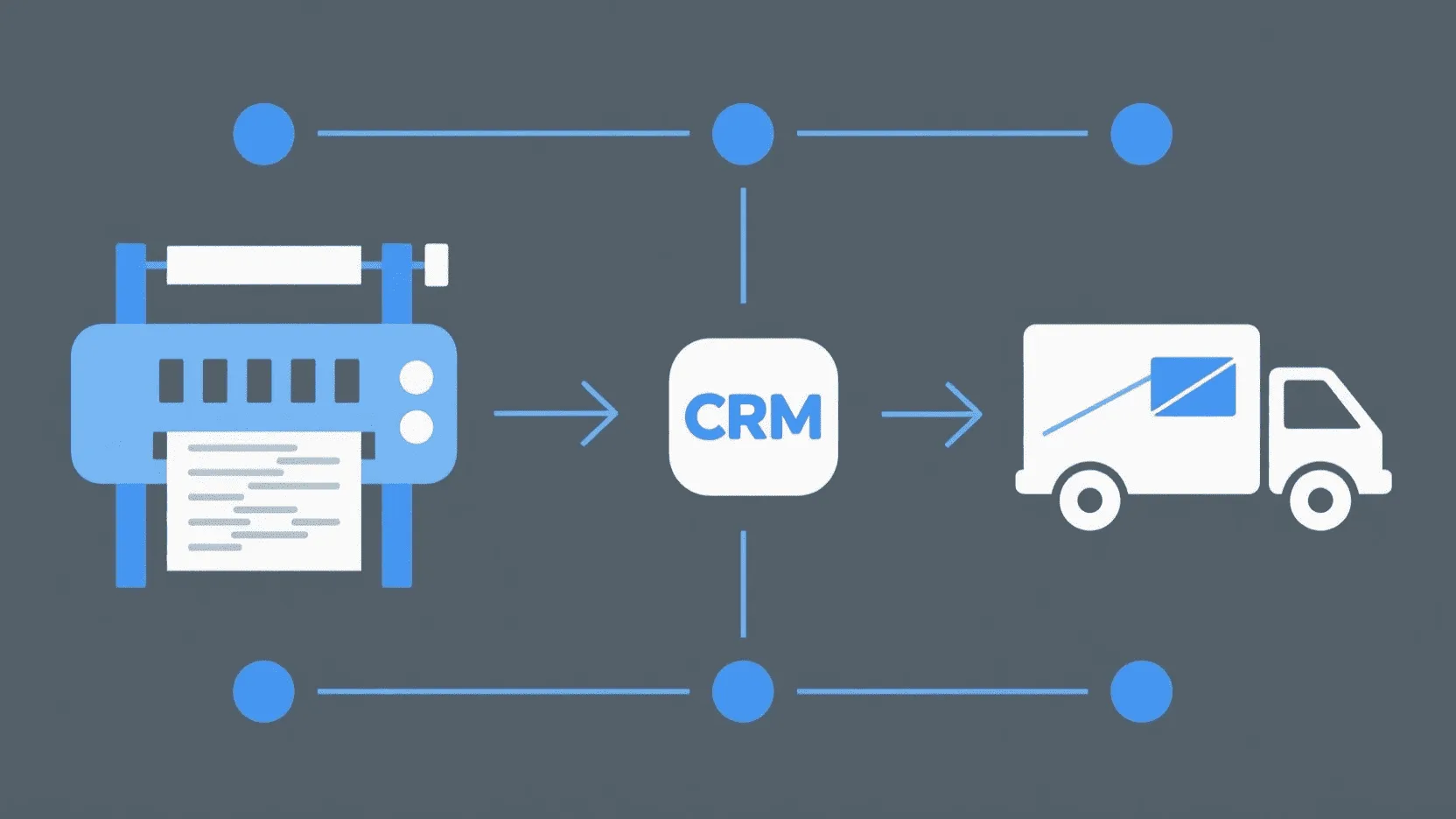
The biggest barrier to a consistent client appreciation program has always been the manual labor involved. Modern digital commerce has completely solved this. Companies can now use services that plug directly into their Customer Relationship Management (CRM) software, like Salesforce or HubSpot. The process is simple: when a client’s birthday approaches in the CRM, an API call automatically sends an order to a printing partner like us. This order can include the client’s name, address, and even specific custom fields. There is no need for a marketing assistant to manually export lists or for a salesperson to remember to send a card. According to Grand View Research, the global CRM market is expected to continue its strong growth, meaning more businesses will have the data infrastructure to support these integrations. This level of automation turns a time-consuming task into a "set it and forget it" marketing strategy. It frees up your team to focus on what they do best—building relationships—while the system ensures this critical, personal touchpoint is never missed.
From Manual Chore to Automated Strategy
The difference between a manual and an automated system is not just about efficiency; it’s about reliability and scale. This shift allows businesses to maintain a personal touch with their entire client base, not just a select few.
| Aspect | Manual Process (The Old Way) | CRM-Integrated Automation1 (The New Way) |
|---|---|---|
| Trigger | Human memory, calendar reminders | Automatic data trigger from CRM |
| Scalability2 | Low (Only feasible for a few top clients) | High (Scales to thousands of clients effortlessly) |
| Error Rate | High (Missed dates, incorrect addresses) | Extremely Low (Pulls directly from verified data) |
| Team Effort | Time-consuming for sales/marketing staff | Zero ongoing effort after initial setup |
What Role Does Variable Data Printing (VDP) Play in Personalization?
Sending a card with your logo on it is one thing, but it can still feel generic. Your clients get dozens of these, and most fail to make a real impression.
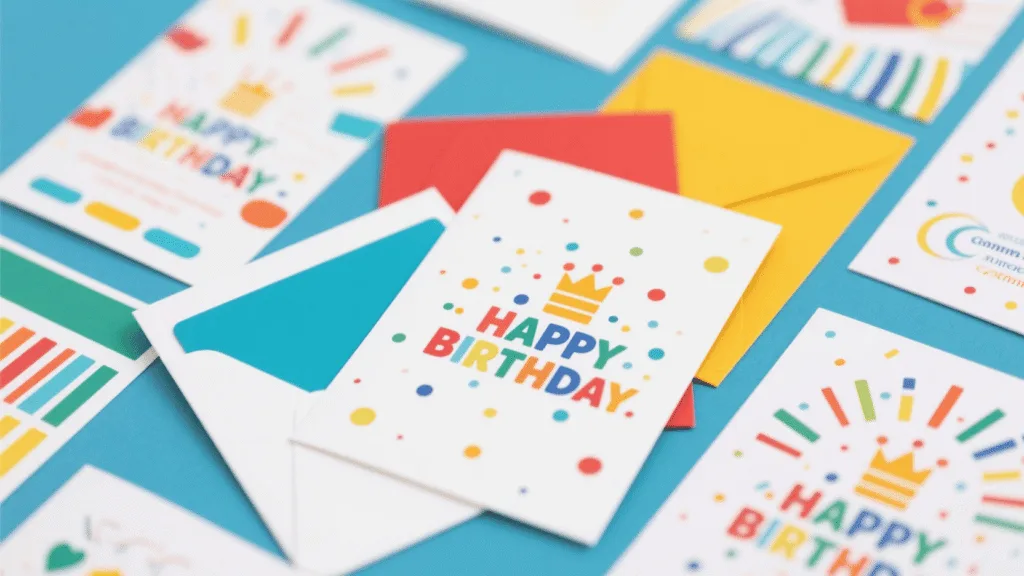
Variable Data Printing (VDP) allows for true one-to-one personalization at scale. It lets you change text, graphics, and images on each individual card within a single print run, making every client feel uniquely recognized.
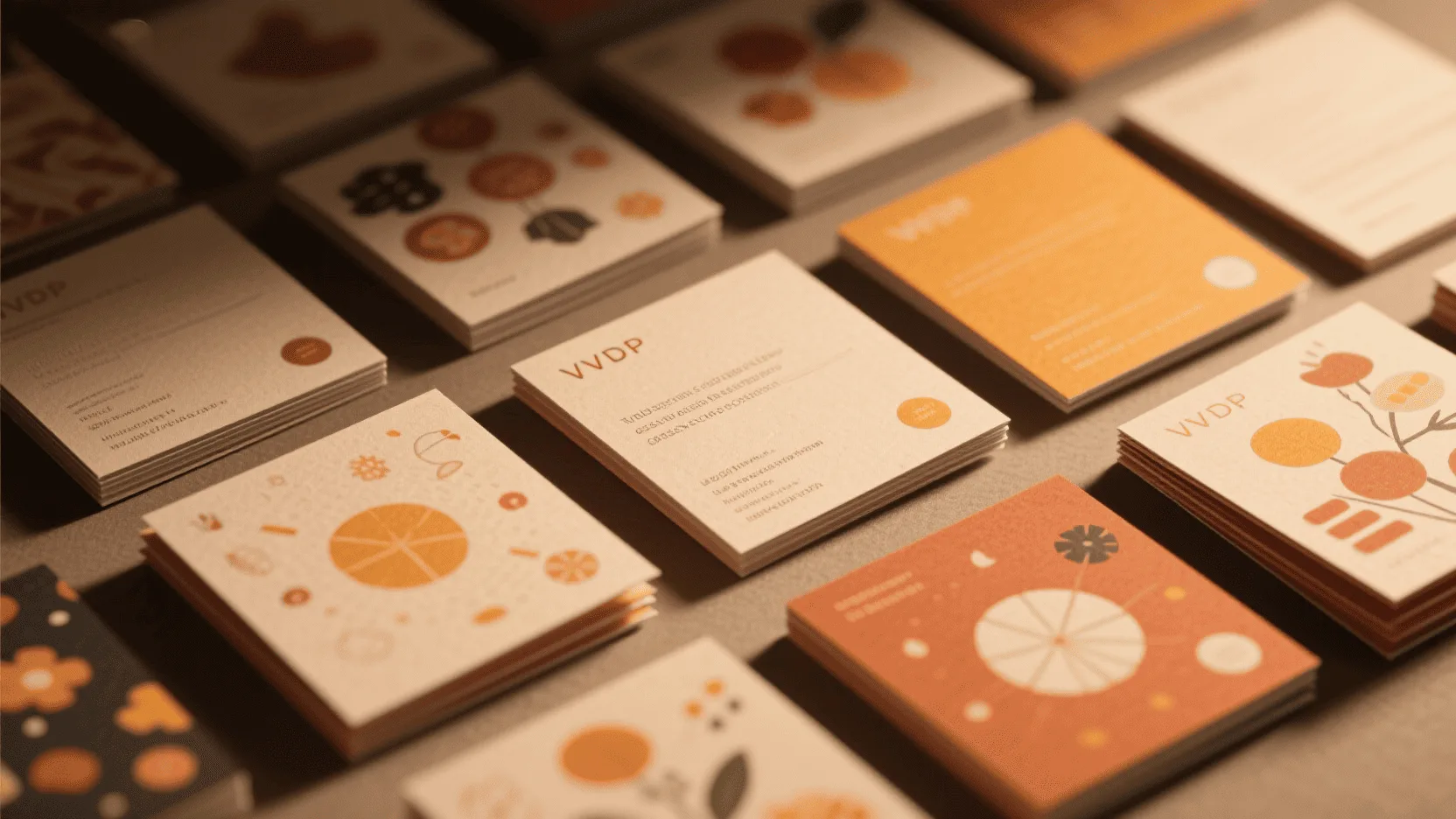
For years, "customization" in printing meant ordering 5,000 cards that were all identical. VDP changes that completely. Think of it as a sophisticated mail merge for high-quality printing. We can take a single, beautiful base design for a greeting card and connect it to a database of your clients. This allows us to print each card with unique elements. The most basic use is adding the client’s first name directly into the artwork—"Happy Birthday, Sarah!"—not just in the handwritten note. But the technology goes much further. For a client in the food industry, we could print a card featuring imagery of gourmet ingredients. For another in the tech sector, the design could have a more modern, abstract feel. We can even change the core message based on their business relationship with you. This level of personalization shows a deep level of thought and attention to detail that a generic card could never achieve. It transforms the card from a mass marketing tool into a personal, meaningful gift.
The Power of True One-to-One Communication1
VDP moves beyond simple branding to create a communication piece that resonates on an individual level, dramatically increasing its impact.
| Level of Personalization | Example | Client Impact |
|---|---|---|
| Standard Customization | All cards have your company logo and a generic message. | Low. Feels like standard corporate marketing. |
| Basic VDP | Each card includes the recipient’s name ("Happy Birthday, John!"). | Medium. Shows some effort and gets attention. |
| Advanced VDP2 | The card’s design, imagery, and message are tailored to the recipient’s industry or relationship with your company. | High. Feels thoughtful, personal, and highly relevant. |
Are AI and Online Design Tools Democratizing Custom Card Creation?
You want a unique, professional design for your company’s cards, but hiring a graphic designer is expensive and time-consuming. This high barrier to entry stops you from getting started.
Yes, AI-driven platforms and intuitive online design tools are making professional-quality custom card design accessible to everyone. Businesses can now create beautiful, branded paper cards in minutes, without any design experience.
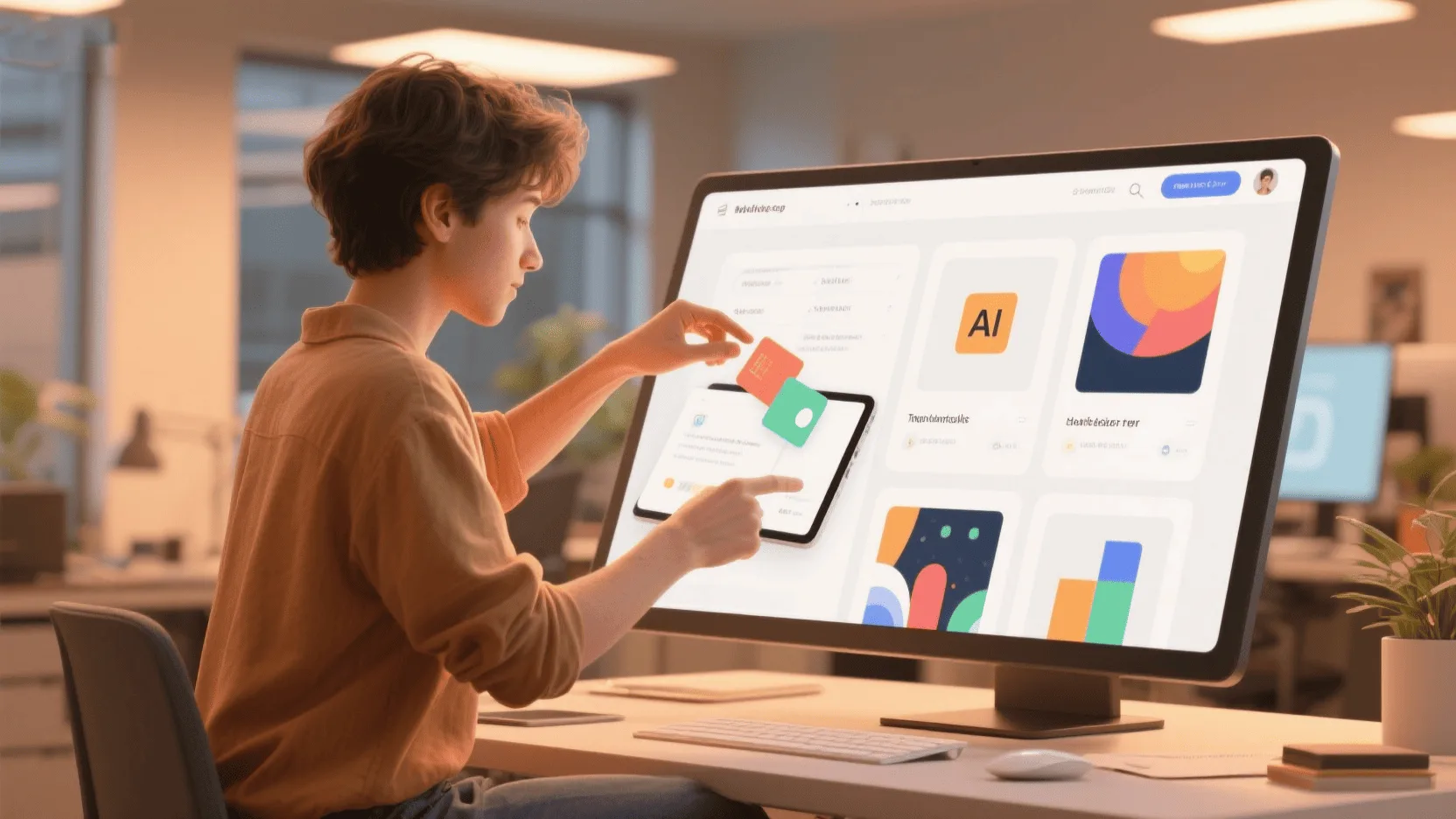
The rise of user-friendly design platforms has been a game-changer for businesses, especially small to medium-sized ones. In the past, creating a truly custom card required a significant budget for a graphic designer and a lengthy back-and-forth approval process. Today, online tools offer a library of professional templates that can be customized with a company’s logo, brand colors, and message. More recently, AI has taken this a step further. AI-powered tools can now generate unique design concepts based on simple text prompts (e.g., "create an elegant birthday card design for a financial services client"). They can even suggest appropriate messages and sentiments. This shift democratizes design, allowing a marketing manager or even an executive assistant to produce a stunning, on-brand card that looks like it was created by a high-end agency. This accessibility dramatically lowers the cost and time involved, making a custom card program a viable option for any business.
Conclusion
The growth in B2B birthday cards is not about nostalgia; it is about smart business. Digital trends like CRM automation and AI-powered design, combined with advanced printing like VDP, have transformed this simple gesture into a scalable, high-ROI strategy for building meaningful client relationships in 2025.
Ready to implement a modern, automated client appreciation program? Contact our experts to see how easy it can be.
Discover more ways to connect with your clients through our custom gift packaging solutions.
FAQ
1. Is a fully automated card program too impersonal?
Not if done right. The automation handles the logistics, freeing you up for the most important part: the personal touch. Many services still allow for, and even encourage, adding a handwritten note or a digital "handwritten" font signature to maintain authenticity.
2. How do these platforms ensure data privacy and security?
Reputable print and mail automation platforms use secure, encrypted API connections to interact with your CRM. They are compliant with data privacy regulations like GDPR and CCPA and only pull the specific data needed to fulfill the order (e.g., name, address, birthday).
3. Can small businesses afford these technologies?
Absolutely. Many of these services operate on a pay-per-send model with no large upfront investment or minimum order quantity. The accessibility of online design tools also eliminates the need for a design budget, making it a very cost-effective strategy for businesses of any size.