How to Make Coated Paper Bags Sell: Printing, Finishes, and Measurable Brand Value
Your coated paper bag looks plain and fails to stand out. This generic packaging doesn’t reflect your brand’s quality, leaving customers feeling underwhelmed and forgetting your brand the moment they walk away.
To make coated paper bags sell, combine high-resolution offset printing with tactile finishes like hot foil stamping or embossing. These premium details transform a simple bag into a memorable brand experience that communicates quality, justifies a higher price point, and can generate measurable returns through stronger brand engagement, customer loyalty, and reduced packaging-related costs.
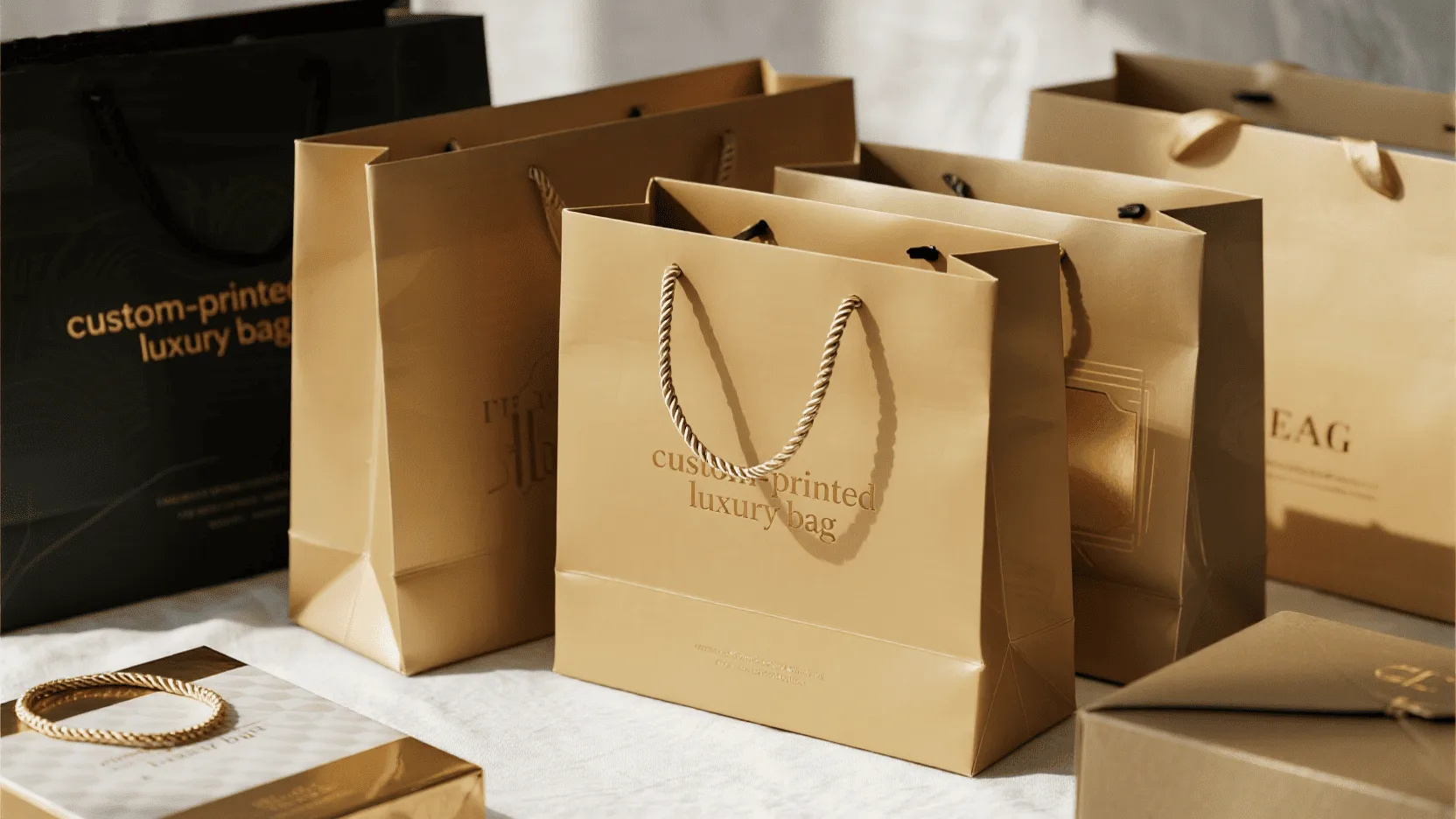
I once worked with a promising cosmetics startup. They had a fantastic product but their initial packaging was a standard glossy coated bag with just their logo printed on it. It was functional but forgettable. During a consultation, I showed them a sample with a matte lamination, their logo in a glossy Spot UV, and the handles made of a soft, thick grosgrain ribbon. The difference was immediate. The founder held it and said, "This feels like our brand." They switched their design, and their customers started posting photos of the bag on social media. That’s the power of premiumization; it turns a container into a conversation piece and creates an opportunity for the packaging itself to become part of your marketing.
What Printing Method Is Best for Coated Paper Bags?
Your beautiful design looks blurry and faded on the finished bag. This poor print quality undermines your brand’s credibility and makes your entire product line feel cheap, erasing all your hard work on product quality.
For coated paper bags, litho-offset printing is the superior choice. It delivers exceptional color accuracy, sharp detail, and consistent results across large runs, making it ideal for reproducing complex logos and high-quality imagery perfectly.
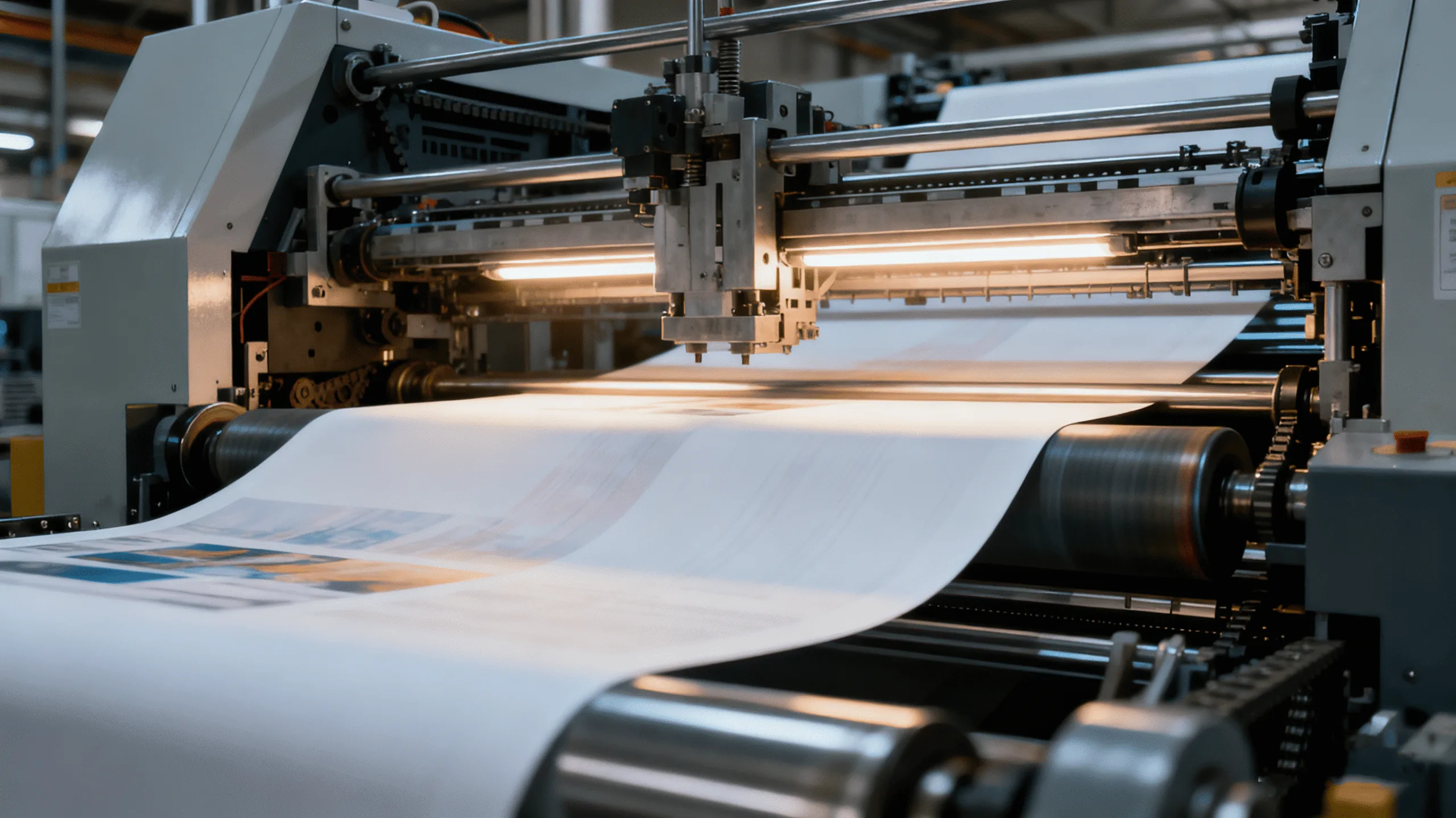
The smooth, non-porous surface of coated paper is what gives it that clean, professional look, but it also demands a specific type of printing to get the best results. While other methods exist, offset printing consistently provides the crispness and color depth that premium brands expect. It works by transferring ink from a plate to a rubber blanket, and then to the paper. This indirect process allows for incredibly fine detail and rich, saturated colors that pop on coated stock. It’s the industry standard for high-volume, high-quality projects for a reason. When a client comes to us with intricate artwork or a specific Pantone color they need to match for their custom paper bags, offset is almost always my recommendation. It ensures the final product looks exactly like the digital proof, maintaining brand integrity across thousands of units.
Comparing Printing Options
For bulk orders, the quality and cost-effectiveness of offset1 are unmatched. Digital printing can be great for small, fast-turnaround jobs, but for a large-scale production run of premium bags, it often can’t compete on price or finish quality. Flexography is a workhorse for simpler designs on materials like kraft paper, but it struggles to achieve the fine detail required for luxury coated bags.
| Printing Method | Best For | Quality on Coated Paper | Cost-Effectiveness (Bulk) |
|---|---|---|---|
| Litho-Offset | High-volume, complex designs | Excellent, sharp detail, superior color | Very High |
| Digital Printing | Low-volume, variable data | Good to Very Good, but can lack depth | Low |
| Flexography2 | Simple designs, uncoated paper | Fair to Good, less detail | High (for simple designs) |
Which Finishing Techniques Add the Most Perceived Value?
Your bag is printed nicely, but it feels boring and lifeless. It lacks that special touch that makes customers feel they’ve purchased something truly premium, blending in with every other bag on the street.
Hot foil stamping, embossing, and Spot UV finishing add the most perceived value. These techniques engage the sense of touch and create a stunning visual contrast, immediately signaling luxury and high quality to the customer.
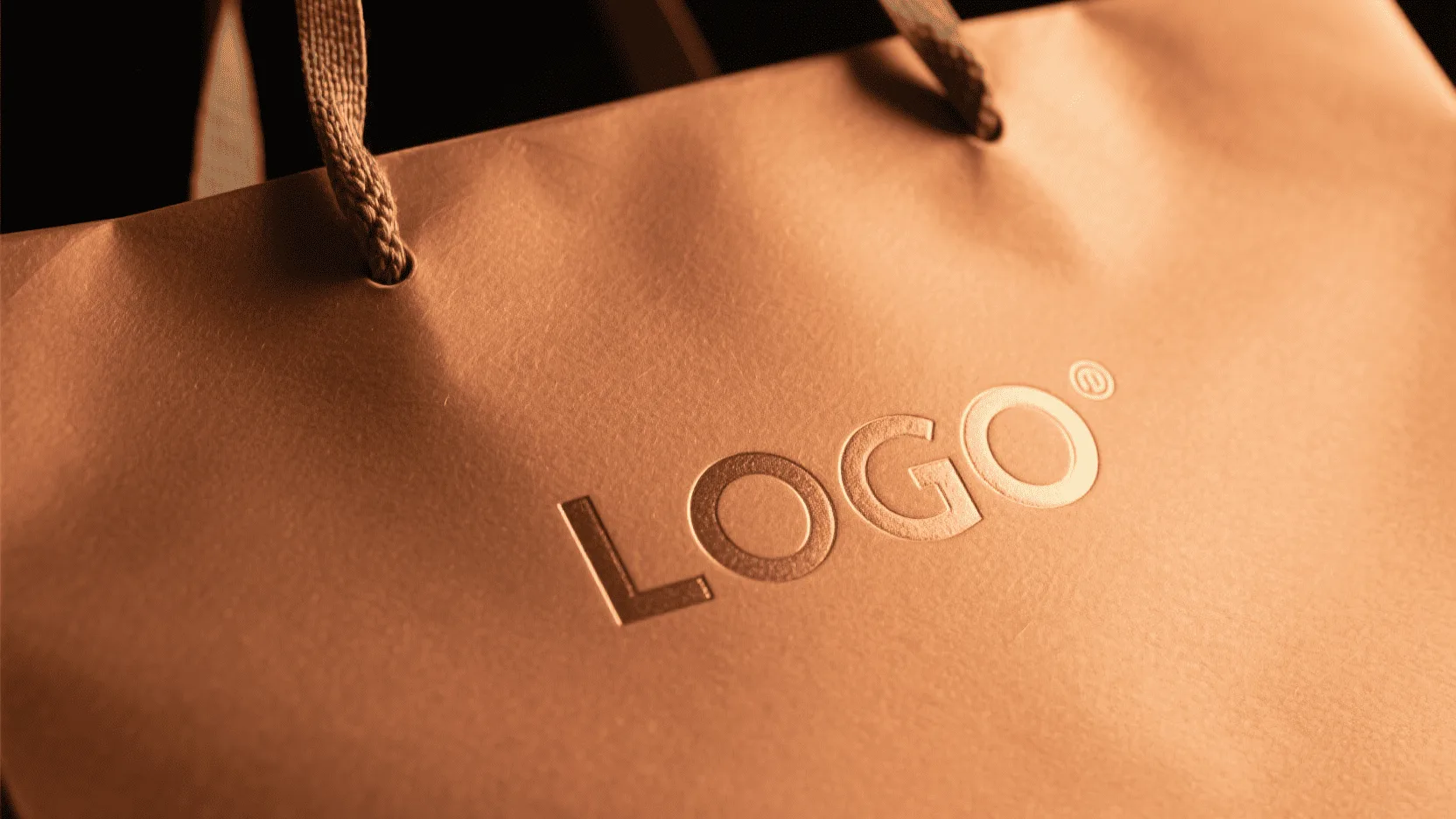
Printing is only the first step. The real magic of premiumization happens in the finishing touches. These are the details that customers can see and feel. When someone runs their thumb over an embossed logo or sees the glint of foil, it creates a subconscious connection to quality. For our clients in high-end sectors like jewelry packaging or cosmetics, these finishes are not optional; they are a core part of the brand experience. The goal is to create a bag that feels too good to throw away. It becomes a keepsake, extending the life of your marketing message long after the initial purchase. A great finish makes the bag itself part of the gift and can even encourage customers to photograph and share it online.
A Closer Look at High-Impact Finishes
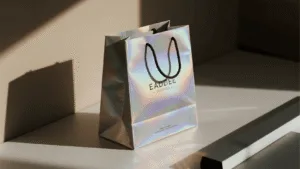
- Hot Foil Stamping3: This process uses heat and pressure to apply a metallic or pigmented foil to the paper. Gold, silver, and rose gold are timeless choices, but you can also use holographic foils for a modern, eye-catching effect or solid color foils for a bold, matte look. It adds a touch of pure opulence.
- Embossing & Debossing4: Embossing creates a raised, 3D effect on your logo or pattern, while debossing creates an indented impression. It’s a subtle, elegant technique that adds a sophisticated, tactile quality without needing extra color. A "blind" emboss (without ink or foil) is the definition of minimalist luxury.
- Spot UV: This involves applying a high-gloss UV coating to specific areas of the design, which are then cured with ultraviolet light. The most dramatic effect comes from using it on a bag with a matte lamination. The contrast between the smooth matte background and the shiny, slightly raised Spot UV element is visually striking and begs to be touched. This is a favorite technique for modern cosmetic packaging.
How Do You Combine Print and Finishes for a Cohesive Design?
You’ve added multiple finishes, but the final design looks messy and overwhelming. Instead of looking luxurious, your bag seems cheap and poorly planned, confusing the customer and diluting your brand message.
Create a cohesive design by choosing one focal point, like your logo, to highlight with a special finish. A minimalist approach is key; use finishes to complement the print, not compete with it, ensuring a sophisticated and uncluttered look.

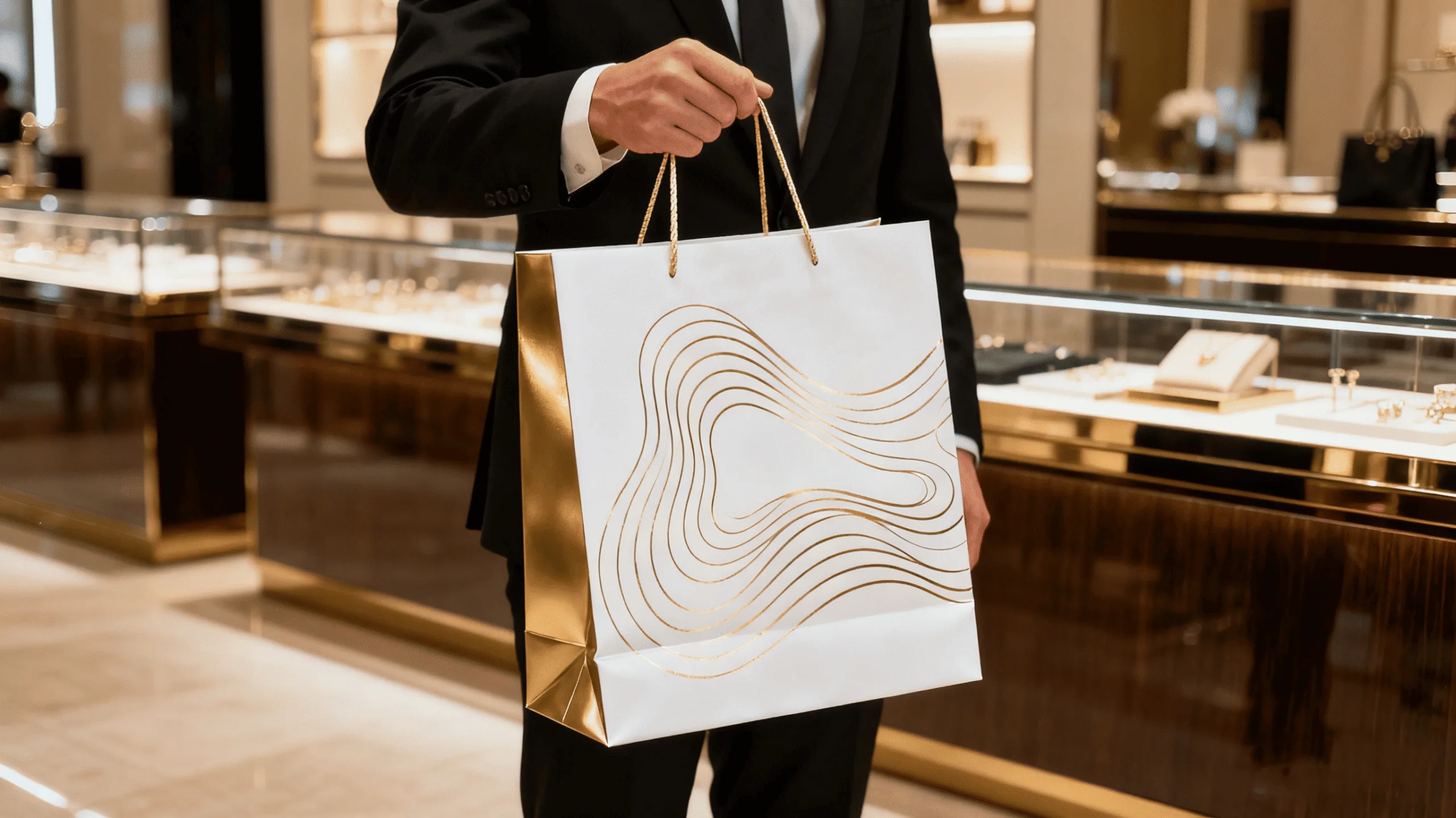
The biggest mistake I see is what I call "over-designing." A truly premium design is intentional and confident. It doesn’t need to shout; it speaks clearly. When we design gift bags, the first question I ask is, "What is the one thing you want the customer to remember?" Often, it’s the brand name or logo. That becomes our focal point. Everything else in the design should serve to elevate that single element. For example, a deep navy blue bag with a matte lamination provides the perfect canvas. We then add the company logo in a crisp, elegant gold foil. The design is simple, but it is incredibly effective. It communicates quality and sophistication without any clutter. The key is restraint. Premiumization is about strategic enhancement, not just adding more layers for the sake of it.
Strategic Design Principles
- Establish a Hierarchy5: Use your finish to guide the customer’s eye. The most important element—your logo or brand name—should get the special treatment. This creates a clear visual path and reinforces brand recognition.
- Leverage Contrast6: The power of a good finish is often in its contrast with the base material. A glossy Spot UV logo on a matte bag, a metallic foil on a solid color, or a blind emboss on a textured paper all create a dynamic interplay that is both visually and tactilely engaging.
- Ensure Brand Alignment: The finishes you choose must match your brand’s personality. A whimsical, fun brand might use a bright, holographic foil. A traditional, heritage brand might opt for a classic blind emboss. The design choices should feel like a natural extension of your brand’s story.
How Can You Measure the ROI of Premium Coated Paper Bags?
You’re spending more on high-quality bags, but it feels like a cost, not an investment. You need to justify the expense, but the returns can seem intangible and difficult to prove to your finance team.
Measure the ROI of premium coated paper bags across three areas: brand perception, direct financial performance, and operational efficiency. Track social media mentions and customer feedback, compare repeat purchase rate and customer lifetime value, and monitor packaging-related damage and return costs before and after the upgrade.
The value of premium packaging isn’t limited to how the bag looks. A well-designed, durable bag can become part of the customer experience and generate returns that extend beyond the initial purchase. I once worked with a small e-commerce boutique selling handmade leather goods. They were hesitant to move from plain Kraft mailers to custom-designed paper bags with a soft-touch finish because they viewed the packaging as simply another expense. We ran a small test batch, and within a month, customers began featuring the bags in Instagram unboxing posts for the first time. They weren’t just showing the products; they were sharing the entire experience. The packaging had effectively become an additional marketing channel.
The important lesson is that premium packaging should not be evaluated only by its unit price. Establish a baseline before changing your bags, then compare the same metrics after the upgrade. This gives your team a much clearer picture of whether the additional packaging investment is generating measurable business value.
Measuring Brand Perception and Social Media Engagement
The first and often most visible return is the impact on how customers perceive and interact with your brand. A sturdy, beautifully finished gift bag communicates a very different level of quality than a cheap, flimsy bag. When customers are impressed by the packaging, they are more likely to photograph it, share it, and include it in unboxing content.
Before launching the new bags, record the monthly average number of brand tags, packaging-related posts, unboxing mentions, and other user-generated content (UGC). After the launch, track the same metrics. You can also estimate the value of this exposure using earned media value (EMV)7, which helps compare organic exposure with the cost of achieving similar reach through paid advertising.
Customer surveys can provide another layer of evidence. Ask customers to rate the quality of your packaging on a 1–10 scale and include broader loyalty questions such as Net Promoter Score (NPS). Comparing results before and after the packaging change turns a subjective perception of quality into measurable customer feedback.
| Metric | Before Upgrade (Monthly Avg) | After Upgrade (Monthly Avg) | Change |
|---|---|---|---|
| Instagram Photo Tags | 50 | 120 | +140% |
| "Unboxing" Mentions | 5 | 25 | +400% |
| Avg. Packaging Rating (1-10) | 6.5 | 9.2 | +2.7 pts |
Connecting Premium Packaging to Financial Performance
Brand awareness is valuable, but financial data is often the most convincing way to demonstrate ROI. A memorable customer experience can encourage loyalty, repeat purchases, and stronger long-term customer relationships.
Track the repeat purchase rate, average order value (AOV), and customer lifetime value (LTV) for customers who receive the old packaging and compare them with those who receive the upgraded bags. A measurable increase in repeat purchases or customer value provides a much stronger financial argument for premium packaging than packaging aesthetics alone.
For example, if a customer who previously purchased twice a year increases their purchase frequency to three times a year after the improved experience, their annual purchase frequency has increased by 50%. Over time, even modest improvements in retention can have a significant effect on LTV.
| Customer Segment | Average LTV (Before Upgrade) | Average LTV (After Upgrade) | Increase in Value |
|---|---|---|---|
| New Customers (First 12 Months) | $150 | $185 | +$35 |
| Returning Customers | $450 | $525 | +$75 |
Calculating Operational Savings
Premium bags can also create value by reducing packaging-related problems. A stronger paper structure, appropriate GSM, protective lamination, and reinforced handles can reduce tearing, moisture damage, and other failures that result in customer complaints, replacements, and returns.
Track the number of returns and customer service complaints caused by packaging failures, including torn handles, damaged bags, or products affected during handling. Then calculate the associated costs, including product replacement, shipping, and customer service labor. Comparing these costs before and after the packaging upgrade gives you another measurable ROI category.
Durability can also create a "walking billboard" effect. Customers may reuse an attractive, sturdy bag for shopping, carrying personal items, or other everyday purposes. Each reuse provides additional brand exposure without requiring another advertising purchase. While this effect is harder to quantify precisely, it extends the useful marketing life of the bag and can reinforce brand recognition in public.
Conclusion
A coated paper bag is more than just a way to carry a purchase; it’s a mobile billboard and a key part of the customer experience. By combining high-quality offset printing with strategic, tactile finishes, you can create a bag that not only sells your product but also sells your brand.
The strongest premium packaging strategy is not simply about spending more. It is about spending strategically: use offset printing for sharp, consistent reproduction, choose finishes that reinforce your brand identity, keep the design focused, and then measure the results. Social engagement, customer loyalty, lifetime value, and reduced packaging-related costs can all help demonstrate that a premium coated paper bag is a business investment rather than an unnecessary expense.
Ready to design a coated paper bag that leaves a lasting impression? Explore our custom paper bag solutions or contact our team to bring your vision to life.
FAQ
What is the main difference between coated and uncoated paper?
Coated paper has a sealant applied to its surface, making it smoother, less absorbent, and better for producing sharp, vibrant printed images. Uncoated paper has a more natural, textured feel and is more porous, which can result in softer, more subdued colors when printed.
Is Spot UV a durable finish?
Yes, the UV curing process makes the glossy coating very hard and durable. It’s resistant to abrasion and moisture, making it a great way to protect the area it covers while adding a premium look.
Can you combine embossing and foil stamping?
Absolutely. This technique is called combination stamping or foil embossing. It involves a process that applies foil and embosses an image in a single step, creating a raised, metallic finish that is incredibly luxurious and high-impact. It is a premium option perfect for making a logo stand out.
What is a good first step to measure the ROI of premium paper bags?
Start by establishing a baseline before making any packaging changes. Record your current social media mentions, UGC, packaging ratings, repeat purchase rate, customer lifetime value, and packaging-related return or complaint rates. After introducing the new bags, compare these metrics over the same period to identify measurable improvements.
How long does it take to see ROI on new packaging?
Soft metrics such as social media engagement and customer feedback can change relatively quickly after a packaging launch. Financial metrics such as repeat purchase rate and LTV generally require several months of data to establish a reliable trend. Operational savings from reduced packaging failures may become visible sooner, depending on your sales volume and existing return rate.
Is premium packaging only worth it for luxury brands?
Not at all. Any brand that wants to build customer loyalty and create a positive brand experience can benefit. A sturdy, well-designed bag communicates quality and care, whether you’re selling handmade candles, gourmet food, cosmetics, jewelry, or everyday apparel. The key is choosing finishes and materials that match your brand and then evaluating the investment based on measurable business results.
-
Explore the benefits of offset printing, especially for bulk orders, to understand why it’s a preferred choice for quality and cost. ↩
-
Learn about Flexography printing, its strengths in simpler designs, and how it can be effectively used in various industries. ↩
-
Explore this link to understand the luxurious appeal and applications of Hot Foil Stamping in various design projects. ↩
-
Discover how Embossing & Debossing can enhance your brand’s tactile experience and visual appeal. ↩
-
Understanding visual hierarchy is crucial for effective design. Explore this link to learn how to guide customer attention effectively. ↩
-
Leveraging contrast can enhance your designs significantly. Discover techniques that can make your work stand out. ↩
-
Understanding earned media value can help quantify the marketing impact of user-generated content and organic brand exposure. ↩