Custom Donut Boxes: How Strategic Packaging Builds Your Brand, Drives Sales, and Supports Sustainability
You bake incredible donuts, but they leave your shop in a generic, plain white box. It holds the product, but it does nothing for your brand. That plain box is a missed opportunity, silently telling customers your brand is just like any other.
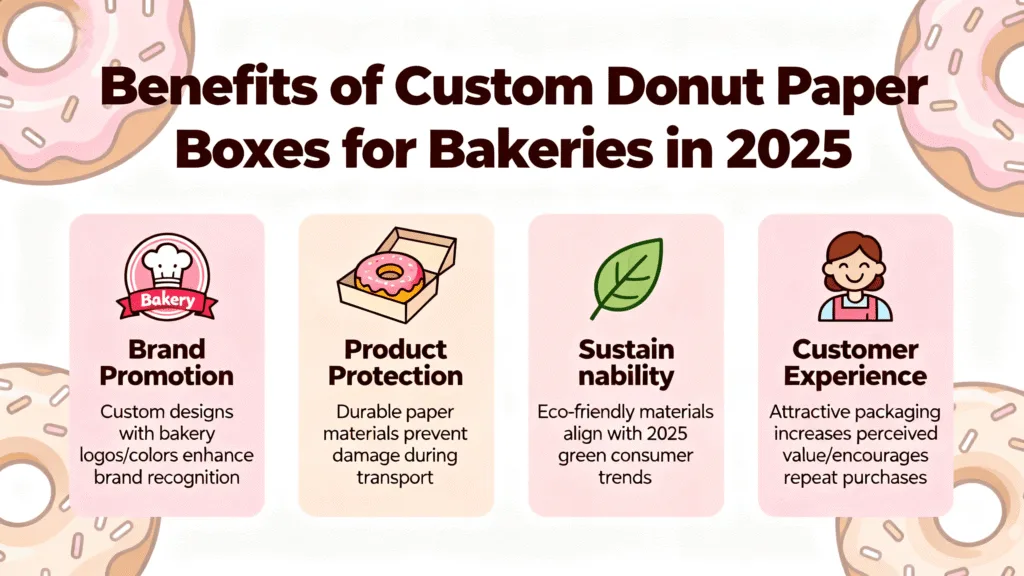
Custom donut boxes turn a simple expense into a powerful marketing and sales asset. With strategic branding, personalization, product-viewing windows, protective inserts, bulk purchasing, and sustainable materials, they build brand identity, increase impulse purchases, encourage customer loyalty, protect your product, reduce long-term packaging costs, and create a memorable experience that can translate directly into higher sales and stronger ROI.
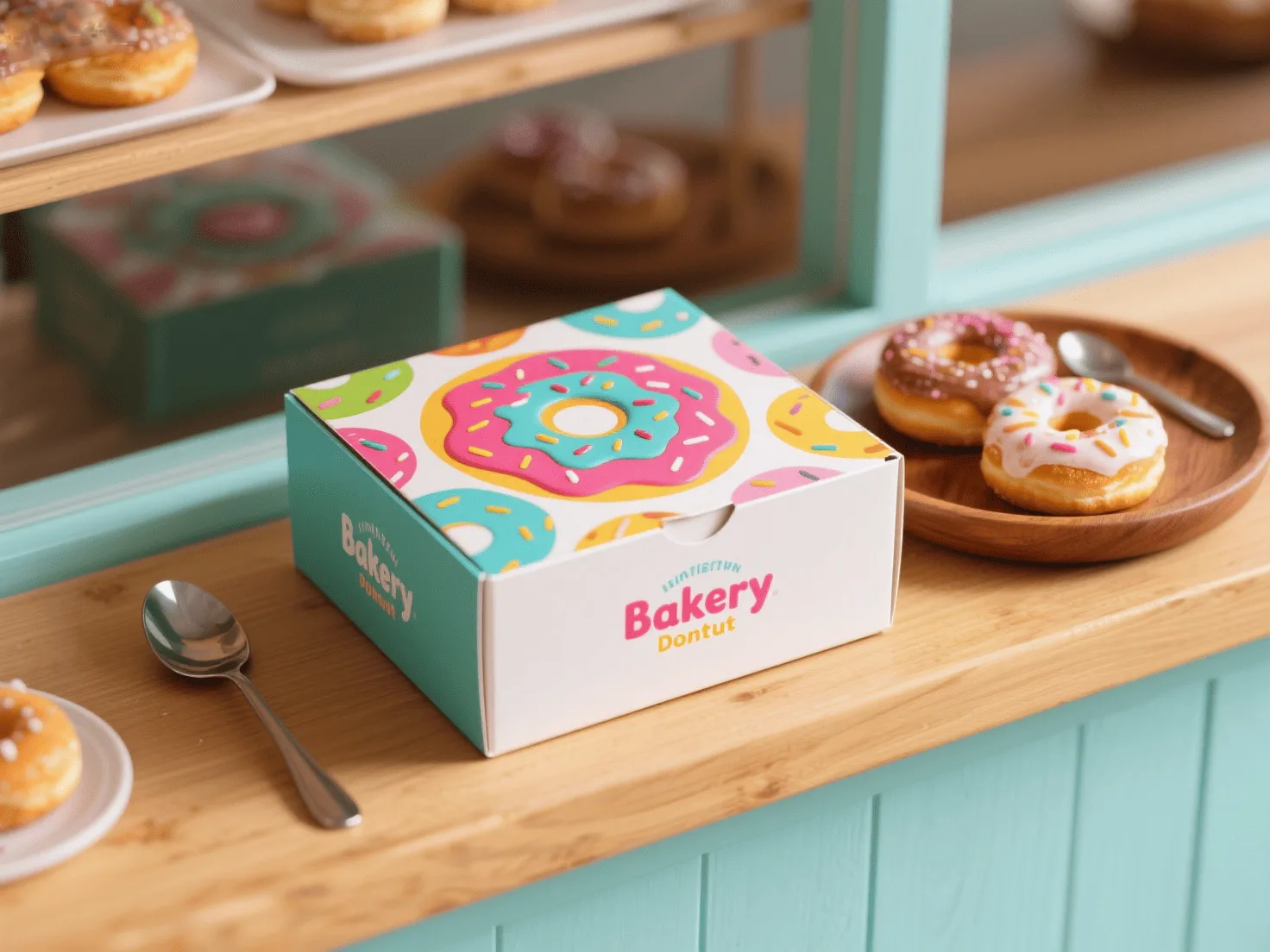
I remember a conversation with a family-owned bakery that had the best classic glazed donuts in town. Their problem was that a new, trendy donut shop opened down the street with wild flavors and even wilder packaging. My client’s business dipped, even though their product was superior. We sat down and redesigned their packaging. We didn’t create anything flashy, but we developed a warm, nostalgic design on a sturdy, custom-fit box that told their family’s story. We also added a simple window so customers could see the donuts before opening the box. Within three months, their sales were back up. Why? Because the box finally communicated the quality and heart that was inside it all along. It reminded people that they weren’t just buying a donut; they were supporting a local legacy.
Can a Simple Box Really Boost Your Bakery’s Brand Identity?
Your donuts have a unique flavor, but they’re sold in the same box as your competitor’s. This generic packaging erases your identity the moment the customer walks out the door, making your brand instantly forgettable.
Absolutely. A custom box is your bakery’s walking billboard. It uses your logo, colors, materials, personalized messages, and unique story to create an immediate and lasting brand impression that separates you from the competition, encourages social media sharing, and keeps your brand visible even after the customer leaves your store.
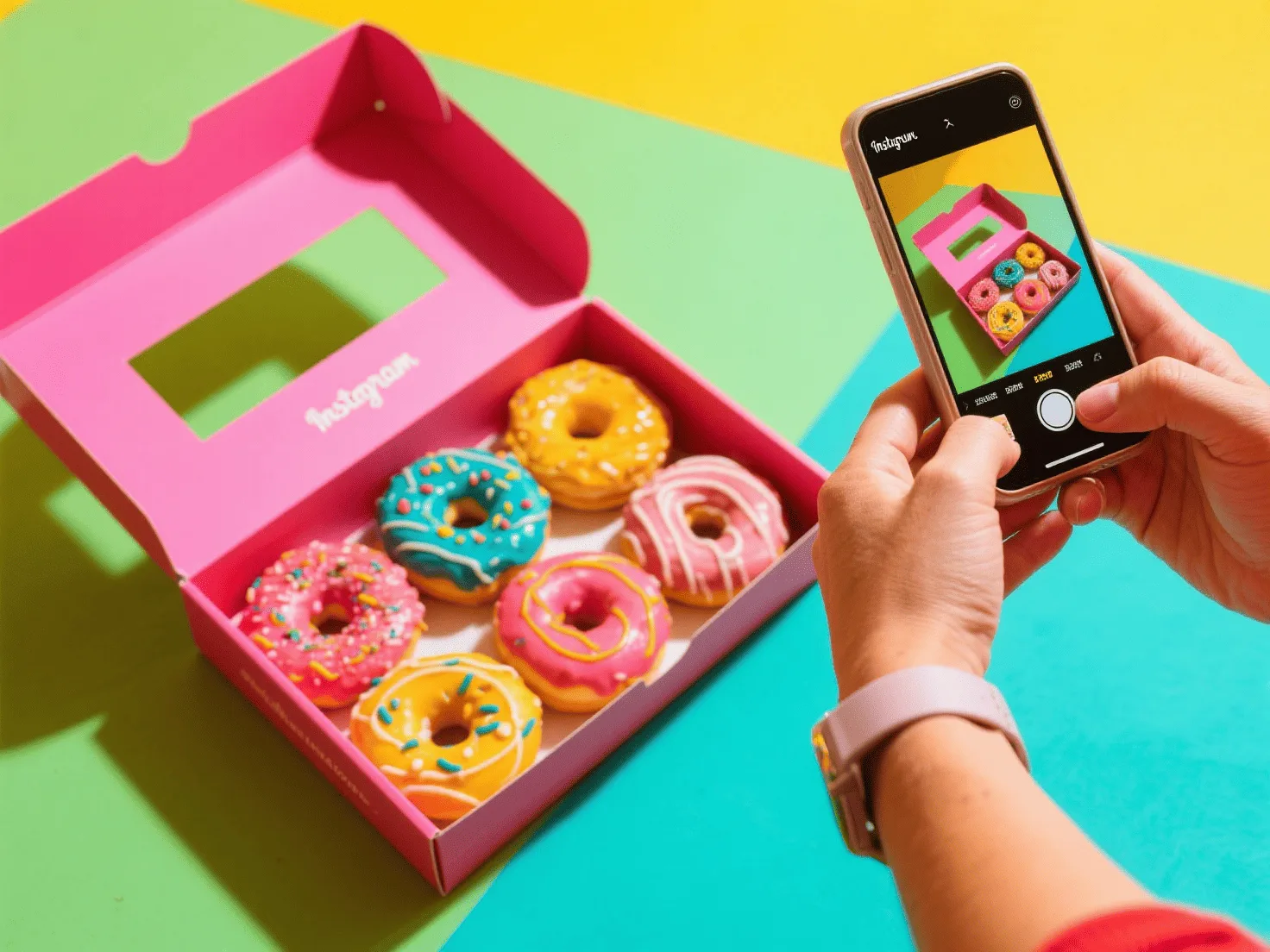
In today’s visually driven market, especially on platforms like Instagram and TikTok, your packaging is often the first interaction a potential customer has with your brand. A plain box is a dead end. A custom-designed paper box is a conversation starter. It’s an opportunity to showcase your brand’s personality—are you fun and modern, or classic and artisanal?
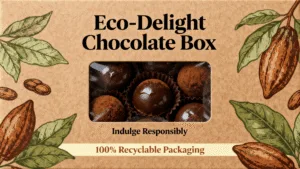
The materials you choose also contribute to this identity. Rustic kraft paperboard can communicate an organic, handmade character, while smooth white SBS cardstock creates a clean, modern, premium appearance. Structural details, such as a custom-shaped window or a distinctive opening mechanism, can reinforce the personality of the brand even further.
Your box also travels beyond the bakery. A customer carries it down the street, into an office, or to a party, exposing your logo and visual identity to people who may never have visited your shop. Consistent use of your logo, brand colors, fonts, and graphic language gradually builds recognition and trust.
I worked with a startup bakery that put a clever, witty quote on the inside lid of their boxes. It was a small detail, but customers loved it. They started posting photos of the box, not just the donuts. That simple addition generated more organic marketing than a small ad budget ever could. Your box isn’t just a container; it’s the physical embodiment of your brand.
Brand Impact: Generic vs. Custom Boxes
| Feature | Generic Stock Box | Custom-Printed Box |
|---|---|---|
| First Impression | Anonymous, forgettable | Professional, memorable, branded |
| Brand Recognition1 | Zero | High; reinforces logo and colors |
| Marketing Potential | None | Acts as a mobile advertisement |
| Product Visibility | Usually hidden | Optional window showcases the product |
| Social Media Sharing | Unlikely | High, especially with unique designs |
| Perceived Value | Standard | Premium, especially with thoughtful design |
| Customer Loyalty | Limited | Strengthened through consistent branding and personalization |
How Do Window Styles on Donut Boxes Increase Impulse Purchases?
Your most colorful and enticing donuts are hidden inside a closed cardboard box. Customers on the fence have no visual trigger to tempt them into a purchase, and potential sales are lost.
A strategically designed window provides a direct preview of the product, triggering appetite appeal and building trust. By allowing customers to see the quality, colors, toppings, and freshness of your donuts before opening the box, it can encourage impulse purchases while making the packaging more memorable.
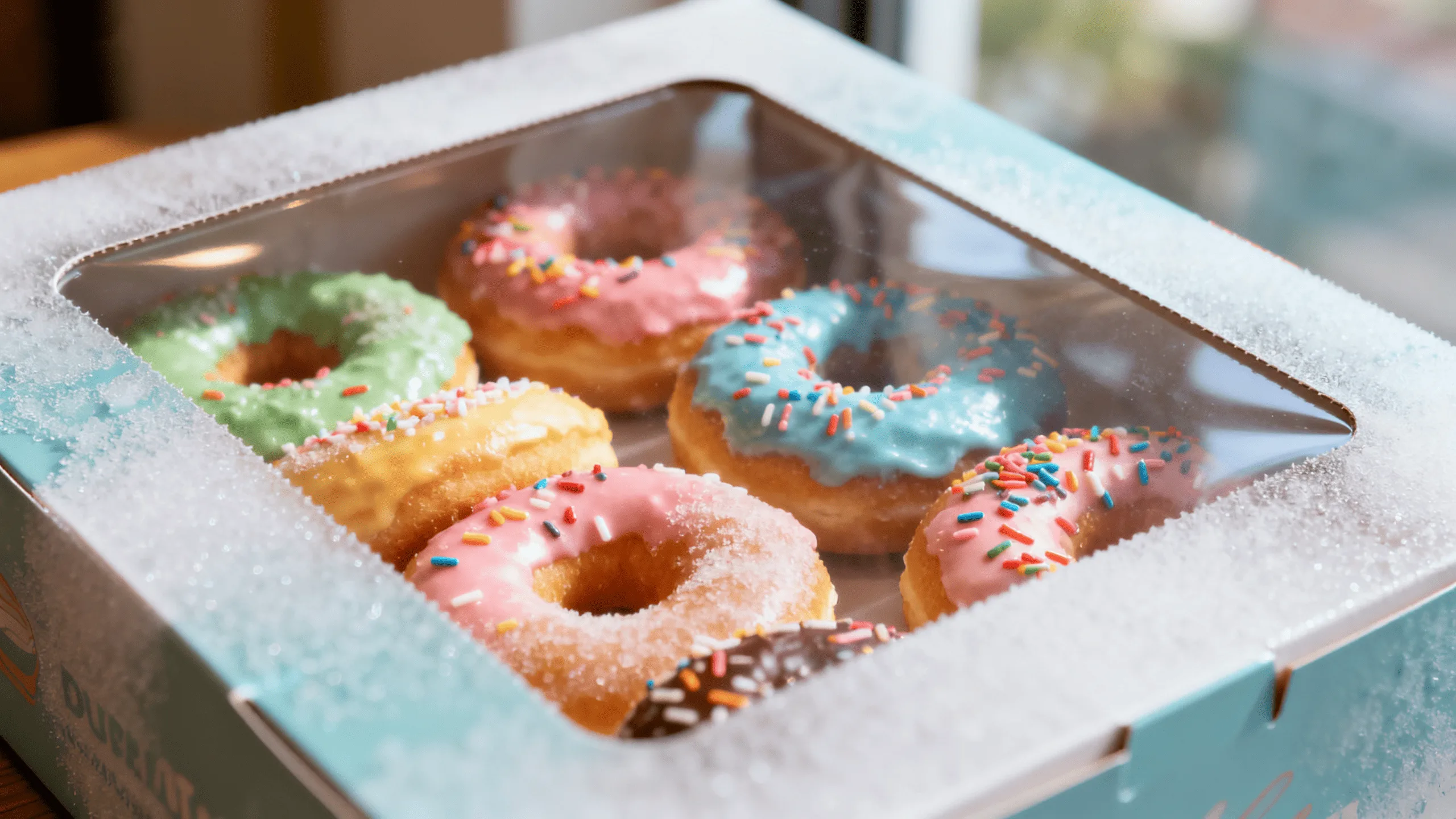
The principle is simple: we eat with our eyes first. A window removes the barrier between the customer and the product, allowing the vibrant colors of sprinkles, the glossy shine of glaze, and the texture of the dough to do some of the selling for you. It also builds confidence because customers can see exactly what they are purchasing.
The window itself can become part of your branding strategy. A large, full-panel window works particularly well for assorted dozens because it maximizes product visibility. A smaller window leaves more space for branding and can focus attention on a signature donut. A custom-shaped window—such as a donut silhouette—can turn a functional feature into a recognizable design element.
The Power of the Preview
A window acts as a sneak peek, creating anticipation and desire. It allows your product to be its own best advertisement, even after it has been packaged and is sitting on the counter waiting for purchase.
Choosing Your Window Style2
The right window depends on your product, packaging structure, and brand identity. Consider what you want customers to notice first: the variety of a full dozen, the decoration on a gourmet donut, or a distinctive brand shape.
| Window Style | Visual Impact | Branding Opportunity | Best For… |
|---|---|---|---|
| Full Top Window | Maximum visibility | Moderate (branding on sides) | Assorted dozens, showcasing variety |
| Partial Window | Focused preview | High (ample space for top printing) | Highlighting specific donuts, 2-packs/4-packs |
| Custom Shape3 | High, memorable | Excellent (window becomes part of the logo/design) | Signature items, creating a unique brand identity |
Does a Custom Box Improve the Customer Unboxing Experience?
You’ve spent hours perfecting your donut recipe, only for a customer to open a flimsy box and find the frosting smeared and the donuts crushed together. The sale is made, but the experience is ruined, damaging the perceived value of your product.
Yes, a well-designed custom box enhances the unboxing experience by protecting the product and delighting the customer. Custom inserts, sturdy materials, thoughtful personalization, and a well-designed opening experience keep donuts in place and make them feel like a premium product, helping justify a higher price point and encouraging customers to share the experience.
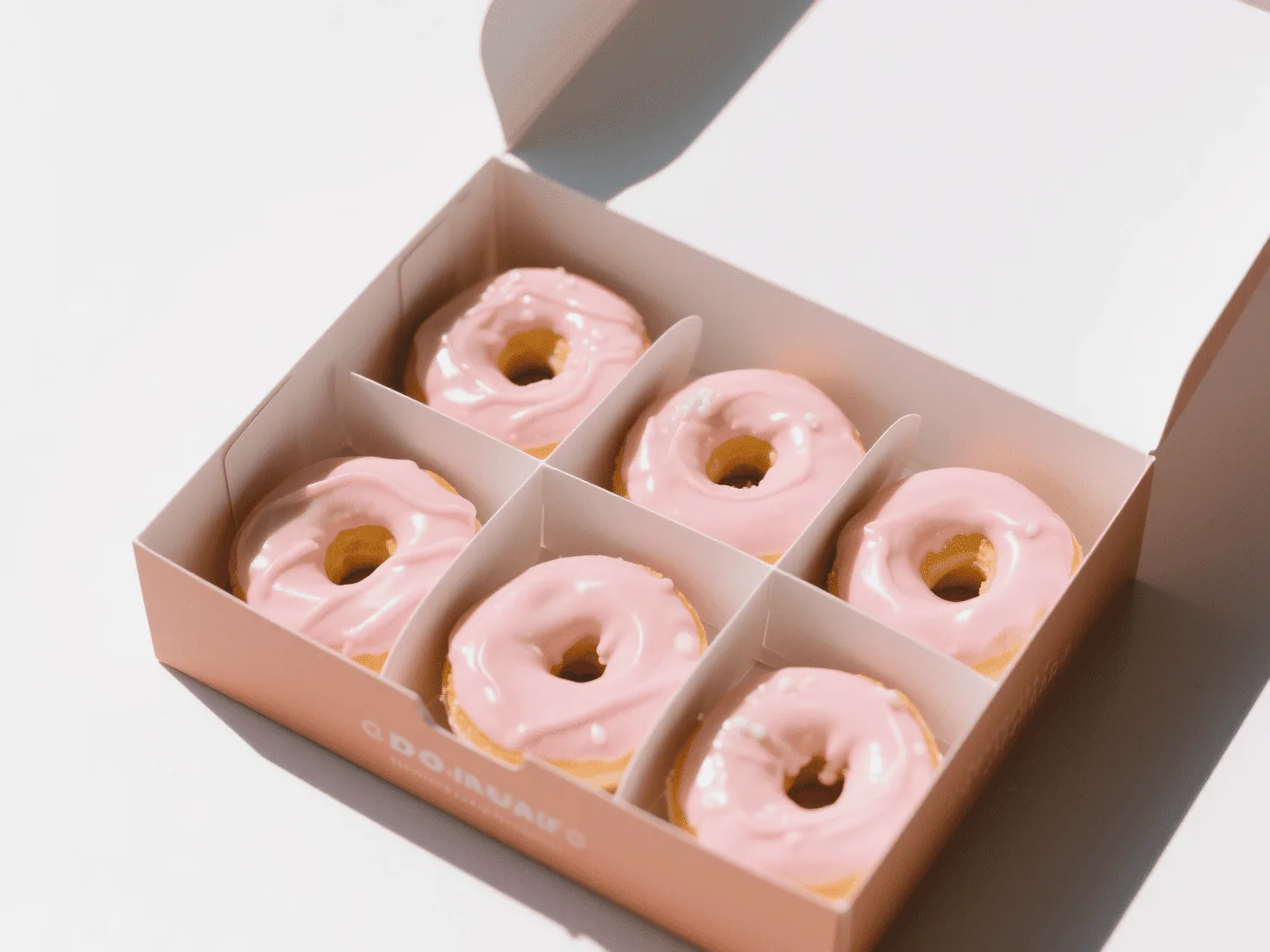
The unboxing experience is a critical touchpoint. For food items, it starts with protection. Custom food packaging allows for the creation of inserts that cradle each donut, preventing them from sliding around and getting damaged. This is especially important for delivery and takeaway orders, where movement during transportation can quickly ruin delicate icing and toppings.
For gourmet or elaborately decorated donuts, inserts are not simply an optional luxury. They provide both protection and presentation. Individual compartments keep donuts separated while creating a clean, organized appearance when the box is opened. A simple die-cut paperboard insert can provide effective protection while matching the box for a cohesive look. For premium or sustainability-focused brands, molded paper-pulp inserts can offer an attractive alternative.
The structure of the box itself matters as well. Thicker, food-grade, grease-resistant paperboard helps prevent the packaging from becoming soggy or weak. Thoughtful details such as a pull-tab opener or a branded message printed inside the lid can transform opening the box from a routine task into a memorable experience.
Protection Meets Presentation
A good insert doesn’t just hold the donuts; it presents them. It ensures the first look inside the box is as delightful as the first bite. This attention to detail is what separates a standard bakery from a premium confectionery brand4.
Material and Design Considerations
Inserts should be designed around your specific donut sizes and shapes. They can be simple dividers or custom-cut holders, but the material should be food-grade and sturdy enough to handle the products. Kraft paperboard offers a rustic, natural feel, while white SBS board provides a clean, premium canvas.
How Does Personalization Turn a One-Time Buyer into a Loyal Fan?
You’re serving hundreds of customers, but the transactions feel impersonal. You’re struggling to build a real community around your brand and encourage repeat business beyond just offering a good product.
Personalization makes customers feel seen and valued. By using seasonal designs, event-specific packaging, custom messages, or QR codes for special offers, you create an emotional connection that transforms a simple purchase into a memorable experience, fostering deeper brand loyalty and giving customers a new reason to return.
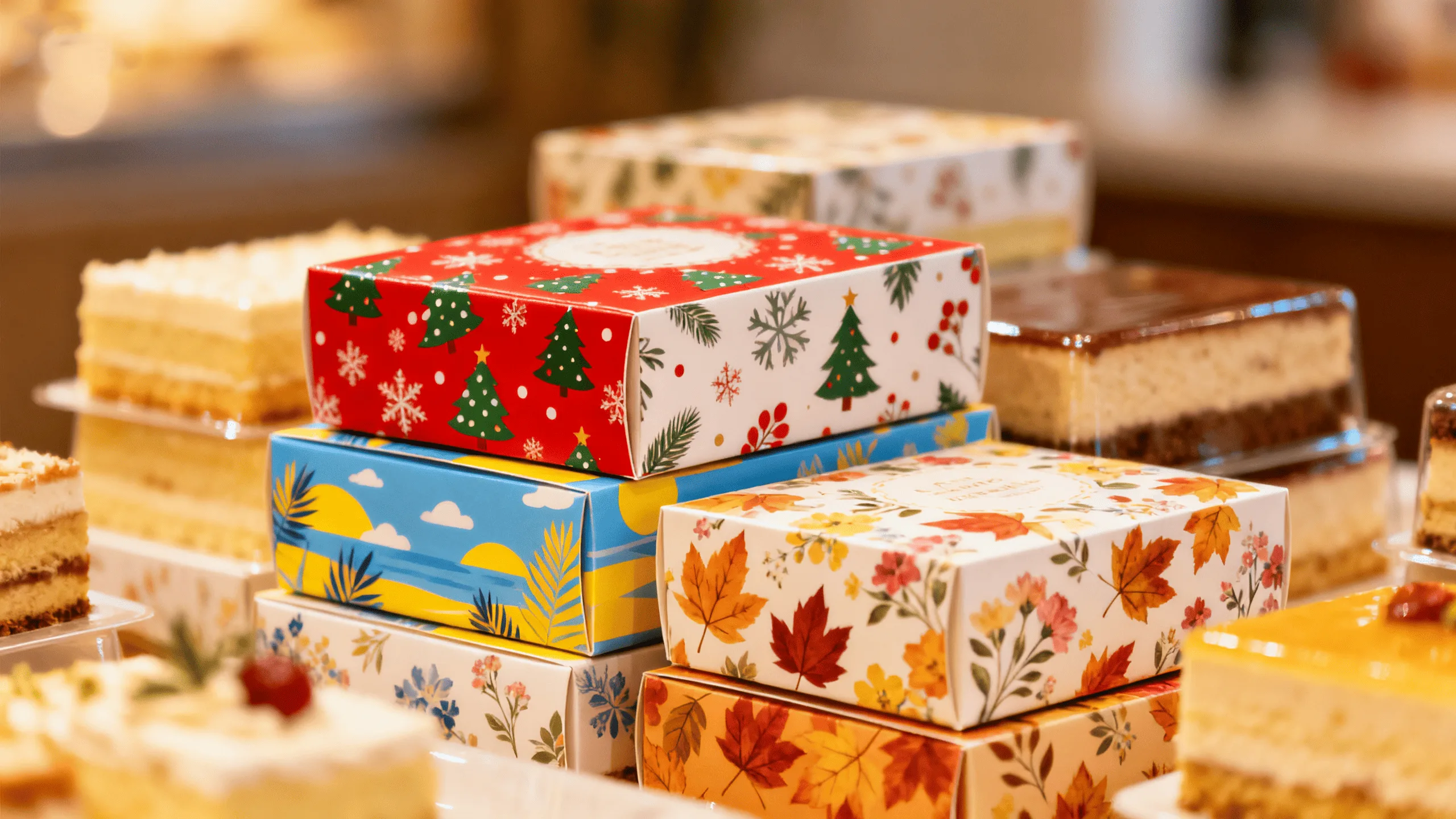
A loyal customer is worth far more than a one-time buyer, and loyalty is built on emotion. Personalizing your packaging is one way to create a positive emotional link. Limited-edition boxes for Valentine’s Day, Easter, Christmas, birthdays, local events, or other special occasions can make your products feel more relevant and giftable.
Personalization doesn’t have to be complex. It can be a special box for a corporate order with their logo, a "Happy Birthday" message, a seasonal sleeve, a space to write a customer’s name, or a QR code that links to a loyalty program or special offer. It’s about showing you’ve thought about the customer beyond the transaction.
Seasonal and Event-Based Packaging
Creating limited-run boxes1 for holidays or local events can generate buzz and scarcity while giving customers a new reason to purchase. It also allows your brand to align with the celebratory feelings of your customers without changing your core brand identity.
Creating an Emotional Connection
Small touches, like a space to write a name for a gift or a fun message printed inside the lid, show that you care about the customer’s experience. These details can turn an ordinary purchase into a memorable moment that customers are more likely to remember and share.
How Can Custom Boxes Turn into a Sustainable Marketing Tool?
You’re spending money on digital ads with questionable returns. At the same time, your packaging is treated as a pure cost—a disposable item that ends up in the trash, potentially harming both the environment and your brand image with eco-conscious customers.
Custom boxes become a marketing tool by printing QR codes for loyalty programs or social media links directly on them. Choosing recyclable paperboard, FSC-certified materials, responsible coatings, and appropriate inks can also turn your packaging into a credible statement about your brand’s values.
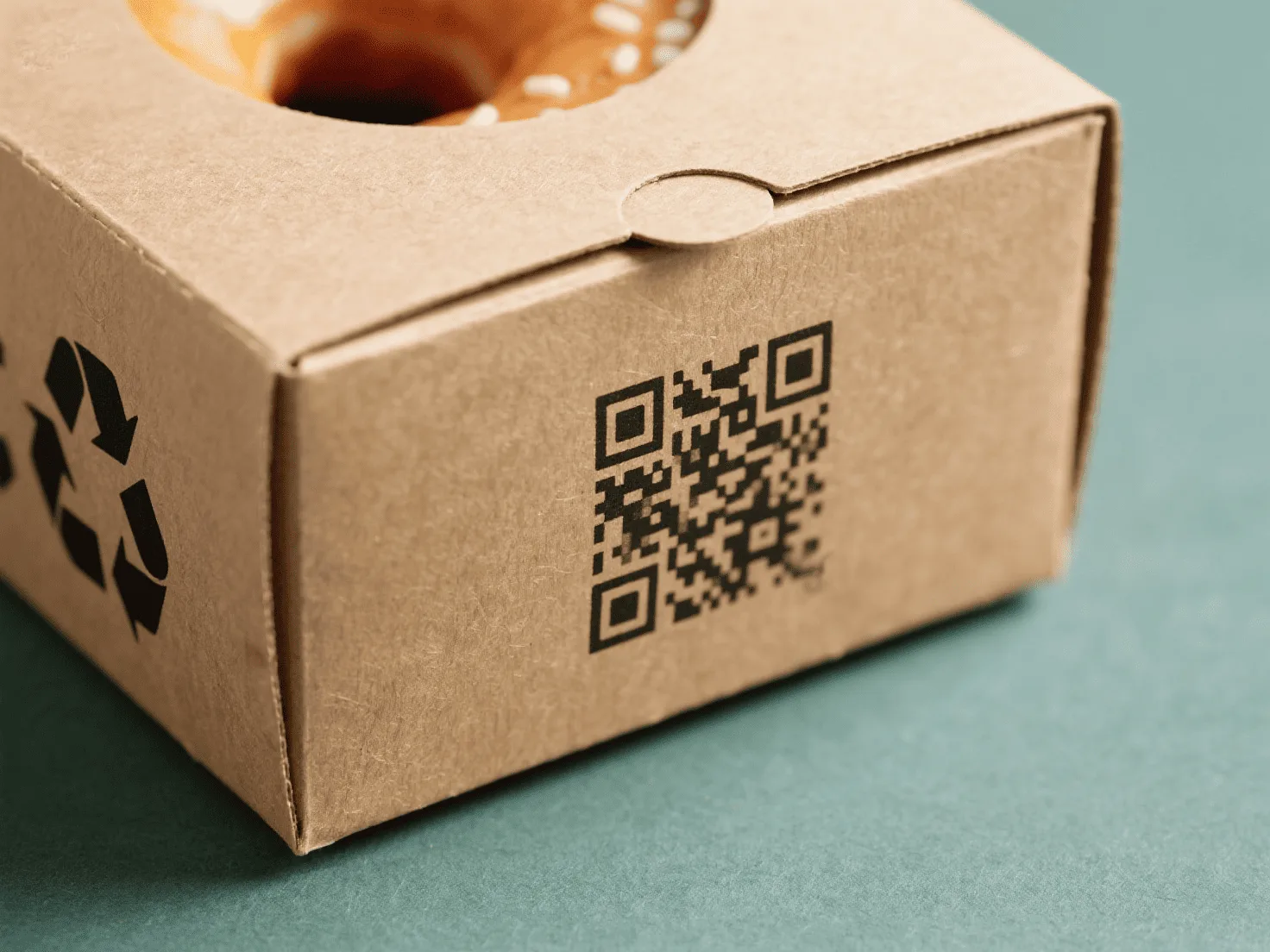
Think of the surface area of your donut box as prime advertising real estate that you already own. Instead of a blank canvas, it can be a direct line to your customer. Printing a QR code that links to your Instagram page, loyalty program, online ordering page, or a special discount on their next purchase encourages repeat business and digital engagement. You can also promote seasonal specials or new flavors directly on the box.
But sustainability requires more than simply adding a green symbol to the packaging. When choosing sustainable dessert packaging, focus on the actual material, production process, certifications, and end-of-life options. A straightforward FSC-certified paperboard box can often provide a more credible sustainability story than a complicated material with vague environmental claims.
What Really Drives the Cost of Sustainable Donut Boxes?
The word "sustainable" often creates the assumption that packaging must be significantly more expensive. In reality, the final cost depends on several practical factors, and smart structural design can help balance sustainability goals with budget requirements.
The main cost drivers are raw material, inks and coatings, structural complexity, and order volume. Choosing the right paperboard and simplifying the structure can often reduce material waste and offset some of the premium associated with sustainable materials.
Virgin FSC-certified paperboard may cost more than standard non-certified stock, while high-quality recycled paperboard can also carry a premium because it must be processed to achieve the required quality and food-packaging performance. Inks and coatings also influence cost. Water-based coatings and appropriate food-safe inks may have different pricing from conventional alternatives.
Structural design is another major variable. A complex box with multiple folds, glue points, and a separate window can cost more than a simple self-locking paperboard structure. However, clever folds and efficient layouts can reduce material consumption and eliminate unnecessary components.
Order volume has an equally important effect. Larger production runs spread setup and tooling costs across more units, lowering the per-unit price. Planning inventory for a quarter or longer rather than ordering small quantities every month can therefore improve both cost efficiency and production planning.
Is Ordering Custom Dessert Boxes in Bulk Really More Cost-Effective?
You see the initial invoice for a large order of custom boxes and hesitate. The total investment seems much higher than just buying small batches of generic boxes as you need them, making you question if it’s financially wise.
Yes, because bulk ordering can significantly lower your per-unit cost. Printing, die-cutting, and other setup costs are spread across a larger production volume, while better planning can reduce the frequency of reorders and help protect your packaging budget from future material or production cost increases.
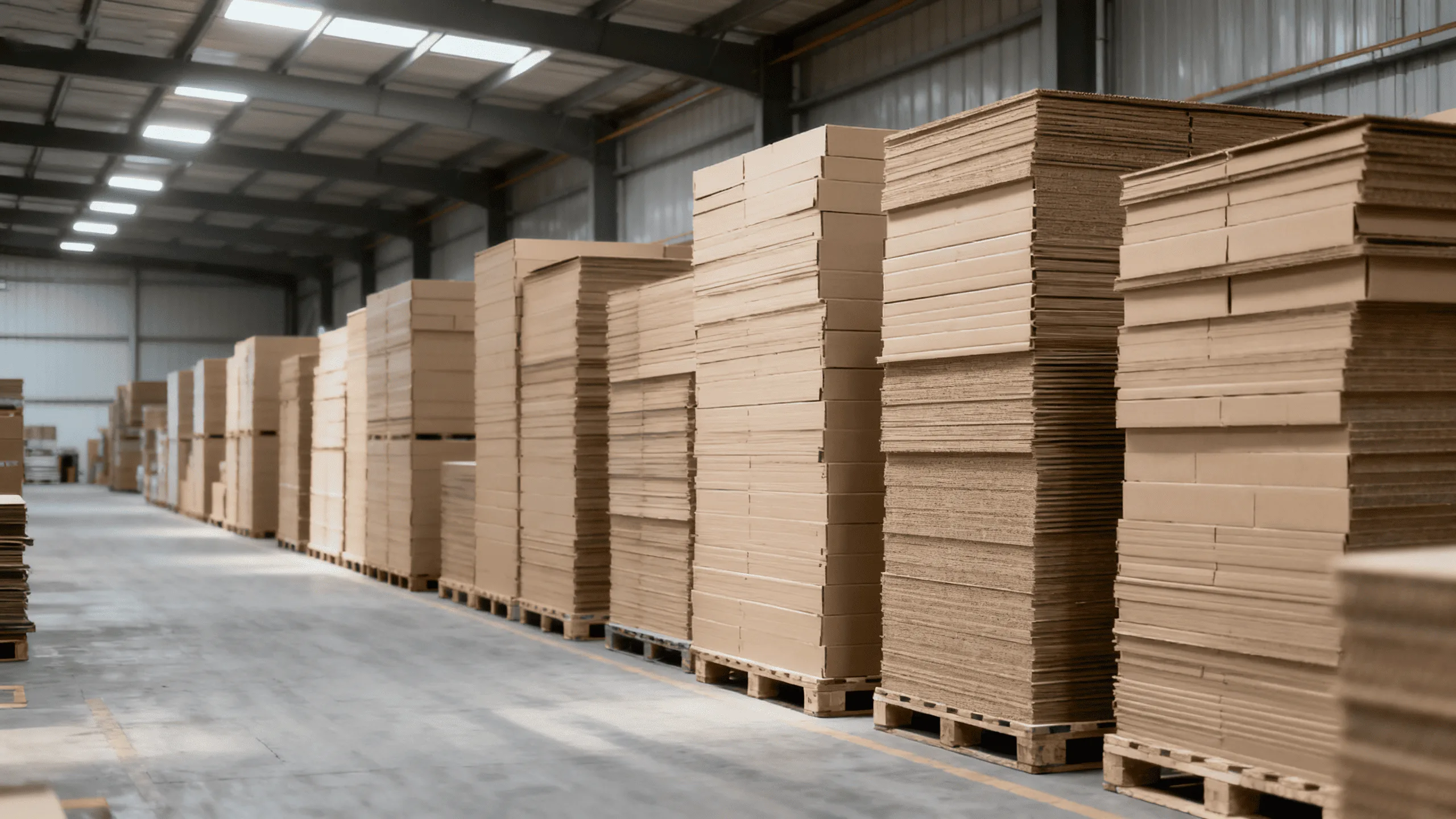
Here is a piece of factory-floor reality: setting up a print job is one of the most expensive parts of the process. We have to create custom printing plates for your design and configure a large, heavy die-cutting tool to stamp out the specific shape of your box. These setup costs are largely fixed whether we produce 500 boxes or 5,000 boxes. When you place a small order, that setup cost is divided among fewer units, making each box seem expensive. But when you order in bulk, that same setup cost is spread across more units, so the per-unit price falls.
Planning your packaging needs for several months and placing a larger order instead of repeatedly purchasing small batches can therefore improve purchasing efficiency. However, the ideal quantity should still reflect your storage capacity, cash flow, product demand, and the risk of design changes.
Understanding Per-Unit Cost
Focus on the cost per box, not simply the total invoice amount. This is the more useful measure for understanding your packaging investment and evaluating how packaging costs affect your product margins.
Calculating Long-Term Value
By lowering the per-unit packaging cost, you may create additional margin on every item sold. Those savings can potentially be reinvested into marketing, product development, or other areas of the business.
| Order Quantity | Setup Cost (Fixed) | Per-Unit Production Cost1 | Total Cost | Final Cost Per Box2 |
|---|---|---|---|---|
| 500 Boxes | $300 | $0.80 | $700 | $1.40 |
| 1,000 Boxes | $300 | $0.75 | $1,050 | $1.05 |
| 5,000 Boxes | $300 | $0.60 | $3,300 | $0.66 |
Key Cost Factors Breakdown
Understanding these components allows you to make informed trade-offs to meet your budget and sustainability goals.
The Volume Advantage
As with any custom manufacturing, larger production runs distribute setup costs across more units, lowering the price per box. Planning inventory for a quarter or longer can improve both unit economics and production efficiency, provided you have enough storage space and predictable demand.
| Cost Component | Impact on Price | Sustainability Consideration |
|---|---|---|
| Raw Material5 | High | FSC-certified and high-recycled-content papers support responsible sourcing. |
| Inks & Coatings | Medium | Water-based coatings and suitable eco-conscious inks can reduce environmental impact. |
| Structural Design | Medium | Smart designs can reduce material waste and eliminate unnecessary components. |
| Order Volume | High | Larger orders significantly decrease the cost per unit. |
| Window & Inserts | Medium | Paper-based inserts and appropriately selected window materials can improve protection while supporting sustainability goals. |
How Does Your Box Design Maximize Retail Display and Brand Impact?
Your donut boxes are hidden in a pile behind the counter, or when they are stacked, your brand name is completely invisible. They are difficult for staff to assemble during a rush, slowing down service and frustrating customers.
Your donut box should be designed for its entire lifecycle—from storage and assembly to retail display and the customer’s home. Stackable structures, clear logos visible from multiple angles, efficient assembly, and a cohesive brand aesthetic ensure your product stands out while making everyday bakery operations easier.
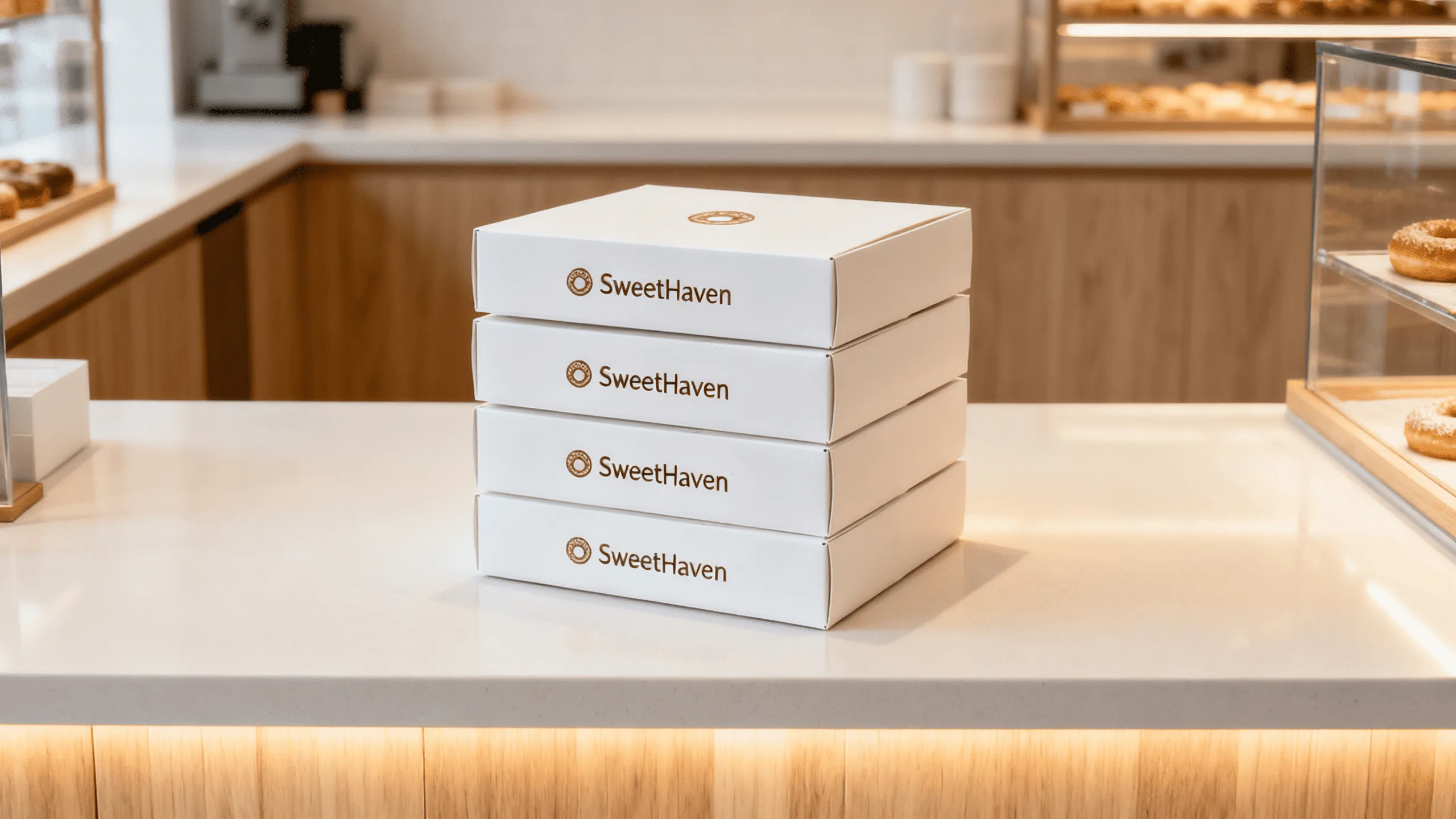
A donut box must be designed for its entire lifecycle, and a huge part of that is its time in your store. I always ask clients: "Where will these boxes live before they are sold?" The answer determines the design.
If boxes will be stacked on a counter, the side panels become valuable marketing real estate. Your logo, website, and social media handles can be positioned where customers can see them, turning a stack of boxes into a silent advertisement. A clever repeating pattern can also make multiple stacked boxes look like one large branded display.
The structure matters, too. An "auto-lock bottom" or crash-lock style box can be assembled quickly, which is especially useful during the morning rush. A flat-folding structure can save valuable back-of-house storage space while reducing the amount of space needed before assembly.
The visual identity—your colors, fonts, logo, and graphic language—should remain consistent with your in-store branding to create a seamless customer experience. This transforms the box from a mere container into an integral part of your brand’s physical presence.
Designing for the Shelf
Think of your stacked boxes as a single, large canvas. How can the design on one box interact with the next? A clever pattern, strategically placed logo, or partially visible graphic can create intrigue and a powerful visual block that draws the eye.
The Unboxing as Marketing
In the age of Instagram, the unboxing experience is a powerful form of user-generated marketing6. A beautifully designed, easy-to-open box encourages customers to share photos and videos, providing free advertising and social proof. A thoughtful interior message, attractive window, or distinctive structure gives customers another reason to photograph and share the experience.
Which Sustainability Certifications Actually Matter for Paper Packaging?
You’re bombarded with logos and symbols all claiming to be "green," "eco," or "earth-friendly." You don’t know which ones are legitimate third-party verifications and which ones are just clever marketing, leaving you vulnerable to greenwashing.
For paper packaging, FSC certification is one of the most important credentials to verify because it provides third-party assurance regarding responsible forest sourcing. Depending on the packaging and supplier, other certifications such as BSCI, ISO 14001, or relevant compostability certifications can provide additional information about social responsibility, environmental management, or specific material claims.
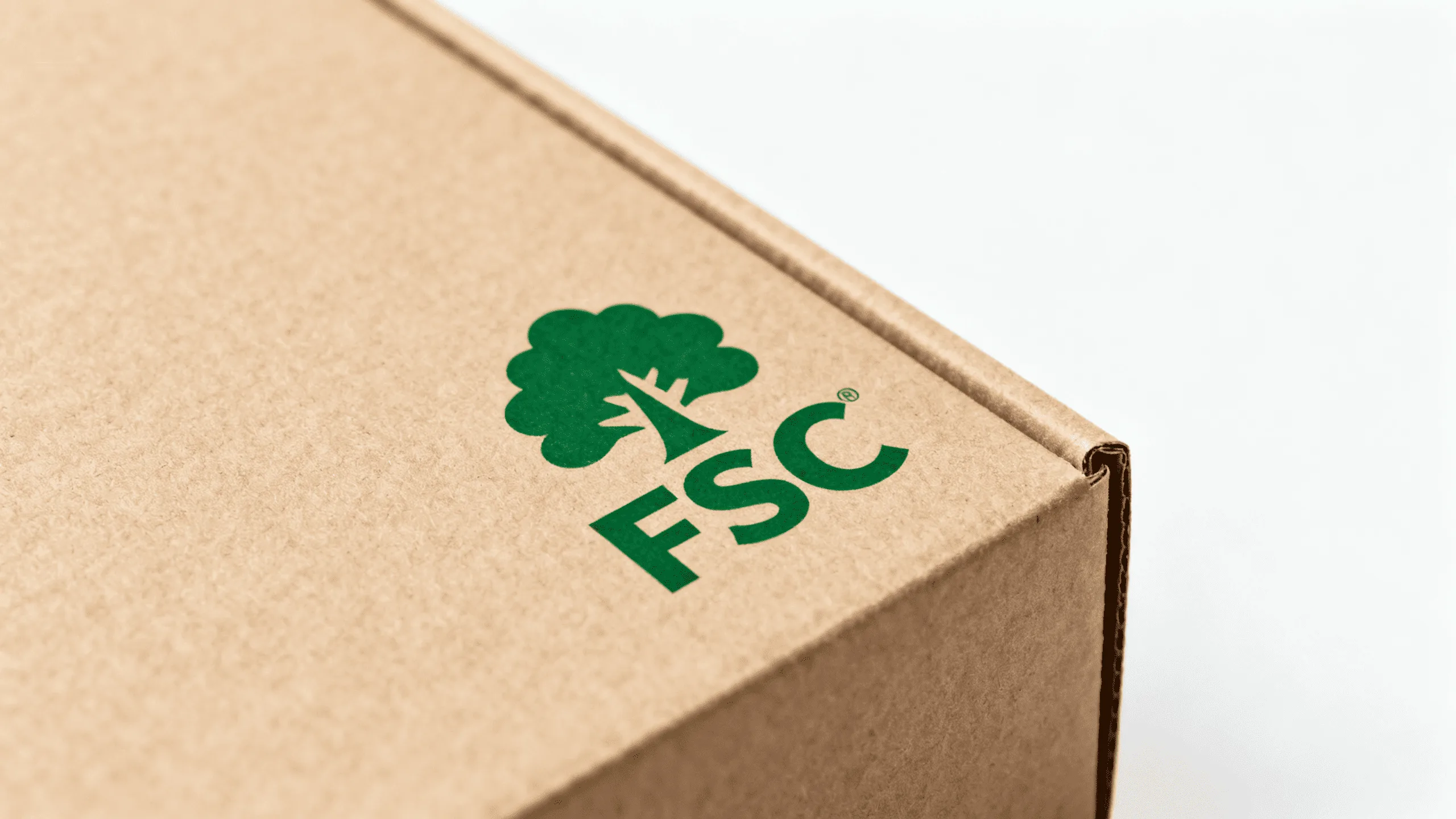
Certifications are useful because they provide independent evidence behind sustainability claims. For paper packaging, FSC is particularly important because it addresses responsible forestry and supply-chain traceability.
The FSC "Chain of Custody"
The FSC Chain of Custody system tracks certified material through the supply chain from the forest to the final product. If a supplier claims that your packaging is FSC-certified, ask for the relevant certificate details and verify that the certification applies to the materials and products being supplied.
Beyond the Paper
Sustainability extends beyond the paper itself. Supplier credentials can also provide insight into social and environmental management. BSCI can help demonstrate attention to social compliance, while ISO 14001 certification indicates a structured environmental management system within the manufacturing operation.
The important principle is to look for documentation rather than relying solely on words such as "green," "eco-friendly," or "natural." A clear, verifiable claim is more valuable than an impressive-sounding but unsupported environmental promise.
What Questions Should You Ask a Potential Sustainable Packaging Supplier?
You’re ready to request a quote, but you don’t know how to look beyond the price. You need to assess if a potential partner is truly experienced in sustainable practices or if they are simply saying what you want to hear.
Go beyond price and ask for specifics. A reliable supplier should be able to provide relevant certification details, explain where the paperboard comes from, discuss food-safe inks and coatings, confirm the packaging structure, and suggest design changes that can reduce material waste without compromising product protection.
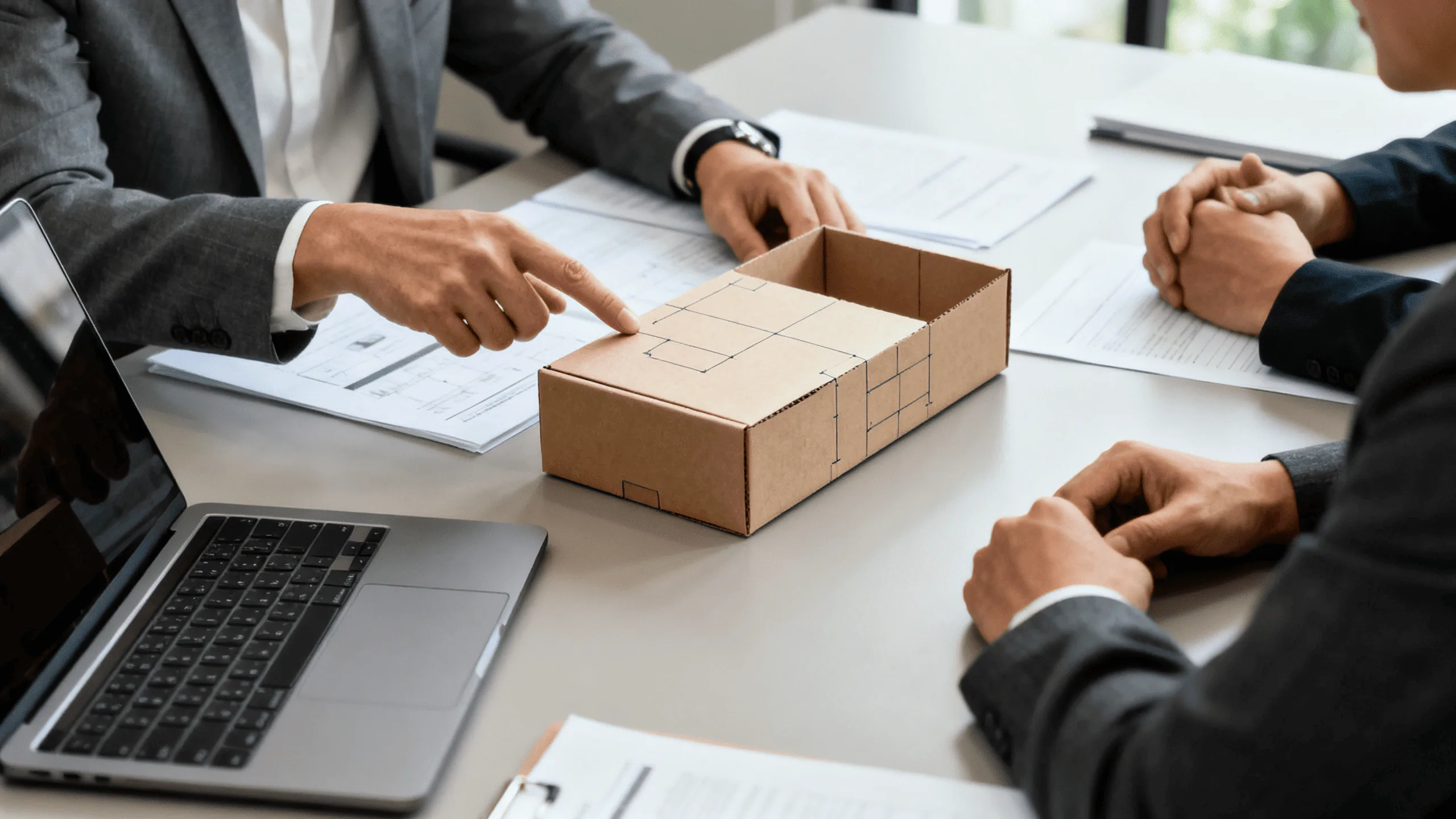
Finding the right partner is the most critical step. A great supplier is more than a manufacturer; they should be able to guide you toward a practical and cost-effective sustainable solution.
Don’t just ask, "Are you sustainable?" Ask, "Can you provide your current FSC certificate details?" Don’t just ask, "Can you make a food box?" Ask, "What food-safe, grease-resistant coatings do you recommend, and how do they affect recyclability?"
You should also ask whether the supplier can provide samples, explain the material specifications, show similar projects, and recommend structural modifications. A knowledgeable supplier should be able to explain the trade-offs between Kraft, SBS, and recycled paperboard, as well as between windows, inserts, coatings, and different box structures.
If a supplier is vague, evasive, or unable to provide supporting documentation for important sustainability claims, treat that as a warning sign.
Your Supplier Vetting Checklist
Use this structured approach to interview potential packaging partners. Their answers will reveal their level of expertise and transparency.
| Category | Key Questions to Ask | What to Look For |
|---|---|---|
| Certifications | "What is your FSC certificate number?" "Can I see your latest BSCI documentation?" | Valid, verifiable certification details and transparency. |
| Material Sourcing | "Where do you source your paperboard?" "Can you trace the material?" | Clear supply-chain information and knowledge of Kraft, SBS, and recycled paperboard. |
| Food Safety | "What food-grade inks and coatings do you use?" "How do they affect recyclability?" | Specific information about food-safe materials, coatings, and applicable requirements. |
| Product Protection | "Can you design inserts for my donut sizes?" "How do you prevent grease and movement?" | Practical knowledge of inserts, board strength, and grease resistance. |
| Window Options | "What window material do you recommend?" "Can we use a paper-based or lower-impact alternative?" | A clear explanation of performance, sustainability, and recycling considerations. |
| Expertise & Design | "Can you suggest design changes to reduce waste?" "Show me similar projects." | Proactive advice on lightweighting, structural efficiency, and relevant experience. |
Which Material Is Best for Your Donut Boxes?
Your material choice affects far more than appearance. It influences printing quality, structural strength, grease resistance, sustainability claims, and the overall personality of your bakery.
The right material depends on your brand positioning, product requirements, budget, and sustainability goals. Kraft paperboard works well for natural and artisanal brands, while white SBS provides a clean surface for vibrant printing and premium presentation. Recycled paperboard is useful when recycled content is an important part of your sustainability strategy.
Sustainable Material Options for Donut Boxes
| Material | Key Benefits | Best For |
|---|---|---|
| Kraft Paperboard7 | Natural look, strong, highly recyclable. | Bakeries with an organic, rustic, or eco-friendly brand. |
| White Cardstock (SBS) | Clean, smooth surface for vibrant, high-quality printing. | Modern, minimalist, or high-end bakeries. |
| Recycled Paperboard8 | Incorporates recycled content and communicates eco-values. | Brands wanting to emphasize their commitment to sustainability. |
For the window, the choice should be made based on product visibility, food-packaging requirements, and local recycling infrastructure. If a window is necessary, discuss suitable lower-impact options with your packaging supplier rather than assuming that one material is automatically the most sustainable.
Conclusion
In 2026, a donut box is far more than just a container. It is an essential tool for branding, a sales and display asset, a crucial part of the customer experience, and a potential sustainability marketing channel.
The most effective packaging strategy brings these functions together. A strategically placed window can make the product itself part of the sales pitch. Custom inserts protect delicate donuts while creating a premium presentation. Stackable, easy-to-assemble structures improve retail operations. Strong visual branding turns every box into a mobile advertisement. Personalized seasonal designs can keep the brand fresh and give customers new reasons to return. Bulk purchasing can lower unit costs when demand and storage allow for larger production runs. And carefully selected, verifiable sustainable materials allow your packaging to communicate your environmental values without relying on vague green claims.
Investing in custom boxes is therefore not simply an investment in packaging. It is an investment in your bakery’s customer experience, brand recognition, customer loyalty, operational efficiency, and long-term profitability.
Ready to create a donut box that does more than just carry donuts? Let’s talk about your design ideas.
For more insights into creating standout packaging, read our guide on choosing the right materials to balance luxury and eco-consciousness.
FAQ
What is the minimum order quantity (MOQ) for custom donut boxes?
MOQs can vary based on the complexity and size of the box, but we often work with bakeries of all sizes to find a solution. Generally, you can expect a starting point of around 1,000 units for a fully custom design.
Are the inks and materials used for dessert boxes food-safe?
Food packaging should use materials and inks appropriate for the intended food application. Your supplier should be able to provide relevant material specifications and applicable food-safety documentation rather than relying on general claims.
What kind of special finishes can I add to my dessert boxes to make them stand out?
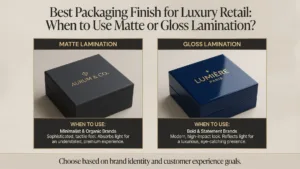
You can add many premium finishes, including matte or gloss lamination for durability, spot UV to highlight your logo, embossing or debossing for a tactile effect, and hot foil stamping in various colors like gold or silver for a touch of luxury. For sustainability-focused packaging, discuss how each finish affects the overall recyclability of the finished construction.
How long does a typical custom packaging order take from design to delivery?
Typically, the process takes about 4-6 weeks. This includes 1-2 weeks for design and prototyping, and 3-4 weeks for mass production and shipping. This timeline can vary depending on the complexity of the project, materials, window or insert requirements, and order quantity.
Can I get a sample of my custom box before placing a full order?
Yes, we always recommend it. We provide prototypes or samples for approval before moving to full production. This ensures you are completely satisfied with the box’s structure, materials, product fit, window placement, insert design, and print quality.
What are the most eco-friendly options for donut boxes?
Recyclable paperboard is often a practical choice, particularly when it can enter established paper-recycling systems. Recycled Kraft or recycled paperboard can incorporate recycled content, while FSC-certified paperboard provides verified responsible sourcing. For windows and other components, consider the complete packaging construction and the recycling infrastructure available in your target market rather than focusing on a single material in isolation.
What is the difference between Kraft paper and SBS/whiteboard?
Kraft paper has a natural, brown, rustic look and is great for eco-conscious or artisanal branding. Solid Bleached Sulfate (SBS), or white paperboard, provides a clean, smooth, white surface that is ideal for vibrant, full-color printing and communicates a more modern or premium feel.
How can I make my donut boxes more "Instagrammable"?
Focus on a clean, bold design with a clear logo and consistent brand colors. A custom-shaped window, distinctive box structure, branded seasonal design, or message inside the lid can create a memorable moment. Protective inserts can also ensure that the donuts look perfect when the box is opened. A package that is visually appealing, functional, and easy to photograph is more likely to become part of your customers’ social media content.
Is compostable packaging always better than recyclable packaging?
Not always. Compostable packaging is only beneficial when the appropriate composting infrastructure is available and the material is accepted by that system. A widely recyclable paper box can often be a more practical choice when paper-recycling infrastructure is more accessible in the target market.
What is a typical minimum order quantity for custom sustainable donut boxes?
MOQs vary by supplier and complexity, but fully custom offset-printed boxes often start around 1,000 to 2,000 units. The exact MOQ depends on the box structure, printing method, material, and required finishing.
Can I still use premium finishes like embossing or hot stamping on sustainable donut boxes?
Yes. Premium finishes can be incorporated into sustainable packaging, but the entire construction should be considered when evaluating recyclability. Blind embossing is a material-efficient way to create a premium tactile effect, while hot stamping can be used selectively for a luxury accent. Ask your supplier how the specific foil, coating, adhesive, and paperboard combination will affect recycling in your target market.
-
Exploring Per-Unit Production Cost can reveal insights into cost-saving strategies and pricing models. ↩ ↩ ↩
-
Understanding the Final Cost Per Box helps you assess your investment and profitability effectively. ↩ ↩
-
Learn how a Custom Shape window can create a memorable brand identity and attract customers. ↩
-
Explore this link to understand the key elements that elevate a bakery to a premium confectionery brand. ↩
-
Explore the advantages of responsible sourcing with FSC-certified materials for sustainable manufacturing. ↩
-
Discover insights on user-generated marketing and learn how it can effectively increase brand awareness and customer loyalty. ↩
-
Explore the advantages of Kraft Paperboard, including its recyclability and natural aesthetic, perfect for eco-conscious brands. ↩
-
Learn how Recycled Paperboard can enhance your brand’s sustainability efforts while appealing to eco-aware consumers. ↩