Your holiday emails are being ignored, deleted without a second thought. In a sea of digital noise, your well-wishes get lost, failing to make any real connection.
In an era of overflowing inboxes, a physical Christmas card cuts through the digital clutter. It offers a tangible, personal touch that builds genuine client relationships, reinforces brand value, and ensures your business is remembered long after the holidays are over.

Every December, my inbox floods with generic "Happy Holidays" emails. They all blend together—the same stock images, the same automated messages. I delete most of them without reading. But last year, a client sent me a physical card. It was made of thick, textured paper with their logo elegantly foil-stamped in the corner. Inside was a simple, handwritten note from my main contact. I kept that card on my desk for weeks. It was a small gesture, but it felt significant and personal in a way no email ever could. It reminded me that behind our business transactions are real people, and that simple, tangible connection is something digital greetings just can’t replicate.
How Do Physical Cards Cut Through the Digital Noise?
Your carefully crafted holiday email lands in an inbox with 200 other unread messages. It’s just another notification, easily overlooked and instantly forgotten.
A physical card is an event. It arrives through the mail, must be physically opened, and occupies space on a desk or shelf. This multi-sensory experience commands attention and has a lasting power that a fleeting digital message cannot match.
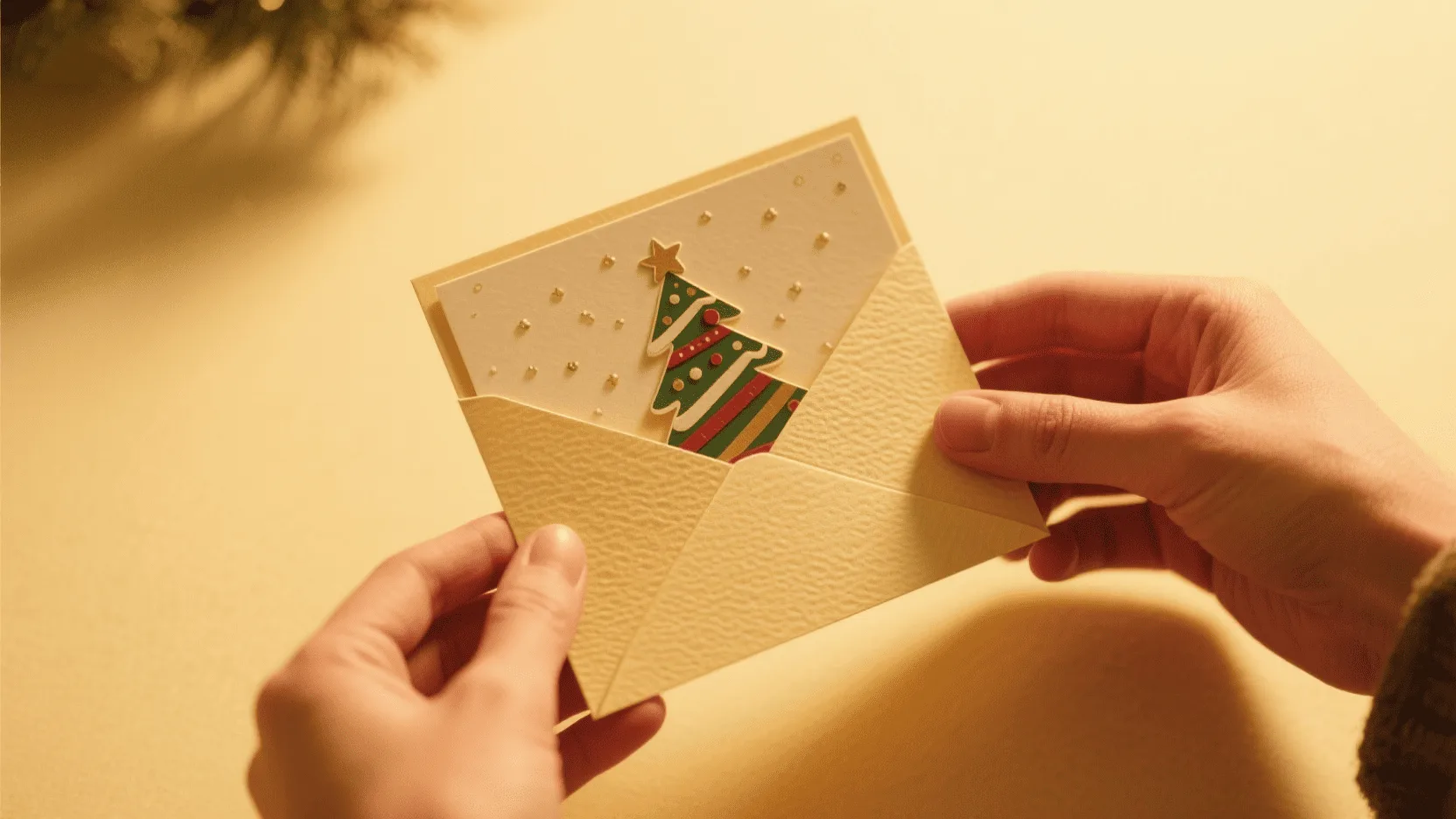
In the world of B2B marketing, we are constantly fighting for attention. The digital space is incredibly crowded, especially during the holiday season. A physical Christmas card bypasses this digital battlefield entirely. It lands directly in your client’s hands, creating a moment of surprise and curiosity. Unlike an email that can be deleted with a single click, a physical object requires interaction. The recipient has to touch it, open it, and read it. This tactile engagement triggers a different cognitive and emotional response. According to the ANA/DMA Response Rate Report, direct mail has a median household response rate of 9%, significantly higher than any digital channel, showcasing the power of physical media. A well-designed card becomes a temporary decoration, a physical reminder of your brand that sits on a desk for days or weeks. It doesn’t just send a message; it delivers an experience that makes your brand feel more substantial and your relationship more valued.
The Neurological Advantage1 of Physical Media
Our brains are wired to respond differently to physical objects compared to digital screens. Holding a card provides sensory input that a screen cannot. This deepens memory and emotional connection2, making the gesture far more memorable and impactful for building long-term business relationships.
What Makes a B2B Christmas Card an Effective Branding Tool?
You send a generic store-bought card, and your client appreciates the thought. But the card doesn’t say anything about your brand, your quality, or your unique identity.
A custom-designed Christmas card is a miniature billboard for your brand’s quality and values. By using your specific colors, fonts, and high-quality materials, you create a cohesive brand experience that reinforces your professional identity and attention to detail.

A Christmas card is more than just a holiday greeting; it’s a strategic touchpoint. When a client receives a card that perfectly matches the quality and style of your company, it reinforces their perception of your brand. At Omet Packaging, we treat greeting cards as an essential part of a company’s overall gift packaging suite. The choice of paper, the printing techniques, and the design all communicate a message. For instance, a law firm might choose a heavy, cream-colored card with an embossed logo to project tradition and stability. A tech startup might opt for a minimalist design on sleek, recycled paper with a vibrant pop of color to reflect innovation and modern values. I once worked with a luxury jewelry brand to create their holiday cards. We used a dark, shimmering paper stock with a delicate silver foil design that mimicked the sparkle of their diamonds. The card didn’t just wish clients a happy holiday; it silently communicated the elegance, quality, and exclusivity of their brand. It transformed a simple gesture into a sophisticated branding exercise.
Custom vs. Generic Card Impact Analysis
The choice between a custom card and a generic one has a direct impact on how your brand is perceived by clients.
| Aspect | Generic Store-Bought Card | Custom-Branded Card1 |
|---|---|---|
| Brand Reinforcement | None. The card is disconnected from your brand identity. | Strong. Uses company colors, logo, and messaging. |
| Perceived Value2 | Low. Feels like a last-minute, low-effort gesture. | High. Shows investment, planning, and attention to detail. |
| Memorability | Forgettable. Blends in with other generic greetings. | Memorable. Stands out as a unique and professional touchpoint. |
| Client Relationship | Acknowledges the relationship. | Strengthens the relationship by showing genuine appreciation. |
How Can You Personalize Cards at Scale Without Losing Authenticity?
You want to send a personal note to hundreds of clients, but the idea is overwhelming. You worry it will either take too much time or end up feeling impersonal anyway.
Use a tiered approach. Combine high-quality, custom-printed cards for all clients with targeted, manual personalization for key accounts. This strategy balances efficiency with the genuine, authentic touch that builds the strongest relationships.
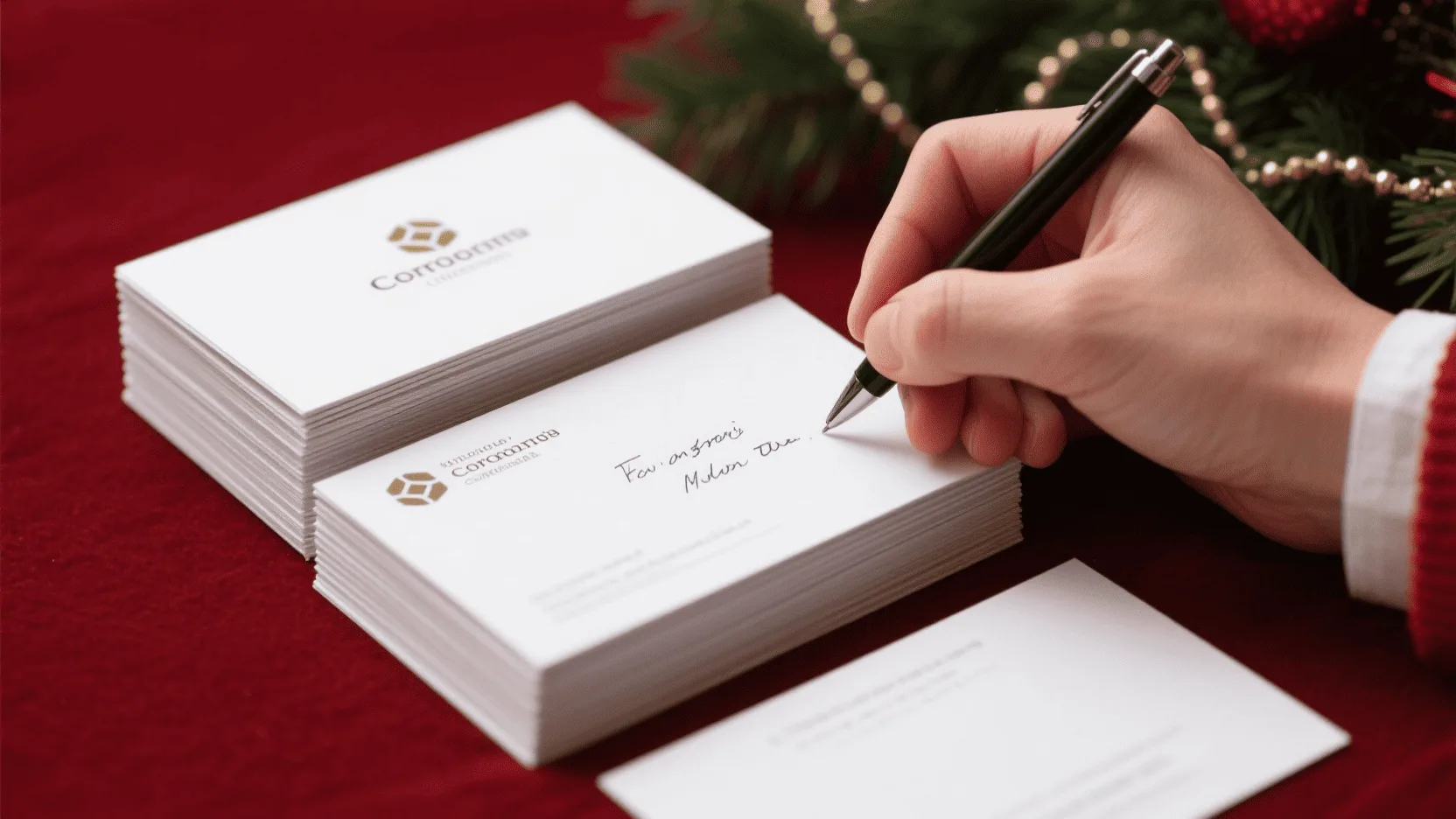
Personalizing hundreds of cards doesn’t mean you have to write a unique novel for each client. The key is to be strategic. The foundation is a beautifully designed, high-quality paper card that reflects your brand. This ensures everyone receives a premium-feeling greeting. From there, you can create tiers of personalization. For the majority of your client base, a pre-printed message of gratitude with the printed signature of the CEO or the entire team works perfectly. For your next tier of important clients, have their dedicated account managers add a short, handwritten sentence or two and sign their own name. This small act adds a significant layer of personal connection. For your top-tier, strategic partners, take the time to write a fully personalized, handwritten note mentioning a specific success you shared during the year. This tiered system makes a large-scale project manageable while maximizing its impact where it counts the most. It shows all clients they are valued while giving special recognition to your most critical relationships.
Conclusion
In a business world dominated by digital communication, the physical Christmas card has become a more powerful tool than ever. It’s a tangible, memorable gesture that cuts through the noise, reinforces your brand’s quality, and shows clients your appreciation in a way no email can.
Ready to build stronger client relationships this holiday season? Contact us to create a custom card that makes a lasting impression.
Explore our gift packaging solutions to create a complete and cohesive brand experience.
FAQ
1. Is sending physical cards still relevant for modern, tech-focused B2B companies?
Absolutely. For tech companies, a high-quality physical card can be an unexpected and refreshing change of pace. It demonstrates that despite being digitally focused, your brand values human connection, which can be a powerful message.
2. What is the ROI on sending corporate holiday cards?
The ROI isn’t measured in direct sales but in client retention and loyalty. A thoughtful card strengthens relationships, increases goodwill, and keeps your brand top-of-mind. The modest investment can pay dividends in long-term partnership value.
3. How much lead time do we need to design and print custom Christmas cards?
To ensure a smooth process without rush fees, it’s best to start the design and ordering process 2-3 months before the holidays. This provides ample time for design revisions, proofing, printing, and shipping, so you can mail them out in early December.