
That sinking feeling of seeing “out of stock” on your best-selling gift wrap in early December is a retailer’s nightmare. During the holiday season, a delayed wholesale wrapping paper order can quickly turn into lost sales, missed promotions, and disappointed customers.
For custom-printed wholesale wrapping paper rolls, a typical MOQ is 3,000 rolls per design. After the final sample is approved, production generally takes around one month under normal production conditions. During peak season, buyers should plan earlier to allow additional time for production scheduling, shipping, and unexpected delays.

I’ll never forget the panic in a new client’s voice. It was mid-October, and he had just realized his previous supplier couldn’t deliver his custom holiday wrapping paper order. He was facing an empty shelf for Black Friday.
We had to pull out all the stops, re-prioritize parts of our production schedule, and expedite everything. We managed to get his order done, but the air freight costs were immense.
That experience taught me a valuable lesson: successfully navigating peak season isn’t about finding a last-minute miracle; it’s about understanding manufacturing capacity, confirming specifications early, and planning months in advance.
For retailers and professional buyers, the most important factors are not simply the design and unit price. MOQ, sample approval, production lead time, roll specifications, and shipping schedules all need to be confirmed before the holiday rush begins.
What Is the MOQ for Wholesale Wrapping Paper Rolls During Peak Season?
You found the perfect manufacturer, but their Minimum Order Quantity (MOQ) seems higher than you expected. You feel stuck, forced to either abandon your unique design or order more inventory than you originally planned.
For custom-printed wrapping paper rolls, the typical MOQ is 3,000 rolls per design. This MOQ helps make custom printing and production economically viable while allowing the manufacturer to maintain consistent quality and production efficiency.
Why Do Custom Wrapping Paper Rolls Have a 3,000-Roll MOQ?
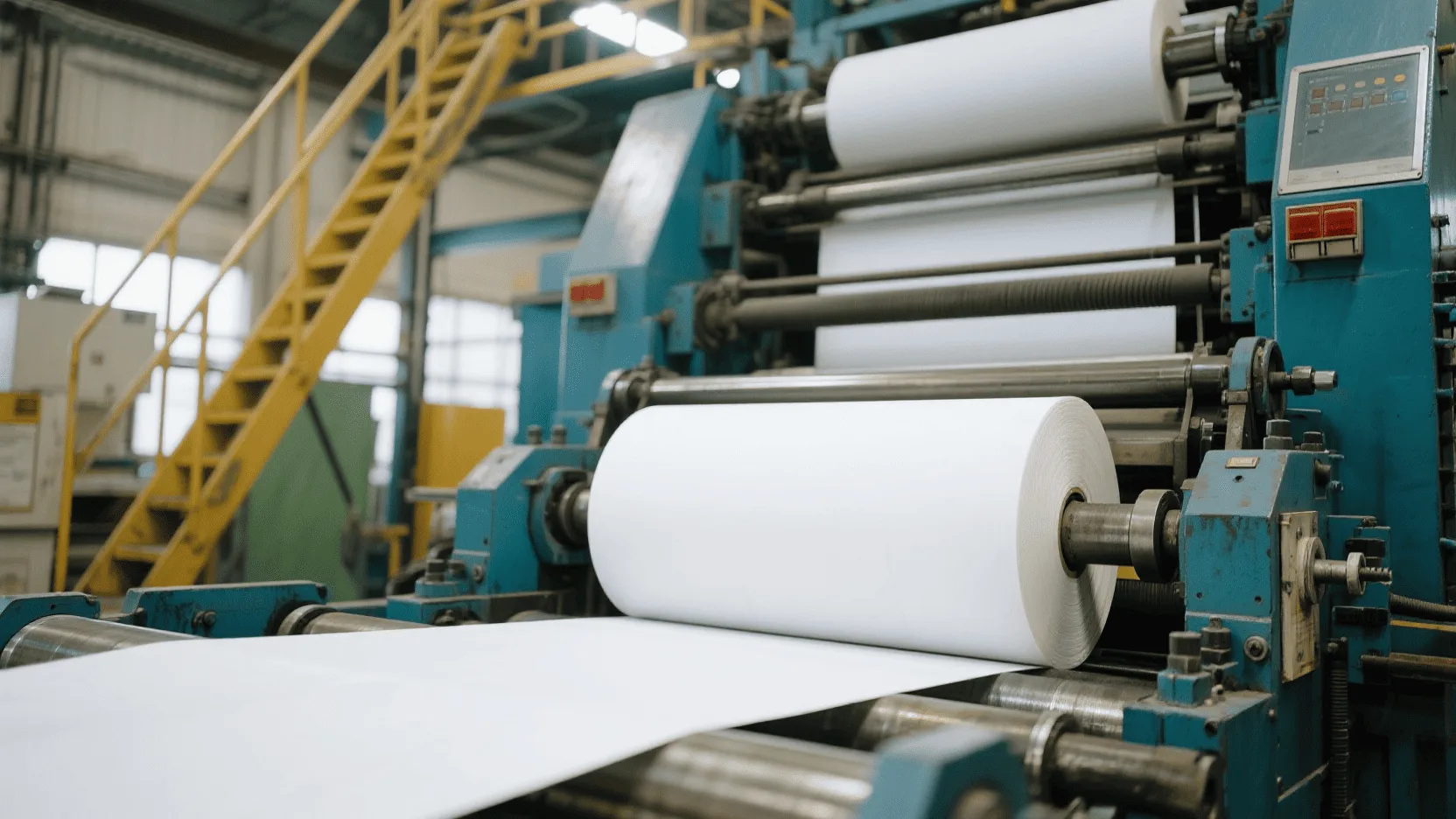
A custom wrapping paper order involves more than simply printing a logo on paper. Before production begins, the manufacturer may need to prepare:
- Printing cylinders or plates
- Custom artwork and color specifications
- Printing inks
- Paper materials
- Roll cores
- Cutting and rolling settings
- Packaging materials
- Quality-control procedures
These preparation steps create fixed production costs regardless of the final number of rolls produced.
A very small production run would spread those setup costs across fewer finished rolls, increasing the average manufacturing cost. A larger run allows the manufacturer to use the printing equipment more efficiently and distribute setup costs across a larger quantity.
During peak season, production capacity becomes even more important. Factories are handling multiple seasonal orders at the same time, so a confirmed order with a practical production quantity is easier to schedule efficiently.
This is why the 3,000-roll MOQ for custom wrapping paper is not simply an arbitrary purchasing requirement. It is closely connected to the economics and efficiency of custom manufacturing.
What Does the MOQ Include?
For a typical custom wrapping paper project, the MOQ refers to the finished roll quantity per design.
For example:
| Order Structure | Typical MOQ |
|---|---|
| One custom design | 3,000 rolls |
| Two custom designs | 3,000 rolls per design |
| Three custom designs | 3,000 rolls per design |
The exact production arrangement should always be confirmed with the manufacturer because paper specifications, roll dimensions, printing requirements, and packaging can affect the final quotation.
For standard, non-custom designs from our existing gift wrapping paper collection, purchasing conditions may differ because the artwork and production setup may already be established.
How Can Buyers Make a 3,000-Roll MOQ Work?
If 3,000 rolls is more inventory than you initially expected, consider how the product will be used across your business.
You can:
- Use the same design across multiple stores or locations.
- Plan inventory for the entire holiday selling period.
- Use one design across several related product lines.
- Coordinate multiple sales channels around the same seasonal design.
- Discuss different roll sizes or packaging configurations with the manufacturer.
For seasonal products, purchasing enough inventory in advance can also be more cost-effective than placing an emergency repeat order when factory capacity is already limited.
How Long Does Custom Wrapping Paper Production Take?
You placed your order in September, assuming it would arrive in time for the holidays. Now it is November, and you’re anxiously tracking a shipment that’s still weeks away.
For a typical custom wrapping paper order, production takes around one month after the final sample is confirmed. During peak season, however, buyers should confirm the production schedule as early as possible because factory capacity can become limited.
The term "lead time" can be misleading. Buyers sometimes use it to describe only manufacturing time, but the complete purchasing timeline can include:
- Artwork preparation
- Sample production
- Sample shipping
- Sample approval
- Raw material preparation
- Mass production
- Quality inspection
- Roll packaging
- Export preparation
- International shipping
- Customs clearance
- Final delivery
This means one month of factory production does not necessarily mean one month from order placement to warehouse delivery.
What Is the Typical Production Timeline?
For a standard custom wrapping paper project, the process can generally be organized as follows:
Phase 1: Artwork and Specification Confirmation
Before sampling begins, the buyer and manufacturer should confirm:
- Wrapping paper size
- Paper GSM
- Paper material
- Printing colors
- Artwork
- Roll length
- Core diameter
- Winding direction
- Packaging requirements
Clear specifications at this stage reduce the risk of revisions later.
Phase 2: Sample Production and Approval
A physical sample may be produced so the buyer can verify:
- Paper quality
- Color accuracy
- Printing quality
- Roll dimensions
- Core size
- Overall appearance
- Packaging requirements
The production clock should be considered to start after the final sample is approved, rather than assuming that the manufacturing period begins when the first inquiry is sent.
Phase 3: Mass Production — Approximately 1 Month
After the sample is confirmed, standard production generally takes around one month.
The exact production schedule can vary depending on:
- Order quantity
- Paper material
- GSM
- Roll dimensions
- Printing complexity
- Finishing requirements
- Packaging
- Current factory production capacity
During peak season, buyers should confirm the production slot with the manufacturer before approving the final order.
Phase 4: Shipping and Delivery
After production is completed, the finished rolls still need to be prepared for export and transported to the destination country.
International delivery may involve:
- Container booking
- Port handling
- Ocean freight
- Customs clearance
- Inland transportation
- Final warehouse delivery
For information on the customs process, see this customs clearance guide.
Recommended Peak-Season Planning Window
| Stage | Typical Timing | Key Activities |
|---|---|---|
| Artwork & Specifications | Before sampling | Confirm design and technical requirements |
| Sampling | Depends on project | Physical sample and buyer approval |
| Mass Production | Around 1 month | Printing, rolling, inspection, packaging |
| International Logistics | Destination dependent | Freight, customs, inland delivery |
| Recommended Peak-Season Strategy | Order early | Allow additional buffer for seasonal delays |
A key distinction is important:
Production time and total delivery time are not the same thing.
For example, if production takes approximately one month after sample approval, the buyer must still allow time for sample approval before production and international transportation after production.
When Should You Order Wrapping Paper for Christmas?
For businesses selling Christmas gift wrap, a practical rule is:
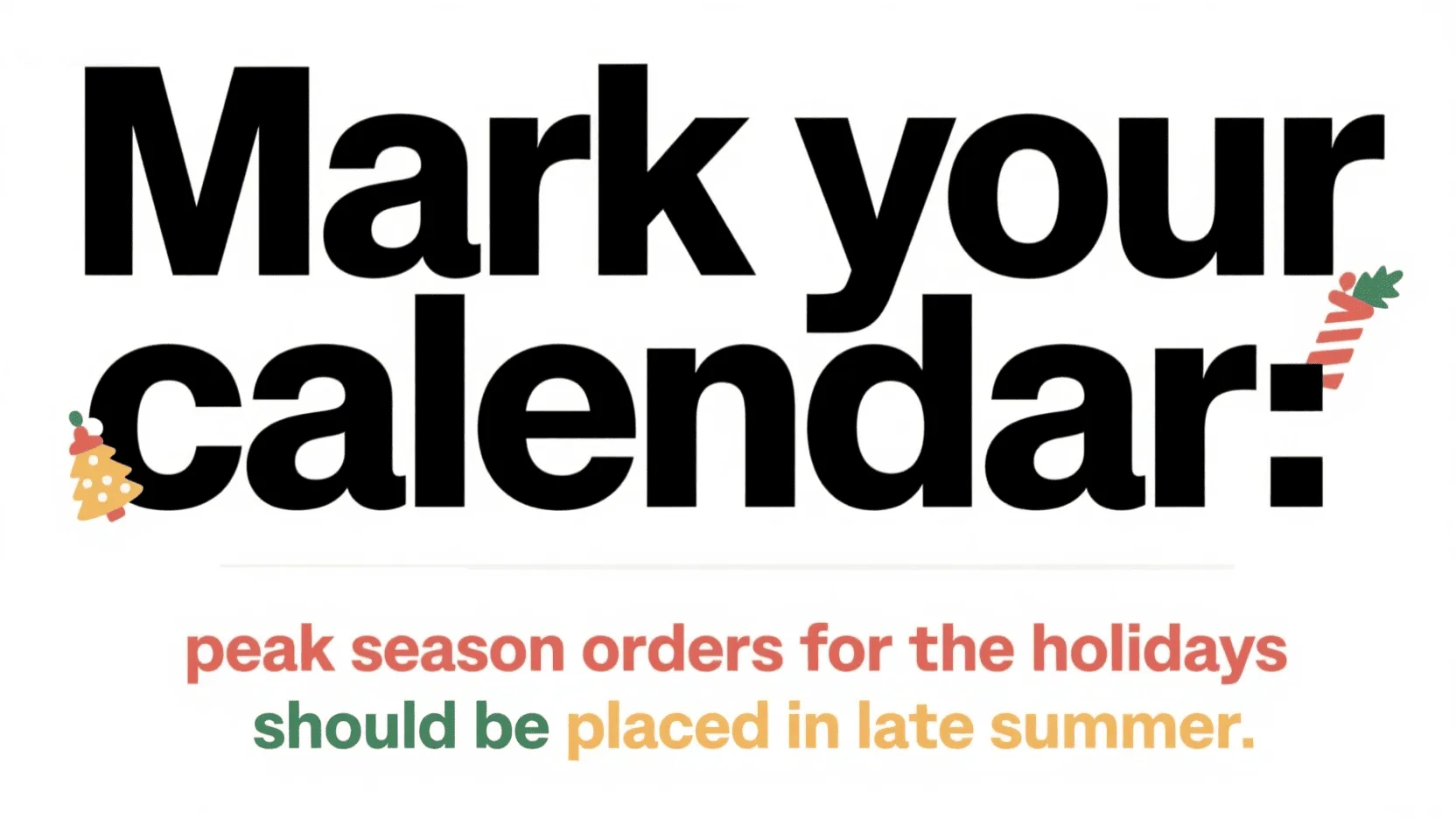
Start discussing your project with suppliers in June or July, finalize specifications and samples as early as possible, and avoid waiting until September or October to confirm mass production.
Early planning gives you more time to handle:
- Artwork revisions
- Sample approval
- Production scheduling
- Material availability
- Shipping delays
- Customs clearance
- Unexpected logistics disruptions
The earlier you confirm the project, the more flexibility you generally have when choosing production schedules and shipping methods.
For seasonal retail products, this flexibility can be more valuable than trying to achieve the shortest possible production timeline.
What Critical Roll Specifications Do Buyers Often Overlook?
Your much-anticipated order of wholesale wrapping paper arrives. You open the box, and the rolls are too wide for your store’s counter dispensers, or the paper feels thinner than you expected.
The design is correct, but the finished product cannot be used as intended.
For custom wrapping paper rolls, buyers must specify more than artwork and color. Critical technical specifications include GSM, paper type, roll width, roll length, core diameter, winding direction, finishing, labeling, and packaging.

One of the most painful calls I ever had to field was from a large retail buyer. They had placed a huge order for counter rolls for their 200 stores.
The design was perfect, the quality was great, but they had forgotten to specify the inner core diameter.
The rolls arrived with a standard 1.5-inch core, but their dispensers required a 2-inch core.
The paper was unusable across their entire chain.
It became a logistical and financial nightmare to solve. That mistake cost them dearly in time, money, and holiday sales.
Since then, we’ve implemented a mandatory spec sheet for every new client order. It forces a conversation about these crucial details before we even create a sample.
It’s a simple step, but it prevents potentially expensive errors.
It’s also a perfect example of how my early career in factory sales, working directly with customers on the ground, shaped how we operate at Omet Packaging today. We focus on getting the details right from the start.
What Specifications Should You Provide When Ordering Wrapping Paper Rolls?
Before requesting a quotation or approving a sample, buyers should prepare a complete wrapping paper specification sheet.
1. Paper Type and GSM
GSM (grams per square meter) describes the weight of the paper and affects its feel, opacity, strength, and handling characteristics.
Typical wrapping paper options may include:
- 60–70 GSM: Lightweight and economical.
- 80 GSM: A balanced option for everyday gift wrapping.
- 90–100 GSM: A heavier, more substantial option for premium applications.
For additional background on GSM and packaging paper specifications, see this GSM vs. PT packaging guide.
The appropriate GSM depends on the intended application, printing requirements, desired appearance, and target price point.
2. Roll Width
Roll width must match the intended wrapping application and, where applicable, the buyer’s dispensing equipment.
Common commercial wrapping paper widths can vary depending on the project.
Before production, confirm the exact:
- Roll width
- Finished roll diameter
- Available dispensing space
- Required wrapping area
For counter rolls, compatibility with the dispenser should always be verified before mass production.
3. Roll Length
Specify the exact amount of wrapping paper required per roll.
The required length depends on whether the product is intended for:
- Retail consumers
- Gift shops
- Department stores
- Florists
- Commercial wrapping stations
- Professional gift-wrapping services
For larger commercial rolls, the manufacturer should also confirm the relationship between roll length, paper GSM, core diameter, and finished roll diameter.
4. Core Diameter
The inner cardboard core must fit the buyer’s dispenser or equipment.
Common core sizes include:
- 1 inch
- 1.5 inches
- 2 inches
Never assume that the supplier’s standard core will fit your equipment.
Confirm the required core diameter before the sample is produced.
5. Winding Direction
Specify whether the paper should be wound:
- Ink-in
- Ink-out
This can be particularly important when wrapping paper is used with automated or semi-automated dispensing equipment.
6. Printing and Finishing
Confirm the required:
- Printing method
- Number of colors
- Pantone colors
- Surface finish
- Coating or lamination
- Special effects
- Print repeat
- Front/back printing requirements
For seasonal designs, it is particularly important to approve the final color proof before mass production.
7. Roll Packaging and Labeling
Packaging requirements should also be included in the purchase specification.
For example:
- Individual shrink wrapping
- Paper wrapping
- Branded packaging
- UPC/barcode labels
- Product labels
- Retail display boxes
- Export cartons
- Carton markings
You can also add custom Tags & Stickers to individual rolls or retail packaging.
8. Sustainability Requirements
If sustainability is part of your purchasing criteria, confirm the required certification and documentation before production.
For example, buyers may request FSC-certified paper for specific retail markets and sustainability programs.
Always confirm the exact certification requirements with your supplier before production.
How Can Buyers Avoid Peak-Season Wrapping Paper Delays?
The most effective way to reduce risk is to treat your wrapping paper specification sheet and production schedule as part of the purchasing process—not as administrative details.
Before placing an order, confirm these eight items with your manufacturer:
- Final artwork and print colors
- Paper type and GSM
- Roll width
- Roll length
- Core diameter
- Winding direction
- Packaging and labeling requirements
- Required delivery date and shipping method
Then ask your supplier to confirm:
- Sample approval requirements
- Production start date
- Estimated production completion date
- Shipping schedule
- Export packaging
- Required delivery date
This process helps identify potential problems before thousands of rolls are produced.
Why Sample Approval Matters
For custom wrapping paper, the sample approval stage is particularly important.
Once the buyer confirms the final sample, the manufacturer can proceed with mass production based on the approved specifications.
For Omet Pack, standard production is generally around one month after sample confirmation.
This makes sample approval an important milestone when calculating your overall purchasing timeline.
What Is the Typical Price of Wholesale Wrapping Paper?
Price depends on the paper GSM, roll size, printing specifications, packaging requirements, order quantity, and other production details.
For reference, a standard 3,000-roll custom wrapping paper order can typically be priced at around $0.615 per roll or below, depending on the final specifications.
Because wrapping paper projects can vary significantly, buyers should request a quotation based on their exact:
- Roll size
- Paper GSM
- Paper material
- Printing colors
- Roll length
- Core diameter
- Packaging requirements
- Order quantity
MOQ, unit price, and production lead time should therefore be evaluated together rather than comparing suppliers based only on price per roll.
Conclusion: Plan Your Wholesale Wrapping Paper Order Before Peak Season
Successfully buying wholesale wrapping paper for peak season is not about luck. It is about planning around manufacturing capacity, material availability, technical specifications, and international logistics.
The key numbers for a typical custom wrapping paper project are:
- 3,000 rolls per design: Typical MOQ for custom-printed wrapping paper
- Around 1 month: Typical mass-production time after final sample approval
- Early summer planning: Recommended for businesses preparing for major holiday seasons
- Additional logistics buffer: Required for international shipping and customs
Just as important, your purchase specification should clearly define GSM, paper type, roll width, roll length, core diameter, winding direction, printing, finishing, and packaging requirements.
For Christmas and other major holiday seasons, starting supplier discussions early gives buyers more flexibility and reduces the risk of production or shipping delays.
If you are planning your next wholesale wrapping paper order, contact our expert team at Omet Pack to confirm your specifications, MOQ, production schedule, and delivery requirements before peak-season capacity becomes limited.
You can also explore our guide to whether gift wrapping paper is recyclable for more information about sustainable wrapping paper choices.
FAQ: Wholesale Wrapping Paper Rolls
What is the MOQ for custom wholesale wrapping paper?
The typical MOQ for custom-printed wrapping paper is 3,000 rolls per design. The final purchasing conditions may vary depending on paper material, GSM, roll dimensions, printing requirements, and packaging specifications.
How many rolls do I need to order for a custom wrapping paper design?
A typical custom order starts at 3,000 rolls per design. If you need multiple designs, the MOQ generally applies to each individual design.
How long does custom wrapping paper production take?
Production generally takes around one month after the final sample is confirmed. The actual schedule can vary depending on order specifications and current factory capacity, particularly during peak season.
When should I place my wrapping paper order for Christmas?
It is best to begin planning in June or July and confirm your specifications and production schedule well before September. Early planning allows additional time for sampling, production, shipping, customs clearance, and unexpected delays.
Can I get a physical sample before placing a large wrapping paper order?
Yes. A physical sample can generally be produced for buyer approval before mass production. The sample should be reviewed for paper quality, printing, dimensions, core size, and other technical specifications before production is confirmed.
What specifications should I provide when ordering wrapping paper rolls?
At minimum, provide:
- Paper type
- GSM
- Roll width
- Roll length
- Core diameter
- Winding direction
- Printing requirements
- Finishing requirements
- Individual packaging requirements
- Labeling and barcode requirements
Providing complete specifications before sampling can significantly reduce the risk of production and compatibility problems.
What is the difference between 60 GSM and 80 GSM wrapping paper?
60 GSM wrapping paper is lighter and generally more economical, while 80 GSM paper provides a more substantial feel, better opacity, and greater durability. The best GSM depends on the intended application and desired product positioning.
How much does custom wrapping paper cost?
For a standard 3,000-roll custom order, the unit price can typically be around $0.615 per roll or below, depending on the exact paper, roll size, printing, and packaging specifications. A supplier should provide a final quotation based on the complete product specification.
Can you ship wholesale wrapping paper directly to my warehouse?
Yes. As a full-service packaging supplier, Omet Pack can arrange international logistics and delivery to a specified warehouse or distribution center. The exact shipping method and delivery time should be confirmed based on the destination and order requirements.
What is the most important thing to remember when buying wholesale wrapping paper during peak season?
Confirm the design and technical specifications early, approve the sample, reserve production capacity, and allow enough time for international logistics. For custom wrapping paper, the safest strategy is to plan around the complete purchasing process rather than relying only on the manufacturer’s production time.