Paper vs. Plastic Bags in 2026: Which Is the Smarter Choice for Your Brand?
The debate over paper versus plastic bags feels endless, leaving many business owners paralyzed. You want to make a smart, cost-effective choice, but you also don’t want to damage your brand’s reputation.
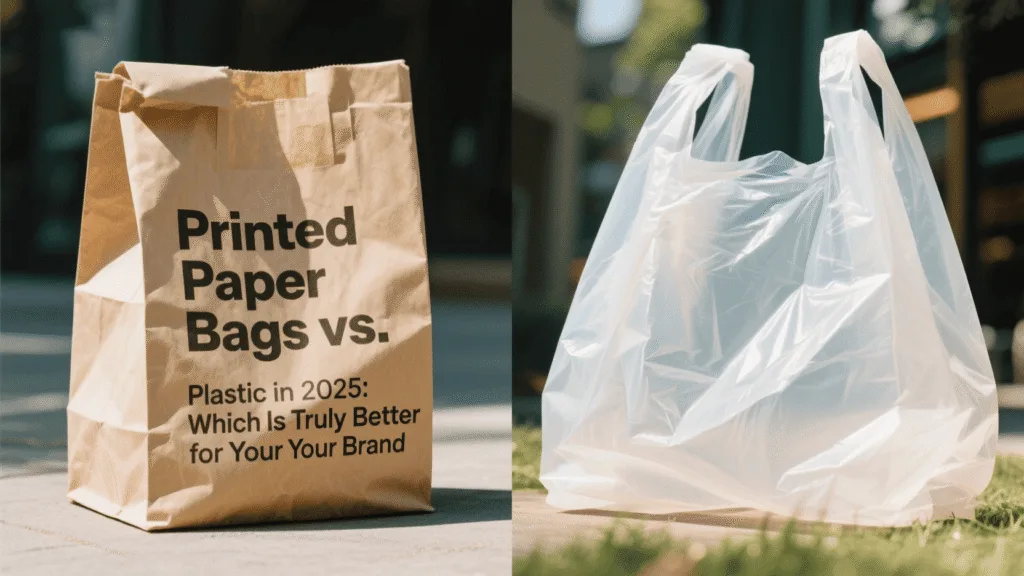
Choosing between paper and plastic in 2026 is a complex decision that goes beyond unit price. While plastic bags are often cheaper upfront, custom printed paper bags typically offer superior brand impact and align better with consumer demand for sustainability, representing a greater long-term value for most brands.
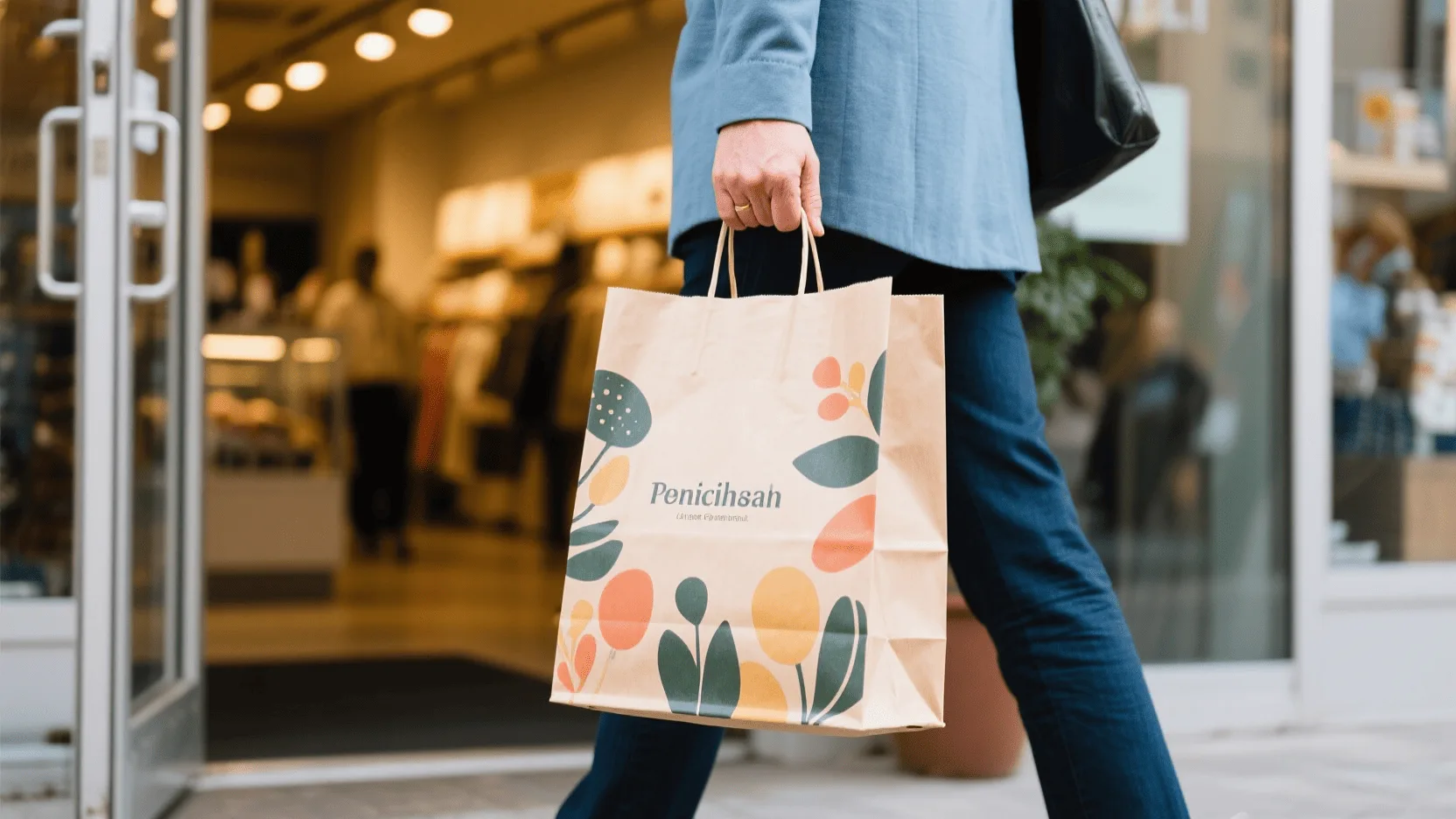
I’ve been in the packaging business for over a decade, and this question comes up almost every single day. Early in my career, I was talking with a promising new coffee shop owner. She was laser-focused on keeping her initial costs down and insisted on thin, unbranded plastic bags. "It’s just a few cents per bag," she argued. Six months later, she called me back. Her competitor across the street was using thick, beautifully printed paper bags, and she saw them everywhere—customers were reusing them, carrying them like a badge of honor. Her plastic bags went straight into the first trash can. She realized she hadn’t just saved a few cents; she’d lost a massive marketing opportunity. That conversation taught me that the "cost" of a bag is never just the price on the invoice.
The same lesson has played out across the retail industry as more businesses have moved away from plastic. One particularly useful example is the UK retailer Ocado. Its transition to durable, recycled paper bags showed how a packaging change can become more than an environmental decision—it can become a visible response to customer expectations and a positive brand story. The lesson is simple: the bag you hand a customer is not just a container. It is part of the conversation between your brand and your customer.
Is a Plastic Bag Really Cheaper When You Consider Everything?
You look at a quote and see that a plastic bag costs pennies, while a paper bag costs a bit more. The math seems simple, but this view is dangerously incomplete.
The "total cost" of a bag includes hidden factors like brand perception, customer loyalty, and potential government regulations. A low-cost plastic bag can end up costing you dearly in lost marketing value and negative environmental perception, making a paper bag a smarter investment.
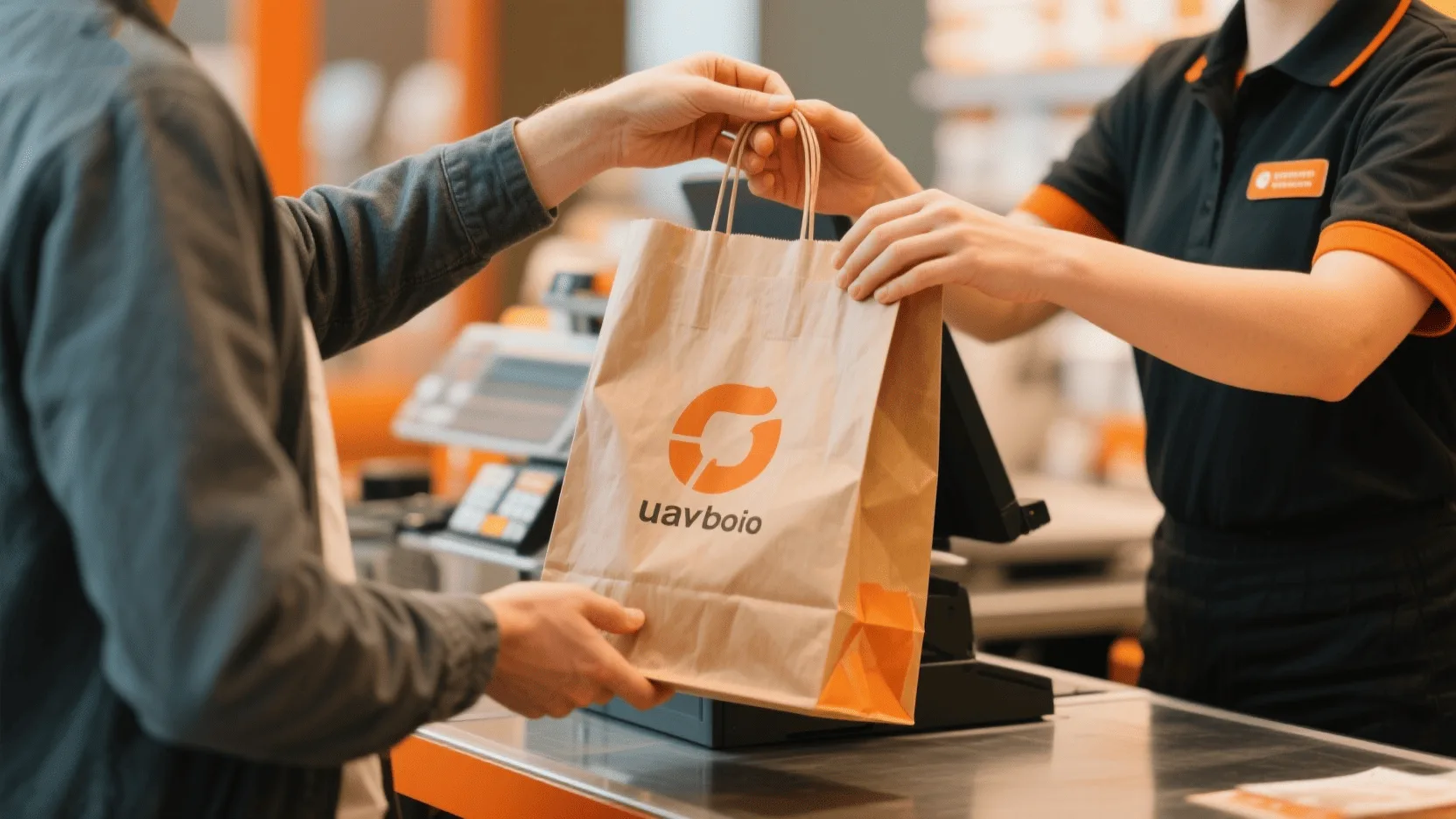
To truly understand the cost, we have to look beyond the per-unit price. Think of it like buying a car. One car might have a lower sticker price, but if it has terrible gas mileage and high maintenance costs, is it really cheaper in the long run? The same logic applies to your packaging. A paper bag is an asset. It continues to work for your brand long after the customer has left your store.
A customer who receives a quality custom paper bag feels that the entire purchase was premium. That feeling builds loyalty. They are more likely to reuse that bag, turning them into a walking billboard for your business. Customers may reuse a sturdy paper bag for carrying lunch, personal items, or other purchases, giving your brand repeated exposure without another advertising spend. When you factor in this free advertising and the positive brand association, the slightly higher initial cost starts to look like a very wise marketing expense.
Breaking Down the True Cost
The financial calculation must weigh the immediate, direct costs against the long-term, indirect value. Plastic often wins on the former, but paper can deliver significantly more value in the latter. Let’s compare them side-by-side.
| Cost Factor | Plastic Bags | Printed Paper Bags |
|---|---|---|
| Unit Production Cost | Lower | Higher |
| Shipping & Storage | Lower (lighter, less space) | Higher (heavier, more space) |
| Brand Perception1 | Can be seen as cheap, disposable | Perceived as premium, eco-conscious |
| Marketing Value2 | Low (often discarded immediately) | High (reused, acts as a mobile ad) |
| Customer Loyalty Impact | Neutral to negative | Positive when design and quality reinforce the brand |
| Regulatory Risk | High (increasing bans and fees) | Lower in many markets |
| Perceived Value | Low | High |
A study by Dotcom Distribution found that 40% of consumers would be more likely to purchase from a brand that uses premium packaging Dotcom Distribution, 2016. This premium feel is nearly impossible to achieve with a standard polyethylene bag. The choice, therefore, isn’t just about operational costs; it’s about whether you’re investing in a disposable expense or a reusable marketing tool.
The cosmetics industry provides a useful example. A brand selling premium or organic skincare can undermine its positioning if the product is handed to the customer in a thin, generic plastic bag. A sturdy paper bag with carefully selected paper, premium handles, and details such as gold foil stamping can make the packaging feel like a natural extension of the product itself. In this situation, the additional packaging cost is not simply an operational expense—it contributes directly to the customer experience.
Which Bag is Genuinely Better for the Planet?
You want to make an environmentally responsible choice. But with so much conflicting information, you’re worried about "greenwashing" and accidentally misleading your customers.
The environmental impact is a trade-off. Paper bags come from a renewable resource and are highly recyclable, but their production is resource-intensive. Plastic bags use fewer resources to produce but are derived from fossil fuels and have abysmal recycling rates, contributing heavily to pollution.
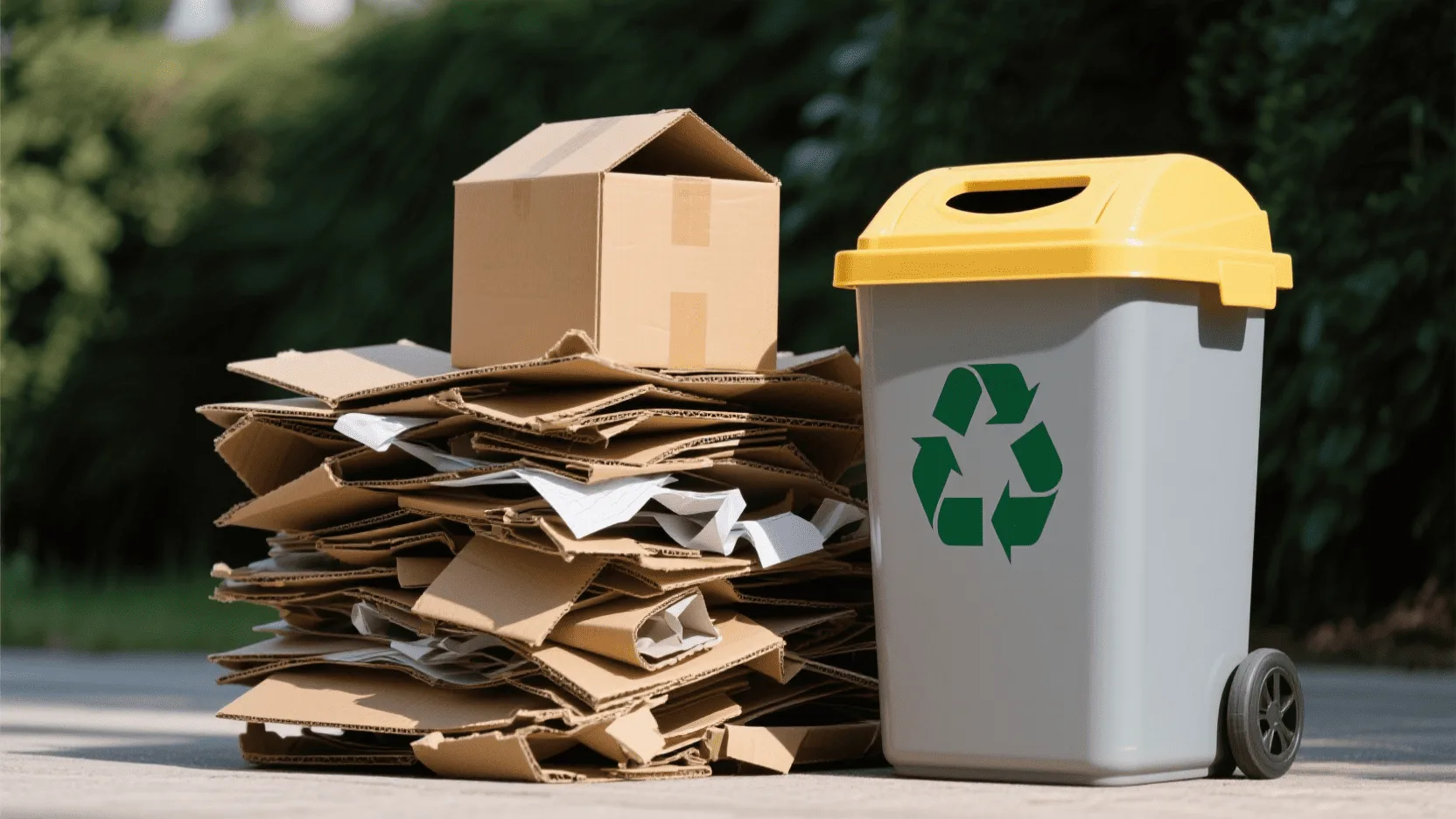
The "better for the planet" question is complicated because it depends on which part of the lifecycle you focus on. If you only look at the energy and water used in manufacturing, some studies suggest plastic bag production is less intensive. However, this narrow view misses the bigger picture: where the materials come from and where they end up.
This is where paper has a decisive advantage for many retail applications. The raw material for paper is wood, a renewable resource, especially when sourced from responsibly managed forests. At my company, we are FSC certified, which means our paper comes from forests that are managed to prevent deforestation and protect biodiversity.
The Lifecycle Reality
The end-of-life scenario is where the two materials diverge most dramatically.
- Paper Bags: The recycling rate for paper and paperboard1 is consistently high. In the U.S., it was 68% in 2021, according to the American Forest & Paper Association AF&PA. The recycling process is straightforward, and the fibers can be reused multiple times. If a paper bag does end up in the environment, it biodegrades relatively quickly.
- Plastic Bags: While technically recyclable, the reality is grim. Most curbside recycling programs do not accept plastic bags because they jam the machinery. The EPA reports that the recycling rate for this type of plastic is under 10% (EPA). Plastic bags that escape into the environment can persist for hundreds of years, breaking down into harmful microplastics that pollute our oceans and ecosystems.
However, choosing paper does not automatically make packaging sustainable. The specifications still matter. Heavy materials, unnecessary coatings, excessive laminations, and difficult-to-recycle components can reduce the environmental benefits of a paper bag. For brands serious about sustainability, the goal should be to choose an appropriate paper weight, avoid unnecessary materials, and use responsibly sourced or recycled paper whenever possible.
For a brand looking toward 2026 and beyond, aligning with a circular economy model2 is crucial. Paper fits this model far more effectively than single-use plastic in many retail applications, particularly when the bag is designed for reuse and has a clear recycling path.
How Does Your Choice of Bag Define Your Brand’s Story?
You think your product is the star of the show. But the bag your customer carries out of the store is the final chapter of their purchase experience with you.
Your choice of bag is a direct statement about your brand’s values. A sturdy, thoughtfully designed printed paper bag tells a story of quality, care, and environmental responsibility. A thin plastic bag often tells a story of convenience and cost-cutting, which can undermine your entire brand message.
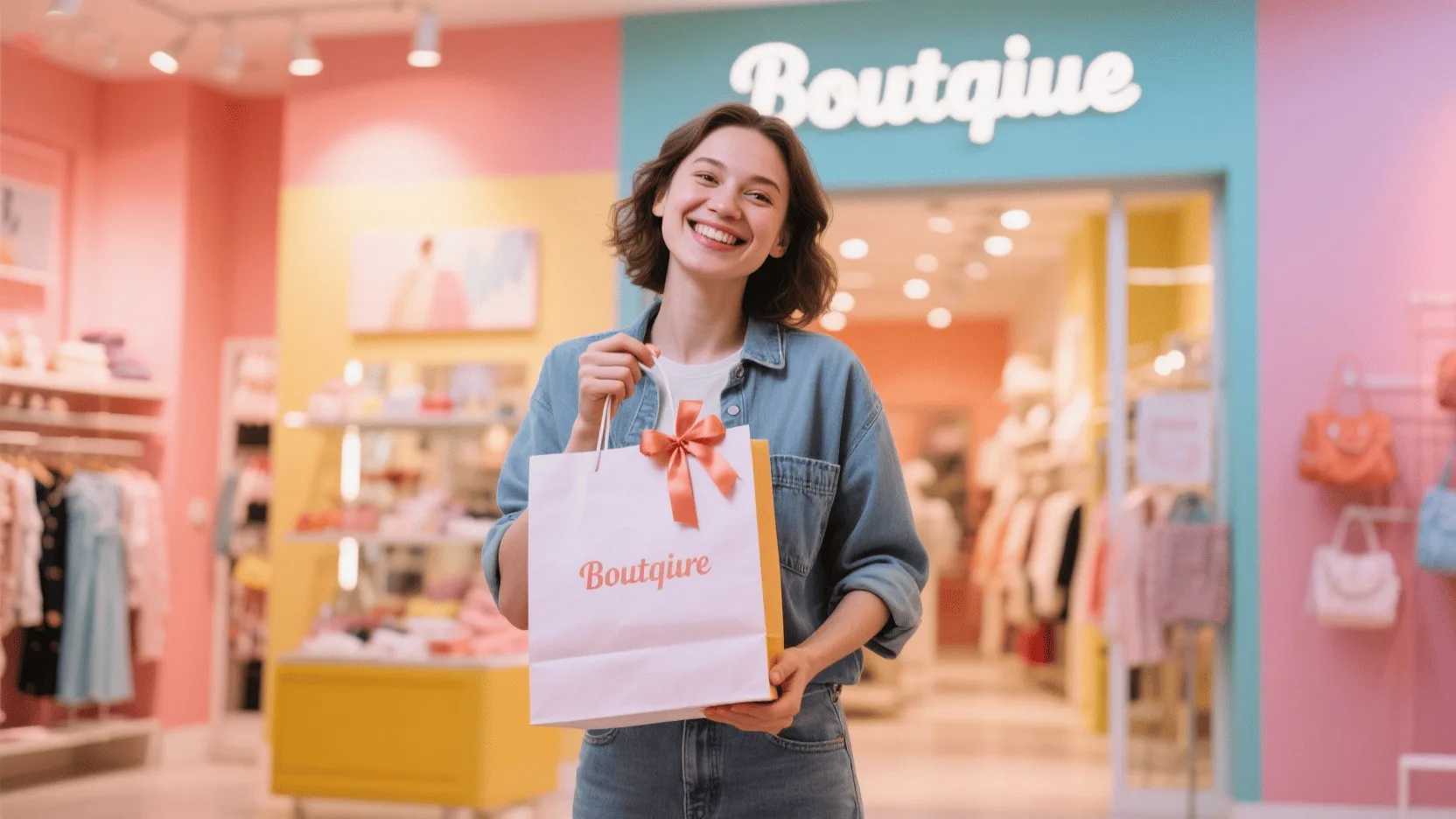
I saw this firsthand with a cosmetics client. They sold high-quality, organic skincare products. For years, they used generic plastic bags to save money. We sat down and I showed them a prototype: a custom cosmetic packaging bag made from thick, recycled paper with their logo elegantly stamped in gold foil and soft cotton handles. The moment the owner held it, she understood. Her products were about natural luxury and self-care, but her packaging screamed "discount." The two were completely misaligned.
They made the switch, and the feedback was immediate. Customers felt the entire experience was more luxurious and started posting photos of their purchases—including the bag—on social media. Their bag stopped being an expense and became a core part of their brand identity and marketing.
This is also what made the Ocado example so valuable. The company’s move from plastic to recycled paper was not simply a material substitution. By responding to customer concerns and communicating the change, the retailer turned an operational decision into a visible demonstration that it was listening to its customers. For any brand, the same principle applies: the switch to paper creates a stronger story when customers understand why you made the change and how it benefits them.
Your Bag as a Brand Ambassador
The tactile experience of a package is incredibly powerful. A customer’s hands can feel the difference between a flimsy, crinkly plastic and a substantial, textured paper. This sensory input directly influences their perception of your brand.
- Communicating Quality1: A well-constructed paper bag suggests the product inside is also of high quality. It justifies a premium price point.
- Telling Your Story: The design on your bag is a canvas. You can print your brand mission, share your sustainability commitment, add your social media handle, include a QR code, or create a beautiful design that people want to keep and reuse. It turns a simple transaction into a memorable brand moment.
- Meeting Customer Expectations: Modern consumers are savvy. A 2021 study by the Boston Consulting Group found that nearly 80% of consumers consider a brand’s environmental and social practices when they shop BCG. Providing a sustainable paper bag2 is no longer a bonus; it is increasingly an expectation.
- Creating Repeated Exposure: Unlike a flimsy plastic bag that is often discarded after one trip, a durable paper bag can travel to offices, restaurants, homes, and other stores. Every reuse gives your brand another opportunity to be seen.
- Making the Material Part of the Brand: Handle style, paper texture, printing, and finishing can all reinforce your positioning. Twisted paper handles can support a natural or casual aesthetic, while cotton rope handles and premium finishes can create a more luxurious feel.
How Can You Make a Smooth and Successful Switch to Paper Bags?
You understand the long-term value, but the practical side of switching still matters. You worry about choosing the wrong type of bag, bags that can’t hold your products, higher logistics costs, or a clumsy rollout that confuses customers.
A successful transition hinges on three steps: selecting the right paper specifications for durability, designing for maximum brand impact, and communicating the change to your customers as a positive upgrade that benefits both them and the environment.

Making the switch is a project, and it needs to be managed properly to avoid pitfalls.
The first technical decision is paper weight, measured in GSM (Grams per Square Meter). A boutique selling light apparel can use a stylish 120 GSM art paper bag, while a gourmet food shop selling jars and bottles needs a sturdier 200 GSM kraft paper bag with a reinforced base. For heavier products, higher GSM paper, reinforced tops and bases, and durable handle constructions can significantly improve carrying strength.
I always tell my clients, "The bag must survive the journey home." We send prototypes and conduct weight tests to ensure the final product is fit for purpose. The right specifications should be determined by the actual product weight, bag dimensions, construction, and expected handling conditions—not simply by choosing the thickest available paper.
Next is the design. Don’t just stamp your logo on it. Use the available space to tell your brand story. Print your social media handles, a QR code to a special offer, or a simple "Thank You" message on the gusset. Choose handles that match your brand—twisted paper for a rustic look, soft cotton for a premium feel.
Finally, the rollout itself is a marketing opportunity. Announce the change on social media and in-store. Explain that you are moving away from plastic and choosing a more recyclable, renewable packaging option. Frame it as a positive step you are taking together with your customers. This transforms a simple operational change into a story of shared values, strengthening your community and making the transition easier for customers to understand.
A successful switch also starts with a practical rollout plan. Rather than changing every bag specification at once, brands can test prototypes, confirm product capacity, evaluate customer feedback, and then move into larger-scale production. This reduces the risk of choosing the wrong size, paper weight, handle, or finish.
Conclusion
By 2026, the choice between paper and plastic will be less about cents and more about sense. While plastic has a lower upfront cost, the total value proposition of printed paper bags—through superior brand impact, powerful marketing reuse, and alignment with consumer values—makes them a compelling, more forward-thinking choice for many brands.
The "Ocado Effect" reinforces an important lesson: switching from plastic to paper is not just an environmental decision. When executed thoughtfully, it can become a powerful branding and customer-engagement opportunity. The key is not simply replacing one material with another, but choosing the right specifications, creating a bag that customers want to reuse, and clearly communicating the reason behind the change.
Ready to create a bag that tells your brand’s story?
Let’s talk about your packaging needs.
Explore our related resources:
- See our full range of custom paper bag options.
- Discover how gift packaging can elevate your brand experience.
FAQ
1. Are custom printed paper bags strong enough for heavy items?
Yes, absolutely. The durability of a paper bag depends on the paper’s weight (measured in GSM) and the construction, especially the handle reinforcement and base. For heavier products such as groceries or wine bottles, higher GSM paper, reinforced top and bottom sections, and durable handle styles such as twisted paper or cotton rope can be used to create a bag with the necessary carrying strength.
2. Are paper bags truly better for the environment than plastic?
It’s a complex issue. Paper production is resource-intensive, but paper’s main advantages are that it comes from a renewable resource (sustainably managed forests, especially when FSC-certified), is biodegradable, and is much more widely and successfully recycled than plastic. For a retail setting, a reusable paper bag has a better end-of-life story than a single-use plastic one. However, brands should also consider paper weight, coatings, laminations, recycled content, sourcing, and the bag’s expected reuse when evaluating its overall environmental impact.
3. Can paper bags be made water-resistant?
While not fully waterproof, paper bags can be made water-resistant through coatings or laminations. However, it’s important to note that these additions can sometimes complicate the recycling process. It’s a trade-off between durability and end-of-life recyclability that we can help you navigate.
4. What is the minimum order quantity for custom paper bags?
Minimum order quantities (MOQs) vary depending on the complexity of the design, size, and printing process. At Yiwu Omet Packaging, we work with clients of all sizes to find efficient solutions. It’s always best to reach out for a specific quote based on your needs.
5. What is the typical lead time for a custom printed paper bag order?
Production time can vary based on complexity, quantity, and time of year. Generally, after the design is finalized, manufacturing can take anywhere from 3 to 6 weeks. It’s always best to plan your packaging needs well in advance of your target launch date.