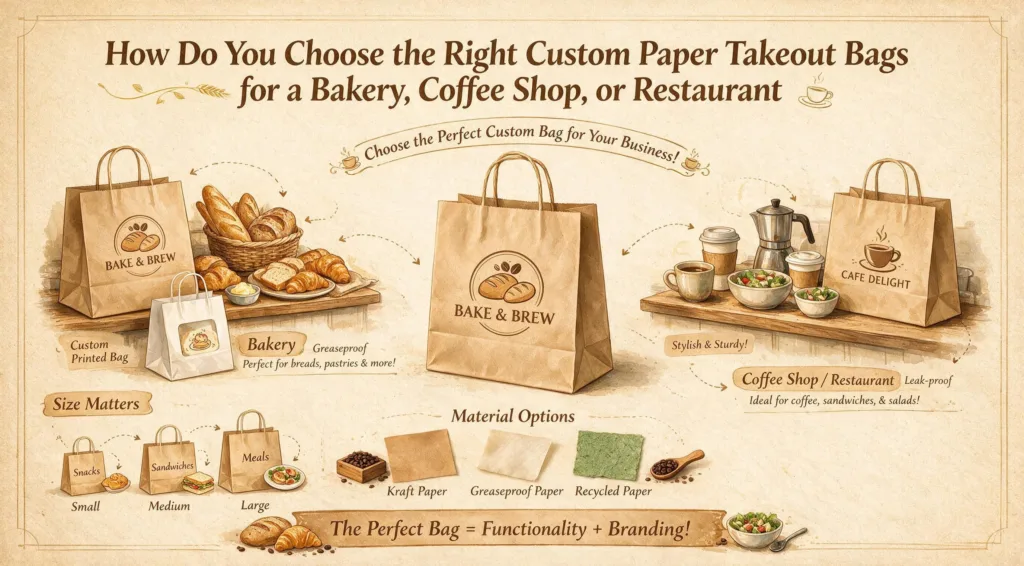
Your food is delicious, your coffee is perfectly brewed, but your customer’s experience ends with a cheap, generic takeout bag that sags, tears, or gets greasy. It’s a final touchpoint that fails your brand.
To choose the right custom paper takeout bags, you must prioritize function first: select food-safe, grease-resistant materials and a structure strong enough for your products. Then, align the bag’s size and branding with your business needs to create a durable, effective marketing tool.
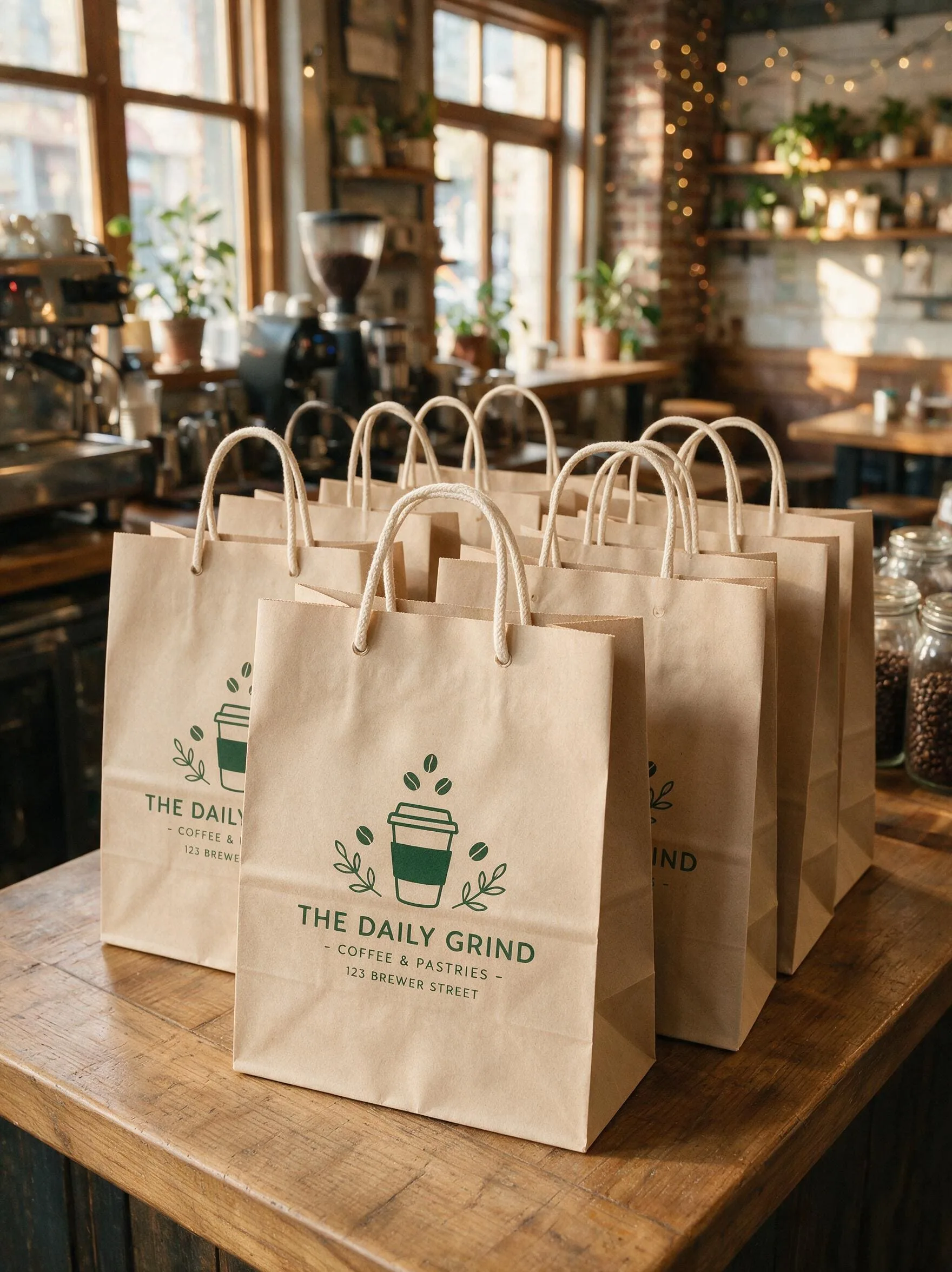
I’ll never forget the sight of a person walking out of a popular lunch spot, only to have the bottom of their paper bag give way. A freshly made sandwich, a side salad—all of it on the sidewalk. The restaurant’s name was printed clearly on the side of the failed bag. In that moment, their brand wasn’t associated with tasty food, but with a frustrating, messy experience. It’s a stark reminder that for any food business, the takeout bag isn’t just a container; it’s a critical piece of equipment that safeguards your product and your reputation.
What Is the Most Important Factor for a Food Takeout Bag?
You’re tempted to pick a bag based on looks or price alone. But you risk unhappy customers and a damaged reputation if the bag fails to protect the food it’s carrying.
The most important factor is functionality. A food takeout bag must be made from food-grade materials, have the right structural integrity for your products, and, if necessary, offer resistance to grease and moisture. A beautiful bag that fails is useless.
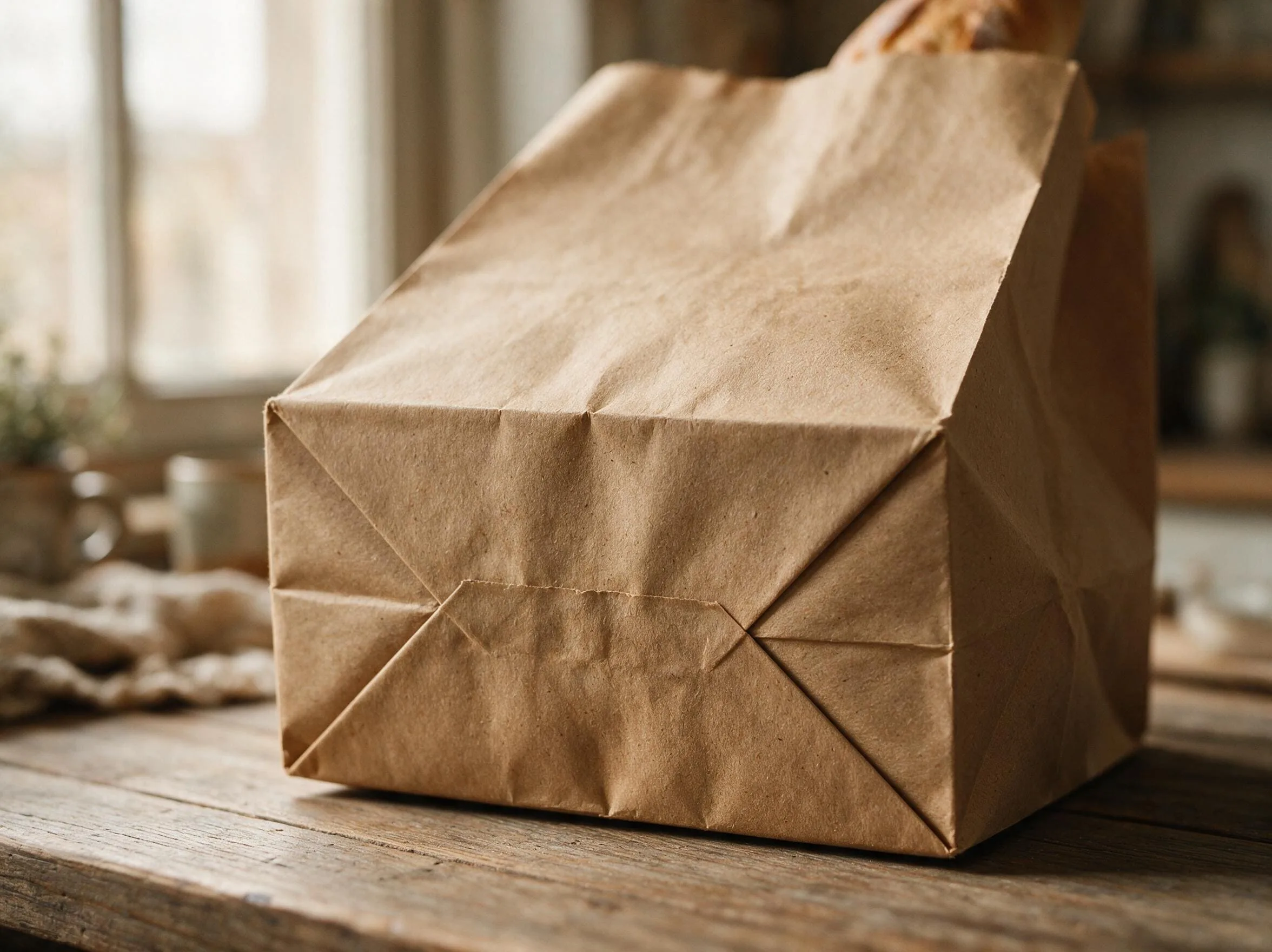
Before we even discuss logos or colors at Omet Pack, my first questions to a restaurant or bakery client are always about their food. What are you selling? Is it hot, cold, heavy, or greasy? The answers determine the technical specifications of the bag. The global food delivery market continues to expand rapidly, meaning more customers than ever are interacting with brands primarily through their packaging (Statista). Functionality isn’t just a feature; it’s the foundation of good service. Here’s a breakdown:
1. Food-Safe Materials
This is non-negotiable. The paper must be certified as safe for direct or indirect food contact to prevent chemical migration. This usually means using virgin pulp paper. While recycled paper is great for many applications, it’s often unsuitable for direct food contact unless specifically treated and certified. We always recommend materials that meet standards like those outlined by our FSC certification.
2. Grease and Moisture Resistance
For bakeries selling buttery croissants, coffee shops with syrupy pastries, or restaurants packing saucy dishes, this is critical. A standard kraft bag will show unsightly grease stains. The solution is paper that is either internally treated or has a food-safe coating or liner (like glassine or wax paper) to act as a barrier. This maintains a clean, professional appearance.
3. Strength and Durability
The bag’s strength is determined by its paper weight (measured in GSM) and its construction.
- Paper Weight (GSM): A higher GSM (Grams per Square Meter) means thicker, stronger paper. A lightweight bag (70-90 GSM) might be fine for a single muffin, but a meal with a drink needs something more substantial (120 GSM+).
- Construction: Reinforced bottom inserts and securely attached handles are essential for carrying heavier loads without risk of tearing.
How Do I Choose the Right Size and Style for My Takeout Bags?
You’re using a single, large bag for everything to save money. But this leads to small items rattling around, wasted space, and an unprofessional look for your diverse menu items.
Choose the right size by auditing your most popular menu items and their primary packaging (boxes, containers). Select a style based on function: flat-bottom "SOS" bags for bakery boxes, or handled bags for larger, multi-item orders.
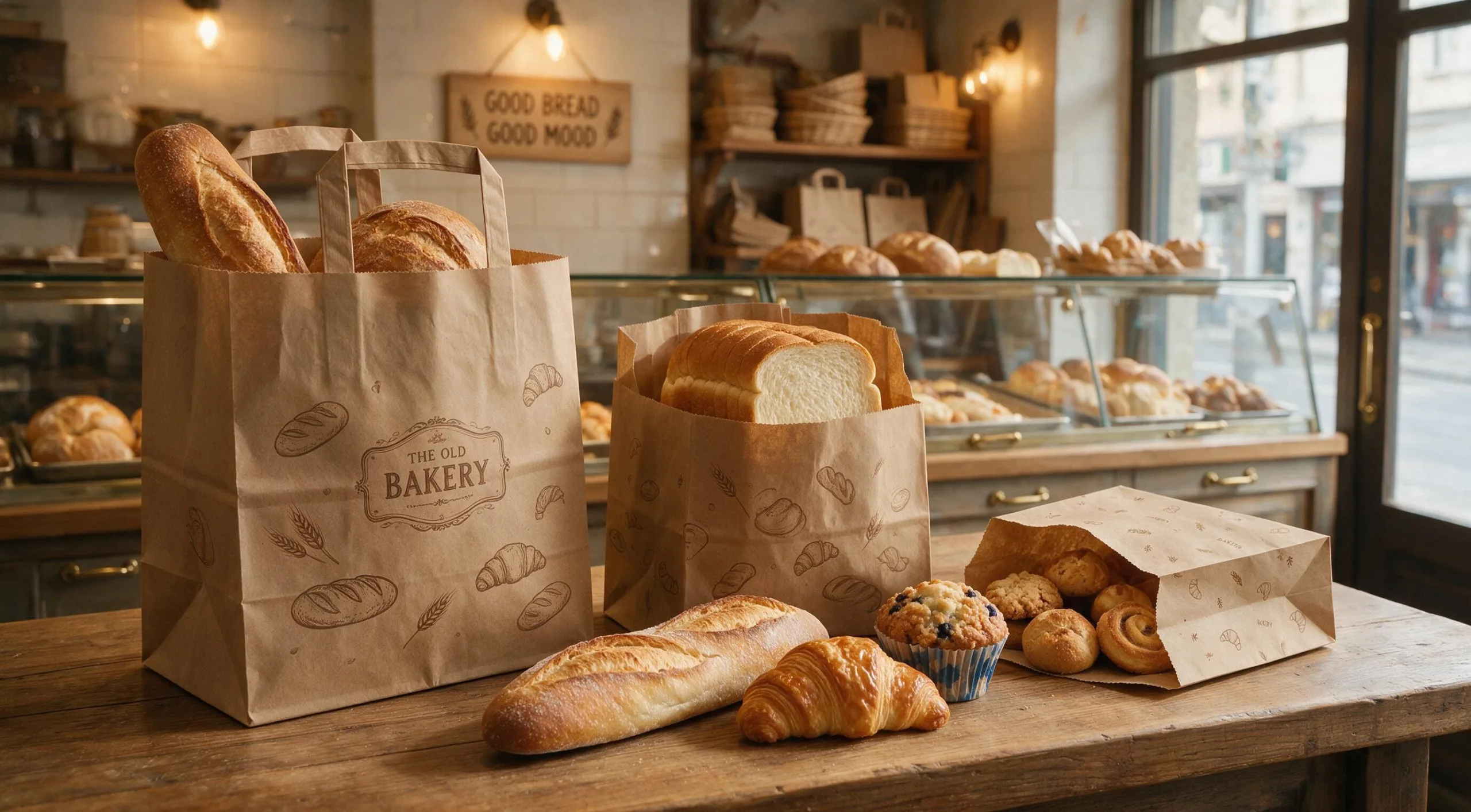
One size never truly fits all in the food industry. A bag that’s too big for a single coffee and a croissant is wasteful. A bag that’s too small for a family meal is useless. The best approach is to stock two or three key sizes that cover 80% of your orders. As a manufacturer of custom paper bags, we can produce bags in any dimension, but the first step is always helping the client figure out what they actually need.
Perform a Product Audit
List your top 5-10 selling items. Measure the boxes, clamshells, or cups they come in. This data will tell you the ideal footprint for your bags. For example, a bakery that sells 8-inch cake boxes needs a bag with a wide, flat bottom that is at least 8.5 x 8.5 inches to prevent the box from tilting.
Common Bag Styles for Food Service
| Bag Style | Best For… | Handle Type | Why It Works |
|---|---|---|---|
| SOS Bag | Bakeries (single pastries), coffee shops (sandwiches), small grocery items. | None (Fold-over top) | The flat bottom allows it to stand on its own for easy loading. Very cost-effective. |
| Twisted Handle Bag | Restaurants, larger bakery orders, coffee shop orders with multiple items. | Twisted Paper | The standard for takeout. Strong, comfortable to carry, and offers a classic look. |
| Flat Loop Handle Bag | Heavy takeout orders, catering, grocery-style restaurant sales. | Flat Paper Loop | Handles are attached to the exterior, providing extra strength for heavier loads. |
| Die-Cut Handle Bag | Premium or lighter items, like gourmet sandwiches or small gift boxes from a cafe. | Cut from the Bag | Offers a modern, sleek appearance, but can be less comfortable for heavy items. |
How Can I Make My Takeout Bags a Powerful Marketing Tool?
Your current bag is just a brown sack with a logo. It does the job of carrying food, but it does nothing to build your brand or encourage repeat business.
Transform your takeout bag into a walking billboard by using clean, bold branding, a professional design, and including key information. High-quality printing and strategic messaging can turn a functional item into a powerful driver of brand recognition and customer loyalty.
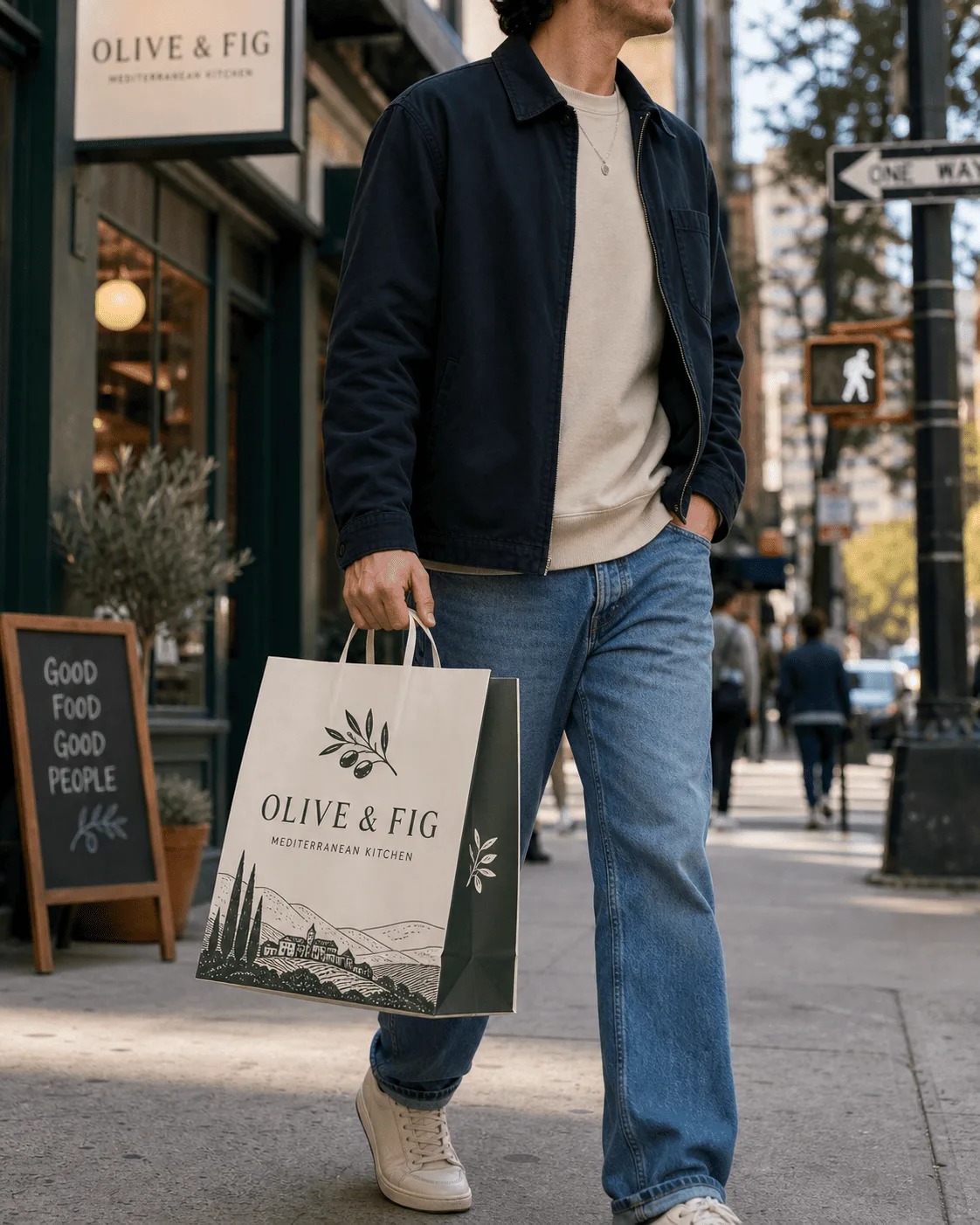
I worked with a small coffee shop owner who was hesitant to spend more on custom bags. We started with a simple, one-color print of his logo. Within months, he told me customers were mentioning they saw "his bags" all over the neighborhood. He realized the small extra cost per bag was paying for itself in local advertising. Your bag leaves your store and travels. It sits on office desks, in parks, and on kitchen counters. It’s a huge missed opportunity if it doesn’t represent your brand well. For more on this, our resources on sourcing and supplier selection can help you find a partner who understands branding.
Branding Essentials
- Clear Logo & Name: This is the most important element. Make it large and legible.
- Contact Information: Include your website and social media handles. A QR code linking to your online menu or ordering page is even better.
- Brand Voice: The design should match your vibe. Are you rustic and artisanal? Use natural kraft paper and a simple stamp-like design. Are you modern and sleek? Use white paper with a minimalist font.
Printing and Finishing
- Printing Method: For simple logos in 1-2 colors, flexographic printing is efficient and cost-effective. For complex, multi-color designs, offset printing offers higher quality.
- Make it Memorable: Consider printing a fun message on the gussets (side panels) or a thank you note on the bottom. These little details show you care and can create a positive impression.
Conclusion
Choosing the right custom paper takeout bag is a crucial business decision. By focusing on functionality, selecting the proper size and style, and investing in strong branding, you can turn a simple necessity into a valuable asset that protects your food, delights your customers, and markets your brand.
Ready to design a takeout bag that works as hard as you do? Contact my team at Omet Pack and let’s build the perfect packaging for your business.
Explore our full range of food packaging solutions for more inspiration.
FAQ
1. What is the minimum order quantity (MOQ) for custom takeout bags?
MOQ varies depending on the bag’s complexity, size, and printing method. Simple, one-color flexo-printed bags may have an MOQ starting around 5,000-10,000 units, while more complex offset-printed bags could be higher. It’s best to check our MOQ and Lead Time guide for details.
2. Are eco-friendly takeout bags expensive?
Not necessarily. Using standard, recyclable kraft paper from an FSC-certified source is an affordable and eco-friendly option. Costs increase with specialized coatings or materials, but a sustainable choice is often very competitive.
3. How long does it take to get custom bags made?
Standard lead times, from final artwork approval to shipping, are typically between 4 to 8 weeks. This can vary based on order complexity and current production schedules. We always recommend planning your packaging needs in advance.
4. Can I get a sample of my custom bag before placing a large order?
Yes, and we highly recommend it. We provide pre-production samples or prototypes so you can test the bag’s size, strength, and appearance with your actual products before committing to a full production run.