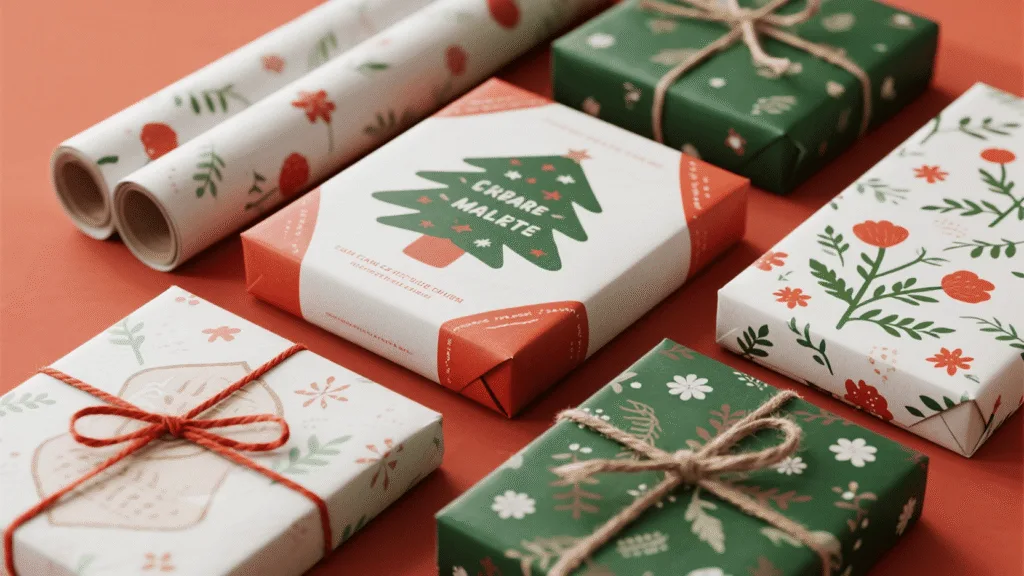
You want your packaging to look luxurious, but you’re drawn to the sustainable appeal of kraft paper. You see its plain, white surface and wonder if it’s just too simple, fearing it can’t deliver the premium, tactile experience your brand deserves.
Absolutely. White kraft wrapping paper is an exceptional canvas for a full range of high-end printing techniques and special finishes. Its smooth, bright surface allows for vibrant custom printing, while its durability makes it ideal for sophisticated finishes like foil stamping, embossing, and Spot UV.
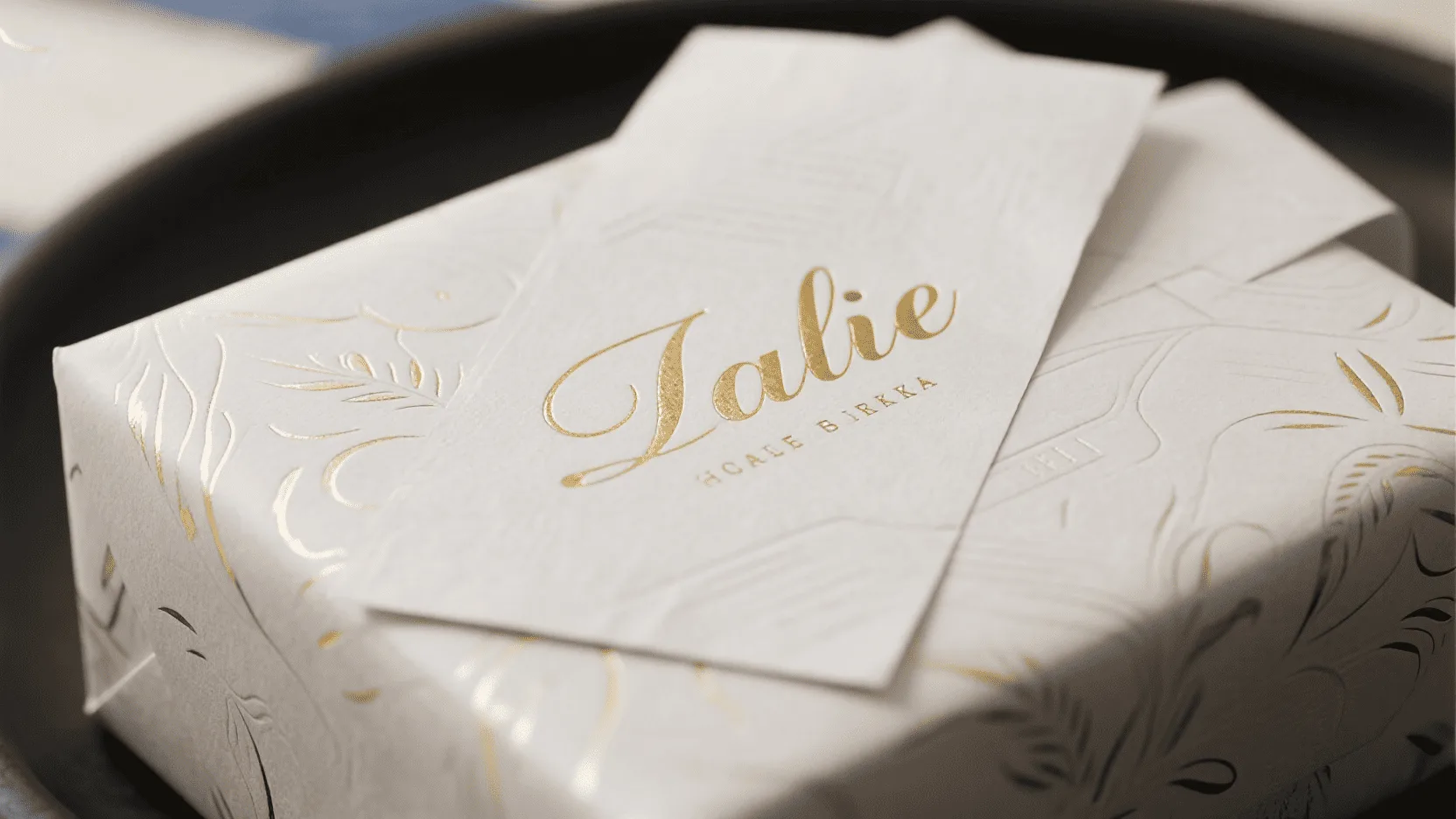
I remember meeting with the founder of a new jewelry brand. She was deeply committed to sustainability, but her primary concern was that her packaging wouldn’t feel valuable enough for the delicate, high-end pieces inside. "When I hear ‘kraft paper,’ I think of brown, rustic, and simple," she told me. "That’s not my brand." I understood her hesitation completely. Instead of just talking, I showed her a sample we had just produced: a sheet of crisp, white kraft paper with a simple monogram elegantly pressed in rose gold foil. The way the metallic finish caught the light against the matte paper was stunning. She ran her finger over it, felt the quality, and her entire perspective shifted. She realized that white kraft paper wasn’t the limitation; it was the foundation for creating something truly special and unique.
What Printing Techniques Work Best on White Kraft Paper?
You’ve finalized your design, but now you’re faced with technical printing terms. You’re not sure whether offset, digital, or flexography is the right choice for your budget, order volume, and design complexity, and you’re worried about making a costly mistake.
Offset and digital printing are the premier choices for customizing white kraft paper. Offset delivers superior color accuracy for large runs, while digital offers cost-effective flexibility for smaller, personalized orders. Both methods produce sharp, vibrant results on the paper’s smooth surface.
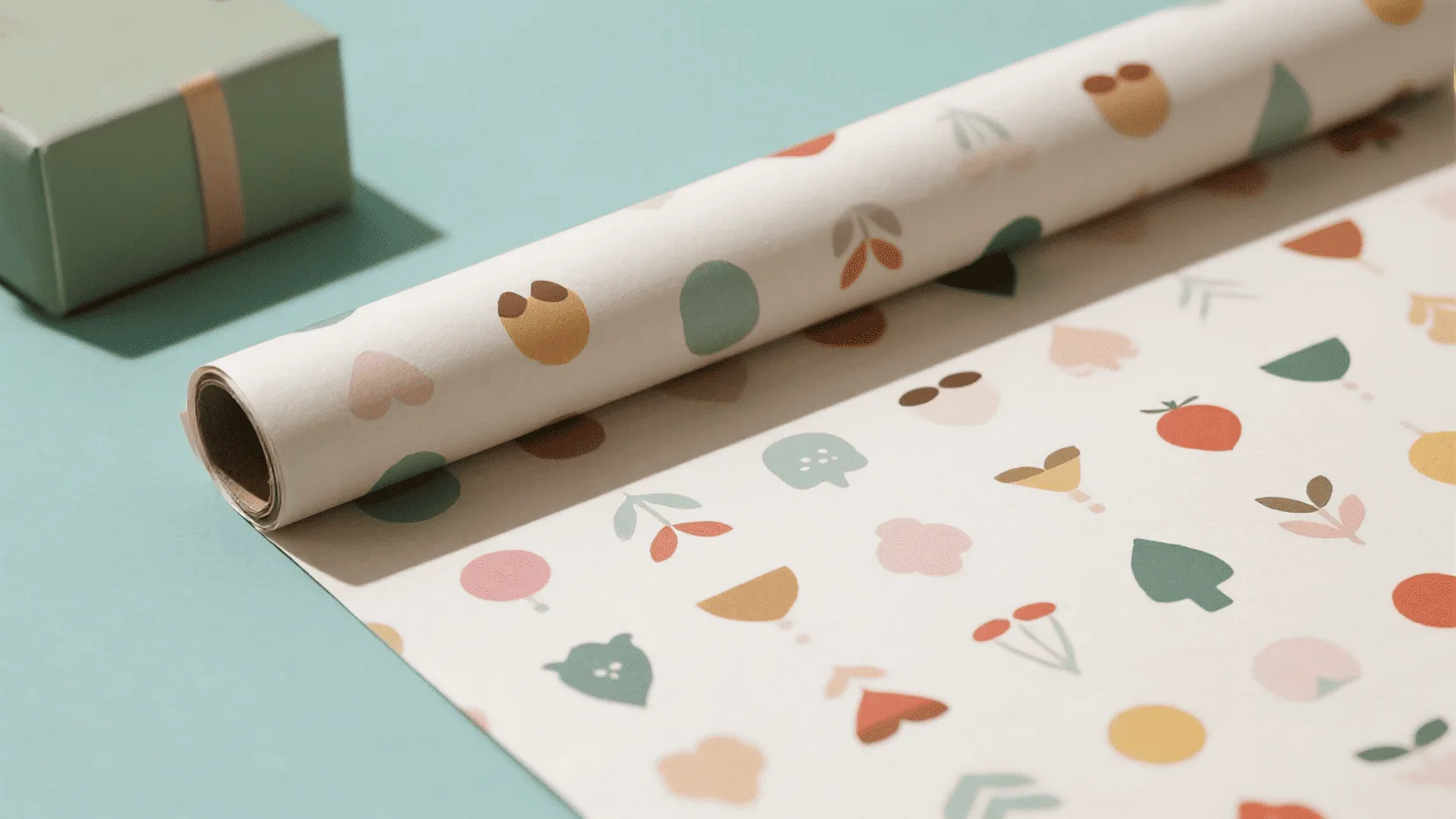
Choosing the right printing method is about balancing three things: quality, quantity, and cost. It’s a conversation I have with nearly every client. For a large cosmetics company planning a holiday collection, we will almost always recommend offset printing. They need hundreds of thousands of wraps, and the color of their branding—that specific shade of red—has to be perfect every single time. The per-unit cost is low, and the quality is unmatched. In contrast, a small e-commerce boutique launching a limited-edition product might only need 500 sheets of wrapping paper. For them, digital printing is the perfect solution. It avoids the high setup costs of printing plates and allows them to order exactly what they need. Our job is to understand the client’s business goals and guide them to the most efficient and effective method for their specific project.
High-Fidelity Printing Methods
The bright, non-porous surface of white kraft paper makes it incredibly receptive to various ink applications, ensuring your designs look exactly as intended.
- Offset Lithography1: This is the gold standard for high-volume commercial printing. It uses printing plates to transfer ink, resulting in exceptionally sharp images and precise color matching, including specific Pantone colors. It is the most cost-effective method for large production runs.
- Digital Printing2: Ideal for short runs, limited editions, or designs with variable data (like personalized messages). Digital printing applies ink directly to the paper without plates, offering quick turnaround times and low setup costs, making it accessible for small businesses.
- Flexography: While more common for shopping paper bags and simpler designs, flexography is a high-speed option for printing one or two solid colors over a large area. It’s very efficient for large-scale production of less complex patterns.
How Can Special Finishes Elevate Your White Kraft Paper?
Your standard printed wrap looks good, but it lacks that "wow" factor. You want to create a multi-sensory experience that customers can see and feel, but you’re unsure which special finishes will make your packaging truly unforgettable.
Special finishes like hot foil stamping, embossing, and Spot UV transform white kraft paper from a simple wrap into a tactile, luxury experience. These techniques add texture, shine, and depth, significantly increasing the perceived value of your product.
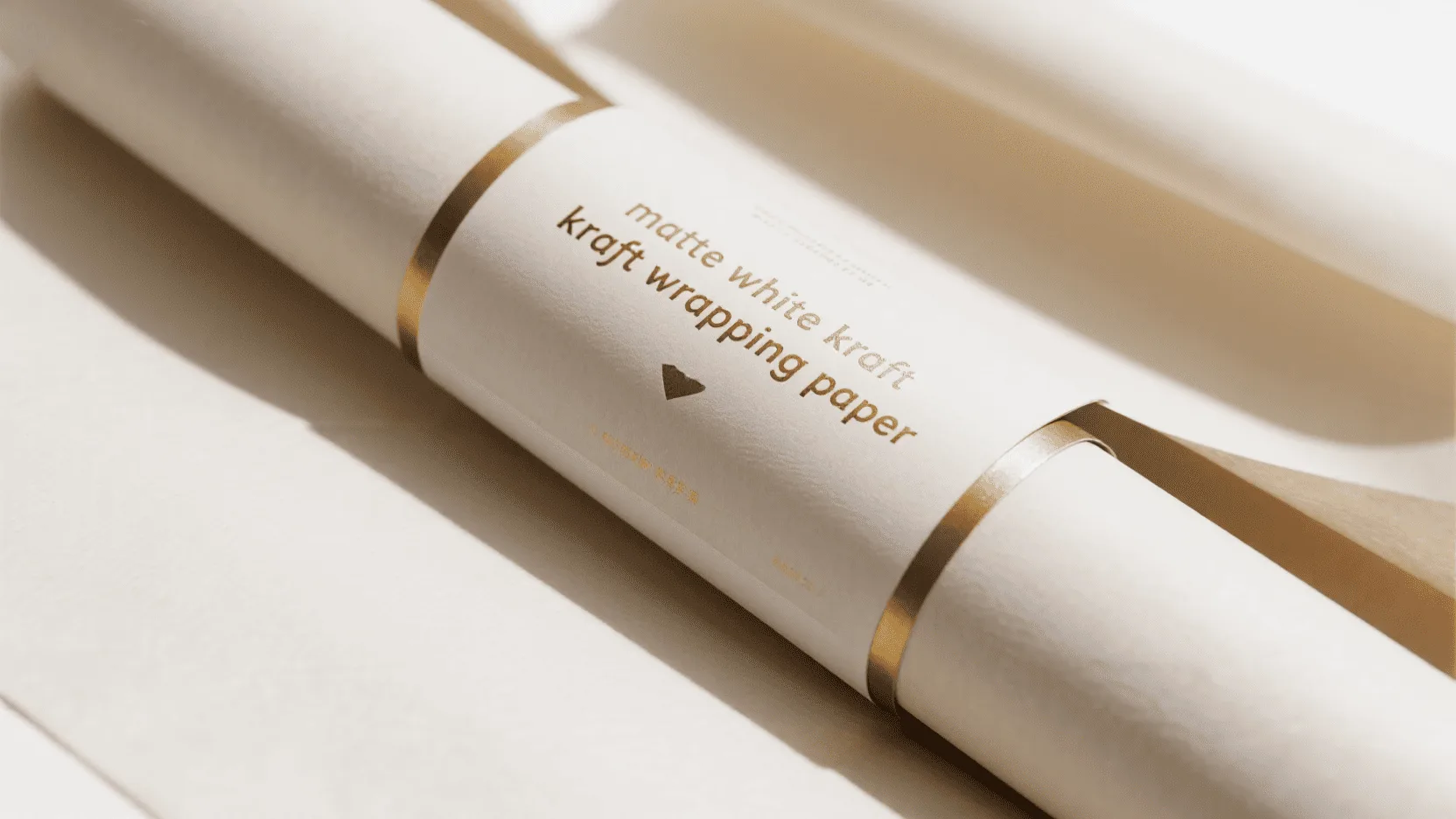
The difference between a nice package and a luxury package often comes down to texture. It’s the feeling a customer gets when they run their hand over a raised logo or see a flash of metallic gold. One of the most effective combinations I’ve ever seen was for a high-end chocolatier. We designed a wrap using a deep cocoa-colored ink on white kraft paper. Then, we used a subtle embossing technique to create a pattern of cocoa pods across the sheet and finished it with the brand’s name stamped in copper foil. The final product was incredible. It wasn’t just visually appealing; it was an experience. You could feel the texture of the pods and see the warm gleam of the copper. It communicated the artisan quality of the chocolate before the box was even opened. That is the power of adding a well-chosen finish.
Adding a Tactile, Premium Dimension
These finishes engage the sense of touch, making the unboxing process more memorable and interactive.
- Hot Foil Stamping1: This process uses heat and pressure to apply a thin layer of metallic or pigmented foil to the paper. Available in gold, silver, rose gold, copper, and even holographic finishes, it adds a brilliant, reflective element that signals opulence.
- Embossing & Debossing2: Embossing creates a raised, 3D effect on the paper, while debossing creates an indented impression. This adds a subtle, elegant texture that is perfect for logos, monograms, or patterns. It invites touch and communicates craftsmanship.
- Spot UV: A Spot UV coating applies a high-gloss, clear varnish to a specific area of your design. This creates a striking contrast between the matte finish of the white kraft paper and the glossy, reflective element, making logos or patterns pop.
| Finishing Technique | Visual Effect | Tactile Sensation | Best For |
|---|---|---|---|
| Hot Foil Stamping | Bright, metallic, reflective | Smooth, flat | Luxury branding, logos, accents |
| Embossing | Raised, 3D pattern | Textured, raised surface | Monograms, subtle patterns, logos |
| Spot UV | High-gloss, wet look | Smooth, slick surface | Creating visual contrast, highlighting details |
Does Customization Compromise the Eco-Friendly Nature of White Kraft Paper?
You’re committed to sustainability, but you’re worried that adding foils and varnishes will make your beautiful wrapping paper non-recyclable. You’re caught between your desire for a premium look and your brand’s promise to be environmentally responsible.
While some traditional finishes can pose recycling challenges, sustainable options are readily available. Embossing adds no extra materials, and modern eco-friendly foils and water-based varnishes can provide a stunning look without compromising the recyclability of the white kraft paper.
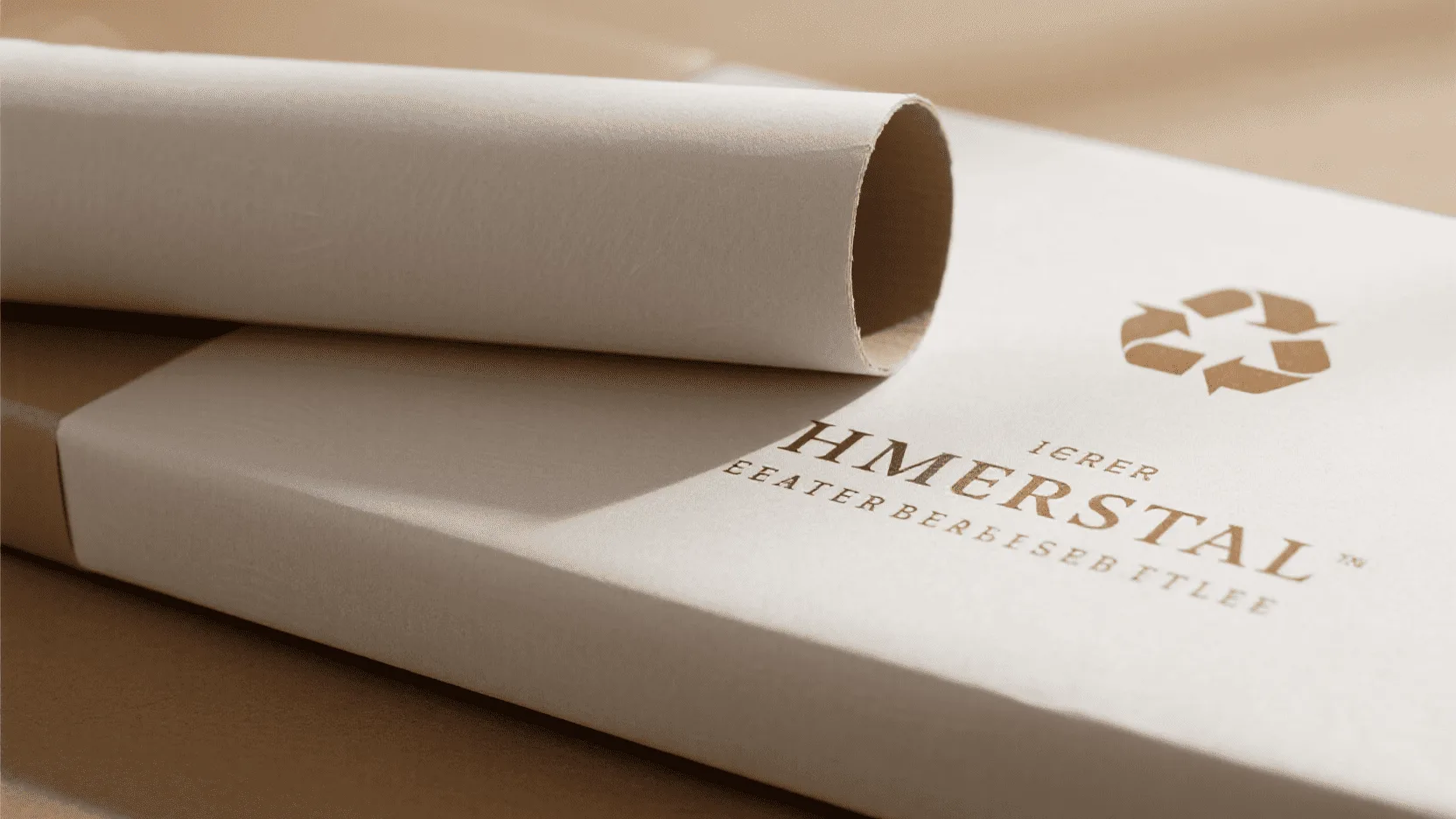
This is a critical conversation, and one I have frequently with brand owners. The fear of "greenwashing" is very real. A client in the organic personal care space once asked me, "What’s the point of using FSC-certified paper if I add a finish that sends it straight to the landfill?" It’s a valid question. The answer lies in making informed choices. I explained that while a heavy, full-coverage foil might be problematic for some recycling facilities, using it as a small accent on a logo is often perfectly acceptable. Furthermore, we can use embossing, which is purely structural, or specify modern, recyclable foils. The industry is innovating rapidly, and part of our job at Omet Packaging is to stay on top of these advancements. It’s not about choosing between luxury and sustainability anymore; it’s about finding the intelligent intersection of both. A study by the Paper and Packaging Board highlights that the majority of paper-based packaging is recycled, but compatibility of finishes with local systems is key (Source: Paper and Packaging Board).
Balancing Aesthetics and Responsibility
Achieving a high-end look doesn’t have to come at an environmental cost.
- Embossing as a Purely Structural Finish: Since embossing and debossing only reshape the paper fibers without adding other materials, they are the most inherently eco-friendly customization options1.
- Modern, Recyclable Foils: The packaging industry has developed new types of foils that are designed to separate from the paper pulp during the recycling process, making them a more sustainable choice than traditional foils2.
- Water-Based Varnishes: As an alternative to UV coatings, water-based varnishes can provide a protective and aesthetic finish (in gloss or matte) while being more environmentally friendly and easier to break down.
Conclusion
White kraft wrapping paper is far from a simple, basic option. It is a versatile and high-performing canvas ready to be transformed. Through high-quality printing and sophisticated finishes like foil stamping and embossing, it can carry the most luxurious branding while upholding a commitment to sustainability.
Ready to elevate your packaging? Explore our custom wrapping paper solutions or contact my team to discuss the perfect finishes for your brand.
Learn more about how these techniques apply across industries in our guide to custom gift packaging.
FAQ
What is the difference between embossing and debossing?
Embossing creates a raised pattern on the paper’s surface, pushing the design up from behind. Debossing is the opposite; it creates an indented pattern, pressing the design down into the paper from the front. Both add a sophisticated, tactile element.
Is full-color photo-quality printing possible on white kraft paper?
Yes. The smooth, bright white surface of this paper is an excellent base for full-color CMYK printing. Using offset or high-resolution digital printing, you can achieve vibrant, photo-realistic images with sharp detail and accurate colors.
Are there minimum order quantities for custom finishes like foil stamping?
While special finishes require extra setup, advancements in technology have made them more accessible for smaller businesses. Minimum order quantities vary, but creating a luxurious, custom look is more achievable than ever, even for limited-edition runs.