

Bulk Kraft Gift Wrap: How to Manage Quality, Cost, and Supply Chain Risks
You’ve found a great price on bulk kraft gift wrap, but the delivery is late. When it finally arrives, the color is inconsistent, and the paper tears with the slightest pull, ruining your products, customer experience, and reputation.
The biggest supply chain risks when buying kraft gift wrap in bulk are raw material price volatility, shipping delays, and inconsistent supplier performance. The most important quality metrics to verify are GSM (Grams per Square Meter), tear resistance, tensile strength, and color consistency.
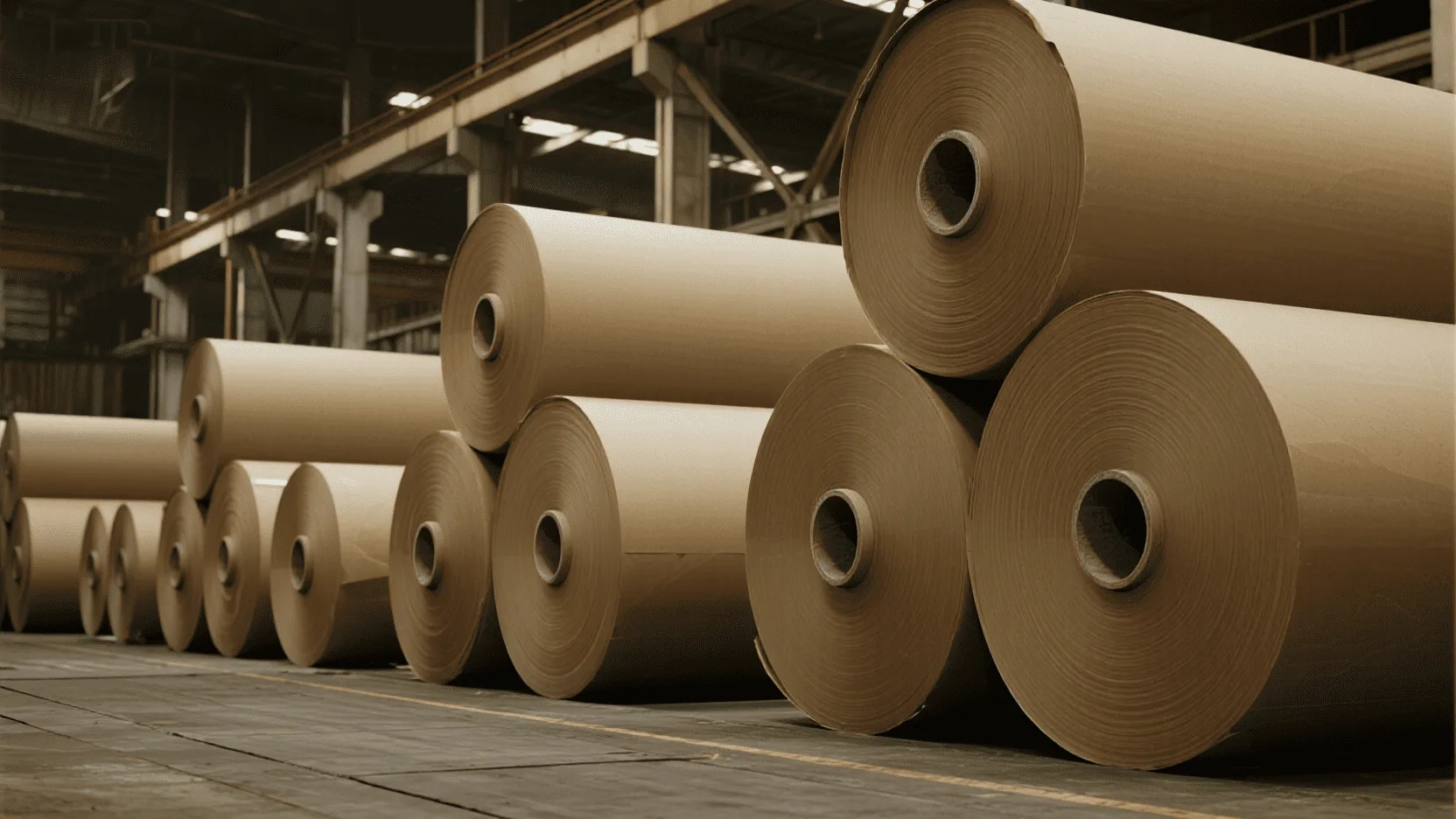
I remember a few years ago, a fast-growing e-commerce brand came to us in a panic. They had placed a massive order for custom-printed kraft wrap from another supplier for the holiday season. The shipment was delayed for six weeks due to unforeseen port congestion. When it finally arrived, half the rolls were a noticeably different shade of brown from the approved sample.
They were stuck with thousands of rolls of unusable paper right before their busiest time of year.
That experience taught me an important lesson about bulk kraft paper purchasing: the price per roll is only one part of the total cost. Supplier reliability, paper quality, production consistency, logistics, and quality control can have a much greater impact on your actual purchasing cost.
What Are the Biggest Supply Chain Risks When Ordering Kraft Paper in Bulk?
Your production line is waiting, but your paper shipment is stuck in transit. Raw material costs are suddenly increasing, threatening your budget. These supply chain disruptions can halt production, delay customer orders, and reduce profit margins.
The primary supply chain risks when ordering kraft paper in bulk are raw material price volatility, logistics and shipping delays, and inconsistent supplier reliability. These risks can affect your purchase price, delivery schedule, and final paper quality.

Navigating the global supply chain for kraft paper products requires a proactive purchasing strategy. Buying several thousand rolls may reduce the unit price, but it also increases your exposure to quality, inventory, and logistics problems.
For professional buyers, the main risks generally fall into three categories:
- Raw material price volatility
- Logistics and shipping delays
- Supplier reliability and quality consistency
Understanding the Key Risk Factors
First, raw material price volatility is a major factor. Wood pulp is one of the primary raw materials used to manufacture many kraft paper grades, and its cost can be influenced by global demand, energy costs, environmental regulations, transportation costs, and supply conditions. A significant change in raw material costs can affect quotations between the initial inquiry and the final production order.
Second, logistics and shipping delays can significantly affect bulk kraft paper orders. Port congestion, container shortages, customs clearance, weather disruptions, and geopolitical events can extend lead times. This is particularly important when ordering packaging materials for seasonal campaigns, product launches, or holiday sales.
Third, supplier reliability directly affects both delivery and quality. A supplier may offer an attractive initial price but lack the production capacity, quality control procedures, or supply chain management needed for repeat bulk orders.
Before placing a large order, ask:
- Does the supplier have sufficient production capacity?
- Can they maintain the same GSM and paper shade across batches?
- Do they have established quality inspection procedures?
- Can they provide FSC documentation when required?
- How do they manage production and shipping delays?
- Can they support repeat orders with consistent specifications?
A reliable supplier should be able to answer these questions clearly.
We hold both FSC and BSCI certifications because they are not just logos; they are part of demonstrating a structured approach to responsible sourcing, production, and supply chain management.
Which Key Quality Metrics Should You Never Overlook for Kraft Paper?
The gift wrap you ordered tears when you fold it around a sharp corner. The color varies from roll to roll, making your branding look inconsistent. These quality problems can directly affect the customer’s unboxing experience and your brand image.
The most important kraft gift wrap quality metrics are GSM, tear resistance, tensile strength, and color consistency. For many gift wrapping applications, 70–90 GSM provides a practical balance between strength, flexibility, and handling.
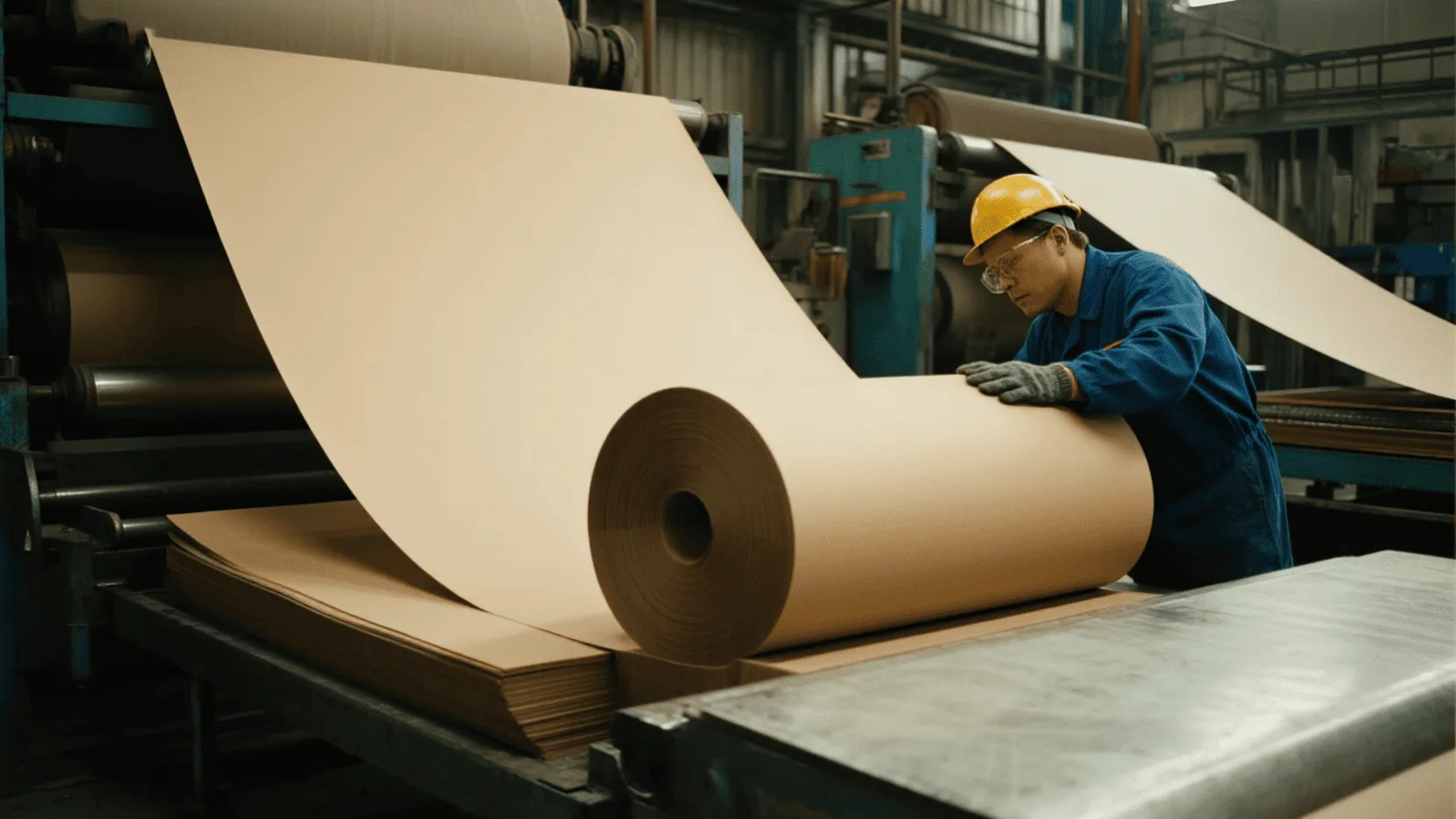
When evaluating kraft paper, especially for a premium application like gift wrapping paper, you need to look beyond the surface.
Two rolls may look almost identical during a quick visual inspection but perform very differently when folded, cut, printed, or wrapped around a product. This is why bulk buyers should establish measurable specifications before production begins.
A few years back, a client wanted the "lightest possible" paper to save on shipping costs. We produced samples at 60 GSM, but during testing, we found the paper tore too easily around box corners. We recommended an 80 GSM paper instead.
The increase in paper weight was relatively small, but the improvement in handling and tear resistance was significant.
Essential Quality Metrics for Kraft Gift Wrap
| Quality Metric | What It Measures | Why It’s Crucial for Gift Wrap |
|---|---|---|
| GSM (Grams per Square Meter) | The weight and thickness of the paper. | Determines the paper’s feel, flexibility, and general durability. Too low, and the paper may tear easily; too high, and it may become harder to fold cleanly. A 70–90 GSM range is commonly suitable for many gift wrap applications. |
| Tear Resistance | The paper’s ability to resist a tear once an initial cut or weakness occurs. | Important when wrapping products with sharp edges or corners. Higher tear resistance helps prevent small cuts from becoming large rips during wrapping and handling. |
| Tensile Strength | The force required to pull the paper apart. | Indicates the paper’s ability to withstand pulling and handling during wrapping, packing, and transportation. |
| Color Consistency (Shade) | The uniformity of paper color within and between production batches. | Critical for branded packaging. Differences in kraft brown, white, or printed colors can make packaging appear inconsistent and reduce perceived quality. |
What GSM Is Best for Kraft Gift Wrap?
For many standard gift wrapping applications, 70–90 GSM is a practical range because it balances flexibility, handling, and durability. However, the ideal GSM depends on the product being wrapped, the size of the sheet or roll, printing requirements, folding method, and desired appearance.
For example:
- Around 60 GSM: Lightweight and economical, but more susceptible to tearing.
- 70–80 GSM: A good balance for many general gift wrapping applications.
- 80–90 GSM: Better suited to applications where a stronger, more substantial wrapping paper is preferred.
- Higher GSM: Can provide a more premium feel and greater stiffness, but may increase material and shipping costs and make folding more difficult.
Rather than choosing the lowest GSM available, test the actual paper with your products before committing to a large production quantity.
How Can You Ensure Consistent Quality and a Reliable Supply Chain?
You’re worried that your next bulk order will have the same quality issues as the last one. You feel powerless against supplier excuses and shipping delays. Proactively managing your sourcing process is the best way to gain control.
To ensure consistent bulk kraft gift wrap quality, approve pre-production samples, define technical specifications and acceptable tolerances in writing, verify supplier certifications, and establish a clear quality inspection process before mass production.

The best way to mitigate risk is to build a transparent and measurable relationship with your packaging supplier.
This is not simply about finding the cheapest supplier. For bulk kraft paper purchasing, total landed cost and supply reliability are often more important than the initial unit price.
A supplier that delivers consistent paper on time can save you significantly more than a supplier offering a slightly lower price but creating quality problems, rework, stock shortages, or delivery delays.
A Framework for Reliable Bulk Kraft Paper Sourcing
1. Approve a Pre-Production Sample
Always request a pre-production sample before committing to a large production run.
For custom-printed kraft gift wrap, the sample should represent the actual production specifications as closely as possible. Check:
- Paper GSM
- Paper color and shade
- Tear resistance
- Tensile strength
- Surface appearance
- Printing quality
- Print color consistency
- Roll dimensions
- Core size and winding
- Packaging and labeling
A sample gives you an opportunity to identify problems before thousands of rolls are produced.
2. Define Technical Specifications in Writing
Do not rely on phrases such as "good quality kraft paper" or "same as the previous order."
Instead, specify measurable requirements.
Your purchase specification can include:
- Paper type
- GSM
- Roll width
- Roll length
- Core diameter
- Paper color
- Printing colors
- Tear resistance
- Tensile strength
- Moisture requirements where applicable
- Acceptable color tolerance
- Defect tolerance
- Packaging requirements
- FSC certification requirements
This creates a clear reference point for both the buyer and supplier.
3. Verify Supplier Certifications
For buyers with sustainability or compliance requirements, ask the supplier for relevant certification documentation.
For example, FSC certification can help buyers verify that applicable forest-based materials come from sources managed according to FSC requirements. You should verify the certificate details and scope rather than relying solely on an FSC logo shown on a supplier’s website.
BSCI is different: it is associated with social compliance and working conditions rather than being a paper-material certification.
Understanding this distinction is important when evaluating packaging suppliers.
4. Establish a Quality Agreement
For large-volume kraft paper orders, create a master Quality Agreement or detailed product specification document before production begins.
The document should define the agreed specifications, inspection standards, sampling method, acceptable defect levels, and procedures for handling non-conforming goods.
For custom-printed wrapping paper, it can also include an approved color reference such as a Pantone reference or an approved physical sample.
Putting these requirements in writing protects both parties and makes quality control more objective.
When clients contact us for a large packaging project, establishing clear specifications before production is one of the first steps we recommend.
5. Plan Inventory Around Your Lead Time
Bulk purchasing can reduce unit costs, but buying too much inventory can tie up cash and warehouse space.
At the same time, ordering too late can expose you to shipping delays and stockouts.
A better approach is to calculate your required inventory based on:
Average consumption × supplier lead time + safety stock = minimum inventory requirement
For seasonal businesses, add additional safety stock before periods of high demand such as Christmas, Valentine’s Day, Mother’s Day, or major promotional campaigns.
This is particularly important when your kraft gift wrap is a critical part of your packaging workflow.
How Should You Compare Bulk Kraft Gift Wrap Suppliers?
Choosing a bulk kraft paper supplier based only on price can create hidden costs later. A more reliable comparison should consider paper quality, production capacity, MOQ, lead time, certifications, logistics support, quality control, and total landed cost.
A practical supplier comparison should include:
| Factor | What to Check |
|---|---|
| Unit Price | Price per roll or unit at your actual order quantity |
| MOQ | Minimum order quantity and whether it applies per size, design, or SKU |
| GSM | Whether the supplier can consistently meet the agreed paper weight |
| Quality Control | Pre-production, in-process, and final inspection procedures |
| Color Consistency | Ability to maintain consistent paper and printing colors between batches |
| Production Lead Time | Confirmed manufacturing time after sample approval |
| Certifications | FSC, BSCI, or other certifications required by your market |
| Packaging | Protection against moisture, crushing, contamination, and transportation damage |
| Shipping | Available shipping methods and experience with your destination market |
| Repeat Orders | Ability to reproduce the same specifications consistently |
| Communication | Speed and accuracy of communication when problems occur |
This approach gives you a more realistic view of supplier performance than comparing quotations alone.
What Is the Real Cost of Buying Kraft Gift Wrap in Bulk?
The cheapest quotation is not always the lowest-cost option.
When calculating the cost of bulk kraft gift wrap, consider the total landed cost, including the paper price, printing or finishing, packaging, freight, duties or taxes where applicable, inspection, warehousing, and the potential cost of defective or delayed goods.
For example, a supplier offering a lower unit price may become more expensive if:
- The shipment arrives several weeks late.
- A percentage of the paper cannot be used.
- The color does not match your approved sample.
- The paper tears during wrapping.
- You need emergency replacement stock.
- Your team spends additional labor sorting defective rolls.
- You miss a seasonal sales window.
For professional buyers, supplier reliability should therefore be treated as part of the product cost—not as a separate consideration.
How Can You Reduce Supply Chain Risk When Buying Kraft Paper in Bulk?
The most effective approach is to reduce your dependence on assumptions.
Before placing a large order, confirm the following:
- Approve the exact paper specification.
- Test a production-representative sample.
- Confirm the production lead time in writing.
- Define acceptable quality tolerances.
- Verify required certifications.
- Confirm packaging and shipping requirements.
- Plan safety stock for critical or seasonal orders.
- Use pre-shipment inspection when appropriate.
- Keep an approved reference sample for future repeat orders.
- Review supplier performance after every major shipment.
For repeat purchases, retaining a physical approved sample can be especially useful. It gives both buyer and supplier a tangible reference when comparing future production batches.
Conclusion
Bulk kraft gift wrap can provide significant cost advantages, but successful purchasing depends on more than securing a low price. Raw material volatility, shipping delays, supplier reliability, paper strength, GSM, tear resistance, and color consistency all influence the final result.
For most gift wrapping applications, 70–90 GSM is a practical starting range, but the correct specification should be determined by your product, wrapping method, printing requirements, and desired finish.
The safest approach is to combine clear technical specifications, pre-production sampling, supplier verification, quality agreements, inspection procedures, and realistic inventory planning.
When these elements are managed together, you can reduce the risk of receiving inconsistent kraft paper, avoid costly delays, and build a more predictable packaging supply chain.
Ready to build a more reliable packaging supply chain? Explore our custom gift packaging solutions and see how we can help you source with confidence.
FAQ
What is a good GSM for kraft gift wrap?
For many gift wrapping applications, 70–90 GSM is a practical range. It provides a balance between flexibility, handling, and resistance to tearing. Around 60 GSM can work for lightweight applications but may be more prone to tearing, while higher GSM paper can provide a more substantial feel and additional stiffness.
The ideal GSM depends on the product size, shape, wrapping method, printing requirements, and desired appearance, so testing a sample before bulk production is recommended.
Is 70 GSM kraft paper strong enough for gift wrapping?
70 GSM kraft paper can be suitable for many gift wrapping applications, particularly when the products do not have sharp corners or require heavy handling. However, GSM alone does not determine paper strength. Fiber composition, paper structure, tear resistance, and tensile strength should also be considered.
How can I verify a supplier’s FSC certification?
You can verify an FSC certification by asking the supplier for its certificate code, such as an FSC-CXXXXXX number, and checking the certificate through the official FSC certificate database (info.fsc.org).
Make sure the certificate is current and that its scope covers the relevant products or activities. An FSC logo displayed on a supplier’s website should not be treated as sufficient verification by itself.
What is the quality difference between virgin and recycled kraft paper?
Virgin kraft paper is made primarily from newly sourced wood fiber, while recycled kraft paper uses recovered paper fibers. Virgin fibers are generally longer and can provide strong tensile and tear performance. Recycled kraft paper can offer environmental benefits but its strength and appearance depend heavily on the recycled fiber content and manufacturing process.
High-quality recycled kraft paper can still be suitable for many gift wrapping applications. The best choice depends on your required strength, appearance, sustainability objectives, and budget.
What should I check before ordering kraft paper in bulk?
Before placing a bulk order, check at least:
- GSM
- Tear resistance
- Tensile strength
- Paper shade and color consistency
- Roll width and length
- Core size
- Printing specifications
- Packaging requirements
- MOQ
- Production lead time
- Shipping method
- Certification requirements
- Quality inspection standards
- Acceptable defect tolerance
Most importantly, approve a production-representative sample and document the agreed specifications before mass production.
How can I prevent color differences between kraft paper batches?
Use an approved physical reference sample and clearly define the required color specification before production. For printed kraft gift wrap, also specify the printing colors and obtain approval for the final production sample.
For repeat orders, keeping the original approved sample allows the supplier to compare subsequent production against a consistent physical reference rather than relying only on verbal descriptions such as "brown kraft" or "natural kraft."
Is buying kraft gift wrap in bulk cheaper?
Bulk purchasing usually reduces the unit cost, but the lowest unit price does not necessarily produce the lowest total cost. Buyers should also consider freight, storage, quality defects, inspection, delays, and potential replacement costs.
The best purchasing decision balances unit price, quality, MOQ, lead time, supplier reliability, and total landed cost.