Your product is premium, but your packaging gets lost in a sea of sameness. You’re struggling to create that "wow" moment that turns customers into loyal fans online and offline.
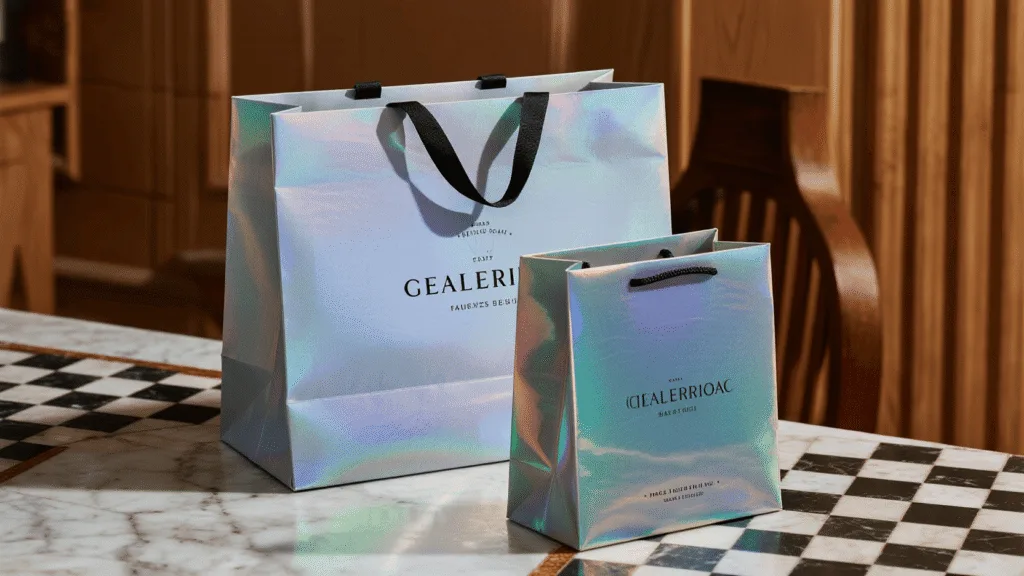
Holographic paper bags are a strategic choice for premium brands because their dynamic, light-reflecting surfaces capture attention, elevate perceived value, and create a memorable, shareable unboxing experience. As the market evolves, sustainable materials, smarter packaging technology, and advanced customization are making holographic packaging an increasingly versatile branding tool.
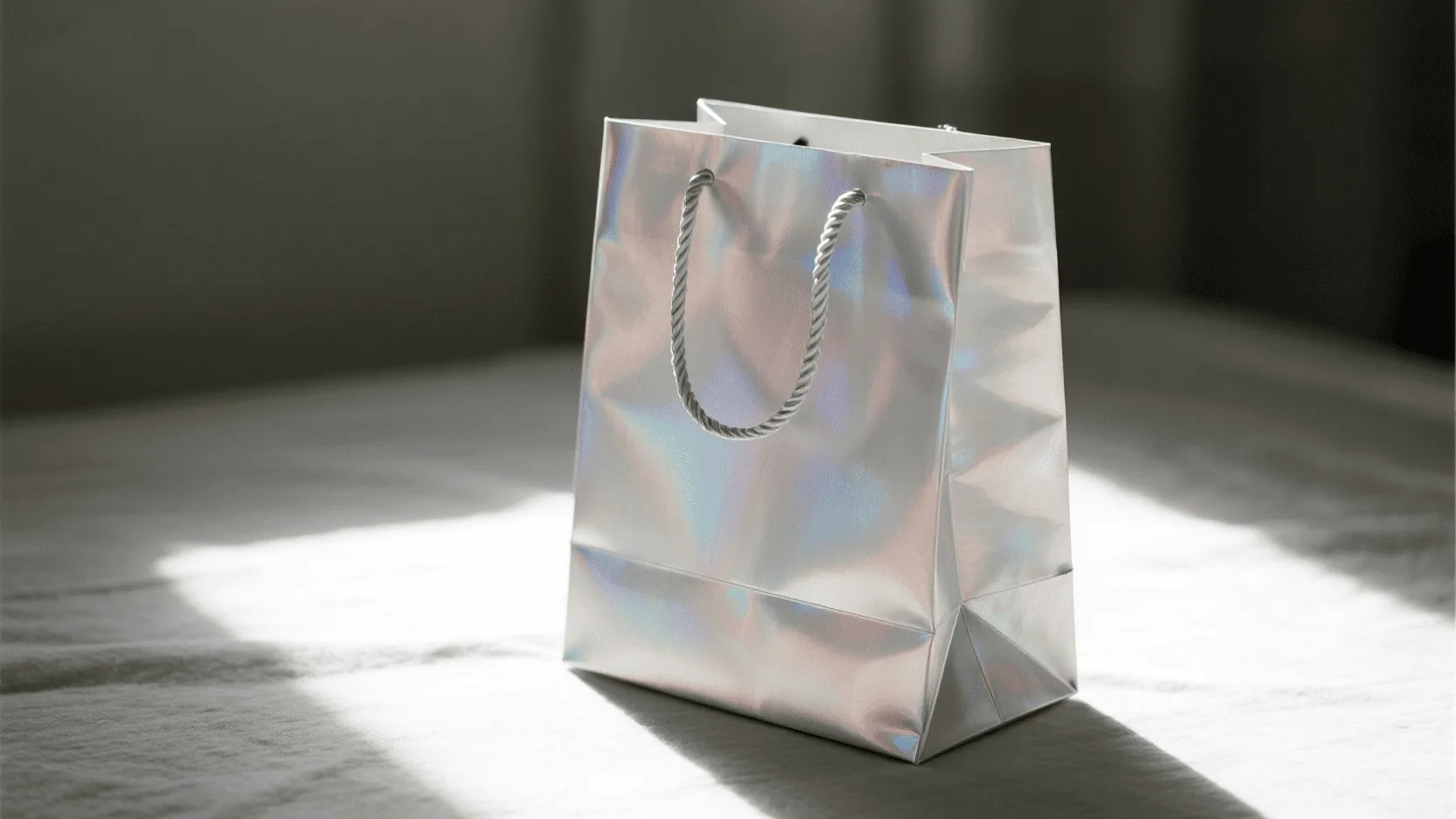
I remember meeting with the marketing director of a high-end skincare line a few years ago. They had a fantastic product, but their elegant, matte-black packaging wasn’t making a splash on social media. "We need our packaging to do more than just hold the product," she told me. "We need it to start a conversation." That conversation is precisely what holographic packaging ignites. It doesn’t just sit there; it performs. It changes with the light and the angle, inviting interaction and, most importantly, making people pull out their phones to take a picture. It’s no longer just a bag; it’s an experience.
But the visual effect is only part of the story. For a holographic bag to genuinely strengthen your brand, the material, construction, design, sustainability, and finishing details all need to work together. The right approach isn’t simply to make packaging more reflective; it’s to make it more distinctive, more aligned with your brand, and more valuable to the customer.
How Does Holographic Packaging Capture Customer Attention in a Crowded Market?
Your brand is competing for milliseconds of attention on retail shelves and social media feeds. A potential customer scrolls past dozens of images in seconds. How do you make them stop and look?
Holographic packaging uses a light-diffracting surface to create shifting, iridescent colors that instantly stand out. This dynamic visual effect is a powerful tool for interrupting visual monotony and grabbing a customer’s focus.
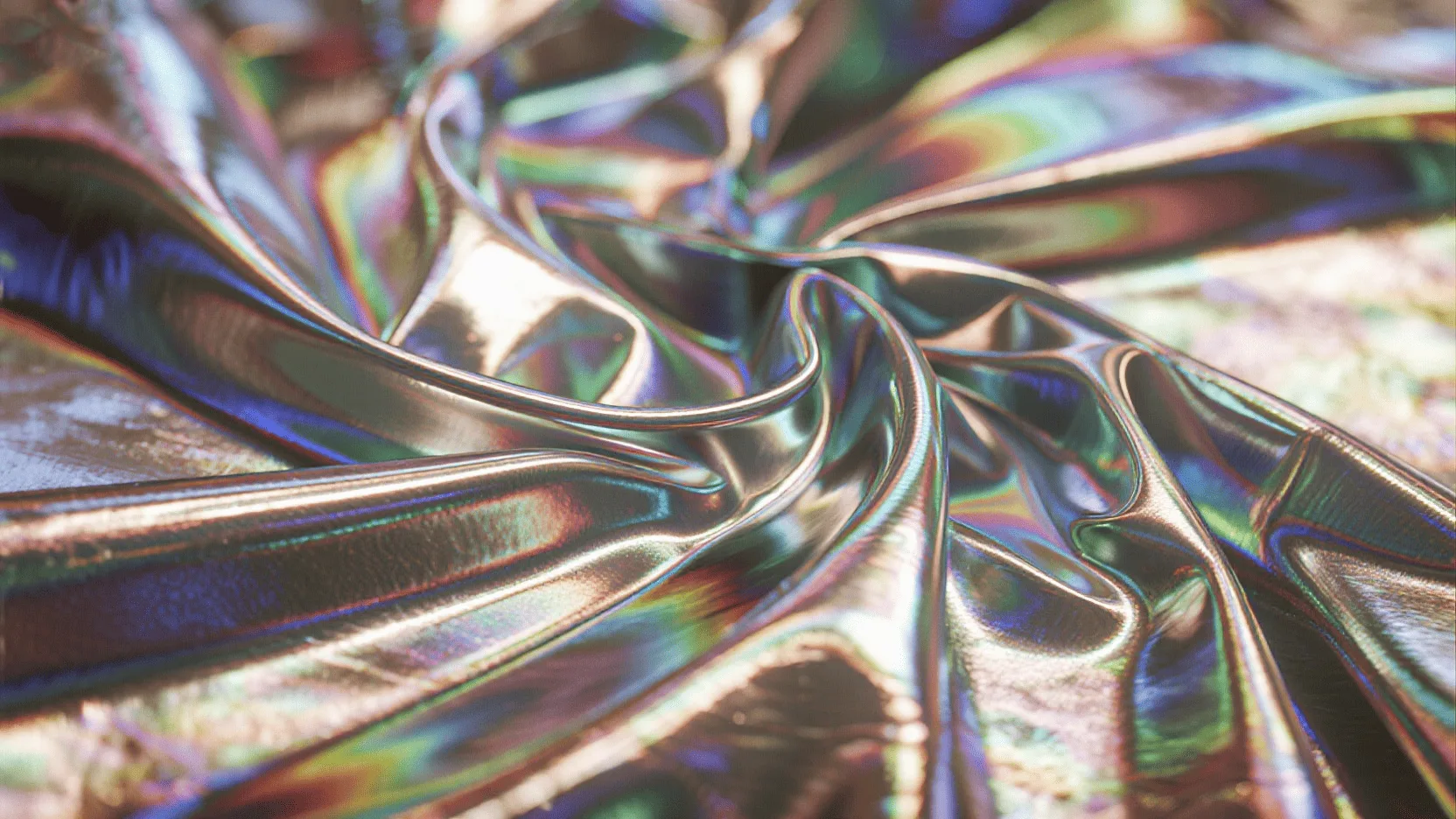
The human eye is naturally drawn to movement and contrast. A standard package, no matter how well-designed, is static. A holographic package is alive with color and light. This isn’t just an artistic opinion; it’s about leveraging the way our brains process visual information. In a physical store, a holographic bag on a shelf will catch a shopper’s eye from across the room as it reflects the store’s lighting. Online, a video of a product being unboxed from a holographic bag has an inherent dynamism that a still photo lacks.
I saw this firsthand at a major packaging trade show. We had a display with various finishes, but the section with our holographic gift bags had a constant crowd. People weren’t just looking; they were filming it on their phones, mesmerized by the way the colors shifted as they moved. That’s free marketing, driven entirely by the material itself.
The Power of Being "Instagrammable"
Today, packaging is part of the product experience, and customers are your new advertisers. Holographic bags are inherently photogenic and "Instagrammable1." The shifting surface gives photos and videos a sense of movement that conventional finishes cannot easily replicate. This encourages customers to post their purchases online, creating valuable user-generated content2 (UGC).
For e-commerce and subscription brands, this effect can be even more powerful. The package is often the first physical interaction customers have with the brand, effectively replacing the atmosphere of a physical store. A distinctive holographic bag or mailer can turn an ordinary delivery into a branded event and a moving advertisement.
Differentiating in a Sea of Sameness
As more brands adopt minimalist aesthetics, a bold holographic design can be a powerful differentiator. It signals that your brand is modern, confident, and not afraid to be seen. It can communicate quality and innovation before the customer even sees the product inside.
However, differentiation doesn’t always mean covering the entire bag in rainbow effects. Selective holographic elements, such as a logo, border, or signature pattern, can provide a more sophisticated point of difference while keeping the overall design restrained.
| Packaging Finish | Visual Characteristic | Best For | Social Media Impact |
|---|---|---|---|
| Matte | Non-reflective, sophisticated | Understated luxury, earthy brands | Moderate (relies on design) |
| Gloss | Shiny, reflective | Mainstream, vibrant brands | Moderate to High |
| Holographic | Light-diffracting, color-shifting | Premium, modern, innovative brands | Very High (encourages video) |
| Holographic Accent | Selective reflective details | Luxury, minimalist, established brands | High (adds visual contrast) |
What Message Does a Holographic Bag Send About Your Brand?
Your packaging is the first physical interaction a customer has with your brand. You want it to communicate quality and excitement, not just serve as a container. Will this trendy finish cheapen your brand’s image?
Far from cheapening it, a well-executed holographic bag can communicate innovation, modernity, exclusivity, and premium quality. The key is making the effect an amplifier of your existing brand identity rather than allowing it to contradict your brand story.
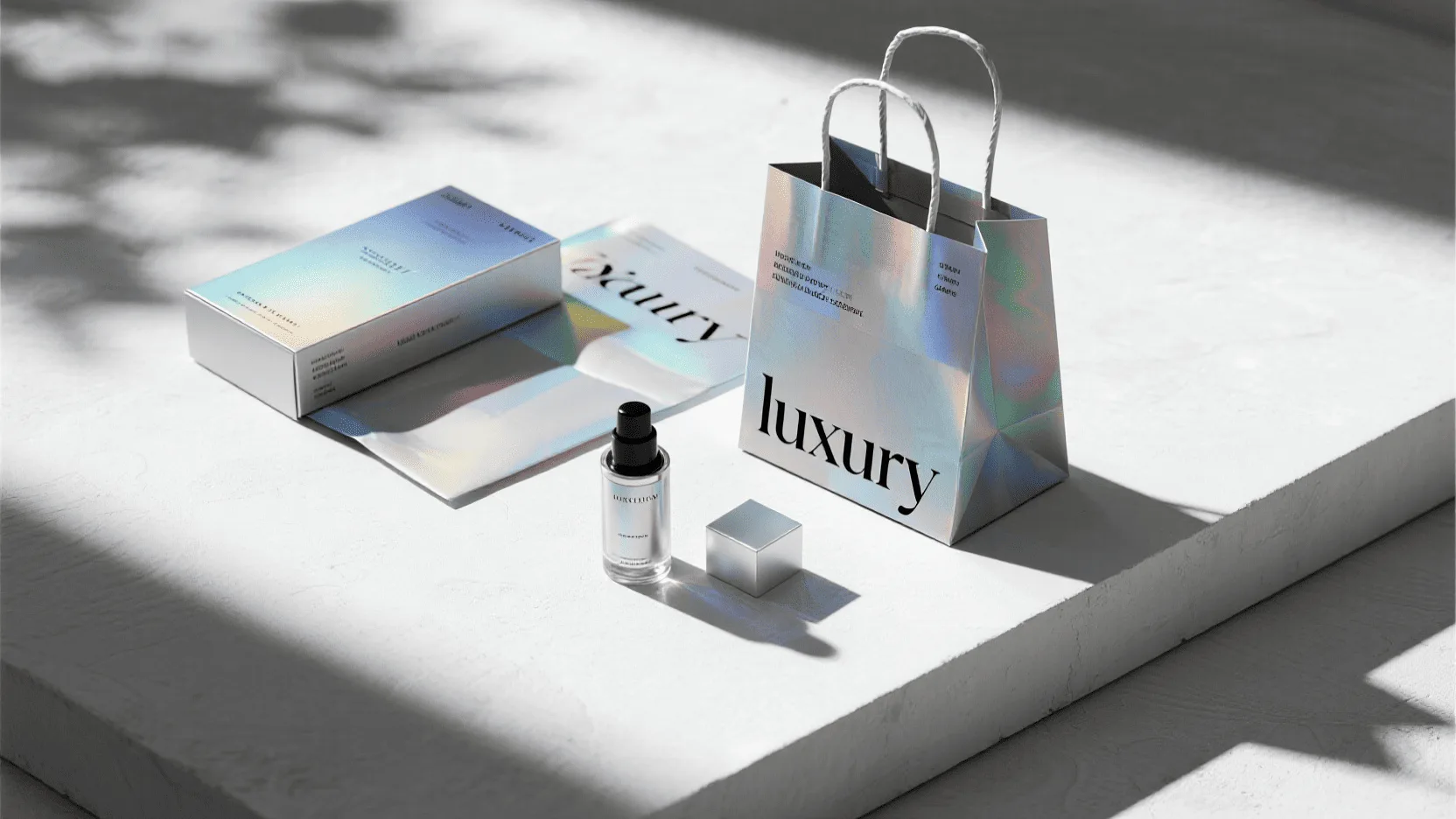
Think of your packaging as your brand’s silent salesperson. A flimsy, plain bag says one thing, while a sturdy, beautifully designed bag says something else entirely. Holographic packaging takes this a step further. Its futuristic and almost magical appearance creates a strong association with cutting-edge technology and high-end aesthetics.
This is why it can be a natural fit for industries like cosmetics, electronics, fashion, jewelry, and premium gifting. But the same effect can feel inappropriate for brands built around natural materials, heritage, craftsmanship, or understated simplicity.
I once worked with a high-end organic skincare brand that initially wanted a fully holographic bag. When we placed the dazzling rainbow material next to their earthy, minimalist product jars, the mismatch was obvious. The packaging suggested a futuristic technology brand while the product communicated natural serenity. We instead recommended a recycled kraft bag with a subtle silver holographic foil logo. The final result was more successful because the holographic effect enhanced the brand instead of overwhelming it.
Aligning with a Premium Experience
When a customer buys a premium product, they are buying into an experience. The unboxing should feel like an event. A holographic bag1 elevates that event, making it more memorable and special.
The effect can also strengthen the connection between packaging and product aesthetics. For example, holographic packaging naturally complements cosmetics with iridescent highlighters, multi-chrome eyeshadows, and shimmering finishes. The packaging becomes part of the same visual story rather than simply a container.
Signaling Limited Editions and Exclusivity
The unique look of holographic material makes it an excellent choice for limited-edition drops2, seasonal collections, collaborations, and special events. It visually flags the product as different from the standard collection, creating a sense of rarity and urgency.
Luxury brands can use a subtle holographic foil logo rather than a fully holographic bag when they want to modernize their image without abandoning classic sophistication. This "flash of the future" approach can make the packaging feel exclusive without becoming overly loud.
Choosing the Right Brand Fit
Before selecting a holographic finish, consider your brand personality and target audience. Innovative, playful, transformative, and design-forward brands generally have a natural fit, while heritage or nature-focused brands may benefit from using holographic effects only as controlled accents.
| Brand Positioning | Holographic Suitability | Strategic Use |
|---|---|---|
| Innovative / Creator | High | Full holographic designs or custom patterns |
| Beauty / Transformative | High | Iridescent bags, holographic accents, premium unboxing |
| Playful / Youth-Focused | High | Full-coverage holographic designs and bold launches |
| Luxury / Heritage | Medium to High | Subtle holographic foil, logos, or limited editions |
| Natural / Minimalist | Medium to Low | Small holographic accents on kraft or matte materials |
How Can You Balance Minimalism and Maximalism in Your Design?
You’re torn between wanting a bold, eye-catching holographic bag and fearing it will look chaotic and unprofessional. A busy design could easily overwhelm your logo and crucial product information, making your brand look amateurish.
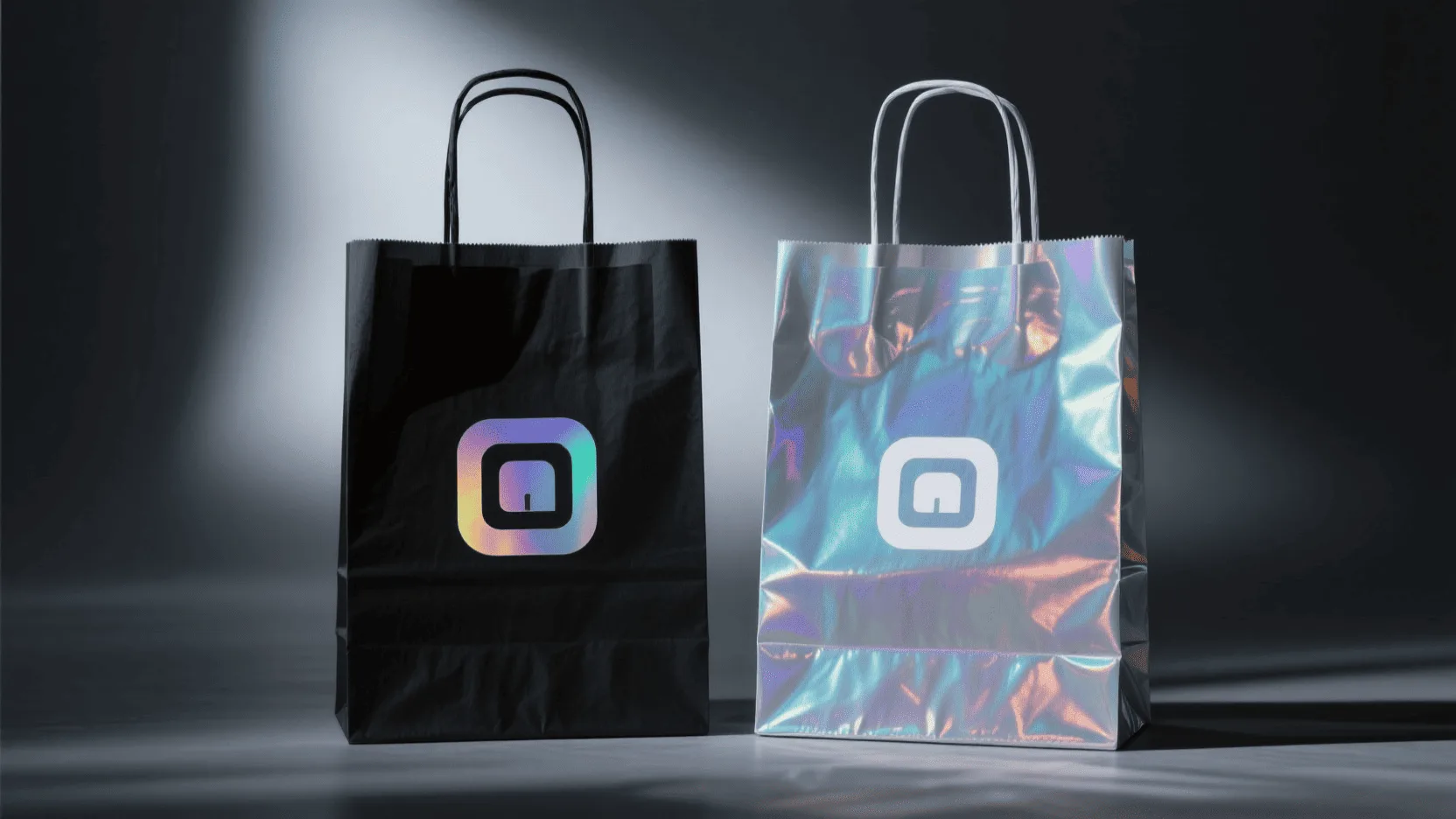
The key is to choose between two clear strategies: use the holographic effect as a targeted accent on a simple bag, or make the entire bag holographic and keep all other design elements radically simple.
In holographic design, the principle of "less is more" is your best friend. One common mistake is placing a complex, multi-colored logo onto an already busy holographic pattern. The result is a visual battle where nothing wins.
The most successful designs choose a clear hero.
The Minimalist Accent Approach
This method uses holographic foil1 as a precise design element.
- Best For: Luxury brands, corporate gifting, established brands, and businesses wanting a subtle touch of modernity.
- How to Execute: Use a high-quality matte, white, black, kraft, or brand-colored paper bag and apply holographic foil to the logo, border, tagline, or selected graphic elements.
- Main Advantage: It creates a premium contrast while keeping the brand identity in control.
This is also one of the most cost-effective ways for smaller brands to introduce a holographic effect without paying for a fully holographic substrate.
The Maximalist Full-Coverage Approach
This method uses the holographic material as the canvas itself.
- Best For: Trend-focused brands, product launches, subscription boxes, special events, and younger demographics.
- How to Execute: Make the entire surface holographic and keep branding and text minimal. A simple black or white logo and clean typography usually provide the strongest contrast.
- Main Advantage: The bag itself becomes the hero visual and creates maximum shelf and social-media impact.
Creating Proprietary Holographic Patterns
Brands don’t have to rely on generic rainbow or oil-slick patterns. Advanced digital printing and selective holographic finishing can create custom effects using micro-logos, geometric patterns, signature graphics, or other brand-specific details.
This makes holography more than a material choice. It becomes a distinctive visual asset that competitors cannot easily replicate.
Which Industries Are Driving Demand for Holographic Paper Bags?
You’re planning your brand’s future, but the packaging landscape is changing fast. You see eye-catching trends but wonder which ones have the staying power to deliver real ROI for years to come.
From 2025 to 2030, demand for holographic paper bags is expected to be strongest among cosmetics and beauty, luxury retail, premium e-commerce, subscription brands, specialty foods, and gifting businesses—all of which benefit from visual differentiation, premium presentation, and shareable customer experiences.
I was at a global packaging expo last year, and the energy around advanced finishes was undeniable. While matte and gloss options had their place, the booths drawing the biggest crowds were the ones showcasing dynamic materials. Brand managers from completely different sectors—from skincare to gourmet chocolates—were captivated by how holographic bags performed under the lights.
This reflects a broader shift in packaging. Visual appeal, social media presence, and premium unboxing experiences are increasingly connected to brand strategy rather than treated as decorative extras.
Why Is the Cosmetics and Beauty Industry a Natural Fit?
The cosmetics industry is one of the strongest applications because holographic packaging mirrors the visual language of transformation, radiance, and color while creating highly shareable content.
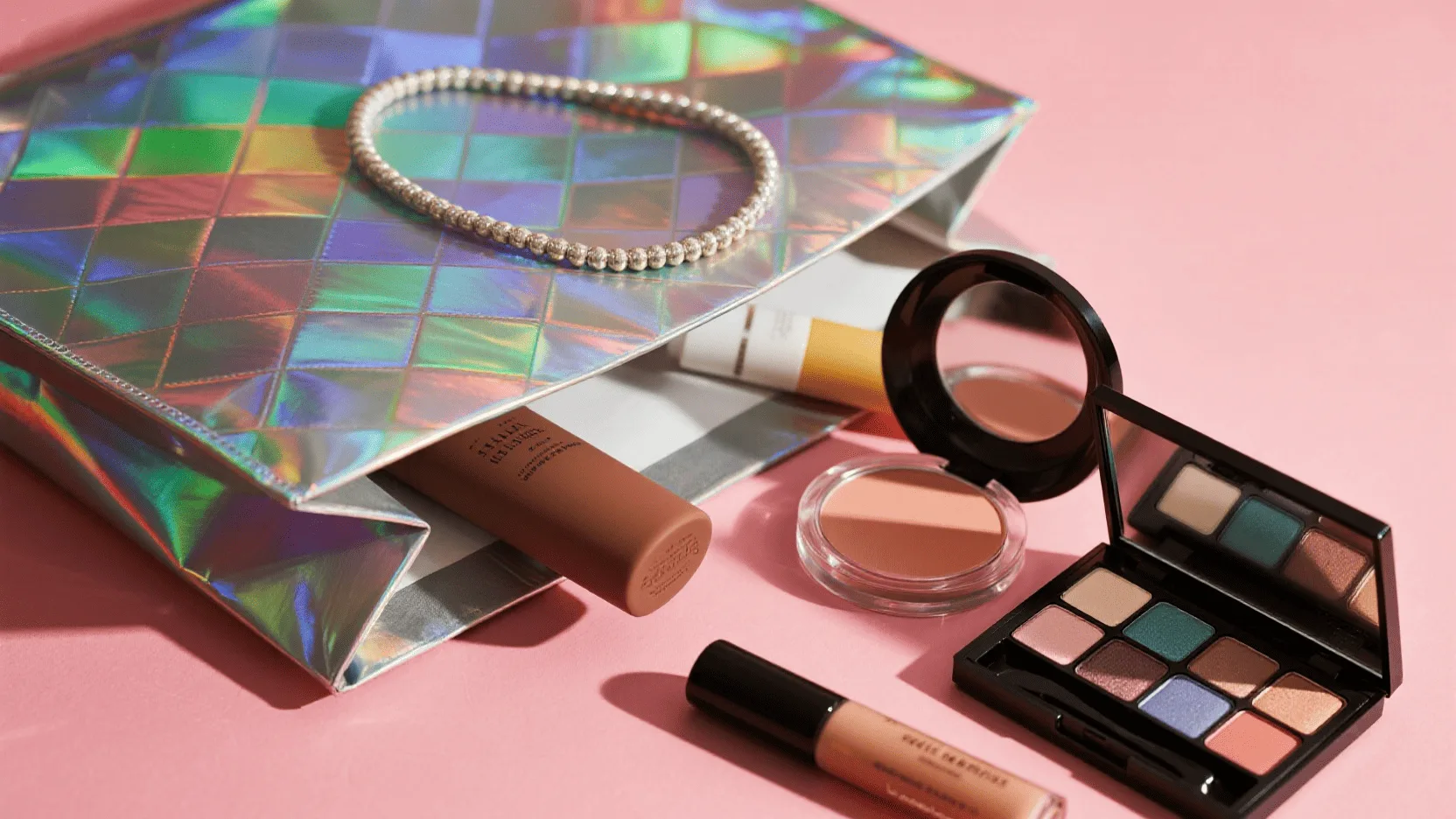
Beauty products are intensely visual and are frequently discovered through platforms such as TikTok and Instagram. Holographic packaging naturally complements products such as iridescent highlighters, multi-chrome eyeshadows, and shimmering lip glosses.
For younger, digitally native consumers, the packaging becomes part of the content. A holographic bag or box can make a simple product reveal more dynamic, increasing the likelihood that customers and influencers will photograph or film it.
How Is Luxury Retail Using Holographics?
Luxury retail is using holographic elements to create a "modern premium" feel, particularly for limited-edition collections, collaborations, and younger luxury consumers.
Classic understated luxury will always have a place, but newer luxury audiences also respond to rarity, innovation, and statement-making design. A subtle holographic foil logo can add a futuristic detail to an otherwise traditional shopping bag, while a fully holographic design can create a stronger statement for a capsule collection.
The effect can also bridge physical and digital experiences. A distinctive shopping bag can appear in social posts, unboxing videos, and customer-generated content long after the original purchase.
Why Is Holographic Packaging Valuable for E-Commerce?
For direct-to-consumer brands, the package is the new storefront. Holographic bags, mailers, or product boxes can transform delivery from a utility into a memorable brand experience.
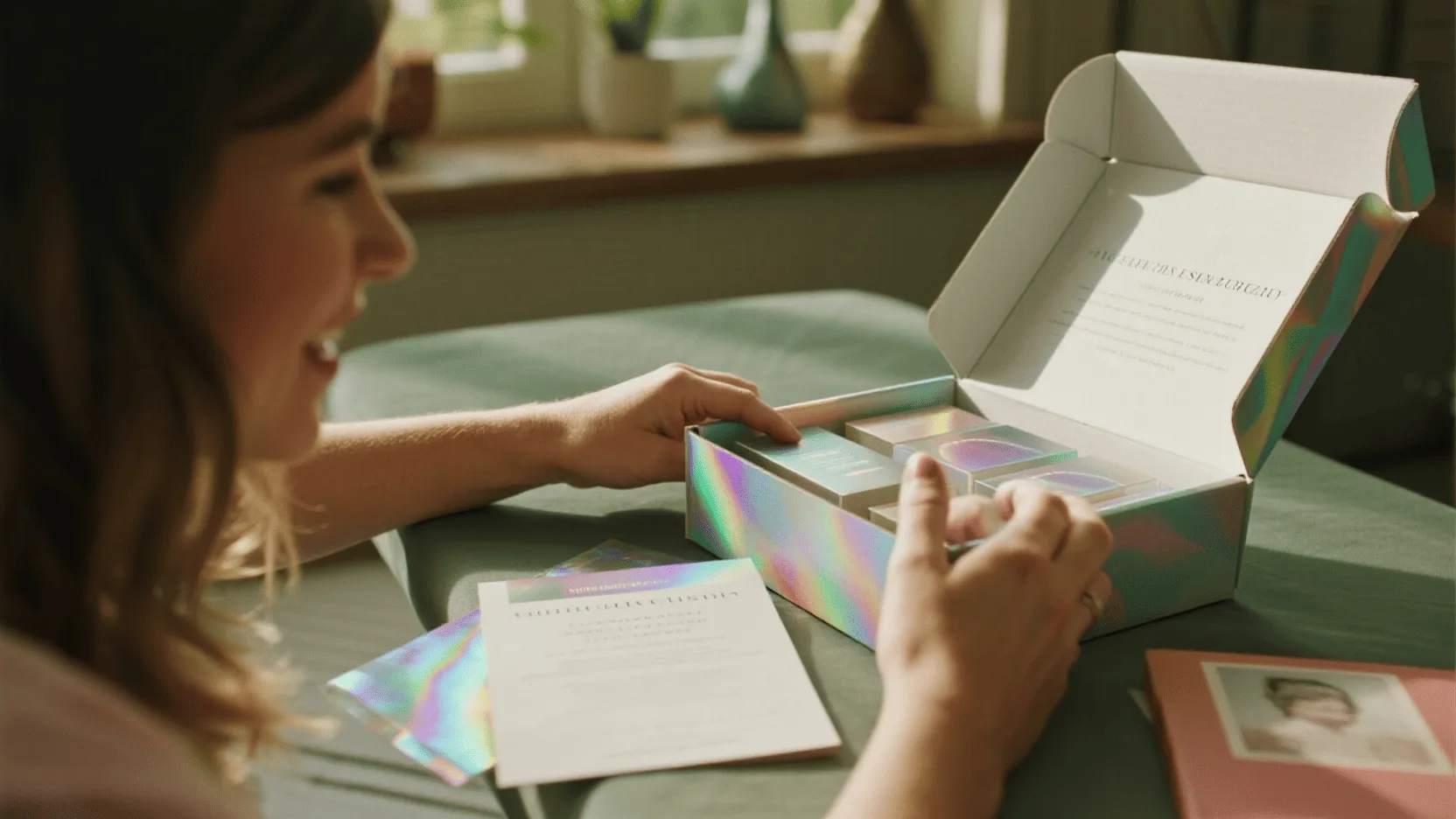
When customers shop online, they don’t experience the atmosphere of a physical store. The package arriving at their doorstep may be their first tangible interaction with the brand.
For subscription boxes, this is even more important. Every monthly delivery is an opportunity to reinforce anticipation and perceived value. A distinctive holographic package can make customers feel as though they are receiving a curated gift rather than another ordinary shipment.
Why Are Specialty Food and Gifting Brands Adopting Holographics?
Specialty food and gifting brands can use holographic details to break through visual clutter, justify premium positioning, and make products look more gift-worthy.
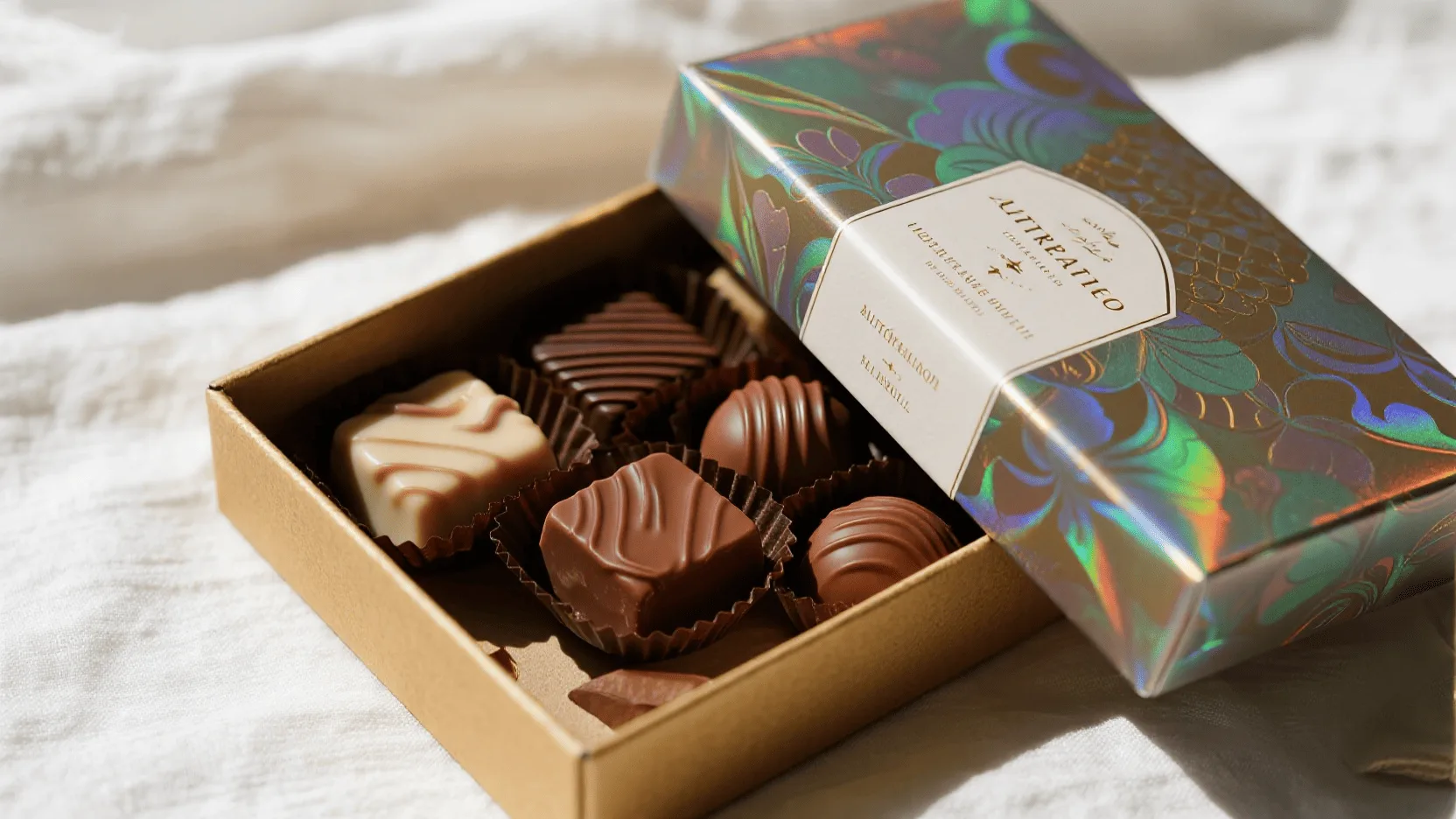
In crowded categories such as chocolates, tea, confectionery, and specialty snacks, packaging often influences which product shoppers notice first. A controlled holographic element can act as a visual shortcut for premium quality.
The effect is particularly useful for seasonal releases, holiday packaging, special flavors, and gift collections, where consumers are already looking for something distinctive and celebratory.
| Industry Driver | Primary Motivation | Target Audience |
|---|---|---|
| Cosmetics & Beauty | Social media shareability and product-aesthetic alignment | Gen Z, Millennials, Trend Followers |
| Luxury Retail | Exclusivity, modernization, and limited editions | Affluent Consumers, Collectors |
| E-commerce & Subscriptions | Memorable unboxing and differentiation | Online Shoppers, Subscribers |
| Specialty Foods | Shelf impact and premium positioning | Gourmet Consumers, Gift Buyers |
| Gifting & Events | Celebration, novelty, and visual impact | Gift Buyers, Event Audiences |
Are Holographic Bags a Sustainable Packaging Option?
Your customers are increasingly eco-conscious, and so is your brand. You love the look of holographic packaging, but you’re concerned that the shiny finish means it will end up in a landfill.
Traditional holographic paper often involves PET or BOPP plastic film, which can complicate recycling. However, newer film-free transfer technologies and emerging compostable alternatives are helping brands achieve holographic effects with a lower environmental impact.
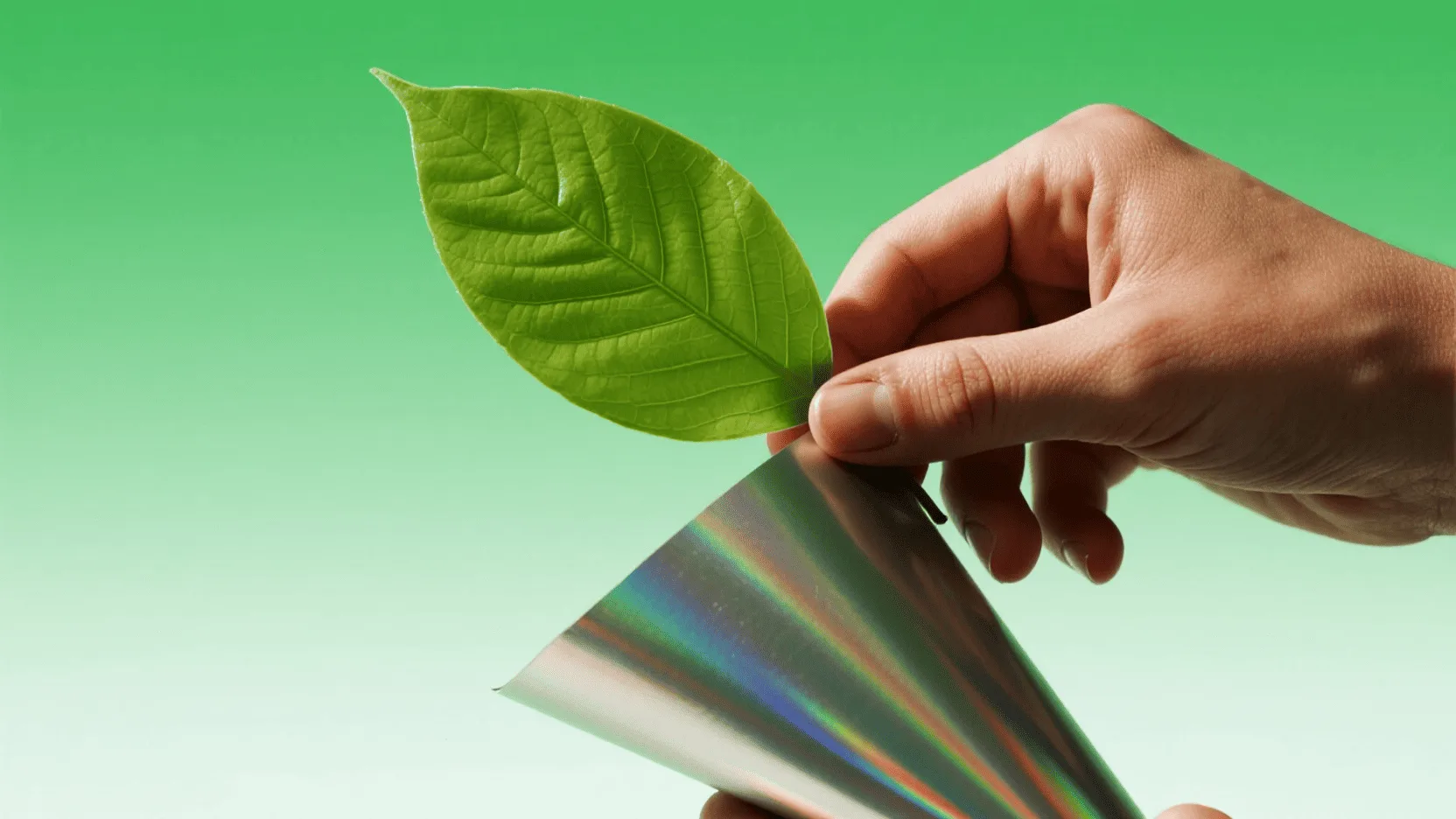
This is a concern I discuss with clients regularly. The standard method for creating holographic paper involves laminating a thin layer of PET or BOPP plastic film onto a paper substrate. While this creates a durable and stunning effect, the mixed-material structure can make recycling more difficult in many waste systems.
The important point for B2B buyers is that "holographic" does not describe just one material technology. You should always ask your packaging supplier exactly how the effect is produced and what happens to the packaging at end of life.
Understanding the Materials
The traditional option is PET/BOPP holographic film lamination. It provides excellent brightness, durability, scuff resistance, and water resistance, but introduces plastic into the packaging structure.
A more sustainable alternative is film-free transfer metallization. In this process, the holographic effect is transferred directly onto the paper rather than leaving a permanent plastic carrier film on the finished product. When properly specified and processed, this can allow the paper substrate to remain recyclable or repulpable.
Another emerging option is compostable or biodegradable holographic film, including plant-based materials such as cellulose or PLA. However, compostability depends on the exact material and the available industrial composting infrastructure, so buyers should verify the supplier’s specific claims rather than assuming every "eco" holographic film is home-compostable.
New Sustainable Holographic Technologies
The industry is moving toward solutions that bridge luxury aesthetics and environmental responsibility. For brands with strong sustainability commitments, the material decision should be made before artwork and production are finalized.
| Holographic Method | Material Composition | End-of-Life Consideration | Best For |
|---|---|---|---|
| Traditional Lamination | Paper + PET/BOPP Plastic Film | More challenging due to mixed materials | Maximum durability, shine, and water resistance |
| Film-Free Transfer Metallization | Paper + transferred holographic layer | Designed to preserve paper recyclability/repulpability | Eco-conscious premium brands |
| Compostable Film | Paper + plant-based film such as PLA or cellulose | Compostability depends on facility and certification | Brands prioritizing compostable solutions |
What Technical Specifications Should B2B Buyers Demand?
You’ve decided to invest in holographic paper bags to make your brand pop. But now you’re facing a wall of technical jargon—GSM, PET film, offset printing—and you’re worried about making a costly mistake.
B2B buyers should specify the paper weight, paper type, holographic material, printing method, structural reinforcement, and finishing details before production. For premium bags, a 190–250 GSM range is a practical starting point, with the final specification determined by bag size, product weight, and construction.
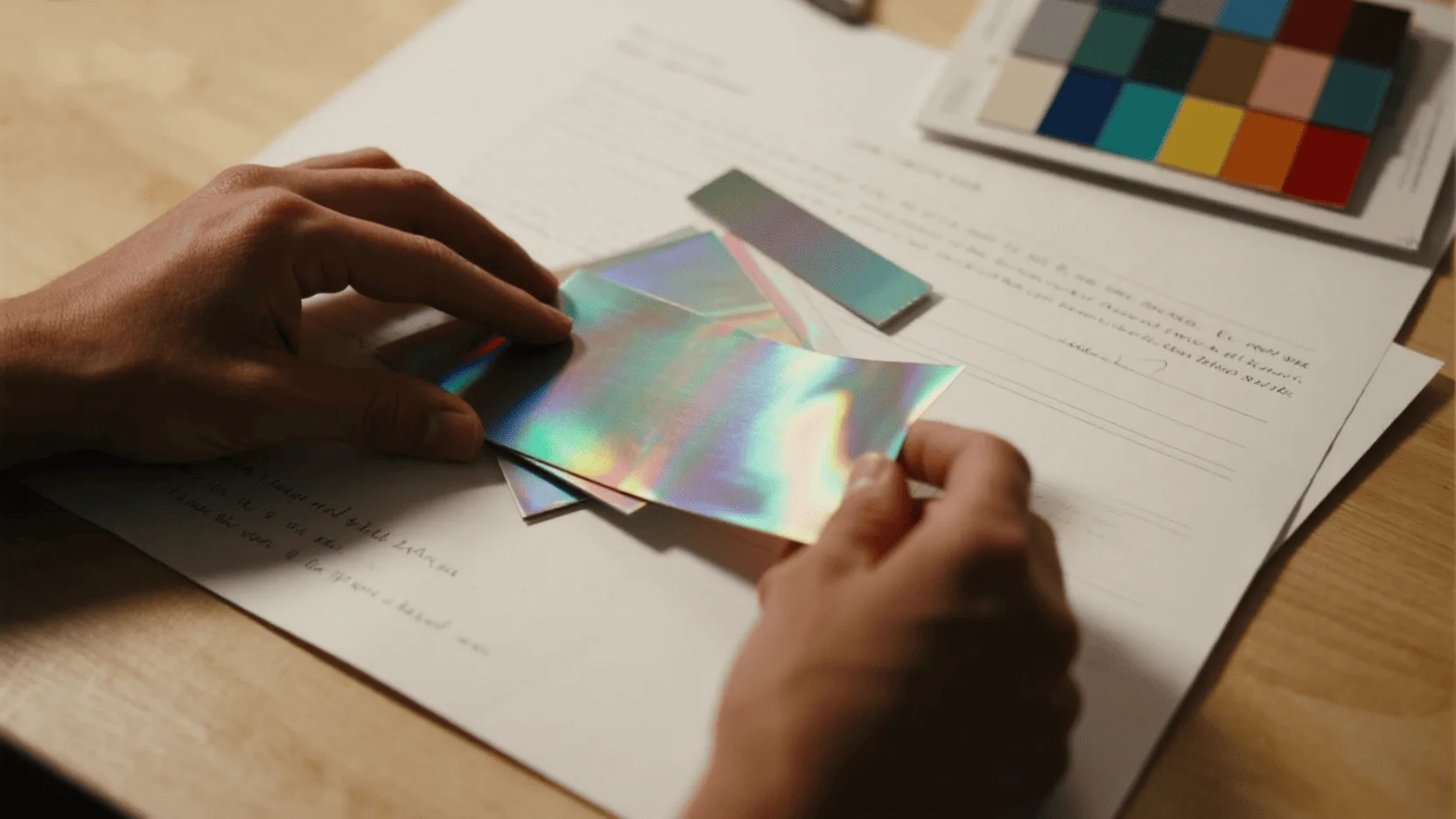
The "wow" factor of a holographic finish is completely lost if the bag feels cheap or rips before your customer even gets home. A reliable specification starts with the paper itself.
Understanding Paper Weight (GSM)
GSM means Grams per Square Meter and is a useful indicator of paper density. Lightweight 120–150 GSM paper may work for smaller, lighter applications, but premium shopping bags generally require a heavier substrate to maintain shape and provide a substantial feel.
For many premium applications, 190–250 GSM is a useful range to discuss with your supplier. Heavier products, larger bags, or more demanding constructions may require additional board or reinforcement.
Choosing the Right Paper Type
Art Paper (C2S) is coated on both sides and provides a smooth surface suitable for detailed, colorful printing.
Ivory Board (C1S) is coated on one side and is generally stiffer, making it useful when structural strength and a premium, substantial feel are priorities.
The correct choice depends on the bag dimensions, product weight, desired finish, printing requirements, and budget.
Reinforcing the Bag Structure
Premium materials alone cannot compensate for weak construction. Cardboard reinforcement at the top and base can help prevent handle tear-out and base sagging, especially when the bag needs to carry heavier products such as cosmetics, candles, bottles, or gift sets.
| Paper Specification | Recommended Range / Type | Why It Matters |
|---|---|---|
| Paper Weight (GSM) | 190–250 GSM | Improves durability, shape retention, and premium feel |
| Paper Type | Art Paper (C2S) or Ivory Board (C1S) | Balances print quality, stiffness, and durability |
| Reinforcement | Cardboard inserts at top and base | Helps prevent handle failure and base deformation |
| Bag Construction | Matched to product weight and dimensions | Ensures the finished bag performs reliably |
Which Finishing Options Elevate Your Holographic Bag?
Your holographic bag is made from the right materials, but the printed logo looks faded and the handles feel cheap. The final product lacks the cohesive, high-end feel you were aiming for.
To complete the premium experience, specify a printing method suitable for the holographic surface, appropriate protective finishing, and high-quality handles such as satin ribbon, cotton rope, or grosgrain ribbon.

A holographic surface is different from conventional absorbent paper, so printing needs to be carefully matched to the substrate and finish. UV printing can produce sharp, vibrant graphics on slick holographic surfaces because the ink is cured quickly after application.
Protective or secondary finishing can also create useful visual contrast. For example, selected matte areas can be combined with bright holographic sections to create a sophisticated contrast between soft and reflective surfaces.
The handles are equally important. A cheap handle can undermine the entire premium presentation, while a comfortable, well-secured handle reinforces the quality customers expect from the product inside.
Printing Methods for Holographic Surfaces
Don’t just send a logo file; specify the printing method and artwork structure. UV printing is particularly useful for crisp graphics on holographic surfaces.
For artwork, vector formats such as AI or EPS are recommended. If the design includes holographic areas, printed elements, and selective finishes, the layers should be clearly separated so the production team knows exactly which areas receive each treatment.
Handle Selection: The Tactile Component
The handle is the primary point of physical interaction with the bag. Its material, comfort, strength, and attachment method all influence the customer’s perception.
| Handle Type | Material | Best For | Feel & Perception |
|---|---|---|---|
| Satin Ribbon | Woven Polyester | Cosmetics, Jewelry, Luxury Apparel | Silky, elegant, classic luxury |
| Cotton Rope | Natural Cotton | Eco-conscious, Organic Brands | Soft, natural, comfortable |
| Grosgrain Ribbon | Ribbed Fabric | High-End Retail, Gifting | Textured, strong, sophisticated |
| Twisted Paper | Kraft Paper | Fast-moving retail, Budget-conscious | Simple, functional, basic |
How Does a Holographic Bag Impact the Customer’s Unboxing Experience?
You invest heavily in creating a fantastic product. But if it’s delivered in a boring, forgettable bag, that initial moment of excitement is lost, and the perceived value of your product diminishes before it’s even opened.
A holographic bag transforms the simple act of receiving a product into a memorable, multisensory event. The dynamic visual effect, tactile quality, and anticipation of the reveal can increase perceived value, encourage user-generated content, and strengthen emotional connections with your brand.
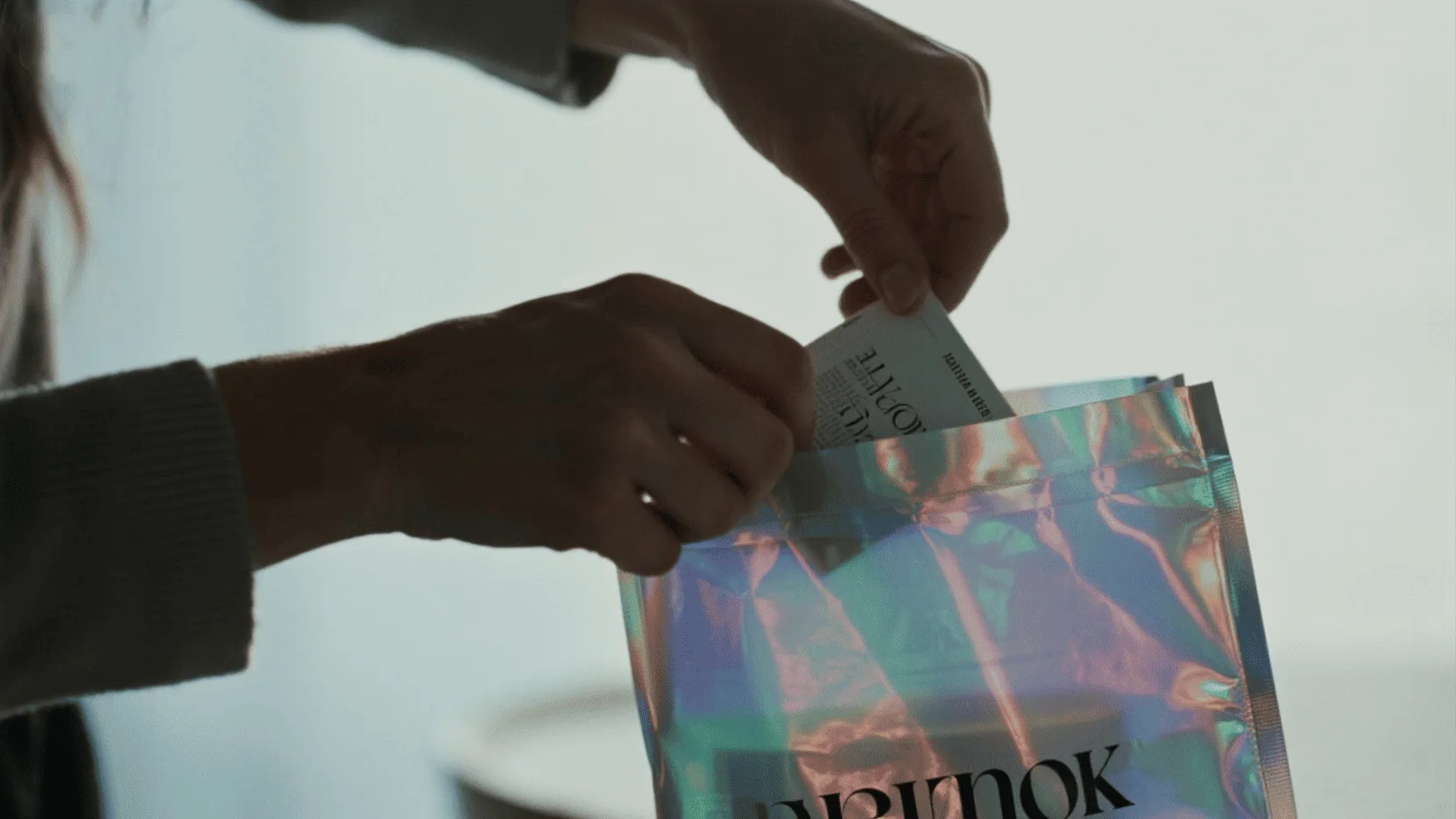
In today’s digital world, the unboxing experience is a critical marketing touchpoint. The way light catches the shifting colors creates a moment of delight and surprise that people are eager to capture and post on social media.
The experience can go beyond the bag itself. Pairing a holographic bag with coordinated wrapping paper and tags & stickers can create a cohesive packaging system. Quality handles add tactile appeal, while the reveal of the product inside builds anticipation.
This strategy effectively turns a simple container into a storytelling tool and brand reinforcement mechanism.
The "Unboxing" as a Key Marketing Moment
For beauty influencers, online shoppers, and everyday customers alike, the unboxing is content. A holographic bag or box turns a simple reveal into a visually dynamic event.
For e-commerce and subscription brands, the impact can continue after delivery. A distinctive package can attract attention in mailrooms, offices, and homes, turning each delivery into a potential brand impression.
Building the Multisensory Experience
A great unboxing experience engages more than one sense.
| Sensory Element | Impact on Customer | Brand Benefit |
|---|---|---|
| Visual (Dynamic Color) | Creates excitement, surprise, and a "wow" moment | Encourages social sharing and increases perceived value |
| Tactile (Smooth Finish) | Feels sleek, cool, and high-quality | Reinforces quality perception and trust |
| Handle Interaction | Adds comfort and physical satisfaction | Communicates construction quality |
| Anticipation (The Reveal) | Builds excitement about what is inside | Strengthens emotional connection and loyalty |
How Will Holographic Packaging Evolve in the Future?
You’re using holographic paper bags, and they look great. But you have a nagging feeling that what’s innovative today will be standard tomorrow, and you worry about falling behind on sustainability and technology.
The next generation of holographic packaging will combine sustainable materials, smart digital integrations, and advanced customization. The goal will not simply be a more impressive shimmer, but packaging that is greener, more interactive, more secure, and more deeply connected to the brand.
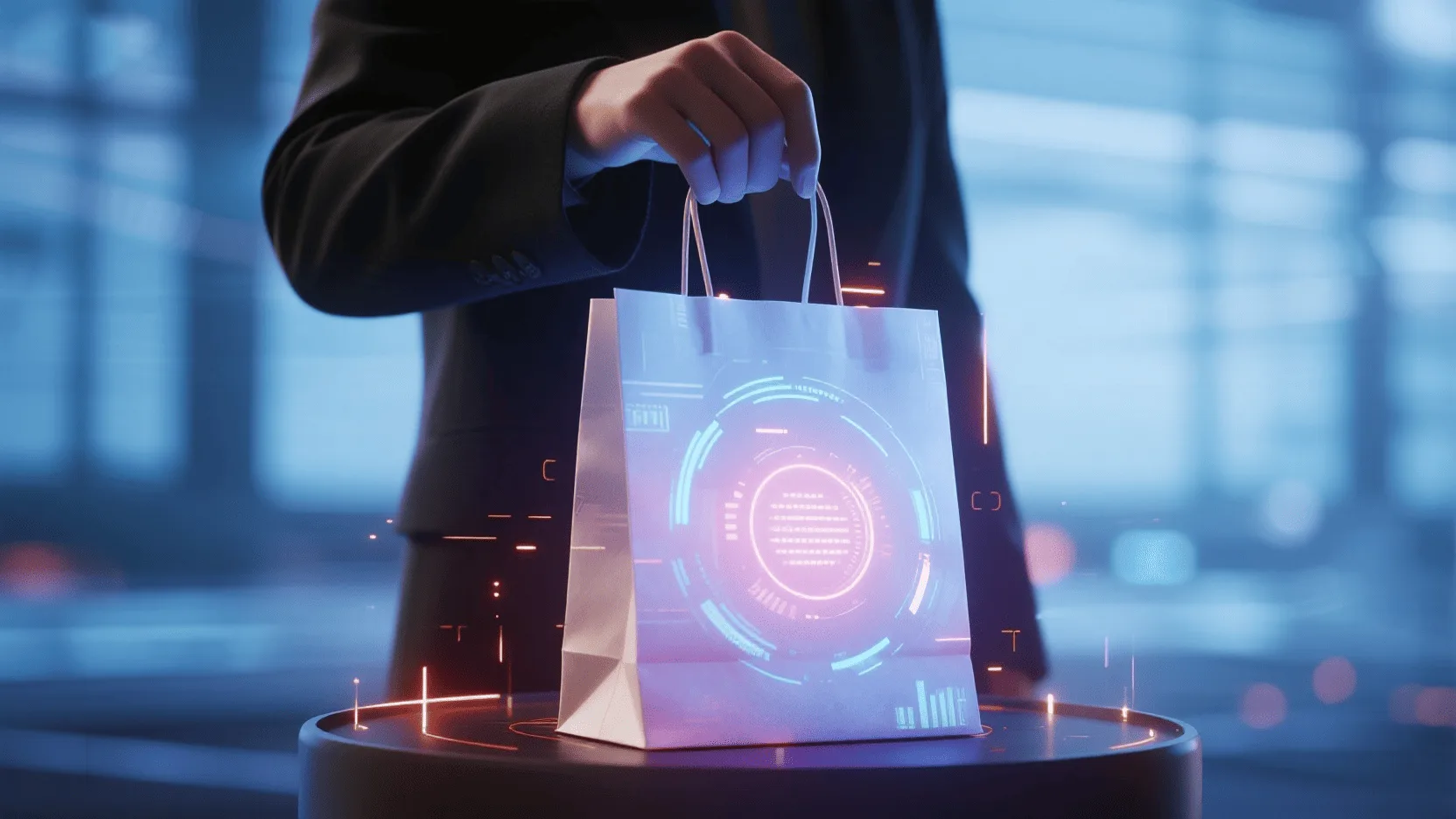
The biggest change will be the shift from holographic packaging as a decorative finish to holographic packaging as a multifunctional brand platform.
Smart Packaging: AR and NFC
Augmented Reality (AR) can turn a holographic bag into an interactive digital portal. Customers could point their smartphones at the packaging and access a 3D animation, product tutorial, founder message, campaign content, or other branded experiences.
NFC provides another opportunity. An embedded NFC chip can allow customers to tap their phone to the bag to access product registration, special offers, authenticity verification, loyalty programs, or digital content.
QR codes remain a simple and accessible entry point, while AR and NFC can create deeper interactions for brands willing to invest in a more connected experience.
For luxury products, authentication is particularly valuable. The physical bag can become part of a broader system that connects packaging, product identity, and digital brand experiences.
Advanced Printing and Selective Holography
The future of holographic design is also becoming more personalized. Digital printing makes customized, shorter production runs more practical, while selective or spot holography allows brands to apply the effect only where it has the greatest visual impact.
Instead of using a generic rainbow pattern, brands can incorporate micro-logos, geometric graphics, signature patterns, or other proprietary elements into the holographic effect.
For example, a matte black bag could feature a holographic brand name and a few selected graphic details. The contrast makes the packaging feel more sophisticated and intentional while using less holographic material than a full-coverage design.
A Smarter Approach to Future-Proofing
The strongest packaging strategies will combine these technologies rather than adopting them simply because they are new.
| Innovation | Main Benefit | Best Application |
|---|---|---|
| Film-Free Holographic Transfer | Improved recyclability and lower plastic dependence | Sustainability-focused brands |
| Compostable Holographic Materials | Alternative end-of-life options | Eco-focused and specialty brands |
| AR Integration | Interactive storytelling and engagement | Beauty, entertainment, launches |
| NFC | Authentication, loyalty, digital content | Luxury and premium products |
| Digital Printing | Cost-effective customization and shorter runs | Emerging and niche brands |
| Selective Holography | Premium contrast with controlled material use | Luxury and minimalist designs |
Conclusion
Holographic paper bags are more than a fleeting trend; they are a strategic packaging tool for brands that need to stand out, communicate a premium story, and create memorable customer experiences.
The most effective approach goes beyond simply choosing a shiny material. The right holographic bag combines brand alignment, thoughtful design, appropriate paper and construction specifications, suitable printing and finishing, and a clear sustainability strategy. For cosmetics, luxury retail, e-commerce, specialty foods, and gifting, these elements can turn packaging into a powerful marketing asset.
Looking ahead, sustainable holographic materials, smart technologies such as AR and NFC, and advanced digital and selective printing will make these bags even more personalized, interactive, and responsible.
Ready to see how holographic packaging can transform your brand? Contact us today to discuss your project.
Discover our full range of customizable paper bag solutions to find the perfect fit for your brand.
FAQ
1. Are holographic bags significantly more expensive than standard bags?
Yes, they are generally more expensive due to the specialty holographic material and more complex manufacturing process. The exact premium depends on the paper, holographic technology, printing, finishing, bag size, and order quantity. A fully holographic bag will typically cost more than a standard CMYK-printed art paper bag, while using holographic foil only on a logo or selected areas can significantly reduce the cost.
2. What industries benefit most from holographic packaging?
Holographic packaging is particularly effective in industries where visual appeal, premium presentation, and shareability are important. These include cosmetics and beauty, high-end fashion and accessories, consumer electronics, luxury goods, specialty foods and confectionery, e-commerce, subscription boxes, gifting, and special events.
3. Can you print on top of holographic paper?
Absolutely. Printing on holographic paper can create stunning layered effects. UV printing is particularly suitable for producing sharp, durable graphics on slick holographic surfaces. Opaque inks such as white or black can create strong contrast while allowing selected areas of the holographic pattern to remain visible.
4. What GSM should I choose for a premium holographic paper bag?
For many premium applications, 190–250 GSM is a practical starting range. However, the ideal specification depends on the bag’s dimensions, product weight, construction, and desired rigidity. Larger bags or heavier products may require additional reinforcement or a stiffer board.
5. Are holographic bags recyclable?
It depends on the material technology. Traditional PET/BOPP holographic lamination creates a mixed-material structure that can make recycling more difficult. Film-free transfer technologies are designed to preserve the recyclability or repulpability of the paper substrate, while compostable alternatives may provide another option depending on their certification and disposal environment. Always confirm the exact material and end-of-life characteristics with your supplier.
6. What is the most cost-effective way for a smaller brand to use holographic packaging?
Holographic foil stamping or selective holographic finishing is usually more economical than making the entire bag from holographic material. You can use a standard matte, kraft, white, or brand-colored paper bag and apply holographic effects only to the logo, pattern, or selected design elements.
7. How can I prevent my logo from getting lost on a holographic background?
Keep the logo simple and high-contrast. Complex, multi-colored logos can compete with the changing holographic background. Bold one-color logos, especially black or white, generally provide better readability. For sophisticated designs, selective holography can also keep the branding clear while preserving the dynamic effect.
8. What should I specify when requesting a quotation for custom holographic bags?
Provide the supplier with the bag dimensions, paper type and GSM, holographic material technology, printing method, artwork specifications, handle material, reinforcement requirements, finishing options, quantity, and target delivery date. You should also clearly state whether recyclability or specific sustainability requirements are part of the project.
9. What is the typical MOQ for custom holographic bags?
For fully customized holographic bags involving specialized materials, printing, and finishing, MOQs commonly start around 1,000–2,000 pieces, although the actual MOQ depends on the supplier, bag construction, material, and production process.
10. Is holographic packaging just a fleeting trend?
The visual style may evolve, but the underlying business drivers are more durable: brands need attention, differentiation, memorable unboxing experiences, social-media content, and premium positioning. As sustainable materials, selective finishing, digital printing, AR, and NFC become more accessible, holographic packaging has the potential to evolve beyond a simple visual trend into a broader branding and customer-experience tool.