Digital fatigue is real. Your B2B marketing gets lost in the noise, failing to build the genuine connections that drive loyalty and sales for your business.
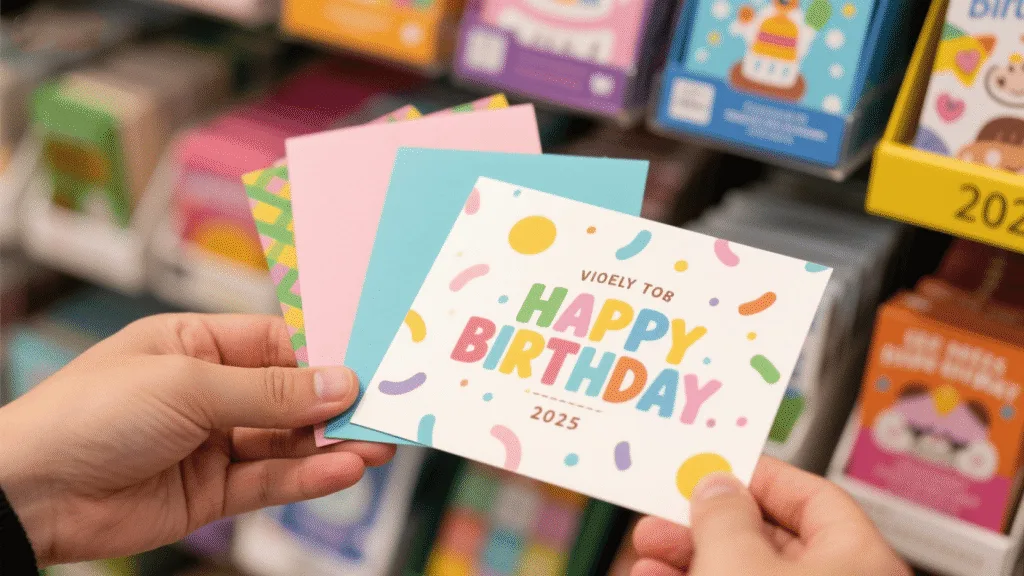
In 2025, birthday cards are a vital B2B opportunity because they offer a tangible, personal touchpoint in a digital-first world. They are highly effective for client retention, employee engagement, and powerful brand merchandising.
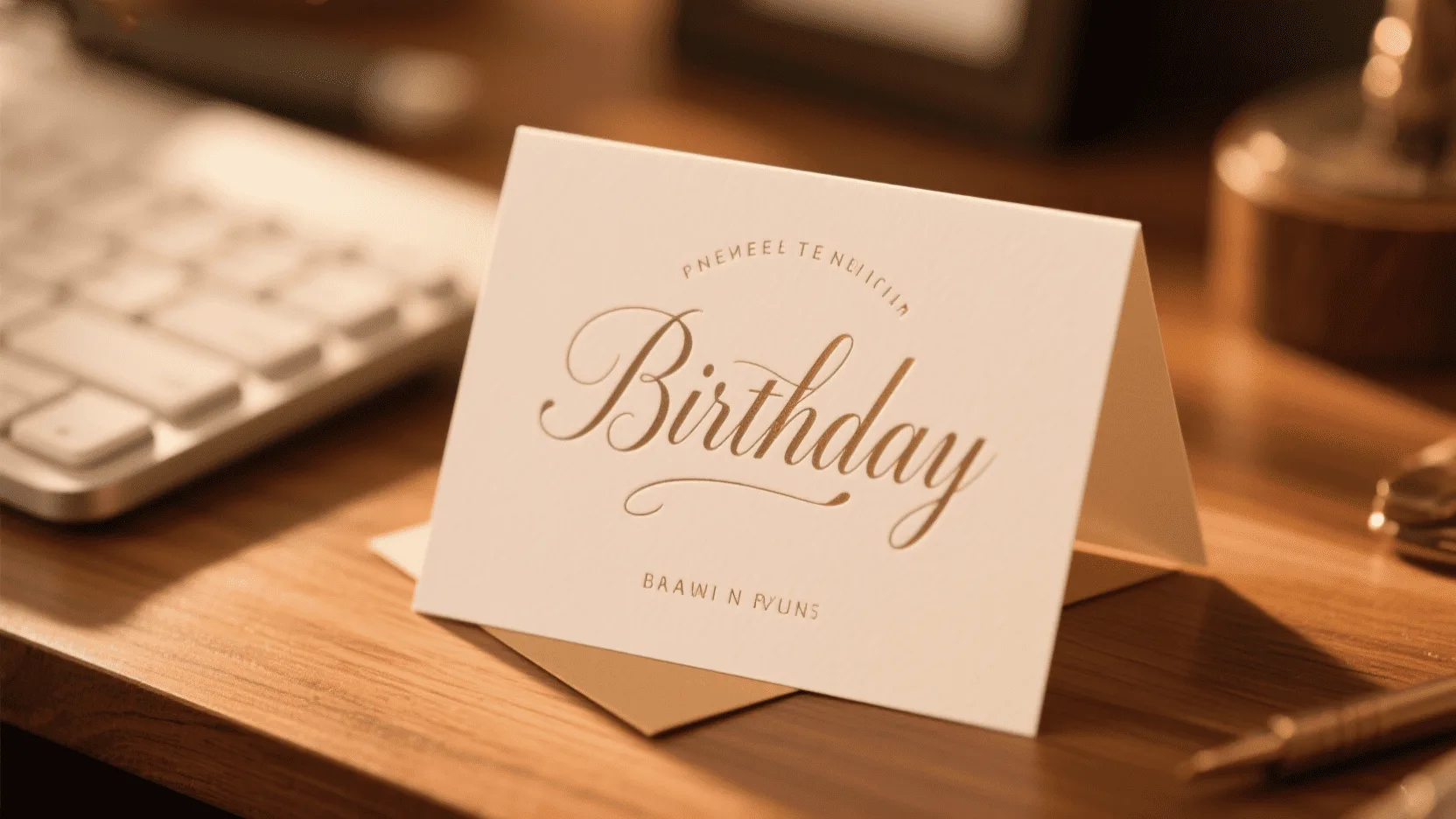
A few weeks ago, my inbox pinged with a birthday e-card from a software vendor we use. It was a generic animation with my name auto-filled. I glanced at it for two seconds and archived it without a second thought. The very next day, a small envelope arrived from one of our long-term paper suppliers. Inside was a simple, beautifully crafted card made from thick, textured stock with a handwritten note from my account manager. I placed that card on my desk, where it still sits. The contrast was a powerful reminder: one was forgettable spam, the other was a relationship-builder. It made me realize that in our rush to automate, we’re losing the human touch that actually keeps business relationships strong.
How Do Birthday Cards Overcome Digital Fatigue in B2B Marketing?
Your emails go unread and your social media posts are scrolled past. You’re pouring money into digital marketing, but are you really connecting with anyone?
Birthday cards physically bypass the digital clutter that consumes your clients’ attention. They land directly in their hands, creating a memorable, tactile experience that ensures your brand gets noticed.

We live in an age of information overload. The average office worker receives over 120 emails per day, and most are scanned or deleted without being truly read. Your carefully crafted digital message is competing with thousands of others for a few seconds of attention. A physical birthday card, however, operates in a different space entirely. It doesn’t compete in the inbox; it arrives in the real world. Research from Temple University found that physical advertisements trigger brain activity associated with value and desirability, leading to a stronger emotional response than digital ads (Forbes). When a client holds a high-quality paper card from your company, they are engaging multiple senses. The weight of the paper and the texture of the finish create a lasting impression that a fleeting email simply cannot achieve. It is a moment of positive, focused attention on your brand, completely free of digital distractions.
The Tangible Advantage in a Digital World
The engagement difference between a physical card and a digital message is not just anecdotal; it’s measurable. A card is not just a message; it’s a physical representation of your brand’s commitment to the relationship.
| Metric | Typical Email Campaign | Direct Mail (Birthday Card)1 |
|---|---|---|
| Open Rate | ~21% | ~90% |
| Engagement Time2 | < 15 seconds | 1-5 minutes |
| Shelf Life | Instantaneous (Archived/Deleted) | Days or Weeks (Displayed on a desk) |
| Emotional Impact | Low to Neutral | High, Positive |
What Is the ROI of Using Birthday Cards for Client Retention?
Losing a client costs five to twenty-five times more than keeping one. Yet many businesses focus on acquisition, forgetting that loyalty is built through consistent, positive interactions.
The ROI is immense. Birthday cards reduce churn by building emotional loyalty. This non-sales gesture makes clients feel personally valued, making them far less likely to leave over price alone.

According to research from Bain & Company, increasing customer retention rates by just 5% can increase profits by 25% to 95%. This is a statistic I’ve seen play out in my own business, Omet Packaging. A few years ago, we had a major client whose contract was up for renewal. Their procurement department was aggressively seeking lower bids. We knew we were competitive on price, but we weren’t the cheapest. Throughout the year, however, my team had made it a point to build a real relationship. We sent a premium, custom-designed birthday card to our main contact, signed by the whole team that worked on his account. When the time came to decide, he fought internally to stay with us. He later told me, "I know other vendors might save us a few cents, but I don’t feel like they are our partners. You guys are." That single gesture didn’t close the deal on its own, but it solidified the emotional connection that tipped the scale in our favor. The cost of that card was nothing compared to the value of a multi-year, six-figure contract.
Quantifying the Value of a Personal Touch
Investing in a high-quality corporate greeting card program is a strategic decision with a clear, positive financial impact. It moves the conversation from a purely transactional one to a relational one.
| Investment | Potential Return | Strategic Impact |
|---|---|---|
| Low Cost: A program of custom greeting cards. | High Value: Retention of a single key client. | Strengthens long-term revenue stability and reduces churn. |
| Minimal Time: A few minutes to write a personal note. | Significant Goodwill: Client becomes a brand advocate1. | Generates powerful word-of-mouth referrals. |
| Brand Reinforcement: High-quality, tangible brand touchpoint. | Increased Loyalty: Client is less sensitive to competitor pricing. | Protects market share and improves profit margins. |
How Can Birthday Cards Serve as a Merchandising Tool for Your Brand?
Your packaging is often discarded immediately. How can you create a brand touchpoint with a longer shelf life that constantly reinforces your company’s image and values?
A beautifully designed birthday card acts as a miniature billboard on your client’s desk. It’s a piece of physical merchandise that showcases your brand’s commitment to quality and detail for days or weeks.
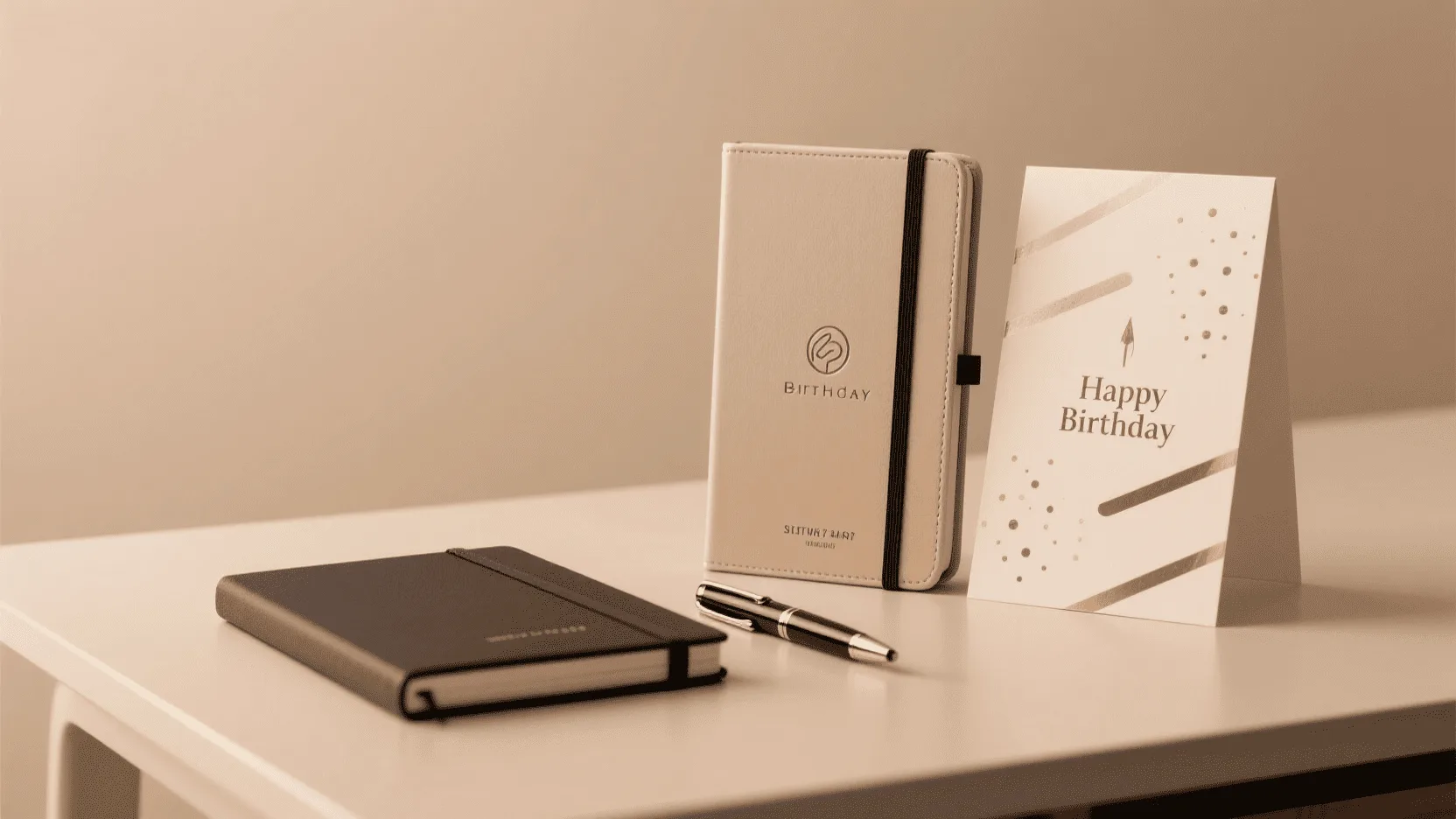
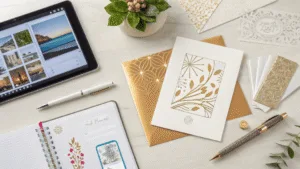
Think of a birthday card not just as a message, but as a product. It’s a physical artifact that represents your brand. When we design gift bags or paper boxes, we obsess over the details—the weight of the paper, the precision of the die-cut, the finish of the laminate. The same principles apply to a corporate birthday card. This is an opportunity to provide a sample of your commitment to excellence. Using premium paper stock, elegant finishes like hot stamping or embossing, and a thoughtful design communicates your brand’s values without saying a word. When that card sits on a CEO’s or procurement manager’s desk, it’s not just a friendly gesture. It’s a daily reminder of your brand’s quality standards. It subtly says, "This is the level of care and attention to detail you can expect from everything we do." In this sense, the card becomes a powerful piece of long-term merchandising.
From Card to Brand Ambassador
The specific features you choose for your card directly translate into how your brand is perceived. Each detail is a chance to tell your brand’s story.
| Card Feature | Resulting Brand Perception |
|---|---|
| Heavy, Textured Card Stock | Premium, Substantial, High-Quality |
| Custom Foil Stamping or Embossing1 | Luxurious, Detail-Oriented, Elegant |
| Sustainable, Recycled Paper (FSC Certified)2 | Responsible, Modern, Eco-Conscious |
| A Clean, Minimalist Design | Confident, Sophisticated, Modern |
| A Warm, Handwritten Note | Personal, Caring, Relationship-Focused |
Conclusion
In 2026, corporate birthday cards are not relics; they are sophisticated B2B tools. They cut through digital noise, deliver a significant ROI by boosting loyalty, and act as powerful, physical merchandise for your brand. This simple gesture builds the human connections that business success depends on.
Ready to turn a simple card into a powerful business strategy? Contact us to design custom corporate greeting cards that make a lasting impression.
Explore our full range of custom gift packaging solutions to find more ways to elevate your brand.
FAQ
1. Isn’t sending physical cards outdated and bad for the environment?
Not at all. At Omet Packaging, we are FSC certified, meaning we can produce cards using paper from responsibly managed forests. You can choose recycled paper stocks to further enhance your brand’s commitment to sustainability. The environmental impact is minimal compared to the energy required to power the digital infrastructure for e-cards and emails.
2. What is the right message to write in a B2B birthday card?
Keep it professional, warm, and authentic. A simple, handwritten message like, "Wishing you all the best on your birthday and a successful year ahead," is perfect. The key is to avoid any sales pitch. The message should be genuinely about celebrating them.
3. How can a small business or startup manage a birthday card program?
It’s easier than you think. Start with your top 10-20% of clients. Use a simple spreadsheet or your calendar to track birthdays. The personal effort from a founder or key team member at a small company can have an even greater impact than a card from a large corporation.