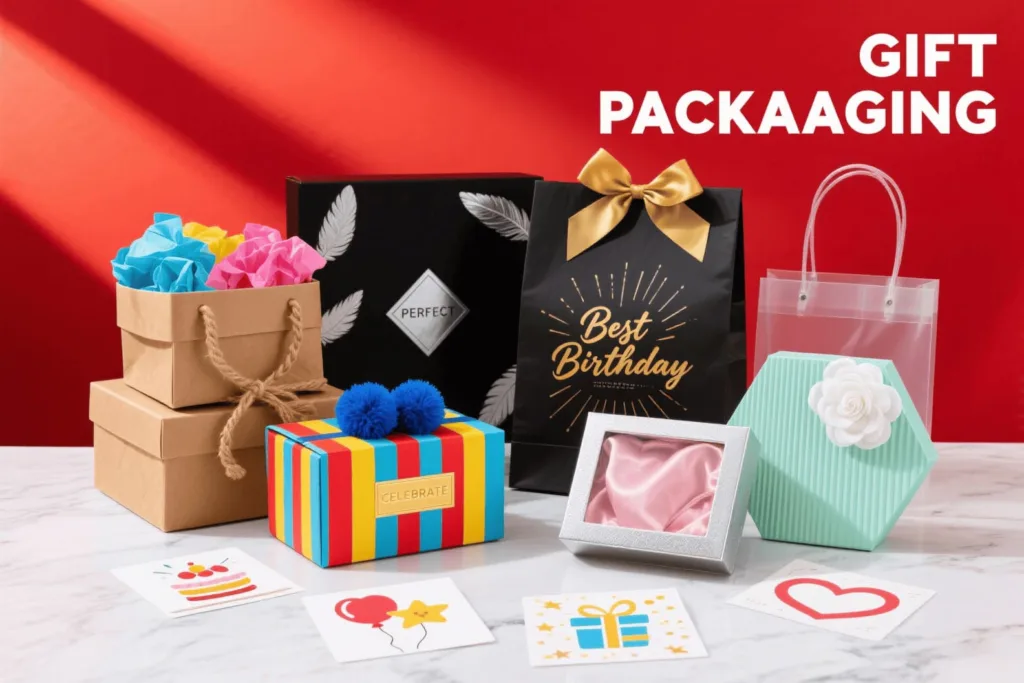
Struggling to make your gifts stand out? The wrong packaging can make a thoughtful present feel generic and forgettable, hurting your brand’s image.
As an FSC certified gift packaging supplier, we believe in choosing occasion-specific custom paper packaging. This guide helps B2B buyers select the right gift bags, boxes, wrapping paper, and greeting cards for any event. We’ll cover strategies for holidays, corporate gifts, and more to elevate your brand experience.
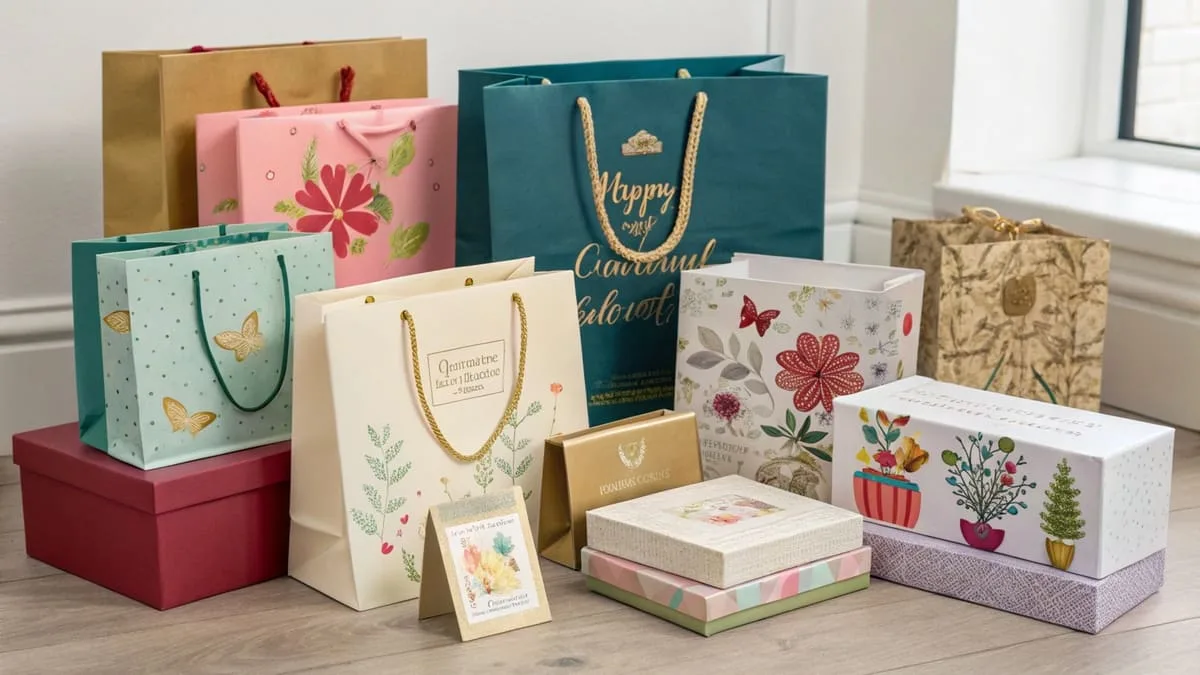
I remember a client who almost lost a major account over a poorly chosen gift box. It wasn’t about the gift inside, but what the packaging said about their brand’s attention to detail. It was a flimsy, generic white box for a high-value corporate gift. The recipient, a long-term partner, felt it reflected a lack of care. This experience taught me a hard lesson early in my career: the container is just as important as the contents. It’s the first thing your recipient sees and touches, setting the stage for everything else.
The same principle applies to greeting cards. Whether it’s a holiday card for clients, a thank-you note included in an e-commerce order, or a card placed inside a gift box, every touchpoint matters. A small piece of paper can carry a big message about your brand’s quality and attention to detail. Let’s explore how to get it right, every time.
What Is the Real Market Opportunity in Gift Packaging Today?
Worried you’re investing in a shrinking market? Misjudging industry trends can lead to wasted budgets and missed opportunities for growth and brand connection.
The global gift packaging market is booming. Projections show it reaching nearly $27.5 billion in 2025 and growing to over $41.9 billion by 2035. This growth signals a massive opportunity for brands that use custom packaging to connect with customers and drive loyalty.
As someone who has been in the packaging business for over a decade, I’ve seen the industry evolve firsthand. What was once a simple necessity—a way to transport a gift—has become a powerful marketing tool. The numbers back this up. A report from Future Market Insights projects the market will grow at a compound annual growth rate (CAGR) of 4.3% over the next decade. Another analysis from CoherentMI suggests an even stronger CAGR of 5.6% through 2032.
For a procurement manager or a brand owner, what does this mean? It means your investment in quality packaging is not just a cost center; it’s an investment in a growing channel of customer communication. The fastest growth is happening in the Asia-Pacific region, but North America and Europe remain very strong markets. This tells me that no matter where your business operates, a focus on premium gift packaging is a smart, forward-looking strategy. It’s about tapping into a global trend where presentation matters more than ever.
Key Market Data at a Glance
To make it clearer, here’s a summary of the essential data shaping our industry:
| Metric / Insight | Value / Insight | Source |
|---|---|---|
| Global gift packaging market (2025) | USD 27.5 bn → USD 41.9 bn by 2035 (CAGR 4.3%) | (Future Market Insights) |
| Alternative forecast (2025–2032) | USD 26.82 bn → USD 39.27 bn (CAGR 5.6%) | (CoherentMI) |
| Gift boxes market share (2025) | 21%, approx. USD 5.78 bn | (Future Market Insights) |
| Material dominance: Paper & paperboard | 43% of material usage (~USD 11.8 bn) | (Future Market Insights) |
Why Do Paper and Paperboard Still Dominate the Gift Packaging Market?
Confused by all the material options available? Choosing the wrong one can be costly, unsustainable, and fail to deliver the premium feel your brand needs.
Paper and paperboard command 43% of the material market for good reason. They offer unmatched design versatility, cost-efficiency, and are a top choice for sustainability. This makes custom paper bags and boxes the ideal solution for impactful and responsible gifting.
When clients first visit our factory, they are often surprised by the sheer variety of what we can do with paper. The market data confirms what I see every day: paper isn’t just a traditional choice; it’s the leading choice. According to Future Market Insights, paper and paperboard account for a massive 43% of all materials used in gift packaging. And within product types, gift boxes alone hold a 21% market share.
Why the continued dominance? It comes down to three core strengths:
1. Unmatched Design Versatility
Paper is a blank canvas. From a simple, rustic Kraft paper bag to a luxurious rigid box with a magnetic closure, the possibilities are endless. At Omet Packaging, we handle a wide range of finishing techniques like die-cutting, lamination, hot stamping, and embossing. This allows our clients to create packaging that perfectly matches their brand aesthetic, whether it’s for cosmetics, jewelry, or corporate gifts. You can achieve vibrant colors, subtle textures, and metallic sheens that are difficult and expensive to replicate with other materials.
The same flexibility applies to greeting cards. A card can be designed as a simple, elegant insert or as a premium piece that complements the gift box, shopping bag, or wrapping paper. Choosing the right paper weight, texture, and finish allows the card to become part of the overall packaging experience rather than an afterthought.
2. Cost-Efficiency at Scale
I started my career in factory sales, so I understand the importance of budget. For B2B buyers, especially those in procurement, cost is a major factor. Our seven fully automated production lines allow us to produce high-quality packaging at a competitive price, especially when businesses order wholesale paper gift bags with logo for promotional events. The lightweight nature of paper also helps reduce shipping costs, a benefit that adds up significantly with large orders for shipping packaging.
Greeting cards can also be produced efficiently at scale, making them a practical addition to corporate gifting campaigns, seasonal promotions, and e-commerce packaging.
3. A Strong Sustainability Story
In today’s market, sustainability is non-negotiable. Consumers and corporate partners alike want to see that your brand is environmentally responsible. As an FSC-certified company, we ensure our paper comes from responsibly managed forests. Paper is renewable, recyclable, and biodegradable, which is a powerful message to communicate. Choosing paper-based packaging is a simple yet effective way to meet corporate social responsibility goals and appeal to eco-conscious customers.
How Do You Select the Perfect Packaging for Different Gifting Occasions?
Sending the same generic gift box for every occasion? This one-size-fits-all approach misses the mark, weakening the emotional connection with your clients and employees.
Tailoring your packaging to the specific event is key. Use vibrant gift bags for birthdays, elegant rigid boxes for weddings, and professionally branded packaging for corporate events. Adding a well-designed greeting card can further personalize the experience and make the gift feel more thoughtful.
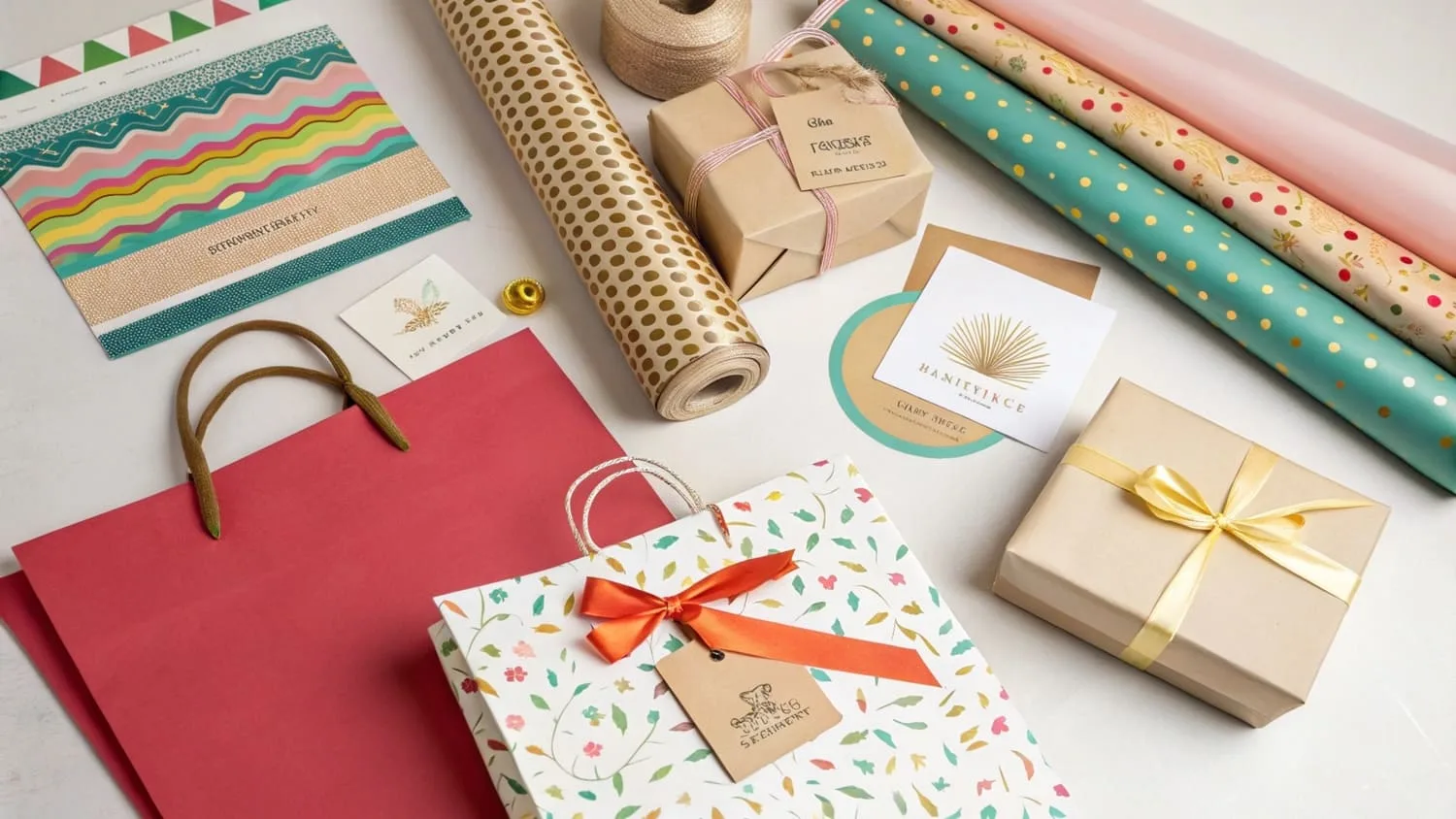
I once worked with a corporate client who needed to send holiday gifts to their top 100 partners. They were on a tight deadline and initially wanted a standard branded box. I asked them to pause and think about the message they wanted to send. It wasn’t just a "thank you"; it was a celebration of a successful year together. We quickly designed a more festive solution: a simple but elegant box with a custom-printed holiday sleeve and a matching thank-you card inside. The feedback was incredible. Partners felt the extra touch was personal and thoughtful, strengthening those key business relationships.
This experience highlights a crucial rule: the occasion dictates the packaging. Here is how I advise my clients to approach different gifting scenarios.
For Birthdays & Personal Celebrations
This is all about emotion and personalization. Think bright colors and a personal touch.
- Recommended Packaging: We often provide
personalized wrapping paper for B2Bclients who want to offer unique, high-emotion options, along with colorful gift bags and high-quality greeting cards. - Why It Works: It feels personal, not corporate. The packaging becomes part of the excitement.
For Weddings & Anniversaries
These occasions call for elegance and luxury.
- Recommended Packaging: Premium rigid paper gift boxes with a matte finish. Finishing touches like embossing and elegant,
sustainable hang tags for gift packagingcomplete the look. A premium greeting card printed on textured or uncoated cardstock can add another personal touch. - Why It Works: It conveys high value and timelessness. The sturdy box often becomes a keepsake.
For Festive Holidays (e.g., Christmas, Lunar New Year)
Here, the challenge is finding scalable paper gift packaging solutions for holidays that balance festive spirit with brand identity.
- Recommended Packaging: Bulk orders of wrapping paper with festive designs, matching gift bags, thematic greeting cards, and branded gift boxes.
- Why It Works: It’s a cost-effective solution for high-volume gifting that aligns your brand with the season.
For Corporate Gifting & Promotion
The goal is to be professional and reinforce your brand’s values.
- Recommended Packaging: This is where
wholesale paper gift bags with logotruly shine. Many clients look to us forcustom gift paper bags wholesalebecause they get quality and cost-efficiency. Pairing them withcustom greeting cards for corporate giftsadds a personal touch that strengthens business relationships. - Why It Works: It acts as a brand ambassador, extending visibility long after the gift is opened.
| Occasion | Recommended Packaging | Key Focus |
|---|---|---|
| Personal Birthday | Personalized Wrapping Paper, Colorful Gift Bags, Personalized Cards | Emotion, Personalization, Vibrancy |
| Wedding/Anniversary | Premium Rigid Boxes, Sustainable Hang Tags, Premium Greeting Cards | Elegance, Luxury, Memorability |
| Festive Holidays | Themed Wrapping Paper, Matching Gift Bags & Tags, Greeting Cards | Scalability, Brand Alignment, Festivity |
| Corporate Gifting | Wholesale Paper Gift Bags with Logo, Custom Greeting Cards | Professionalism, Brand Identity, Utility |
| Luxury Product Launch | Textured Rigid Boxes, Foil Stamping, Custom Hang Tags | Exclusivity, Unboxing Experience, Value |
How Do You Choose the Right Greeting Card for Your Gift Packaging?
Sending generic cards? Worried they get tossed without a second thought? The right paper, design, and finishing can turn a simple greeting card into a memorable brand touchpoint.
Start with high-quality cardstock. Then, create a design that reflects your brand’s identity. Finally, add a personal message and consider professional finishes like embossing or foil stamping. This combination turns a simple card into a memorable keepsake that shows you truly care.
The weight and finish of the paper are the first things a customer notices. It’s a tactile experience that sets the tone before they even read the message. For a luxury jewelry brand sending thank-you notes, we might suggest a 350 GSM textured, uncoated cardstock. It feels substantial and elegant in the hand. For a vibrant apparel brand including a promotional card with online orders, a 300 GSM coated stock would be better to make the graphic design look sharp and bright.
We source our paper from FSC-certified mills, which is a key selling point for our environmentally conscious clients. It shows they care about sustainability right from the first impression. The choice of paper is not just a technical detail; it’s a core part of your brand’s story.
| Paper Type | Common Weight (GSM) | Best For… | Feel & Appearance |
|---|---|---|---|
| Coated Stock | 250-350 | Photo-heavy designs, vibrant colors | Smooth, slight sheen (gloss or matte) |
| Uncoated Stock | 250-350 | Elegant, minimalist designs, easy to write on | Natural, textured, classic matte feel |
| Kraft Paper | 200-300 | Rustic, eco-friendly branding | Earthy, brown, raw texture |
| Textured/Linen | 300+ | Luxury brands, formal invitations | Premium, tactile, sophisticated |
How Do You Design a Greeting Card That People Actually Keep?
Afraid your greeting cards end up in the bin? Concerned your message isn’t landing? A professional design can make the difference between a card that feels like advertising and one that customers genuinely want to keep.
Focus on a strong visual hierarchy with a clear focal point. Use your brand’s colors and fonts consistently. Most importantly, combine a compelling design with a genuine, personalized message. A great card connects emotionally and provides value, whether through a heartfelt note or a special offer.
A great card design is a balance of art and communication. It needs to look good, but it also needs to serve a purpose. We learned this when working with a client in the gift industry. They wanted to include a "Happy Birthday" card with their gift boxes. Initially, their design was very busy, filled with logos and marketing copy. We worked with them to simplify it. We used their primary brand color as the background, placed their logo subtly on the back, and left the inside completely blank except for a simple "Happy Birthday" in an elegant font.
This created more perceived value. It felt less like a marketing piece and more like a personal card the customer could actually use. This strategic use of "white space," or in this case, blank space, is crucial. It gives the message room to breathe and invites personalization.
Key Design Principles for Impact
- Visual Hierarchy: Guide the reader’s eye. The most important element, like "Thank You" or a key image, should be the most prominent. Don’t make everything compete for attention.
- Brand Consistency: Use your established brand fonts and color palette. This reinforces brand recognition across all touchpoints, from your packaging to your website to your cards.
- Emotional Connection: Use imagery or words that evoke an emotion. A simple, well-chosen photo or a sincere, hand-written-style message goes much further than cold corporate text.
- Personalization: Leave enough space for a handwritten note when appropriate. This small detail can make a professionally printed card feel much more personal.
What Professional Finishes Can Elevate Your Greeting Card?
Is your card looking a bit flat and ordinary? Want to add a touch of luxury that gets noticed? Explore professional printing finishes that make your card unforgettable.
Elevate a standard card with special finishes. Foil stamping adds metallic shine, embossing creates a raised 3D texture, and die-cutting can create unique shapes. These tactile details signal a premium brand and make the card feel like a special gift in itself.
This is where we take a card from good to incredible. At my manufacturing facility, which is BSCI-certified for ethical practices, these are the techniques my clients love. For a cosmetics brand, we might add a rose gold foil logo to their thank-you cards. The way it catches the light immediately signals luxury and makes the customer feel valued.
For a high-end food brand, we have used blind embossing (a raised texture without any ink) to create a subtle, sophisticated pattern on their holiday cards. It’s a detail you feel more than you see, and it speaks volumes about quality.
Another powerful tool is die-cutting. Instead of a standard rectangle, we can cut the card into the shape of your logo or a seasonal item like a leaf for autumn. This instantly makes it stand out from the stack of mail.
These printing techniques, which we also use for our premium packaging, require specialized machinery and expertise. They are an investment, but the return in brand perception is huge. They show you didn’t just send a card; you sent an experience.
Can Sustainable Gift Packaging Actually Improve Your Bottom Line?
Think eco-friendly packaging is just an expensive trend? Ignoring sustainability can alienate modern consumers and damage your brand’s reputation in the long run.
Absolutely. Choosing sustainable options isn’t just ethical—it’s smart business. As an FSC certified gift packaging supplier, we see how it improves brand sentiment and meets corporate goals. Consumers actively prefer brands that demonstrate environmental awareness (Wikipedia).

For years, some clients viewed sustainable packaging as a "nice to have." That has completely changed. Today, sustainability is a core part of brand strategy, and it directly impacts the bottom line. As a manufacturer with both BSCI and FSC certifications, I’ve made it my business to understand this connection deeply. Choosing eco-friendly packaging does more than just help the planet; it builds a stronger, more resilient brand.
First, it strengthens brand reputation. When you choose materials from responsibly managed sources, you’re sending a clear message about your company’s values. This resonates powerfully with modern consumers and B2B partners.
Second, it aligns with corporate goals. Many large corporations now have strict sustainability mandates for their supply chains. They need partners who can provide eco-friendly gift boxes bulk orders that are fully compliant and responsibly sourced. By offering this, you become a strategic partner, not just a vendor.
Finally, sustainable packaging can be surprisingly cost-effective. Smart, minimalist designs often use less material, reducing costs. Furthermore, creating durable, reusable packaging like a high-quality paper bag or a sturdy gift box gives your brand a "second life," extending your marketing reach for free.
The same approach works for greeting cards. FSC-certified cardstock and recyclable paper-based materials allow brands to create premium cards without compromising their sustainability goals. Choosing a simple, well-designed card can also reduce unnecessary material use while maintaining a high-quality customer experience.
Conclusion
Choosing the right gift packaging isn’t an afterthought—it’s a strategic decision. By tailoring paper-based solutions to the occasion, you create memorable experiences that build lasting brand loyalty and reflect your company’s values.
Greeting cards can strengthen this experience even further. The right cardstock, thoughtful design, personalized message, and professional finishing can turn a simple card into a memorable brand touchpoint. Whether used for corporate gifts, holidays, weddings, birthdays, or e-commerce orders, a well-designed greeting card helps your brand communicate quality and care.
Ready to explore custom gift paper bags wholesale, custom greeting cards, or other tailored solutions? Contact us at Omet Packaging today for a personalized consultation.
Explore more insights on our blog to discover the latest trends in custom packaging.
FAQ
What should B2B buyers consider when choosing gift packaging?
Prioritize the occasion, material sustainability (look for an FSC certified gift packaging supplier), design flexibility, production scalability for bulk orders, and overall cost efficiency. For greeting cards, also consider cardstock weight, finish, design consistency, personalization, and printing techniques.
How can brands balance aesthetics and environmental ethics?
Use high-quality recyclable materials, embrace minimalist design, and create reusable structures. Ordering eco-friendly gift boxes bulk and highlighting sustainability on the packaging is very effective. For greeting cards, FSC-certified cardstock can provide a premium look while supporting a responsible packaging strategy.
Are certain formats better for specific occasions?
Yes. For example, vibrant wrapping paper is great for birthdays, while elegant rigid boxes are ideal for weddings. For large-scale business needs, wholesale paper gift bags with logo are perfect for corporate giveaways. Greeting cards can be adapted to each occasion through paper choice, colors, messaging, and finishing techniques.
What paper should be used for a high-quality greeting card?
Heavyweight cardstock between 250-350 GSM is a strong choice. Coated stock works well for vibrant colors and photo-heavy designs, while uncoated or textured stock provides a more natural, elegant, and writable feel.
How can a greeting card make a stronger impression?
Use a clear visual hierarchy, maintain brand consistency, and create an emotional connection through a genuine message. Leaving enough blank space can also make the card feel more personal and encourage handwritten notes.
Which printing finishes are best for premium greeting cards?
Foil stamping adds metallic shine, embossing creates a raised tactile effect, and die-cutting allows unique shapes. These finishes can make a greeting card feel more like a premium brand experience than a simple printed insert.