Why Are Glitter Paper Bags Becoming a Luxury Packaging Trend?
Your product is exceptional, but it’s handed to customers in a plain, forgettable bag. In a sea of muted tones and minimalist designs, your brand’s final touchpoint simply fades into the background, a missed opportunity to make a lasting statement.
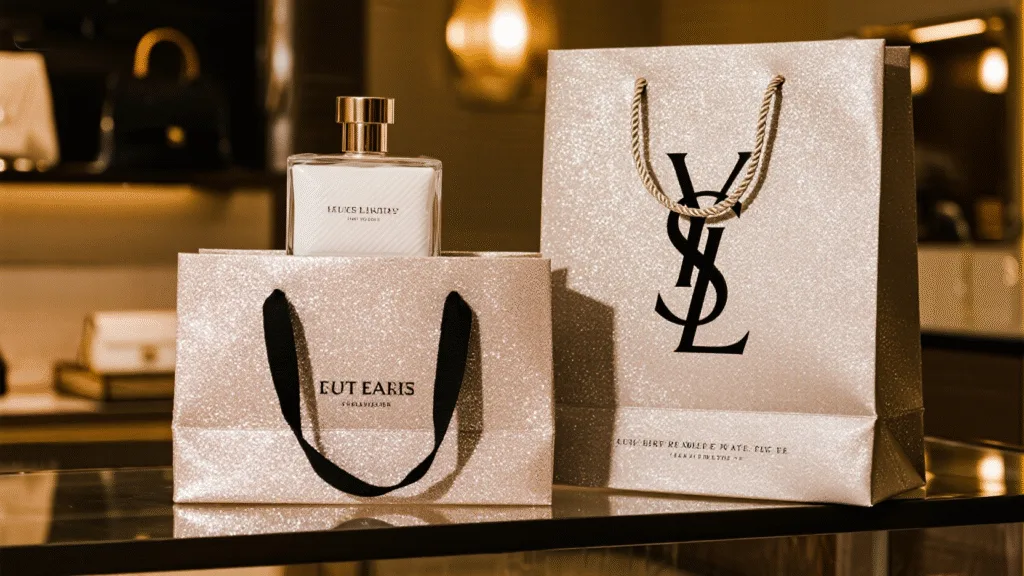
Glitter paper bags are becoming a strategic choice for luxury retail because they offer an unmatched "wow" factor. Their unique visual and tactile appeal creates a memorable, shareable unboxing experience, elevates perceived value, and helps brands stand apart in visually driven markets such as cosmetics, fashion, jewelry, gifts, gourmet confectionery, and events. With the right materials and finishing techniques, they can also support modern sustainability goals.
I’ll never forget a meeting with a high-end cosmetics brand known for its bold, vibrant products. They felt their existing matte black packaging, while classic, didn’t capture the brand’s energetic spirit. When I presented the idea of a glitter bag, the marketing director was skeptical. "Isn’t glitter… a bit much?" she asked, echoing a common concern.
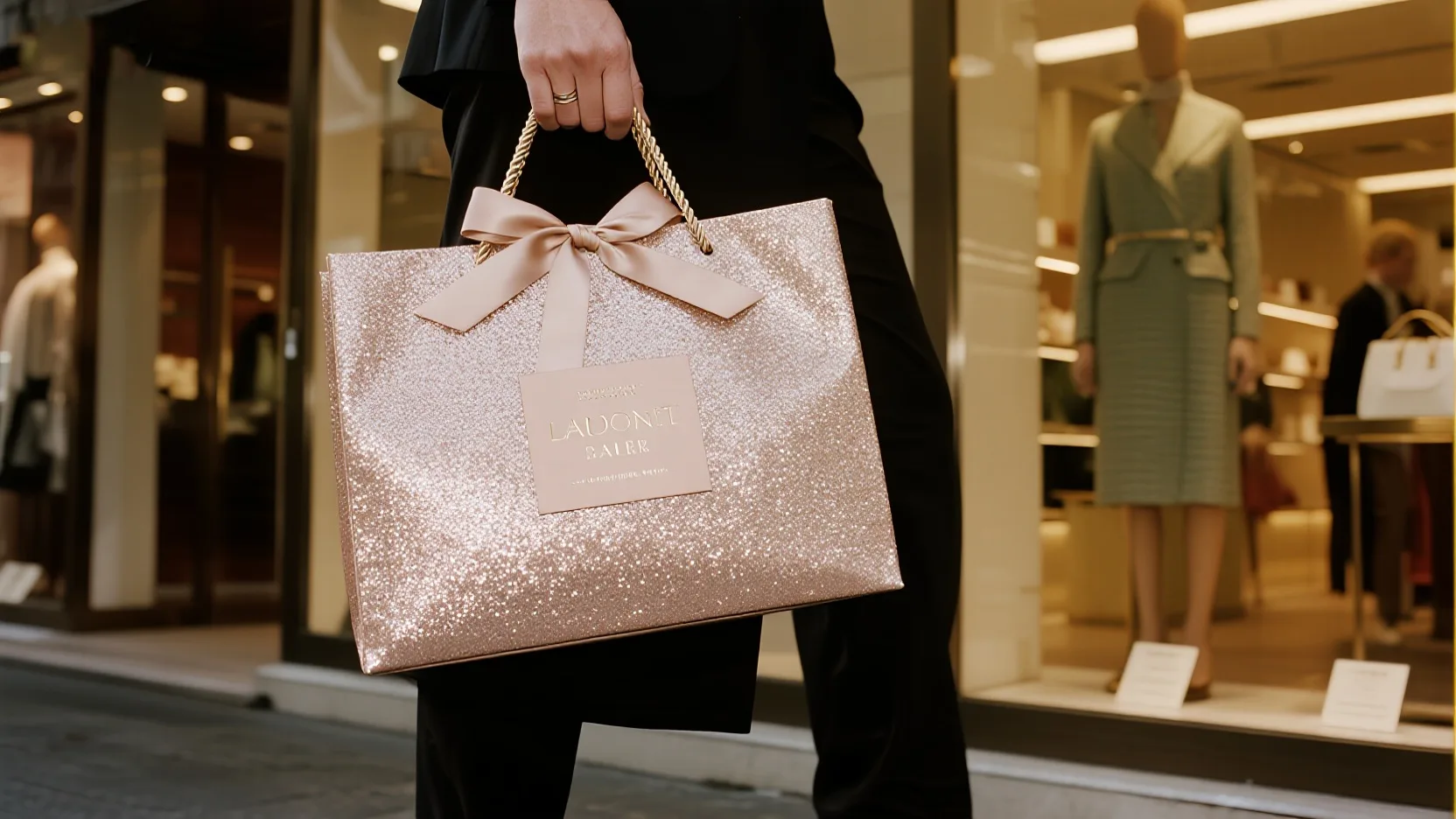
Instead of just describing it, I handed her a sample we’d made: a bag with a fine, champagne-colored glitter finish, sealed so it felt perfectly smooth, with their logo stamped in matte black foil. The way it caught the light was sophisticated, not garish. It felt substantial and exciting. Her whole team lit up.
They realized it wasn’t about being loud; it was about creating a moment of delight that perfectly matched the feeling of using their products. That same principle explains why glitter bags are gaining traction across luxury and experience-driven industries.
What Exactly Is a Glitter Finish on a Paper Bag?
You’ve seen those sparkling bags, but you may wonder what actually creates the effect. You also don’t want loose glitter shedding everywhere, creating a mess for customers and potentially damaging your brand image.
A glitter finish is a specialized paper surface treatment that creates a shimmering, textured appearance by securely bonding fine glitter particles to the paper or incorporating them into specially manufactured glitter paper. Modern production methods can seal or encapsulate the particles, creating a consistent visual effect with a cleaner, more premium tactile experience.
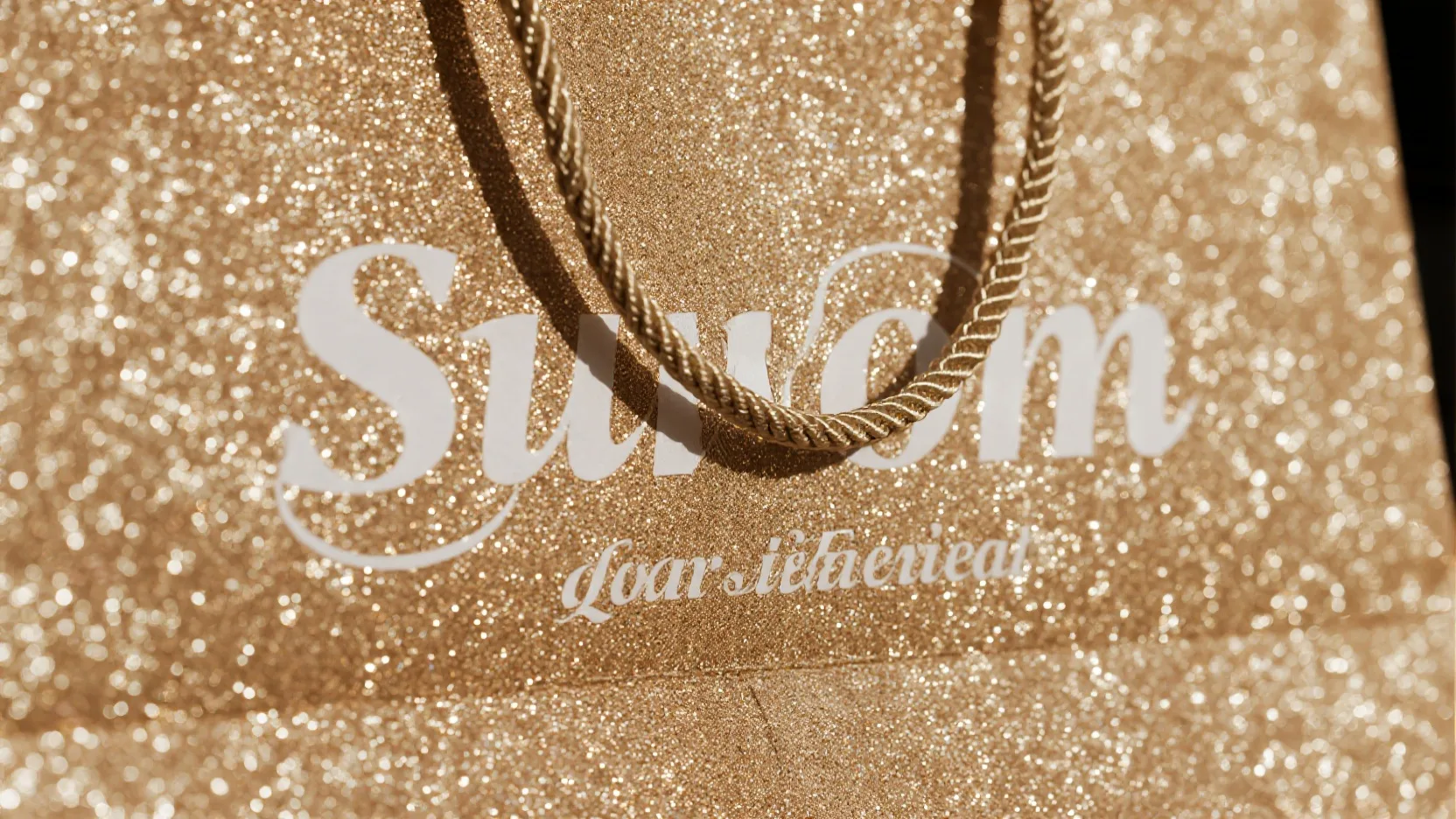
In my years of manufacturing custom paper bags, the technology behind glitter paper has improved significantly. High-quality glitter packaging is very different from loose craft glitter. The particles are designed to remain securely attached to the surface, and the final construction can be selected according to the required appearance, tactile feel, and durability.
There are two common approaches to achieving a premium glitter finish:
- Glitter Paper Stock: Glitter is securely bonded to the paper surface during the manufacturing of the specialty paper. The finished paper is then converted into a bag using standard paper-bag production processes, with adjustments made where necessary for the specialty material.
- Laminated Glitter Application: A glitter layer is applied to a paper substrate and then protected with a transparent coating or lamination. This can encapsulate the glitter particles, reduce shedding, and create a smoother surface while maintaining a strong shimmering effect.
The result is a paper bag that offers both visual impact and a distinctive tactile experience. It moves beyond a simple container to become a desirable object in itself, reinforcing the value of the product inside.
How Do Glitter Bags Create an Unforgettable First Impression?
Your customer loves your product, but the packaging gets tossed aside without a second thought. That final, physical interaction is a wasted marketing moment, failing to extend the brand experience beyond the store and into their daily lives.
Glitter bags create a powerful first impression by tapping into the psychology of celebration, desire, and premium quality. Their light-catching surface immediately generates excitement, making the purchase feel like a special event and turning the bag itself into a desirable, reusable, and highly shareable accessory.
The power of a glitter bag lies in its ability to transform a simple transaction into a memorable experience. It’s not just a container; it’s part of the gift.
I saw this firsthand with a jewelry client who launched a limited-edition collection for the holiday season. They switched from their standard bags to a deep navy blue bag with a subtle, silver glitter finish. Customers started posting photos of the bags on social media before they even opened the jewelry box inside.
The bag wasn’t just packaging; it was a status symbol, a beautiful object in its own right. This user-generated content created a wave of free, authentic marketing that helped drive more attention to the brand.
Turning Packaging into a Statement
A bag that shines and sparkles does more than just carry a product; it communicates confidence, celebration, and premium quality.
- Visual Disruption1: In a retail environment dominated by understated packaging, a glitter bag is a visual disruptor. It captures the eye from across a room, drawing attention and sparking curiosity. This immediate visual appeal is a powerful tool for brand recall.
- Emotional Connection: Sparkle is universally associated with positive emotions such as festivity, magic, and luxury. Handing a customer a glitter bag associates these feelings directly with your brand, enhancing post-purchase satisfaction.
- The "Instagrammable" Effect: A stunning glitter bag is inherently photogenic. Customers are more likely to share purchases and unboxing moments online, turning packaging into an organic marketing channel.
- Reusable Brand Exposure: A durable, attractive bag is more likely to be reused rather than discarded immediately. Every subsequent use can place the brand in front of new audiences, extending the value of the original packaging investment.
Can a Glitter Finish Align with a High-End Brand’s Image?
You hear "glitter" and immediately think of craft projects—messy, cheap, and childish. You worry that incorporating it into your packaging will cheapen your brand’s carefully cultivated image of sophistication and elegance, alienating your target audience.
Absolutely. Modern glitter applications for luxury packaging are worlds away from craft glitter. By using fine-milled particles, sophisticated color palettes, sealed finishes, and restrained design, glitter paper bags can project an image of confident, modern luxury that is both tasteful and bold.

The key to using glitter in a luxury context is refinement. It’s not about covering a bag in chunky, abrasive glitter. It’s about a controlled, deliberate application that enhances the overall design.
For a luxury watch brand, we developed a custom paper bag made from a heavy, slate-grey paper. We then applied a spot glitter finish only to their logo. The glitter particles were incredibly fine, creating a subtle shimmer that looked like a starlit sky rather than a disco ball. It was paired with sleek, black grosgrain ribbon handles.
The final product was the epitome of understated elegance, but with a surprising and delightful twist. This balance is what separates high-end glitter application from its less sophisticated counterparts.
Differentiating Luxury from Loud
Achieving a high-end look with glitter is about the quality of the materials and the subtlety of the design.
- Fine-Milled Glitter1: Unlike coarse craft glitter, luxury finishes use micro-particles that create a smooth, pearlescent shimmer rather than a rough, flashy sparkle.
- Sealed and Laminated Finishes2: A protective layer or laminate can lock glitter particles in place, preventing shedding while creating a smoother and more premium tactile experience.
- Strategic Application: Luxury design often uses glitter as a targeted accent—on a logo, pattern, or specific panel—rather than covering the entire surface. This creates sophisticated contrast with matte paper, foil, or embossed details.
- Controlled Color: Champagne, silver, rose gold, deep navy, charcoal, black, and rich burgundy glitter finishes can create a more refined appearance than overly bright combinations.
- Premium Components: The handles, paper weight, construction quality, and finishing should match the sophistication of the glitter. Satin or grosgrain ribbon, cotton rope, strong paperboard, and crisp folds can help prevent the glitter finish from feeling like an isolated decorative effect.
The same principle can be summarized in three design rules: choose a sophisticated color palette, maintain visual balance, and use quality components throughout the bag. If the entire bag has a strong glitter finish, the logo and typography are usually best kept clean and restrained.
| Glitter Application Method | Visual Effect | Best For | Brand Perception |
|---|---|---|---|
| Full Coverage (Sealed) | All-over, consistent shimmer | Bold, festive, celebratory brands (cosmetics, fashion) | Confident, glamorous, modern |
| Spot Glitter UV | Targeted glossy, textured sparkle | Highlighting logos, text, or patterns | Detail-oriented, artistic, refined |
| Glitter-Infused Paper | Subtle, integrated sparkle | Brands wanting a hint of luxury (jewelry, high-end gifts) | Elegant, understated, premium |
| Tonal Glitter | Low-contrast shimmer | Creating depth and texture without loud color | Sophisticated, minimalist, chic |
How Can Foil Stamping Elevate a Glitter Surface?
You’ve chosen a beautiful glitter paper, but now your logo seems to disappear into the sparkle. You need a way to make your branding stand out clearly and elegantly, without clashing with the shimmering background of the bag.
Hot foil stamping cuts through the visual noise of a glitter background. By applying a metallic or matte foil, it creates a crisp, opaque design with striking visual contrast that immediately communicates luxury and high quality.
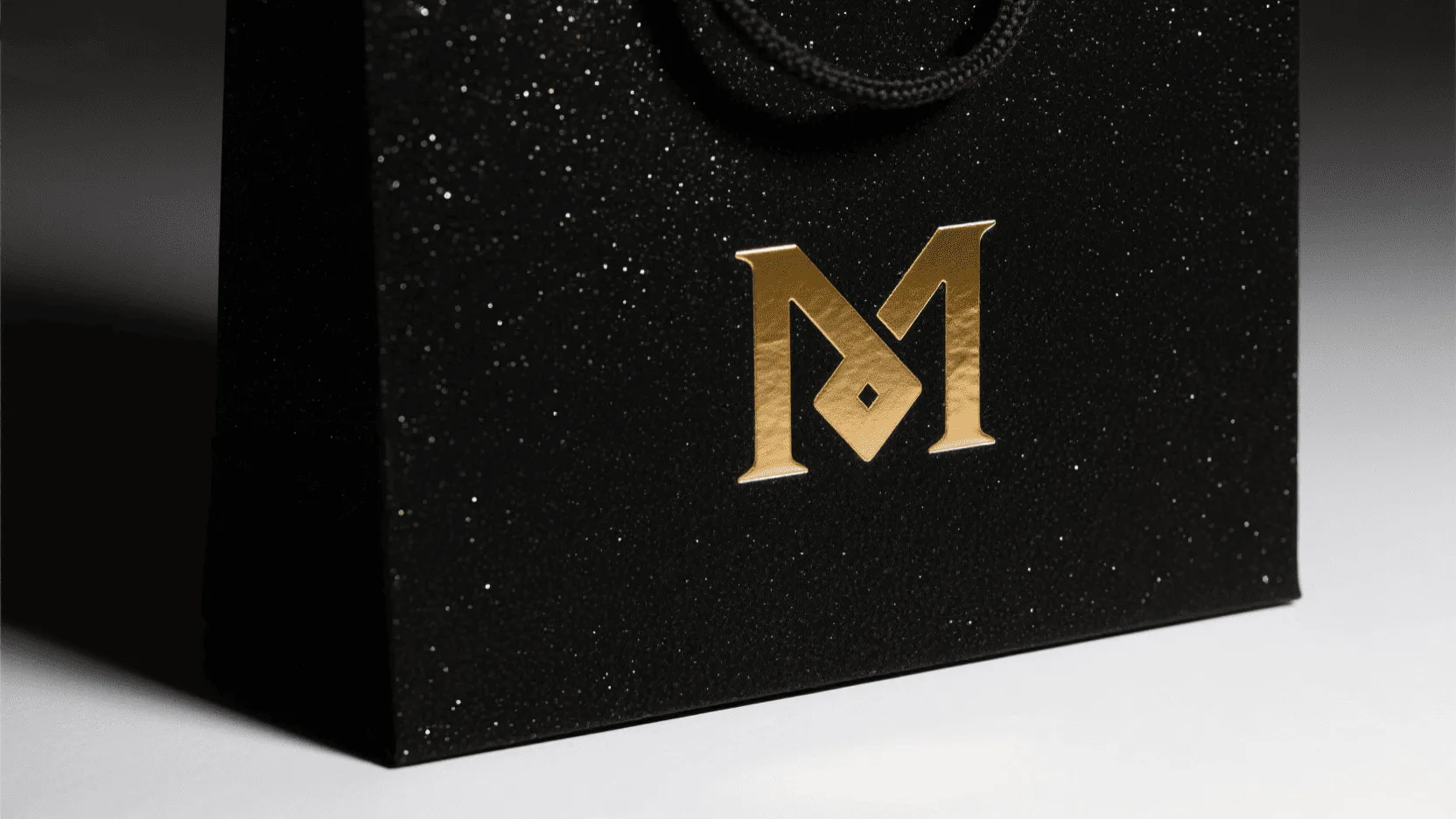
The magic of foil stamping on a glitter bag is all about contrast. While conventional ink can sometimes look dull or become visually lost against a textured surface, foil creates a distinct layer of its own.
For a high-end fashion boutique, we tested a logo printed in black ink on rose gold glitter paper. It lacked the impact the brand wanted. We then tried matte white foil. The clean, smooth, non-reflective white against the sparkling rose gold created a much more sophisticated result.
This combination of different textures—shimmer and matte—can make the overall design more refined without adding unnecessary visual complexity.
Key Foil Stamping Considerations
- Matte vs. Metallic Foils1: Metallic foils such as gold, silver, and copper enhance a glamorous or celebratory feel, while matte black, white, and grey offer a modern, understated appearance.
- Color Contrast2: Choose a foil color that contrasts strongly with the glitter surface to maximize legibility and visual impact.
- Design Simplicity: Bold logos and clean typography generally work best. Overly intricate designs can lose clarity against a sparkling texture.
- Finish Combination: Pairing foil with embossing or a restrained glitter application can create depth without making the bag visually overwhelming.
Does Embossing or Debossing Work on Glitter Paper?
You want to add a unique, tactile element to your bag, but you’re unsure if the glitter surface can even be embossed. You fear the process might crack the finish or that the subtle effect will be completely lost in the sparkle.
Yes, embossing and debossing can work beautifully on properly selected and sealed glitter paper. These techniques create a sophisticated three-dimensional effect that invites touch, adding subtle luxury and reinforcing the perceived value of the packaging.
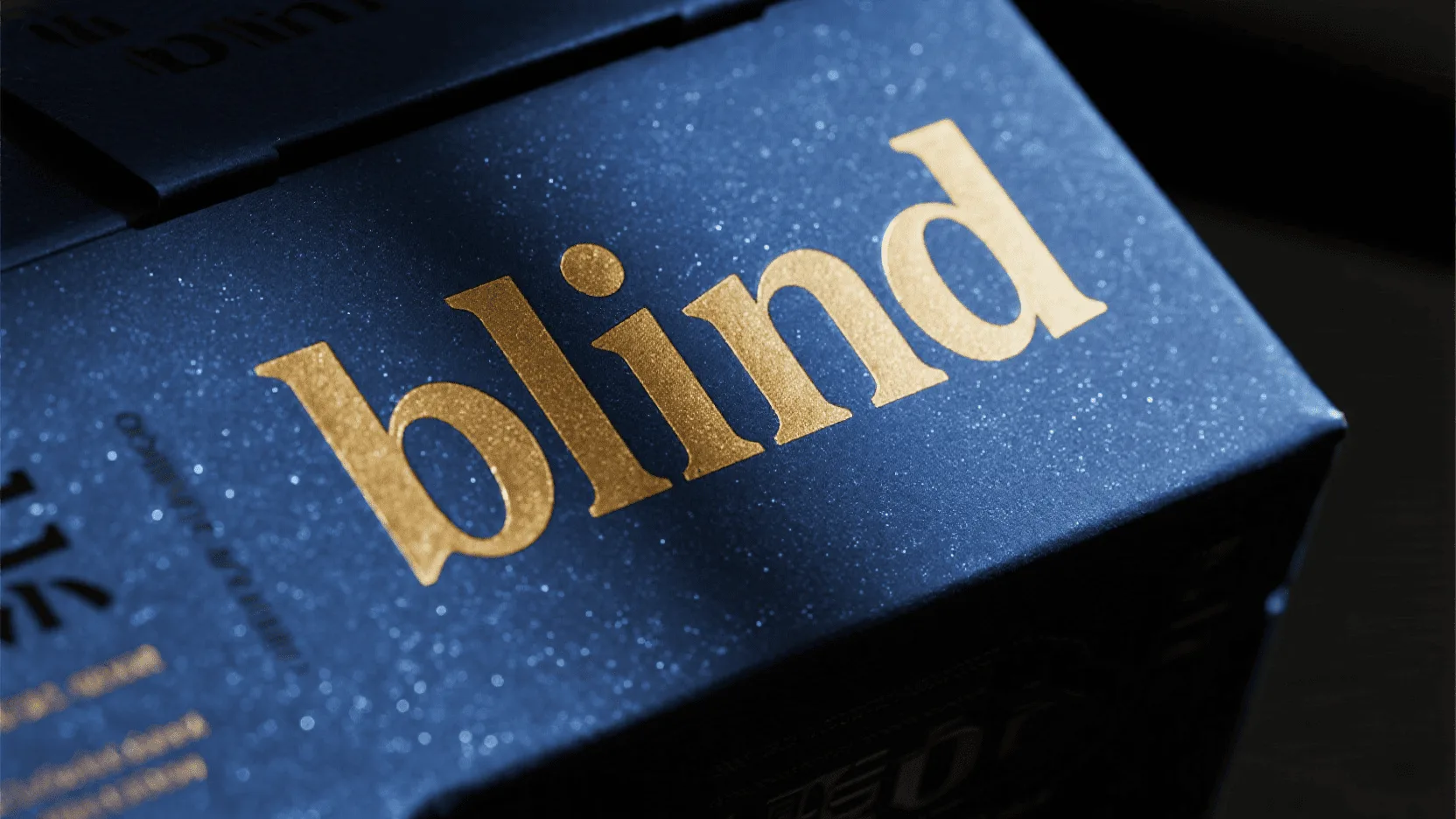
One of the most elegant options is a "blind" emboss—an emboss without ink or foil. It relies purely on shape, shadow, and texture.
For a luxury spa client using fine pearlescent white glitter paper, we simply embossed their lotus flower logo onto the bag. From certain angles, it was barely visible. As the bag moved, however, the light caught the raised edges, while customers could feel the delicate design under their fingertips.
This is a useful reminder that luxury doesn’t always have to be loud. Sometimes, a small tactile detail can communicate quality more effectively than multiple decorative finishes.
Comparing Textural Finishes
| Technique | Visual Impact | Tactile Feel | Sustainability Note | Best For |
|---|---|---|---|---|
| Hot Foil Stamping1 | High (Striking Contrast) | Smooth | Thin applied layer; recyclability depends on the overall construction | Bold logos and branding |
| Blind Embossing2 | Subtle (Shadow & Light) | Raised, Textured | Excellent; no added decorative material | Elegant, minimalist designs |
| Foil Embossing | Very High (Color & Texture) | Raised and Smooth | Depends on foil coverage and material construction | Maximum impact, luxury branding |
| Debossing | Subtle (Indented) | Recessed, Inset | Excellent; no added decorative material | Creating a unique, understated look |
What Are the Best Sustainable Ink Choices for Glitter Bags?
You need to print essential information on your bag, like your website or social media handles, but you’re committed to your brand’s green initiatives. Using standard, petroleum-based inks feels like a step backward, potentially undermining your entire sustainability message.
Water-based and soy-based inks are strong options for sustainable glitter bag printing because they can reduce VOC emissions and support a more environmentally conscious packaging strategy. On a properly sealed glitter surface, they can also deliver clean, vibrant printing.
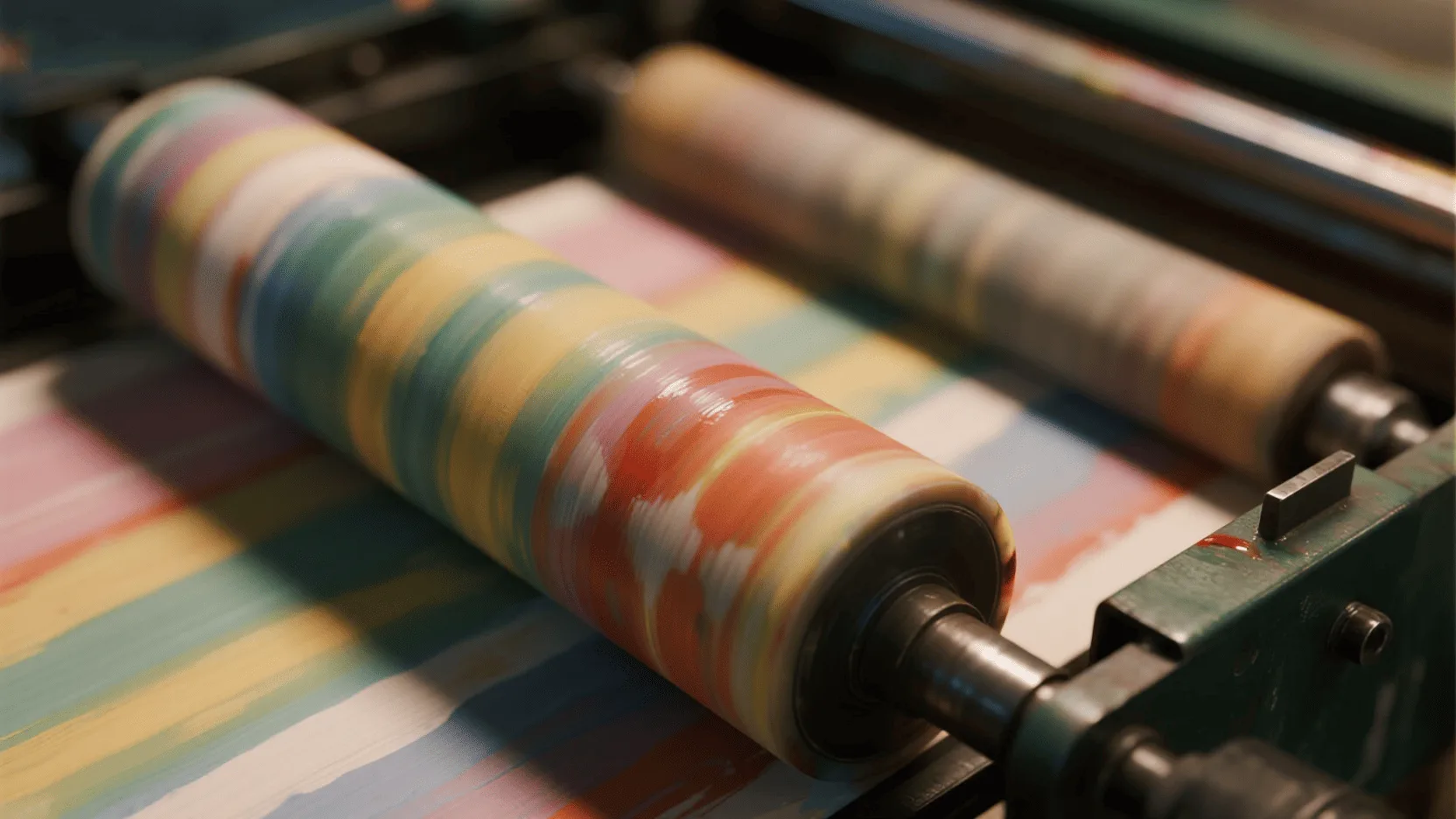
The choice of ink is a detail that many overlook, but it’s critical for a brand that prioritizes sustainability. For successful printing on a glitter surface, the surface must first be properly prepared and sealed. This helps prevent ink from bleeding and ensures a crisp, clean result.
We often recommend water-based inks to environmentally conscious clients. Their modern formulations can provide strong color performance while supporting a lower-impact printing process.
For an organic tea company, we printed delicate leaf patterns on light green glitter bags using dark green, water-based ink. The result reinforced the natural positioning of the brand while maintaining the visual impact of the glitter.
The Advantages of Eco-Friendly Inks
- Lower Environmental Impact1: Water-based inks use water as a primary carrier and can significantly reduce VOC emissions compared with many solvent-based systems. Soy-based inks are derived partly from renewable agricultural resources.
- Enhanced Recyclability2: Ink selection can influence the recyclability of printed paper, although the complete packaging construction should always be evaluated rather than considering ink alone.
- Brand Story Alignment: Using more environmentally conscious inks can provide a tangible way to reinforce a brand’s sustainability positioning.
Are Glitter Paper Bags an Environmentally Responsible Choice?
Your brand has a strong commitment to sustainability, and your customers expect it. You’re concerned that a glitter bag, with its plastic components, will be an ecological misstep, leading to accusations of greenwashing and damaging your brand’s reputation.
The answer depends heavily on the glitter material, coatings, adhesives, inks, and overall bag construction. Modern options such as plant-cellulose glitter, properly sealed finishes, recyclable paper, and lower-impact inks can reduce environmental concerns, but brands should verify the actual material specifications and recycling requirements before making sustainability claims.
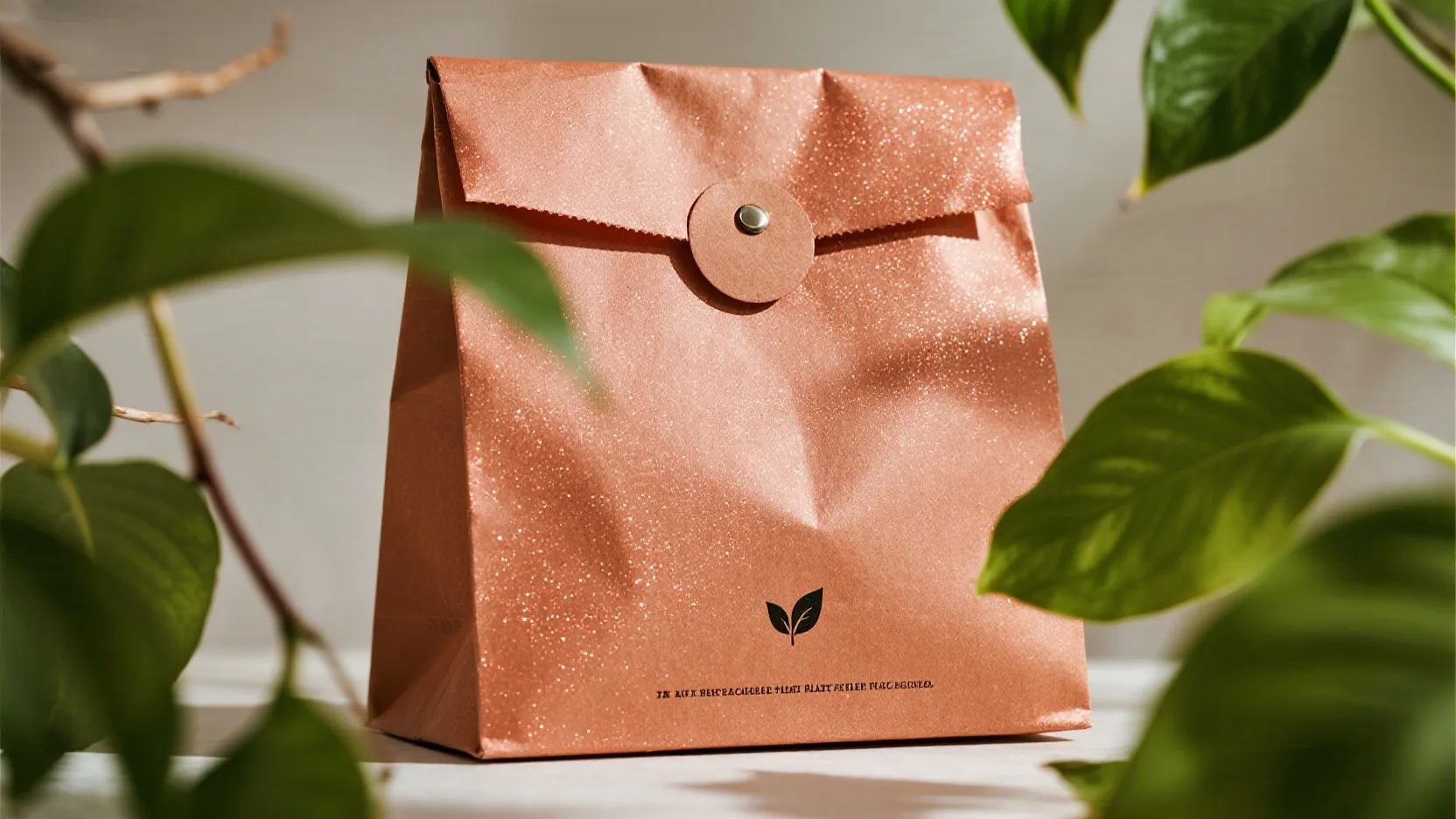
The microplastic issue associated with traditional PET glitter is something we take very seriously at Omet Packaging. The good news is that brands no longer necessarily have to choose between sparkle and sustainability.
For a certified organic skincare brand with a strict no-plastic policy, we sourced a shimmering bio-glitter derived from plant cellulose. The result provided the desired visual effect while better aligning with the brand’s environmental positioning.
The most responsible approach is to look at the entire packaging system rather than focusing on glitter alone. Paper source, glitter composition, coating, adhesive, ink, finishing process, and end-of-life recycling all matter.
Sustainable Sparkle Solutions
Making an eco-conscious choice requires understanding the materials and processes available.
- Biodegradable Glitter1: Plant-cellulose glitter can provide an alternative to conventional plastic glitter. Brands should request appropriate certifications and technical documentation before making biodegradability claims.
- No-Shed Sealing: A properly sealed glitter surface can prevent loose particles from shedding during normal use and improve the tactile experience.
- Water-Based Inks: These can reduce the environmental impact associated with some conventional solvent-based printing systems.
- Minimalist Finishing: Blind embossing is especially useful when a brand wants tactile luxury without adding another decorative material.
- Transparency and Communication: If sustainability is part of your brand story, communicate specific, verifiable material choices rather than making broad claims that cannot be substantiated.
Which Industries Benefit Most from Glitter Paper Bags?
You may wonder whether glitter paper bags are simply a passing trend. Investing in packaging is a significant decision, so the most important question is whether the visual effect genuinely supports the customer experience.
The strongest opportunities are in industries where aesthetics, gifting, celebration, and customer experience are central to the purchase. Cosmetics and beauty, high-end fashion and boutique retail, jewelry, gourmet confectionery, specialty gifts, high-end stationery, weddings, events, florists, and seasonal collections can all benefit from well-designed glitter packaging.
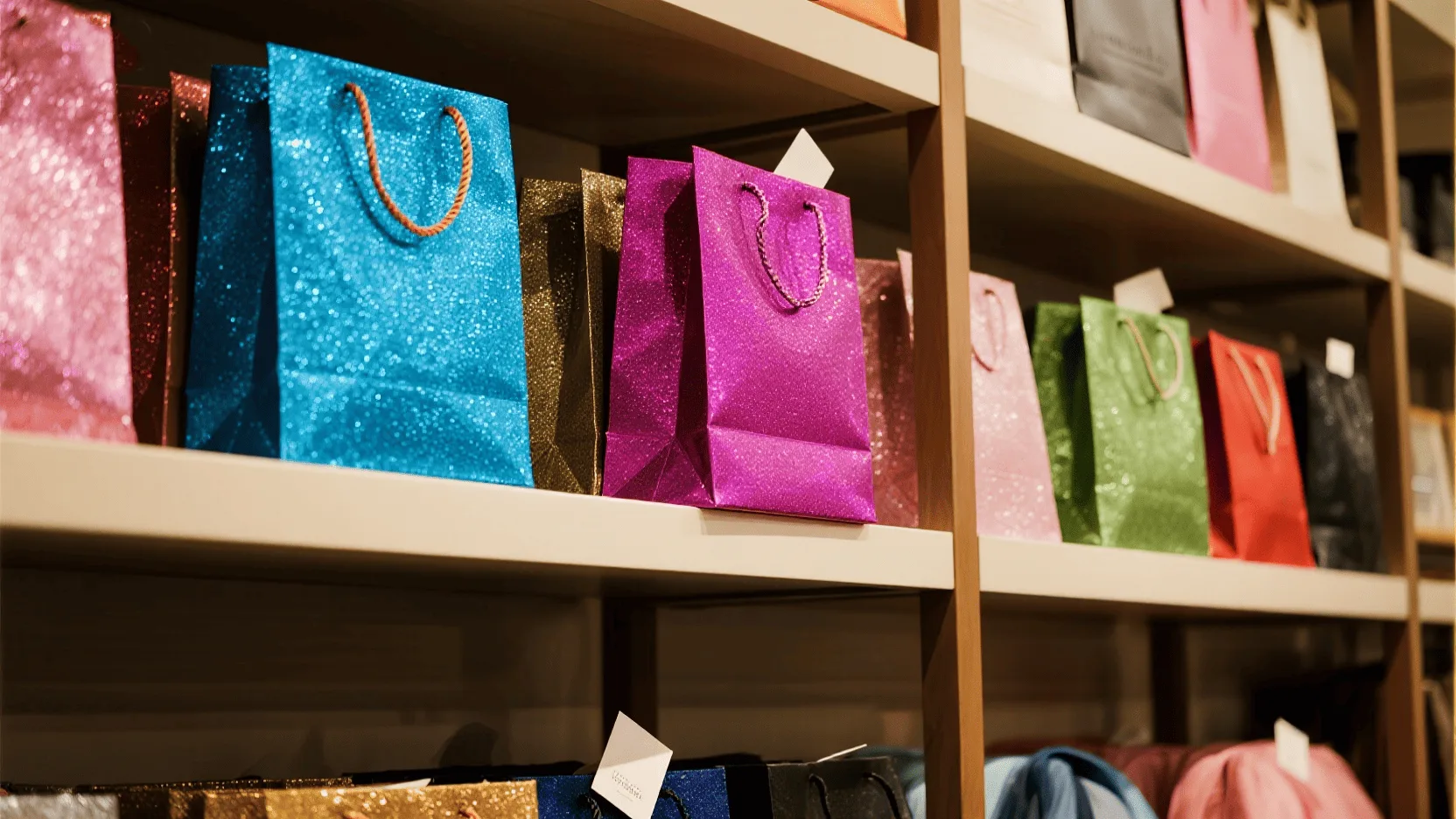
I saw this firsthand with a client who launched a small, independent jewelry brand. Her initial packaging was simple and kraft-based—eco-friendly, but it didn’t match the delicate, sparkling nature of her products. Customers loved her jewelry, but the unboxing experience was flat.
We switched her to a subtle, champagne-colored glitter bag with her logo stamped in matte rose gold foil. The change was immediate. Customers began posting photos of the "sparkly bag" on social media, and the packaging helped make the entire purchase feel like the special treat it was meant to be.
This is where glitter packaging makes the most sense: when the bag reinforces what customers already expect the product or occasion to feel like.
| Industry | Primary Use Case | Brand Message Conveyed |
|---|---|---|
| Cosmetics & Beauty | Holiday collections, limited editions, gift sets | Glamour, transformation, celebration |
| High-Fashion & Accessories | In-store purchases, exclusive events, premium retail | Exclusivity, trend-setting, confidence |
| Jewelry & Watches | Point of sale, engagement rings, luxury collections | Preciousness, brilliance, milestone moments |
| Gourmet & Confectionery | Luxury chocolates, cakes, seasonal gifting | Indulgence, festivity, premium gifting |
| High-End Stationery | Boutique greeting cards, wedding invitations | Artistry, special occasions, personal touch |
Why Is the Cosmetics and Beauty Industry a Prime Market?
The cosmetics industry is a strong fit because glitter paper bags align naturally with aesthetics, trends, glamour, and the highly visual unboxing experience.
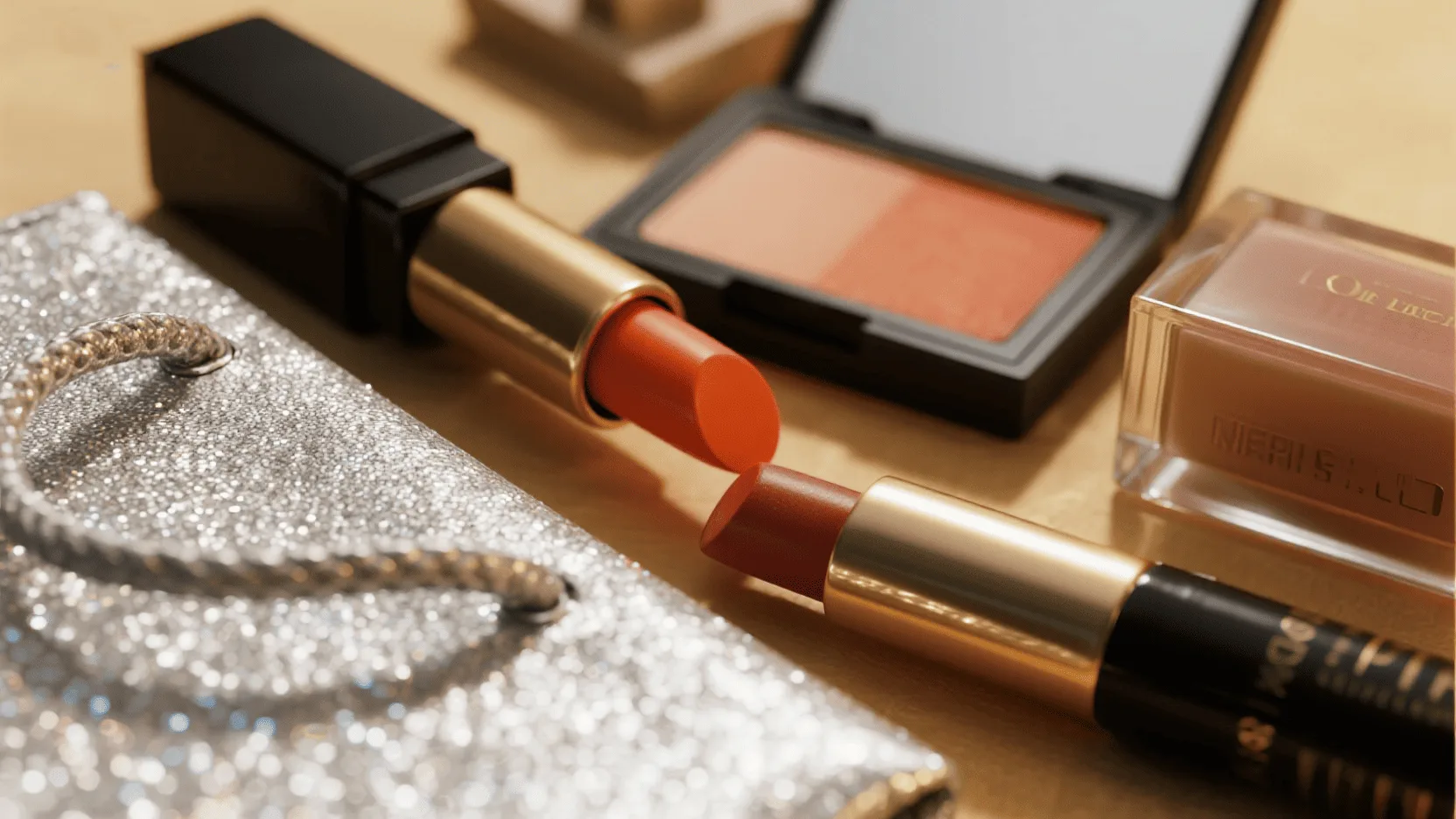
In an industry driven by visual presentation, packaging becomes part of the product story. Glitter bags work particularly well for makeup, skincare gift sets, fragrance, beauty accessories, and limited-edition collections.
Key Drivers in the Cosmetics Sector
- The Unboxing Experience: Beauty influencers and customers frequently share purchases online. A distinctive bag can become part of the content rather than disappearing after the purchase.
- Alignment with Product Glamour: Products such as highlighters, eyeshadows, lip glosses, and festive beauty collections already use shine and color as part of their visual language.
- Limited Editions and Holiday Collections: Glitter immediately communicates celebration, exclusivity, and giftability, making it particularly useful for seasonal packaging.
How Do High-End Fashion and Boutique Retail Benefit?
High-end retail benefits because a well-crafted glitter bag can enhance perceived product value, extend the luxury experience beyond the store, and function as a reusable brand advertisement.
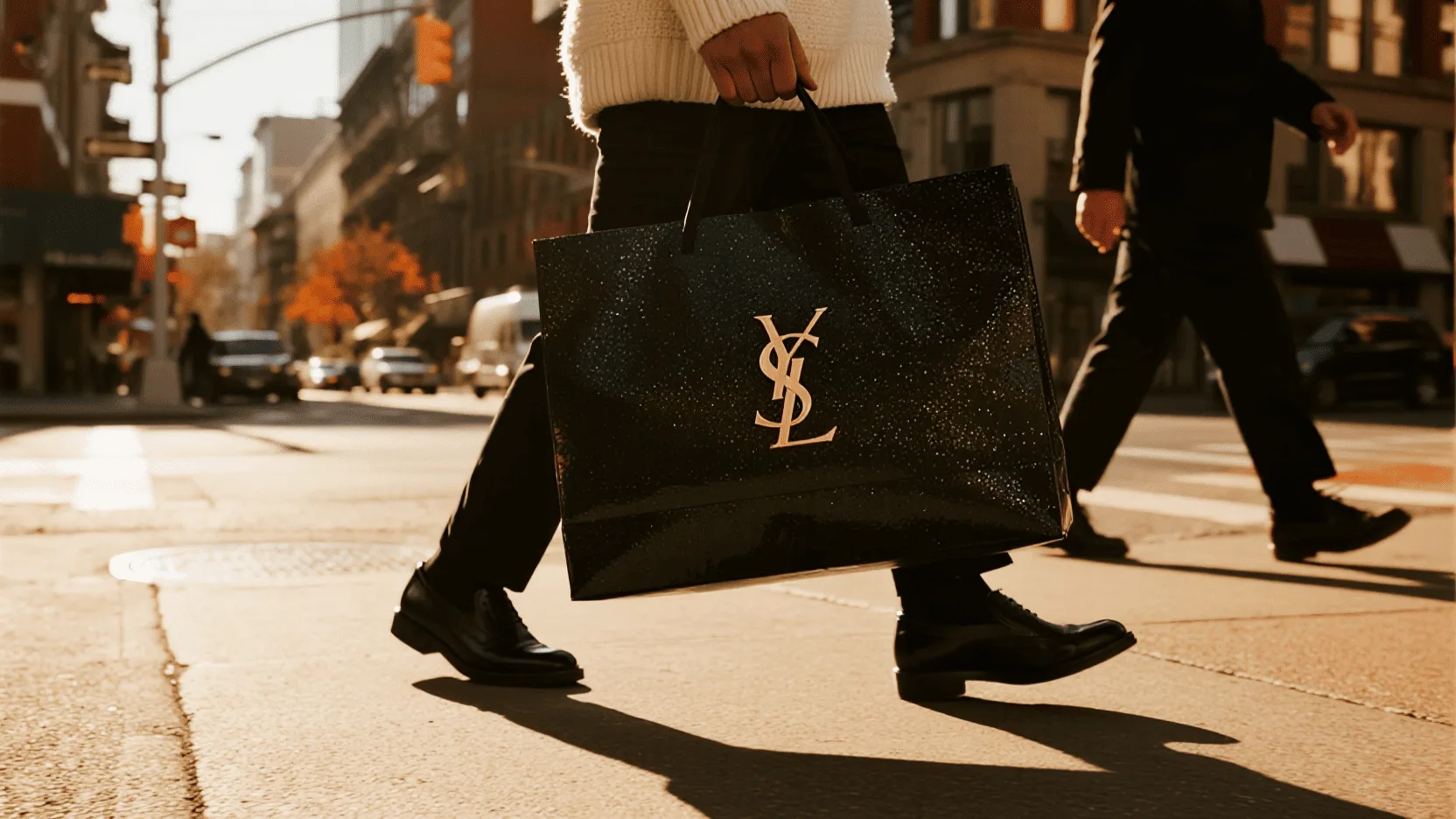
The bag is the last physical touchpoint of the retail experience. A heavy-gauge glitter bag with quality handles, precise finishing, and a restrained logo can reinforce the premium nature of the purchase.
When customers reuse an attractive bag, the packaging continues working as a visible brand asset long after the original transaction.
Comparing Packaging Features for Different Retail Tiers
| Feature | Standard Retail Bag | Premium/Boutique Glitter Bag1 |
|---|---|---|
| Material | Basic Kraft or Art Paper (80-120 gsm) | Heavy-gauge Paper with Sealed Glitter (150-250 gsm) |
| Handles | Paper twist or simple ribbon | Grosgrain ribbon, cotton rope, or custom die-cut |
| Impression | Functional, Disposable | Luxurious, Reusable, Aspirational |
| Brand Impact2 | Low | High |
What Role Do Glitter Bags Play in the Specialty Gift and Event Industries?
Glitter bags are particularly effective for gifts and events because they immediately communicate celebration and can function as elegant gift wrap without requiring extensive additional packaging.
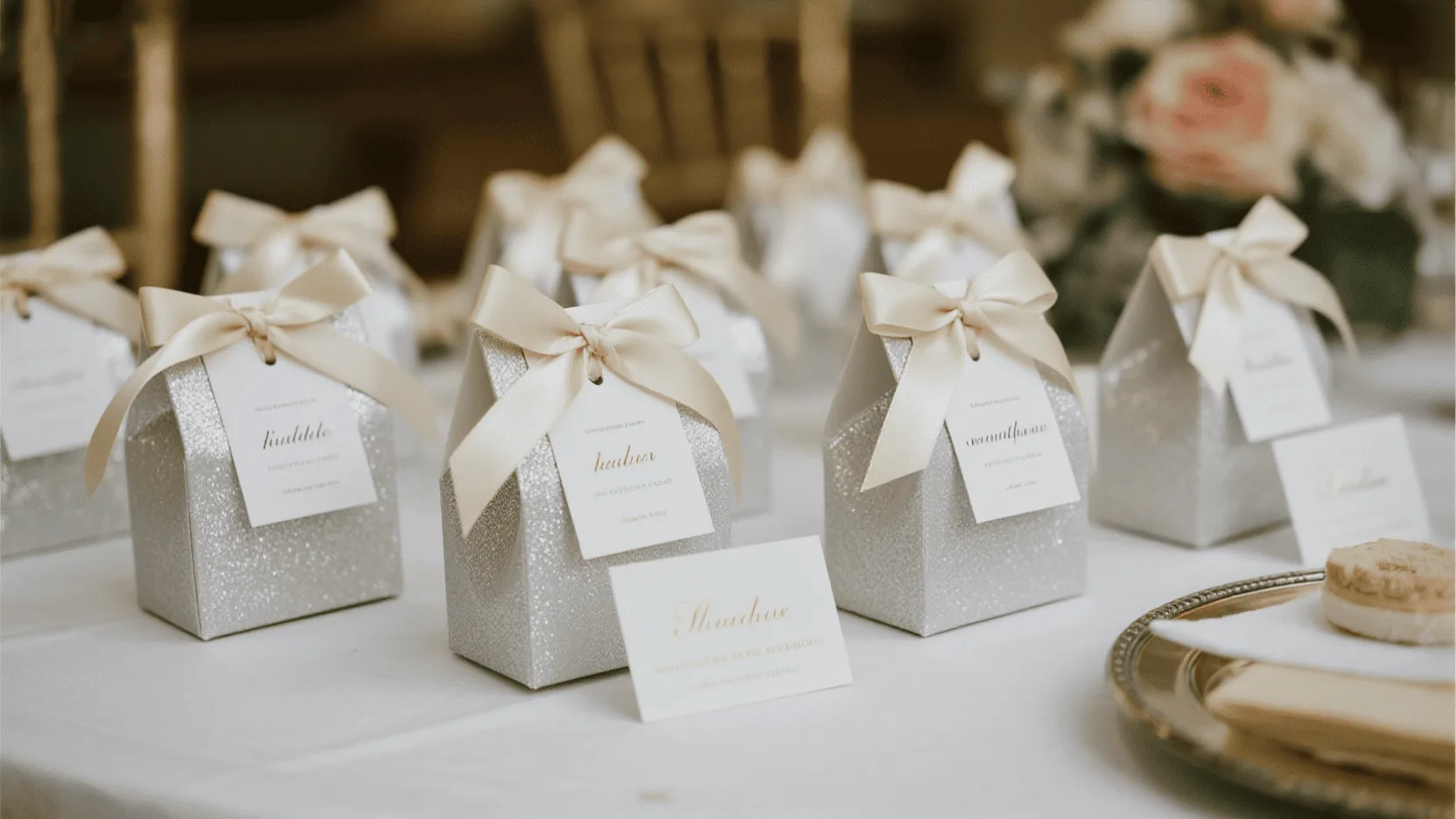
This makes them suitable for high-end chocolates, jewelry gifts, wedding favors, flower arrangements, corporate gifts, holiday products, and event welcome bags.
Key Opportunities in Gifting and Events
- Wedding and Party Favors1: Small custom glitter bags can add glamour while matching the visual theme of the event.
- Corporate Gifting2: Premium packaging can increase the perceived value of employee, client, and holiday gifts.
- Holiday and Seasonal Products: Retailers selling seasonal gifts, food hampers, and special merchandise can use glitter bags to create a festive, ready-to-give presentation.
- Florists and Specialty Retailers: Glitter bags can complement flowers, candles, jewelry, confectionery, and other products where presentation is part of the purchase experience.
What Should You Consider When Scaling Glitter Bag Production?
You want to elevate your brand with eye-catching glitter bags. But you’re worried about hidden costs and production delays when you need to order thousands, not just hundreds of bags.
Manufacturing glitter paper bags at scale involves higher raw material costs for specialty glitter paper, potentially limited supplier availability, longer material lead times, and specialized production adjustments. Careful planning is essential to control costs, maintain consistent quality, and secure a reliable supply as demand grows.
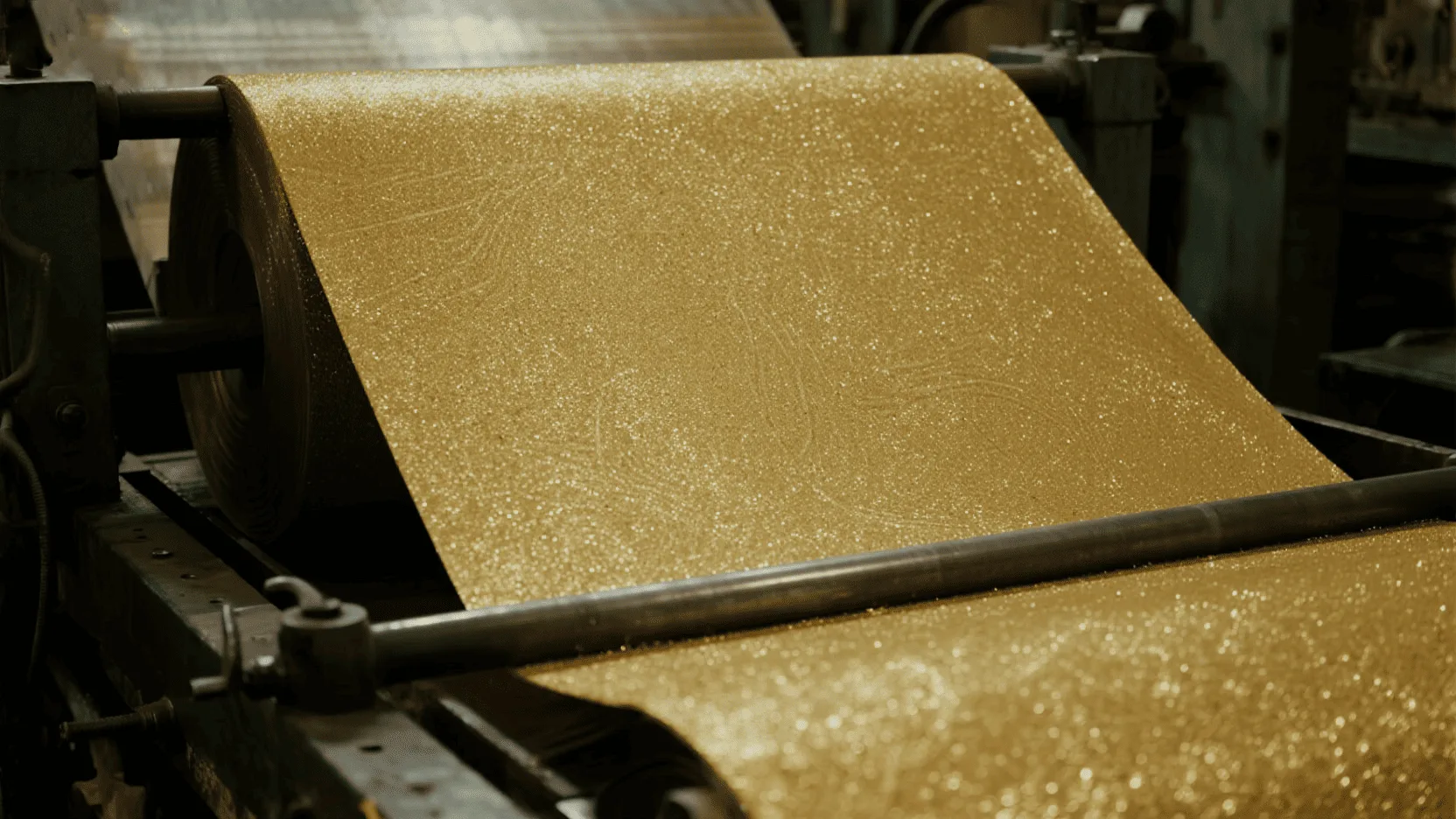
I remember a client, a fast-growing cosmetics brand, who wanted to switch their entire product line to glitter bags for the holiday season. Their initial small batches were a huge success. But when they placed an order for 200,000 units, the realities of scaling became obvious.
The specific gold glitter paper they loved was produced by only a limited number of specialty mills, and available capacity was already constrained. It was a reminder that scaling specialty packaging isn’t simply about placing a bigger order. It requires supply-chain planning from the beginning.
How Does Sourcing Specialty Materials Impact Your Supply Chain?
Specialty glitter paper generally has fewer suppliers, longer lead times, and higher minimum order quantities than standard art paper. Brands planning large production runs should therefore confirm material availability, specifications, and production capacity well before the final packaging deadline.
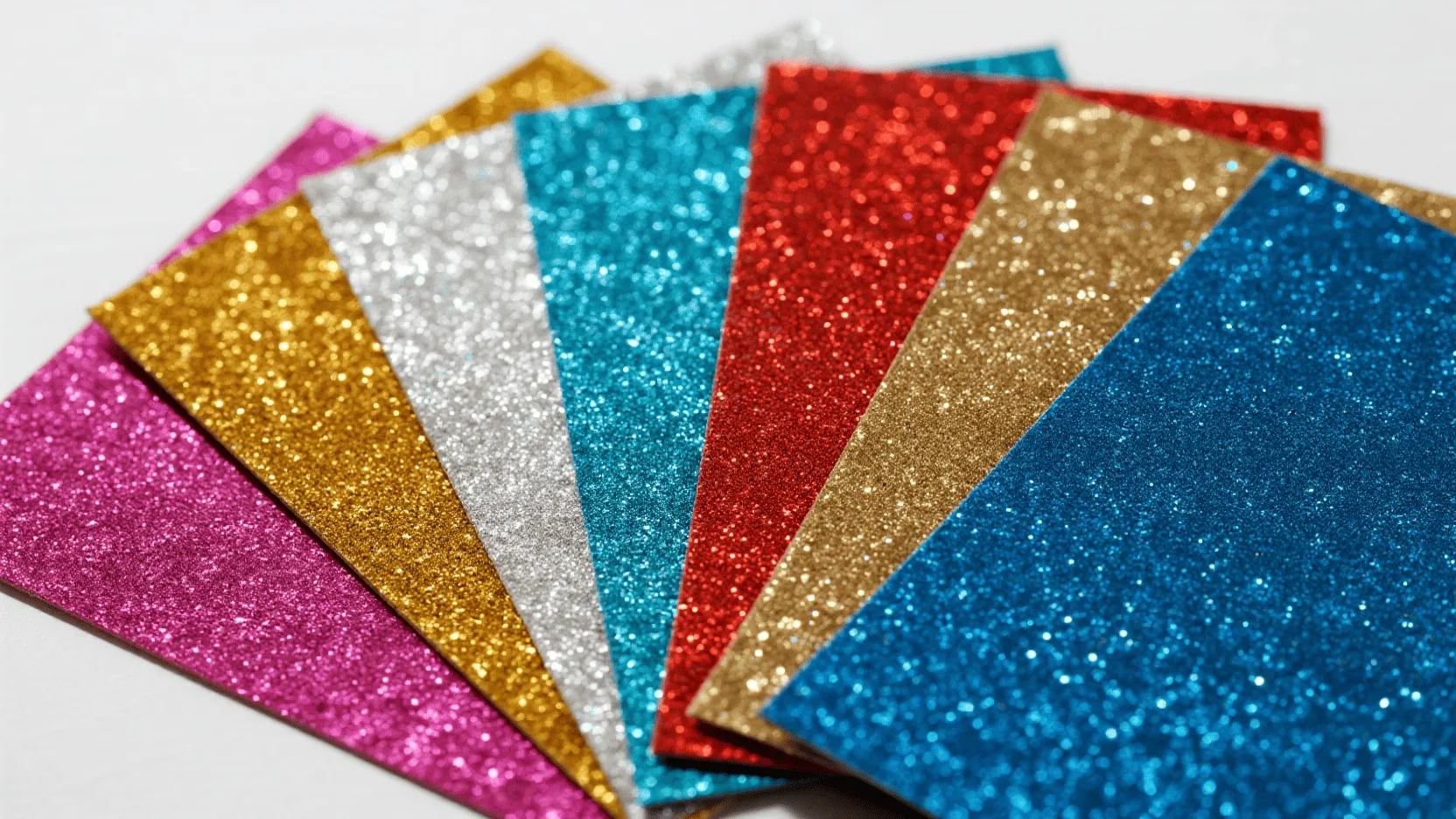
Basic art paper is widely available, while high-quality glitter paper requires more specialized manufacturing. Depending on the construction, it may involve applying, laminating, or sealing a glitter surface onto paper, which limits the number of suitable suppliers.
This becomes even more important when a brand requires a very specific glitter color, particle size, surface effect, or sustainable material.
At Omet Packaging, we work with specialty material suppliers and plan material requirements ahead of production so that large orders can be scheduled more reliably.
Specialty paper mills may schedule production runs based on demand, meaning custom colors or specifications can require larger commitments. For large orders, brands should confirm:
- Raw material availability
- Minimum order quantities
- Custom color requirements
- Material production lead time
- Shipping time from the mill
- Backup material options
- Required certifications for sustainable materials
The earlier these factors are confirmed, the lower the risk of a packaging delay affecting a product launch.
The Rise of Sustainable Glitter
The growing demand for eco-friendly packaging1 adds another layer of complexity. Plant-cellulose or other biodegradable glitter options can have a narrower supplier base than conventional glitter, so brands should verify certifications and technical specifications before placing large orders.
| Sourcing Factor | Standard Art Paper | Traditional Glitter Paper | Eco-Friendly Glitter Paper |
|---|---|---|---|
| Supplier Availability | High | Lower | More Limited |
| Typical Lead Time | 2-4 Weeks | Often Longer | Often Longer |
| Minimum Order Quantity | Low to Moderate | Higher | Higher |
| Cost Volatility | Low | Moderate | Moderate to High |
| Customization Flexibility | High | Moderate | Material-dependent |
What Are the Real Manufacturing Costs When Scaling Up?
You’ve budgeted for the specialty paper, so you think you have the main expense covered. But factory adjustments, slower production speeds, tooling, and quality control can all affect the final unit cost.
Scaling glitter bag production involves more than material costs. Thicker and more abrasive specialty papers may require machine adjustments, different adhesive settings, slower production speeds, more frequent tooling maintenance, and additional quality-control attention.

Glitter paper is not simply a decorative version of standard paper. Depending on its construction, it can be heavier, thicker, more rigid, or more abrasive.
On a production line, this can affect die-cutting, folding, gluing, printing, and finishing. Die-cutting tools may require more frequent maintenance, while automated folding equipment may need to run more carefully to avoid cracking or misalignment.
Impact on Machinery and Labor
Our fully automated bag & box production lines are designed for efficiency, but specialty materials still require technical adjustments.
This can include:
- Fine-tuning glue application
- Adjusting machine pressure
- Calibrating hot stamping
- Controlling folding speed
- Monitoring surface cracking or scuffing
- Maintaining cutting and finishing tools
These adjustments are part of the manufacturing cost because the objective is not simply to produce bags quickly, but to produce them consistently.
Quality Control at Scale
Quality control becomes increasingly important when manufacturing thousands or hundreds of thousands of units. A small defect repeated across a large batch can become a significant commercial problem.
For glitter bags, QC should cover:
- Raw material appearance and consistency
- Glitter distribution and surface uniformity
- Color consistency
- Printing and foil alignment
- Embossing quality
- Handle attachment
- Folding and gluing
- Surface damage or cracking
- Final packing condition
A multi-stage QC process helps identify problems before they spread through the entire production run.
Can Economies of Scale Actually Lower Your Costs?
You assume that ordering more units will always be cheaper per unit. But with specialty packaging like glitter bags, the math isn’t that simple.
Yes, economies of scale can significantly lower the per-unit cost of glitter bags, particularly at larger volumes. Fixed costs such as tooling, setup, and sampling can be distributed across more units, while larger material purchases can improve raw-material pricing.

The principle of economies of scale definitely applies to glitter bag manufacturing, but the entry point can be higher than for standard paper bags.
The most significant savings often come from purchasing raw materials in larger quantities. Setup costs for printing, die-cutting, finishing, and machine calibration are also fixed or semi-fixed. Spreading these costs over a larger order can reduce the cost attributed to each individual bag.
Illustrative Cost Breakdown by Volume
This table gives a simplified example of how costs can change with volume. Actual pricing varies according to material, size, design, finishes, and supplier conditions.
| Cost Item | Cost Per Bag (5,000 Unit Order) | Cost Per Bag (100,000 Unit Order) |
|---|---|---|
| Specialty Paper | $0.80 | $0.55 |
| Production & Labor | $0.40 | $0.25 |
| Tooling & Setup (Amortized) | $0.15 | $0.01 |
| Quality Control | $0.05 | $0.03 |
| Total Estimated Cost/Bag | $1.40 | $0.84 |
The Hidden Costs: Storage and Logistics
Large-scale purchasing can reduce unit costs, but it also creates inventory and logistics considerations.
Where will you store 100,000 bags? Warehouse space has a cost, whether it’s your own or a third-party service. Sea freight is generally more economical per unit than air freight for large shipments, but it requires longer planning horizons.
A one-stop packaging supplier can help coordinate production, inventory planning, packing, and shipping so that the savings from larger production volumes aren’t undermined by poor logistics.
Conclusion
Glitter paper bags are no longer simply a novelty or a risky decorative choice. For brands that sell an experience—particularly in cosmetics, beauty, jewelry, luxury fashion, boutique retail, gourmet confectionery, gifts, and events—they can turn the final packaging touchpoint into a memorable part of the customer journey.
The strongest results come from treating glitter as part of a complete packaging strategy rather than an isolated effect. Fine-milled glitter, sealed surfaces, carefully selected colors, hot foil stamping, blind embossing, premium handles, and water-based inks can create a sophisticated appearance without overwhelming the design.
Sustainability and scalability also need to be considered from the beginning. Plant-cellulose glitter, recyclable paper, appropriate inks, verified material certifications, reliable specialty-paper suppliers, and careful production planning can help brands balance visual impact with environmental and commercial requirements.
Ready to make your brand shine? Explore our custom paper bag solutions or contact my team to discuss creating a stunning glitter design.
Discover more ways to create a premium unboxing experience in our guide to gift packaging.
FAQ
Does the glitter on these bags actually shed or make a mess?
High-quality glitter paper bags can use sealed or laminated surfaces that significantly reduce or prevent loose glitter from shedding during normal handling. The exact performance depends on the material and finishing construction, so it is important to confirm the specification with your manufacturer.
What exactly is the difference between glitter paper and a glitter finish?
Glitter paper is a specialty paper stock manufactured with glitter securely integrated or bonded into its surface. A glitter finish can also be created by applying glitter to a paper substrate and protecting it with a coating or lamination. The best option depends on the desired appearance, tactile feel, durability, and production requirements.
Is a glitter paper bag significantly more expensive than a standard printed bag?
Yes. Specialty glitter paper and additional finishing processes generally make glitter bags more expensive than basic kraft or art paper bags. However, larger production volumes can reduce the per-unit cost by spreading tooling, setup, and production expenses across more bags. The final price depends on material, size, quantity, printing, glitter coverage, and additional finishes.
Can I get a custom color for the glitter on my bags?
Yes. Glitter is available in many colors, from classic gold and silver to champagne, rose gold, navy, black, burgundy, and other custom shades. Depending on the material supplier, custom color matching may require higher MOQs and longer lead times.
How can I make a glitter bag look luxurious rather than tacky?
Use fine-milled glitter, sophisticated colors, restrained branding, and high-quality structural components. Champagne, gold, silver, black, deep navy, and burgundy are generally easier to integrate into luxury designs than overly bright colors. Combining glitter with matte foil, embossing, or other controlled finishes can also create contrast and depth.
What is the difference between standard glitter and biodegradable glitter?
Traditional glitter is commonly made from plastic-based materials such as PET, while biodegradable alternatives may use plant-cellulose materials. The exact composition and environmental performance vary by product, so brands should request technical documentation and relevant certifications before making sustainability claims.
Is a bag with foil stamping still recyclable?
Potentially, depending on the complete packaging construction and the requirements of the local recycling system. Foil is applied in a very thin layer, but recyclability should be assessed based on the paper, coating, adhesive, glitter, foil coverage, and local recycling infrastructure rather than foil alone.
Does embossing or adding foil significantly increase the cost of the bags?
These finishing techniques add cost because they require additional production steps and, in many cases, custom tooling. However, the per-unit impact can become relatively small at larger quantities, making them practical options for premium packaging projects.
What is a typical MOQ for custom glitter bags?
The MOQ varies according to the bag specification and glitter paper used. Stock glitter paper can allow smaller orders, while custom-milled glitter paper generally requires substantially higher quantities because the paper mill itself may impose a larger MOQ.
How long does it take to manufacture and receive a large order of glitter bags?
The total lead time depends on whether the glitter paper is in stock or needs to be custom produced, as well as the bag design, finishing requirements, production quantity, and shipping method. Large custom orders should be planned well in advance because specialty material sourcing can add several weeks before bag manufacturing begins.
Which industries are best suited to glitter paper bags?
Cosmetics and beauty, jewelry, luxury fashion, boutique retail, gourmet confectionery, specialty gifts, high-end stationery, weddings, events, florists, and seasonal or holiday collections are particularly well suited because packaging presentation is closely connected to the customer’s perception of the product and experience.
Can glitter bags be combined with other premium finishes?
Absolutely. Glitter can be combined with hot foil stamping, blind embossing, debossing, ribbon or rope handles, and other structural or decorative elements. The most sophisticated designs usually use a limited number of contrasting finishes rather than applying every effect at once.
Can you print detailed logos or text directly onto a glitter surface?
Detailed printing directly onto a textured glitter surface can be challenging because the texture may reduce fine detail and contrast. For premium branding, hot foil stamping or embossing is often a better option because these processes create a cleaner, more defined logo against the sparkling background.