
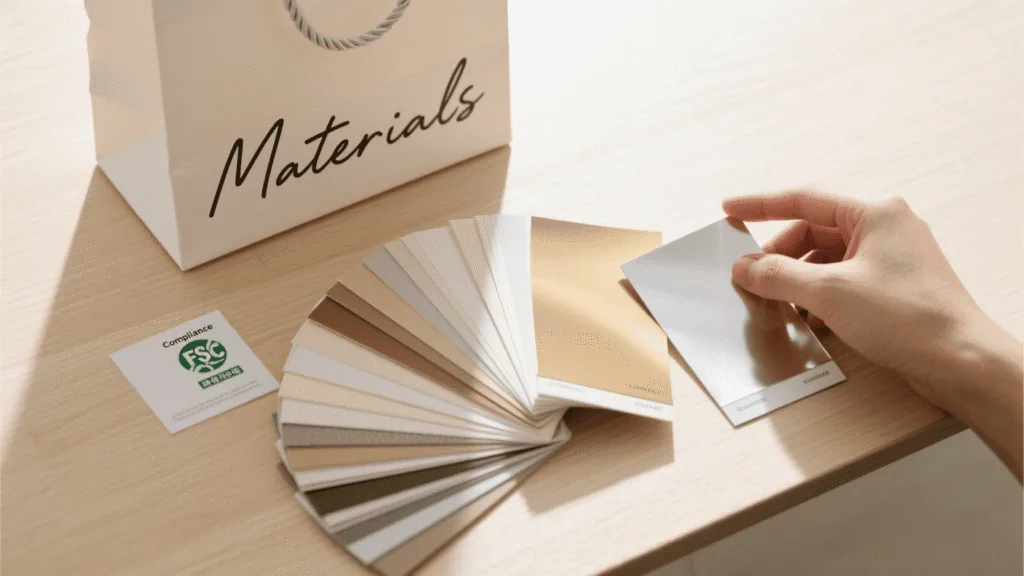
Choosing the Right Material and Coating for Coated Paper Bags
You need beautiful retail bags, but the options are overwhelming. Choosing the wrong material or finish can result in wasted budget, damaged products, and packaging that fails to represent your brand’s quality.
To create the perfect coated paper bag, select a base material like C1S, C2S (Art Paper), or Kraft Paper based on your needs, choose a coating or finish that balances aesthetics, durability, and sustainability, and verify that your supplier meets all key environmental and safety compliance standards. As packaging technology advances, sustainable options such as aqueous and bio-based coatings are also becoming increasingly important.
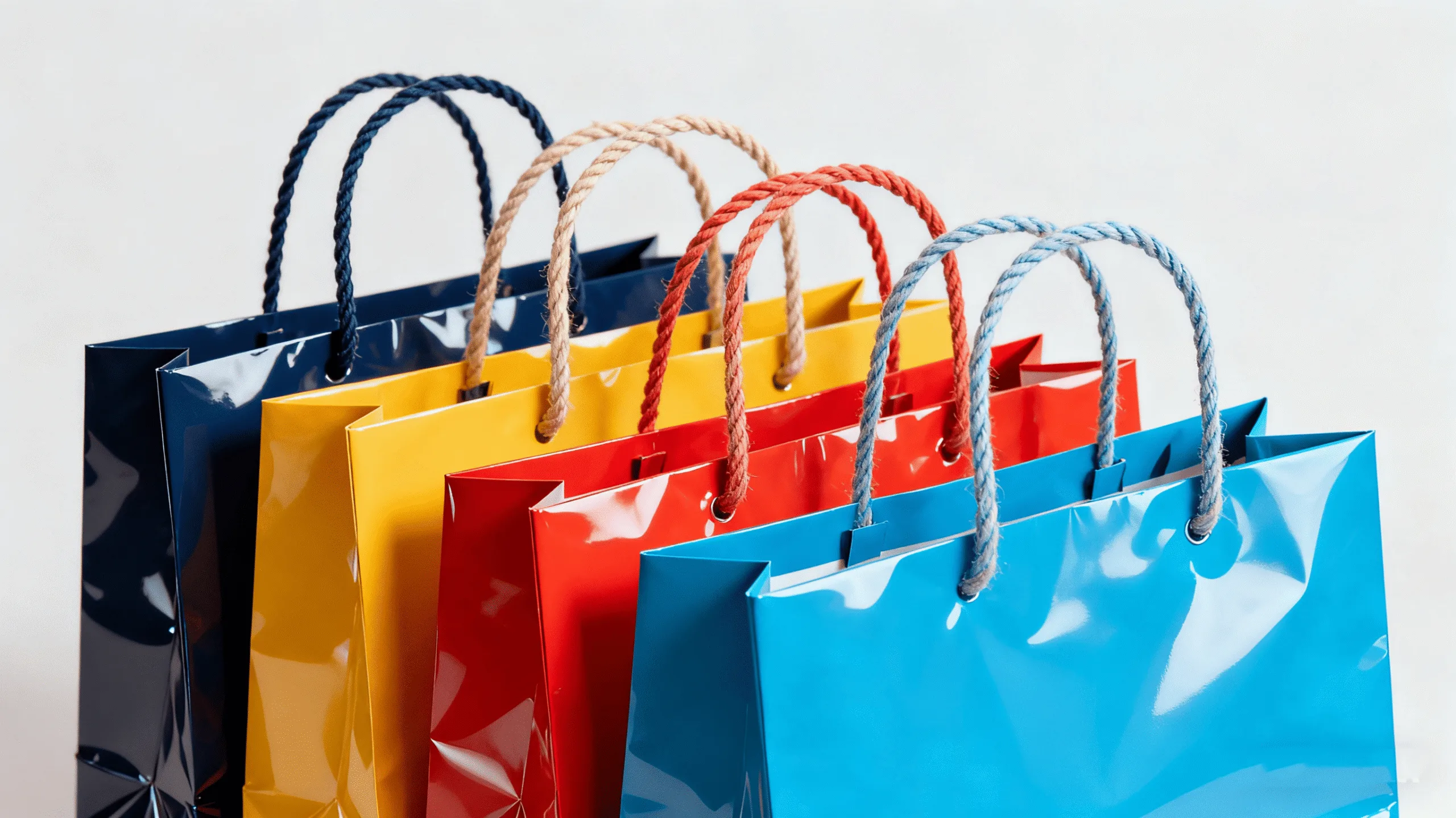
Making the right choices for your packaging is fundamental. I remember working with a new luxury chocolate brand years ago. They were laser-focused on the candy but treated the packaging as an afterthought. They chose a standard, uncoated paper to save money on their first run of food packaging. When the samples arrived, the natural oils from the chocolates had seeped through the paper, creating unsightly grease spots. Their premium product suddenly looked cheap and poorly made. This experience taught me a valuable lesson: the bag isn’t just a container; it’s part of the product experience. Getting the material and coating right from the start protects your product and your brand.
What Are the Best Paper Materials for Your Retail Bags?
Your current bags feel flimsy and cheap, or you’re overpaying for material that’s stronger than you need. You’re losing money and failing to impress customers because you can’t match the paper to the product.
Select the best material by understanding the differences between C1S, C2S (Art Paper), and Kraft Paper. Then, choose the appropriate paper weight (GSM) to balance cost, strength, print quality, and the premium feel your brand requires.
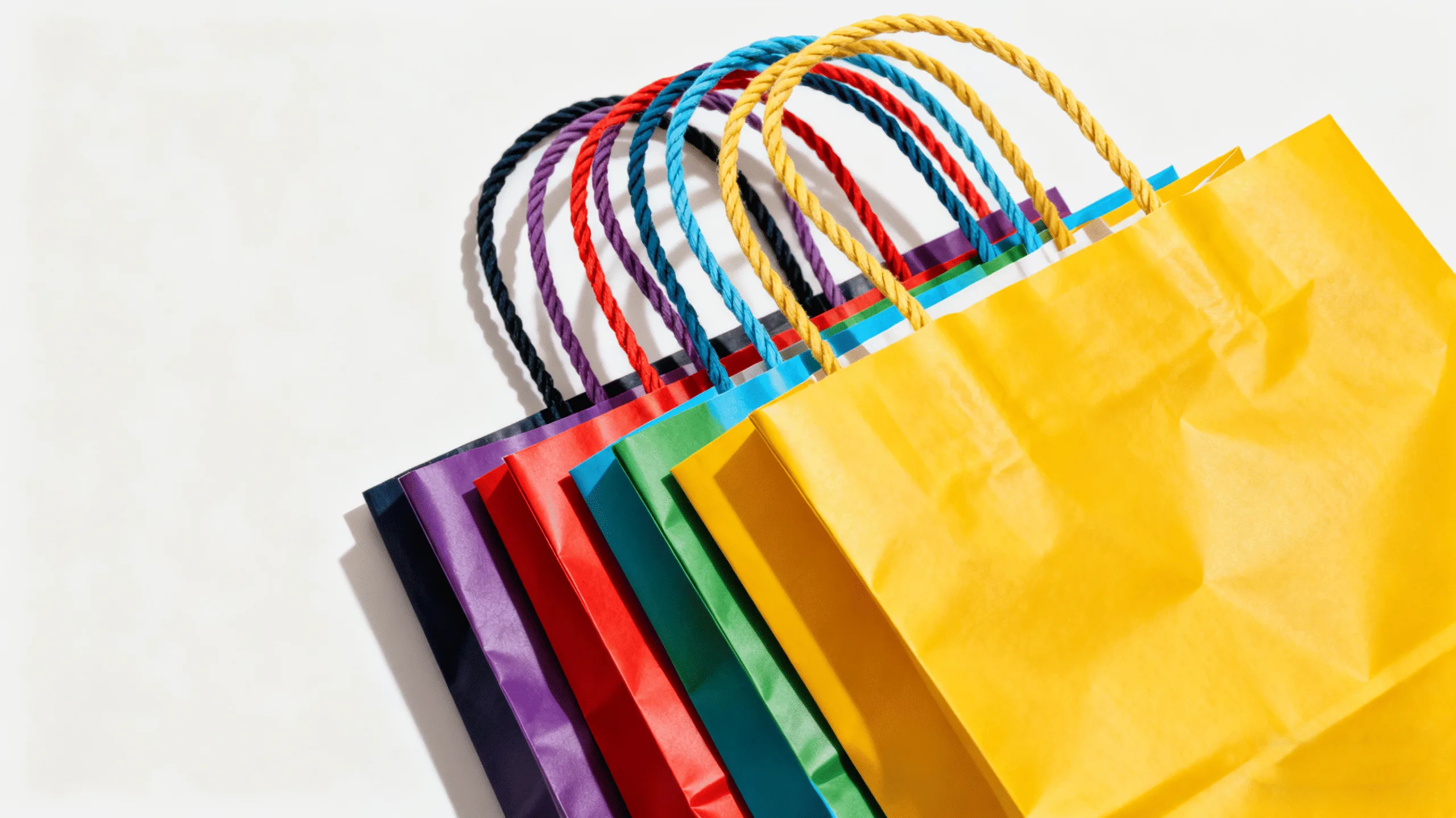
The foundation of any great coated paper bag is the paper itself. The type and weight you choose will dictate everything from print quality to durability and perceived value. It’s a decision that should be directly influenced by what you’re putting inside the bag and the brand image you want to project. For a high-end jewelry packaging solution, a customer expects a bag that feels substantial and luxurious. For a fast-fashion apparel brand, the focus might be more on vibrant printing and cost-effectiveness. Understanding the core paper options is the first step in making an informed decision.
Coated vs. Uncoated Papers
The primary distinction is the presence of a coating applied at the paper mill. Coated papers have a layer of clay or other polymer that fills in the tiny pits and fibers of the paper’s surface. This creates a smoother, less porous surface that is ideal for crisp, high-resolution printing. Uncoated papers1, like standard copy paper, have a more natural, textured feel and are more absorbent. For retail bags where brand imagery and color vibrancy are key, coated papers are almost always the superior choice.
Common Paper Types and Weight (GSM)
Paper weight is measured in Grams per Square Meter (GSM). A higher GSM means a thicker, heavier, and generally more durable paper.
| Paper Type | Print Quality | Feel & Appearance | Common GSM | Best For |
|---|---|---|---|---|
| C1S (Coated One Side) | Excellent | Smooth on the outside for printing, uncoated on the inside. | 170 – 250 GSM | High-end retail, cosmetics, electronics where a premium exterior is key. |
| C2S (Art Paper) | Superior | Smooth and coated on both sides for a consistent finish inside and out. | 157 – 300 GSM | Luxury goods, gift bags, and when interior printing is desired. |
| Kraft Paper | Good (with limitations) | Natural, rustic, and strong. Comes in brown or bleached white. | 100 – 200 GSM | Eco-conscious brands, heavier items, and achieving an organic look. |
Choosing the right GSM is a balancing act. A 157 GSM C2S paper might be perfect for a small, lightweight cosmetic item, but for a heavy winter coat, you’d want to go up to at least 250 GSM to ensure the bag doesn’t tear. As a manufacturer, we help clients navigate this choice, often providing samples so they can feel the difference firsthand. It’s about finding that sweet spot between necessary strength, desired feel, and budget.
How Do Coatings and Finishes Transform Your Coated Paper Bag?
Your retail bag looks dull and blends in with the competition. It lacks the "wow" factor that makes a customer feel they’ve purchased something special, diminishing the perceived value of your product.
Elevate your bag by choosing the right coating or finish. Traditional matte and gloss lamination provide proven protection and visual appeal, while soft-touch finishes, Spot UV, aqueous coatings, and emerging bio-based technologies offer additional ways to improve performance, sustainability, and brand differentiation.
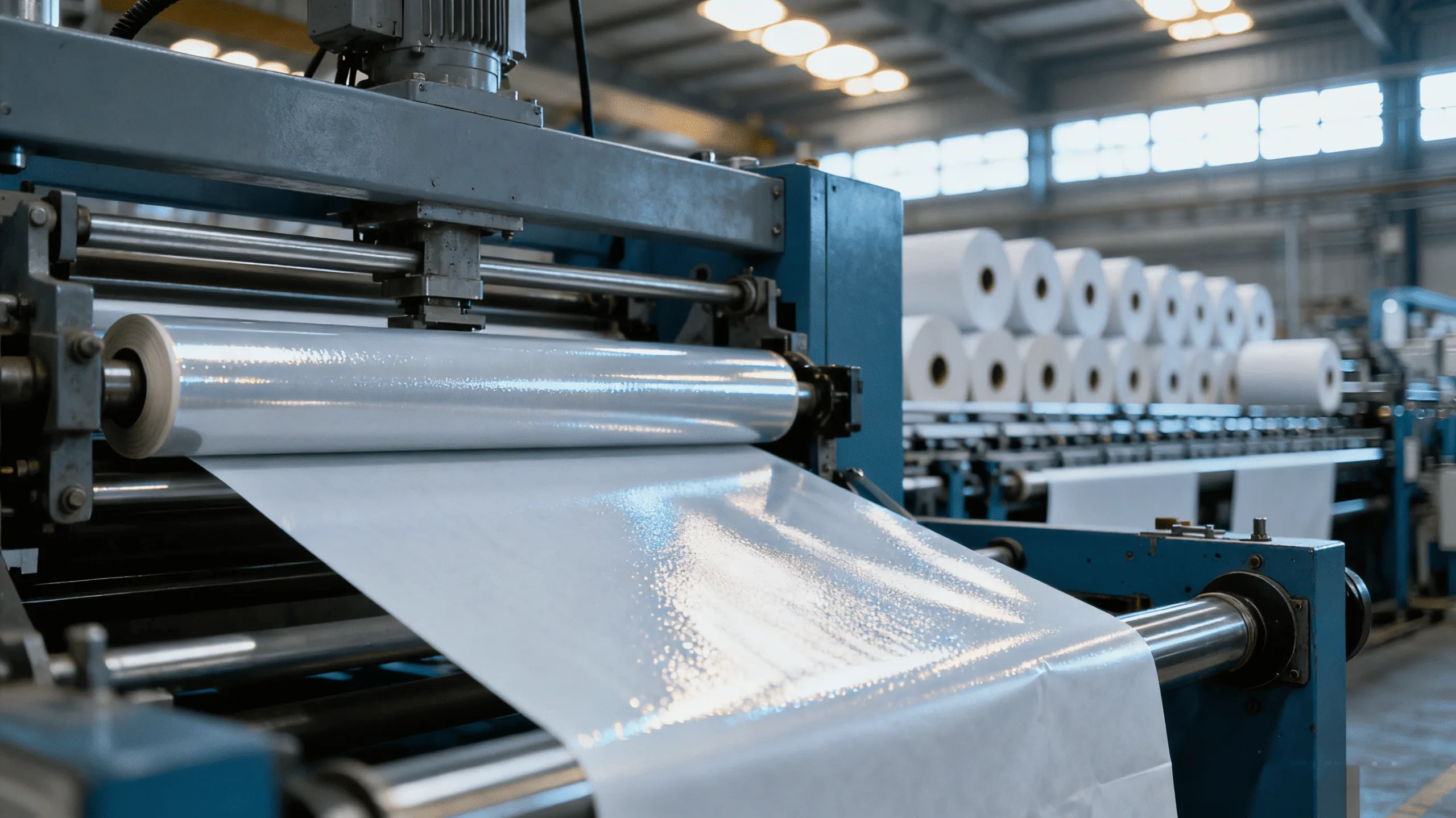
The coating or finish is where you can truly differentiate your brand. It’s the first thing a customer touches and sees up close. This is your opportunity to move beyond a simple printed bag and create a memorable sensory experience. A few years back, we were working with a client on their cosmetic packaging. Their design was elegant, but on standard gloss paper, it just didn’t pop. I suggested we try a sample with a soft-touch lamination. When the client held it, their reaction was immediate. The velvety, suede-like texture instantly conveyed the luxury and quality of the skincare products inside. They understood that the finish wasn’t just a cost—it was an investment in their brand’s story. That small change transformed the entire unboxing experience.
Lamination: Your First Line of Defense and Style
Lamination involves applying a thin plastic film to the paper after printing. It offers excellent protection against moisture and scuffing while dramatically changing the bag’s look and feel.
- Gloss Lamination1: Creates a shiny, high-impact look that makes colors appear more vibrant. It’s easy to clean and very durable, making it a popular and cost-effective choice.
- Matte Lamination: Provides a sophisticated, non-reflective finish. It offers a more subtle and elegant appearance, though it can be more susceptible to showing fingerprints or scratches than gloss.
- Soft-Touch (or Velvet) Lamination: This is a premium matte finish that has a unique, velvety texture. It creates an immediate tactile appeal that signals luxury and high quality.
Traditional PE and PP lamination remain useful when maximum durability, water resistance, and a premium finish are the main priorities. However, because plastic films can make paper packaging more difficult to recycle, brands focused on sustainability are increasingly considering alternative coating technologies.
Varnishes and Special Finishes: Adding Depth and Focus
Unlike lamination, which covers the entire surface, varnishes can be applied to the whole sheet or just to specific areas (Spot UV).
- UV Varnish: A liquid coating cured with ultraviolet light. It can be gloss or matte and provides good protection.
- Spot UV2: This is a powerful design tool. By applying a high-gloss UV varnish to specific elements of a design—like your logo or a pattern—on top of a matte lamination, you create a stunning contrast in both texture and sheen. It draws the customer’s eye exactly where you want it to go.
Combining these finishes, like a soft-touch lamination with a Spot UV logo, is how you create packaging that people don’t want to throw away.
What Innovative Coating Technologies Are Shaping the Future of Paper Bags?
Traditional plastic lamination is no longer the only way to achieve moisture resistance, durability, and a premium appearance. As brands face increasing pressure to reduce plastic use, coating technology is moving toward solutions that combine performance with better recyclability or compostability.
Emerging technologies include bio-based coatings such as PLA and PHA, advanced aqueous coatings, and functional coatings designed for specific applications. These technologies can provide protection and premium finishes while helping brands move toward more sustainable packaging strategies.

Bio-Based and Compostable Coatings
Bio-based coatings are an emerging alternative to petroleum-based plastic films. Materials such as PLA (Polylactic Acid), derived from plant-based sources, and PHA (Polyhydroxyalkanoates), produced through microbial fermentation, can be applied to paper to provide water resistance and durability.
Under the appropriate industrial composting conditions, certified compostable coatings can break down into natural elements. However, composting infrastructure varies by region, so brands should verify the relevant certification and disposal requirements before making compostability claims.
Advanced Aqueous Coatings
Aqueous, or water-based, coatings are applied as a liquid layer and then dried onto the paper rather than using a separate plastic film. They can provide protection while maintaining the paper’s ability to enter conventional recycling streams, depending on the specific formulation and local recycling requirements.
Modern aqueous coatings are also much more versatile than earlier versions. In addition to gloss and satin finishes, manufacturers can develop matte, soft-touch, and functional coatings with properties such as moisture or grease resistance. This makes aqueous coatings particularly interesting for brands that want a premium appearance without relying on traditional plastic lamination.
Functional and Smart Coatings
Some emerging coatings are designed for performance rather than appearance alone. Food-related packaging may use specialized grease-resistant or antimicrobial coatings, while packaging for sensitive products may require properties such as anti-static protection.
The next stage is the development of smart packaging technologies. Depending on the application, coatings and printed surfaces can work alongside features such as QR codes, NFC technology, or thermochromic inks to support product authentication, marketing, customer interaction, or temperature-related information.
These technologies are still application-specific, so the right choice depends on the product, performance requirements, disposal system, and target market.
| Coating Type | Key Benefit | Best For | Recyclability |
|---|---|---|---|
| Traditional PE/PP Lamination | High durability, water resistance | Heavy items, luxury finishes | More challenging; plastic film may require separation |
| Bio-Based Coatings (PLA/PHA) | Plant-derived, potentially compostable | Eco-conscious brands, selected food applications | Depends on certification and composting conditions |
| Aqueous Coatings | Versatile, paper-compatible protection | Retail, e-commerce, food packaging | Generally favorable; depends on coating and local recycling systems |
| Functional/Smart Coatings | Specific performance or customer engagement | Food safety, sensitive products, interactive packaging | Varies by technology |
How Do You Ensure Your Coated Paper Bags Meet Compliance Standards?
You’re worried about hidden risks. Sourcing bags without understanding compliance could lead to your products being pulled from shelves, facing fines, or damaging your brand’s reputation with environmentally-conscious consumers.
Ensure compliance by partnering with a certified supplier who can provide documentation for environmental standards like FSC and safety regulations for inks, coatings, and glues, especially for products intended for food or children. For newer sustainable materials, also verify the exact certification and disposal requirements rather than relying on general "eco-friendly" claims.
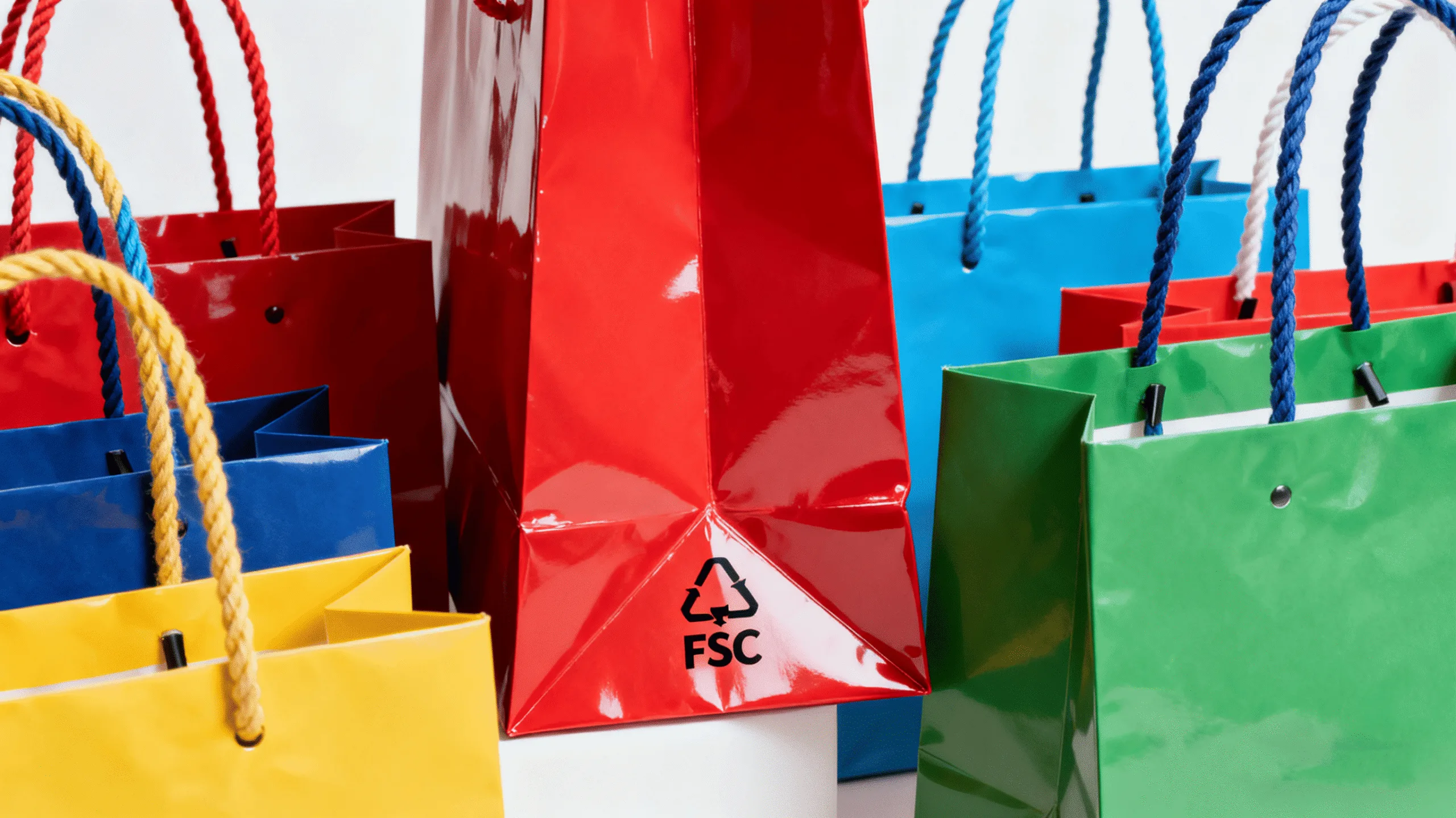
Compliance is the invisible foundation of good packaging. It’s not the most glamorous part of the process, but it is absolutely essential for protecting your business and building trust with your customers. In today’s market, consumers are more informed than ever. They care where their products come from, and that scrutiny extends to the packaging. A claim of being "eco-friendly" is no longer enough; you need the credentials to back it up. Furthermore, product safety regulations are strict and non-negotiable. As the CEO of a global packaging exporter, navigating these complex requirements is a core part of our service at Yiwu Omet Packaging. We ensure our clients’ packaging is not only beautiful but also responsible and safe for market.
Environmental Compliance: Building a Green Reputation
The most recognized standard for paper products is the Forest Stewardship Council (FSC) certification. An FSC logo on your bag is a clear signal to consumers that the paper was sourced from forests that are managed responsibly. A 2021 study showed that 80% of consumers want to see brands use packaging that is environmentally friendly Source: Trivium Packaging Global Buying Green Report. Choosing an FSC-certified supplier is one of the most credible ways to meet this consumer demand and demonstrate your brand’s commitment to sustainability.
For sustainable coatings, compliance requires more than simply selecting a material described as recyclable or compostable. Brands should confirm the relevant certification, intended disposal environment, and compatibility with their target market’s recycling or composting infrastructure.
Product Safety Compliance: Protecting Your Customers
If your bag will be used for food packaging or is intended for products aimed at children, safety compliance is paramount. Regulations vary by region, but they generally govern the chemical composition of the materials used. This includes:
- Food-Safe Inks and Adhesives1: Inks and glues must be certified to not migrate harmful substances into the food they may come into contact with.
- Heavy Metal Content: Regulations like the EU’s REACH (Registration, Evaluation, Authorisation and Restriction of Chemicals) set strict limits on heavy metals like lead and cadmium in consumer products and packaging.
- Coating Safety: Any functional, aqueous, or bio-based coating used for a specific application should be evaluated against the relevant safety and regulatory requirements for that market.
Working with a supplier who understands and adheres to these global standards is non-negotiable. A supplier with certifications like BSCI (Business Social Compliance Initiative) also demonstrates a commitment to ethical labor practices in their factories, adding another layer of trust and responsibility to your supply chain.
How Are Market Trends Shaping the Future of Coated Paper Bags?
Packaging technology is evolving quickly, and sustainability is becoming a stronger factor in purchasing decisions. At the same time, e-commerce is increasing the need for packaging that can withstand transportation while still creating a premium customer experience.
The future of coated paper bags will be shaped by three major forces: consumer demand for sustainable packaging, e-commerce growth, and increasing regulatory pressure on single-use plastics. Brands that consider these factors when selecting materials and coatings can build packaging strategies that remain competitive as the market evolves.

The Unstoppable Drive for Sustainability
Sustainability is one of the most significant drivers of packaging innovation. Consumers increasingly pay attention to the environmental impact of products and their packaging, making material selection part of the overall brand story.
For brands that want to reduce plastic use, the choice may involve switching from traditional lamination to aqueous coatings, evaluating certified bio-based alternatives, or reducing unnecessary packaging layers. The important point is to balance environmental goals with the actual performance requirements of the product.
The Influence of E-commerce
The boom in online shopping has created new demands for packaging. E-commerce packaging has two primary jobs: protect the product during a rough shipping journey and deliver a memorable "unboxing" experience at home. High-quality coated paper bags2 are well suited to these requirements because they can provide greater resistance to moisture, scuffing, and handling than uncoated paper while maintaining a strong visual and tactile presentation.
As brands look for ways to stand out in a crowded online marketplace, the unboxing experience has become a key differentiator. The right combination of paper, coating, printing, and finishing can help a relatively simple paper bag become part of that experience.
Regulatory Pressures and Global Standards
Governments and markets around the world are increasingly addressing single-use plastics. This is encouraging brands and retailers to investigate paper-based alternatives and coatings that support recycling or composting goals.
Furthermore, certifications such as FSC are becoming increasingly important for major retailers and sustainability-conscious buyers. Sourcing FSC-certified paper3 and selecting appropriate eco-friendly coatings can help brands strengthen their supply chain and prepare for changing market expectations.
| Market Driver | Impact on Coated Paper Bag Design | Business Opportunity |
|---|---|---|
| Consumer Demand for Sustainability | Shift toward aqueous and bio-based coatings, with greater focus on recyclability | Build brand loyalty with eco-conscious consumers |
| E-commerce Growth | Need for durability, scuff resistance, and premium unboxing feel | Create a memorable direct-to-consumer experience |
| Regulatory Plastic Restrictions | Increased demand for paper-based and recyclable solutions | Prepare for changing market requirements |
| Coating Technology Innovation | More functional and sustainable alternatives to traditional lamination | Differentiate products through performance and material innovation |
Conclusion
Choosing the right coated paper bag comes down to several connected decisions: selecting the right paper material and weight, choosing a coating that delivers the required appearance and protection, considering emerging sustainable technologies, and ensuring the finished packaging meets critical compliance standards.
Traditional lamination and premium finishes remain valuable for applications where durability and appearance are the priority, while aqueous and bio-based technologies are creating new possibilities for brands seeking lower-impact alternatives. By balancing product requirements, brand positioning, sustainability goals, and market regulations, your retail bag becomes more than a carrier—it becomes a powerful brand ambassador and a future-ready part of your packaging strategy.
Ready to create retail packaging that stands out for all the right reasons? Contact us today for a design consultation.
For more on packaging production, read our Supply Chain Playbook: Sourcing, MOQ, Lead Times and Quality Checks for Coated Paper Bags.
FAQ
What is GSM in paper, and why is it important for retail bags?
GSM stands for Grams per Square Meter. It’s a measurement of paper density and weight. A higher GSM means thicker, heavier, and more durable paper. It’s important for ensuring your bag has the right strength for your product and conveys the desired level of quality to the customer.
Is gloss or matte lamination better for my brand?
It depends on your brand identity. Gloss lamination offers a shiny, vibrant, and durable finish that makes colors pop. Matte lamination provides a more subtle, sophisticated, and modern look. For luxury brands, a matte or soft-touch finish often feels more premium.
Are aqueous coatings a good alternative to plastic lamination?
They can be. Modern aqueous coatings can provide gloss, matte, soft-touch, moisture, and even grease-resistant properties while generally maintaining better compatibility with paper recycling than traditional plastic films. The exact performance and recyclability depend on the coating formulation and local recycling requirements.
Are bio-based coatings as durable as traditional plastic lamination?
They can provide strong moisture resistance and durability for many applications, but performance depends on the specific bio-based material, coating thickness, and intended use. The right solution should be selected based on the product’s actual protection requirements rather than assuming all bio-based coatings perform identically to traditional PE or PP films.
How much more expensive are sustainable coating technologies?
Some emerging technologies may have a higher initial cost, while more established aqueous coatings can be relatively cost-competitive. The best comparison should consider the total packaging cost, including performance, brand positioning, sustainability requirements, and potential regulatory considerations.
What is the easiest sustainable upgrade a small business can make to their paper bags?
Switching from traditional plastic lamination to a suitable aqueous coating can be one of the most straightforward upgrades. It can provide a premium finish such as matte, gloss, or soft-touch while offering a more paper-compatible solution. Before making the change, confirm that the coating meets the bag’s required durability and the recycling requirements of your target market.
What should I consider when choosing a coating for my paper bags?
Start with the product inside the bag and identify the required level of moisture, grease, scuff, and tear resistance. Then consider the desired appearance, tactile experience, sustainability goals, recycling or composting requirements, and applicable safety regulations. This approach helps you select a coating based on actual performance needs rather than choosing a finish based only on appearance.
-
This resource will help you understand the critical role of food-safe materials in ensuring consumer safety. ↩ ↩ ↩
-
Learn how coated paper bags can improve product protection and enhance the unboxing experience for customers. ↩ ↩
-
Discover the significance of FSC certification in ensuring sustainable sourcing and compliance with global standards. ↩