
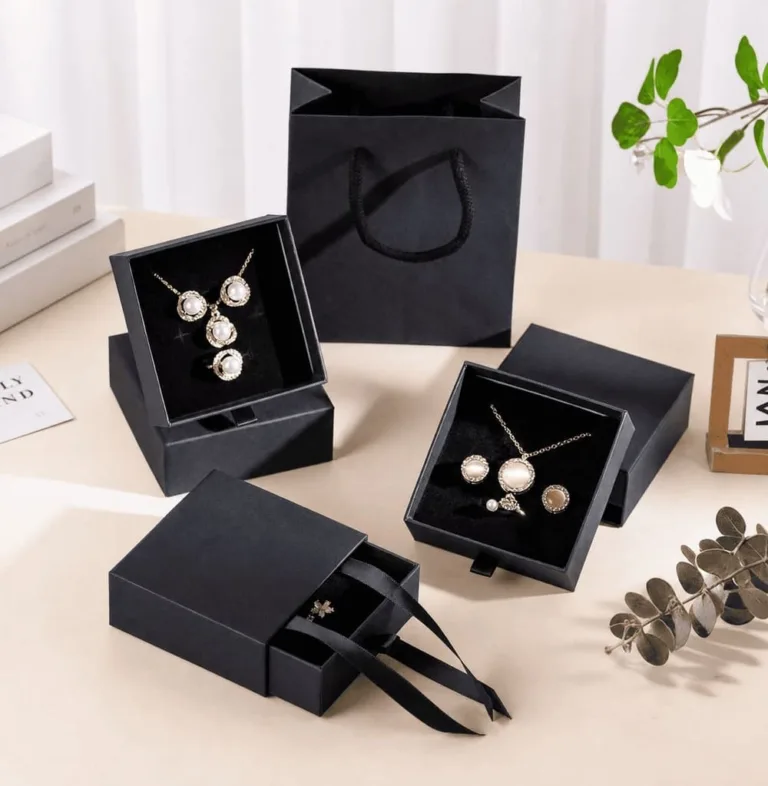
Rigid Drawer Gift Boxes
Intended for jewelry, watches, fragrances, premium cosmetics, electronics, and presentation sets where defined edges, structural stiffness, and long-term storage support the product’s positioning.
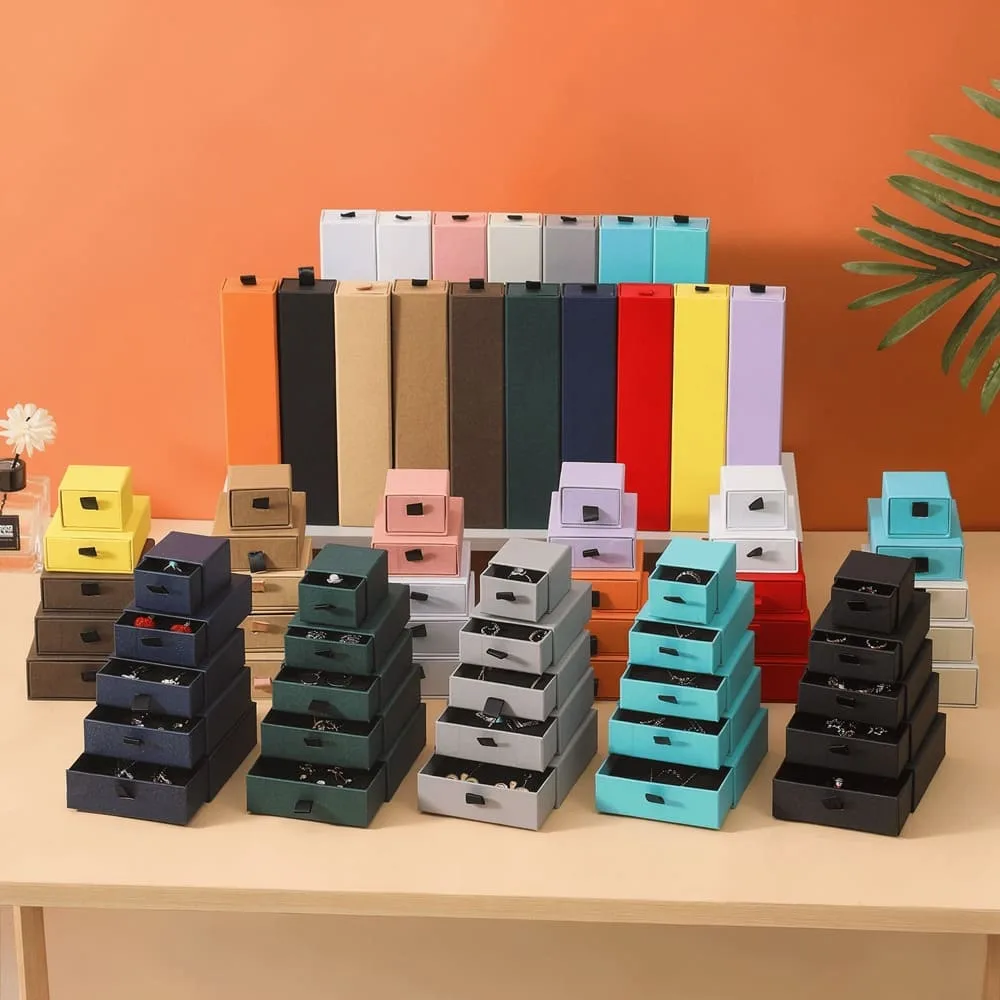
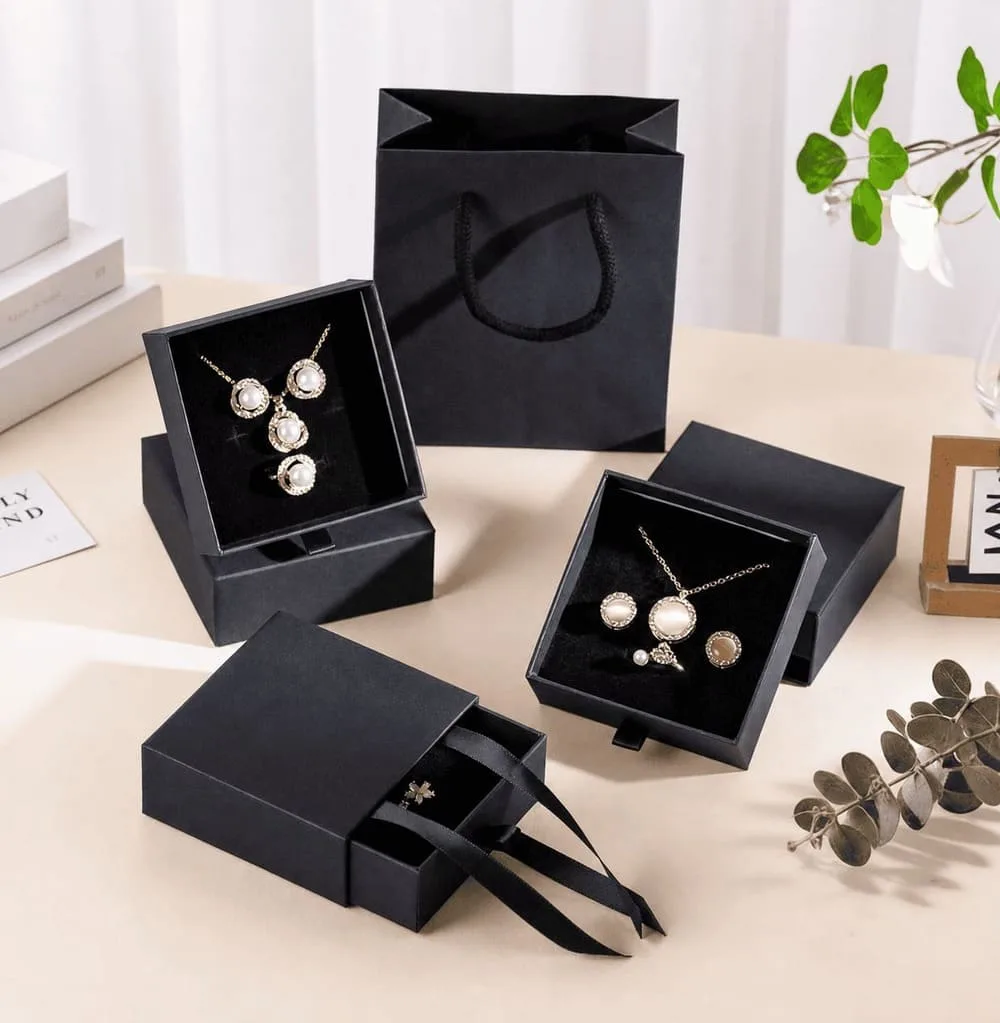
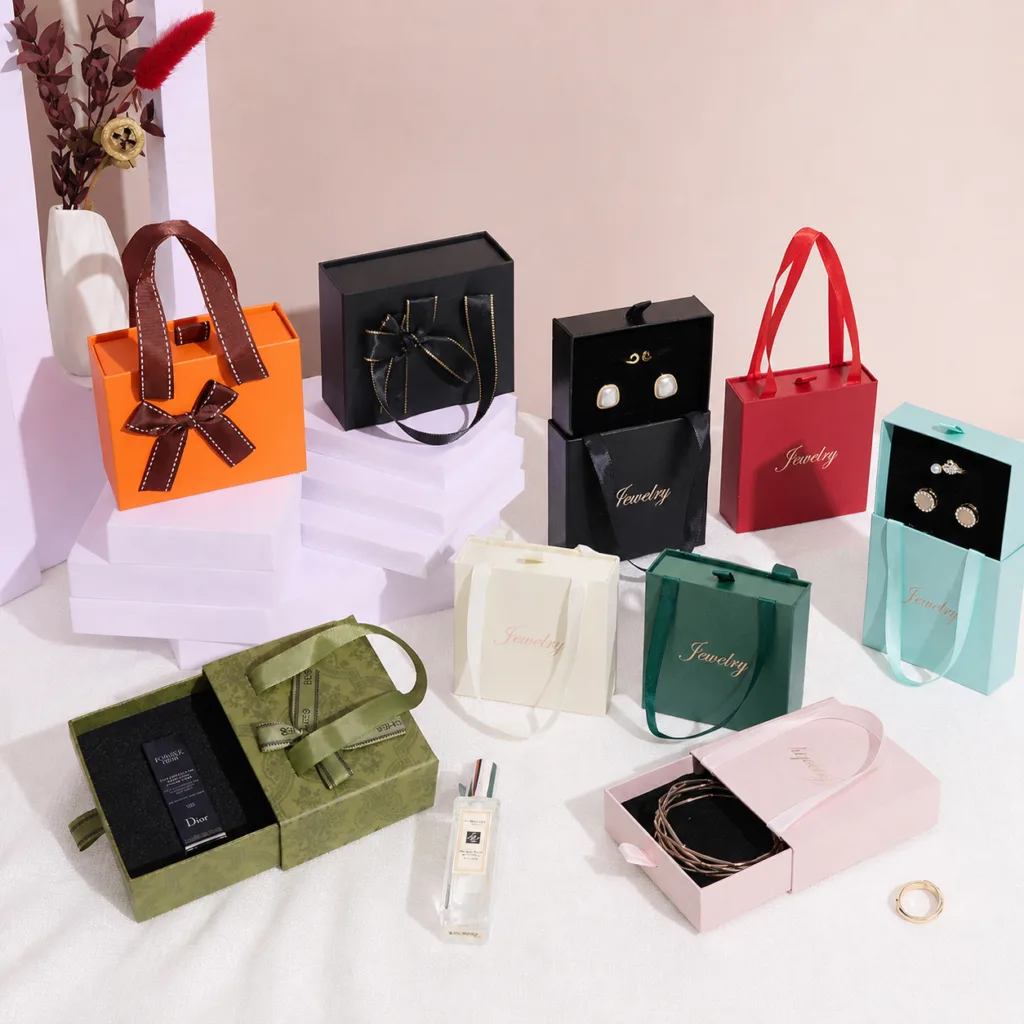
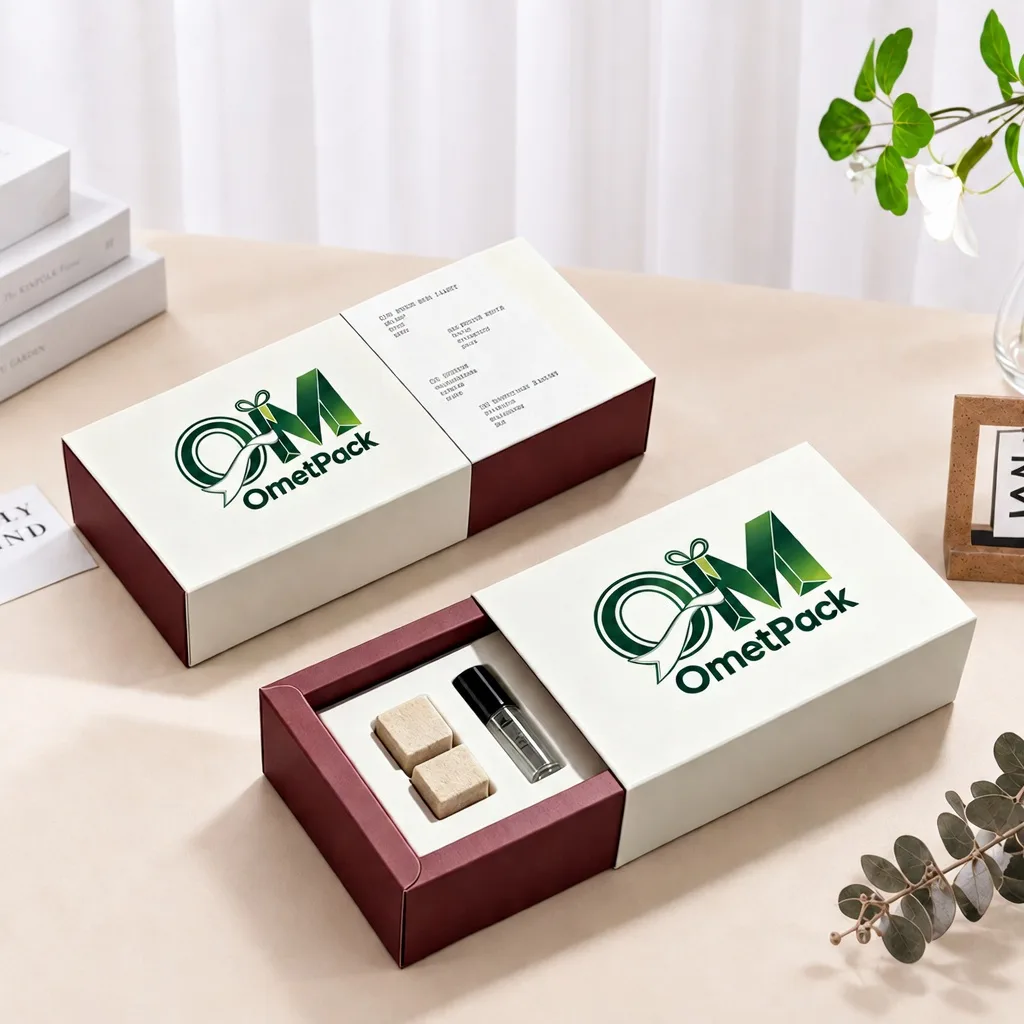
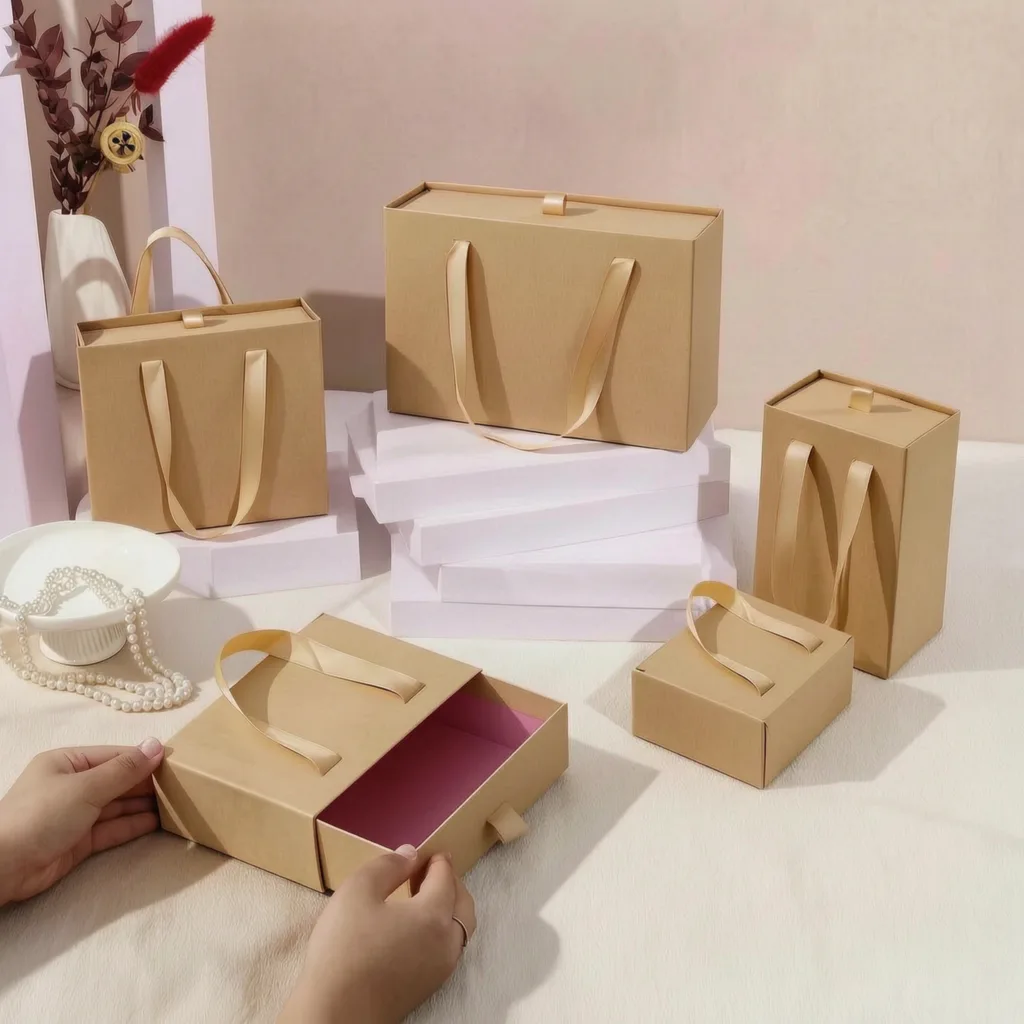
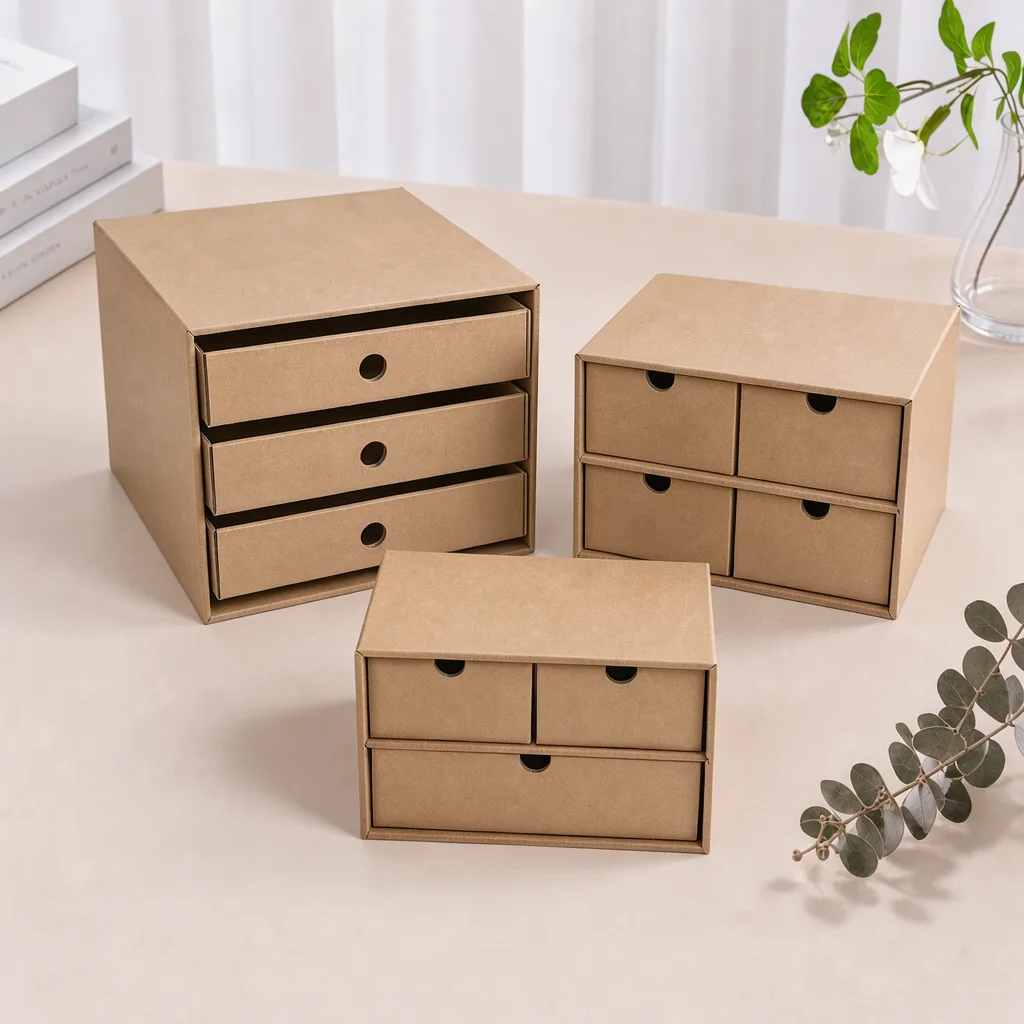
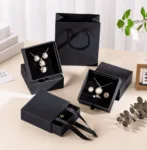
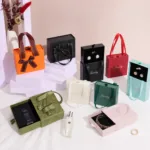
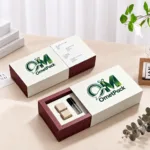

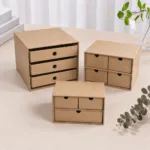
Packaging buyers for jewelry, cosmetics, electronics, confectionery, and gift sets need a premium opening experience without compromising product restraint or repeatable quality. Custom drawer boxes, also known as slide-out boxes or matchbox boxes, combine a fitted inner tray with a printed outer sleeve to create controlled access and organized presentation. Omet Pack coordinates structural development, printing, die-cutting, wrapping, finishing, and inspection at its Yiwu factory for streamlined B2B sourcing.
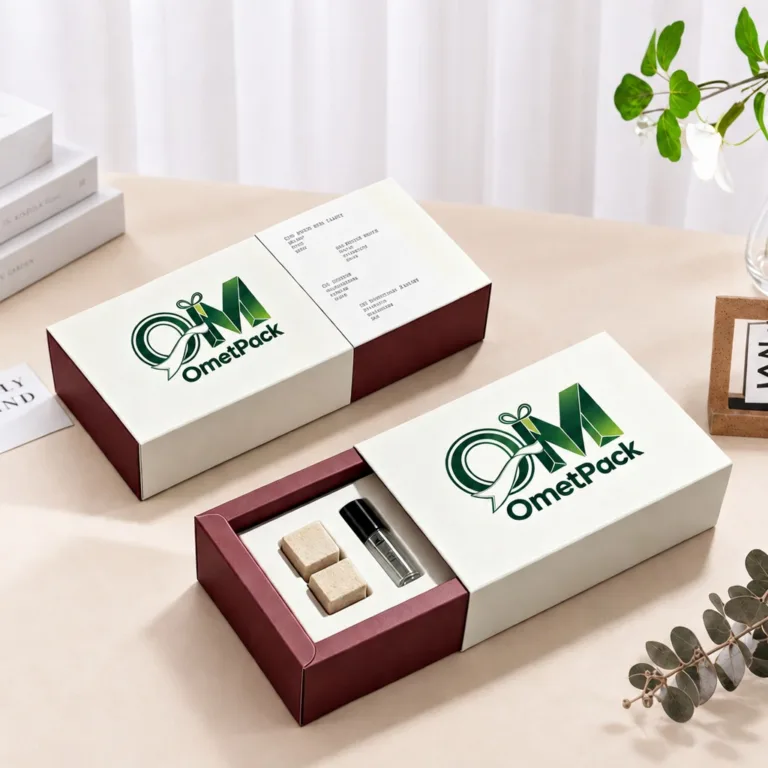
In paper packaging, drawer boxes are two-piece containers made from wrapped rigid board or folding paperboard, with an inner tray that slides into a fitted outer sleeve. Unlike furniture drawer boxes, they do not use wood joinery or hardware tracks. Also called slide-out boxes or matchbox boxes, they offer controlled access, reclosure, and insert compatibility for jewelry, cosmetics, confectionery, electronics, apparel accessories, and gift sets.
Standard specifications & options
| Specification | Details |
|---|---|
| Structural Components | A separate inner tray and close-fitting outer sleeve manufactured as a matched set. |
| Rigid Construction |
Commonly uses approximately 1–3 mm greyboard wrapped with printed, kraft, uncoated, or specialty paper; the final caliper depends on size and load. |
| Folding Construction | Commonly uses approximately 300–450 gsm folding paperboard, subject to tray depth, product weight, and structural design. |
| Wrapping Paper | Typical project ranges include approximately 120–157 gsm, with suitability confirmed according to wrapping geometry and finish. |
| Printing Methods | Offset, digital, flexographic, or screen printing can be considered according to substrate, artwork, color requirements, and production conditions. |
| Surface Finishes |
Varnish, matte or gloss lamination, foil stamping, spot UV, embossing, and debossing are available where material and structure permit. |
| Opening Methods |
Ribbon pull, reinforced paper tab, thumb notch, or exposed tray edge, selected according to packed weight and opening frequency. |
| Insert Compatibility |
Die-cut paperboard, molded pulp, foam, EVA, or thermoformed inserts can be evaluated against protection and material objectives. |
| Dimensional Allowances |
Finished sizing accounts for board caliper, wrap buildup, adhesive, finish, insert dimensions, and required sliding movement. |
| Supply Format | Wrapped rigid drawer boxes are usually supplied assembled; selected folding-paperboard designs can be supplied flat for on-site assembly. |
Overview
Drawer packaging is most commercially relevant when presentation begins before the product is fully visible. A jewelry collection can remain aligned at the retail counter, a cosmetics set can reveal its components in sequence, and an electronic accessory can stay organized after purchase. Compared with a conventional tuck-end carton, a drawer box generally creates a more substantial interaction and offers greater reuse potential. Compared with a magnetic hinged box, it can use fewer non-paper components when designed without magnets, although it does not provide the same wide-open display.
Drawer Boxes Decision Guide
| Decision factor | Recommended choice | Trade-off |
|---|---|---|
| Premium gifting experience | Wrapped rigid construction | Higher material use and storage volume |
| Lightweight retail product | Folding paperboard construction | Lower stiffness and reuse potential |
| Fragile or multi-part contents | Product-specific fitted insert | Additional development and packing steps |
| Parcel or e-commerce distribution | Positive retention and an outer shipper | More secondary material and pack-out work |
| Repeated consumer opening | Reinforced tray and durable pull method | Greater structural complexity |
| Paper-led material strategy | Paperboard or molded-pulp insert | May provide less cushioning than some foams |
| Dark full-bleed graphics | Sample-tested protective coating | May alter touch, color, cost, or recoverability |
The principal performance risk is often interaction between components rather than failure of a single material. A sleeve, tray, insert, and decorative finish may each appear acceptable separately but bind, scuff, or release unexpectedly after assembly and loading. Product weight, fit, surface resistance, compression, and transport behavior can therefore be tested against project-specific acceptance criteria.
At Omet Pack’s Yiwu factory, structural planning can be coordinated with printing, die-cutting, wrapping, finishing, and assembly. Approved dielines, material references, color targets, and fit samples can be documented to reduce ambiguity during repeat production.
Explore the variations and customization options below to match construction, insert, opening method, graphics, and finish to your product and distribution route.
Need a faster quote? Send size + quantity + ship to country.
Explore the different styles and configurations available for this product.
Explore all available customization options for your paper boxes
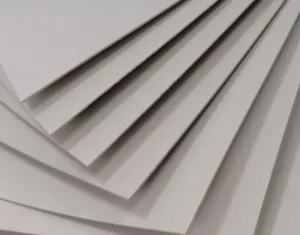
High-density board used for rigid boxes (setup boxes). Thickness is selected based on box footprint and rigidity target. Wrap paper choice and wrapping tension control final edge quality.
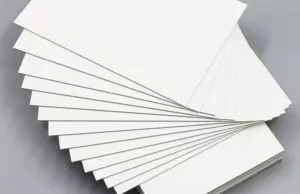
Paperboard for retail folding cartons (tuck-end boxes). Designed for die-cutting, creasing, and flat shipping—ideal for high-volume retail programs with clean printing and barcode needs.
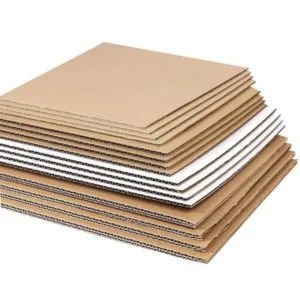
Corrugated structure for mailer boxes and shipping cartons. Flute selection balances crush resistance and print appearance.

Smooth wrap paper for crisp CMYK prints and high-saturation color. Commonly used as the outer wrap for rigid boxes or as a surface layer for premium folding cartons.
Recommended For: Luxury branding, full-color artwork, premium retail presentation
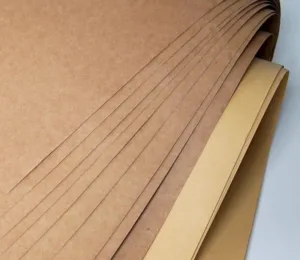
Natural kraft surface for eco positioning. Often used for folding cartons, sleeves, or as a wrap paper for rustic premium rigid boxes.
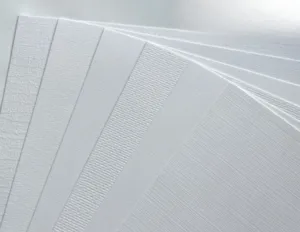
Linen/felt/laid-style textures and specialty stocks used to elevate tactile experience. Best paired with controlled finishing (foil, emboss) for premium effect.
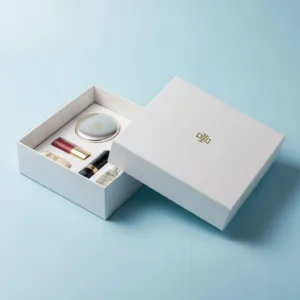
Classic setup box for premium presentation and reliable assembly. Best when you want clean structure and strong shelf presence without complex mechanisms.
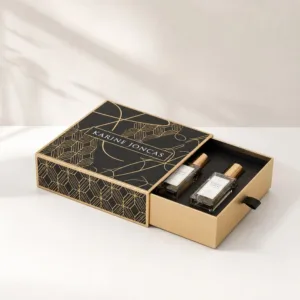
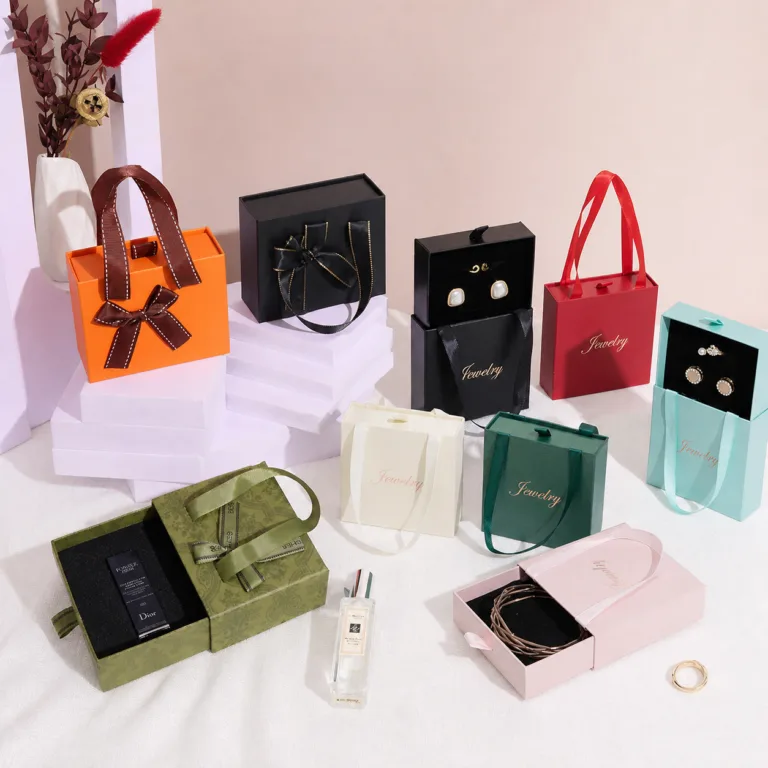
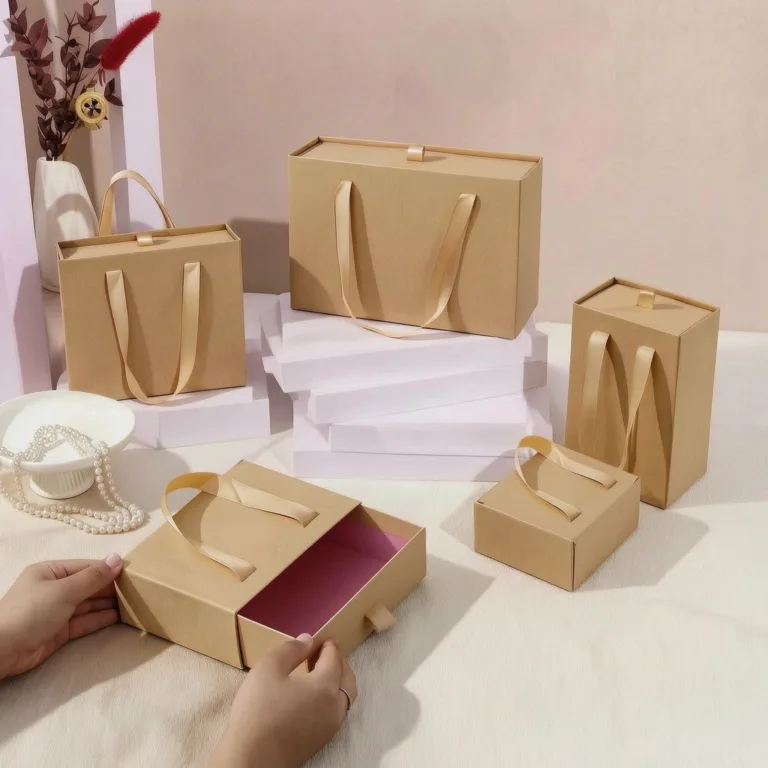
Modern sleeve-and-tray design featuring a smooth sliding mechanism with a ribbon pull or thumb notch. Best for protecting small valuables like jewelry and electronics in a sleek, interactive, and modern format.
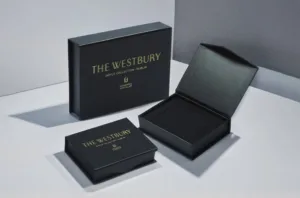
Premium hinged structure with hidden magnets for a satisfying high-end "click" closure. Ideal for luxury gift sets, PR kits, and reusable brand storage that adds lasting perceived value.
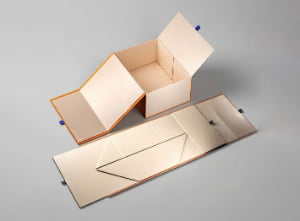
Engineered hinges and magnetic flaps provide rigid box quality with flat-shipping efficiency. The best solution for high-volume luxury orders where saving warehouse space and international freight cost is a priority.
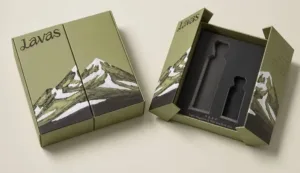
Theatrical rigid structure where two center panels open outward to unveil the product inside. Ideal for PR boxes, luxury launches, and brand storytelling moments that demand a dramatic unboxing experience.
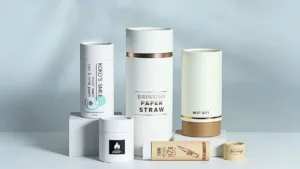
Rolled paperboard structure offering superior vertical crush resistance and a unique circular silhouette. Perfect for wine bottles, fragrances, or any premium product that benefits from a distinct, round shelf presence.
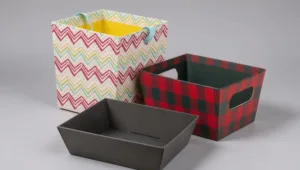
Open-top gift carrier with integrated handles, designed to mimic the aesthetic of a traditional hamper. A popular choice for seasonal gourmet food assortments, flower arrangements, and promotional hampers.
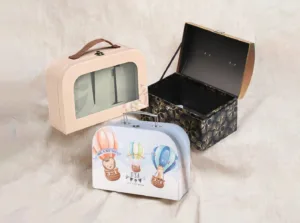
Playful, handle-top structure with strong "carry-out" appeal and a secure latch-style closure. Ideal for children's product sets, event giveaways, and seasonal gift kits that benefit from a "ready-to-carry" format.
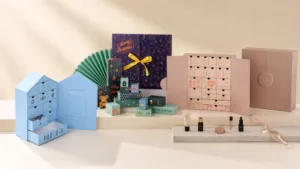
Complex multi-compartment structure featuring perforated windows for interactive daily reveals. Specifically designed for holiday promotions and seasonal beauty sets that require intricate engineering and high visual impact.
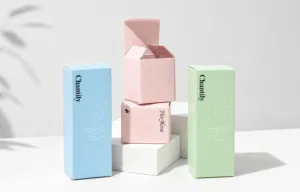
Lightweight, cost-effective paperboard carrier that ships completely flat and is optimized for high-speed filling. Best for high-volume retail runs in the cosmetics, food, and pharmaceutical sectors.
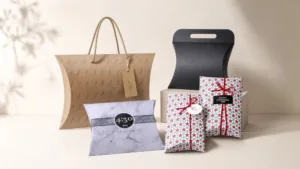
Elegant, geometric shape that ships 100% flat and pops into a curved, eye-catching silhouette in seconds. Best for lightweight items like scarves, jewelry, accessories, and cost-effective event favors.
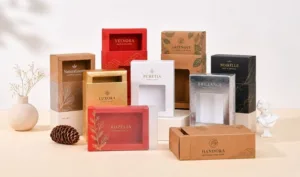
Clean, minimalist design featuring a sturdy inner tray and a fully printed decorative slide-on sleeve. Best for electronics and artisanal food kits where quick product access and a layered aesthetic are required.
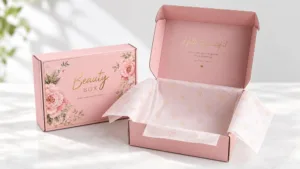
High-strength E-flute or B-flute structure with a self-locking design for maximum transit protection. The industry standard for DTC e-commerce and subscription brands seeking crush resistance without the need for external tape.
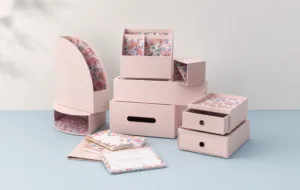
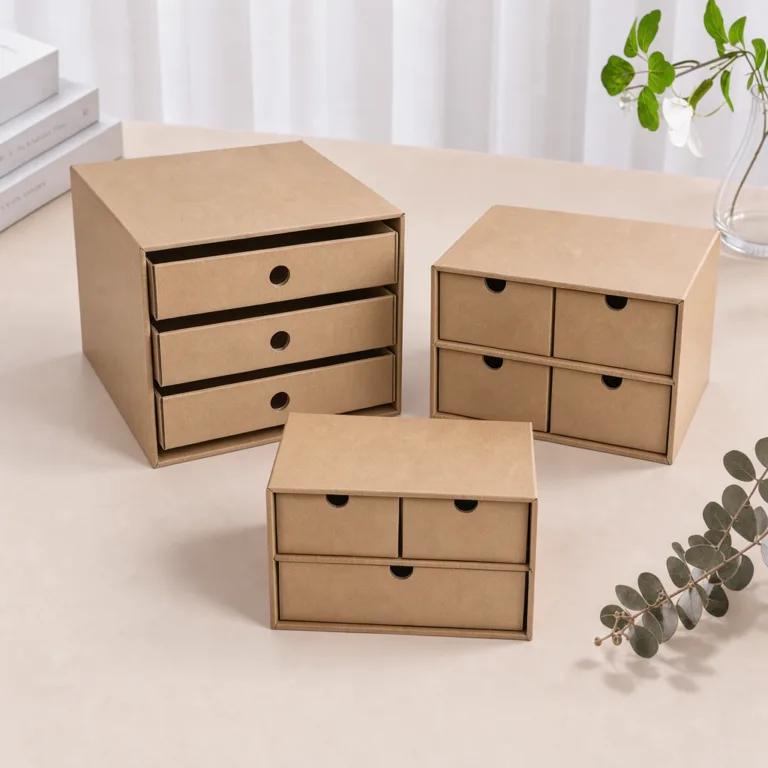
Durable multi-compartment rigid structure designed for long-term utility beyond the initial purchase. Best for extending brand exposure by turning high-quality packaging into a functional office or home accessory.
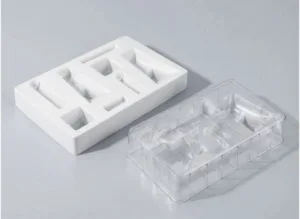
Thermoformed tray with product cavities. Strong positioning and visibility—commonly used for cosmetics and electronics.
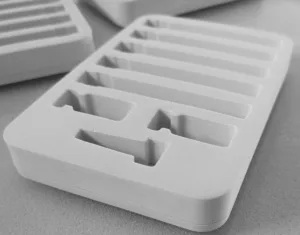
Thermoformed tray with product cavities. Strong positioning and visibility—commonly used for cosmetics and electronics.
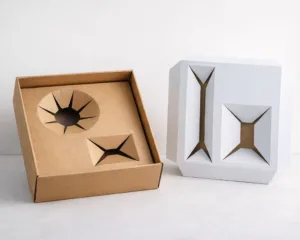
100% recyclable insert made from corrugated or cardstock. Best for brands with strict sustainability goals.
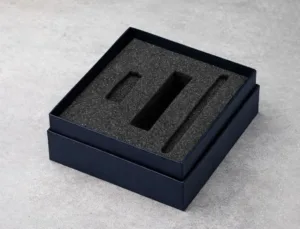
Soft cushioning for delicate items. Common in jewelry and small accessory packaging.
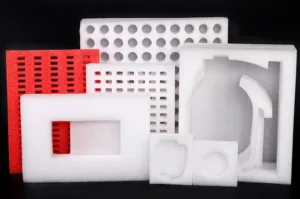
EPE Foam (Shipping Protection)
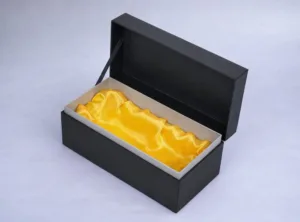
Fabric lining for ultra-premium unboxing. Best for high-end jewelry, fragrance, VIP gifting.
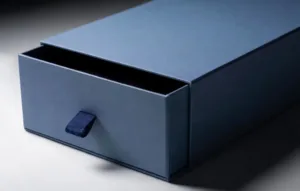
Functional opening aid and premium presentation. Ribbon length/color can be customized to match brand aesthetics.

Clear window for product visibility while maintaining protection. Common for food, toys, and display packaging.
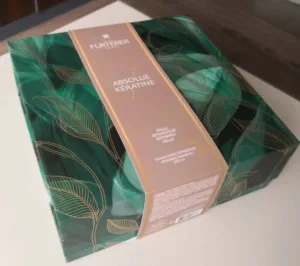
Extra branding layer or closure aid without adhesives. Ideal for seasonal promos and multi-SKU compliance labels.
Our most widely used printing method for sheet-fed products such as paper bags, boxes and cards. Offset printing transfers ink from plates to a rubber blanket and then onto the paper, producing sharp, consistent and high-quality results. It supports both CMYK full-color images and precise Pantone spot color matching, making it ideal for detailed designs, gradients and medium to large production runs.
UV printing uses ultraviolet light to instantly cure the ink as it is applied. This produces vivid, saturated colors with excellent adhesion and durability, and allows printing on a wide range of coated and non-absorbent materials. The instant curing also reduces smudging and delivers crisp, clean results for demanding designs.
Screen printing pushes ink through a fine mesh stencil onto the surface, one color at a time. It is the best choice for solid Pantone spot colors, bold logos and strong, opaque results. Screen printing is especially effective for simple designs, single-color branding and special effects on both paper and specialty materials.
Gravure printing uses engraved metal cylinders to hold and transfer ink, making it ideal for roll-form wrapping paper and continuous patterns. It delivers rich, consistent color and excellent detail across large production volumes, making it the preferred method for high-quantity roll wrapping paper printing.
Digital printing prints directly from a digital file without printing plates, making it perfect for small runs, samples and quick turnaround. It offers full-color printing without visible halftone dots, accurate color and the flexibility to handle variable designs, making it our go-to option for low-quantity sampling and short production runs.
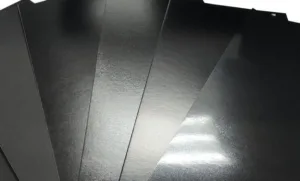
A protective coating applied over the printed surface to enhance durability and provide either a matte or gloss finish at a cost-effective price.
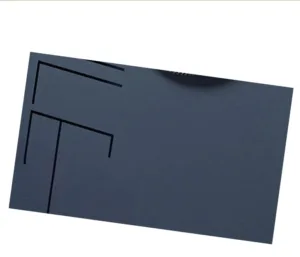
A smooth matte film that reduces glare and resists fingerprints, giving packaging an elegant, understated look. Available in standard matte, scratch-resistant and soft-touch (velvet) options for different tactile experiences.
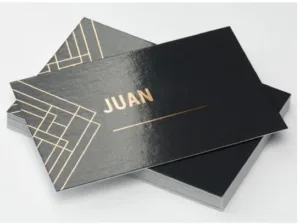
A shiny film that enhances color vibrancy and adds surface protection, making designs bright and eye-catching.
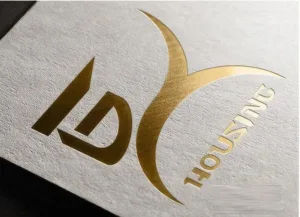
Metallic or colored foil applied with heat and pressure to create a premium gold, silver or custom-color accent that instantly elevates your branding.
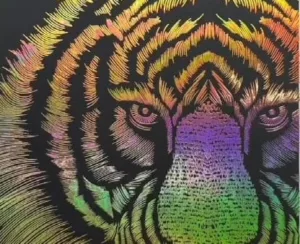
Foil applied through a cold adhesive process, allowing fine detail and smooth gradient metallic effects across larger areas.
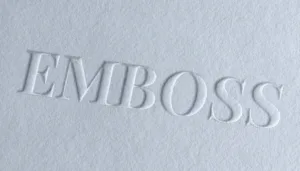
A technique that presses the design upward to create raised, three-dimensional elements, adding depth and a tactile, premium impression to logos and patterns.
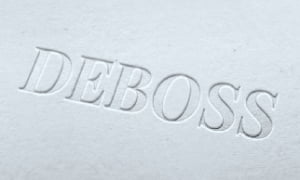
A technique that presses the design inward to create recessed, indented elements for a subtle, sophisticated and elegant effect.
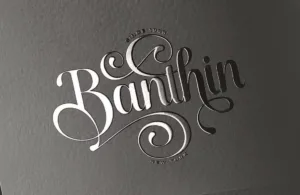
A glossy UV coating applied to selected areas to highlight logos, patterns or text, creating a striking contrast against a matte background.
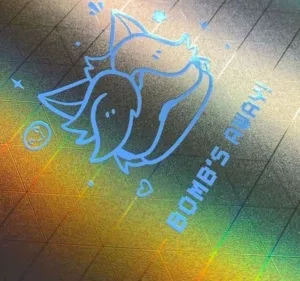
Reverse UV
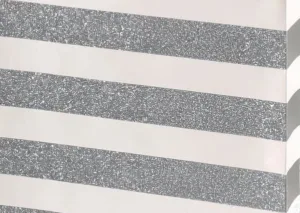
Sparkling glitter applied over an adhesive layer for the most brilliant, eye-catching shimmer, ideal for festive and decorative packaging.
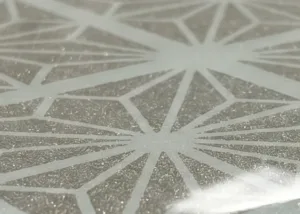
A durable sparkle effect where glitter particles are mixed into the ink before printing, so the finish resists shedding and offers a long-lasting, hard-wearing shine.
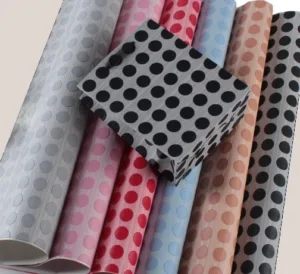
A raised foam effect that creates a soft, three-dimensional tactile surface, making logos and designs stand out with extra depth.
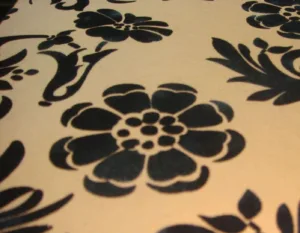
A soft velvet-like coating of fine fibers that adds a luxurious texture and premium tactile feel to the packaging surface.
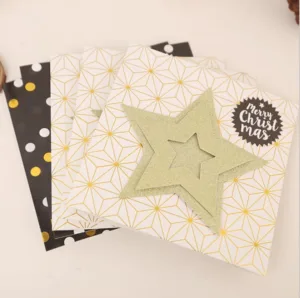
A dimensional decorative element attached to the surface, creating a striking, high-end three-dimensional visual effect.
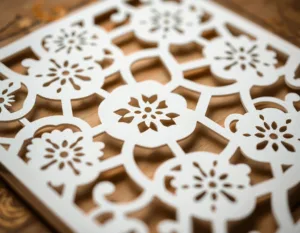
Precision laser cutting that creates intricate patterns, cutouts and delicate detailing for elegant, fully customized designs.
| Size Category | Dimensions (cm) | Ideal For | Applications |
|---|---|---|---|
| Small Boxes (5-15 cm) | Ring box: 5×5×4cm; Jewelry box: 8×8×3cm; Watch box: 15×12×8cm; Small gift: 10×10×10cm; | High-value small products, luxury positioning | jewelry, accessories, and premium small items |
| Medium Boxes (15-30 cm) | Cosmetic box: 20×15×8cm; Phone box: 18×12×6cm; Shoe box: 30×20×12cm; Gift box: 25×25×15cm; | Mass retail, consumer products, daily use items | cosmetics, electronics, and retail |
| Large Boxes (30-50 cm) | Clothing box: 40×30×15cm; Laptop box: 45×35×8cm; Gift set: 50×35×20cm; Shipping box: 40×40×30cm; | E-commerce, fashion, bundled products | clothing, electronics, and bulk packaging |
| Custom Sizes (Specialty dimensions) | Wine bottle: 35×10×10cm; Poster tube:60×8×8cm; Long items: 100×15×10cm; Flat pack: 40×30×2cm; | Unique products, specialty markets, branding impact | unique product requirements |
Always confirm INNER size (L×W×H) first. Inner size should fit the product + insert + tolerance.
Typical tolerance buffer is 5–10 mm per side, depending on structure and insert type.
Rigid boxes are built from board + wrap, so outer size increases with wall thickness and wrap layers.
If you’re not sure, send product photos + product dimensions + weight, and we’ll recommend inner size, board thickness, and insert approach.
From raw materials to global delivery — we own every step for consistent quality at factory prices.
5 bag + 5 box lines
In-house art team
FOB/CIF/DDP ready
Test before order
Confirm
Sample
Finish
Form
QC
Ship
Typical lead time: 3-7 days sample + 10-25 days mass production
AQL 2.5 inspection standard
Material Check
In-Process
Final Inspection
Everything you need to know before you order.
Still have questions?
Get a Free Custom Quote
Tell us your size, quantity, material, printing requirements and destination country. Our packaging team will prepare a custom quote and production suggestion within 24 hours.