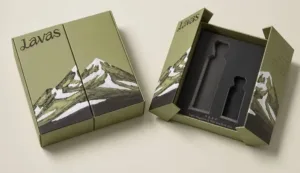
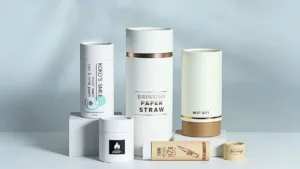
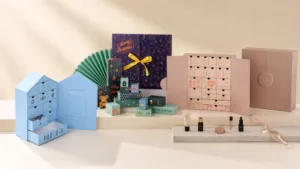
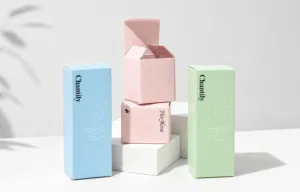
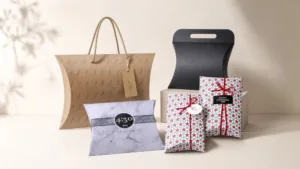
tuck end boxes
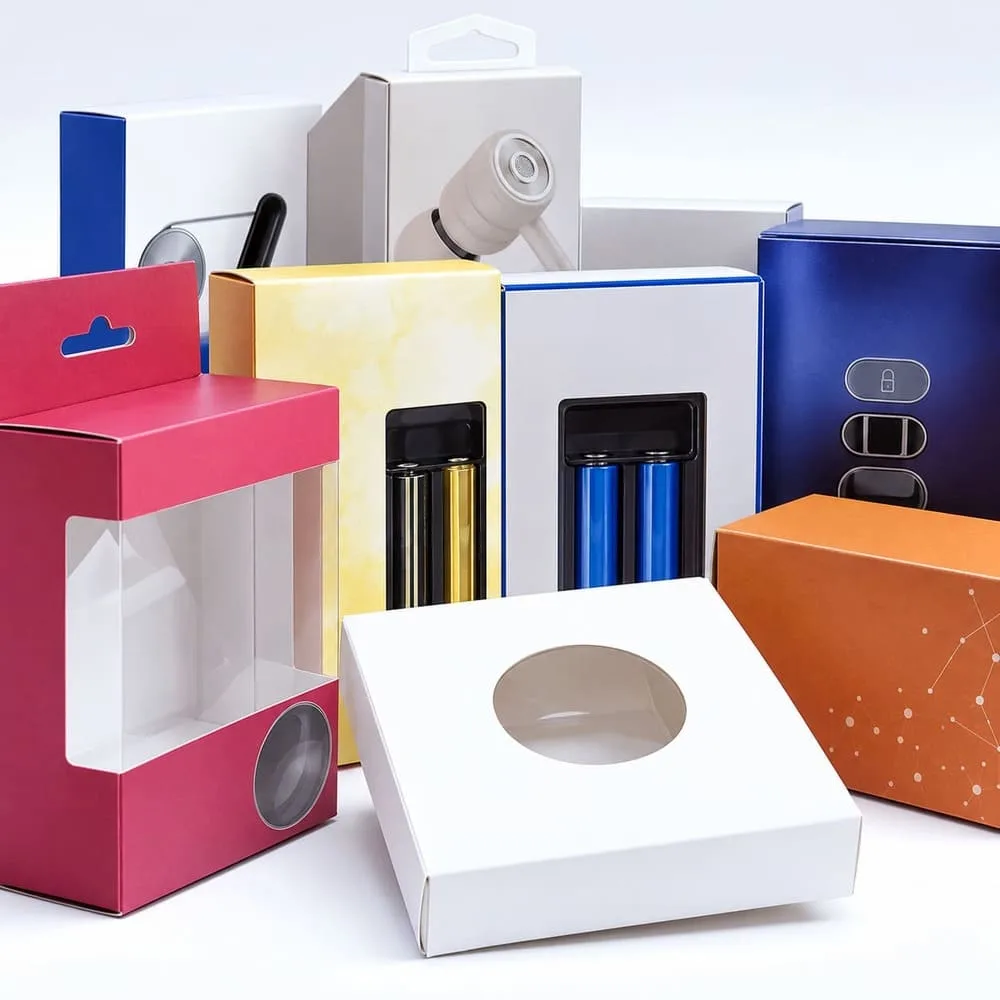
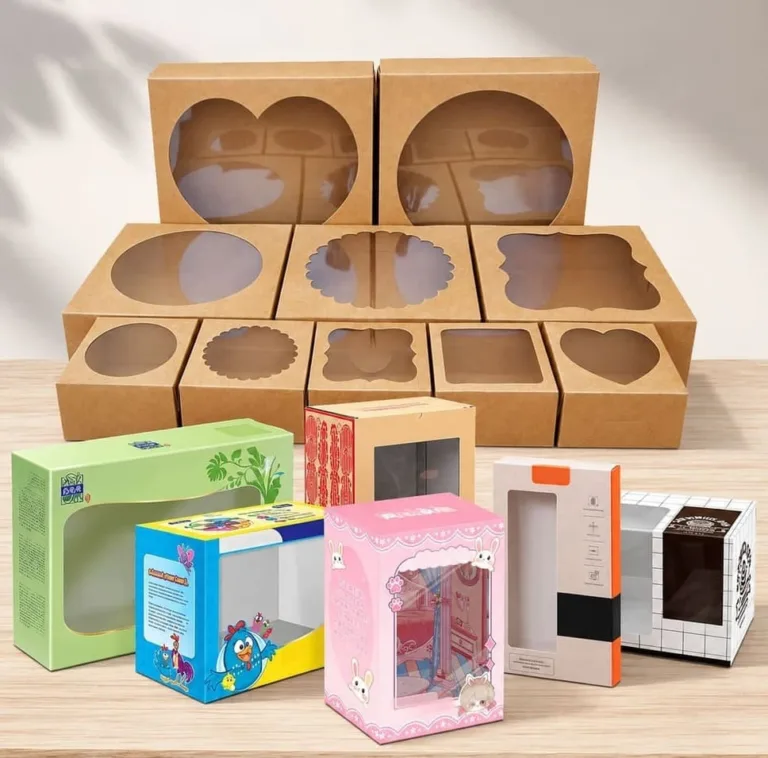
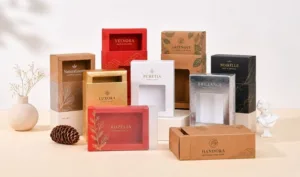
window tuck end boxes
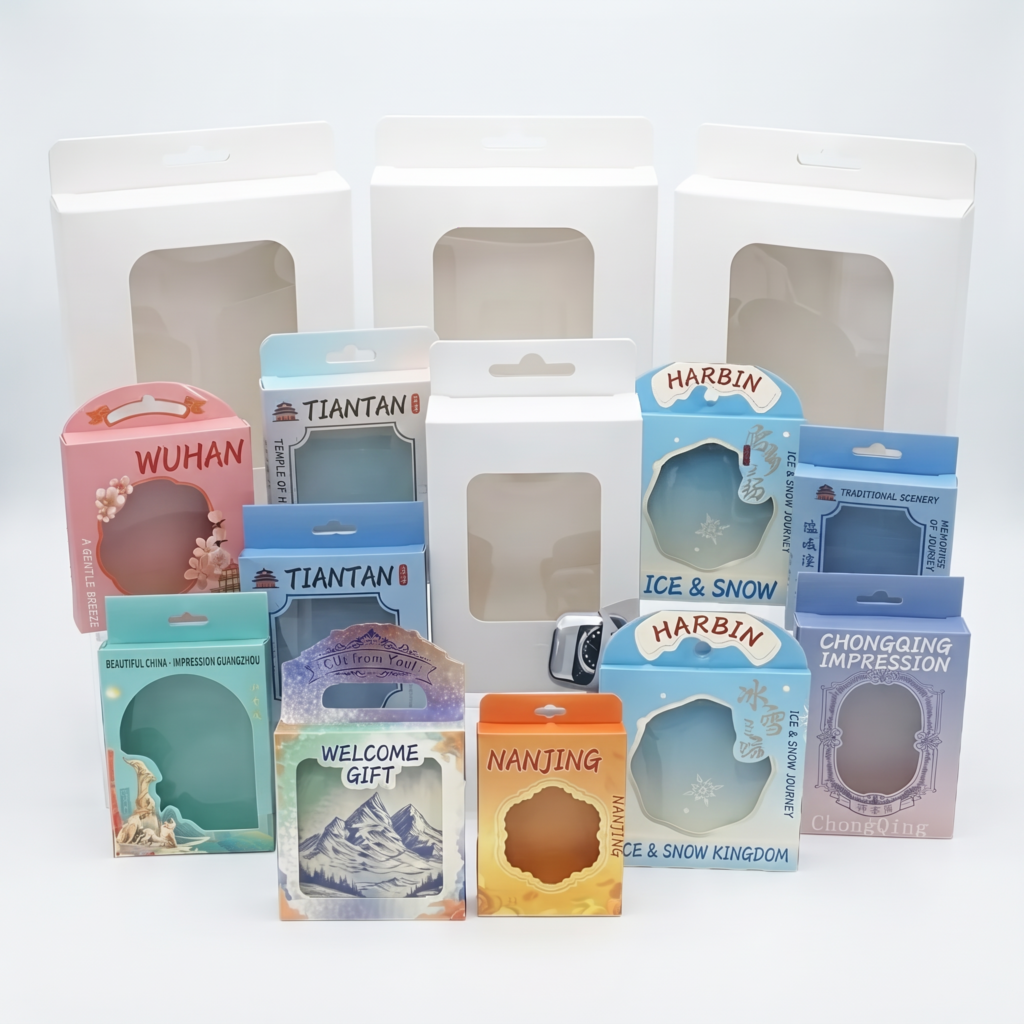
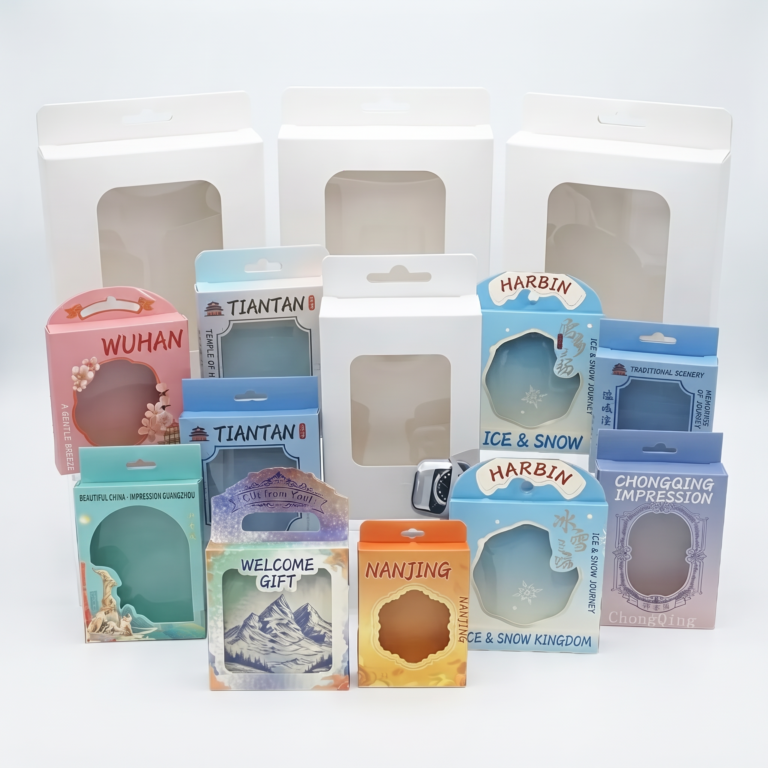
tuck end boxes with hang tabs
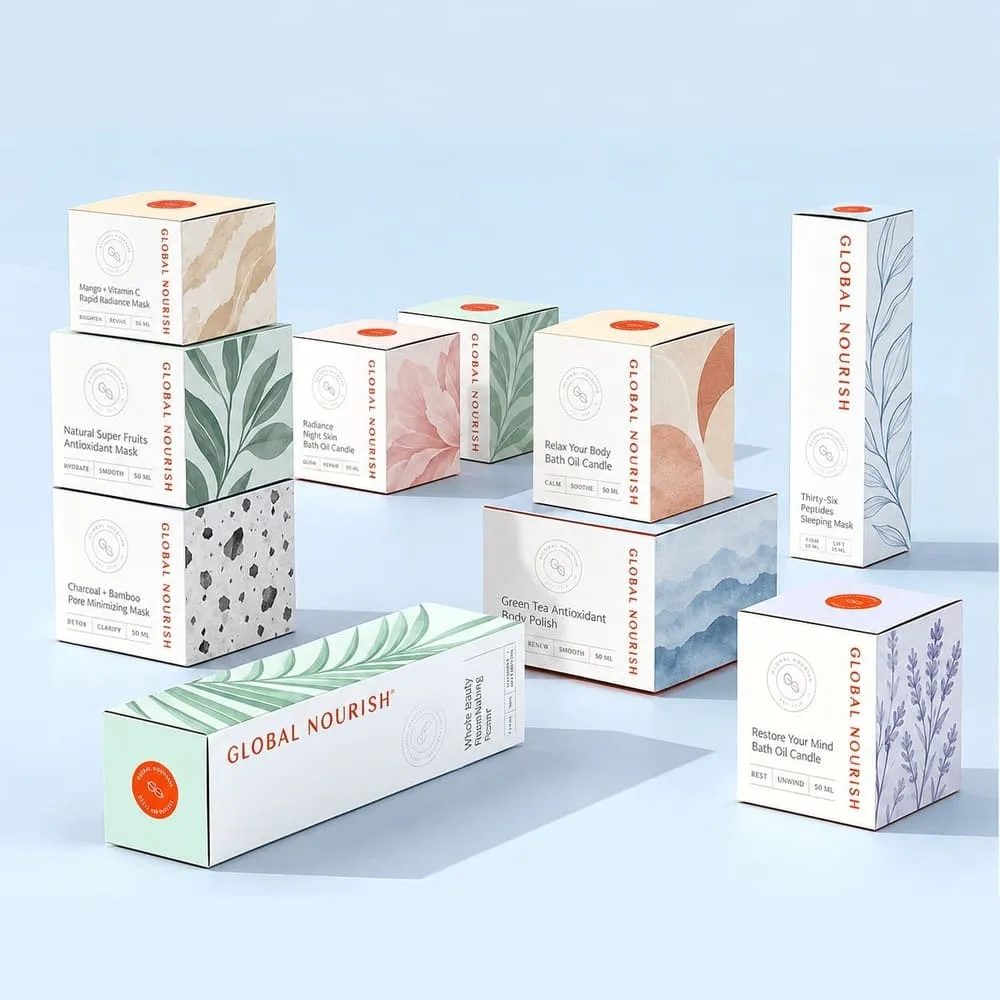
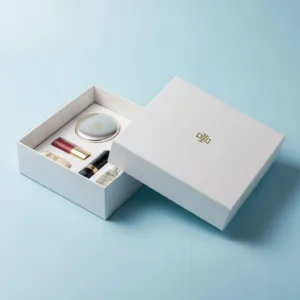
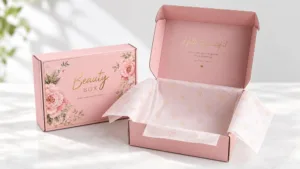
custom printed cosmetic & skincare tuck boxes
straight tuck end (ste) boxes
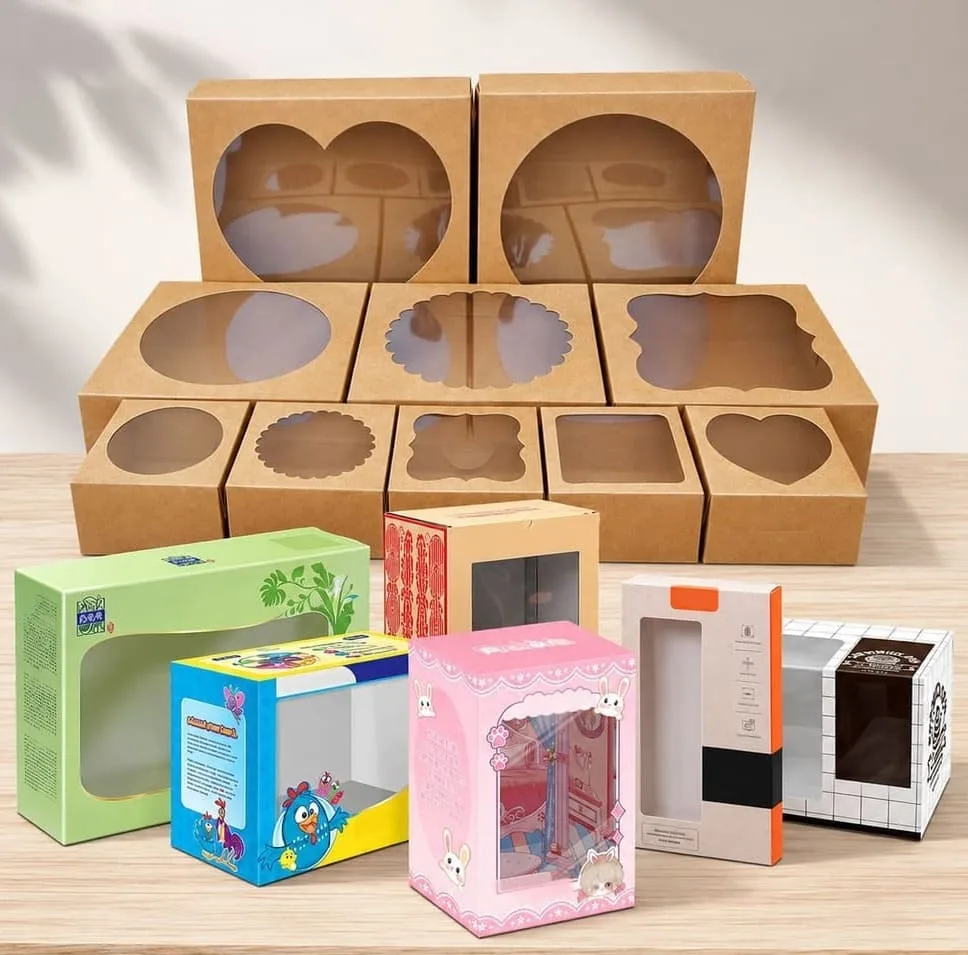
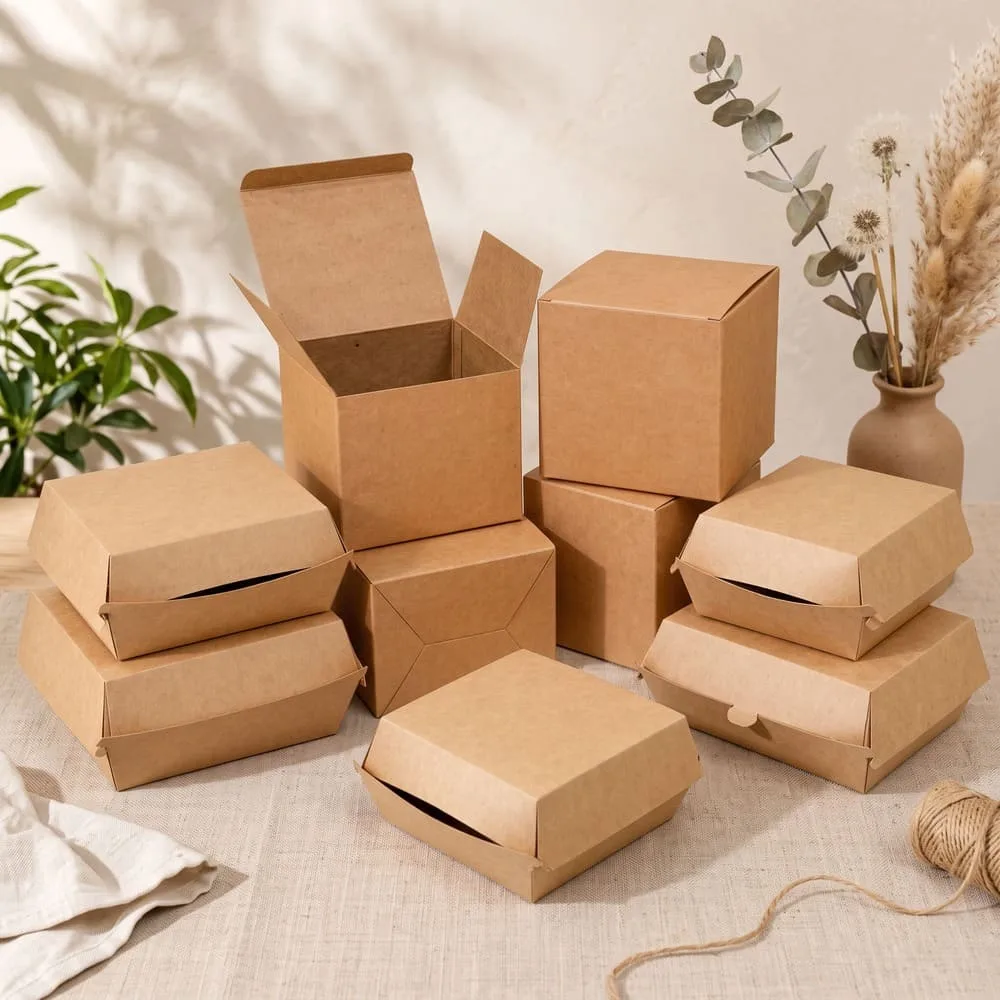
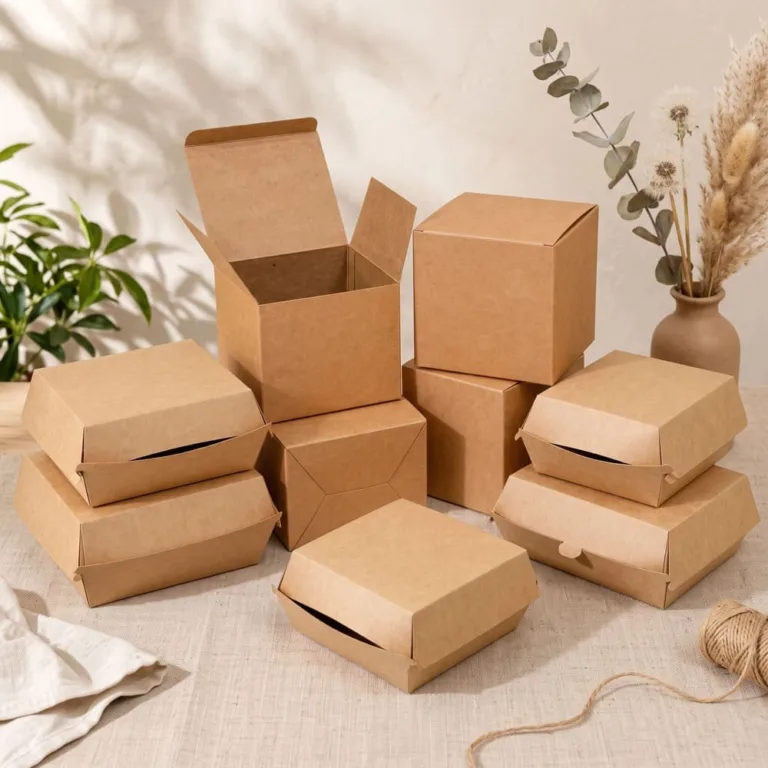
kraft tuck end boxes (plastic free focus)
Custom Tuck End Boxes for Retail & Product Packaging Thumbnail 1
Custom Tuck End Boxes for Retail & Product Packaging Thumbnail 2
Custom Tuck End Boxes for Retail & Product Packaging Thumbnail 3
Custom Tuck End Boxes for Retail & Product Packaging Thumbnail 4
Custom Tuck End Boxes for Retail & Product Packaging Thumbnail 5
Custom Tuck End Boxes for Retail & Product Packaging Thumbnail 6
Paper Boxes

Custom Tuck End Boxes for Retail & Product Packaging

For cosmetics, supplements, and consumer goods brands, retail cartons must print sharply, pack quickly, and stay cost-effective across repeat orders. Tuck end boxes, also known as tuck top boxes or tuck flap boxes, solve this with a one-piece paperboard structure that ships flat and closes with integrated tuck flaps, typically without tape. At Omet Packโ€™s Yiwu factory, we print, die-cut, and glue each carton on coordinated production lines to help you maintain consistent structure, color, and fit from sample to reorder.

  • Control packaging cost without sacrificing shelf impact: A single printed paperboard carton delivers full-panel branding and a clean retail presentation at a typically lower cost and freight footprint than rigid packaging.
  • Speed up packing and reduce handling friction: Pre-glued side seams and tape-free tuck closures can help your team or 3PL erect, fill, and close cartons quickly, supporting efficient manual or compatible machine packing.
  • Rely on factory-direct consistency: With in-house coordination of printing, die-cutting, and finishing in Yiwu, Omet Pack supports consistent quality checks and typical 7โ€“15 day production after artwork approval, which can be confirmed per order.
Browse Paper Boxes
BSCI Certified
FSC Certified
Fast Sample
Global Shipping
Definition

What Is This Product?

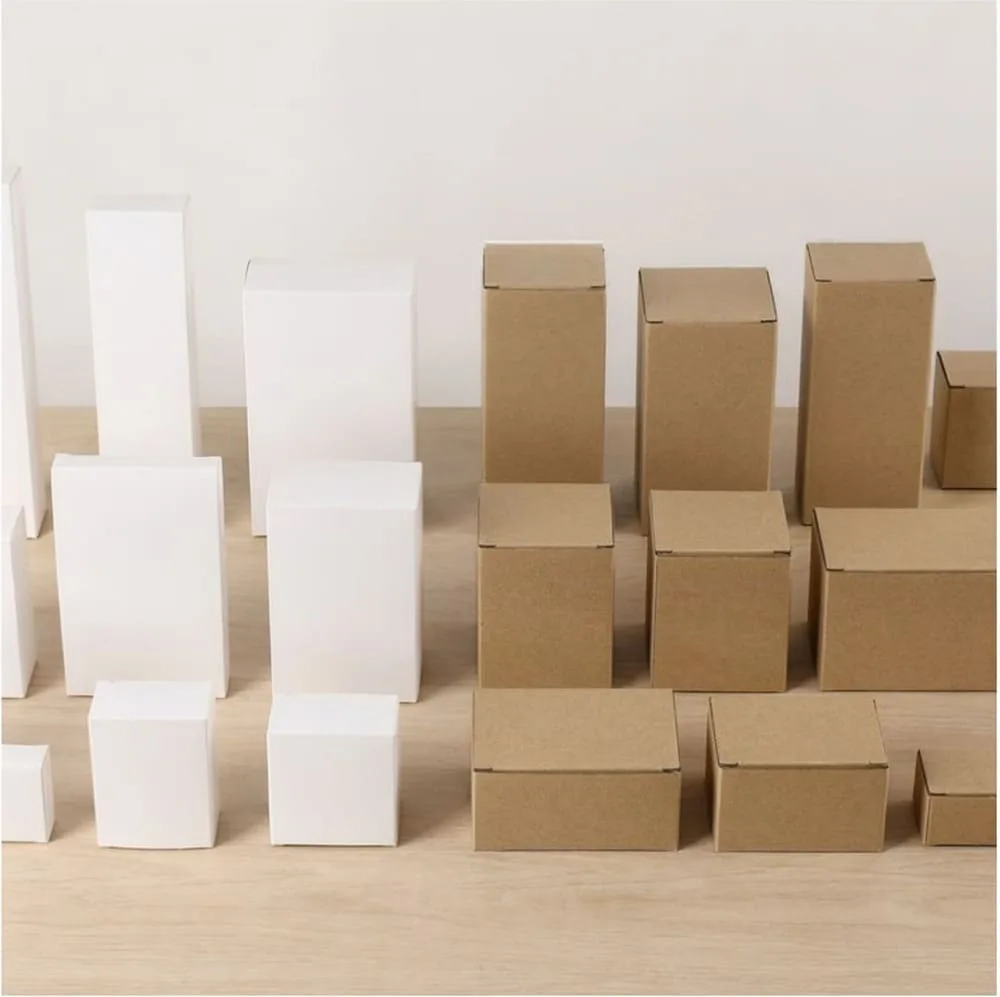
A tuck end box, also called a tuck flap box or tuck top folding carton, is a one-piece paperboard folding carton made from 250โ€“450 gsm (approximately 14โ€“24 pt) SBS, ivory, or kraft board with a single pre-glued side seam. It is characterized by flat shipment, tape-free tuck flap closure, and straight tuck end (STE) or reverse tuck end (RTE) styles. It is commonly used for cosmetics, supplements, pharmaceuticals, candles, and small electronics.

Manufacturing Advantage

On paper, many tuck end boxes look similar. In real packing and retail conditions, crease quality, flap retention, and color consistency determine whether the carton performs smoothly or creates avoidable rework.

Tuck End Box Technical Specifications

Standard specifications & options

Specification Details
Construction One-piece die-cut paperboard carton with a single pre-glued side seam (manufacturerโ€™s joint)
Common Styles Straight Tuck End (STE), Reverse Tuck End (RTE), tuck top with snap-lock or auto-lock bottom
Board Materials SBS, FBB/ivory board, coated recycled board (CCNB), or kraft board; FSC-certified options available upon request
Typical Board Weight Approx. 250โ€“450 gsm (14โ€“24 pt); E-flute or F-flute micro-corrugated options for heavier items can be evaluated per project
Closure Details Integrated tuck flaps with dust flaps; friction lock or slit lock tabs available to improve flap retention
Typical Size Range Approx. 20 ร— 20 ร— 40 mm to 250 ร— 150 ร— 350 mm; custom dimensions can be confirmed per project
Printing Methods CMYK offset, Pantone spot colors, inside printing, or unprinted kraft
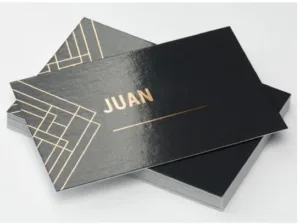
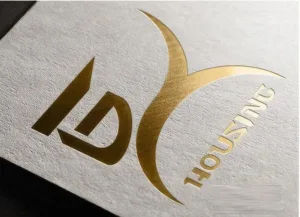
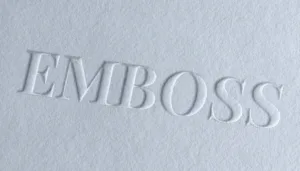
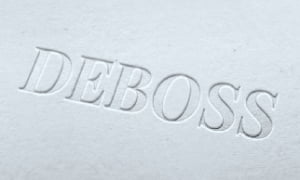
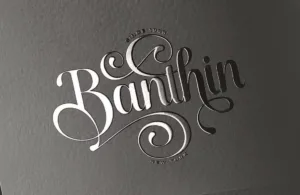
Surface Finishes Aqueous coating, matte/gloss varnish, matte/gloss/soft-touch lamination, hot foil stamping, embossing, debossing, spot UV
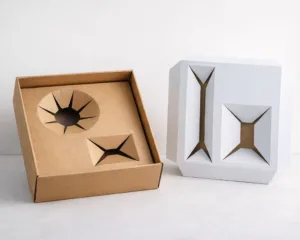
Add-On Features Hang tabs, die-cut windows (open or film-covered), tear strips, perforations, paperboard inserts
Compliance Support FSC materials and documentation support for BSCI, EPR, and EUDR requirements can be provided per project
All specifications can be customized to meet your specific requirements.

Overview

Product Overview

Where Tuck End Boxes Fit in a Retail Packaging Strategy

Tuck end boxes, also known in sourcing teams as tuck top boxes or tuck flap boxes, are a core folding carton format for brands that need efficient packing and clear shelf presentation. Each carton is typically produced from a single sheet of paperboard with a pre-glued side seam, shipped flat, and closed with tuck flaps. For procurement managers, the format offers a practical balance: lower material and freight impact than rigid packaging, with better print presentation than many transit-focused options.

Choosing the Right Tuck End Structure

A useful decision framework is to start with product weight, packing method, and display priorities. Reverse tuck end (RTE) structures are often selected for lightweight, high-volume programs, while straight tuck end (STE) structures support a cleaner front panel or window. When contents are heavier or more fragile, a tuck top with an auto-lock or snap-lock bottom may be more appropriate. If the program requires a premium keepsake feel or higher rigidity, a rigid box may be justified despite higher costs. Final suitability can be confirmed per project.

Decision factor Recommended choice Trade-off
Lightweight product with high-volume packing Reverse tuck end (RTE) box One tuck edge may appear on the front side
Clean front panel or front window display Straight tuck end (STE) box May use slightly more board in some layouts
Heavier contents or faster base setup Tuck top with auto-lock bottom Higher structural complexity and setup cost
Medium-weight items packed by hand Tuck top with snap-lock bottom Slower assembly than auto-lock in some workflows
Product visibility before opening Window tuck end box Film windows can complicate recycling; large windows reduce stiffness
Premium rigidity and keepsake experience Rigid box Higher unit, storage, and inbound freight costs

Application Fit, Risk Control, and Manufacturing Insight

In cosmetics, supplements, candles, and small electronics, tuck end box performance depends on more than print quality. Common risks include flap pop-open, side seam failure, cracked folds on dark artwork, and insufficient bottom support; these can be reduced through dieline review, crease calibration, material selection, and pre-production sampling. At Omet Packโ€™s Yiwu factory, we coordinate printing, die-cutting, and folder-gluing processes so crease depth, flap retention, and finish placement can be checked before bulk production.

To move from structure selection to a production-ready specification, review the product variations and customization options below to define your tuck style, board grade, finishes, and add-ons for your packing workflow.

Need a faster quote? Send size + quantity + ship to country.
Available Options

Product Variations

Explore the different styles and configurations available for this product.

straight tuck end (ste) boxes

Straight Tuck End (STE) Boxes

Designed for brands that need a clean, uninterrupted front panel for shelf presentation or window placement. Commonly used for cosmetics, fragrance, and premium retail products where front-facing artwork is critical.
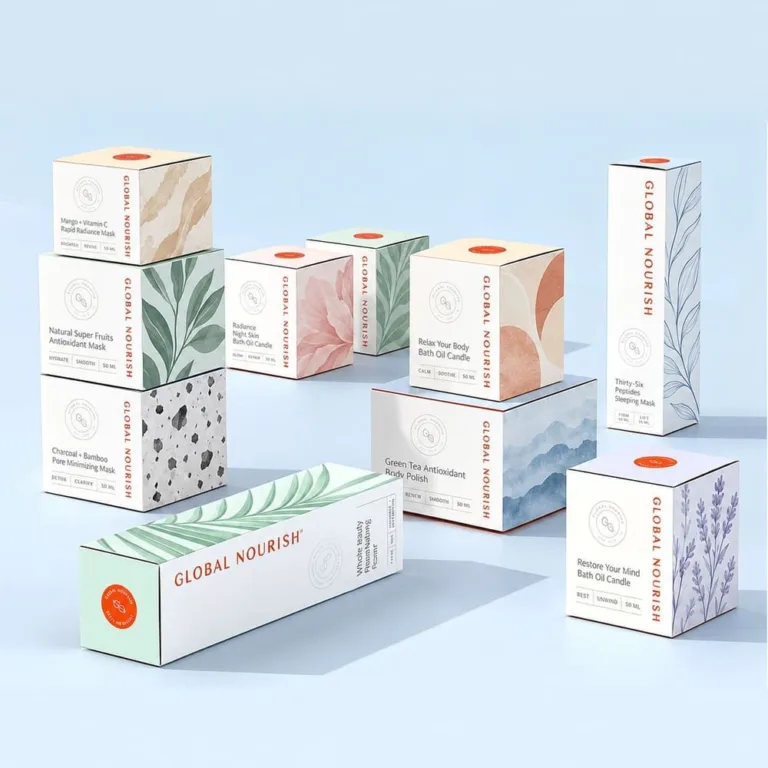
custom printed cosmetic & skincare tuck boxes

Custom Printed Cosmetic & Skincare Tuck Boxes

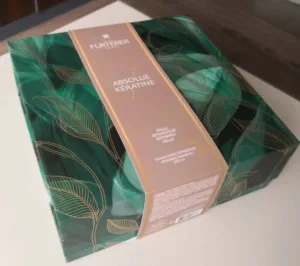
Tailored for serums, creams, lipsticks, and boxed sets that require precise sizing and premium shelf appeal. Supports finishes such as foil, embossing, and soft-touch lamination for brand differentiation.
tuck end boxes with hang tabs

Tuck End Boxes with Hang Tabs

Created for peg-hook retail displays in categories such as accessories, small electronics, and hardware. The integrated hang tab supports retail merchandising without a separate header card.
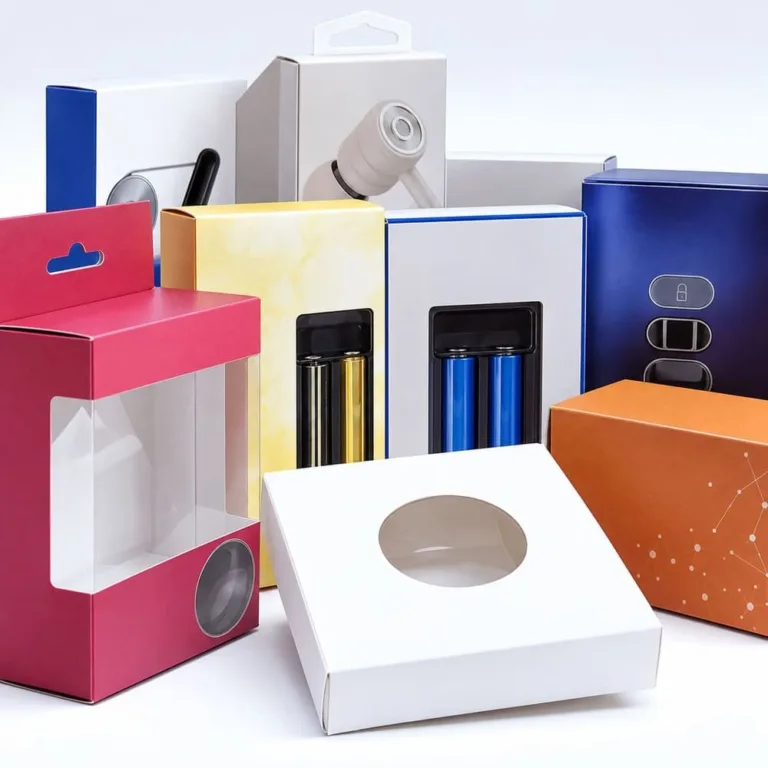
window tuck end boxes

Window Tuck End Boxes

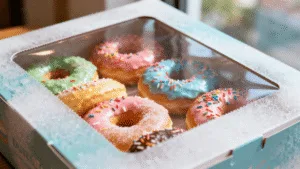
Developed for brands that want product visibility before opening, including soaps, toys, and selected food-adjacent retail items. Open or film-covered window options can be balanced against strength and recyclability goals.
kraft tuck end boxes (plastic free focus)

Kraft Tuck End Boxes (Plastic-Free Focus)

Suited to wellness, handmade, and natural product brands seeking a simpler, paper-forward look. Kraft board and aqueous coating options can support packaging programs with recyclability priorities.

Expert Production Note

"Lock in the tuck style and bottom structure before finalizing artwork. Reverse tuck end (RTE) is often efficient for lightweight, high-volume packing, while straight tuck end (STE) suits a clean front panel or window; for heavier items or glass, a tuck top with an auto-lock or snap-lock bottom is usually recommended and can be confirmed on a pre-production sample."

Customization Options

Explore all available customization options for your paper boxes

greyboard thickness and grammage conversion

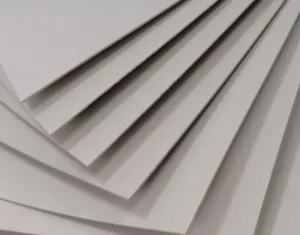
Greyboard / Chipboard (Rigid Core)

High-density board used for rigid boxes (setup boxes). Thickness is selected based on box footprint and rigidity target. Wrap paper choice and wrapping tension control final edge quality.

โœ“ Luxury rigid boxes, magnetic boxes, drawer boxes, PR kits, premium gift packaging
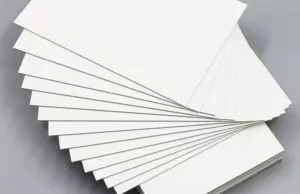
sbs & fbb paperboard

SBS / FBB Paperboard (Folding Cartons)

Paperboard for retail folding cartons (tuck-end boxes). Designed for die-cutting, creasing, and flat shippingโ€”ideal for high-volume retail programs with clean printing and barcode needs.

โœ“ Cosmetics, food, pharma, retail SKUs, subscription inserts sleeves
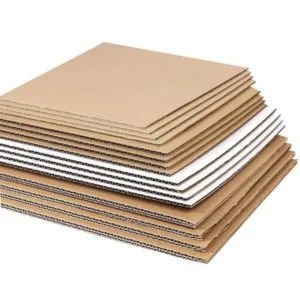
corrugated board

Corrugated Flute Board (Mailer / Shipping)

Corrugated structure for mailer boxes and shipping cartons. Flute selection balances crush resistance and print appearance.

โœ“ E-commerce mailers, shipping boxes, subscription boxes, transit protection
coated art paper

Coated Art Paper (Wrap / Outer Layer)

Smooth wrap paper for crisp CMYK prints and high-saturation color. Commonly used as the outer wrap for rigid boxes or as a surface layer for premium folding cartons.
Recommended For: Luxury branding, full-color artwork, premium retail presentation

โœ“ Luxury branding, full-color artwork, premium retail presentation
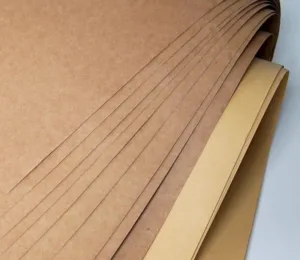
brown kraft paper

Kraft Paper (Natural / Eco Look)

Natural kraft surface for eco positioning. Often used for folding cartons, sleeves, or as a wrap paper for rustic premium rigid boxes.

โœ“ Sustainable brands, organic food, handmade products, eco retail packaging
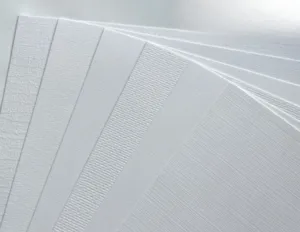
special textured paper

Specialty / Textured Wrap Papers

Linen/felt/laid-style textures and specialty stocks used to elevate tactile experience. Best paired with controlled finishing (foil, emboss) for premium effect.

โœ“ High-end gifting, jewelry, fragrance, boutique packaging
Factory Direct ยท BSCI & FSC Certified

Why 500+ Brands Choose OMETPACK

From raw materials to global delivery โ€” we own every step for consistent quality at factory prices.

10 Auto Lines

5 bag + 5 box lines

Free Design

In-house art team

Global Export

FOB/CIF/DDP ready

Low-barrier Sampling

Test before order

7-Step Production Process

Confirm

Sample

Print

Finish

Form

QC

Ship

Typical lead time: 3-7 days sample + 10-25 days mass production

3-Stage Quality Control

AQL 2.5 inspection standard

Material Check

  • Paper weight verification
  • Color accuracy test

In-Process

  • Die-cut tolerance check
  • Gluing strength test

Final Inspection

  • Load bearing test
  • Visual defect check
FAQ

Frequently Asked Questions

Everything you need to know before you order.

๐ŸŽฏProduct Questions

Choose RTE for many lightweight, high-volume products where layout efficiency matters, and choose STE when a clean front panel or front window is a priority. The best option depends on artwork layout, packing method, and equipment compatibility, which can be reviewed during dieline planning.
A standard tuck end bottom is generally suited to lightweight products, and heavier items may require a stronger structure. For products above typical light loads, or for glass containers, a snap-lock or auto-lock bottom is often recommended and can be tested with your product on a pre-production sample.
Tuck flaps can pop open when board stiffness, crease depth, or flap length is not well matched to the structure. Flap retention can often be improved with friction or slit locks and dieline adjustments, which are typically validated on samples before bulk production.
Heavy ink coverage on fold lines can show cracking or whitening, especially on certain boards and in dry conditions. This risk can be reduced by matching crease depth to board caliper, selecting suitable board grades, and reviewing artwork placement during prepress.
SBS or ivory board is often selected for bright whites and sharp color reproduction, while coated recycled board can suit cost-sensitive programs and kraft supports a natural look. The right choice depends on print expectations, product positioning, and sustainability goals, and printed swatches can be compared before approval.
Yes, tuck end boxes are widely used on automatic cartoners, but they must match the machineโ€™s carton specifications and tolerances. Board stiffness, crease consistency, and side-seam glue position affect performance, so a trial with production-grade samples is recommended before full-scale ordering.
A film-covered window adds a non-paper component that can complicate recycling, while an open die-cut window keeps the carton paper-only. Large windows can also reduce panel stiffness, so window size and structure should be balanced based on product visibility and strength requirements.
A standard tuck end box is not inherently tamper-evident because the flaps can usually be opened and reclosed. Tamper evidence can be added with options such as perforated tear strips, glued flaps, or security seals, and any market-specific labeling requirements should be confirmed per project.
A paperboard tuck end box is generally designed as primary or retail packaging rather than a standalone parcel shipper. For direct-to-consumer shipping, it is usually placed inside a corrugated mailer or outer carton, unless a stronger corrugated tuck end structure is specified and validated.
They can be suitable when the board, coatings, and inks match the productโ€™s contact and staining risks. Oils, wax, or direct food contact may require barrier treatments or compliant materials, and suitability should be confirmed per project with documentation available upon request.

๐Ÿ“‹General Questions

MOQ typically starts from 500 pcs and varies by structure, size, and finishing coverage.
Sampling time depends on the sample type (dummy / printed / pre-production) and structure complexity.
Inner size (Lร—Wร—H), product weight, box type/structure, printing/finishes, insert needs, quantity per SKU, ship-to country, and Incoterms.
Yesโ€”folding cartons, corrugated mailers, and collapsible rigid boxes can ship flat to optimize CBM.
Yes. Insert type is chosen based on protection level, brand positioning, and budget.
Yes. Pantone matching can be supportedโ€”please share brand guidelines or target codes.
Common premium finishes include matte/soft-touch lamination, foil stamping, emboss/deboss, and spot UV.
Yes. We can provide dielines/mocks and check artwork for bleed, lines, and finishing registration.
We apply QC checkpoints for appearance, structure accuracy, insert fit, and finishing consistency, with photo/video confirmation before shipping.
Yes. Structure selection (flat-pack vs assembled) and export carton packing strategy are key to CBM and landed cost.

Still have questions?

Get a Free Custom Quote

Need Custom Paper Boxes
for Your Brand?

Tell us your size, quantity, material, printing requirements and destination country. Our packaging team will prepare a custom quote and production suggestion within 24 hours.

  • No minimum on samples
  • Custom size, print & finish
  • Factory-direct pricing
  • BSCI & FSC certified production
Response within 24h Global B2B export OEM / ODM supported

Request a Custom Quote

๐Ÿ”’ Your information is confidential and never shared with third parties.