What Paper is Best for Bags? A Complete Guide to Choosing the Right Paper
Struggling to pick the right paper for your brand’s bags? The wrong choice can feel cheap, fail to protect your product, and misrepresent your brand’s quality.
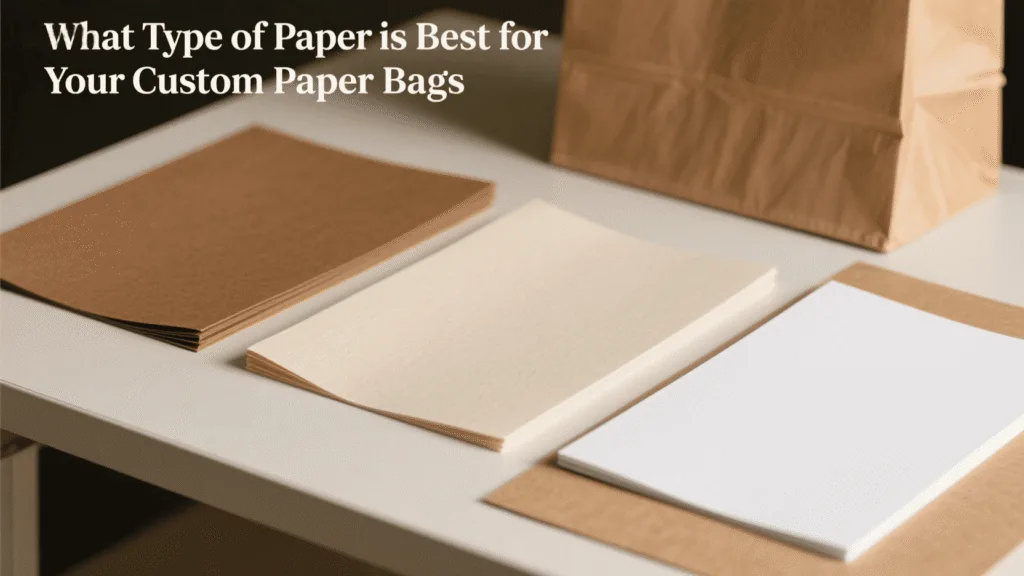
The most common papers for bags are Kraft paper, white cardboard, and coated art paper. Each offers unique benefits in strength, print quality, and eco-friendliness. But the paper itself is only part of the equation—the ink and printing process also affect the final appearance, sustainability, and performance of your bag. This guide will help you choose the perfect combination of paper, paper weight, and ink to match your brand’s needs, from rustic takeaway bags to luxury retail packaging.
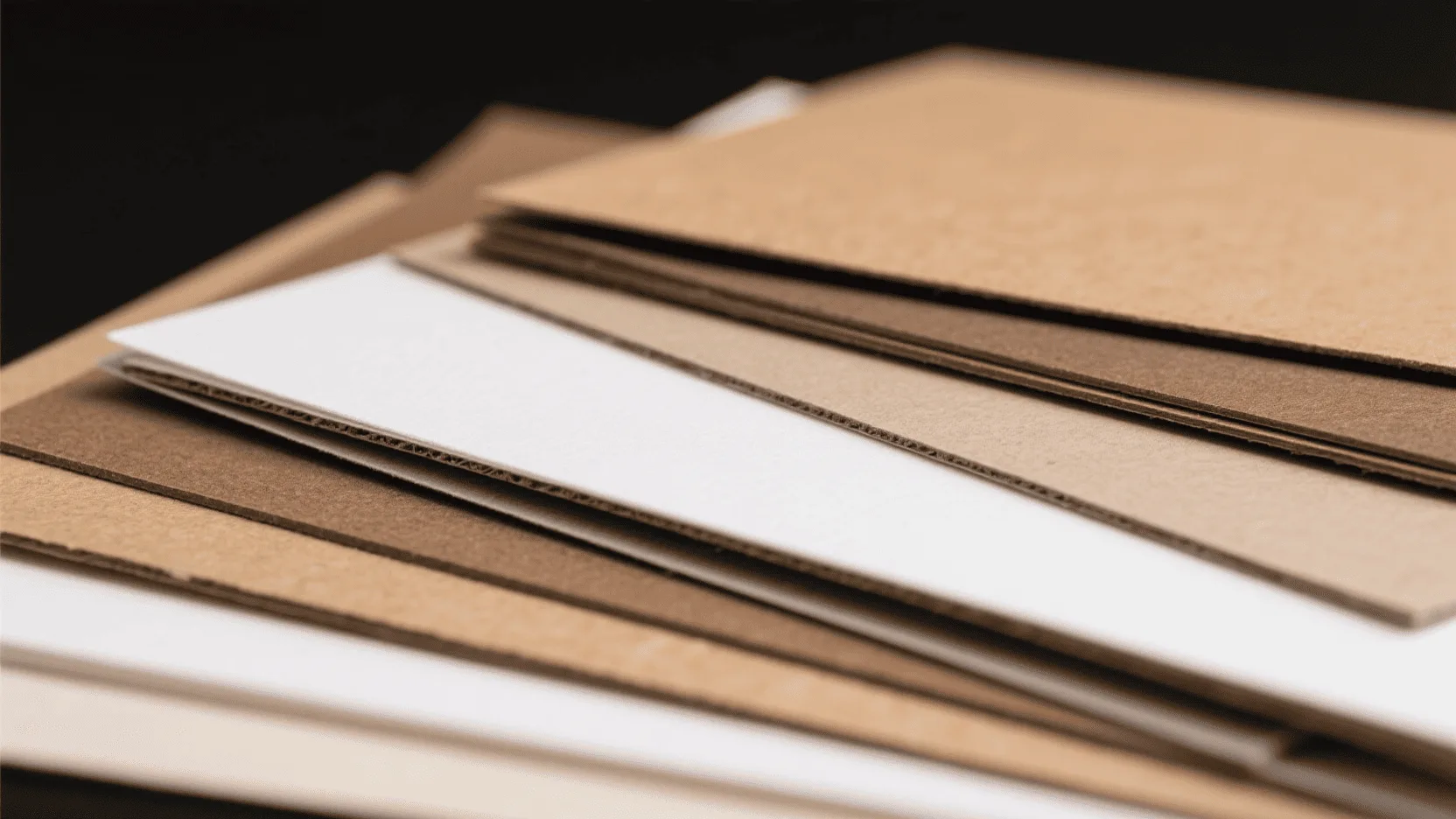
I remember a client, a new gourmet chocolate shop, who was set on using the thinnest brown Kraft paper for their gift bags. They loved the rustic look, but their boxed chocolates were quite heavy. During our prototyping phase, the handle tore on the first test. It was a simple oversight that could have led to a terrible customer experience. We switched to a heavier white cardboard, and it not only held the weight but also made their beautiful logo printing look much more vibrant. This experience highlighted a simple truth: the paper you choose is the foundation of your bag’s performance and appearance. The printing method and ink you choose then determine how effectively that foundation communicates your brand. Let’s look at the options so you can build a strong foundation for your brand.
What is Kraft Paper and Why is it So Popular for Bags?
Need a bag that is strong, affordable, and good for the planet? Kraft paper is a popular choice, but its rustic look isn’t right for every brand.
Kraft paper is a durable, tear-resistant material made from wood pulp using the Kraft process. Its high strength and eco-friendly properties make it ideal for grocery bags, food delivery, and brands with a natural or organic focus. It comes in traditional brown or bleached white.
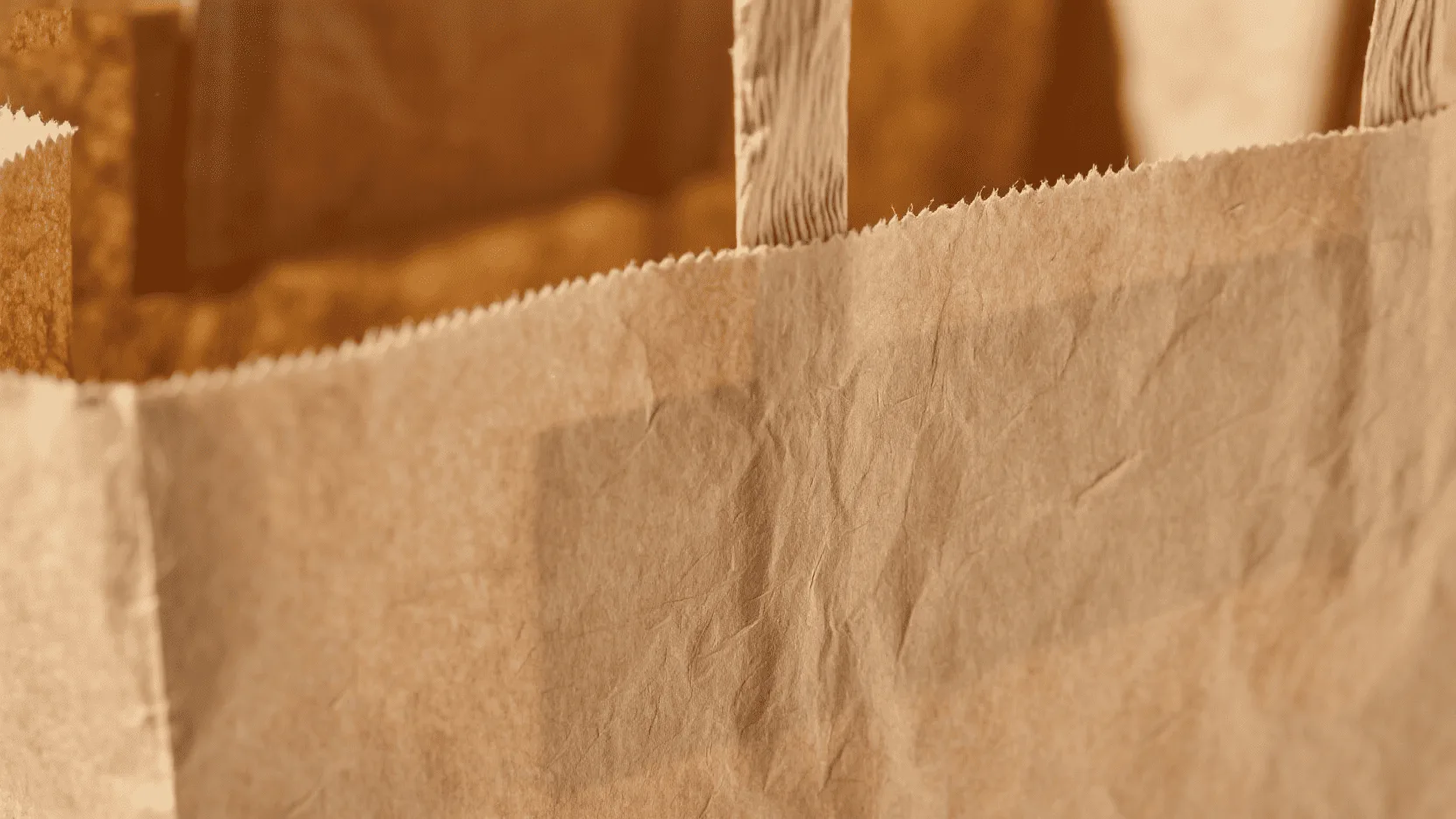
When people think of a classic paper bag, they are usually picturing a Kraft paper bag. The name "Kraft" actually comes from the German word for "strength," and it lives up to its name. The process used to make it results in very strong paper fibers, which is why it resists tearing so well. This is the paper I recommend most often for businesses that need reliable, cost-effective packaging. Think of restaurants needing sturdy takeout bags or retail stores that sell heavier items like books or canned goods.
There are two main types you’ll encounter:
- Brown Kraft: This is the natural, unbleached version. Its earthy, brown tone gives off a very organic and rustic vibe. It’s a fantastic choice for brands that want to communicate a commitment to sustainability. The printing on brown Kraft is usually simple, often with one or two colors, as the dark background can alter the appearance of lighter ink colors.
- White Kraft: This is the same strong paper, but it has been bleached to create a clean, white surface. This gives you more versatility with branding. Colors print much more accurately on white Kraft, so it’s a great option if your logo is colorful or if you want a more polished look without sacrificing strength. It bridges the gap between the rustic feel of brown Kraft and the premium feel of other papers.
From my experience at Omet Packaging, Kraft paper’s popularity comes down to its balance of performance, cost, and sustainability. It’s recyclable and biodegradable, which is a huge selling point for today’s consumers.
When Should You Choose White Cardboard for Your Paper Bags?
Does your bag need to feel substantial and look high-end? White cardboard is a great option, but it’s not as flexible as other paper types.
White cardboard, also known as paperboard or Solid Bleached Sulfate (SBS), is a thick, stiff paper. It’s perfect for luxury retail and gift bags where structure and a premium feel are important. Its smooth, bright white surface ensures printed colors look vibrant and sharp.

When a client wants a bag that stands on its own and has that distinct "premium" feel, I almost always point them toward white cardboard. Unlike the more flexible Kraft paper, white cardboard has a rigid structure. This makes it ideal for carrying heavier, high-value items like cosmetics, jewelry, or designer apparel. The sturdiness of the bag itself sends a message of quality before the customer even sees the product inside. For many luxury brands, the bag is an essential part of the experience, and white cardboard delivers that.
The biggest advantage of white cardboard is its superior print surface. It’s incredibly smooth and bright white, which acts as a perfect canvas for sophisticated branding. Full-color logos, detailed graphics, and even photographic images reproduce beautifully. We can also apply various finishes to enhance the design, such as:
- Matte Lamination: Gives a soft, non-reflective finish for an understated, elegant look.
- Gloss Lamination: Creates a shiny, reflective surface that makes colors pop and protects against moisture.
- Hot Stamping: Applies metallic foils (like gold or silver) for a touch of luxury.
- Embossing: Creates a raised, 3D effect on your logo or design.
I worked with a cosmetics brand that wanted their packaging to feel as luxurious as their products. We designed a bag using thick white cardboard with a matte lamination and their logo in a rose gold hot stamp. The final product was stunning—it was sturdy, looked incredible, and perfectly matched their brand identity.
| Feature | Brown Kraft Paper | White Cardboard (SBS) |
|---|---|---|
| Feel & Texture | Natural, slightly rough | Stiff, smooth, premium |
| Strength | High tear resistance | High rigidity and structure |
| Print Quality | Good for simple, bold designs | Excellent for full-color, detailed graphics |
| Best For | Eco-friendly brands, takeout, groceries | Luxury retail, gifts, cosmetics, jewelry |
| Cost | Low | Medium to High |
| Eco-Friendliness | Highly recyclable & biodegradable | Recyclable |
What Makes Coated Art Paper Ideal for Luxury Bags?
Do you want your bag’s design to have the sharpness of a magazine photo? Coated art paper delivers unmatched print quality, but it’s a premium investment.
Coated art paper is a high-grade paper with a surface coating, usually of clay, that makes it extremely smooth and less absorbent. This is the best choice for photorealistic printing and vibrant, complex designs, making it the go-to material for high-end fashion and beauty brands.

When the visual impact of the bag is the absolute top priority, I bring out the coated art paper samples. This paper is in a different league when it comes to printing. The clay coating fills in the tiny pits and fibers of the paper, creating a flawless, non-porous surface. This means the ink sits right on top instead of soaking in, resulting in incredibly sharp lines, deep blacks, and brilliant colors. If your branding includes high-resolution photography or intricate patterns, no other paper will do it justice.
We typically use C2S (Coated Two Sides) paper for these bags, which allows for stunning artwork on both the outside and inside of the bag, creating a complete brand experience. Because the surface is so perfect, it’s also the best base for special finishes. Embossing looks sharper, UV spot gloss creates a more dramatic contrast, and foil stamping adheres perfectly. It’s the paper we use for our most exclusive gift bags.
I recall a project for a famous designer launching a new collection. Their campaign was built around a series of stunning, colorful photographs. They wanted the shopping bag to be a walking advertisement featuring one of these images. We used a heavy coated art paper with a high-gloss lamination. The final bags were breathtaking; the colors were so vivid they looked like they were still on a screen. Customers carried them with pride, and the bag itself became a status symbol. That’s the power of choosing a paper that can carry your brand’s vision without compromise.
Why Are Water-Based Inks the Best Choice for Paper Bags?
Choosing the right paper is important, but what you print on that paper matters too. The ink affects your bag’s appearance, environmental impact, and suitability for different applications.
For most customized paper bags, water-based inks are the superior choice. They use water as the main carrier instead of chemical solvents, produce minimal VOCs, work particularly well on paper, and provide vibrant, high-quality printing without compromising the recyclability of the finished bag.
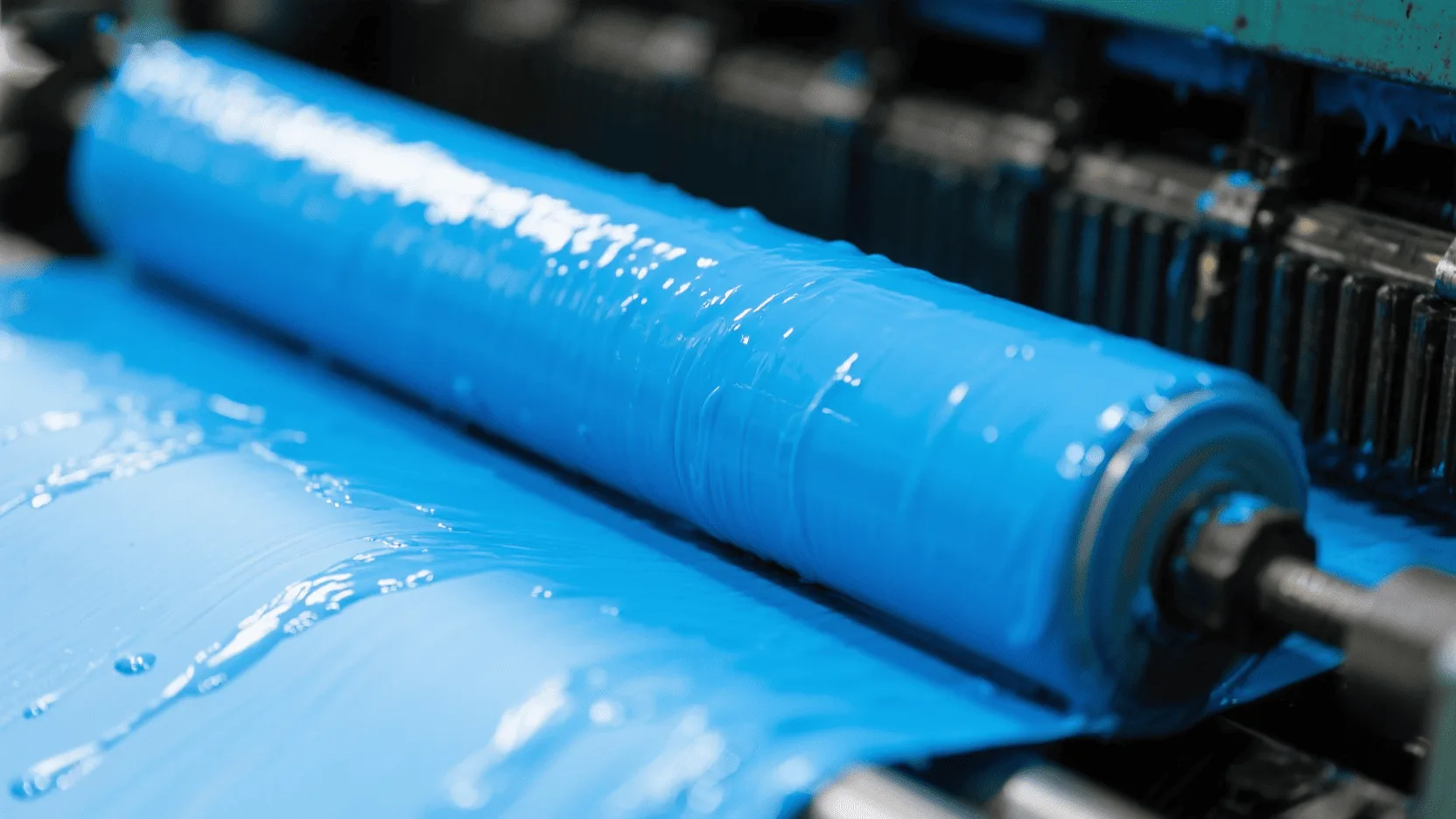
Water-based inks use water to carry the pigment, along with a binder that helps the ink adhere to the paper. Unlike solvent-based inks, which rely on chemical solvents that evaporate during drying and can release volatile organic compounds (VOCs), water-based inks primarily evaporate water. This makes them a safer and more environmentally responsible option for paper packaging.
The choice is especially important for brands with strong sustainability goals. Water-based inks work naturally with absorbent paper surfaces and are well suited to products such as custom paper bags, wrapping paper, and cardboard packaging.
To make the differences clearer, here is a comparison of the most common ink systems used in packaging:
| Ink Type | Primary Solvent | Environmental Impact | Key Advantage | Best Use on Paper Bags |
|---|---|---|---|---|
| Water-Based | Water | Low. Minimal VOCs and compatible with paper recycling | Sustainability, safety, and natural print finish | Excellent for uncoated and most coated paper stocks |
| Solvent-Based | Chemical Solvents | Higher VOC emissions, odor, and hazardous waste concerns | Fast drying and strong durability | Mostly legacy applications; less suitable for sustainability-focused packaging |
| UV-Cured | Monomers | No VOCs during curing, but high energy use and a plastic-like cured layer can affect recyclability | Instant curing and high gloss | Special effects and applications requiring extreme surface durability |
For brands focused on recyclable and sustainable paper bags, water-based inks are usually the most practical choice. They can produce crisp logos, rich colors, and complex designs while supporting the natural and recyclable characteristics of paper.
There are a few technical considerations to keep in mind:
- Drying Time: Because water evaporates more slowly than some chemical solvents, water-based inks can require more controlled drying conditions. A properly equipped printing facility can manage this with heat and airflow systems.
- Printing on Dark Kraft: Very bright or opaque colors can be more difficult to achieve on dark brown Kraft because the ink can be absorbed into the paper fibers. Depending on the design, a white base layer may be needed.
- High-Resolution Printing: Modern water-based ink technology can produce sharp details, rich gradients, and complex graphics on suitable paper stocks. However, coated art paper and white cardboard generally provide the most precise and vibrant results because of their smooth, bright surfaces.
- Extreme Durability: If a bag requires exceptional abrasion or water resistance, additional coatings may be considered. However, some plastic-like coatings can affect recyclability, so the finish should be selected together with the sustainability requirements of the project.
The key is to match the ink to the paper and the design. Brown Kraft with a simple one-color water-based print creates a natural aesthetic, while white cardboard or coated art paper can support detailed, full-color branding and premium finishes.
How Does Paper Weight (GSM) Affect Your Bag’s Quality?
You picked a beautiful paper, but the bag still feels cheap or weak. The problem might not be the paper type, but its weight—a critical detail.
GSM, which stands for Grams per Square Meter, is the standard measurement for paper weight and density. A higher GSM value means a thicker, heavier, and more durable paper. Choosing the right GSM is essential to ensure your bag can support your product and project the right image.
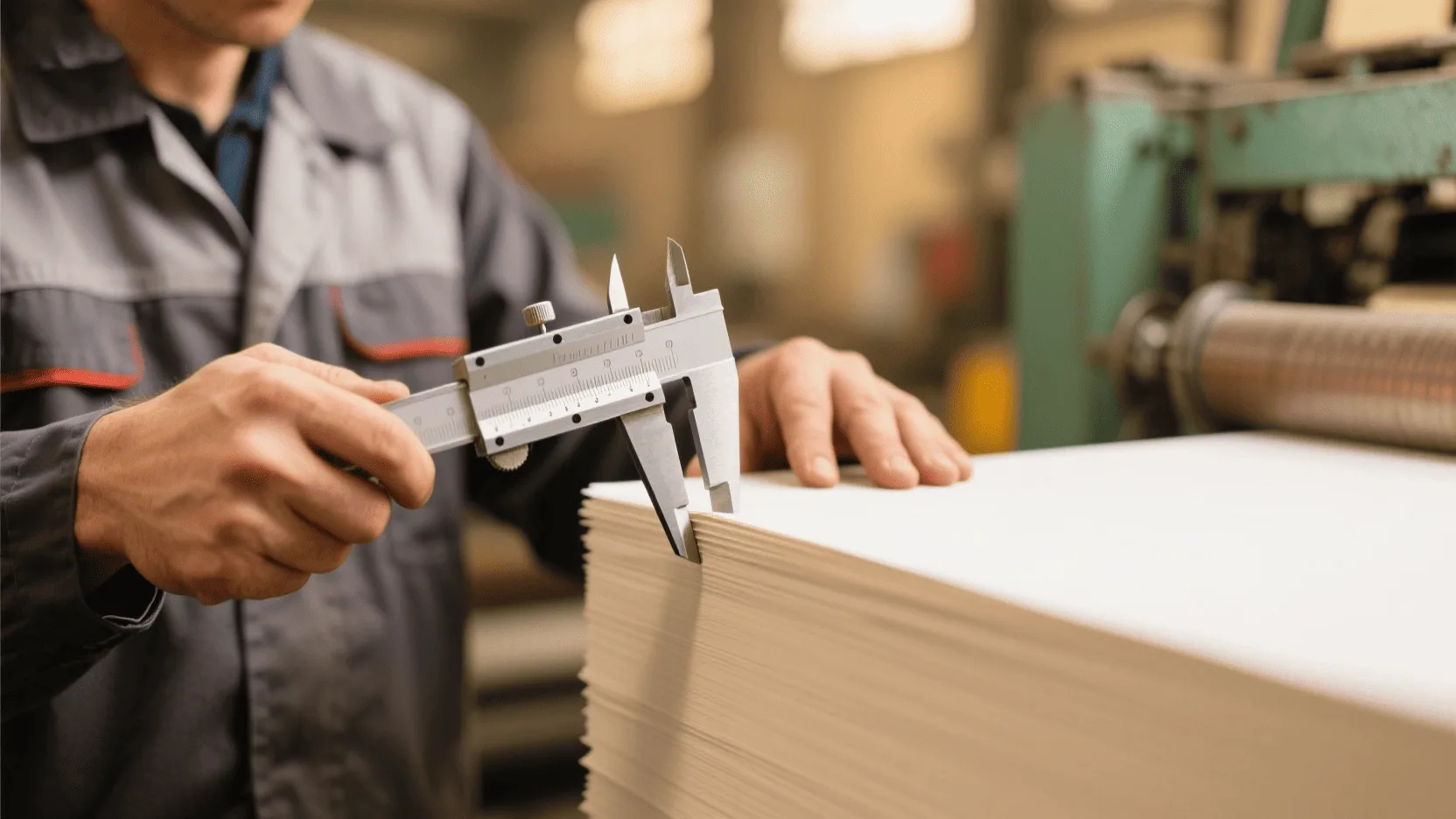
Many clients focus solely on the type of paper and the design, but GSM is just as important. It’s the difference between a bag that crumples easily and one that feels substantial and protective. Think of it like the thread count in sheets; a higher number indicates higher quality and durability. Using a paper with too low a GSM for a heavy product is a recipe for disaster—handles can tear, and bottoms can give out. On the other hand, using an unnecessarily high GSM for a lightweight item can be a waste of money and resources.
Finding the right balance is key. You need a GSM that is strong enough to hold the weight of your products comfortably, but that also aligns with your brand’s positioning. A lightweight, 100 GSM Kraft bag is perfect for a bakery selling pastries. A luxury watch brand, however, would need a much heavier paper, perhaps a 250 GSM white cardboard, to convey quality and protect a valuable purchase. Here at our company, we always start a project by asking what the bag will carry. This helps us recommend the perfect GSM for both function and feel.
Here’s a general guide to help you understand common GSM ranges for different uses:
| Bag Type | Common Paper Type | Recommended GSM Range | Description |
|---|---|---|---|
| Bakery / Lunch Bag | Brown Kraft | 60 – 100 GSM | Lightweight and economical for single-use applications. |
| Standard Retail Bag | White or Brown Kraft | 100 – 150 GSM | A good balance of strength and cost for clothing, books, etc. |
| Premium Retail Bag | White Cardboard, White Kraft | 150 – 210 GSM | Thicker and more durable, offering a higher-end feel. |
| Luxury Gift Bag | White Cardboard, Coated Art Paper | 210 – 300+ GSM | Very thick and rigid, providing maximum protection and a luxury feel. |
Conclusion
Choosing the right paper—from rustic Kraft to sturdy white cardboard or vibrant coated art paper—is about more than just looks. It’s about strength, brand perception, print quality, sustainability, and customer experience. By considering the paper type, printing ink, and paper weight (GSM) together, you can create a bag that is both functional and a true reflection of your brand’s quality.
For most paper bags, water-based inks offer an excellent balance of vibrant printing, safety, and environmental responsibility. Combined with the right paper stock and GSM, they allow brands to create packaging that looks premium without sacrificing sustainability.
Ready to create the perfect paper bag for your brand? Contact our team at Omet Packaging for expert advice and a personalized quote. Explore our full range of custom paper bags to see what’s possible.
FAQ
Q1: What is the most common paper weight for retail bags?
A1: For standard retail bags, such as those used in clothing or bookstores, the most common weight is between 100 and 150 GSM. This range offers a good mix of durability to hold most products and a cost-effective price point for businesses.
Q2: Is brown Kraft paper or white Kraft paper stronger?
A2: Technically, brown (unbleached) Kraft paper is slightly stronger than white (bleached) Kraft paper of the same GSM. The bleaching process can slightly weaken the paper fibers. However, for most practical applications, the difference in strength is minimal and both are considered very durable options.
Q3: Can you print complex, full-color designs on recycled paper?
A3: Yes, you can print full-color designs on recycled paper, but the results can vary. Recycled paper often has a slightly duller or grayer tone and may have visible flecks, which can subtly alter the final appearance of the printed colors. For the most vibrant and precise color reproduction, virgin papers like white cardboard or coated art paper are generally preferred.
Q4: Are water-based inks waterproof?
A4: Once fully dried and cured, water-based inks have good water resistance for typical daily use, like being caught in a light rain. However, they are not completely waterproof. If the paper bag becomes saturated with water, the ink may smudge, similar to how any printed paper product would behave.
Q5: Do paper bags printed with water-based inks cost more?
A5: In most cases, the cost is comparable to using solvent-based inks. While raw ink costs can vary, water-based inks can offer operational advantages through easier cleanup and reduced environmental compliance requirements.
Q6: Can you print high-resolution photos and complex graphics with water-based inks?
A6: Absolutely. Modern water-based ink technology and advanced printing presses allow for sharp details, rich color gradients, and complex graphics on suitable paper bags. For the most vibrant and precise results, white cardboard and coated art paper provide an excellent printing surface.