You’re trying to set a budget for your new product launch, but the quotes for custom packaging are all over the map. One supplier is cheap, another is expensive, and you can’t figure out why. This uncertainty is paralyzing, making you fear you’ll either overpay or get stuck with low-quality packaging that hurts your brand.
Custom paper packaging typically costs from around $0.20 per unit for simple printed paper bags to $2.00+ for complex luxury rigid boxes, depending on the material, size, printing, quantity, structural design, and finishing options. The exact price can vary significantly based on order specifications and destination.
Key Takeaways / TL;DR
- The primary cost drivers for custom paper packaging are material type and GSM, finished dimensions, printing method, order quantity, structural complexity, and special finishes.
- Order quantity has a major impact on unit pricing because tooling, plate-making, machine setup, and other fixed costs are spread across more units as volume increases.
- Special finishes such as hot foil stamping, embossing, debossing, and spot UV can increase the unit cost, particularly when the coverage area or production complexity is high.
- Your landed cost can be substantially higher than the factory price because freight, customs clearance, duties, tariffs, and other logistics costs may apply.
- For international B2B buyers, comparing FOB and DDP pricing is important because the lowest factory price does not always mean the lowest total procurement cost.
- As a general reference, a simple one-color printed Kraft paper bag at 5,000+ units may be around the lower end of the price range, while a premium laminated paper bag with ribbon handles and specialty finishing can cost significantly more.
One of the first questions a new client asks me is, "So, how much for a paper bag?" I always smile, because it’s a question I’ve answered a thousand times.
I compare it to walking into a car dealership and asking, "How much for a car?" Are you looking for a basic, reliable sedan or a high-performance luxury sports car? The answer is, "It depends."
The same is true for packaging. As the founder of Yiwu Omet Packaging, I’ve seen how this uncertainty creates anxiety for brand owners. They’re trying to make smart financial decisions but are often comparing supplier quotes without knowing what is included.
My goal with this guide is to turn on the lights for you. I’ll break down the major factors behind custom paper packaging prices, explain how suppliers calculate costs, and show you what information to provide when requesting a packaging quote.
How Much Does Custom Paper Packaging Cost?
Custom paper packaging can range from roughly $0.20 per unit for basic paper bags to $2.00 or more for premium rigid boxes, but there is no single standard price. Material, dimensions, printing, quantity, structure, finishing, and shipping terms all influence the final cost.
For B2B buyers, the most useful way to think about packaging pricing is not as one fixed number, but as a combination of unit manufacturing cost + setup costs + logistics + import-related costs.
Typical Custom Paper Packaging Price Ranges
The following ranges are general B2B reference points rather than fixed quotations. Actual pricing depends on specifications, quantity, supplier capabilities, and destination.
| Packaging Type | Typical B2B Price Range* | Main Cost Drivers |
|---|---|---|
| Basic Kraft Paper Bags | ~$0.20–$0.50+ | GSM, size, printing, handles, quantity |
| Printed Paper Bags | ~$0.25–$0.70+ | Paper type, printing coverage, handles, finishing |
| Luxury Paper Bags | ~$0.50–$1.00+ | Thick paper, lamination, ribbon/rope handles, foil |
| Custom Folding Paper Boxes | ~$0.20–$1.50+ | Board thickness, size, printing, structure |
| Premium Rigid Boxes | ~$1.00–$2.00+ | Greyboard thickness, wrapping paper, inserts, finishing |
| Magnetic Rigid Boxes | ~$1.50–$2.50+ | Box structure, magnets, inserts, finishing |
*These are indicative ranges for budgeting purposes, not guaranteed factory prices. A supplier should provide a project-specific quotation after reviewing the exact specifications.
This is why two products that appear visually similar can have very different prices. A small change in paper weight, dimensions, printing coverage, handle type, or finishing can significantly change the manufacturing cost.
What Are the Primary Factors Driving Packaging Costs?
You’re looking at two paper bags that seem similar, but one costs twice as much. This pricing mystery makes it difficult to compare supplier quotes or create an accurate packaging budget.
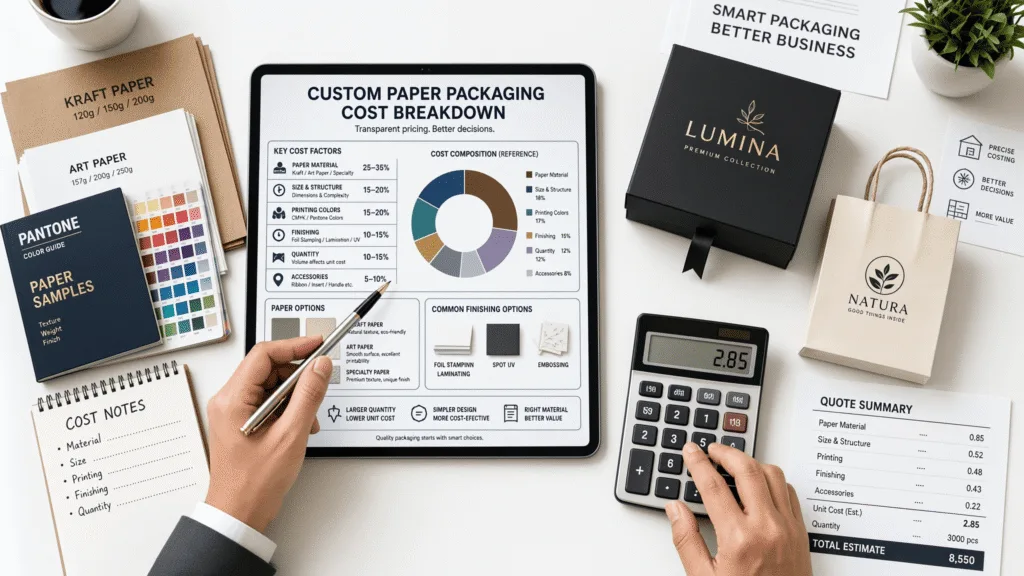
The primary cost drivers are paper material, packaging dimensions and structure, printing requirements, order quantity, and finishing. These factors determine most of the manufacturing cost of a custom paper packaging project.
Before we even talk about fancy finishes or shipping, the core of your packaging’s cost comes down to several fundamental specifications. At my factory, these are among the first details we confirm when preparing a quotation.
Changes in any of these areas can move the price significantly. For example, upgrading from lightweight paper to a thicker premium stock increases material consumption and can also affect the bag’s structure, folding, and shipping weight.
The Main Cost Drivers
| Factor | Details & Impact on Cost | Why It Matters |
|---|---|---|
| 1. Paper Material | Type: Kraft, art paper/C1S, specialty paper, or rigid greyboard. Weight: Higher GSM generally means more material and a higher cost. | Material affects both the physical performance and perceived quality of the packaging. |
| 2. Size & Structure | Dimensions: Larger packaging requires more material. Complexity: Inserts, special folds, magnetic closures, and multi-piece structures add production steps. | Size affects both manufacturing cost and shipping efficiency. |
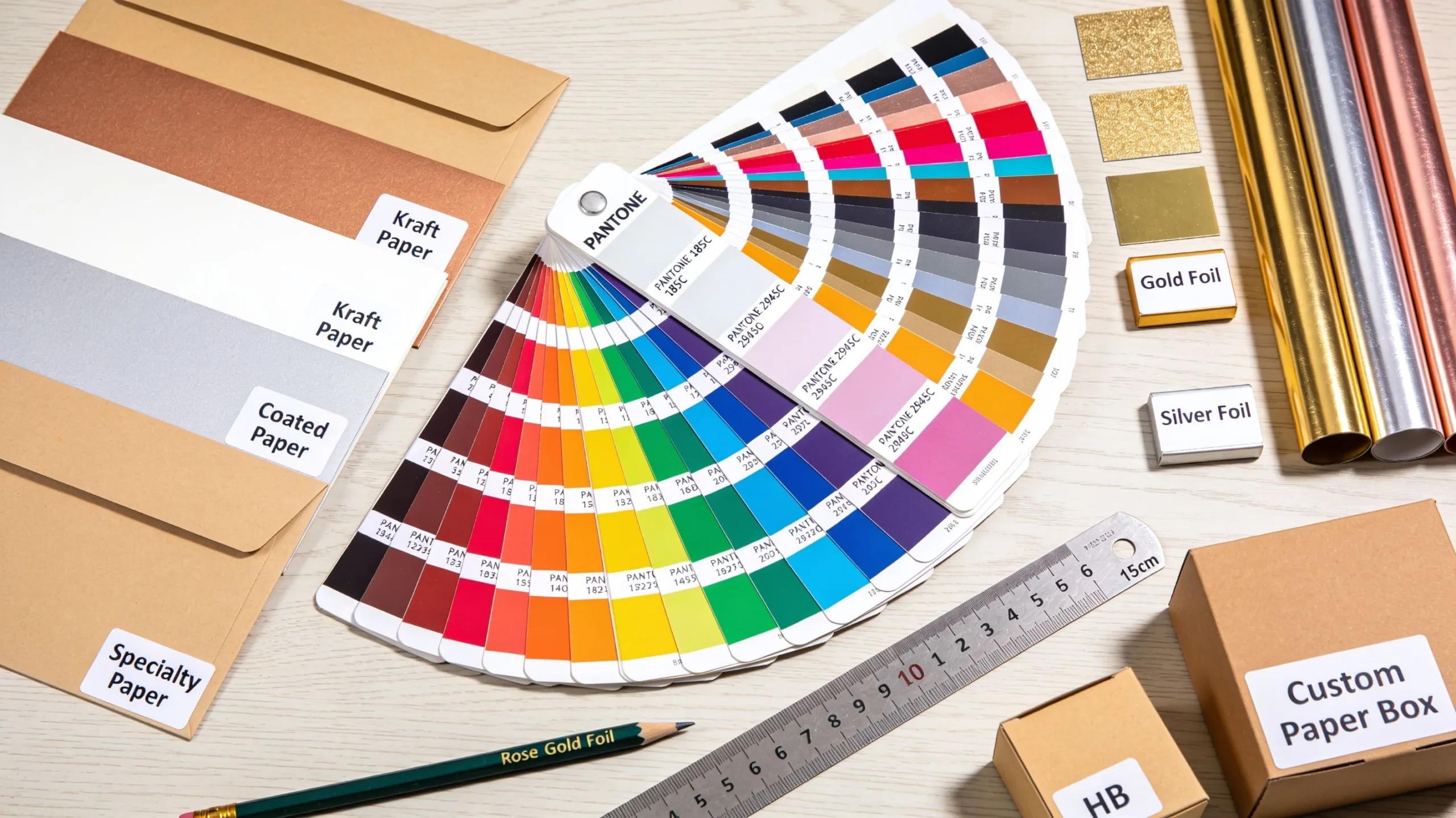
| 3. Printing | Method: Offset or other suitable printing methods. Colors: CMYK or Pantone. Coverage: Small logos generally require less ink and production time than full-bleed printing. | Printing determines how much of the packaging is customized and how many production steps are required. |
| 4. Order Quantity | Larger quantities spread fixed setup costs across more units. | MOQ and order volume have a major effect on unit pricing. |
| 5. Finishing | Lamination, foil stamping, embossing, debossing, spot UV, specialty coatings, and other treatments. | Additional processes increase both material and labor requirements. |
How Does Paper GSM Affect Custom Packaging Cost?
Paper GSM refers to the weight of paper in grams per square meter. Higher GSM generally means thicker or heavier paper, which can increase material cost, shipping weight, and sometimes production requirements.
For example:
- 120–150 GSM: Often used for lightweight or economical paper bags.
- 170–200 GSM: A common range for stronger retail and promotional packaging.
- 210–250+ GSM: Often selected for premium paper bags and luxury applications.
- Rigid greyboard: Used for structured boxes and typically involves a completely different cost calculation.
However, GSM should not be evaluated in isolation. The appropriate paper weight depends on the bag dimensions, structure, handle type, product weight, and desired appearance.
A large paper bag carrying a heavy product may need stronger paper or structural reinforcement even if a smaller bag can use a lower GSM.
How Do Printing Requirements Affect Packaging Prices?
Printing is another major component of custom paper packaging cost.
A simple one-color logo is generally more economical than full-color, full-coverage printing, while Pantone colors, specialty inks, and complex print coverage can increase setup and production costs.
CMYK vs. Pantone Printing
| Printing Option | Typical Use | Cost Consideration |
|---|---|---|
| 1-Color Printing | Simple logos and text | Usually one of the most economical options |
| 2-Color Printing | Brand colors and simple graphics | Moderate |
| CMYK | Photographs and detailed graphics | Higher complexity |
| Pantone | Precise brand-color matching | Additional setup may apply |
| Full-Bleed Printing | Graphics covering most of the surface | Higher material and production requirements |
For brands with strict identity guidelines, Pantone matching can be worthwhile because packaging color consistency matters. For buyers focused primarily on cost, a simple one- or two-color design can often provide strong branding without the expense of complex printing.
How Do Special Finishes and Structural Complexity Affect the Price?
You want your packaging to look luxurious and stand out, but you’re worried that premium finishes will break your budget. You need to know which options give you the best value.
Special finishes such as hot foil stamping, embossing, debossing, and spot UV increase packaging costs because they require additional materials, tooling, machine setup, and production steps.
This is where we move from a functional container to a tactile brand experience. Finishes are the details that create desire and can help justify a premium price point for your product.
From my experience in the factory, each additional finishing process requires its own production considerations. Bags or boxes may need to move through another machine or production stage, requiring setup, skilled labor, and additional materials such as foil or lamination film.
The key is to use these finishes strategically. A small, well-placed foil logo can often create more visual impact than covering the entire package with foil.
Common Finishes and Their Cost Impact
| Finish | Description | Indicative Cost Impact* | Best For |
|---|---|---|---|
| Matte/Gloss Lamination | A protective film applied over the printed surface. | ~$0.05–$0.15+ | Durability and a clean premium appearance |
| Hot Foil Stamping | Metallic or colored foil applied using heat and pressure. | ~$0.10–$0.30+ | Logos, text, luxury branding |
| Embossing/Debossing | Creates a raised or recessed design in the paper. | ~$0.10–$0.30+ | Logos, patterns, tactile branding |
| Spot UV | High-gloss coating applied selectively to specific areas. | ~$0.08–$0.30+ | Contrast and highlighting |
| Magnetic Closure | Magnets incorporated into a rigid box structure. | ~$0.20–$0.50+ | Luxury gift, jewelry, and electronics boxes |
*Indicative ranges only. Actual cost depends on product size, coverage area, tooling, quantity, material, and supplier.
How Does Order Quantity Affect Custom Packaging Cost?
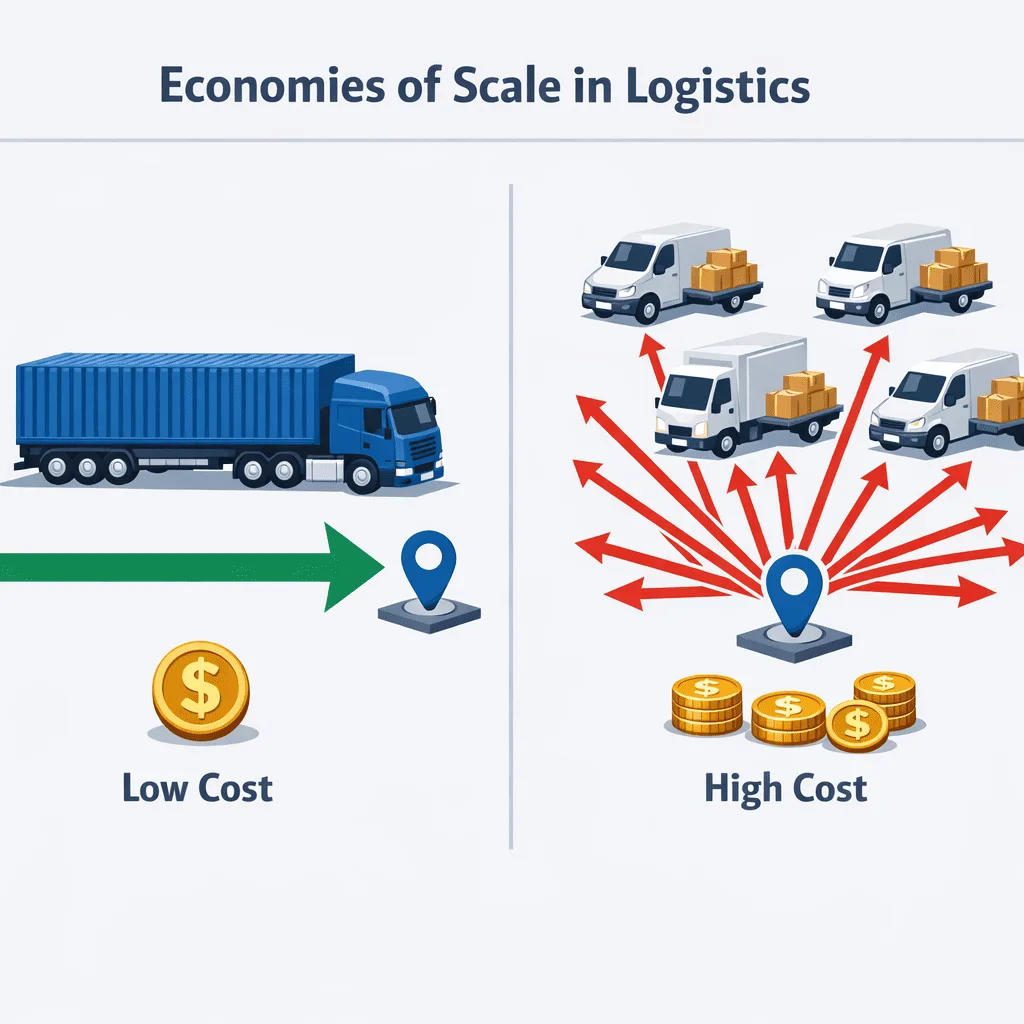
Higher order quantities generally reduce the per-unit cost because fixed setup expenses are spread across more units. The exact reduction varies by product type, production process, and supplier.
Every custom job requires some level of setup. Depending on the product, this can include:
- Printing plate or machine setup
- Cutting die
- Foil stamping setup
- Embossing/debossing tooling
- Printing calibration
- Machine adjustment
- Manual assembly or packing setup
If those fixed costs are divided across 1,000 units, the impact per unit is much greater than when they are divided across 10,000 or 50,000 units.
Example of Economies of Scale
Imagine a production project has $500 in fixed setup costs:
| Order Quantity | Fixed Cost Per Unit |
|---|---|
| 500 units | $1.00 |
| 1,000 units | $0.50 |
| 5,000 units | $0.10 |
| 10,000 units | $0.05 |
The example above only illustrates how fixed costs are distributed. It does not represent the total manufacturing price.
This is one reason why B2B packaging suppliers often establish a minimum order quantity (MOQ). At very low quantities, setup costs can make the unit price uneconomical.
How Much Does Shipping Add to Custom Packaging Cost?
You’ve got a per-unit factory price that fits your budget, but you’re afraid of surprise charges. The total landed cost can seem like a black box, especially when sourcing internationally.
Your final packaging cost can be significantly higher than the factory price after adding freight, insurance, customs clearance, duties, tariffs, and other import-related expenses. The impact varies by destination, shipping method, shipment size, and trade terms.
There are two numbers every B2B buyer must understand:
1. Ex-factory or FOB price
2. Landed cost
The price from our factory in Yiwu, China is not necessarily the final price you pay to receive the goods at your warehouse.
Depending on the Incoterm and destination, you may need to account for:
- Ocean or air freight
- Insurance
- Customs clearance
- Import duties
- Applicable tariffs
- Local delivery
- Destination handling fees
FOB vs. DDP Packaging Pricing
| Term | What the Buyer Typically Pays | Best For |
|---|---|---|
| FOB | Factory price + buyer-managed international logistics and import costs | Experienced importers with established freight partners |
| DDP | Supplier-arranged delivery including applicable import-related costs under the agreed terms | Buyers who want a more predictable landed cost |
For buyers comparing international packaging suppliers, I recommend requesting both FOB and DDP pricing when practical. This makes it easier to compare the actual cost of sourcing from different suppliers.
What Information Do You Need to Get an Accurate Packaging Quote?
To receive an accurate custom packaging quotation, provide the supplier with the packaging type, finished dimensions, material, GSM, printing requirements, finishing, quantity, packing requirements, and delivery destination.
The more complete your specifications are, the less likely you are to receive a quote that changes significantly later.
B2B Packaging Quote Checklist
Before contacting a packaging manufacturer, prepare:
- Packaging type — paper bag, folding box, rigid box, wrapping paper, etc.
- Finished dimensions — length × width × height where applicable.
- Paper material — Kraft, art paper, specialty paper, greyboard, etc.
- Paper GSM or board thickness.
- Printing requirements — CMYK, Pantone, number of colors, and coverage.
- Finishing — matte/gloss lamination, foil stamping, embossing, debossing, spot UV, etc.
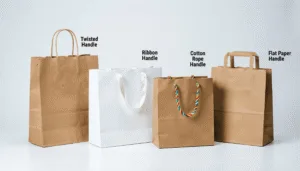
- Handle or closure type — cotton rope, satin ribbon, twisted paper handle, magnetic closure, etc.
- Order quantity — including expected future order volumes if relevant.
- Packing requirements — cartons, flat packing, individual packing, palletization, etc.
- Delivery destination — city and country.
- Preferred Incoterm — FOB, CIF, DDP, or another agreed term.
- Target delivery date.
Providing these details upfront can help suppliers give you a more realistic quotation and reduce the need for repeated revisions.
How Can You Reduce Custom Packaging Costs Without Sacrificing Quality?
The most effective ways to reduce packaging costs are increasing order volume, simplifying the structure, optimizing dimensions, reducing unnecessary finishing, choosing an appropriate GSM, and designing packaging efficiently for shipping.
Here are several strategies I regularly recommend to B2B buyers:
1. Optimize the Packaging Size
A few centimeters can make a surprising difference in material consumption and carton utilization.
Don’t simply make packaging larger than necessary. Match the dimensions to the product as closely as practical.
2. Choose the Right GSM
The thickest paper is not always the best paper.
The goal is to select enough strength for the product while avoiding unnecessary material costs.
3. Use Finishes Strategically
Instead of applying foil or specialty finishing across the entire surface, consider using it on:
- Logos
- Product names
- Small graphic elements
- Key visual areas
A small premium detail can sometimes create the desired luxury effect at a lower cost.
4. Increase Order Quantity When Demand Supports It
If you know your product has stable demand, a larger production run can lower the unit cost.
However, don’t order more packaging than you can reasonably store or use. Lower unit pricing does not automatically mean lower total inventory cost.
5. Design for Efficient Shipping
Packaging should be designed not only for appearance but also for transportation.
Efficient carton dimensions, flat packing where appropriate, and reasonable product dimensions can help reduce logistics costs.
Is Sourcing Custom Paper Packaging From China Cheaper?
China can offer competitive custom packaging manufacturing prices because of its large production capacity, mature supply chains, and extensive experience with customized packaging. However, buyers should compare the total landed cost rather than factory price alone.
When evaluating a Chinese packaging manufacturer, consider:
- Manufacturing price
- MOQ
- Quality consistency
- Production capacity
- Sample process
- Lead time
- Export experience
- Shipping options
- Communication
- Certifications
- After-sales support
A supplier with a slightly higher unit price may ultimately be more cost-effective if it delivers consistent quality, reliable lead times, and fewer production problems.
Conclusion
Understanding custom paper packaging cost isn’t about finding a single magic number; it’s about knowing which levers to pull.
Material, size, printing, quantity, finishing, structure, and logistics all contribute to the final price. The best B2B packaging decision is therefore not always choosing the lowest factory quotation, but choosing the right specifications and comparing the total landed cost.
By making strategic choices on materials, dimensions, printing, finishes, and order quantities, you can create packaging that fits both your brand vision and your procurement budget.
As a packaging manufacturer, I also recommend comparing suppliers based on more than price. A reliable supplier should be able to explain what is included in the quotation, why the price changes, what the MOQ is, how the sample process works, and what your final landed cost is likely to be.
Now that you’re armed with this knowledge, let’s put it into practice. Reach out to my team with your project specifications, and we’ll provide a detailed, transparent quote that breaks down the costs, so you can see exactly where your money is going.
Request your custom quote from Ometpack today.
Ready to find the right partner? Don’t miss our guide on How to Choose a Custom Paper Packaging Manufacturer: A B2B Buyer’s Guide, which walks you through vetting suppliers like a professional buyer.
FAQs
1. How much does a custom paper bag cost?
A custom paper bag can cost roughly $0.20–$1.50+ per unit for many B2B projects, depending on paper GSM, size, printing, handles, finishing, and order quantity. Basic Kraft bags at higher volumes are generally at the lower end, while premium laminated bags with ribbon handles, foil stamping, or other specialty finishes can cost considerably more.
Use an appropriate-quality paper, keep the printing relatively simple, and invest in one strategically selected premium finish. For example, a well-designed paper bag with a suitable GSM, matte lamination, and a small foil or embossed logo can create a premium appearance without requiring complex finishing across the entire package.
3. Why do I have to pay for a custom packaging sample?
Creating a custom pre-production sample requires design preparation, material, manual work, machine setup, and sometimes tooling or express shipping. While suppliers may provide samples of previous products, a sample made to your exact specifications can involve real production costs.
Some manufacturers may credit the sample fee toward a future mass-production order, depending on their policy.
4. How much do import tariffs add to the cost?
Import tariffs vary by destination country, product classification, origin, and applicable trade regulations. They can also change over time, so buyers should not assume one fixed tariff percentage for all paper packaging.
For international orders, ask your supplier or freight partner to confirm the applicable import costs for your specific product and destination. A DDP quotation can also help provide a clearer estimate of the total delivered cost when the agreed terms include those charges.
5. What is the MOQ for custom paper packaging?
MOQ varies by product, material, printing process, and supplier. Many custom paper packaging projects are produced at quantities of 1,000 units or more, while some products may require higher quantities because of material purchasing or production setup requirements.
For example, our MOQ for many custom paper bag projects is typically around 1,000 pieces, but the exact MOQ depends on the product specifications.
6. Is FOB or DDP better for custom packaging?
Neither is universally better; it depends on the buyer’s logistics experience and purchasing requirements. FOB can be attractive to established importers that already have freight partners, while DDP can make budgeting easier because the supplier arranges delivery under agreed DDP terms.
For a first international packaging order, comparing both options can help you understand the real landed cost.
7. How can I reduce custom packaging costs?
The most effective approaches are optimizing dimensions, choosing the appropriate GSM, simplifying the structure, reducing unnecessary finishing, increasing order quantity when demand supports it, and optimizing shipping cartons.
The goal should be to remove unnecessary cost without compromising the packaging’s required strength, appearance, or brand experience.
8. What information should I provide when requesting a packaging quote?
Provide the packaging type, finished dimensions, material, GSM, printing requirements, finishing, quantity, packing requirements, and delivery destination. If possible, also provide artwork, product weight, reference samples, target price, and required delivery date.
The more complete your specifications are, the more accurate and comparable your supplier quotations will be.