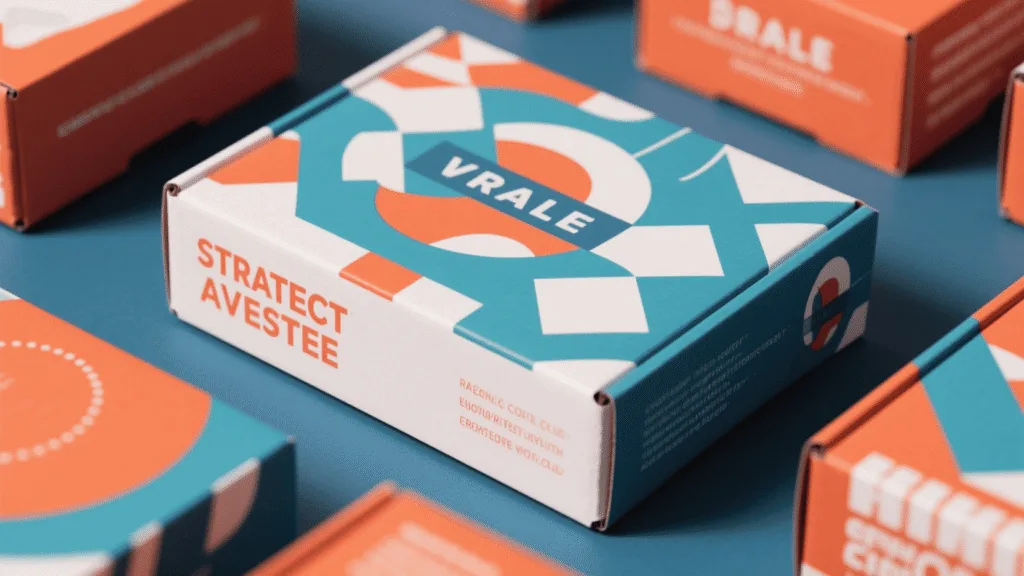
Is your standard brown box undermining your brand’s potential? Many businesses view custom packaging as a pure expense, failing to see its power to drive growth.
Custom printed boxes are a marketing investment with a clear ROI, achieved through enhanced brand value, better customer experiences, reduced product damage, and lower shipping costs. They can also turn an ordinary delivery into a memorable brand story that encourages customer loyalty and social sharing. This guide answers five key questions B2B decision-makers have about making this strategic shift from cost to asset.
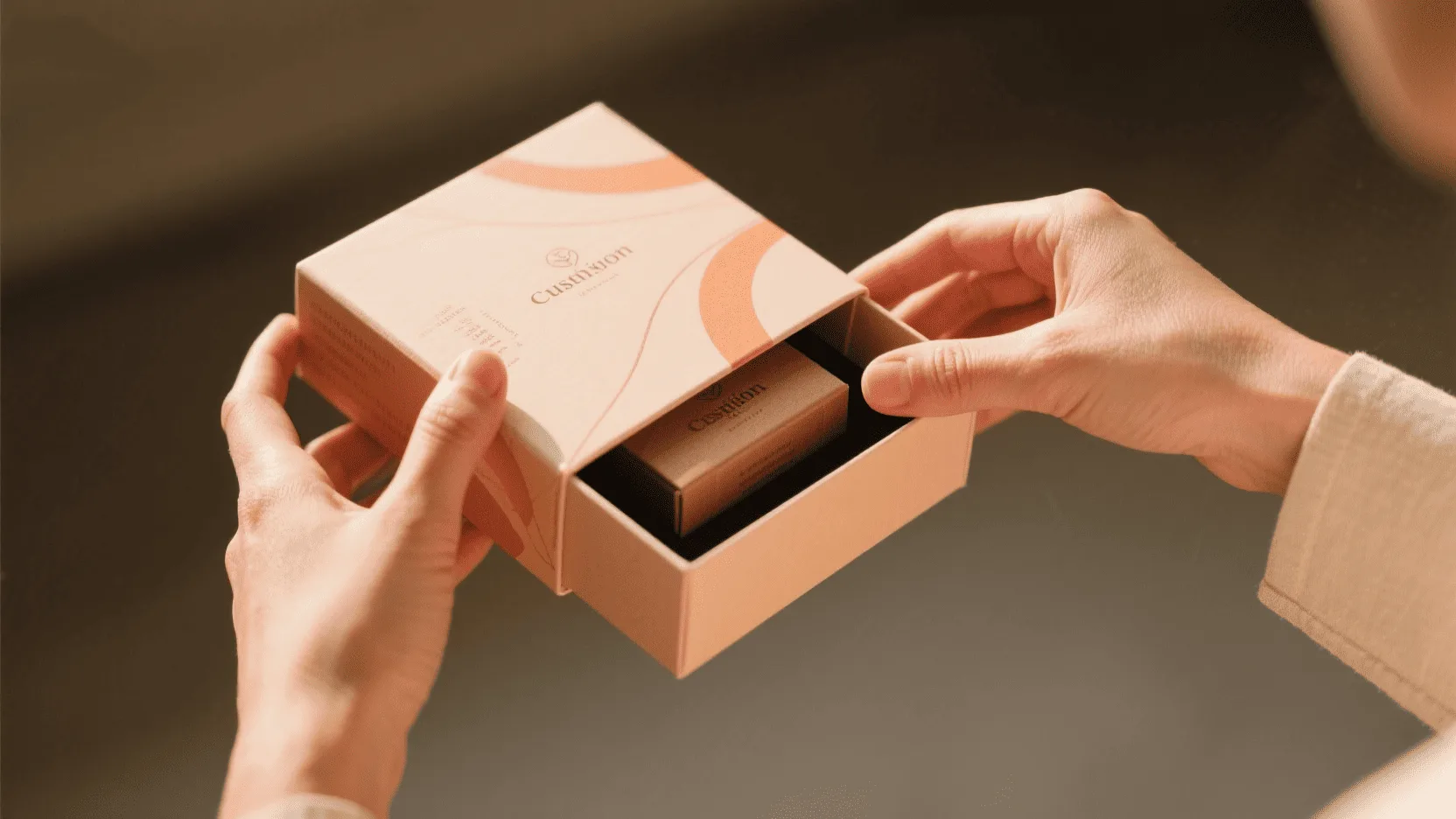
I’ve seen it countless times in my career: a fantastic product arrives in a generic, forgettable box. It’s a massive missed opportunity. The package is the first physical interaction a customer has with your brand, especially in e-commerce. It’s your chance to start a conversation, tell a story, and make the customer feel valued. Thinking of that box as just a container is like thinking of a storefront as just a door. It’s so much more.
The best packaging does more than display a logo. The material, color, texture, structure, interior printing, and opening sequence can all communicate something about your brand. A recycled kraft box can signal authenticity and sustainability, while a soft-touch finish, foil-stamped logo, or magnetic closure can create a premium impression. Even a simple message printed inside the lid can turn an ordinary delivery into a personal brand experience. Let’s explore how to transform this simple container into one of your most effective marketing tools.
Where Does the ROI on Custom Printed Boxes Actually Come From?
Worried that custom packaging is just an added expense? The truth is, it’s a marketing investment that pays for itself in multiple ways, if you know where to look.
The ROI from custom printed boxes comes from boosting your brand’s perceived value, creating shareable "unboxing" experiences, increasing customer loyalty, reducing product damage, and lowering shipping costs through right-sized packaging. It turns an operational necessity into a revenue-driving asset.
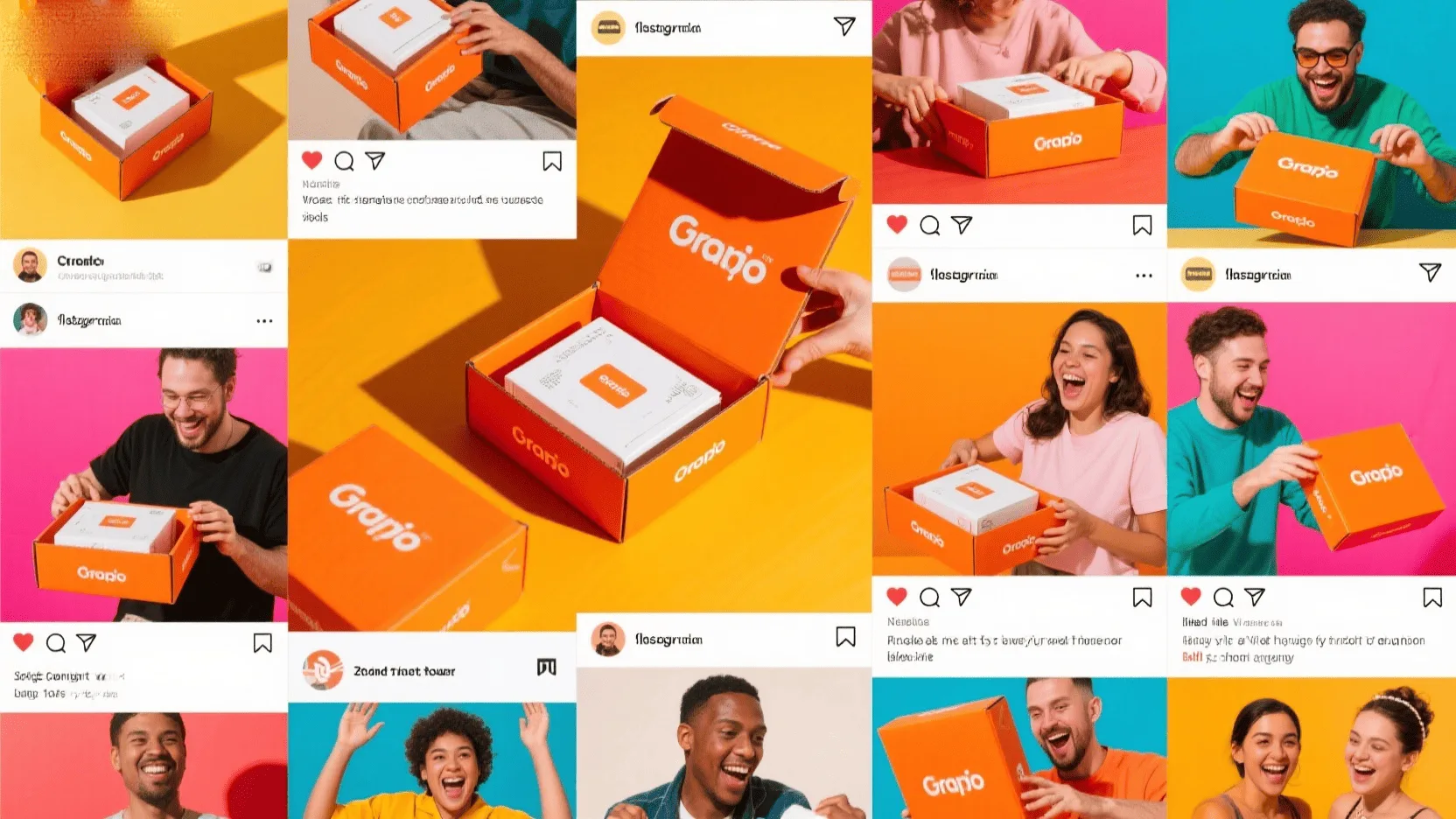
One of our clients, a direct-to-consumer skincare brand, was using standard mailer boxes. Their products were excellent, but their packaging was generic. They were hesitant to invest more, but we ran a trial with a small batch of beautifully designed custom printed boxes. Within three months, they saw a noticeable increase in social media tags and a bump in repeat purchases. The data was clear: the box wasn’t just a cost; it was actively driving customer engagement and loyalty.
I’ve seen the same principle with other brands. A startup selling handcrafted ceramics once chose generic boxes because the unit price was lower. Within months, higher shipping costs, excessive void fill, product damage, and the weak brand impression erased those apparent savings. We redesigned the packaging around the actual product dimensions, adding simple branded printing and better internal protection. The new box cost more per unit, but the overall cost per shipment fell because it used less filler, reduced dimensional weight, and protected the product more effectively.
This is why the unit price alone is a poor way to judge packaging ROI. A generic box may look cheaper on a purchasing spreadsheet, but it can create hidden costs throughout your operation.
A custom box also functions as a mobile billboard. It can be seen by delivery personnel, office staff, family members, and other people before it even reaches the customer. When customers photograph or film the packaging for social media, that exposure becomes additional organic marketing.
More importantly, it directly influences how customers feel about your product. According to a Dotcom Distribution report, 49% of online shoppers say branded packaging makes them more excited about receiving and opening an item. That excitement translates into a higher perceived value, allowing you to command premium pricing. It also creates a memorable "unboxing experience," a powerful source of user-generated content that provides free, authentic advertising.
Finally, a box designed specifically for your product can reduce movement and damage during shipping. Right-sized packaging can also reduce the amount of void fill required and help control dimensional-weight shipping charges.
| Data Dimension | Statistic | Source/Year | Implication for B2B Decisions |
|---|---|---|---|
| Packaging’s Impact on Purchase | 72% of American consumers agree that a product’s packaging design influences their buying decision. | IPSOS, 2022 | Investing in design is a direct investment in your sales conversion rate. |
| Sustainability Willingness to Pay | 81% of consumers state they are willing to pay more for sustainable packaging. | Shorr Packaging Corp, 2023 Survey | Eco-friendly packaging is a market opportunity that attracts high-value customers. |
| E-commerce Repeat Purchases | 49% of online shoppers report that branded packaging makes them excited to buy from that brand again. | Dotcom Distribution, 2022 Report | A quality unboxing experience is a highly effective strategy for boosting customer lifetime value (CLV). |
How Do You Choose the Right Box Structure and Material for Your Product?
Confused by mailer boxes, folding cartons, and rigid boxes? Choosing the wrong structure or material can lead to damaged products, unnecessary shipping costs, and a poor brand impression.
The right choice depends on your product’s function, industry, shipping requirements, and brand positioning. Mailer boxes are ideal for e-commerce shipping, folding cartons for retail products, and rigid boxes for luxury goods. Material selection hinges on product weight, fragility, shipping conditions, sustainability goals, and your brand’s image.
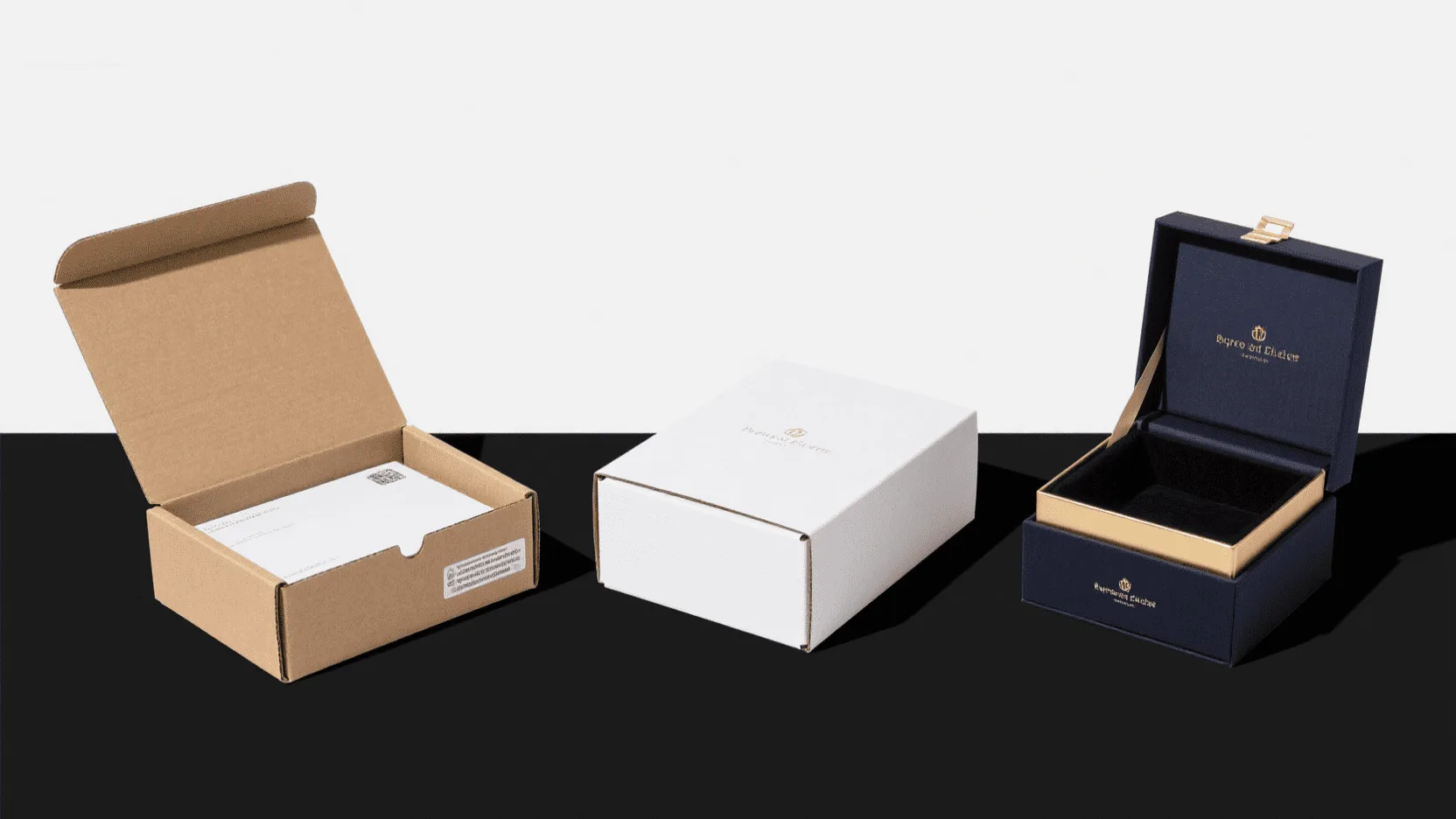
Choosing the right box is a strategic decision, not just a logistical one. As a packaging expert, my first questions to a new client are always: "What are you selling, and where are you selling it?" The answers determine everything. Let’s break down the main options:
- Mailer Boxes: Made from sturdy corrugated paperboard, these are the workhorses of the e-commerce world. They are engineered for durability to withstand the rigors of shipping. Their interlocking flaps mean they can often be assembled without tape, creating a clean opening experience. They are perfect for subscription boxes, apparel, and electronics.
- Folding Cartons: You see these everywhere in retail. They are made from paperboard like white or Kraft cardstock, printed flat, and then folded into shape. They are lightweight and offer a fantastic surface for high-quality printing, making them ideal for cosmetics, food products, and pharmaceuticals that need to stand out on a crowded shelf.
- Rigid Boxes: Often called "setup" or gift boxes, these are the pinnacle of luxury packaging. Made from thick, condensed paperboard and wrapped in premium paper, they are incredibly strong and don’t collapse. Think of the box your smartphone or a high-end watch comes in. They provide superior protection and convey an immediate sense of high value.
The structure should also support the unboxing experience. A magnetic closure, ribbon-pull drawer, layered interior, or carefully positioned insert can create a sense of discovery and make opening the package feel like part of the product itself. The packaging should guide the customer through the experience rather than simply hold the item.
The material is just as critical. A heavy, fragile item requires thick, multi-layered corrugated board. A brand focused on sustainability might choose an FSC-certified Kraft paper for an earthy, organic feel. A luxury brand will lean towards heavy paperboard with a specialty finish. At Omet Packaging, we guide our clients through these choices, ensuring the final box is a perfect blend of form, function, and brand identity.
How Much Do Printing and Finishing Processes Really Affect the Final Look?
Is a simple printed logo enough, or do finishes like foil stamping and embossing truly matter? These details can seem small, but they make a world of difference.
Printing and finishing are crucial for elevating a simple box into a premium brand statement. High-quality offset printing ensures color accuracy, while finishes like lamination, foil stamping, spot UV, embossing, and debossing add tactile and visual appeal that significantly enhances perceived value.
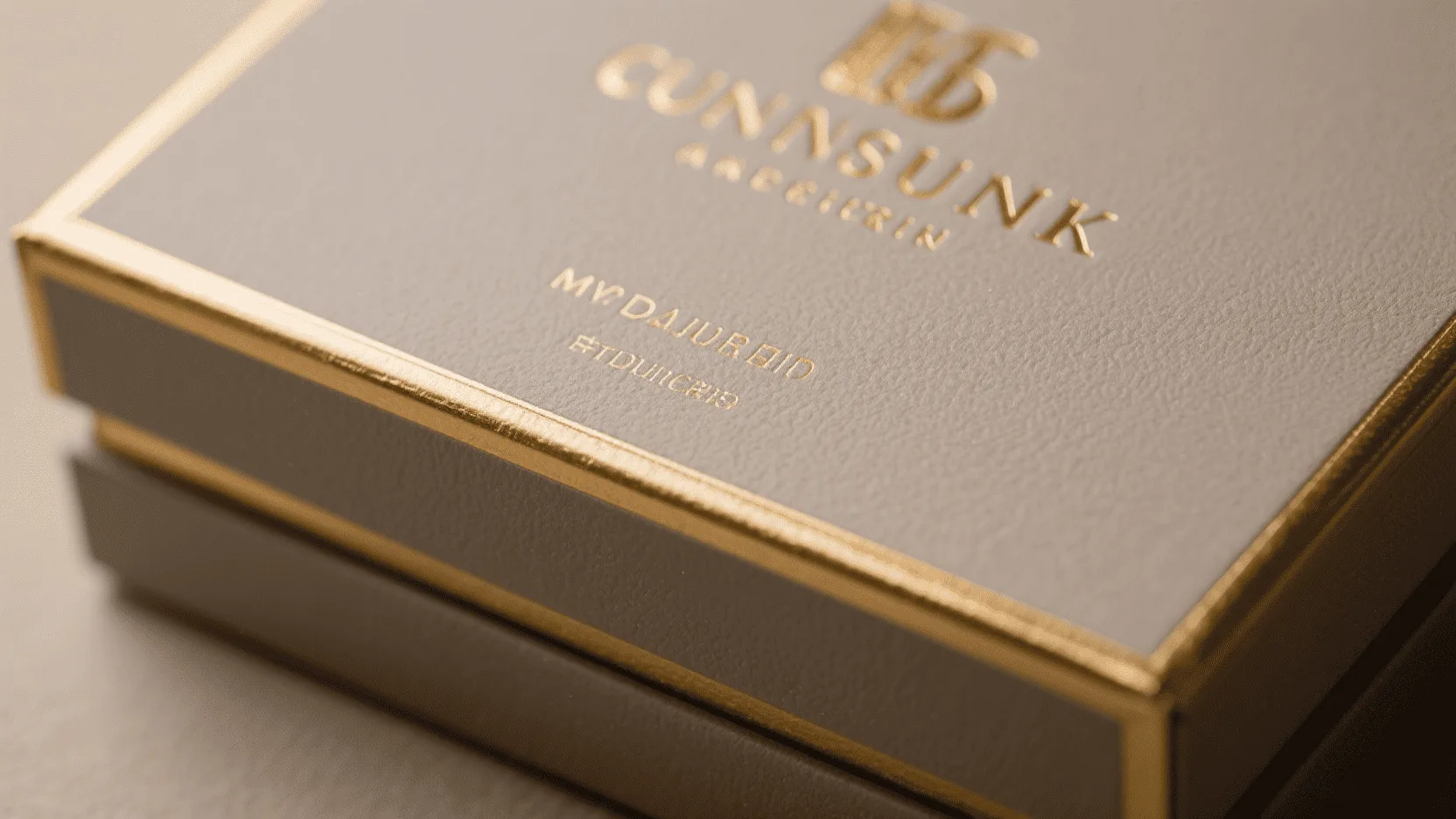
The difference between a standard box and a luxury one often comes down to the finishing touches. I once worked with a jewelry brand whose product was exquisite, but their box was just a plain color with a simple logo. It felt disconnected. We redesigned it using the same box structure but added a soft-touch matte lamination and stamped their logo in a subtle gold foil. The change was transformative. The box now felt as special as the jewelry inside, and they reported customers often kept the box for storage, keeping the brand present in their homes.
This is the power of smart finishing, but the visual appearance is only part of the story. Packaging can communicate brand personality through color, texture, and material. A natural uncoated surface can suggest authenticity, while a smooth, soft-touch finish can signal sophistication. Interior printing can also add an unexpected message or visual detail that customers discover only after opening the box.
Let’s look at the key techniques:
- Printing: For large runs, Offset Printing is the gold standard. It produces the sharpest images and the most accurate color matching (including Pantone colors), which is vital for brand consistency. For smaller, more customized jobs, Digital Printing is a flexible and cost-effective option.
- Lamination: This is a thin protective film applied to the paper. Matte lamination offers an elegant, non-reflective finish, while Gloss lamination makes colors pop and adds durability. Soft-touch lamination adds a smooth, velvety tactile experience that works particularly well for premium products.
- Hot Stamping (Foil): This process uses heat and pressure to apply metallic foil to the box, creating a striking, high-end metallic effect for logos or accents.
- Spot UV: This adds a high-gloss, slightly raised coating to specific areas of the design. It creates a beautiful contrast against a matte background, drawing the eye and inviting touch.
- Embossing/Debossing: This technique creates a 3D effect by either raising (embossing) or depressing (debossing) a part of the paperboard, adding a sophisticated, tactile dimension to your design.
By strategically combining these techniques, you can create a multi-sensory experience that makes your brand unforgettable without making the design unnecessarily complicated.
Will Choosing Eco-Friendly Packaging Dramatically Increase My Costs?
You want to be sustainable, but you’re worried about the budget. Is it possible to go green without seeing your packaging costs skyrocket?
No, sustainable packaging is now highly accessible and cost-competitive. Using materials like FSC-certified paper, recycled content, recyclable Kraft paper, and responsible inks is a smart investment that aligns with consumer demand and can improve brand reputation and sales.
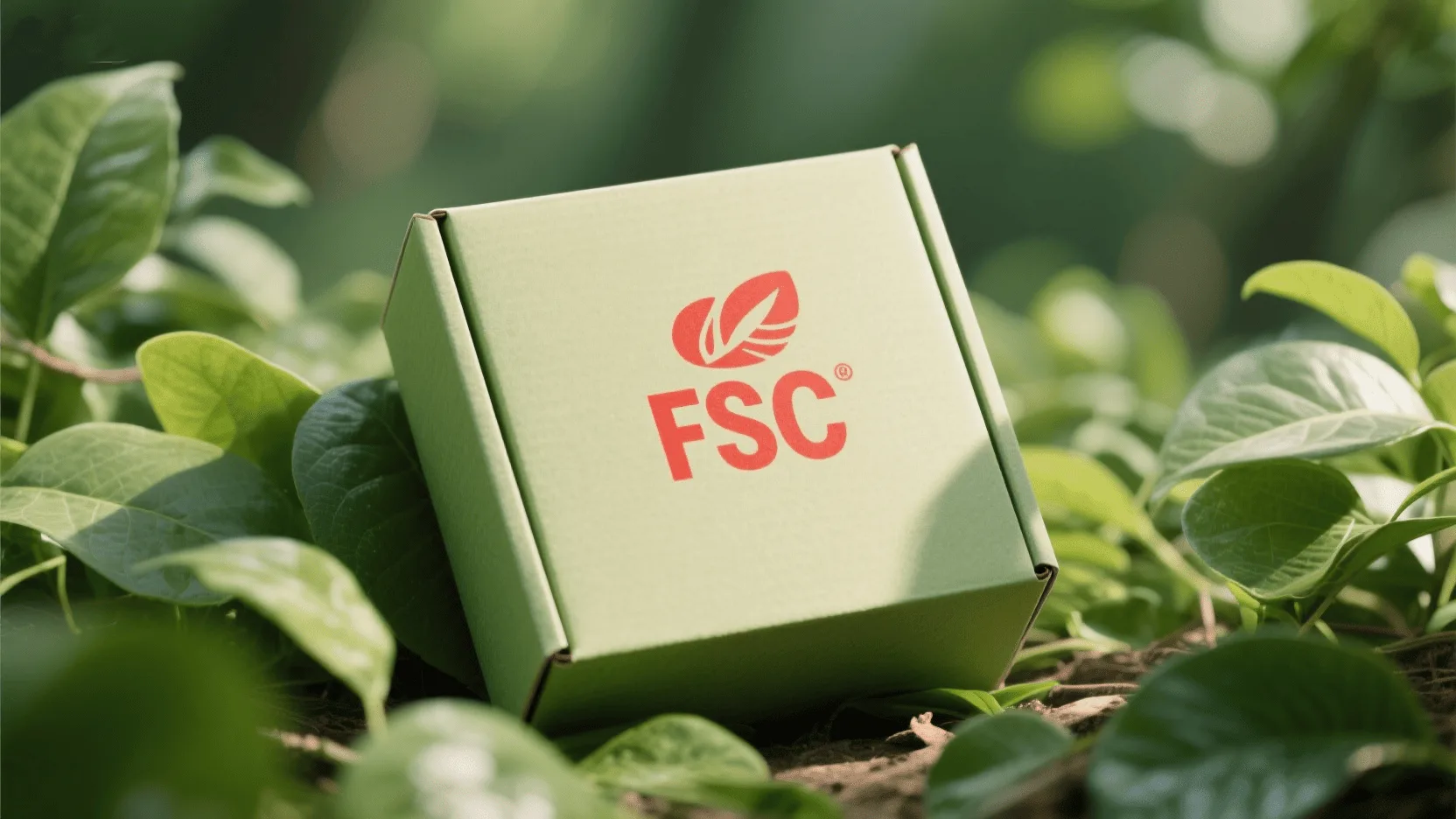
This is one of the most common concerns I hear from business owners, and I am always happy to dispel this myth. A decade ago, sustainable materials were a niche, premium option. Today, the supply chain is incredibly mature. Materials like FSC-certified paper—which guarantees the pulp comes from responsibly managed forests—are now a standard offering. The cost difference is often manageable, especially when sustainability is considered alongside the total cost of packaging, shipping, and brand value.
Sustainability can also become part of your brand story. The material you choose communicates something before the customer reads a single word. Recycled Kraft paper can create a natural, authentic impression, while FSC-certified white paperboard can communicate a cleaner, more premium positioning. Recyclable structures and responsible inks reinforce the same message.
At my company, we are both BSCI and FSC certified. This isn’t just about compliance; it’s about our commitment to ethical and environmental responsibility. We help clients make sustainable choices that fit their budget. For instance, smart structural design can reduce the total amount of paper used, offsetting the cost of a higher-grade recycled material. We also use eco-friendly options like soy-based inks, which are less harmful to the environment than traditional petroleum-based inks.
The key is to avoid treating sustainability as an isolated material upgrade. A right-sized box can reduce material consumption, void fill, and shipping volume at the same time. Choosing recyclable paper-based structures can simplify end-of-life disposal. Sustainable packaging therefore becomes both an environmental decision and an operational one.
Which Sustainable Materials Work Best for Different Products?
Choosing the right material depends on your product, shipping requirements, and brand identity.
| Material | Key Benefits | Best For |
|---|---|---|
| Kraft Paper | Natural appearance, good tear resistance, recyclable. | E-commerce, organic products, rustic branding. |
| Corrugated Board | Excellent protection, lightweight, recyclable. | Shipping boxes, electronics, fragile items. |
| FSC-Certified Art Paper | Smooth surface for high-quality printing and responsible sourcing. | Cosmetics, jewelry, luxury gifts. |
| Recycled Paperboard | Helps reduce virgin material use and can be cost-effective. | Secondary packaging, retail boxes. |
Choosing sustainable packaging isn’t an expense by itself; it’s an investment in brand reputation and a direct response to what modern consumers demand. It tells your customers that you share their values, building a deeper, more resilient connection.
How Can Custom Packaging Turn Your Brand Story Into a Memorable Experience?
Your product may have a great story, but a generic box leaves no room to tell it. How can packaging communicate your brand’s personality before the customer even sees what’s inside?
Custom packaging becomes a brand storyteller when its material, color, structure, texture, interior printing, and opening sequence work together to communicate your values and create a memorable unboxing experience.
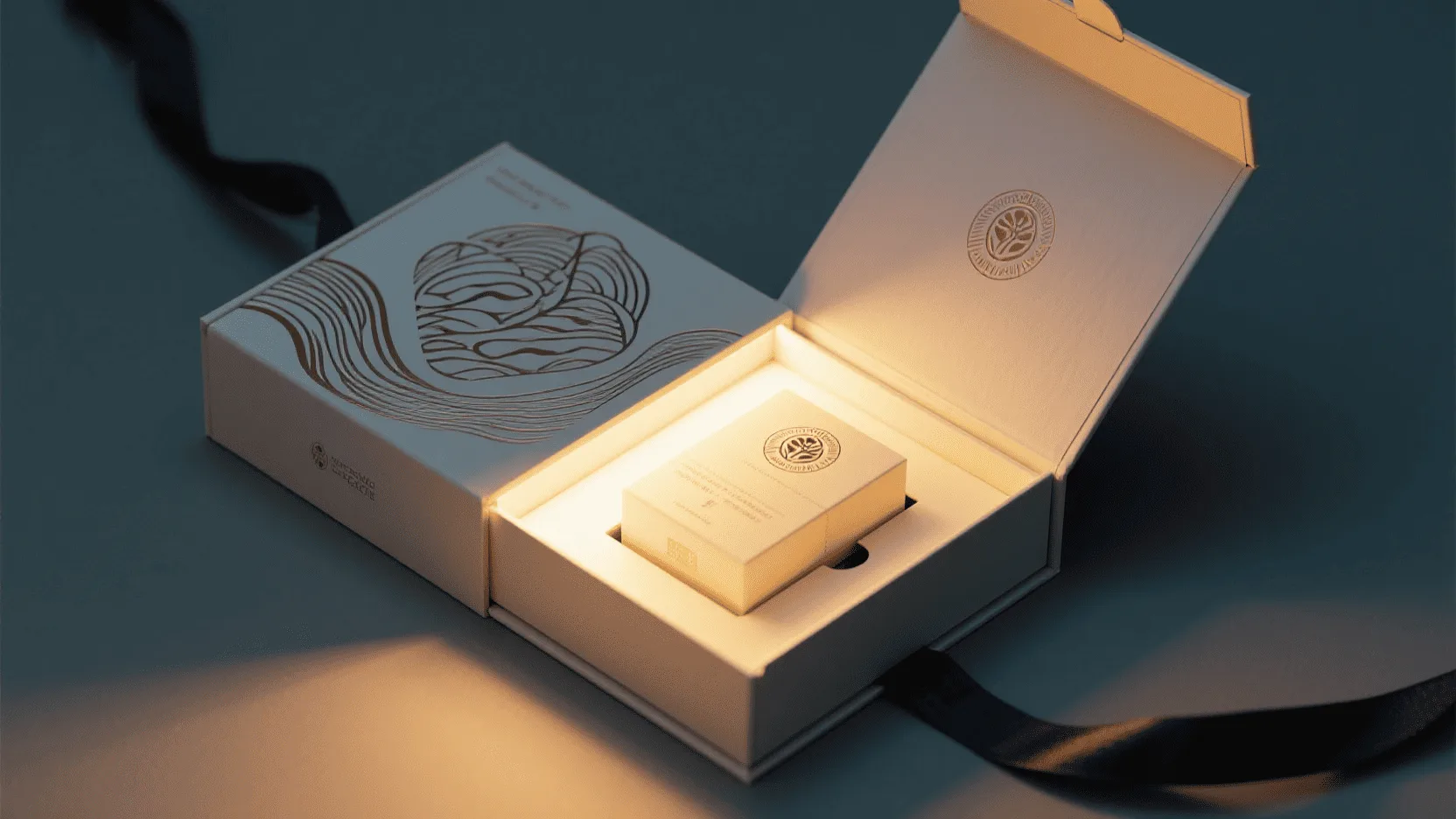
The moment a customer holds your box, they are interacting with your brand. This is your chance to make a statement. The transition from a simple container to a narrative device happens when you think beyond just four walls and a lid.
A rough recycled Kraft paper can tell a story of sustainability and authenticity, while a soft-touch laminate can communicate luxury and care. The way the box opens can also become part of the narrative—a magnetic closure provides a satisfying snap, while a ribbon-pull drawer reveals the product gradually. Interior printing can deliver a thank-you message, brand story, care instructions, or a simple surprise.
This sequencing creates anticipation and discovery. Instead of opening a box and immediately seeing the product, the customer experiences several small moments that reinforce the brand.
| Packaging Element | Storytelling Function | Example |
|---|---|---|
| Material Texture | Communicates values such as natural, premium, or modern. | Recycled uncoated paper for an organic brand. |
| Color Palette | Creates emotion and reinforces brand personality. | Bold colors for an energetic consumer brand. |
| Structural Design | Creates a unique opening ritual and sense of discovery. | A layered jewelry box that reveals the product gradually. |
| Interior Printing | Delivers a message or visual surprise. | A welcome message printed inside the lid. |
When these elements are designed as one system, the packaging becomes more than a printed surface. It becomes the first chapter of your product story.
What is the Full Process for Ordering Custom Boxes, and What Do I Need to Prepare?
The idea of creating a custom box from scratch sounds complex and intimidating. Where do you even start, and what is expected of you?
The process is a straightforward, collaborative journey: consultation, quotation, design and prototyping, refinement, mass production, quality control, and finally logistics. All you need to prepare initially are your product’s dimensions, weight, logo files, and a general idea of your brand’s style.

My goal is always to make the custom packaging process feel easy and empowering for my clients, not overwhelming. We’ve refined our system into a clear, one-stop solution that handles all the technical details so you can focus on your brand vision. Here’s what that journey looks like when you work with a partner like Omet Packaging:
- Consultation & Needs Analysis: It all starts with a conversation. You tell us about your product (size, weight, fragility), your brand, your target audience, shipping requirements, and your budget. We listen and start brainstorming ideas.
- Proposal & Quotation: Based on our discussion, we’ll recommend specific box structures, materials, and finishing processes. We provide a detailed, transparent quote so you know exactly what to expect.
- Design & Prototyping: This is where it gets exciting. You provide your brand assets, like your logo in a vector format (e.g., .AI or .EPS). Our structural engineers and graphic specialists then create a dieline and a digital mockup. Before any large-scale production, we create and ship a physical prototype to you. You can touch it, test it with your product, and ensure it’s perfect.
- Refinement: Based on your feedback, we make necessary adjustments to the structure, artwork, material, or finishing details before approval.
- Mass Production: Once you approve the sample, we move to full production. With fully automated production lines, we can handle large orders efficiently while maintaining strict quality control.
- Quality Control: We inspect the boxes at every stage of production to ensure they meet our high standards and your exact specifications.
- Global Logistics: We don’t just make the boxes; we get them to you. We manage the packing and worldwide shipping to ensure your order arrives safely and on time.
All you really need to begin is a clear idea of your brand and your product. We handle the rest, turning your vision into a physical asset that will protect your product and grow your business.
How Do Advanced Manufacturing Techniques Help Ensure Consistent Quality?
Ordering a large quantity of custom boxes can raise another concern: will every box look and perform exactly the same?
Automated die-cutting, laminating, printing, and finishing processes help maintain consistent dimensions, surface quality, and appearance across large production runs, while quality control at every stage helps reduce defects and production variation.
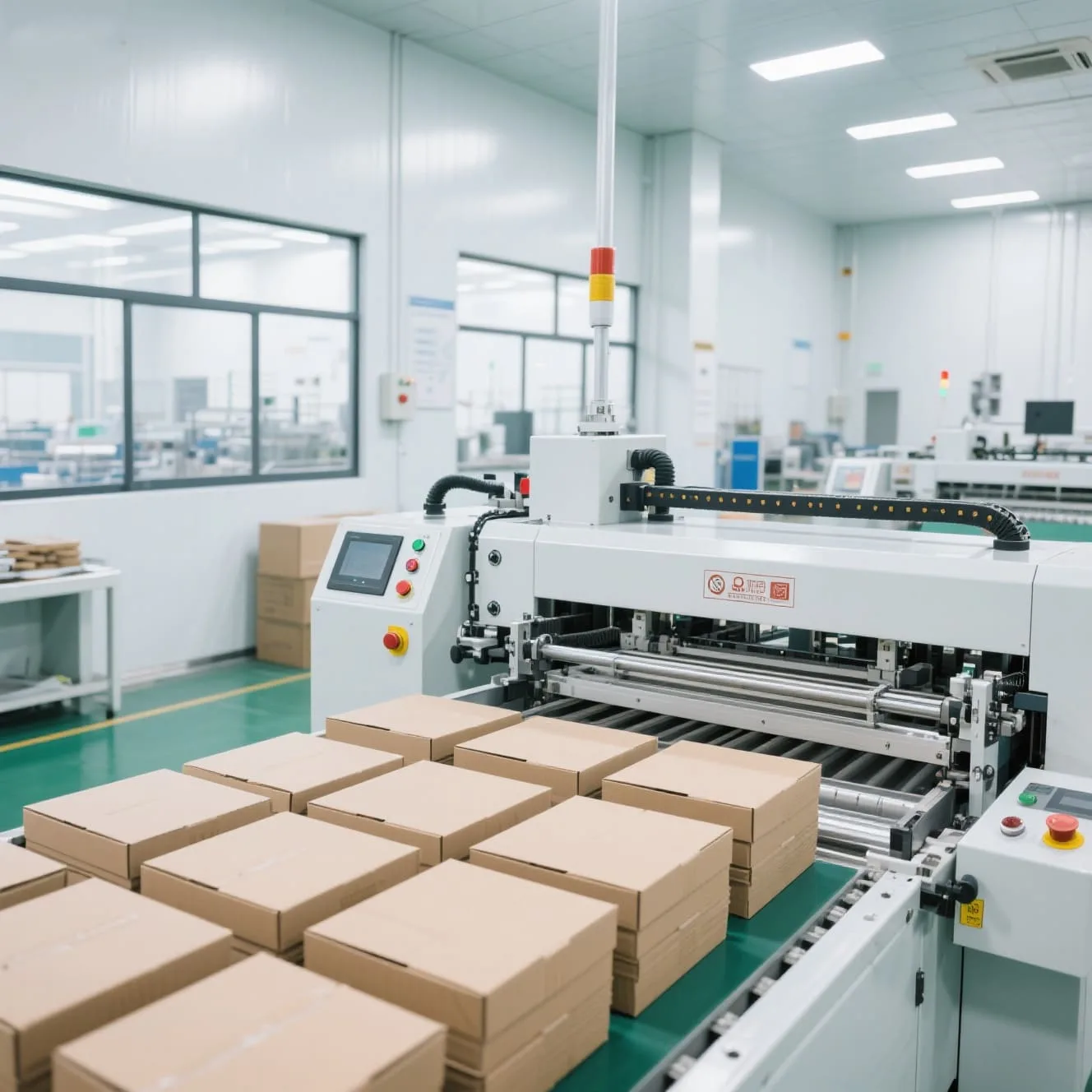
Technology is the silent partner in our clients’ success. Quality control is not something we do only at the end of the line; it is built into every stage of production.
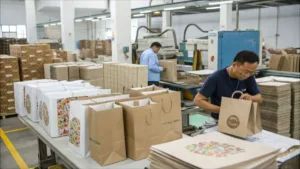
Automated equipment allows production teams to reproduce the same structure and finishing specifications across large quantities. This is especially important when a brand needs thousands or hundreds of thousands of identical boxes for a product launch.
Key processes include:
- Die-Cutting: Automated die-cutting produces accurate and repeatable box shapes, ensuring that panels, folds, and locking structures remain consistent.
- Laminating: Machine-applied matte, gloss, or soft-touch laminates create an even protective surface while reducing variation between boxes.
- Assembly: Automated folding and gluing help maintain structural integrity and consistent dimensions across production runs.
- Hot Stamping: Controlled heat and pressure help produce repeatable foil effects for logos and decorative elements.
The result is not simply faster production. Consistency protects your brand reputation, especially when packaging is part of the customer’s perception of product quality.
How Can Packaging Technology Connect the Physical and Digital Brand Experience?
Your custom box is a physical touchpoint, but that doesn’t mean the customer relationship has to stop when the box is opened.
QR codes and other digital elements can turn packaging into a bridge between the physical product and your online brand experience, giving customers access to tutorials, product information, brand stories, promotions, or other useful content.
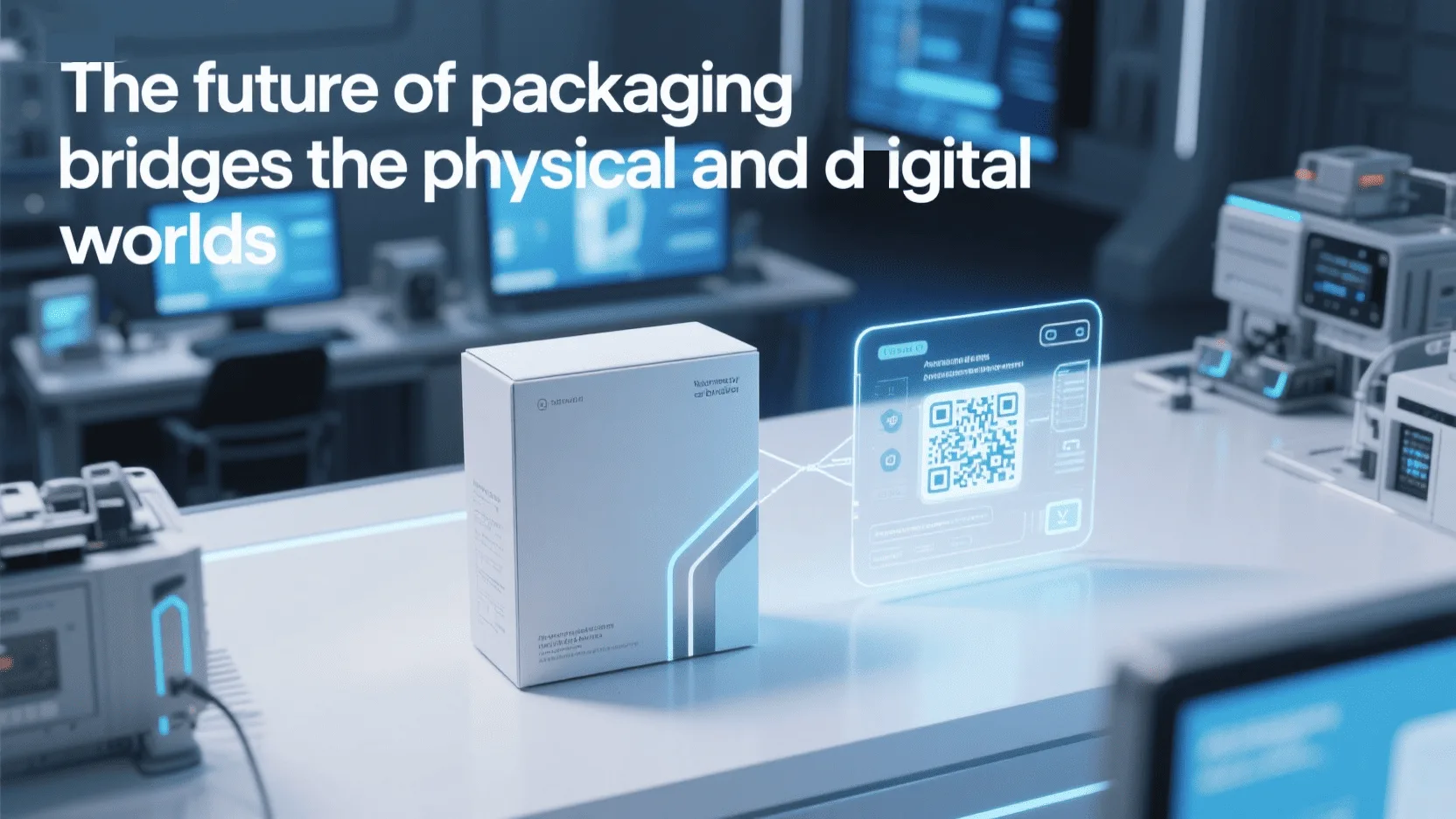
A simple QR code printed on a cosmetics box, for example, can lead customers to a product tutorial, care instructions, a brand video, or a product registration page. For food products, it could provide recipes or information about ingredients and sourcing.
More interactive technologies, such as augmented reality, can take this concept further by creating digital content that appears when customers scan the packaging with a smartphone. These features should not be added simply because they are trendy. They work best when they provide useful content that extends the customer’s experience.
Used thoughtfully, packaging technology can turn a one-time delivery into another opportunity for engagement, education, and repeat interaction with your brand.
What is the Role of Global Regulations in Custom Packaging?
Your business may sell to customers around the world, but international packaging requirements can vary by market. Materials, recyclability, labeling, and producer-responsibility requirements may all need to be considered.
A reliable packaging supplier should help you evaluate materials and structures against the requirements of your target market, while certifications and responsible sourcing practices provide an additional layer of confidence.
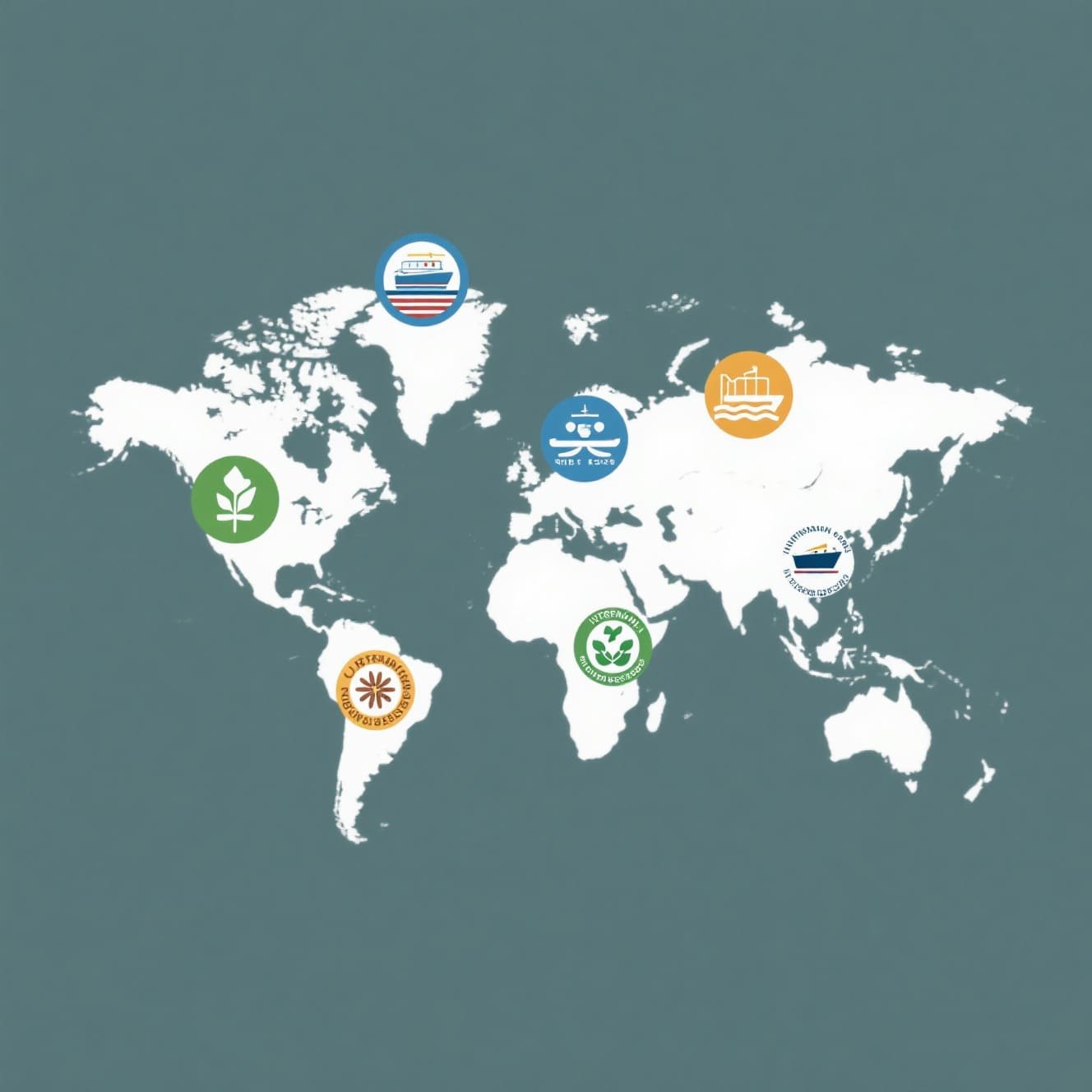
As a global exporter, compliance is an important part of packaging development. Regulations continue to evolve, particularly around recyclability, waste reduction, single-use plastics, and Extended Producer Responsibility (EPR).
For brands selling internationally, it is important to consider these requirements before production rather than trying to modify packaging after it has already been manufactured. Material selection, coatings, printing methods, labeling, and end-of-life recyclability can all affect whether a packaging solution is suitable for a particular market.
Our FSC and BSCI certifications support our commitment to responsible sourcing and ethical production. We help clients evaluate packaging options with both commercial and sustainability requirements in mind.
Conclusion
Custom printed boxes are far more than a container; they are a strategic tool. They are your brand’s storyteller, its silent salesperson, a physical marketing asset, and the first tangible piece of your promise to the customer.
The right packaging can increase perceived value, encourage social sharing, strengthen customer loyalty, protect products, reduce shipping inefficiencies, and communicate your commitment to sustainability. When thoughtful structure, printing, finishing, and storytelling come together, the box becomes part of the product experience itself.
Don’t let your product get lost in a generic brown box. Contact our expert team at Yiwu Omet Packaging today for a free consultation and see how we can turn your packaging into your most powerful brand asset.
FAQ
Q1: What is your minimum order quantity (MOQ)?
A1: Our MOQ typically starts between 500 to 1,000 units, depending on the box’s complexity, size, and printing processes. Our automated production capabilities provide significant cost advantages for larger orders, but we are happy to discuss the best solution for your specific needs.
Q2: How long does prototyping take, and what is the cost?
A2: Prototyping time varies. A simple structural sample can take a few days, while a fully printed and finished sample takes longer. The cost of the sample depends on the structure, materials, and finishing requirements. When applicable, the sample cost may be credited back or deducted from the final bulk order.
Q3: Can you help with the packaging design process?
A3: Absolutely. We offer comprehensive services that include structural design to ensure your product fits perfectly and is well-protected. We can also work closely with your marketing team to provide support for graphic design, ensuring your brand’s vision is perfectly executed on the final product.
Q4: Are custom boxes more expensive than generic boxes?
A4: The unit price of a custom box can be higher than a basic generic box, but the unit price does not represent the full cost. Right-sized custom packaging can reduce void fill, dimensional-weight shipping costs, and product damage. At the same time, branded packaging can create additional marketing value and strengthen customer loyalty.
Q5: Can custom packaging be sustainable without significantly increasing costs?
A5: Yes. Options such as FSC-certified paper, recycled paperboard, recyclable Kraft paper, and responsible inks can provide a strong balance between sustainability, appearance, and cost. Structural optimization can also reduce material usage and shipping volume.
Q6: Can custom boxes include QR codes or interactive features?
A6: Yes. QR codes can be printed directly onto packaging and used to connect customers with tutorials, product information, brand stories, promotions, or other digital content. More advanced solutions such as AR can also be considered when they provide a meaningful benefit to the customer.