

Kraft Paper
Kraft paper is one of the most widely specified materials in paper packaging. Buyers choose it for strength, cost control, and sustainability positioning. If you source paper bags, corrugated cartons, or rigid boxes, understanding kraft paper helps you balance durability, print results, and environmental compliance.
Also Known As
Brown Paper, Natural Kraft Paper, Unbleached Kraft Paper, Kraft Board, Virgin Kraft, Recycled Kraft
Definition
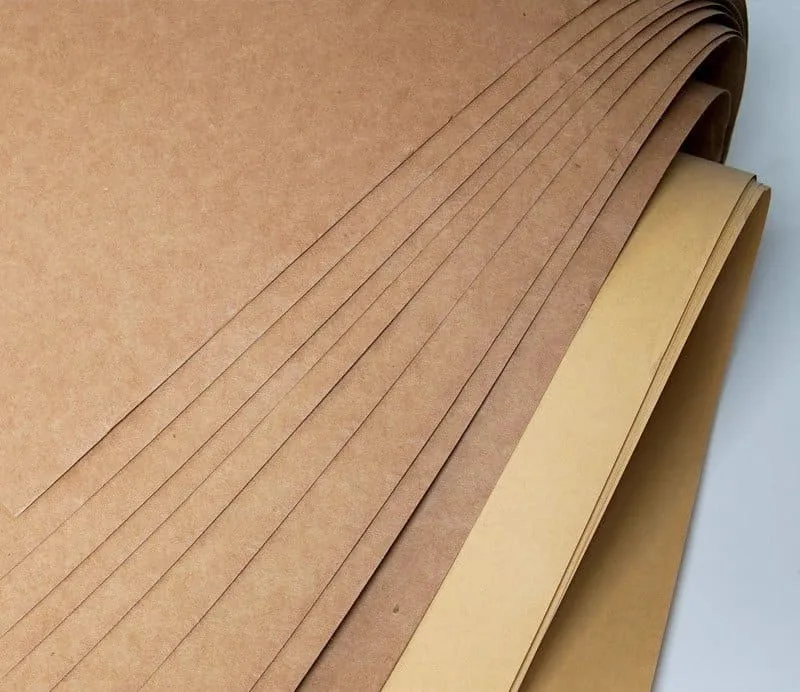
Kraft paper is a high‑strength paper made from chemical pulp produced through the kraft process. It features long wood fibers, strong tear resistance, and is widely used in packaging applications.
Understanding Kraft Paper
Kraft paper is a durable paper material produced using the kraft pulping process. The term “kraft” means strength. Manufacturers cook wood chips with sodium hydroxide and sodium sulfide to remove lignin while preserving long cellulose fibers. These long fibers create high tear resistance and structural integrity, which makes kraft paper ideal for packaging.

What It Is and How It Is Made
During the kraft process, wood chips are processed under heat and pressure. The chemical solution separates strong fibers from the wood structure. The pulp is then washed, screened, and formed into sheets. Manufacturers may leave the paper unbleached, which results in the familiar brown color, or bleach it for a white surface.
There are several common variations:
| Type of Kraft Paper | Color | Strength Level | Printability | Typical Packaging Use |
|---|---|---|---|---|
| Unbleached Kraft | Brown | Very High | Moderate | Shopping bags, wrapping paper |
| Bleached Kraft | White | High | High | Food packaging, branded boxes |
| Coated Kraft | Brown/White | High | Very High | Premium cartons, labels |
| Recycled Kraft | Brown | Medium to High | Moderate | Eco-focused packaging |
Unbleached kraft paper usually offers the highest fiber strength. Bleached kraft improves visual appearance but slightly reduces fiber strength due to additional processing.
Why It Matters in Packaging
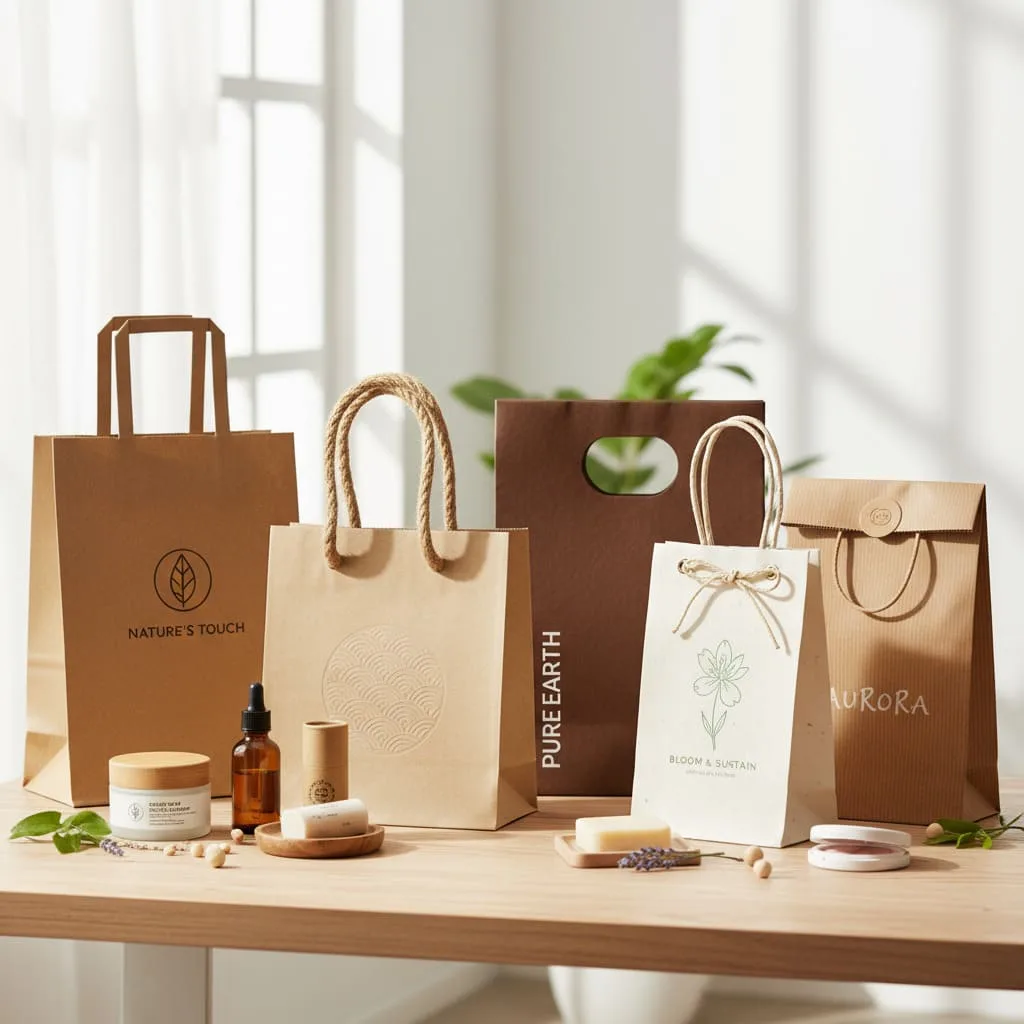
Kraft paper plays a key role in packaging because it combines mechanical strength and sustainability perception. Long fibers improve tear resistance. So paper bags made from kraft can carry heavier loads without breaking. Corrugated cartons often use kraft linerboard as the outer layer because it protects products during transport.
Many brands prefer natural brown kraft because it signals environmental responsibility. When sourced with FSC certification, kraft paper supports responsible forestry claims. Compared with coated art paper, kraft paper has lower surface smoothness but stronger structural performance. Compared with standard recycled paper, virgin kraft generally provides better tensile strength.
How It Is Applied in Production
In packaging manufacturing, kraft paper is used in several ways. Factories convert it into shopping bags, mailing envelopes, wrapping sheets, and corrugated liners. In rigid box production, kraft paper can wrap greyboard to create a natural look while maintaining structural strength.
GSM selection depends on load requirements:
| Application | Recommended GSM Range |
|---|---|
| Light retail bag | 100–120 gsm |
| Standard shopping bag | 120–180 gsm |
| Heavy-duty bag | 180–250 gsm |
| Corrugated linerboard | 125–300 gsm |
Kraft paper also supports finishing processes such as hot stamping, embossing, flexo printing, and screen printing. However, because of its absorbent surface, color brightness may appear lower than on coated paper unless white ink or surface treatment is applied.
Frequently Asked Questions
Common questions and answers about this topic
Is kraft paper environmentally friendly?
Kraft paper is recyclable and biodegradable. When it uses FSC-certified pulp and no plastic lamination, it supports sustainable packaging goals.
What GSM is best for kraft paper bags?
Most retail bags use 120–180 gsm. Heavy products such as wine or electronics may require 180–250 gsm for better load strength.
Can kraft paper be printed in full color?
Yes, kraft paper supports offset and flexo printing. But the brown base may reduce color brightness unless white ink or coating is added.
What factors influence kraft paper packaging cost?
Cost depends on GSM, virgin or recycled fiber, certification such as FSC, printing method, finishing, and order quantity. Higher strength and certification increase price.
4 questions
Related Products
View All 
Paper Boxes
Related Solutions
Gift Packaging
Custom Gift Packaging Solutions Mamufacturer In China Elevate your brand with our high-quality, customizable gift bags, gift boxes,...
Food Packaging
Your Vision, Perfectly Food Packaged. We’re more than a supplier—we’re your expert food packaging partner. Navigate every step...
Cosmetic Packaging
China’s Leading Custom Cosmetic Packaging Manufacturer Premium cosmetic boxes, luxury gift bags & custom beauty packaging solutions. Serving...
Flower Packaging
Custom & Wholesale Floral & Flower Packaging Supplies | BSCI & FSC Certified Manufacturer Custom & Wholesale Floral...
Related Resources
More GuidesMaterials & Printing & Finishes
Home › Resources › Materials, Printing & Finishes 📐 DECISION SUPPORT TOOL Materials, Printing & Finishes Guide Choose...
Read GuideCost, Pricing & ROI
Back to Resources Hub BUYER RESOURCE GUIDE · UPDATED APRIL 2026 From Cost to Value: Pricing & ROI...
Read GuideSustainability & Compliance
< Last updated: April 2026 Sustainability & Compliance Guide: FSC, BSCI, EUDR & PPWR Sustainability and regulatory compliance...
Read GuideRelated Catalogs
Need Help Choosing the Right Packaging Solution?
Our packaging specialists can help you select materials, structures, printing and finishes based on your product requirements. Tell us your needs -- we deliver surprises.