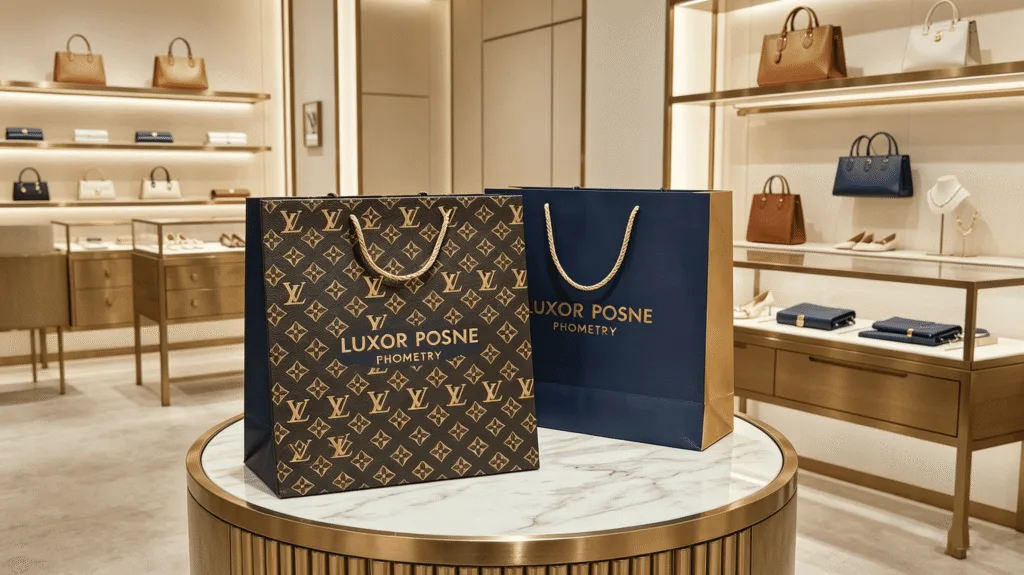
Your product is exceptional, but its packaging is just… a bag. This disconnect cheapens the entire customer experience and undermines the premium price you command.
Luxury shopping bags are redefining brand value by transforming a simple transaction into a memorable experience. They act as the first and last physical touchpoint, serve as powerful mobile advertisements, and create a shareable "unboxing" moment that justifies a premium price point.
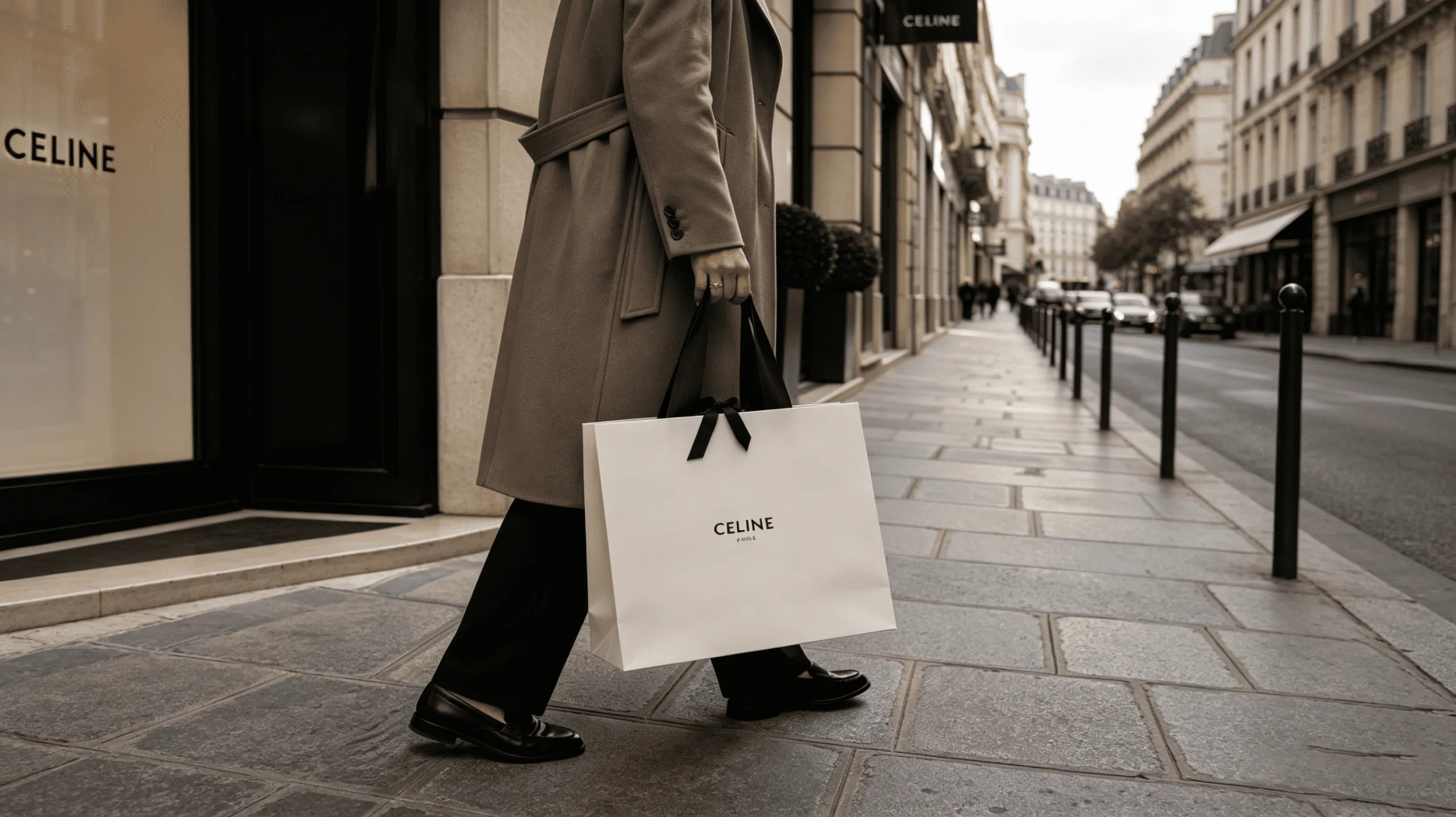
I’ve spent my entire career in the packaging industry, and I’ve learned a simple truth: you can’t put a premium product in a generic package. I remember standing in a high-end shopping district years ago, not watching the people, but watching the bags. I noticed how people carried bags from certain brands with a sense of pride. The bag wasn’t just for carrying something home; it was a part of the purchase, a trophy. That was the moment I fully understood that for luxury brands, the bag isn’t an expense; it’s one of the most effective marketing assets they own.
Why Is a Shopping Bag More Than Just a Container in Luxury Retail?
You likely view packaging as a necessary operational cost on a spreadsheet. But this mindset overlooks a massive marketing opportunity and can actively diminish your brand’s perceived value.
A luxury bag is crucial because it shapes the customer’s first and last impression, acts as a walking billboard through frequent reuse, and reinforces the premium quality of the product inside, driving loyalty.
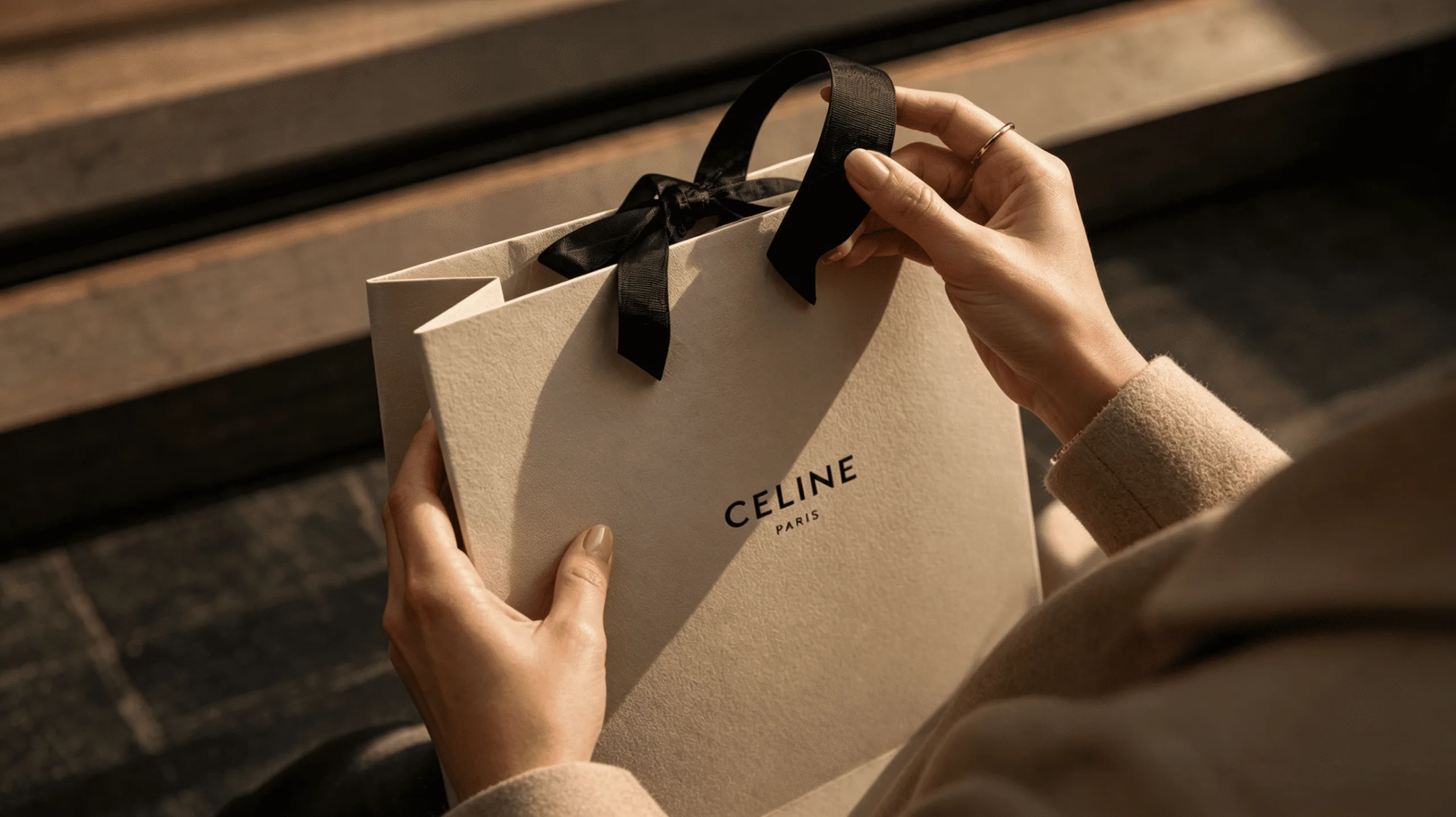
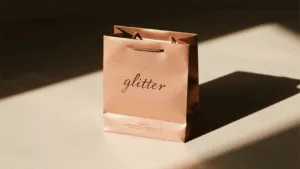
The journey with a luxury product begins the moment the customer is handed the bag. This is their first physical confirmation that they’ve made a high-value purchase. The weight of the paper, the texture of the ribbon handles, and the crispness of the logo all send subconscious signals of quality. This powerful first impression is matched only by the lasting one. A cheap, flimsy bag is discarded. A beautiful, sturdy custom paper bag is kept, stored, and reused. I worked with a boutique jewelry client who was initially hesitant to invest in premium bags. After six months, they told me the investment had paid for itself. Their customers were using the bags for daily errands, and the store’s name was suddenly visible all over town. That bag transformed every customer into a brand ambassador. It’s not just a container; it’s a mobile advertisement that continues to deliver value long after the initial sale is complete. This extended exposure builds brand recognition and reinforces the brand’s premium status in the minds of both the customer and the public.
Calculating the True Return on Investment
Thinking beyond the per-unit cost reveals the immense marketing value embedded in a well-designed bag.
| Feature | Standard Bag | Luxury Shopping Bag |
|---|---|---|
| Primary Function | Containment | Brand Experience & Marketing |
| Customer Perception | Disposable, Functional | Aspirational, Part of the Product |
| Reuse Rate | Low | High (Daily Use, Gifting) |
| Marketing Reach | Zero | High (Organic Public Exposure) |
| Impact on Loyalty | Neutral | High (Reinforces Premium Value) |
What Key Design Elements Turn a Simple Bag into a Luxury Statement?
You know you need a better bag, but you’re not sure where to start. Choosing the wrong materials or finishes can result in a bag that looks cheap, completely wasting your investment.
The transformation lies in three areas: premium material selection (like high-GSM art paper), sophisticated structural design for durability, and high-end finishing techniques like foil stamping and embossing that create a memorable tactile experience.
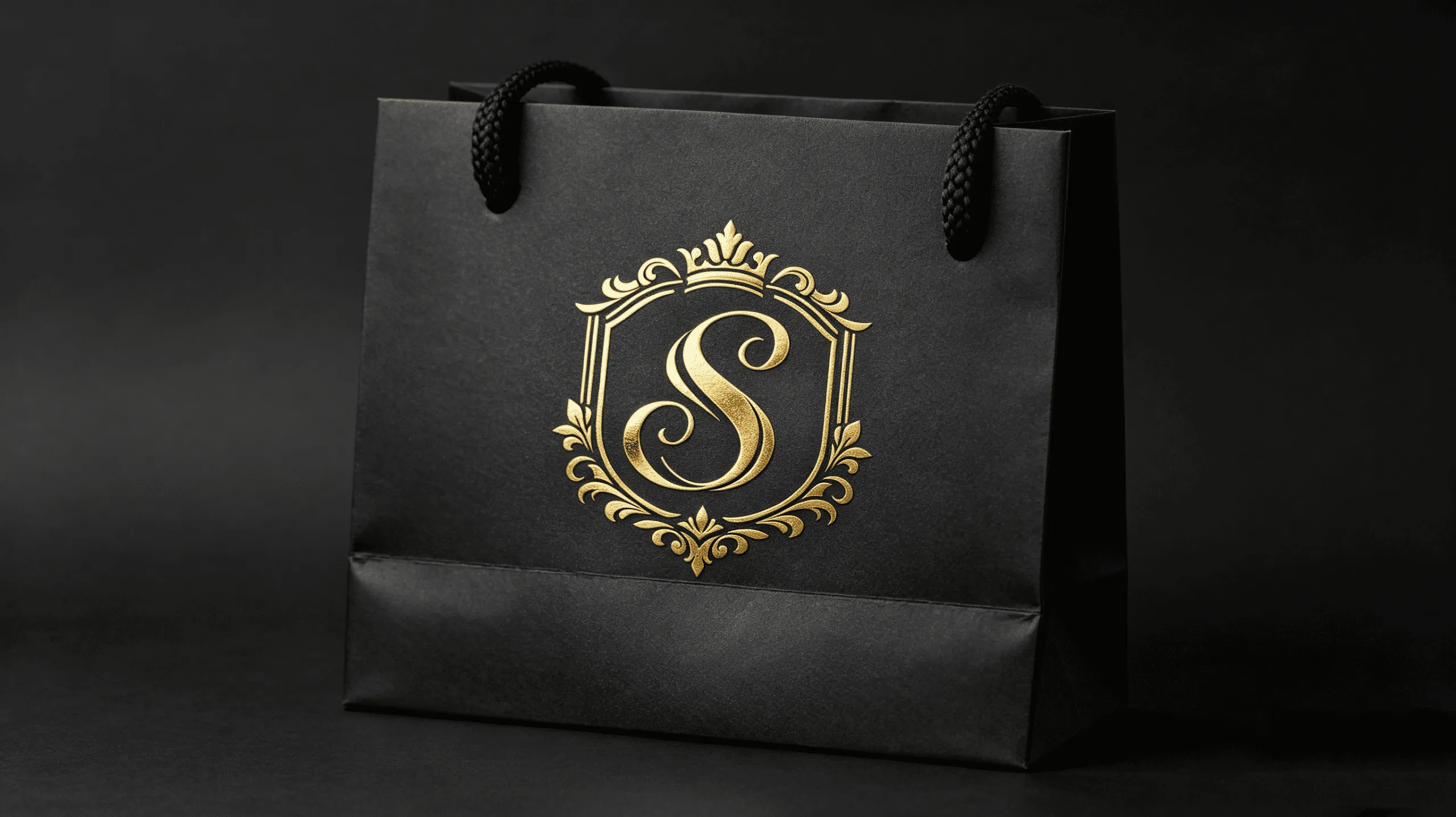
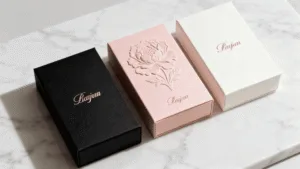
At my Yiwu Omet Packaging facility, we see firsthand how these elements come together. It starts with the foundation—the paper. You can’t fake quality. Using thick, high-GSM art paper or specialty textured paper provides a feeling of substance and durability. Then comes the structure. A luxury bag can’t just look good; it must perform. We add reinforced bottom boards to handle weight and fold the top edges over to add strength where the handles attach. Speaking of handles, swapping a basic paper handle for soft cotton, elegant grosgrain ribbon, or even custom-dyed rope instantly signals luxury. But the true magic happens in the finishing. This is where we bring the brand’s identity to life. Techniques like hot foil stamping add a brilliant metallic shine to a logo that catches the light and the eye. Embossing or debossing creates a subtle, three-dimensional texture that invites touch. These details may seem small, but they accumulate to create an object that feels less like packaging and more like a gift in itself. They are the details that separate a simple bag from a true luxury experience.
A Guide to High-Impact Finishing Techniques
Choosing the right finish depends on your brand’s aesthetic and the message you want to send.
| Finishing Technique | Description | Best For | Brand Feel |
|---|---|---|---|
| Hot Foil Stamping | Applying metallic or pigmented foil using heat and pressure. | Logos, key text, borders. | Opulent, Classic, Bold |
| Embossing/Debossing | Creating a raised (emboss) or recessed (deboss) pattern. | Logos, monograms, patterns. | Sophisticated, Subtle, Tactile |
| Spot UV Coating | Applying a high-gloss varnish to specific areas of the design. | Contrasting with a matte finish. | Modern, Sleek, Dynamic |
| Screen Printing | Applying thick, opaque ink for vibrant, solid colors. | Bold graphics, artistic designs. | Artistic, Confident, Strong |
How Do Different Premium Industries Use Luxury Bags to Their Advantage?
You might think a luxury bag is a one-size-fits-all solution. But a bag designed for a high-fashion boutique should feel fundamentally different from one for a fine jeweler.
Premium industries tailor bags to their specific branding needs. Fashion uses bags as wearable accessories, cosmetics creates Instagram-worthy designs, and jewelry leverages minimalist, sturdy packaging to convey security and prestige.
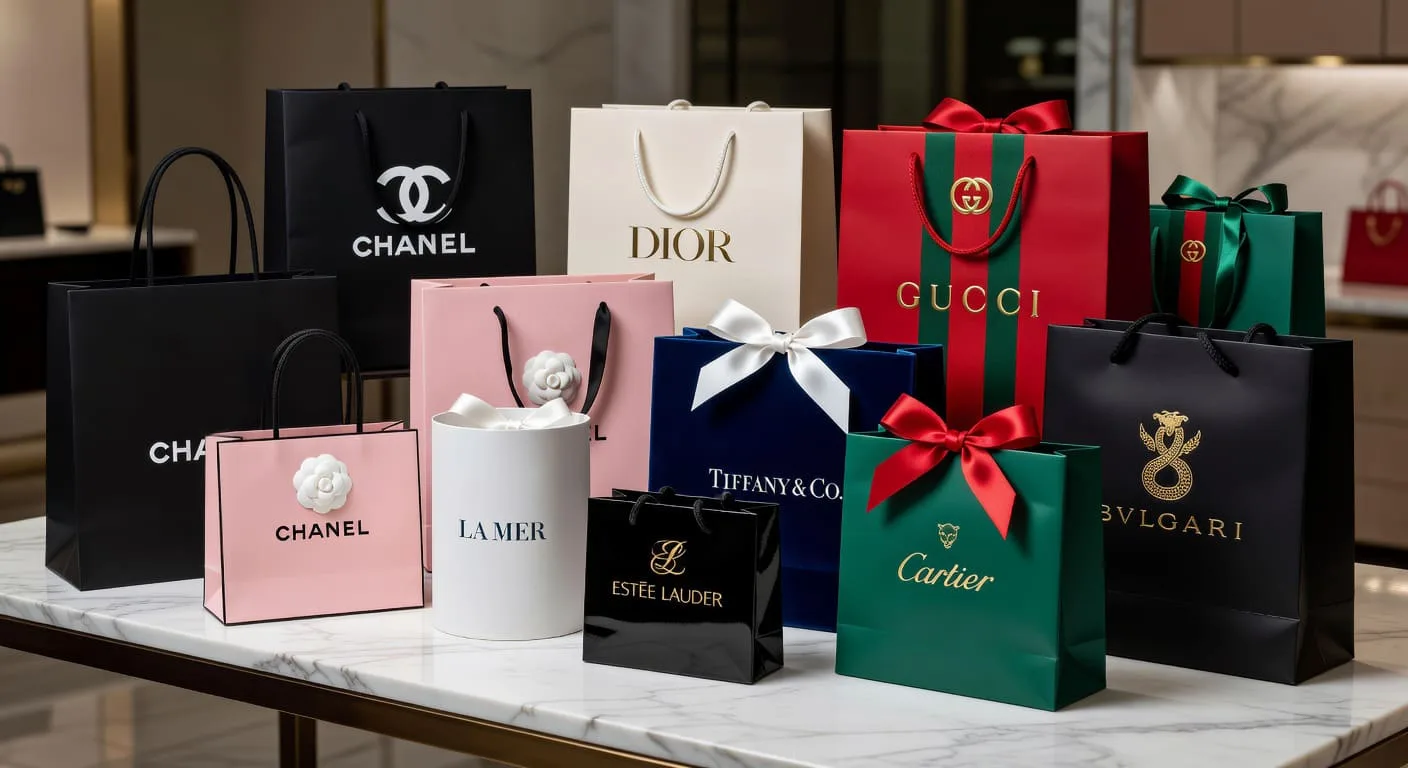
The purpose of a luxury bag is not universal; it’s highly specific to the product it carries and the customer who buys it. In high-end fashion, the bag is an extension of the collection—a style statement. Brands use bold colors, unique textures, and prominent logos because they know their customers will carry that bag as an accessory. For a cosmetics brand, the focus is on creating a visually perfect, "Instagrammable" moment. The design often features elegant finishes like rose gold foil and soft-touch lamination, encouraging customers to share their haul online. The unboxing experience starts with the bag. For a jeweler, however, the priorities are different. The bag must convey trust, security, and timeless elegance. Here, we typically see more understated designs: minimalist logos, thick and protective materials, and a sturdy structure that communicates the preciousness of the item inside. A growing trend across all these industries is sustainability. Modern luxury consumers expect brands to be responsible. We’re now producing more stunning bags than ever using FSC-certified paper and water-based inks, proving that luxury and sustainability go hand in hand.
Conclusion
Luxury shopping bags are no longer an afterthought; they are a central part of premium retail strategy. They shape customer perception, provide free advertising, and create a lasting brand experience that builds loyalty and justifies premium prices.
Ready to transform your packaging into a powerful brand asset? Contact us to explore our custom luxury packaging solutions.
Learn more about how our custom gift boxes can complement your luxury bags for the ultimate unboxing experience.
FAQ
1. What is the typical minimum order quantity (MOQ) for custom luxury bags?
MOQ generally starts around 1,000 to 3,000 units, but it can vary based on the complexity of the design, materials, and finishing techniques. We work with brands to find a solution that fits their needs and budget.
2. Does using sustainable materials increase the cost of luxury bags?
While some specialty eco-friendly materials can be more expensive, many options like FSC-certified paper and recycled content are competitively priced. The positive brand association with sustainability often provides a return that far outweighs any minor cost difference.
3. What is the difference between embossing and debossing?
Embossing creates a raised impression on the paper, pushing the design up from the surface for a 3D effect. Debossing does the opposite, creating a recessed impression that is pressed into the paper. Both add a sophisticated, tactile element to your branding.
4. How long does the process take from design to delivery?
A typical timeline for custom luxury bags is 4-6 weeks. This includes design consultation and approval (1-2 weeks), production (2-3 weeks), and shipping (1-2 weeks). The exact timeline can vary depending on the order size and complexity.