Pizza Box Packaging: How to Balance Cost, Food Safety, Sustainability, and Future Growth
You’re under pressure to cut costs, but customers are demanding sustainable options. Meanwhile, food safety remains a non-negotiable risk you can’t afford to take. At the same time, changing delivery models, digital engagement, and new pizza market segments are creating new expectations for what a pizza box should do.
Striking the perfect balance between cost, food safety, sustainability, and brand performance requires a strategic approach. It involves smart material selection, efficient structural design, sustainable features, digital integration, and partnering with a manufacturer who understands the evolving needs of the food service and retail industries.
I once sat down with a procurement director from a rapidly growing pizza franchise. He was completely stressed out. His finance team was pushing him to slash packaging costs by 15%, while his marketing team wanted to launch a new "eco-friendly" campaign, which meant more expensive, certified materials. To top it off, a recent news story about chemicals in fast-food wrappers had him worried about their current supplier’s food safety compliance.
He felt like he was being pulled in three different directions and that any decision he made would compromise one of these critical areas. His situation is not unique; it’s the central challenge for nearly every Quick Service Restaurant (QSR) and pizza chain I work with today. And now, there’s another layer to consider: the pizza box is no longer simply a container. For delivery brands, ghost kitchens, and premium frozen pizza companies, packaging is becoming an important part of the customer experience, marketing strategy, and brand identity.
How Can You Reduce Pizza Box Costs Without Sacrificing Quality?
Rising material and shipping costs are squeezing your margins. You’re tempted by cheaper packaging, but you fear that a flimsy box will collapse, ruining the pizza and your reputation.
You can significantly reduce costs by optimizing the box’s structural design to use less material, simplifying print specifications, choosing the right material for the application, and leveraging economies of scale with a reliable manufacturing partner who can streamline production and logistics.
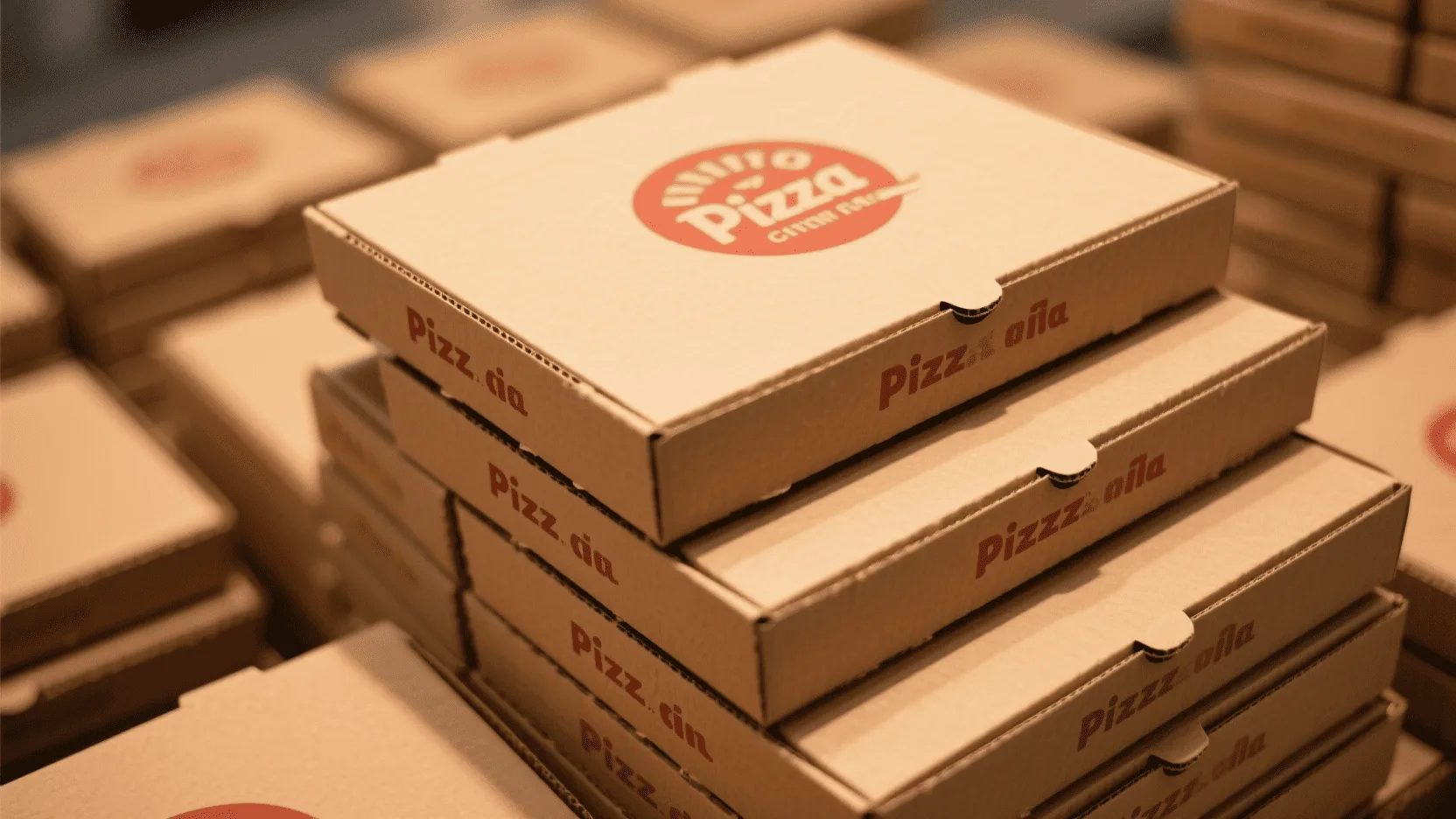
Cost efficiency in paper boxes isn’t just about finding the cheapest raw material; it’s about intelligent engineering. Many chains over-spec their boxes, using heavier corrugated board than necessary. The first step I always recommend is a structural audit. Can we switch from a B-flute to a lighter E-flute without losing stacking strength? Can we redesign the locking tabs for a more secure closure using less paper? Can ventilation be improved without adding unnecessary material?
These small adjustments can shave precious cents off every box, which adds up to massive savings across millions of units. Printing is another major cost driver. A complex, five-color design looks great, but a well-designed one or two-color print can be just as impactful and significantly cheaper.
I worked with a regional chain that was using a heavy-duty box with a full-color print for every pizza. We collaborated on a new design that used a lighter board and a simple, bold one-color logo. The result was a 12% reduction in their packaging costs and faster production turnarounds, all without a single customer complaint about performance. It’s about being smart, not just cheap.
At the same time, cost optimization should consider the pizza’s sales channel. A traditional takeaway box may prioritize simple construction and economical printing, while a delivery-only brand may need stronger construction, ventilation, or tamper-evident features. A premium frozen pizza, by contrast, may justify higher-quality paperboard and more sophisticated printing because the packaging directly influences shelf sales.
Key Cost Factors in Pizza Box Production
Understanding where the costs come from allows you to make informed decisions. Here’s a breakdown of the primary variables that impact the final price per box.
| Cost Factor | Low-Cost Option | Higher-Cost Option | Impact on Brand |
|---|---|---|---|
| Paperboard Grade1 | Lighter flute or economical board | Heavier flute, premium, virgin, or certified board | Strength, sustainability perception |
| Print Complexity2 | 1-2 color flexographic print | 4+ color offset print with special finishes | Visual appeal, brand perception |
| Structural Design | Standard construction | Reinforced, insulated, or specialty structures | Product protection, delivery performance |
| Order Volume | Small, frequent orders | Large, bulk orders | Price per unit, storage requirements |
| Logistics | Distant low-cost sourcing | Optimized production and shipping routes | Landed cost, supply chain reliability |
| Special Features | Standard box | QR codes, custom die-cuts, tamper-evident features, specialty finishes | Customer engagement and differentiation |
What Are the Non-Negotiables for Food-Safe Pizza Boxes?
You hear reports of harmful chemicals in food packaging. The thought of your brand being linked to a food safety incident is a nightmare that could destroy customer trust instantly.
The absolute non-negotiables are using food-grade certified materials, selecting appropriate paperboard for surfaces that contact the pizza, and employing non-toxic, low-migration inks and adhesives. Your manufacturer must also operate according to appropriate food packaging quality, hygiene, and traceability standards.
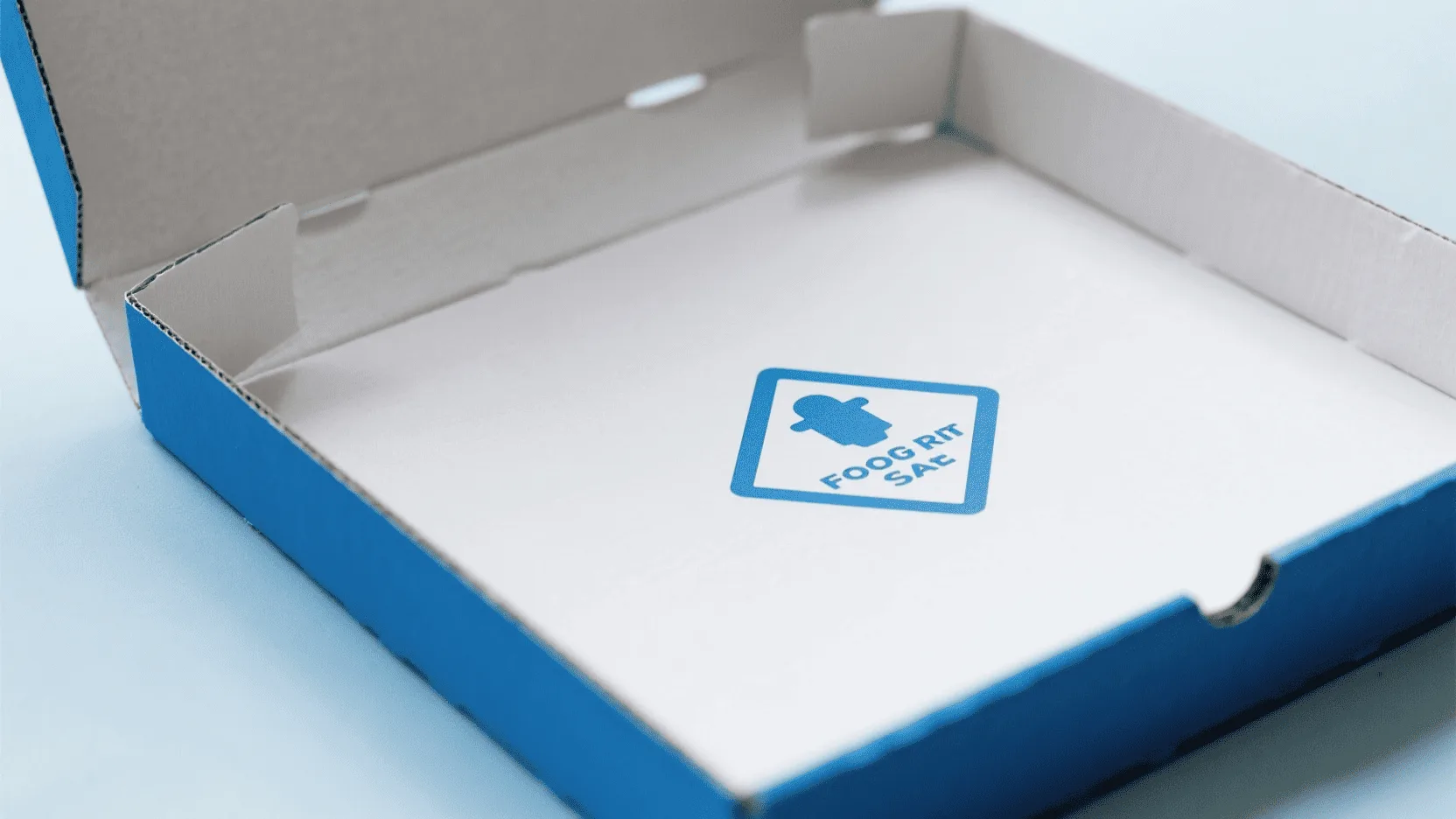
When it comes to food packaging, there is no room for compromise. Food safety must be the foundation upon which all other decisions are built.
The primary concern is chemical migration—the transfer of substances from the packaging to the food. This is why materials used in direct food-contact applications need to meet the relevant food-contact requirements for the destination market. Rather than simply choosing the most sustainable material or the cheapest board, you need to verify that the material, inks, coatings, and adhesives are suitable for the actual application, including exposure to heat and grease.
Recycled content can offer important environmental benefits, but food-contact suitability must always be verified through appropriate certification and testing. In some applications, a suitable virgin-fiber food-contact surface may be preferred, while properly certified recycled materials may also be appropriate depending on the product and regulatory requirements.
Furthermore, all inks and glues used must be formulated with food packaging applications in mind, particularly where migration could become a concern. At our facilities, we adhere to strict standards like those set by the BRCGS (Brand Reputation Compliance Global Standards). This means rigorous quality control, pest management, and hygiene protocols to ensure every box is produced under controlled conditions.
I always urge clients to ask potential suppliers for their food safety certifications and supporting documentation. A transparent supplier should be able to explain its material specifications, quality controls, testing procedures, and compliance standards. Your customers trust you to keep them safe, and that trust begins with your packaging choices.
How Can Your Pizza Boxes Be Both Sustainable and Practical?
Your customers, especially younger demographics, are demanding greener packaging. But many "eco-friendly" options you’ve seen are either too expensive or not strong enough to handle a hot, heavy pizza.
Achieve practical sustainability by selecting high-recycled-content or FSC-certified paperboard where appropriate, designing the box for recyclability, avoiding unnecessary mixed materials, and using water- or soy-based inks. Sustainability should be considered across the entire lifecycle, from responsible sourcing and production to disposal.
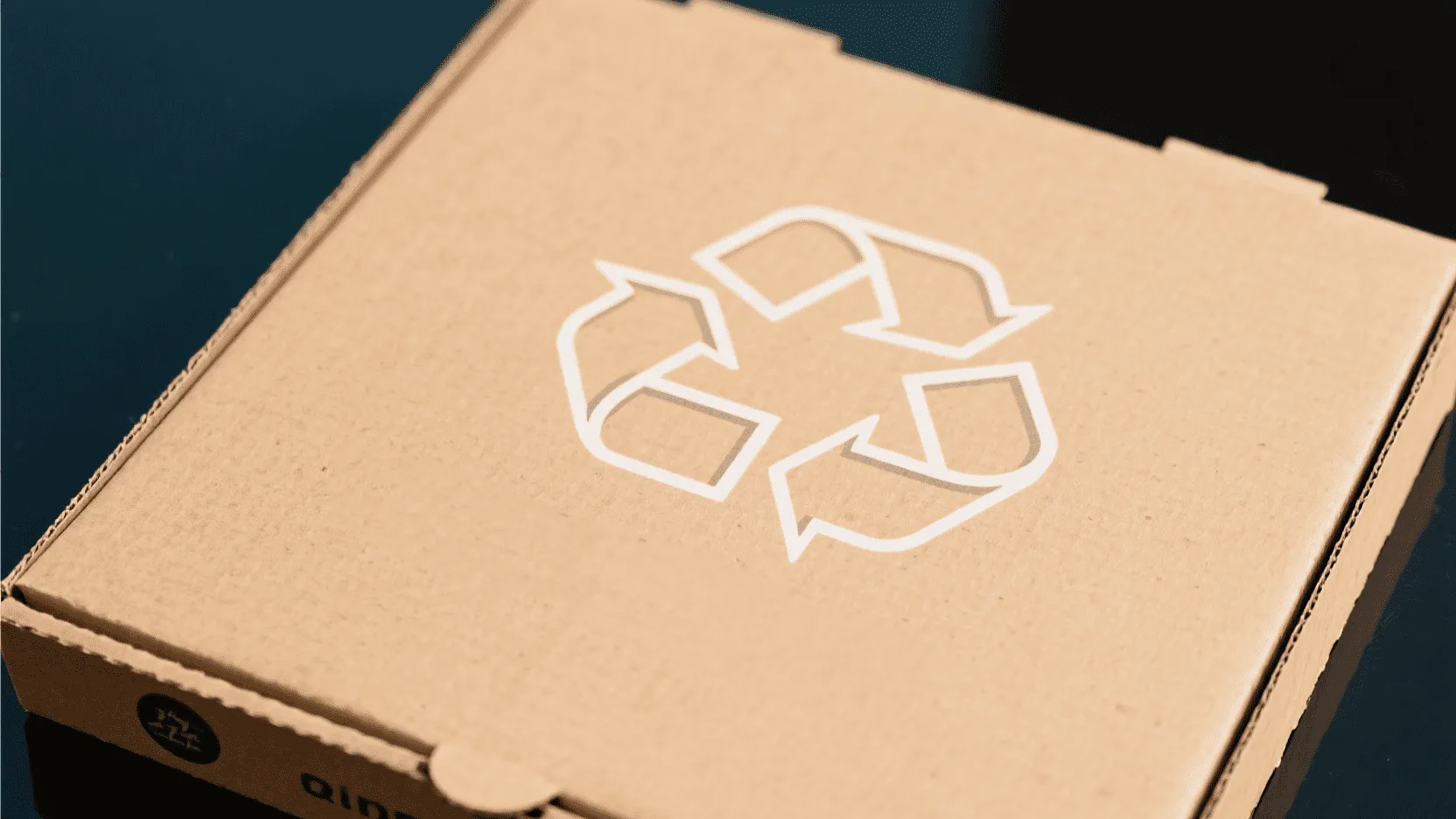
Sustainability in packaging is not a trend; it’s a core business expectation. For pizza boxes, the goal is to make them as eco-friendly as possible without compromising performance or food safety.
The conversation has also moved beyond simply asking whether a box is recyclable. Customers increasingly care about where the paper comes from, how much recycled fiber it contains, what inks and coatings are used, and whether the finished package can actually enter an appropriate recycling stream.
The "greasy pizza box" question is a common hurdle. While heavy food contamination can affect paper recycling, recyclability depends on local collection and processing rules. Brands should avoid making blanket recycling claims and instead provide clear disposal guidance appropriate to their target market.
The key is to design a box that is inherently recyclable whenever possible. This means avoiding unnecessary plastic windows, non-recyclable laminates, and mixed-material components that complicate recycling. A simple paper-based structure can be one of the most practical approaches.
Sourcing is equally important. Using paper from FSC (Forest Stewardship Council) certified forests ensures that the wood fiber comes from responsibly managed sources. High post-consumer recycled (PCR) content can also reduce demand for virgin fiber when the material is suitable for the intended application.
I worked with a national QSR chain that wanted to elevate its brand story around sustainability. We transitioned their supply to an FSC-certified box with 85% post-consumer recycled content and printed it with water-based inks. We also added a small, clear infographic on the side of the box showing how to empty it and place it in the recycling bin. They turned their packaging into a marketing tool that resonated deeply with their customer base.
Comparing Sustainable Pizza Box Features
Choosing the right sustainable features involves balancing environmental impact, cost, performance, and brand messaging.
| Feature | Environmental Benefit | Practical Considerations |
|---|---|---|
| High Recycled Content | Reduces waste and demand for virgin fiber | Must meet appropriate food-contact requirements when used in direct food-contact applications |
| FSC Certification | Supports responsible forest management | Can have a slight cost premium but offers a strong sourcing story |
| Water/Soy-Based Inks | Can reduce reliance on higher-VOC solvent systems | Must still be suitable for the intended food packaging application |
| Recyclability | Allows paper fibers to potentially be recovered and reused | Avoid unnecessary plastic laminates and mixed materials |
| Compostable Features | Can offer an alternative end-of-life pathway in suitable systems | Requires access to appropriate composting infrastructure and clear disposal guidance |
| High PCR Kraft Board | Diverts recovered fiber into new packaging | Material performance and food-contact suitability must be verified |
How is the Demand for Delivery and Digital Integration Changing Pizza Box Design?
Your pizza leaves the store hot and crispy. But after a 30-minute journey with a third-party delivery driver, it arrives lukewarm and soggy, leading to bad online reviews.
The growth of food delivery requires pizza boxes with better heat, ventilation, moisture, and structural performance. At the same time, QR codes and other digital features are turning the box into an interactive gateway for marketing, customer engagement, and repeat orders.
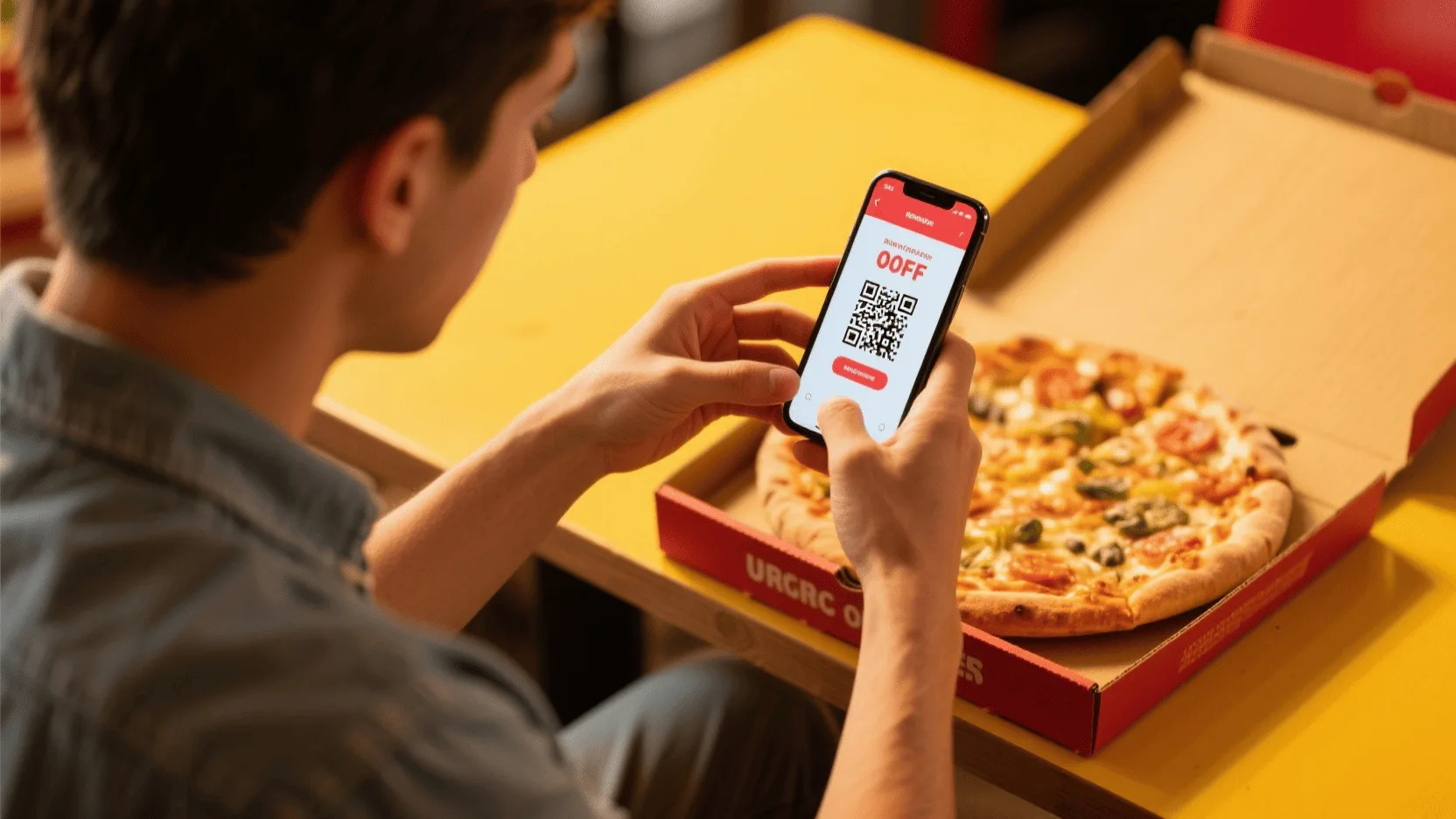
The rise of delivery platforms has fundamentally changed the customer journey. The "unboxing experience" at home is now a critical brand touchpoint, particularly for delivery-only businesses that have no physical storefront.
This has put immense pressure on the structural integrity of the humble pizza box. We’re no longer just designing a container; we’re engineering packaging that needs to protect the pizza throughout a longer and less predictable journey.
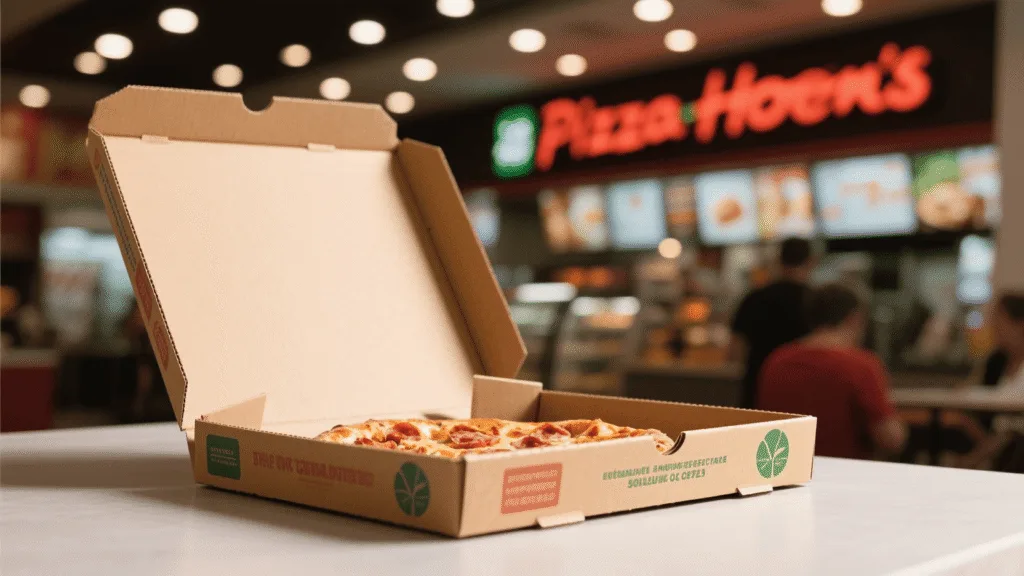
Strategically placed vents can help release steam, reducing the risk of a soggy crust. Stronger structures can improve stacking performance, while appropriate grease-resistant solutions can help protect the box without unnecessarily compromising recyclability. Tamper-evident seals or locking mechanisms can also help build consumer confidence in the third-party delivery ecosystem.
Beyond its functional evolution, the box is becoming a key piece of digital real estate. A simple QR code can link to a full menu, launch a customer satisfaction survey, unlock a discount for a future order, or direct customers toward a restaurant’s own ordering channel.
This transforms a passive piece of packaging into an active marketing channel. Instead of ending when the pizza is eaten, the customer relationship can continue through the packaging itself.
How Can Custom Pizza Boxes Turn a Commodity into a Powerful Marketing Tool?
In a sea of competitors, your standard, one-color logo box can become invisible. It’s a missed opportunity to make a lasting impression on your customer at the peak of their excitement.
Custom printing transforms the pizza box from a disposable container into a valuable advertising and storytelling space. It allows for brand storytelling, targeted promotions, memorable experiences, and shareable designs that can generate organic social media exposure.
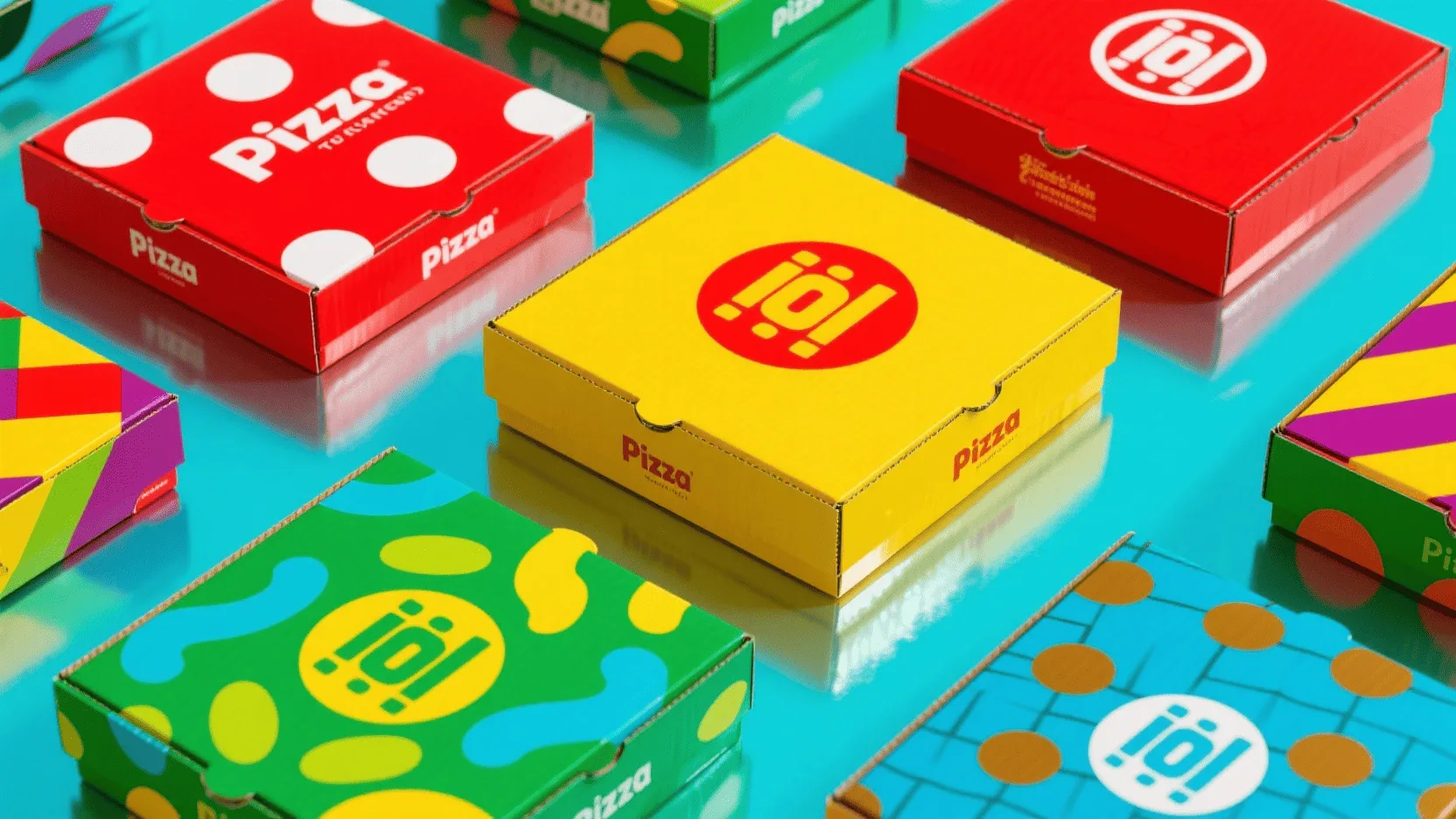
The moment a pizza box arrives at a customer’s home, it has their undivided attention. This makes it an incredibly valuable marketing asset. While a simple logo is a good start, the real opportunity lies in full-scale customization.
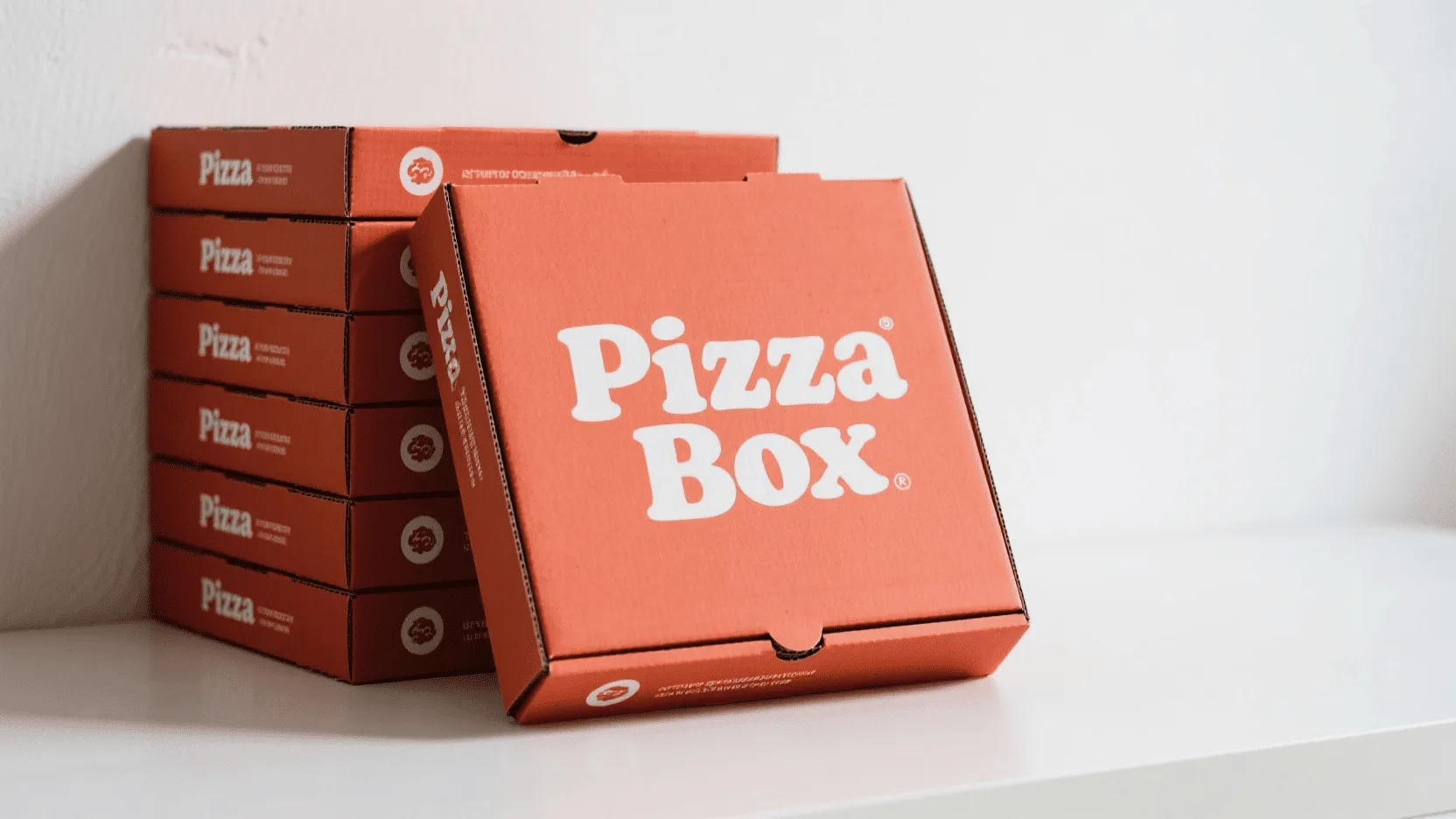
Think of the box as a mini-billboard that you don’t have to pay monthly rent on. Brands can use the exterior for bold visual identity, the inside of the lid for ingredient stories, and dedicated areas for promotions or QR codes.
One of our clients, a chain known for its creative monthly specials, designs a completely new, limited-edition box for each one. Their customers get excited to see the new art and often post pictures online, generating massive amounts of user-generated content.
Another client uses the inside of the box lid to tell the story of their locally sourced ingredients. It’s a brilliant way to reinforce their brand values.
For local restaurants, the concept can go even further. The box can promote community events, local sports teams, seasonal promotions, or neighboring businesses. A QR code could link to a video of the chef making the dough, while a promotional message can encourage customers to try a "Pizza of the Month."
From fun designs that can be folded into a game to collaborations with local artists, custom packaging creates an experience. The goal is not simply to make the box look attractive, but to make it useful, memorable, and connected to the customer’s next interaction with the brand.
Levels of Pizza Box Customization
| Customization Level | Description | Brand Impact | Lead Time |
|---|---|---|---|
| Level 1: Basic Print | 1-2 color logo and contact information on a stock box | Basic brand recognition | Short |
| Level 2: Full Graphic | Full-color CMYK offset or flexographic printing covering the box | Strong visual identity and professional appearance | Medium |
| Level 3: Interactive | Custom die-cuts, QR codes, promotional tear-offs, or special features | High engagement and memorable experience | Long |
Which Pizza Market Segments Offer the Biggest Packaging Opportunities?
You see pizza boxes everywhere and likely assume one size fits all. This thinking is a trap. Different sales channels have fundamentally different packaging requirements, and treating every market segment the same can cause brands to miss growth opportunities.
Traditional restaurants remain a foundational market, but delivery-only kitchens and premium frozen pizza segments offer particularly strong opportunities for packaging innovation. Each segment requires a different balance of structural performance, branding, sustainability, and customer communication.
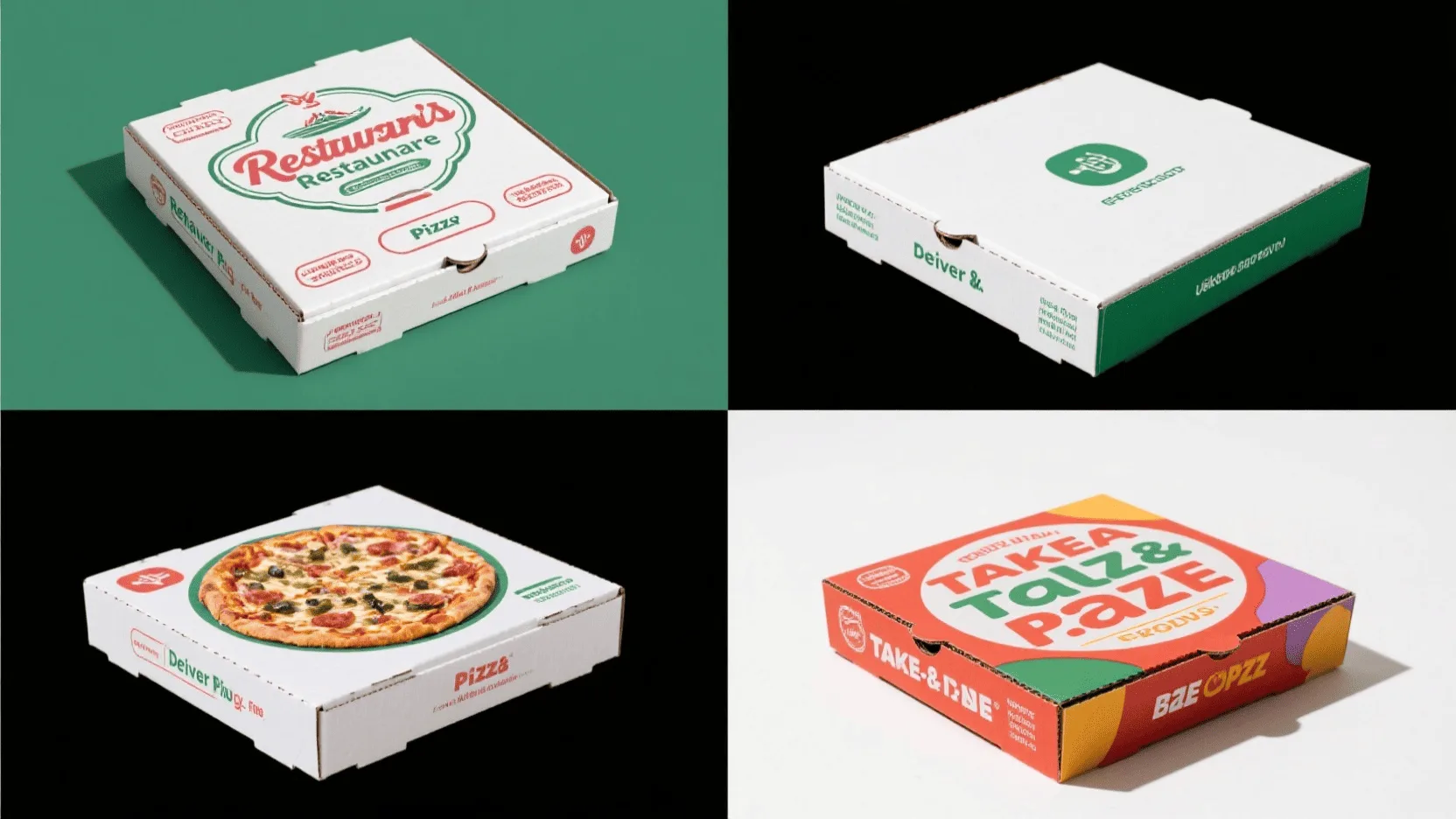
I remember a conversation with a client who was launching a line of gourmet frozen pizzas. He initially asked for a "standard pizza box, just smaller and colder." I had to stop him. We spent an hour talking about the customer’s journey.
A hot pizza arrives with excitement. A frozen pizza sits on a shelf, silently competing with dozens of others. Its box isn’t a delivery vehicle; it’s a salesperson. That conversation shifted his entire budget. We moved from thinking about cost per unit to thinking about customer acquisition cost. His packaging became a key part of his launch strategy, not an afterthought.
Packaging Needs Across Pizza Market Segments
| Segment | Primary Packaging Goal | Key Features | Material Focus |
|---|---|---|---|
| Traditional Restaurant | Local Marketing & Takeout | Good graphics, coupon space, community information | Recycled Kraft or suitable coated board |
| Delivery-Only (Ghost Kitchen) | Brand Identity & Food Integrity | Structural strength, ventilation, tamper-evidence, bold branding | Corrugated structures, suitable liners |
| Premium Frozen Pizza | Shelf Appeal & Brand Story | High-end printing, food photography, special finishes | SBS or other suitable premium paperboard |
| Retail / Take-and-Bake | Freshness & Information | Product information, clear instructions, moisture resistance | Coated board and application-specific barrier solutions |
Are Traditional Sit-Down Restaurants Still a Key Market for Pizza Boxes?
You see the same brown boxes stacked in every local pizzeria and assume the market is saturated. You figure there’s no room left for innovation, so you stick with the cheapest option.
Yes, traditional restaurants are a foundational market, but the opportunity now lies in upgrading standard boxes to multi-purpose packaging that enhances the takeaway experience and serves as a powerful local marketing tool.
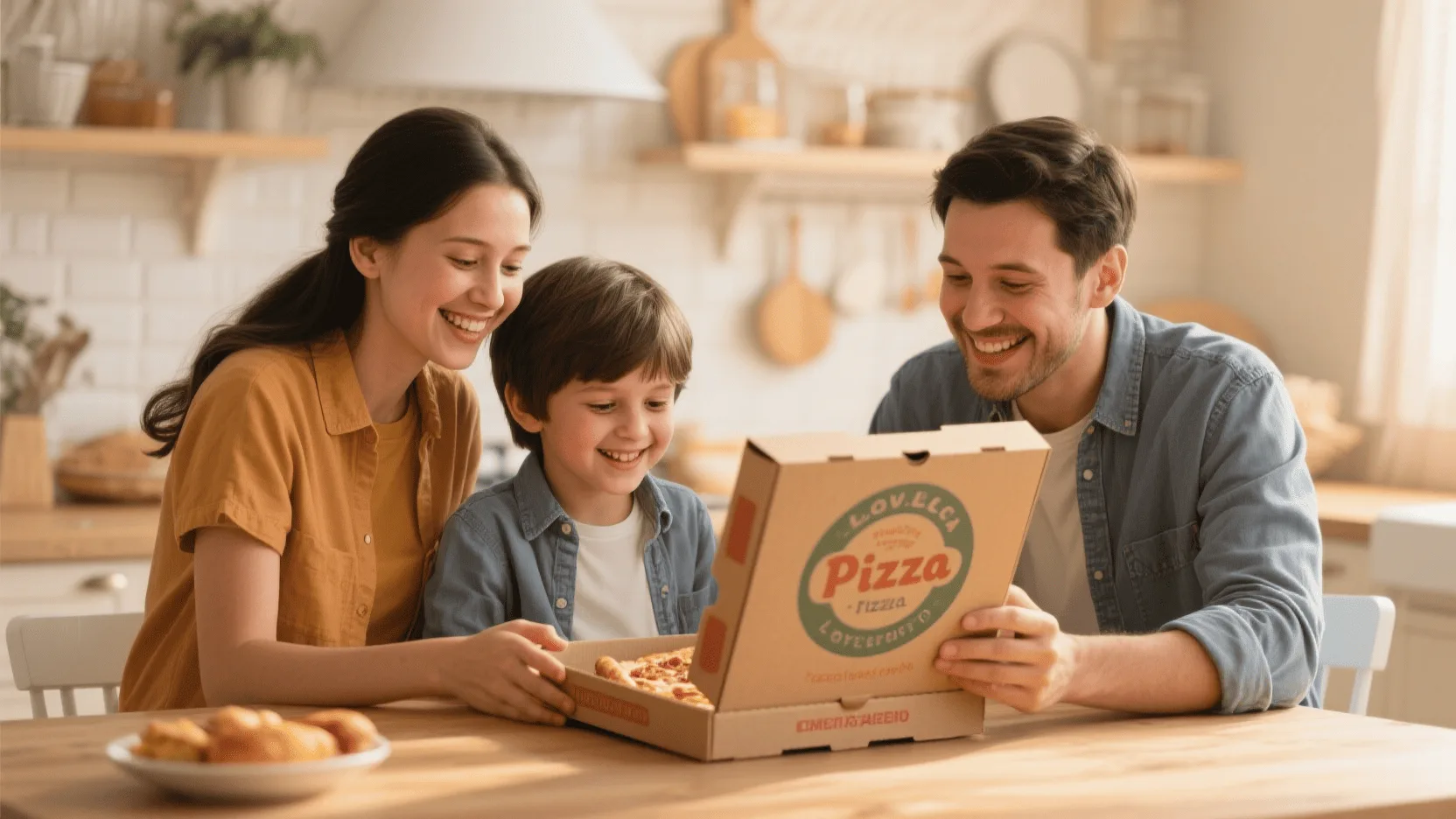
The local pizzeria or family restaurant will always be the heart of the pizza industry. This market is stable, but its needs are evolving. For years, the box was purely functional. Today, with increased competition and the rise of takeout culture, it has to do more.
I’ve seen some of my most successful local clients turn their packaging into a community newspaper. They print schedules for local sports teams, promote community events, or include a coupon for the ice cream shop next door. It’s a brilliant, low-cost way to build goodwill.
The growth here isn’t necessarily in volume, but in value. By upgrading to a better-designed box, restaurants can strengthen their brand, encourage repeat business, and create a better customer experience. A well-designed box feels premium and can reinforce the value of the pizza inside.
Turning Boxes into Local Billboards
For a traditional restaurant, the pizza box is often the only piece of marketing that enters a customer’s home. Instead of a plain box, it can become a dynamic tool.
For example, a restaurant can print a QR code1 that links to a video of their chef making the dough, telling a story that builds a personal connection. They can also use custom tags & stickers to highlight a "Pizza of the Month," seasonal offer, or limited-time promotion.
This isn’t just about branding; it’s about starting a conversation and making the customer feel like part of the restaurant’s community.
Why Are Delivery-Only Kitchens the New Frontier for Pizza Box Innovation?
Your ghost kitchen makes amazing pizza, but you have no storefront. A generic delivery box makes your brand totally forgettable, just another option in a long list on a food delivery app.
Delivery-only kitchens offer significant opportunities for pizza box innovation because their packaging can become the primary physical expression of the brand. They require structurally superior, tamper-evident boxes with strong branding to protect food quality, build trust, and create a memorable experience.
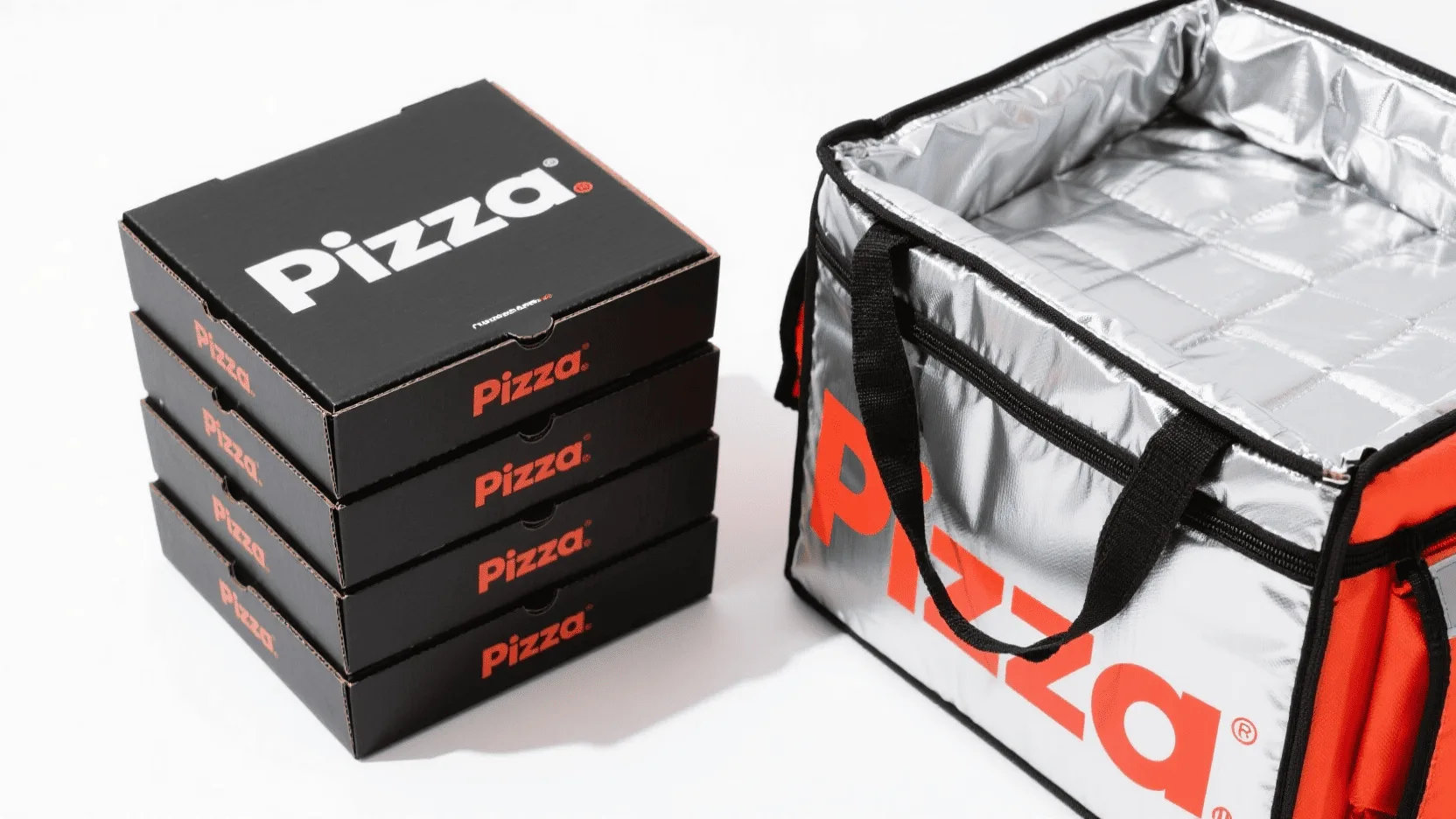
Ghost kitchens, or delivery-only restaurants, have a unique challenge and a massive opportunity. With no dining room, no host, and no signage, the shipping packaging is one of the first physical interactions a customer has with the brand. This makes the pizza box mission-critical.
I’ve worked with several delivery-only startups, and our first conversation is never about the logo; it’s about the structure. How do we keep the pizza hot for a 40-minute delivery window? How do we prevent the crust from getting soggy?
This has led to innovations such as better ventilation systems, stronger corrugated structures, and application-specific grease-management solutions. Furthermore, in a world of third-party delivery, trust is paramount. Tamper-evident seals and locking box designs can help reassure customers that their food has remained protected during transit.
Once the structure is right, the box becomes a brand ambassador. Bold graphics, a compelling story, and a clear call to action—such as a QR code for a discount on a direct order—can help a delivery-only brand stand out and encourage repeat business.
How is the Premium Frozen Pizza Segment Redefining Box Packaging?
You walk down the freezer aisle and see a wall of uninspired frozen pizza boxes. You assume this is a low-margin, high-volume game where packaging is just a basic commodity.
The premium frozen pizza segment creates a different packaging challenge: the box must act as a silent salesperson on a crowded retail shelf. It requires high-quality graphics, compelling food photography, and carefully selected finishes to communicate premium value and capture shopper attention within seconds.
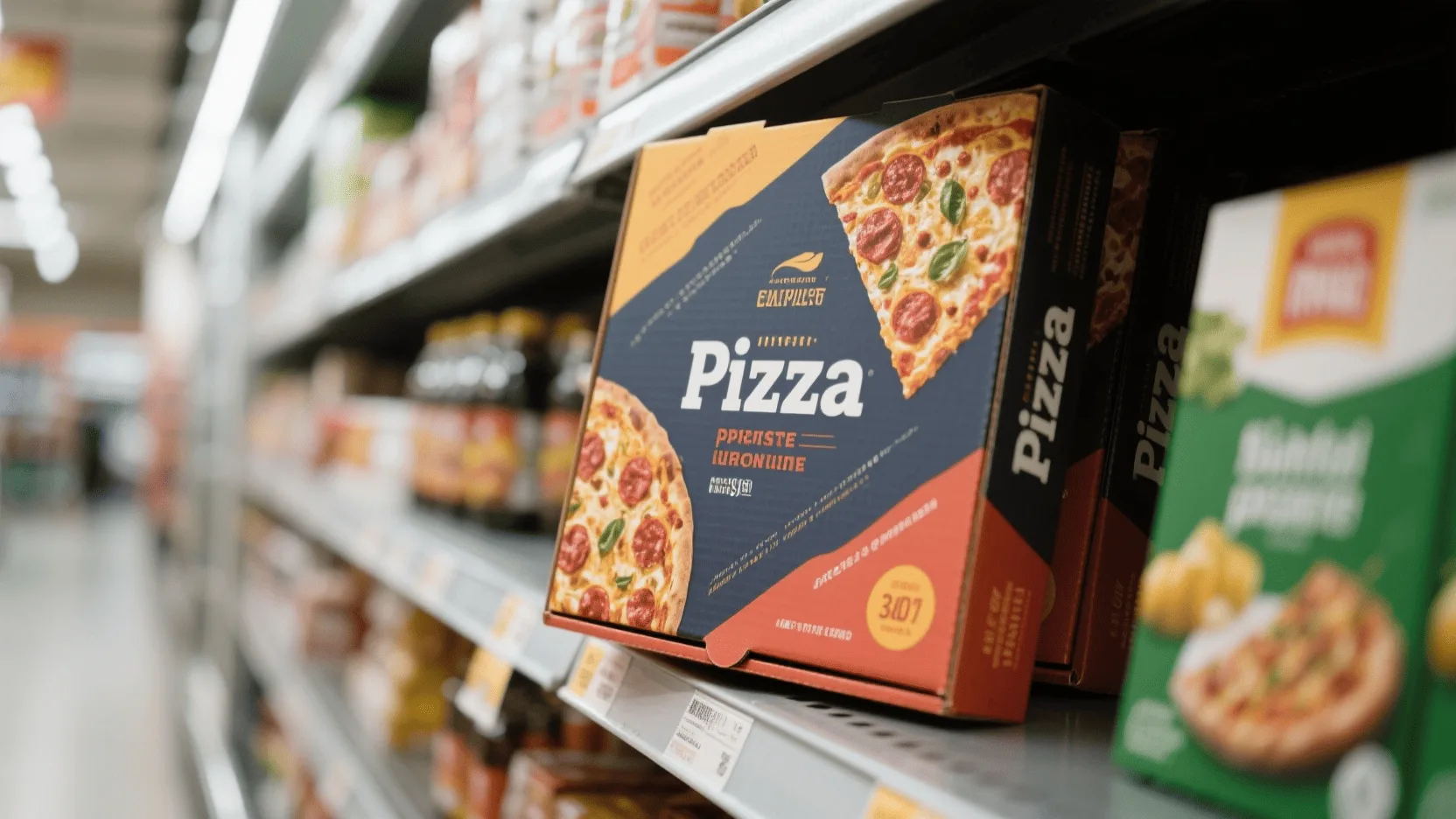
The frozen pizza aisle is not what it used to be. The rise of gourmet, artisanal, and plant-based frozen pizzas has created a premium tier where consumers are willing to pay more for perceived quality.
But to command that premium price, the packaging must look the part. This is where my experience with cosmetic packaging and gift boxes becomes surprisingly relevant. The principles are the same: the package must create desire and communicate value before the customer even uses the product.
For frozen pizza, high-quality Solid Bleached Sulfate (SBS) paperboard can provide an excellent surface for high-resolution printing. Matte or gloss finishes, spot UV, and hot stamping can further differentiate premium products when the additional cost is justified by the retail positioning.
The box tells a story of quality before the customer even tastes the product. That makes packaging investment particularly important in a retail environment where competing products are displayed side by side.
The Shelf Appeal Factor
The job of a frozen pizza box1 is to stop a shopper’s scrolling eye. It has only a few seconds to communicate its core message: "I’m delicious, high-quality, and worth the price."
This is achieved through a clear hierarchy of design. First, mouth-watering food photography2 is essential. Second, clear branding and benefit call-outs such as "Stone-Fired Crust" or "Organic Vegetables" help the customer make a quick decision. Finally, the overall design, printing quality, and material finish create a subconscious perception of value.
It’s a completely different discipline than designing a box for a hot pizza.
What Will Define the Future of Pizza Boxes Through 2030?
Your pizza box seems like a simple, solved problem. But the world is changing, and clinging to the status quo means being left behind in a competitive market.
By 2030, the pizza box industry will increasingly be defined by three connected forces: the non-negotiable demand for sustainability, the integration of digital convenience, and the rise of the box as a powerful, personalized branding tool.

A few years ago, I met with the owner of a beloved local pizza chain. He was proud of his family recipe, his loyal customers, and his classic, no-frills brown pizza box. He told me, "It’s just a box. It holds the pizza, and that’s it."
Six months later, a new, tech-savvy competitor opened up down the street. Their pizza was good, but their box was brilliant. It was made from sleek, recycled black cardboard, featured a QR code for a free side with the next order, and had a clever design that people started posting all over Instagram.
Suddenly, my client realized the box wasn’t "just a box." It was a message, a tool, and a direct line to his customers’ experience. That single competitor’s box changed his entire perspective on packaging.
The future isn’t necessarily about adding technology or expensive finishes to every pizza box. It’s about matching the right combination of materials, structure, sustainability, digital features, and branding to the specific market and customer journey.
Conclusion
Balancing cost, safety, sustainability, functionality, and brand impact isn’t about making a compromise; it’s about making a smart, integrated choice.
For traditional restaurants, the opportunity is to turn an economical takeaway box into a local marketing tool. For delivery-only kitchens, the priority is structural performance, food integrity, tamper evidence, and memorable branding. For premium frozen pizza brands, the box must compete directly on the retail shelf through visual quality, storytelling, and perceived value.
Across all segments, the most effective strategy is to start with the fundamentals: food-safe materials, efficient structural design, responsible sourcing, appropriate printing, and reliable manufacturing. From there, digital features, personalization, specialty finishes, and sustainability messaging can turn the box from a packaging expense into a strategic brand asset.
The pizza box of tomorrow is much more than a container. It is a sustainable statement, a protection system, a digital touchpoint, and a brand storyteller. By designing around the actual customer journey and sales channel, pizza brands can create packaging that protects their product, strengthens customer trust, and supports long-term growth.
Ready to design a pizza box that checks all the boxes? Explore our custom food packaging solutions today.
For more insights on packaging that performs, check out our selection of custom paper boxes.
FAQ
1. Can pizza boxes be made from 100% recycled material?
They can be manufactured with very high recycled content, but food-contact suitability must be verified for the specific material and application. Where the packaging directly contacts food, use materials that meet the applicable food-contact requirements rather than assuming that all recycled paper is automatically suitable.
2. Does a more sustainable pizza box always cost more?
Not necessarily. Certified or higher-specification materials can carry a premium, but costs can often be offset through intelligent structural design, reduced material usage, simplified printing, optimized order volumes, and efficient logistics.
3. How do I verify a supplier’s food safety claims?
Ask for relevant third-party certifications and supporting documentation, such as BRCGS, SQF, or ISO 22000 where applicable. You should also ask about material specifications, migration testing, quality control, traceability, and facility hygiene procedures.
4. What is the most cost-effective way to make my pizza box more sustainable?
Start with the fundamentals: use an appropriate recycled or responsibly sourced paperboard, eliminate unnecessary mixed materials, design the box for recyclability, and use suitable water- or soy-based inks. The best option depends on your market, food-contact requirements, and local recycling infrastructure.
5. Are QR codes on pizza boxes actually effective for marketing?
They can be effective when paired with a clear call to action and an immediate customer benefit. Discounts, loyalty programs, exclusive content, surveys, and direct-order incentives can turn a simple QR code into a measurable customer-engagement tool.
6. What is the main structural difference between a frozen pizza box and a delivery box?
A delivery box is primarily engineered for heat retention, ventilation, moisture management, stacking, and protection during transportation. A frozen pizza box is typically optimized for freezer and retail conditions, structural rigidity, high-quality printing, product information, and shelf appeal.
7. Can a small, independent pizzeria afford custom-printed boxes?
Yes. The appropriate approach depends on order volume, print method, artwork complexity, and the desired level of customization. Even a relatively simple one- or two-color design can turn an ordinary box into a useful local branding and customer-retention tool.