

You need a box for your product, but you’re staring at an endless list of terms: rigid, folding, mailer, tuck-end, drawer… It’s overwhelming. Choosing the wrong type can lead to damaged products, inflated costs, or a brand image that falls flat at the final hurdle.
The main types of custom paper boxes are Rigid Boxes for luxury products, Folding Cartons for retail goods, and Corrugated Boxes for shipping. Each type is designed for different levels of protection, presentation, and budget, with specific styles available within each category.
Key Takeaways / TL;DR:
- Rigid Boxes are constructed from thick, non-collapsible paperboard, offering superior protection and a premium feel for high-end items like jewelry and electronics.
- Folding Cartons are made from single-layer paperboard that is printed, die-cut, and shipped flat, making them a cost-effective and versatile choice for retail shelves.
- Corrugated Boxes feature a fluted inner layer for cushioning, making them the industry standard for e-commerce shipping and protecting goods in transit.
- The choice between these types depends on your product’s weight and fragility, your budget, and the unboxing experience you want to create for your customer.
- Material selection, such as paperboard thickness (GSM or PT) and corrugated flute size (e.g., E-flute), is a fundamental decision that impacts both cost and performance.
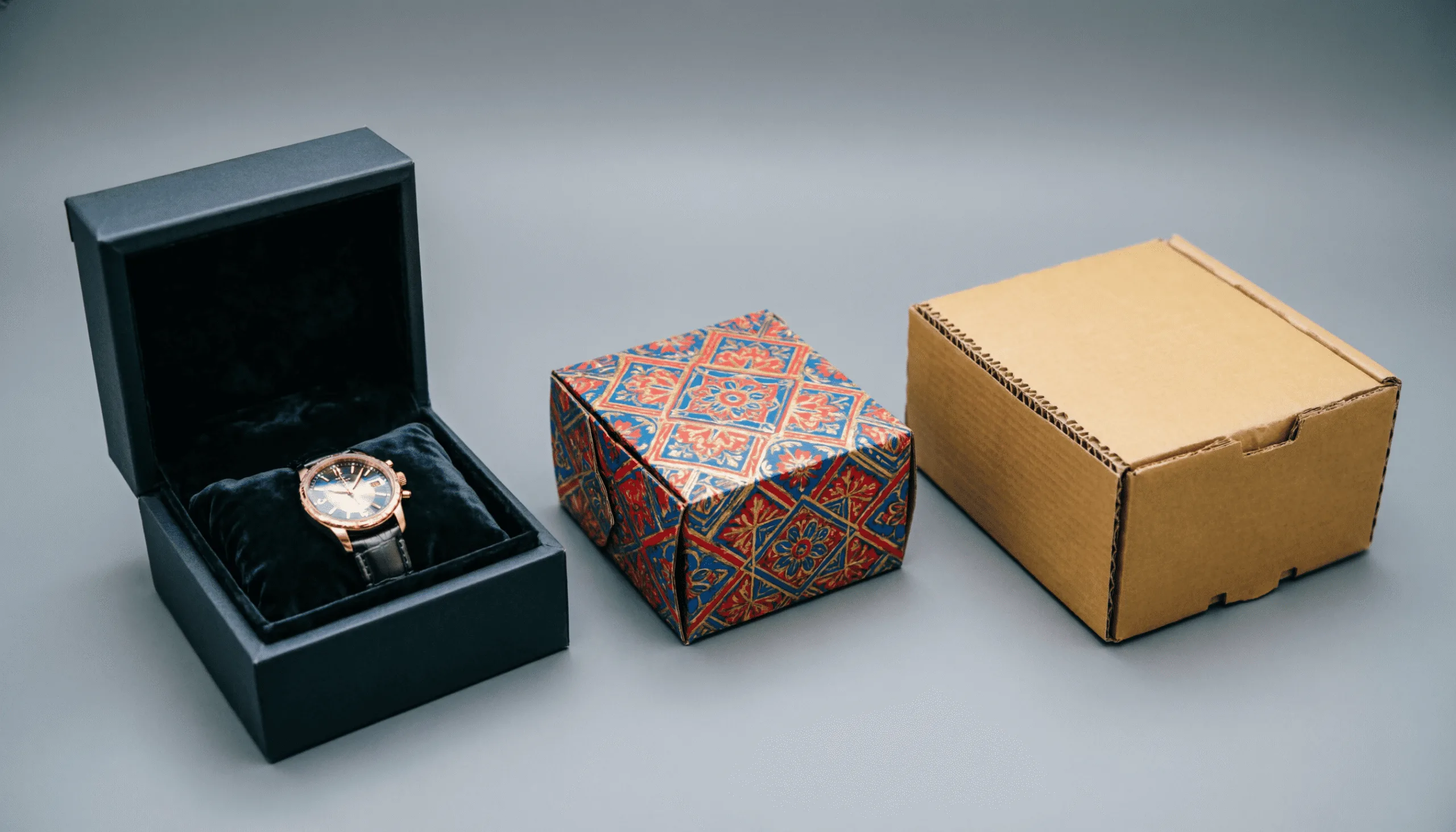
When I first started in this industry, a client came to me for packaging for their new line of handmade candles. They said, "I just need a box." But as we talked, I realized what they truly needed was much more specific. They needed a box that was sturdy enough to protect the glass jar, elegant enough to be sold in high-end gift shops, and affordable enough to maintain their profit margin. A "box" wasn’t just a box. It was a strategic part of their product’s success. This guide is built from years of having conversations like that—helping brand owners navigate the world of packaging to find the perfect fit.
When Should You Choose a Rigid Box for Your Product?
You want your product to scream "luxury," but your current packaging feels cheap. This disconnect can undermine customer trust and devalue your high-quality item before it’s even opened.
Choose a rigid box when you need to convey premium value for products like jewelry, high-end electronics, or luxury gifts. These non-collapsible boxes are made from thick paperboard and offer superior protection and a high-end unboxing experience that justifies a premium price point.
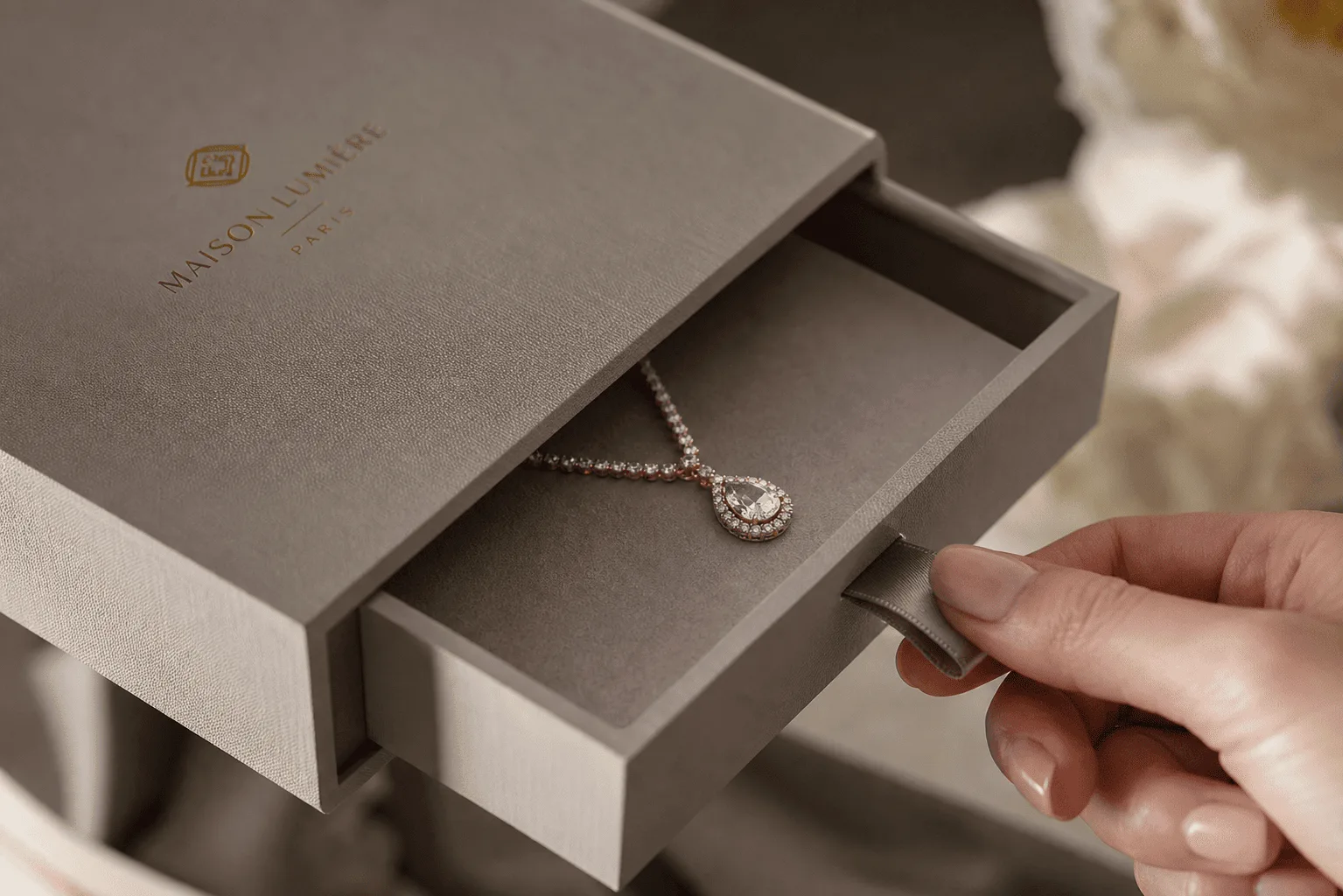
Rigid boxes, often called "set-up boxes," are the gold standard for luxury packaging. Unlike folding cartons, they are delivered fully assembled and are four to five times thicker. The structural board is typically wrapped in premium paper that can be printed, embossed, or foil-stamped. At our factory, the process for creating these involves a lot of precision and often hand-finishing, which is why they communicate such high quality. They don’t just hold a product; they present it. This makes them perfect for any brand aiming for that top-tier feel.
Why Rigid Boxes Create a Superior Experience
The weight, sturdiness, and flawless finish of a rigid box instantly signal quality. They are often kept and reused by the end customer, extending your brand’s presence in their home. We often suggest specific styles from our Rigid Boxes line to enhance the unboxing ritual.
Common Styles of Rigid Boxes:
- Lid & Base Boxes: This classic "iPhone box" style consists of a separate lid that fits snugly over a base. It’s versatile and creates a moment of anticipation as the customer lifts the lid.
- Drawer Boxes (Slider Boxes): A sleeve holds an inner tray that slides out, much like a matchbox. I remember working with a boutique chocolatier who chose this style. The slow, smooth reveal of the chocolates as the customer pulled the ribbon tab turned a simple purchase into a small, delightful ceremony. It’s perfect for jewelry, cosmetics, and confectionery.
- Book Style Rigid Boxes: These boxes open like a hardcover book and often feature a magnetic closure. They add a narrative quality to the unboxing and are excellent for gift sets, press kits, or special edition products.
Are Folding Cartons the Right Choice for Retail Packaging?
You need packaging for a high-volume product sold in stores. You’re worried that custom boxes will be too expensive and complicated, eating into your tight margins.
Folding cartons are the ideal choice for most retail packaging because they are highly cost-effective, offer excellent print quality, and are shipped flat to save on freight and storage. Their versatility makes them perfect for cosmetics, food, pharmaceuticals, and countless other consumer goods.
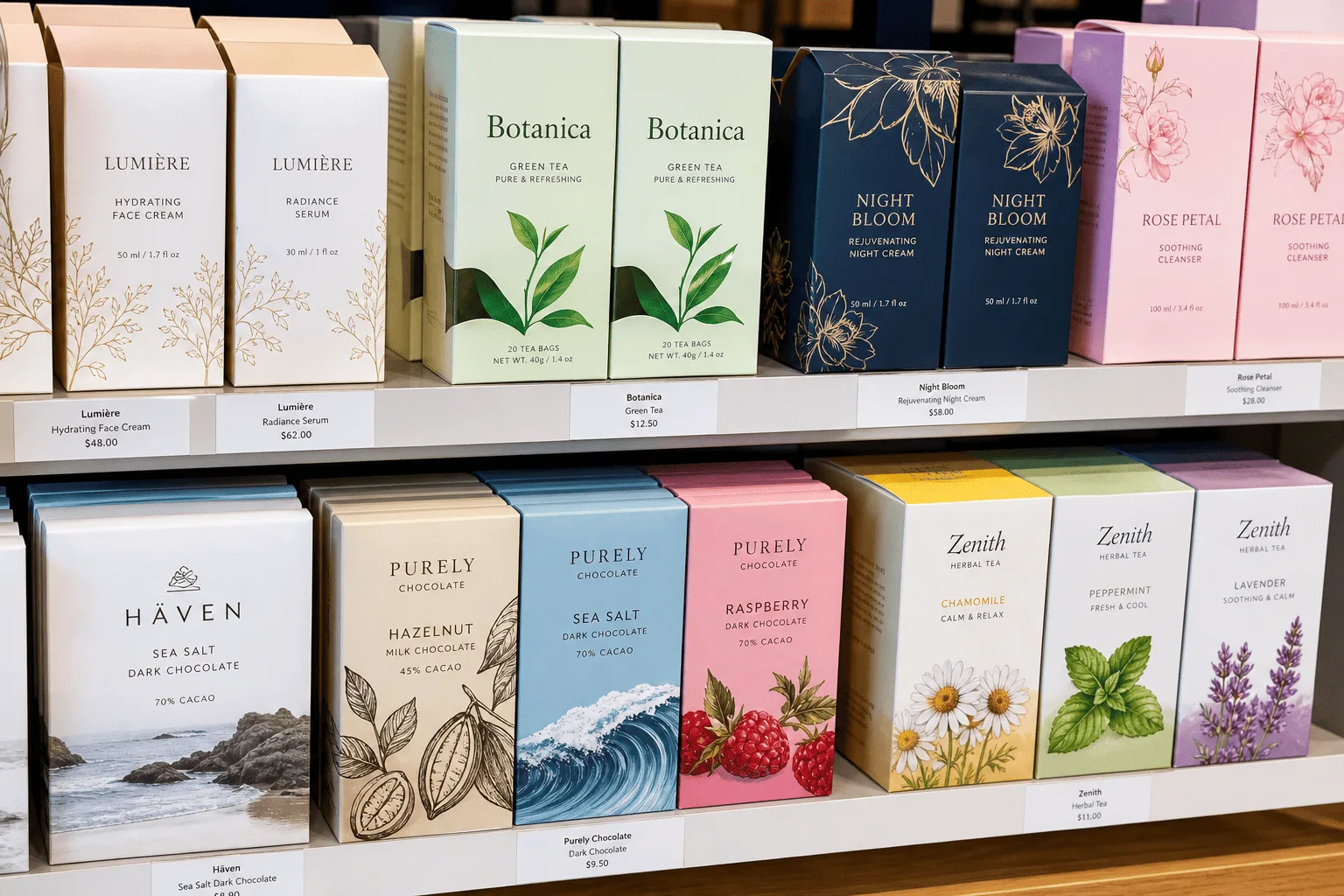
Folding cartons are what most people picture when they think of a standard product box. They are made from paperboard that is printed, laminated, die-cut, and then glued. The key advantage is that they are stored and shipped flat, which dramatically reduces logistics costs. I’ve seen clients save thousands in shipping and warehousing simply by switching from pre-assembled boxes to folding cartons. Once they arrive at the co-packer or fulfillment center, they can be quickly assembled. They offer the perfect balance of protection, branding real estate, and affordability, which you can explore in our Folding Cartons product section.
The Manufacturing Advantage
Thanks to highly automated die-cutting and gluing machines, we can produce folding cartons at very high speeds, which keeps the per-unit cost low for large orders. The smooth surface of the paperboard is also perfect for high-resolution offset printing, allowing for vibrant, photorealistic graphics that grab attention on a crowded shelf.
Here is a table comparing the three main box categories:
| Feature | Rigid Box | Folding Carton | Corrugated Box |
|---|---|---|---|
| Primary Use | Luxury products, gifts | Retail product packaging | Shipping, e-commerce |
| Durability | Very High | Medium | High to Very High |
| Cost Per Unit | High | Low | Low to Medium |
| Luxury Feel | Very High | Low to Medium | Low |
| Shipped | Assembled | Flat | Flat |
| Common Materials | Thick Paperboard + Wrap | Paperboard (SBS, CUK) | Fluted Paper Layers |
Common Styles of Folding Cartons:
- Tuck End Boxes: These are the most common style, with flaps on the top and/or bottom that tuck in to close. A Straight Tuck End box has tucks on the same side, while a Reverse Tuck End has them on opposite sides, which is often stronger.
- Tray & Sleeve Boxes: A paperboard tray slides into an outer sleeve, offering a two-piece design that is more upscale than a standard tuck box but more affordable than a rigid drawer box.
- Gable Boxes: These boxes have a handle built right into the top, making them great for food-to-go, party favors, or gift sets. Their unique shape stands out and adds a playful, convenient touch.
Why Are Corrugated Mailer Boxes Essential for E-commerce?
Your e-commerce business is growing, but so are your customer complaints. Products are arriving dented, scuffed, or broken, leading to costly returns and negative reviews.
Corrugated mailer boxes are essential for e-commerce because their multi-layer fluted construction provides excellent cushioning, rigidity, and impact resistance. They are engineered to protect products during the harsh realities of transit, ensuring items arrive safely and create a positive customer experience.
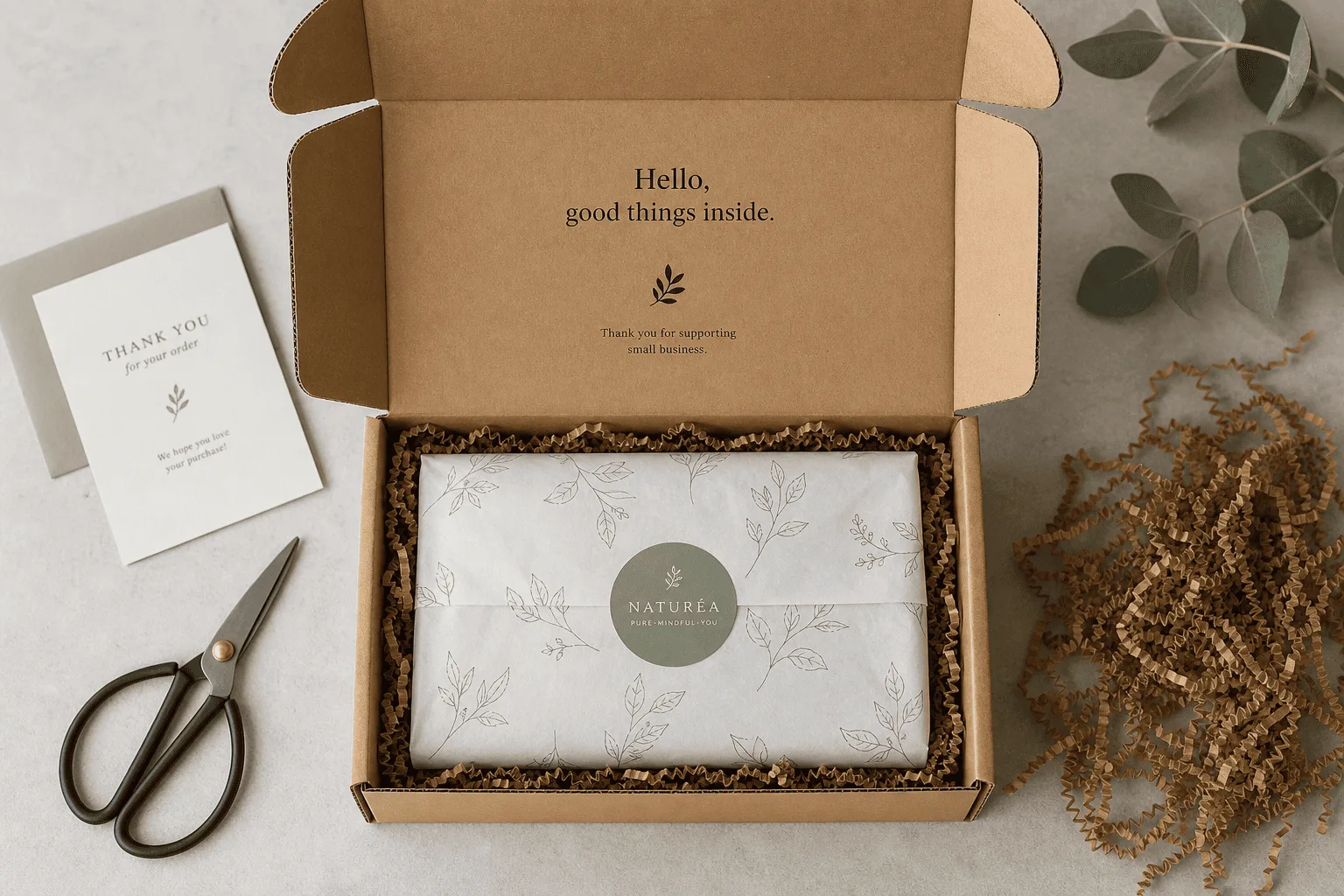
A standard paper box will not survive the journey through automated sorting facilities, delivery trucks, and weather exposure. Corrugated fiberboard is specifically designed for this. It consists of one or more fluted (wavy) sheets of paper sandwiched between flat linerboards. This structure creates pockets of air that act as a cushion against drops and impacts. When an e-commerce client comes to us with damage issues, the first thing we look at is whether they are using the right type of corrugated box. Our Corrugated Mailer Boxes are a staple for direct-to-consumer brands for this very reason.
Understanding the Material
The strength of a corrugated box is determined by its construction, particularly the size of the flutes.
- E-Flute (approx. 1.5 mm thick): This is a very fine flute, providing a smooth surface that is excellent for high-quality printing. It offers good crush resistance and is popular for premium mailers that need to look good.
- B-Flute (approx. 3 mm thick): This offers great all-around performance with good cushioning and stacking strength. It’s a common choice for general-purpose shipping boxes.
- C-Flute (approx. 4 mm thick): This is the most common flute used for standard shipping cartons (like those from Amazon), offering excellent crush resistance.
Many of our clients use E-flute mailers made from FSC-certified kraft paper. This gives them a durable, protective, and sustainable solution that aligns with the values of modern consumers, which we detail in our shipping packaging solutions.
Conclusion
Understanding the fundamental differences between rigid boxes, folding cartons, and corrugated boxes is the first step toward making a strategic packaging decision. Your choice impacts everything from your budget and logistics to your brand perception and customer satisfaction. The right box is an investment that protects your product and elevates your brand.
Are you ready to find the perfect box for your product? Contact my team at Omet Pack for a custom quotation based on your design, or explore our complete Paper Boxes catalog to see these types in action.
For more in-depth knowledge, visit our central Paper Boxes Hub to access all our guides and resources on the topic.
FAQ
1. What is the main difference between paperboard and corrugated board?
Paperboard (used for folding cartons and rigid boxes) is a single, thick sheet of paper material. Corrugated board consists of multiple layers, including a fluted (wavy) inner medium sandwiched between flat linerboards, which provides significantly more cushioning and strength for shipping.
2. How do I choose the right thickness for my box?
The right thickness depends on your product’s weight and fragility. Lightweight items in a retail setting may only need a 300 GSM paperboard folding carton. A heavy glass bottle being shipped will require a sturdy corrugated box, while a luxury watch would benefit from the thick, protective paperboard of a rigid box.
3. Can I custom print on all types of paper boxes?
Yes, but the methods and results differ. Folding cartons and the outer wraps of rigid boxes are ideal for high-quality offset printing. Corrugated boxes are typically printed using flexography, which is better for simpler graphics, though high-quality digital and offset printing on corrugated mailers is becoming more common.
4. What is the most eco-friendly custom box option?
Corrugated and folding carton boxes made from recycled content or FSC-certified kraft paper are excellent eco-friendly choices. They are both widely recyclable. The sustainability of a rigid box depends on the adhesives and wrap materials used, but eco-friendly options are available.